The Case Study House program was a landmark of American architecture, generating 36 prototype home designs that could be easily built. John Entenza recruited the era's best architects, such as Richard Neutra, Charles Eames and Eero Saarinen, to create the designs. This book reveals the prototypes in photography, floor plans, and sketches.
Il programma Case-Study-House (1945–1966) è stato unico nella storia dell'architettura americana. Con il supporto della rivista Arts & Architecture, il programma cercava di rispondere al boom edilizio del dopoguerra con prototipi di case moderne, facilmente replicabili e accessibili per l'americano medio. Le Case-Study, prevalentemente situate nell'area di Los Angeles, comprendevano 36 modelli commissionati a rinomati architetti come Richard Neutra, Raphael Soriano, Craig Ellwood, Charles e Ray Eames, Pierre Koenig, Eero Saarinen, A. Quincy Jones e Ralph Rapson. Tra i requisiti c'era l'uso di tecniche e materiali moderni sviluppati o migliorati durante la guerra. I risultati del programma miravano a ridefinire la casa moderna, con un impatto che si estendeva ben oltre gli Stati Uniti. Questa guida compatta include tutte le Case-Study con oltre 150 foto e planimetrie, oltre a una mappa che segna la posizione di tutte le case, comprese quelle non più esistenti.
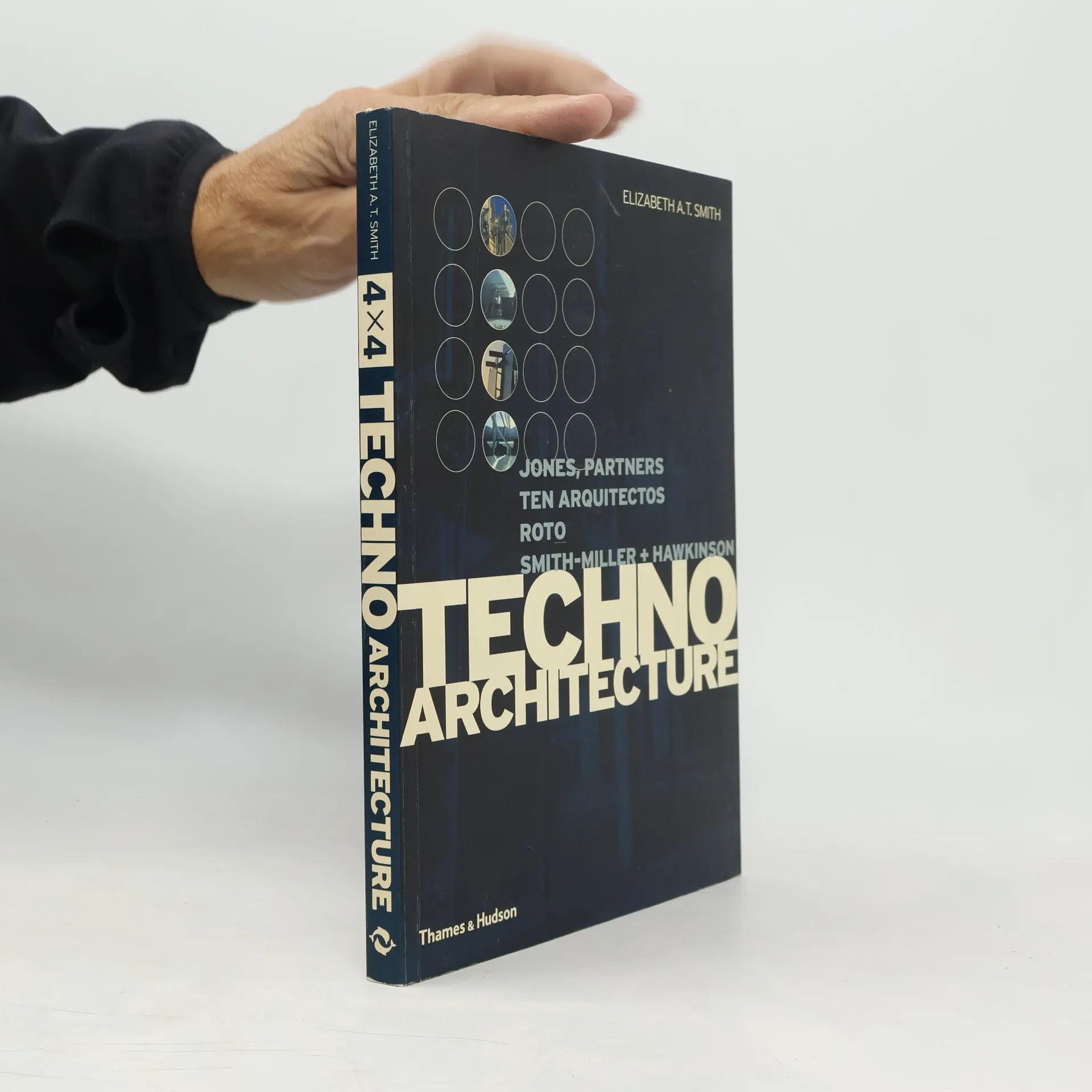
By examining the recent practice in architecture that has its roots in early-20th-century ideals of machines for living, this text demonstrates how four contemporary international architects used technology to advance structural expression to evoke an almost nostalgic image of the machine. The book addresses the fundamental art and craft of building in the post-machine age and traces the evolution of this practice, before discussing the similarities amongst the four architects. A section is devoted to each practice which contains an architect's profile and a general description of all four projects.
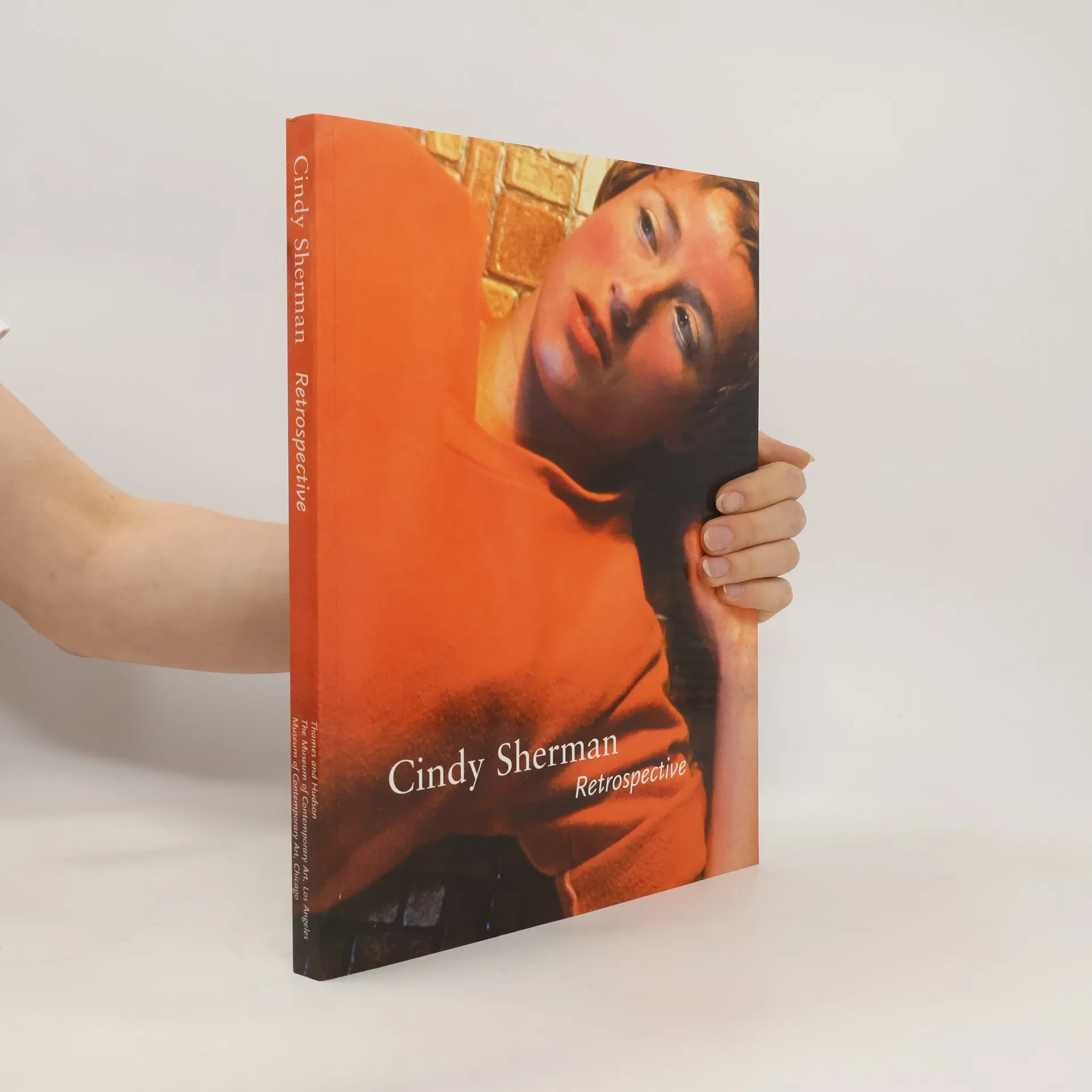
Essayists Amada Cruz, Elizabeth A. T. Smith, and Amelia Jones offer keen insight and observations from several distinct vantage points, demonstrating that Sherman's work is a lens through which to view contemporary art and its ongoing concern with the profound issues of the structures of the self.