

E' il pianista Władysław Szpilman l'autore e al contempo il protagonista di questo libro ambientato a Varsavia durante la Seconda Guerra Mondiale. Egli racconta la storia di un uomo, sfuggito alla deportazione nascondendosi fra le rovine del ghetto, che è anche e soprattutto la storia dell'umiliazione e della distruzione del popolo ebreo. Un ufficiale tedesco lo aiuterà a sopravvivere.
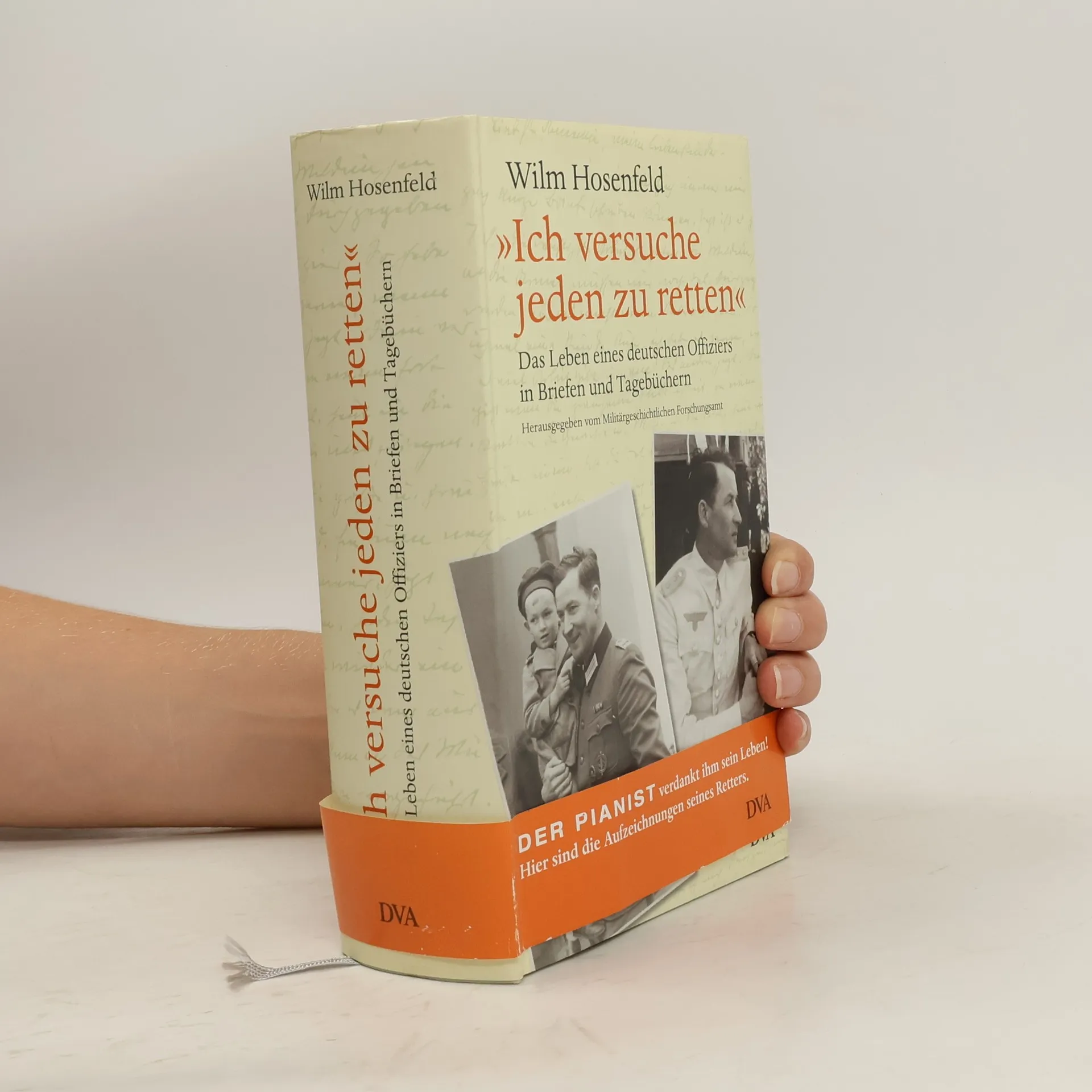
Wilm Hosenfeld Libri

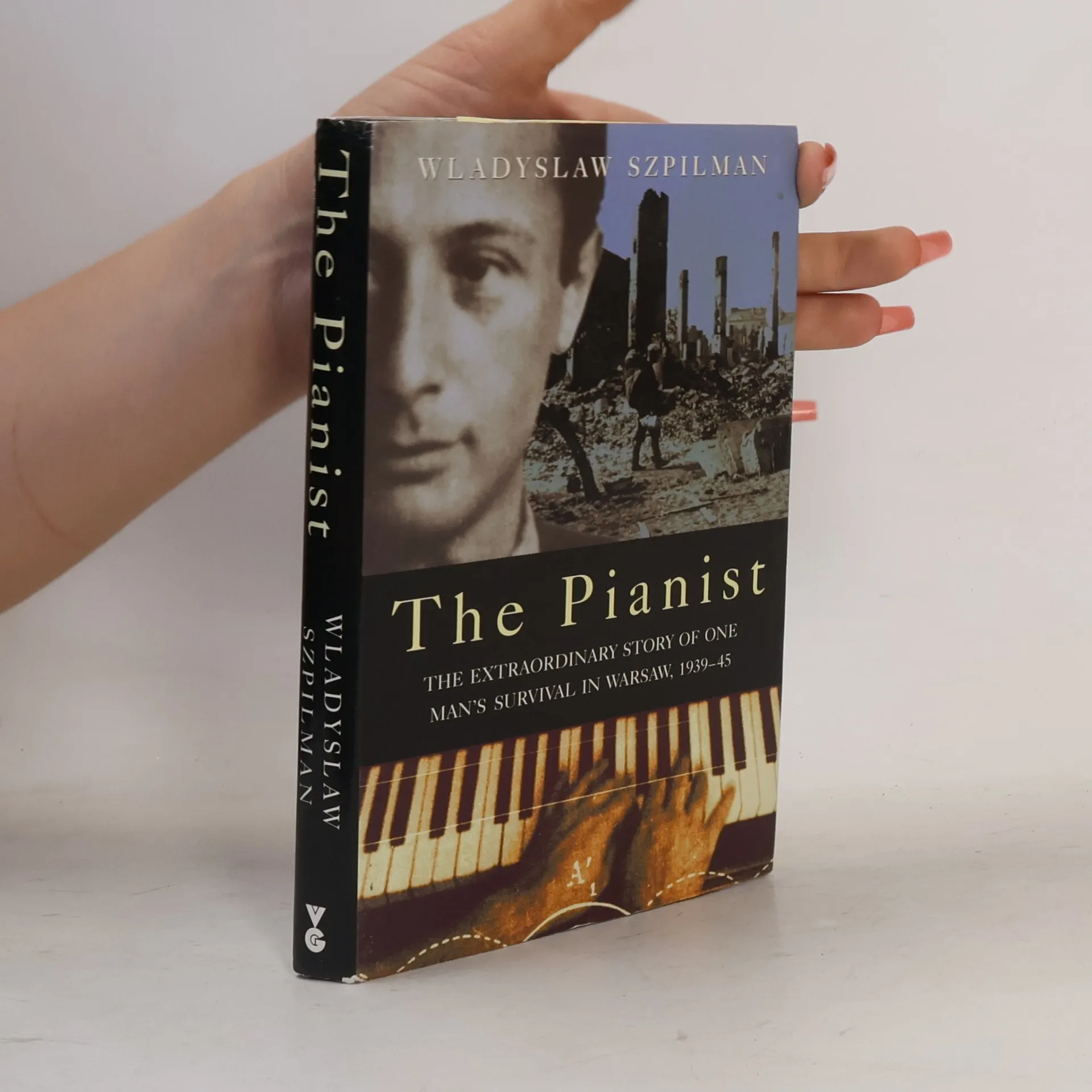

The Pianist
The Extraordinary Story of One Man's Survival in Warsaw, 1939–45
- 222pagine
- 8 ore di lettura
The last live broadcast on Polish Radio, on September 23, 1939, was Chopin's Nocturne in C# Minor, played by a young pianist named Wladyslaw Szpilman, until his playing was interrupted by German shelling. It was the same piece and the same pianist, when broadcasting was resumed six years later. <i>The Pianist</i> is Szpilman's account of the years inbetween, of the death and cruelty inflicted on the Jews of Warsaw and on Warsaw itself, related with a dispassionate restraint borne of shock. Szpilman, now 88, has not looked at his description since he wrote it in 1946 (the same time as Primo Levi's <i>If This Is A Man?</i>; it is too personally painful. The rest of us have no such excuse. <p> Szpilman's family were deported to Treblinka, where they were exterminated; he survived only because a music-loving policeman recognised him. This was only the first in a series of fatefully lucky escapes that littered his life as he hid among the rubble and corpses of the Warsaw Ghetto, growing thinner and hungrier, yet condemned to live. Ironically it was a German officer, Wilm Hosenfeld, who saved Szpilman's life by bringing food and an eiderdown to the derelict ruin where he discovered him. Hosenfeld died seven years later in a Stalingrad labour camp, but portions of his diary, reprinted here, tell of his outraged incomprehension of the madness and evil he witnessed, thereby establishing an effective counterpoint to ground the nightmarish vision of the pianist in a desperate reality. Szpilman originally published his account in Poland in 1946, but it was almost immediately withdrawn by Stalin's Polish minions as it unashamedly described collaborations by Lithuanians, Ukrainians, Poles and Jews with the Nazis. In 1997 it was published in Germany after Szpilman's son found it on his father's bookcase. This admirably robust translation by Anthea Bell is the first in the English language. There were 3,500,000 Jews in Poland before the Nazi occupation; after it there were 240,000. Wladyslaw Szpilman's extraordinary account of his own miraculous survival offers a voice across the years for the faceless millions who lost their lives. --<i>David Vincent</i></p>
Wilm Hosenfeld ; Im Auftrag Des Militärgeschichtlichen Forschungsamtes Herausgegeben Von Thomas Vogel. Includes Bibliographical References (p. [1173]-1186) And Index.