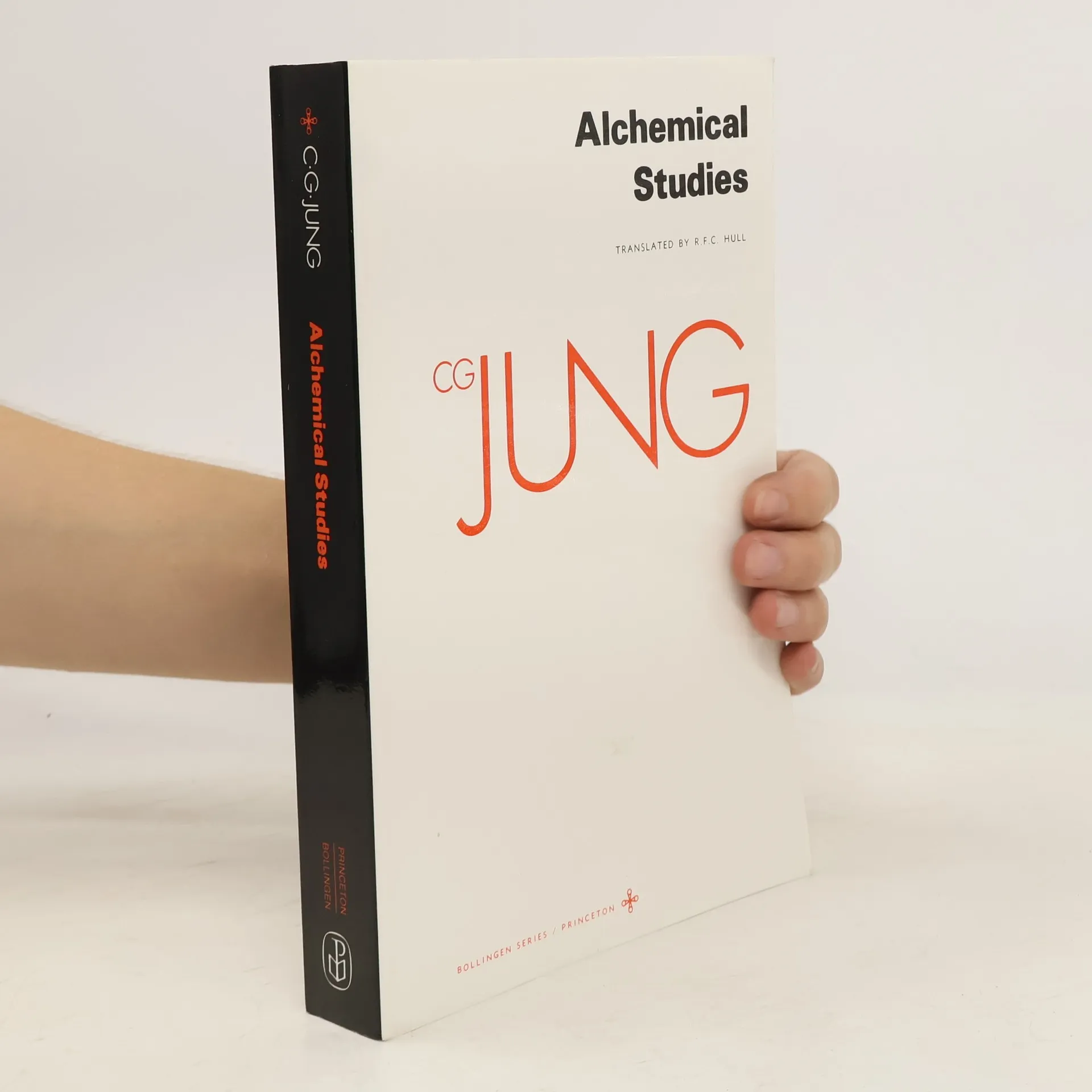
Five long essays that trace Jung's developing interest in alchemy from 1929 onward. An introduction and supplement to his major works on the subject, illustrated with 42 patients' drawings and paintings.
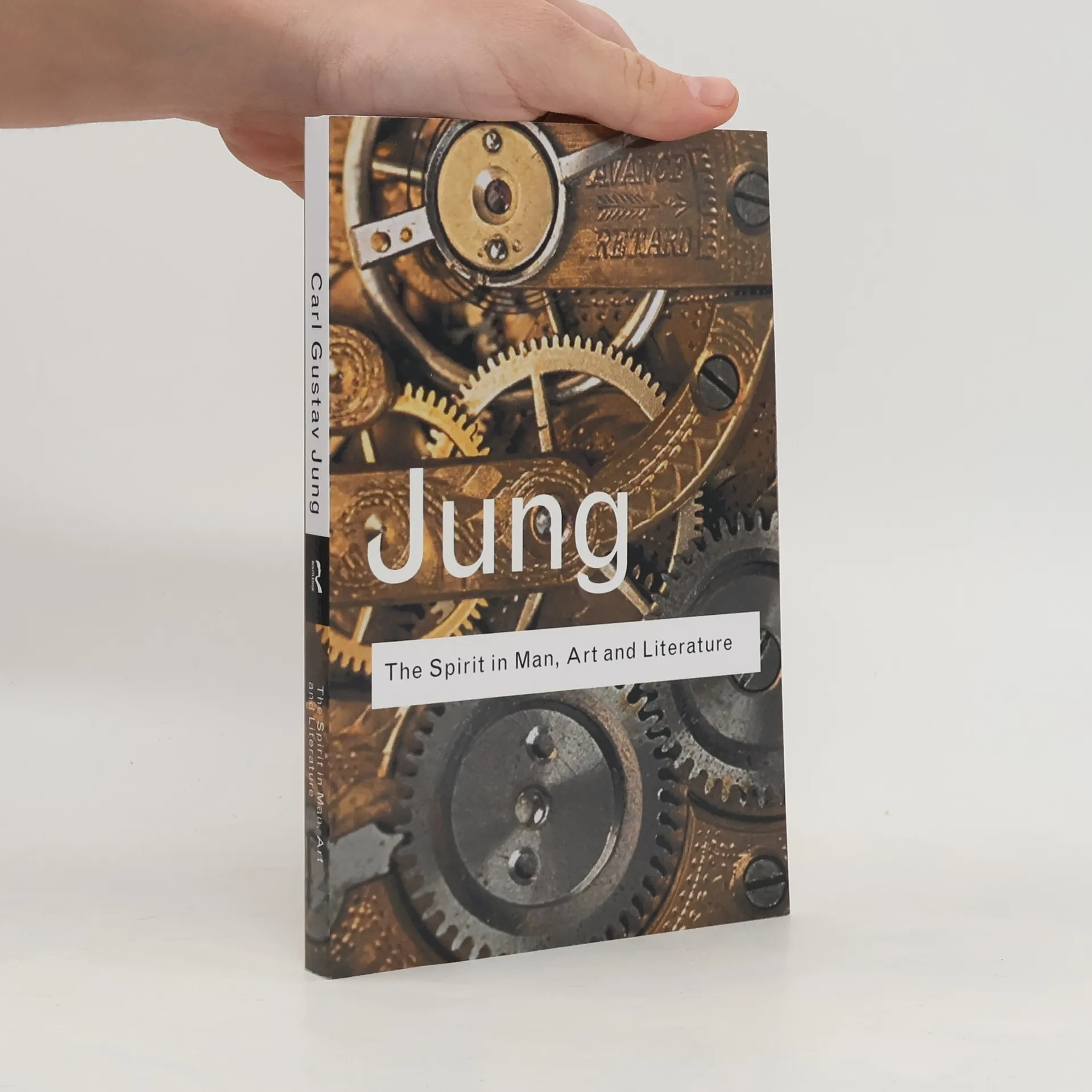
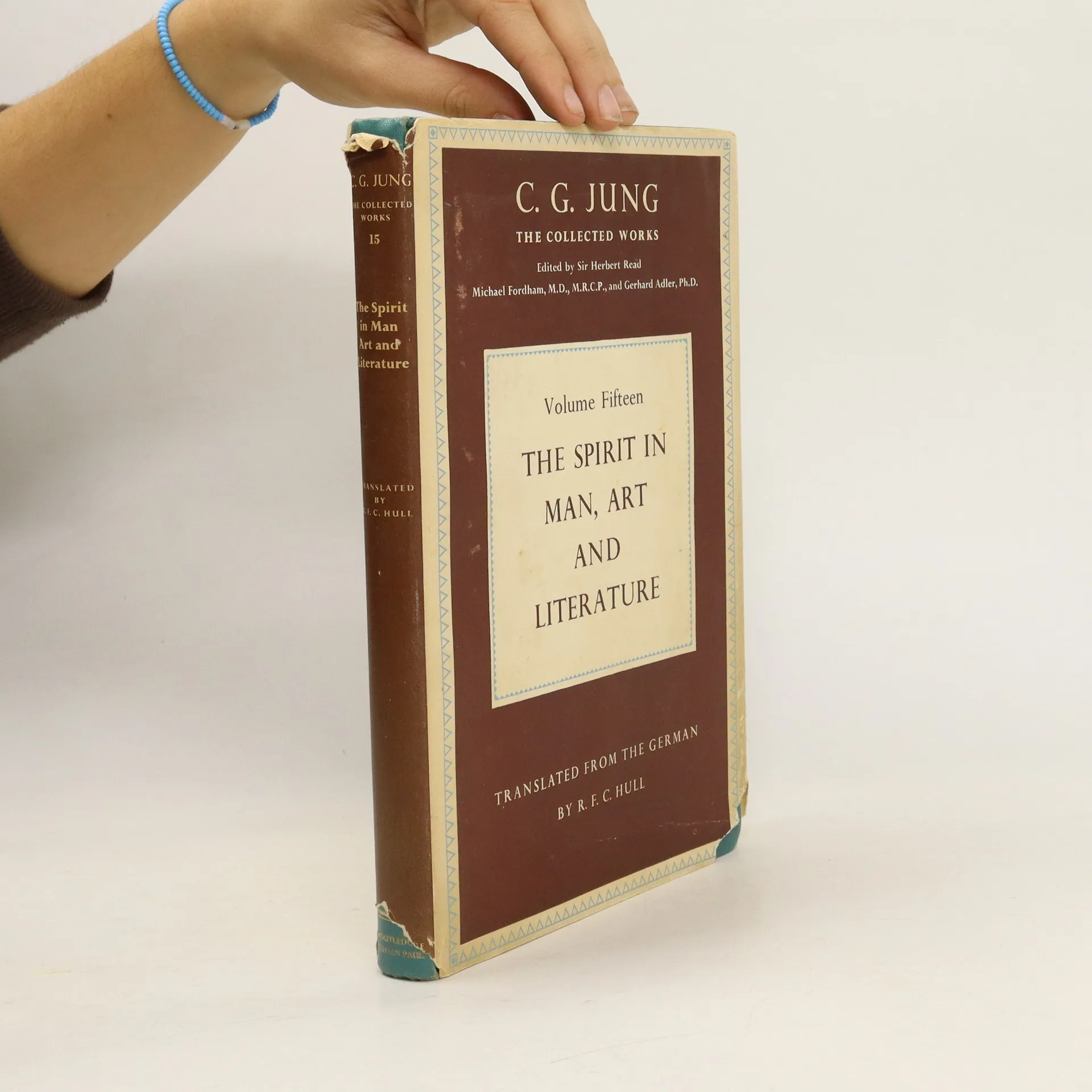
The Spirit in Man, Art and Literature offers unique and penetrating insights into the lives and opinions of some of the most significant players in the cultural life of the twentieth century. Carl Gustav Jung was at the heart of that cultural life, pioneering, along with Freud, a new interpretation of what it meant to be human in the modern age. This volume reveals the full range of Jung's involvement in this process, from his famous analysis of 'Psychology and Literature' to his landmark texts on Joyce's Ulysses and Picasso's paintings. Jung writes of Freud from the perspective of one who was "permitted a deep glimpse into the mind of this remarkable man," and through the memories and opinions recorded in The Spirit in Man, Art and Literature, the reader is offered a similar privilege.
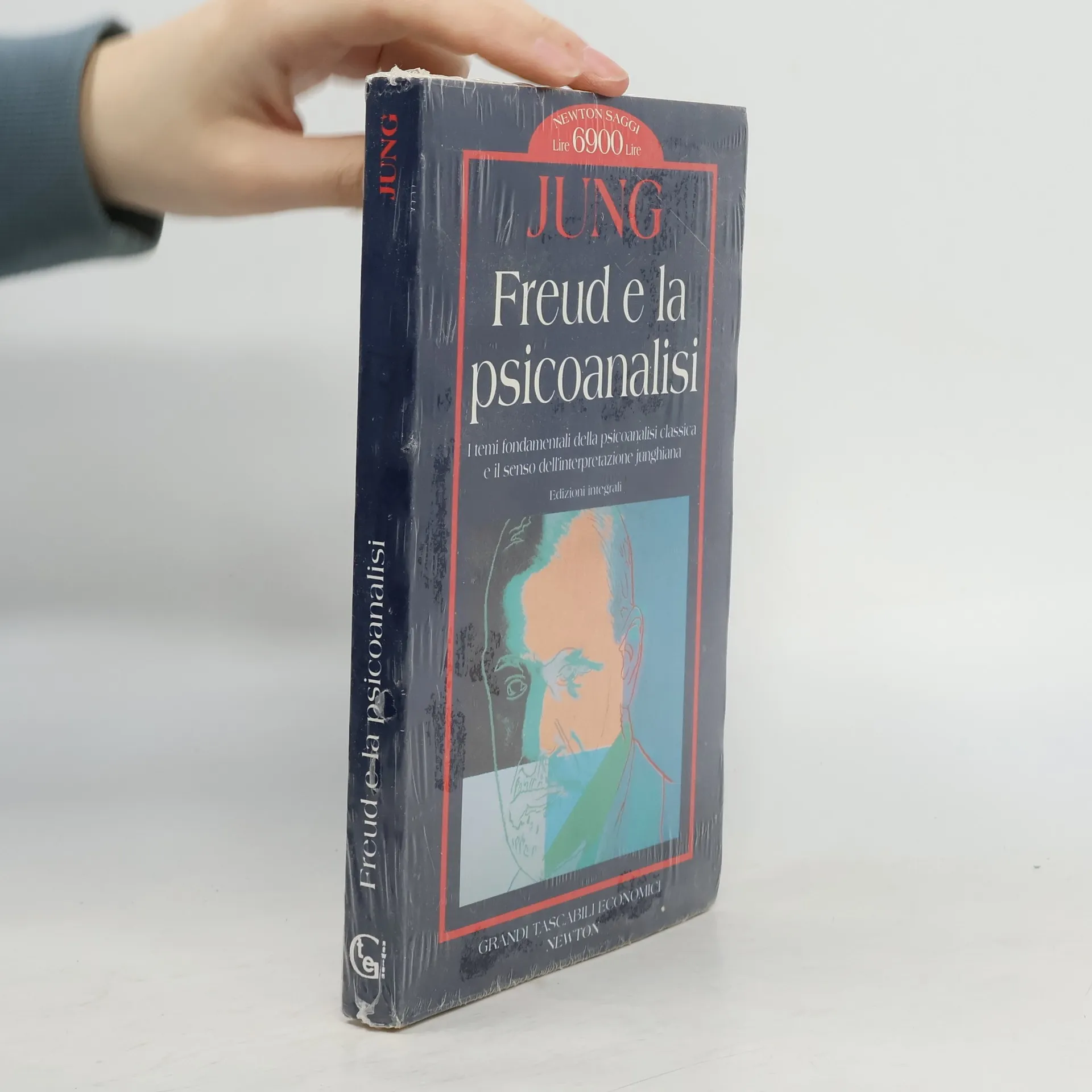
La prima incontro di C. G. Jung con Sigmund Freud avvenne nel febbraio del 1907, dopo un anno di corrispondenza e dopo che Jung aveva già sperimentato il pensiero freudiano nella sua ricerca e pratica dal 1904. Fino al 1912, il legame tra i due scienziati e medici era stretto, e Jung era considerato uno dei principali psicoanalisti. Sebbene le relazioni personali iniziarono a deteriorarsi, in particolare a causa della pubblicazione di "Trasformazioni e simboli della libido" (1911/12), Jung rimase presidente della Società Psicoanalitica Internazionale fino al 1914. Le prime nove trattazioni di questo quarto volume delle Opere Complete coprono il periodo della collaborazione tra Jung e Freud: espongono la teoria e il metodo della psicoanalisi, applicandoli a temi specifici e affrontando obiezioni o malintesi dei critici. Seguono lavori che contengono elementi fondamentali della critica e della visione personale di Jung. Il giudizio evolve, i contrasti portano a una rottura aperta, e dalla distanza temporale emergono intuizioni sulla condizione personale di entrambi e sulla necessità di un percorso autonomo. L'incontro con Freud all'inizio della carriera ha profondamente influenzato Jung, lasciando tracce in numerose opere successive.
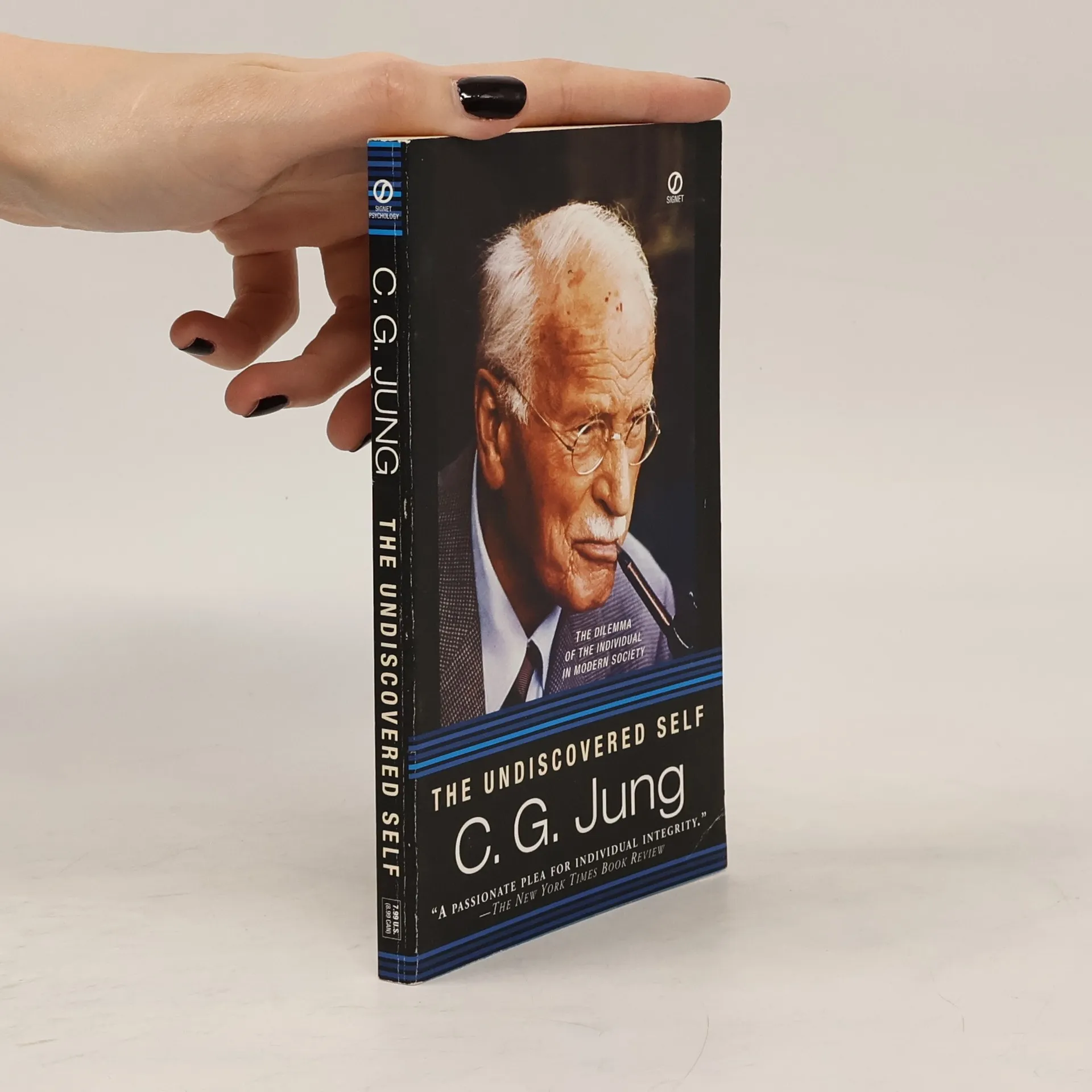
One of the world's greatest psychiatrists reveals how to embrace our own humanity and resist the pressures of an ever-changing world. In this challenging and provocative work, Dr. Carl Jung—one of history's greatest minds—argues that civilization's future depends on our ability as individuals to resist the collective forces of society. Only by gaining an awareness and understanding of one's unconscious mind and true, inner nature—"the undiscovered self"—can we as individuals acquire the self-knowledge that is antithetical to ideological fanaticism. But this requires that we face our fear of the duality of the human psyche—the existence of good and the capacity for evil in every individual. In this seminal book, Jung compellingly argues that only then can we begin to cope with the dangers posed by mass society—"the sum total of individuals"—and resist the potential threats posed by those in power.
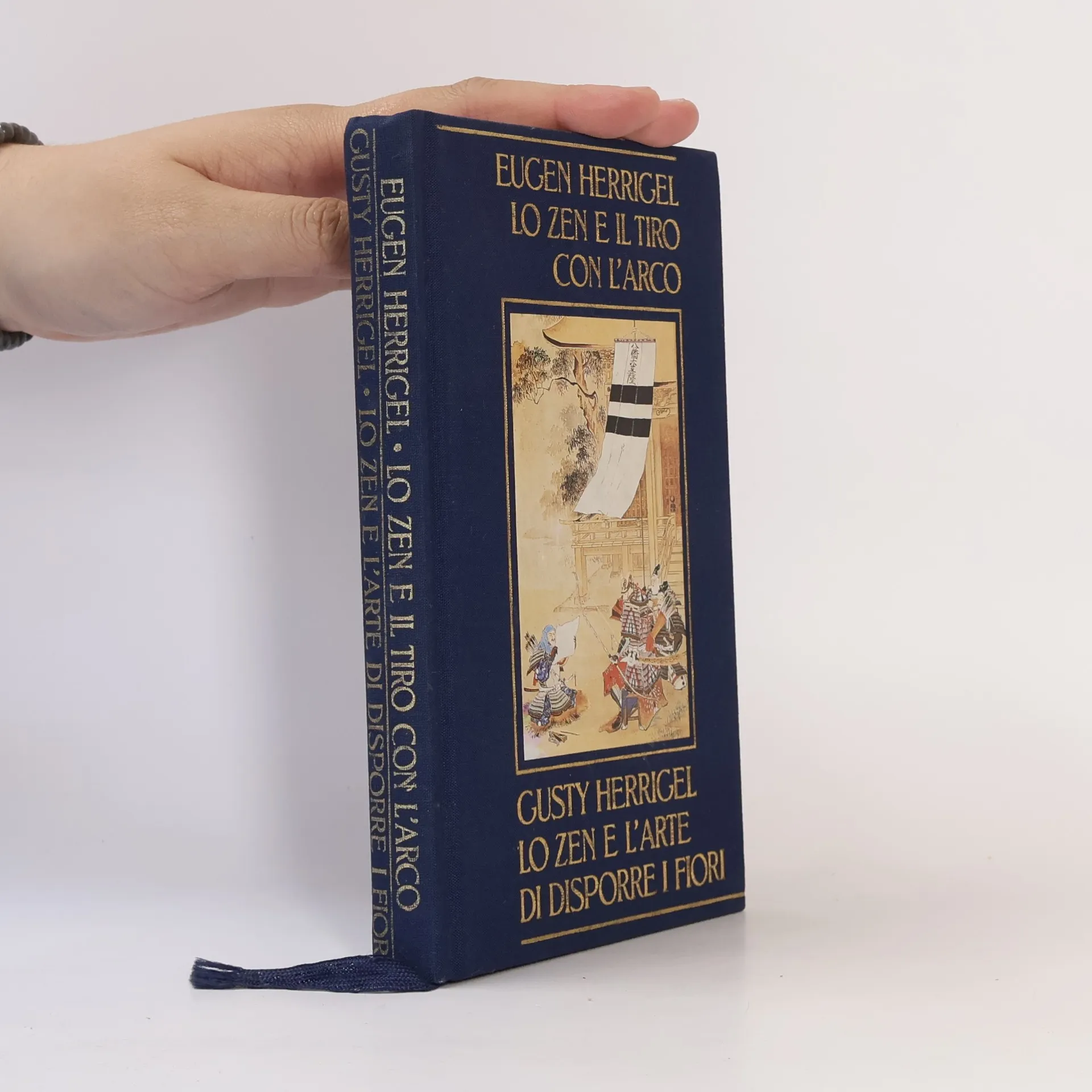
Questo piccolo libro è un illuminante, lucido e utile resoconto, scritto da un occidentale, di come un occidentale possa avvicinarsi allo Zen. Un professore tedesco di filosofia, Eugen Herrigel, vuole essere introdotto allo Zen e gli viene consigliato di imparare una delle arti in cui lo Zen da secoli si applica: il tiro con l'arco. Comincia così un emozionante tirocinio, nel corso del quale Herrigel si troverà felicemente costretto a capovolgere le sue idee, e soprattutto il suo modo di vivere. All'inizio con grande pena e sconcerto. Dovrà infatti riconoscere prima di tutto che i suoi gesti sono sbagliati, poi che sono sbagliate le sue intenzioni, infine che proprio le cose su cui fa affidamento sono i più grandi ostacoli: la volontà, la chiara distinzione fra mezzo e fine, il desiderio di riuscire. Ma il tocco sapiente del Maestro aiuterà Herrigel a scrollarsi tutto di dosso, a restare "vuoto" per accogliere, quasi senza accorgersene, l'unico gesto giusto, che fa centro quello di cui gli arcieri Zen dicono: "Un colpo, una vita". In un tale colpo, arco, freccia, bersaglio e Io si intrecciano in modo che non è possibile separarli: la freccia scoccata mette in gioco tutta la vita dell'arciere e il bersaglio da colpire è l'arciere stesso.
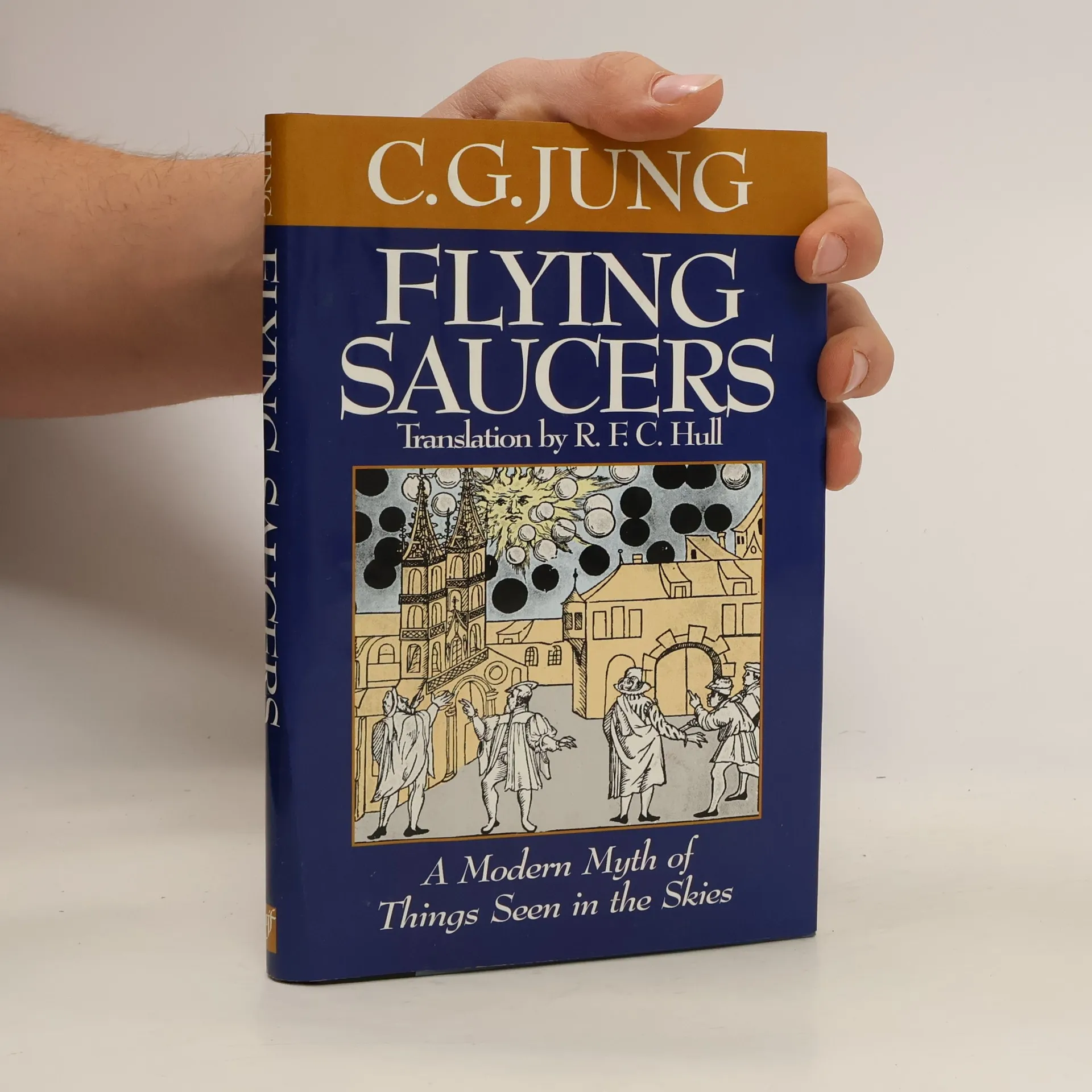
While Jung is known mainly for his theories on the nature of the unconscious mind, he did have an interest in the paranormal. In this essay, Jung applies his analytical skills to the UFO phenomenon. Rather than assuming that the modern prevalence of UFO sightings are due to extraterrestrial craft, Jung reserves judgment on their origin and connects UFOs with archetypal imagery, concluding that they have become a "living myth." This essay is intriguing in its methodology and implications as to the nature of UFOs and their relation to the human psyche.
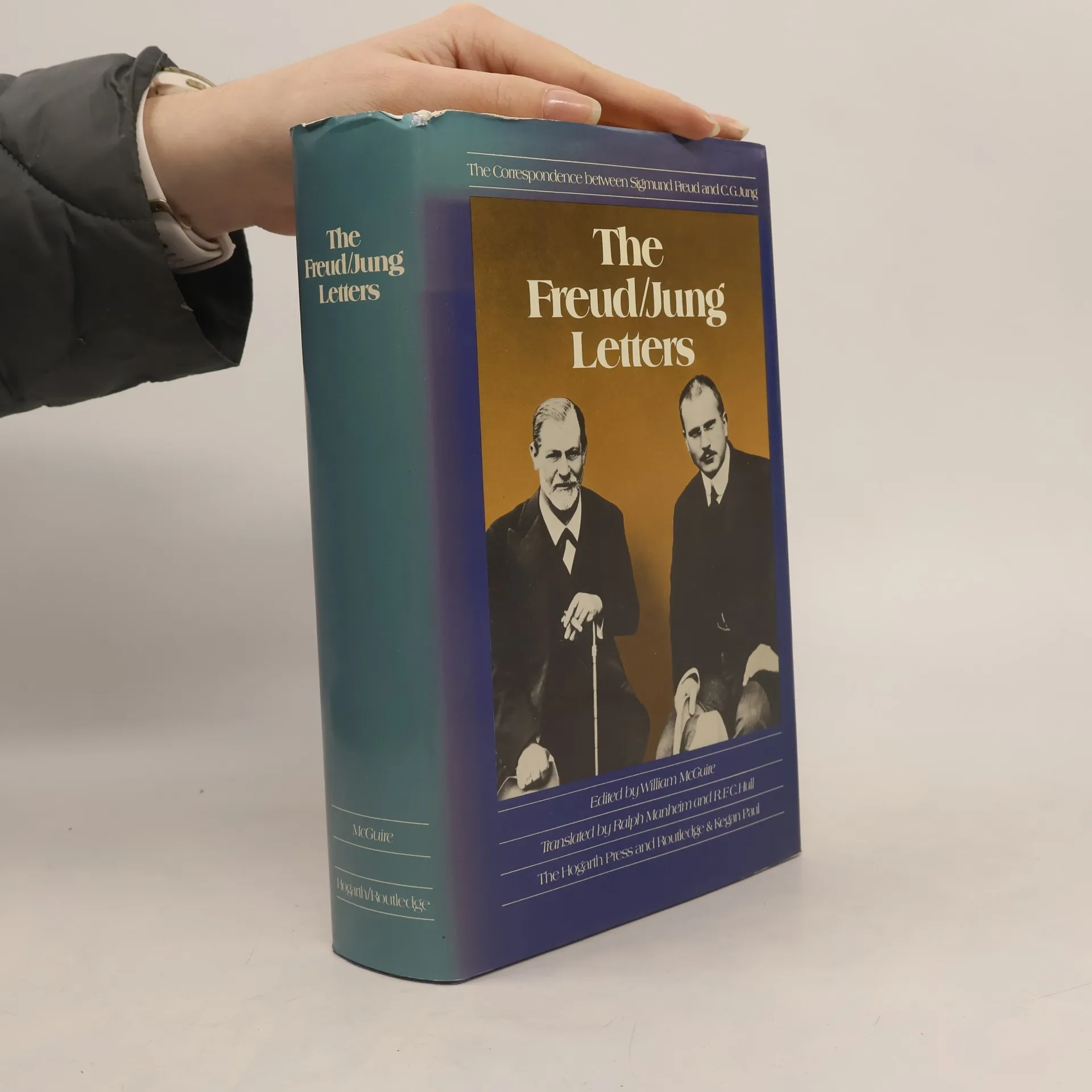
The Correspondence Between Sigmund Freud and C.G. Jung
692pagine
25 ore di lettura
s/t: The Correspondence Between Sigmund Freud & C.G. Jung 'The substance of intellectual history at a turning point is in these letters. The impression is of two immensely ambitious, self-willed, often inspired men, who had set themselves apart as innovators, roped together in a long climb into a new world.' -The Observer
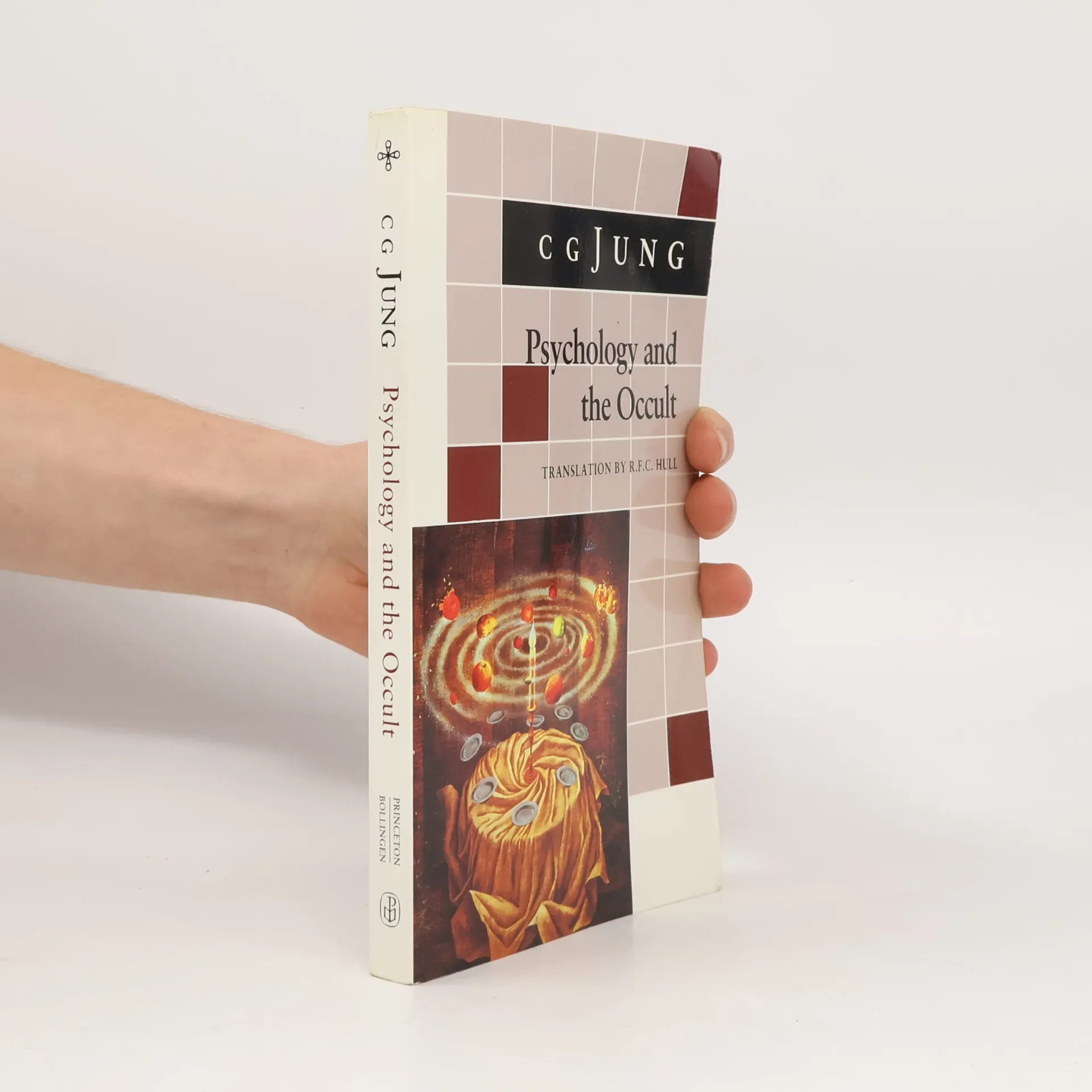
Extracted from Volumes 1, 8, and 18. Includes Jung's Foreword to Phenom�nes Occultes (1939), On the Psychology and Pathology of So-called Occult Phenomena, The Psychological Foundations of Belief in Spirits, The Soul and Death, Psychology and Spiritualism, On Spooks: Heresy or Truth? and Foreword to Jaff� Apparitions and Precognition.
Includes papers on child psychology, education, and individuation, underlining the overwhelming importance of parents and teachers in the genesis of the intellectual, feeling, and emotional disorders of childhood. This title includes final paper that deals with marriage as an aid or obstacle to self-realization.
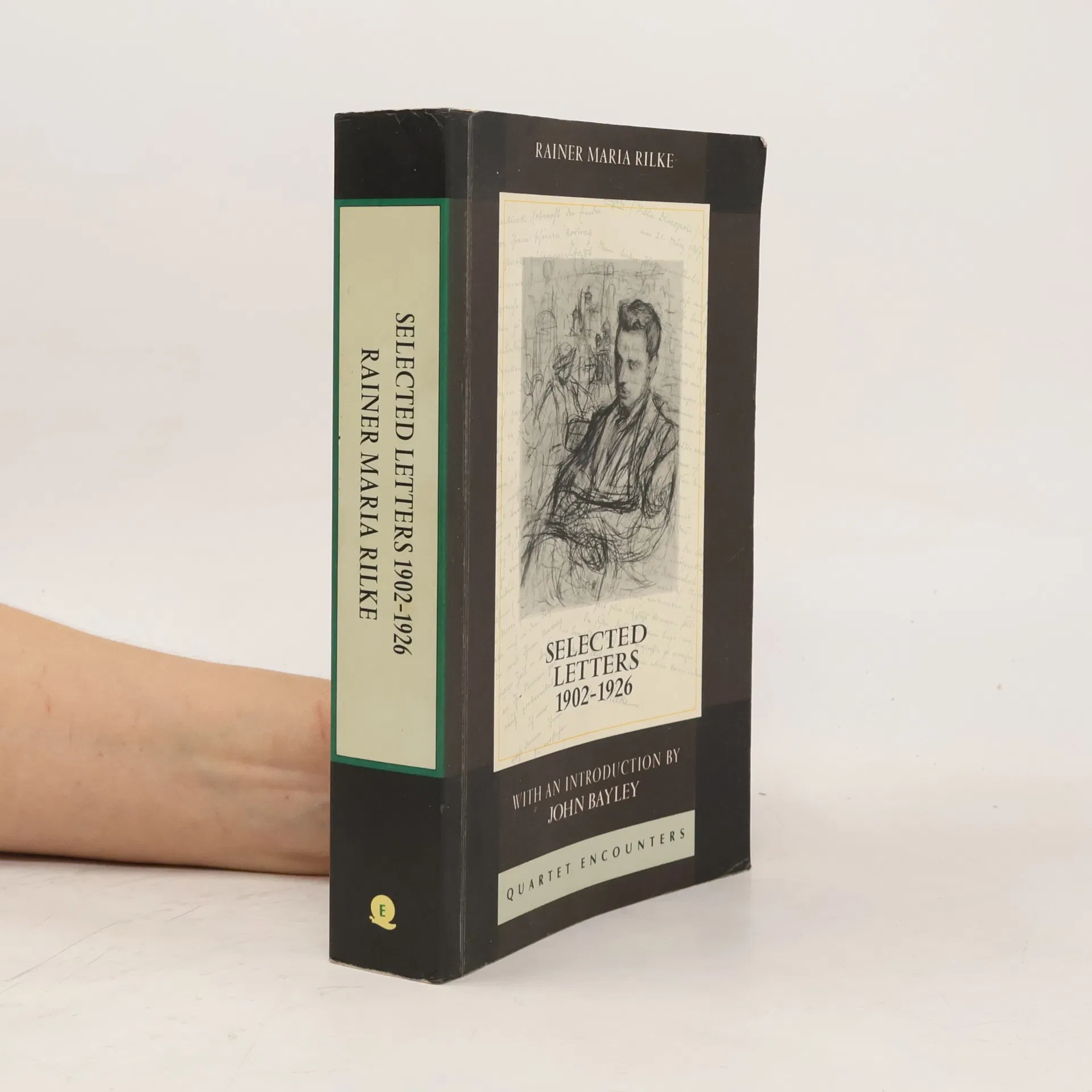
Rilke is perhaps the most famous of all twentieth-century European poets. He was born in Prague in 1875 but much of his life is characterized by a restless wandering which brought him into contact with some of the greatest figures of the age, among them Lou Andreas-Salome, Tolstoy, Rodin and Cezanne. He died in Switzerland in 1926. With two exceptions this selection is made exclusively from the five volumes of letters published by the Inselverlag up to 1935, covering the period 1902 to 1926. (from book's Notes)
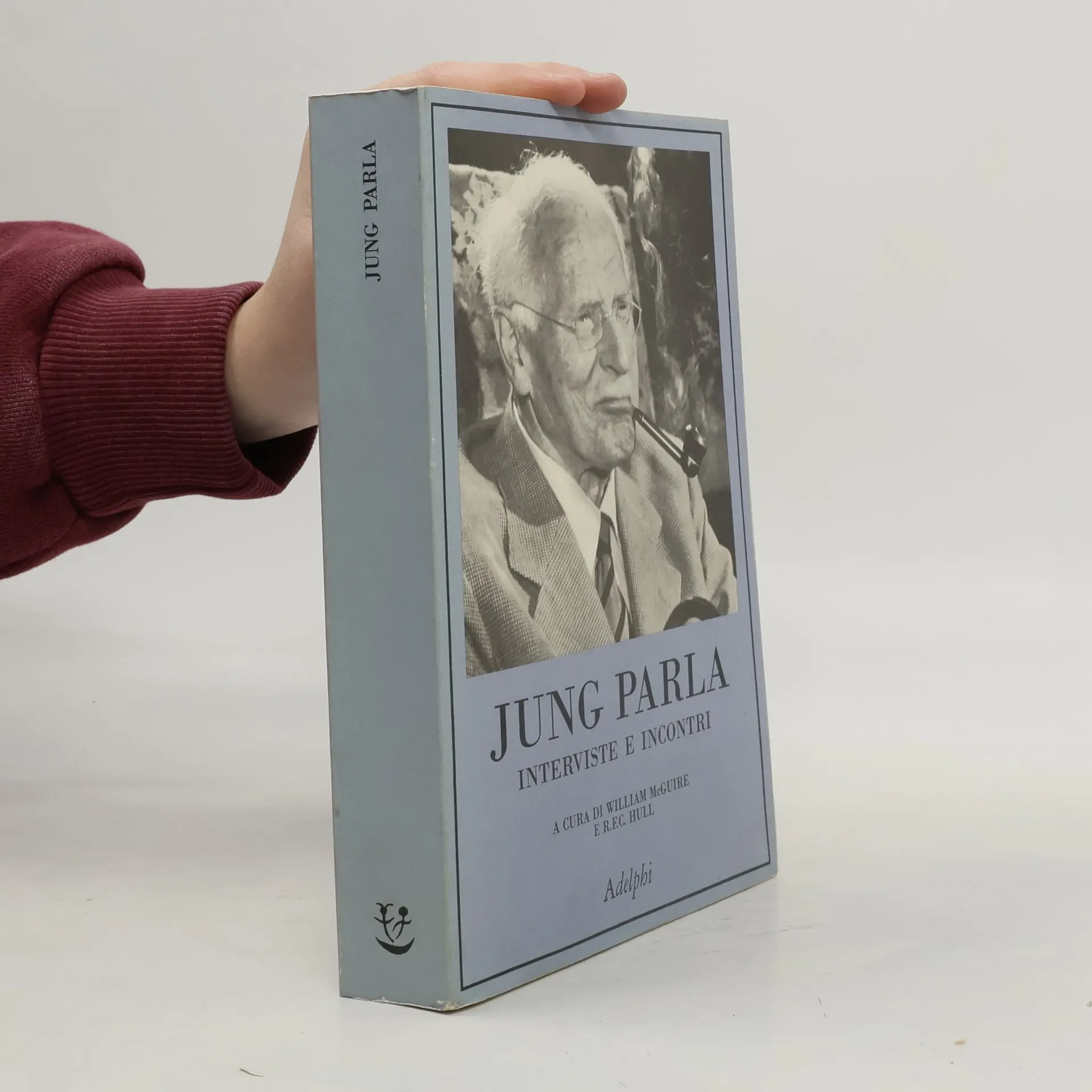
C.G. Jung amava definirsi un «introverso», il che non significa che non sapesse trattare con il mondo – e in particolare con quella insidiosa manifestazione del mondo che è l’intervista. Lungo tutto l’arco della sua vita, accettò di parlare di se stesso e del suo pensiero con i più svariati interlocutori, alcuni dei quali oscuri, altri illustri come Victoria Ocampo, Alberto Moravia, Mircea Eliade, Charles Baudouin, Miguel Serrano. Ed è sorprendente il fatto che ogni volta, fra le maglie di una forma così aleatoria e sfuggente, Jung abbia voluto e saputo lasciar filtrare delle verità che nei suoi libri rimangono talora celate come in uno scrigno. Queste interviste rappresentano dunque un prezioso controcanto a tutta l’opera di Jung, indispensabile sia per chi si accosti ad essa per la prima volta, sia per chi la conosca in profondità. Le novità appariranno insomma equamente divise, anche perché in Jung allo sforzo per chiarire le proprie idee ed esporle in modo piano si accompagna sempre la formulazione imprevista, quasi il guizzo di un ironico sciamano. La presente raccolta fu pubblicata per la prima volta nel 1977.