The Hiroshima Men
The Birth of the Atomic Bomb and the Dawning of the Age of Mutually Assured Destruction

4,4




The Birth of the Atomic Bomb and the Dawning of the Age of Mutually Assured Destruction
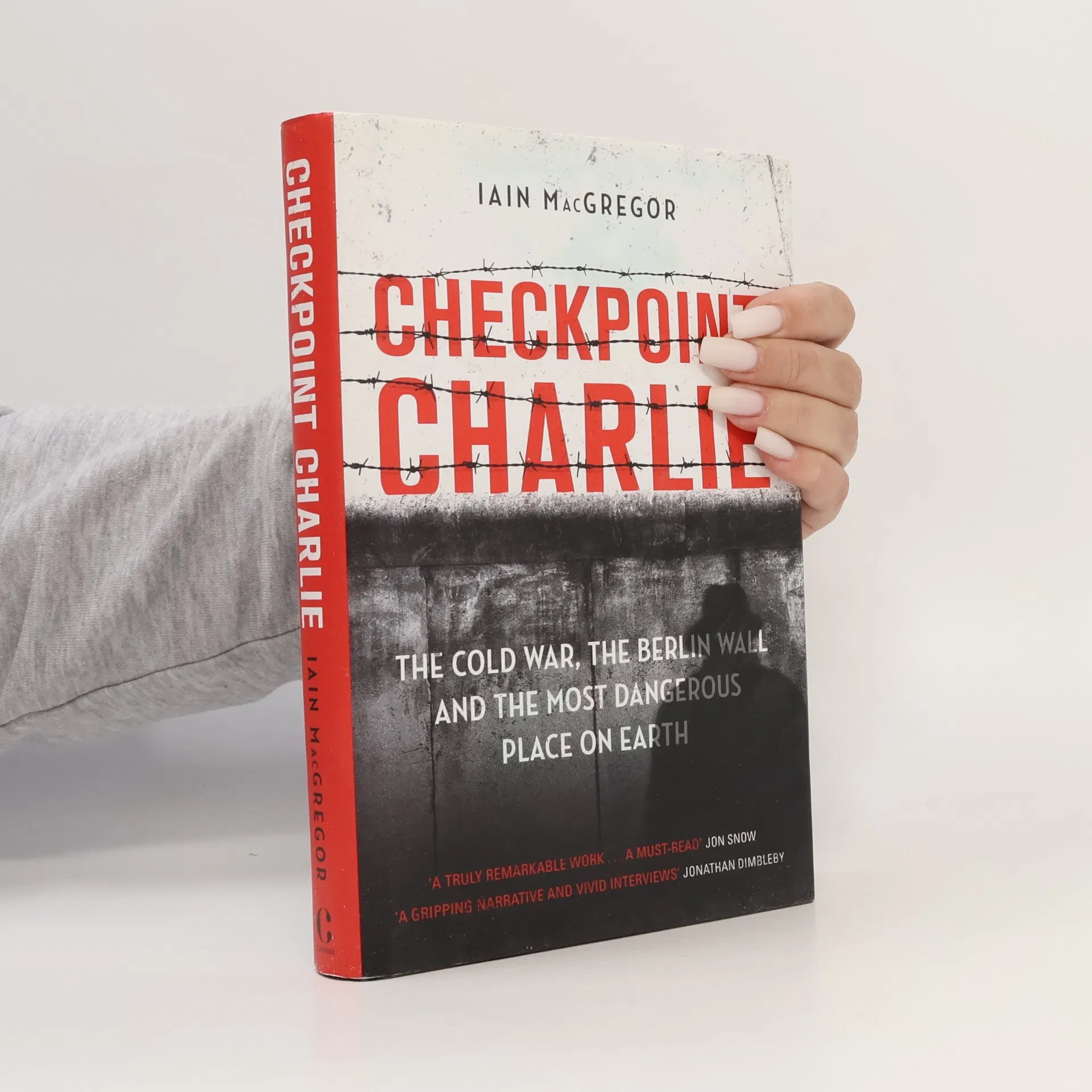
On August 13 1961, work started on erecting an eleven-foot-high concrete barrier that would ultimately cost a billion dollars and would come to serve as the physical and symbolic division between Eastern and Western Europe. Over the next twenty-eight years, thousands would attempt to scale the Berlin Wall and flee communist East Germany - and more than 100 people would perish. Checkpoint Charlie stood at the confluence of the arterial routes that ran through the heart of Berlin and was the epicentre of global conflict for nearly three decades, until the fall of the Wall in November 1989. Capturing the mistrust, oppression, paranoia and fear that gripped the world during the era of the Wall's existence - as well as the indomitable spirit of those many people who risked their lives to escape tyranny - Checkpoint Charlie will draw on interviews with key eyewitnesses to tell the heart-rending story of the Berlin Wall and the lives that it changed irrevocably.
SHORTLISTED FOR CYCLING BOOK OF THE YEAR AT THE BRITISH SPORTS BOOK AWARDS 'Paris-Roubaix is the best race in the world and knocks spots off the Tour de France.' Sir Bradley Wiggins. Paris-Roubaix. The Hell of the North. The ultimate monument in cycling's Classics. More than 150 miles across dusty or muddy roads, much of it puncture-inducing and bone-breaking cobblestones. Even professional riders blanche at the very mention of it. Tour de France winners (with the notable exception of Wiggins in 2014) make their excuses from it. So why on earth would an amateur even dare to attempt it? In To Hell on a Bike, Iain MacGregor does just that and as he prepares for the ride of his life, he explores the history and culture of this extraordinary race. With insights from legends of the sport, trainers, mechanics and fellow writers, as well as those who have maintained the traditions of Paris-Roubaix since its inception over a century ago, it is the ultimate story of the ultimate cycling challenge.
Within this life-and-death struggle, Soviet war correspondents lauded the fight for a key strategic building in the heart of the city, 'Pavlov's House,' which was situated on the frontline and codenamed 'The Lighthouse.' The legend grew of a small garrison of Russian soldiers from the 13th Guards Rifle Division holding out against the Germans of the Sixth Army, which had battled its way to the very center of Stalingrad. A report about the battle in a local Red Army newspaper would soon grow and be repeated on Moscow radio and in countless national newspapers. By the end of the war, the legend would gather further momentum and inspire Russians to rebuild their destroyed towns and cities. This story has become a pillar of the Stalingrad legend and one that can now be analyzed and told accurately. The Lighthouse of Stalingrad sheds new light on this iconic battle through the prism of the two units who fought for the very heart of the city itself. .