Mit Feinden verhandeln
Wie man mit Menschen zusammenarbeitet, deren Meinung man nicht teilt, die man nicht mag oder denen man nicht vertraut
- 224pagine
- 8 ore di lettura



Adam è un organizzatore, designer e facilitatore di processi di primo piano, attraverso i quali leader del mondo degli affari, del governo e della società civile possono collaborare per affrontare sfide complesse. La sua vasta esperienza internazionale comprende lavori con gruppi diversi, tra cui dirigenti, politici, leader militari e attivisti comunitari in oltre cinquanta paesi. È specializzato nella creazione di ambienti in cui parti disparate possono superare le differenze e raggiungere obiettivi comuni. Attraverso la sua esperienza, promuove il dialogo efficace e la pianificazione strategica per la risoluzione collettiva dei problemi.

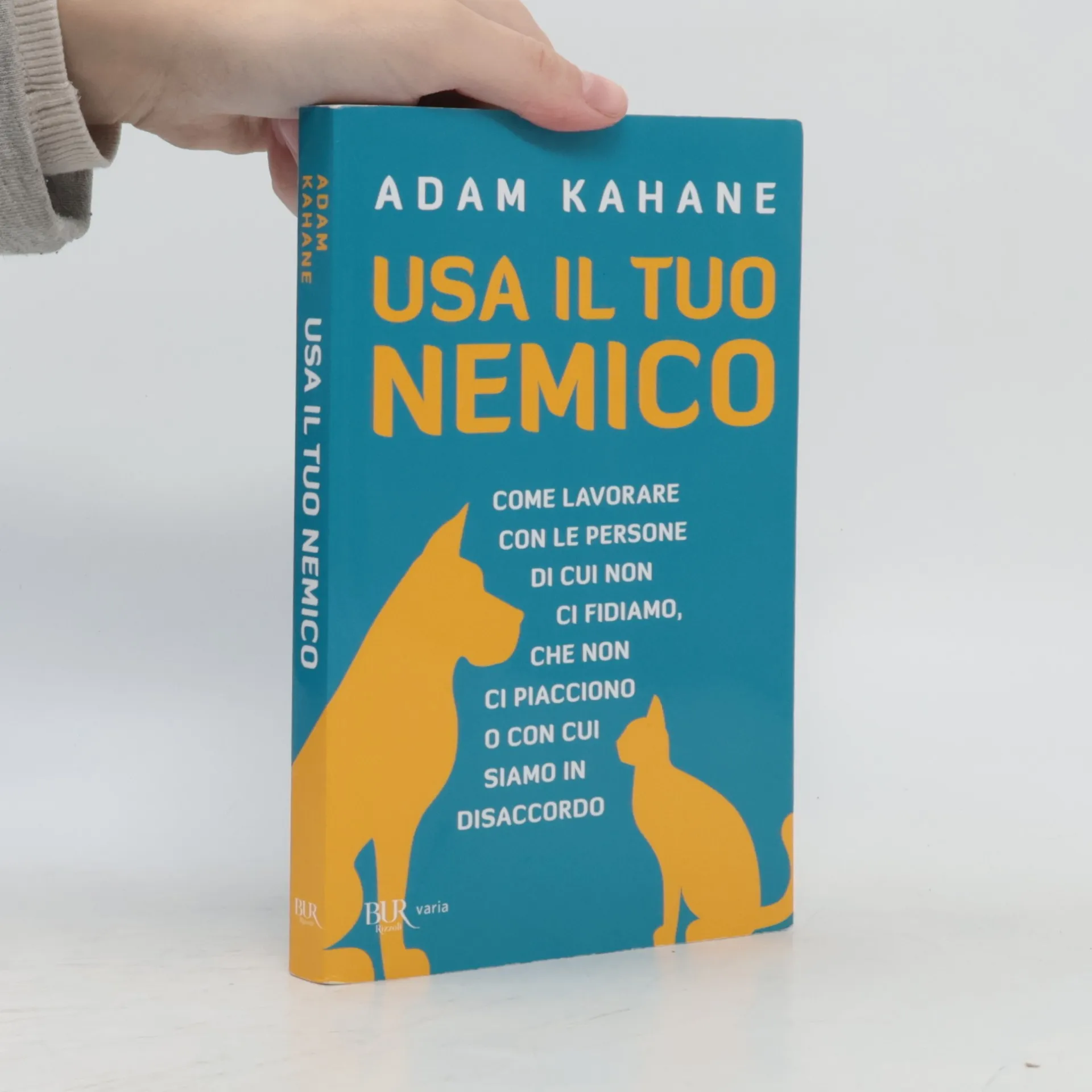
Wie man mit Menschen zusammenarbeitet, deren Meinung man nicht teilt, die man nicht mag oder denen man nicht vertraut
The Catalytic Power of Radical Engagement
Challenging conventional societal structures, this book explores how current systems fail to meet the needs of the majority. It delves into the implications of these designs on everyday life and advocates for a reimagining of social, economic, and political frameworks to create a more inclusive and functional world. Through insightful analysis, it encourages readers to rethink their perspectives and consider innovative solutions for a better future.
"This book introduces a new approach to solving any stubborn, intractable conflict, based on the author's experiences bringing people together in international hot spots like South Africa, Columbia, India, and more"-- Provided by publisher
Collaborating with those we don't agree with, like, or trust can feel impossible. Yet, to achieve meaningful goals, we often must engage with diverse individuals. International consultant Adam Kahane, praised by Nobel Peace Prize winners, has navigated this challenge in various contexts, from economic restructuring to civil conflicts. He reveals that traditional notions of collaboration—requiring harmony and agreement—are misguided. Instead, effective collaboration thrives on embracing discord, experimentation, and genuine co-creation. Kahane introduces "stretch collaboration," a method that encourages openness and commitment, echoing poet Antonio Machado’s sentiment that paths are forged through action. As societies grow more polarized and organizations less hierarchical, the need to collaborate across diverse groups intensifies. Conventional collaboration often falls short in these complex environments. Kahane's insights and practical strategies provide a timely and proven framework for navigating conflictual situations and achieving results, making this approach essential for anyone seeking to work effectively in today's challenging landscape.
Working Together to Change the Future [Standard Large Print 16 Pt Edition]
Focusing on scenario planning, this book serves as a comprehensive guide for applying this strategic tool to drive social change across various levels, including community, national, and global contexts. It highlights the importance of scenario planning in areas such as change management, innovation, and problem-solving, making it a valuable resource for those looking to implement effective strategies for social impact.
Beschrijving van een strategie voor veranderingen op vele terreinen, waarbij macht en liefde elkaar niet uitsluiten maar juist worden gecombineerd.
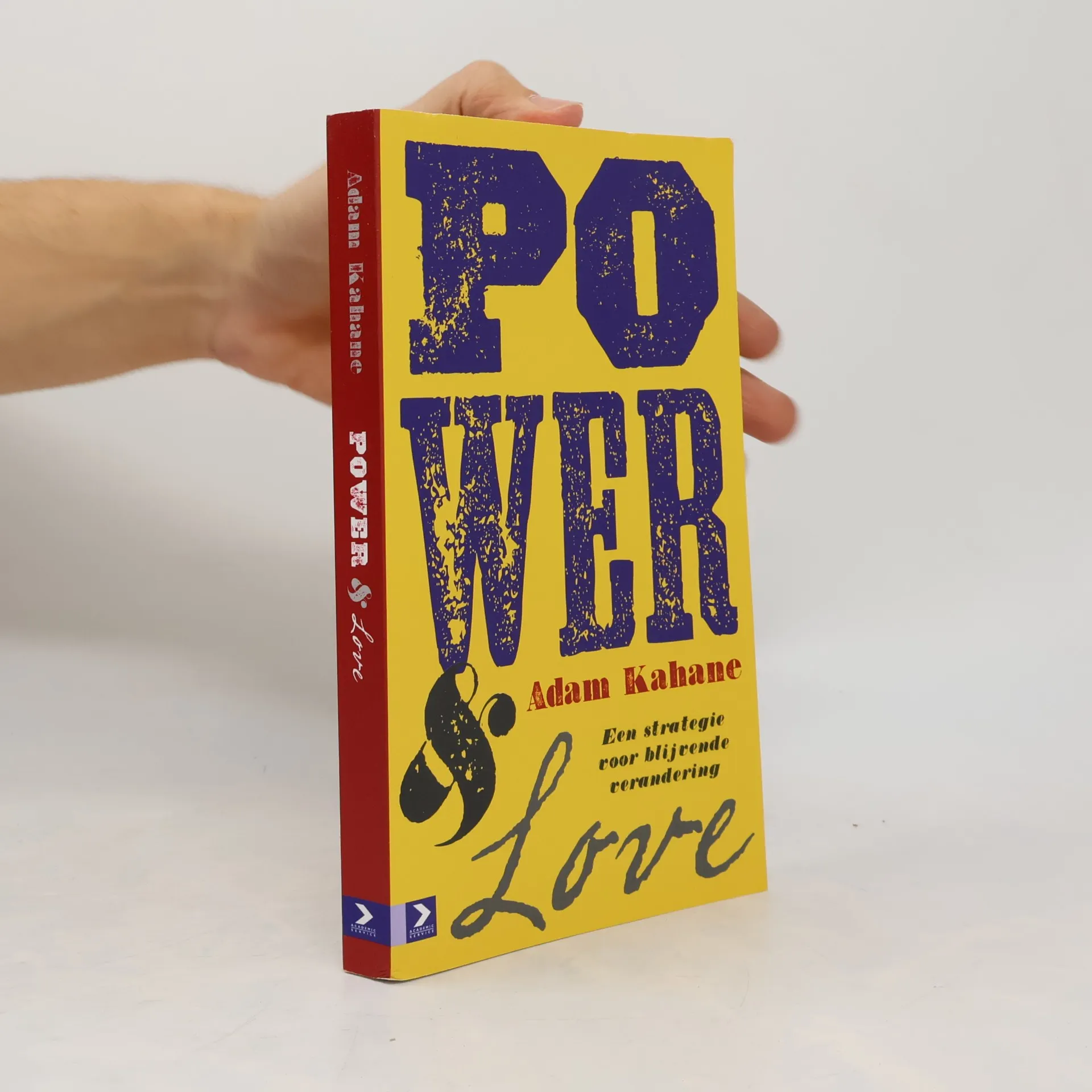
War is no way to resolve our most problematic group, community, and societal issues, but neither is a peace that simply sweeps our problems under the rug.To create lasting change we have to learn to work fluidly with two distinct, fundamental drives that are in power—the single-minded desire to achieve one’s solitary purpose; and love—the drive towards unity. They are seemingly contradictory but in fact complimentary. As Martin Luther King put it, “Power without love is reckless and abusive, and love without power is sentimental and anemic.” Using revealing stories from complex situations he has been involved in all over the world—the Middle East, South Africa, Europe, India, Guatemala, the Philippines, Australia, Canada and the United States—Kahane reveals how to dynamically balance these two forces. Just as when we are toddlers we learn to shift from one foot to the other to move ourselves forward, so we can learn to shift back and forth between power and love in order to move society forward.
Adam Kahane has worked on some of the toughest problems in the world—in organizations and in societies—from South Africa during its transition away from apartheid, to Colombia during the civil war, Argentina during the collapse, Guatemala after the genocide, Israel-Palestine, Northern Ireland, Cyprus, and the Basque Country. Through these experiences, he has learned how to create environments that enable creative new ideas and solutions to emerge and be implemented even in the most challenging contexts. Here Kahane tells his stories and distills from them an approach that all of us can use to solve our own toughest problems.