
Bookbot

Tom Henry

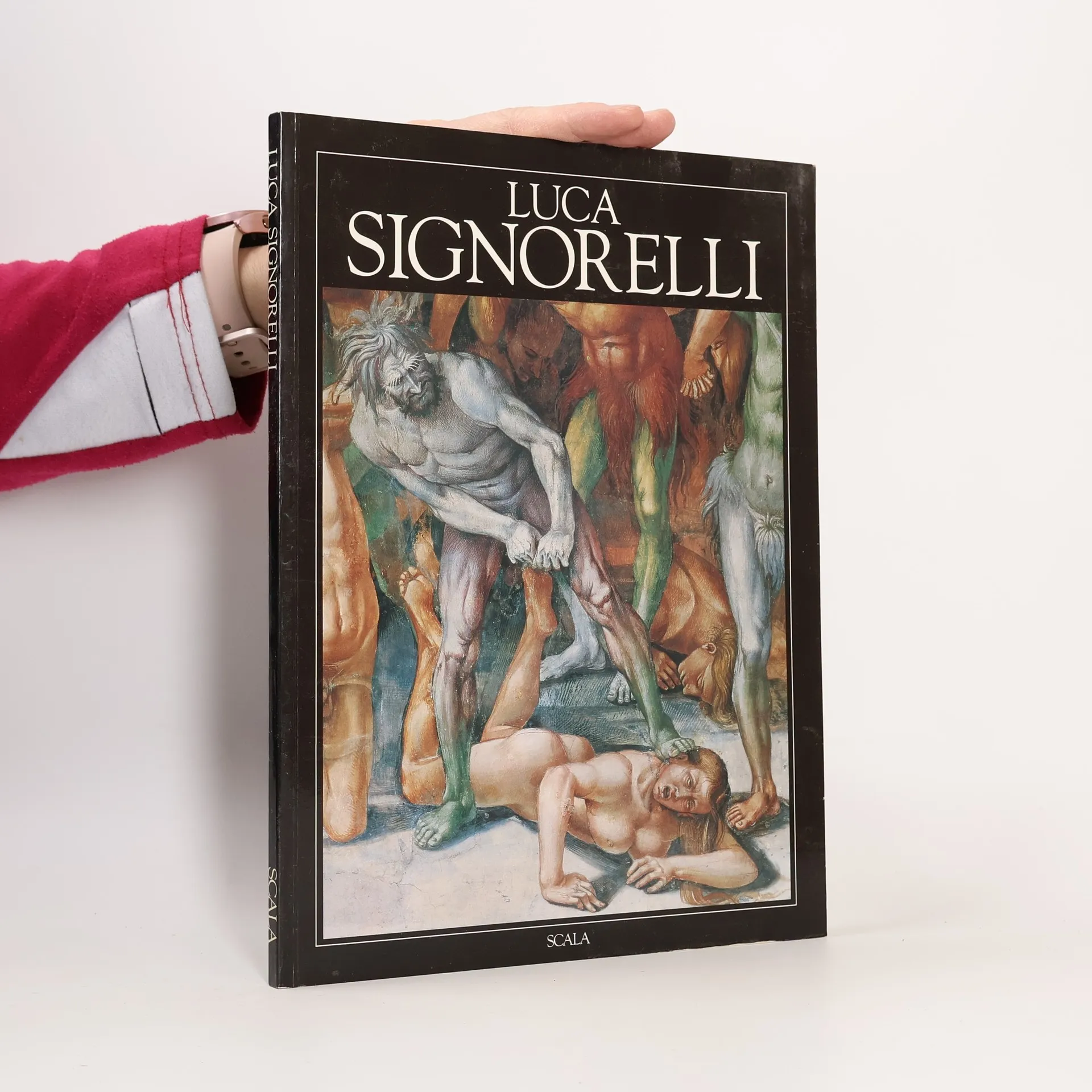
    Luca Signorelli
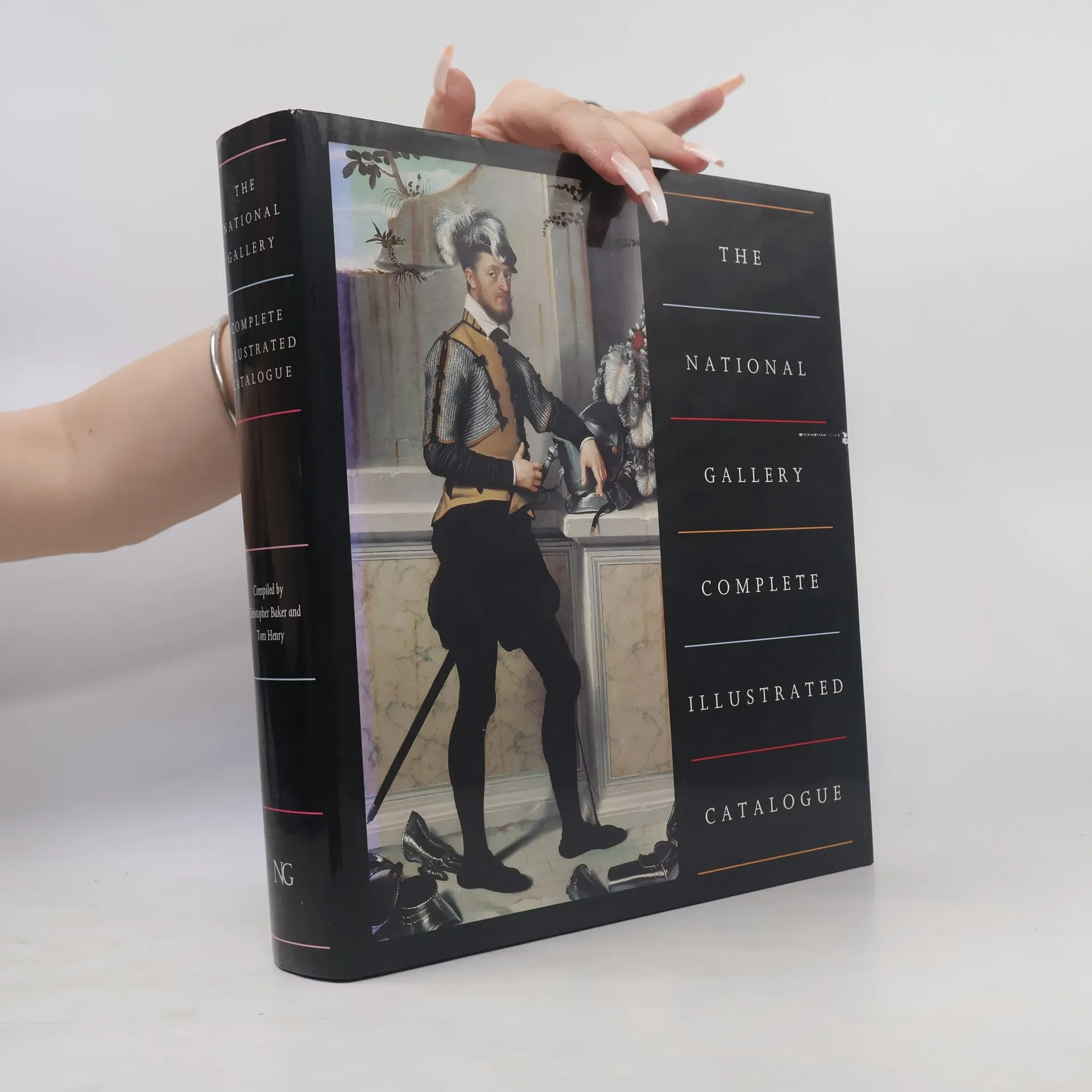
    National Gallery London Publications: The National Gallery Complete Illustrated Catalogue
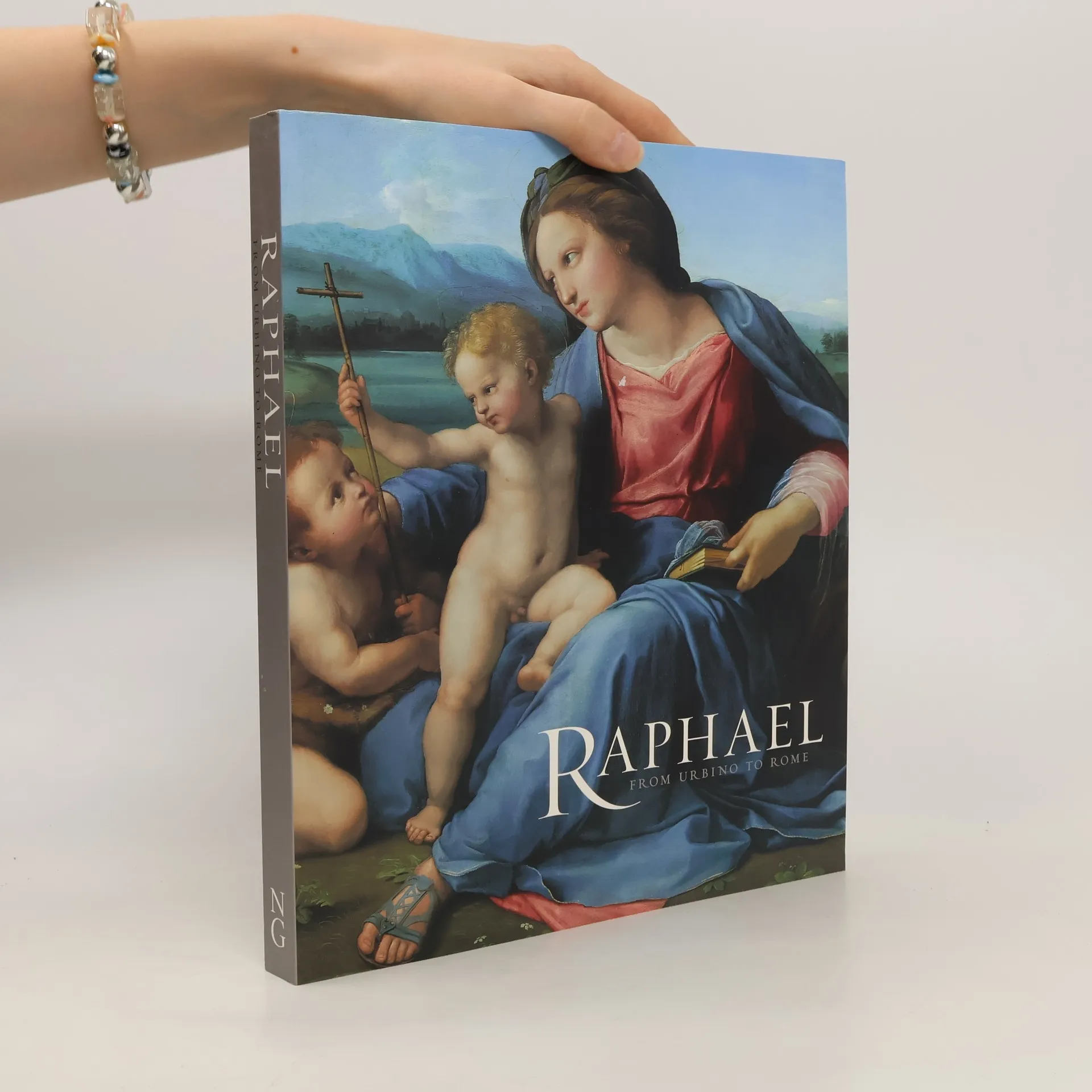
    Raphael
    • Raphael

      • 319pagine
      • 12 ore di lettura

      "Within little more than a decade Raffaello di Giovanni Santi (1483-1520) transformed himself from a master of provincial church decoration to one of the greatest painters who ever lived. This illustrated catalogue tells the story of his artistic journey from Urbino, where he was born, to the papal court in Rome, via the Central Italian cities of Citta di Castello, Perugia, Siena and Florence." "This book follows this dramatic evolution from his origins in Urbino and the early influences of his father, Giovanni Santi, and the famous Umbrian master Pietro Perugino. It explores his earliest works in Umbria and his studies in Florence under the influence of Leonardo and Michelangelo, concluding by investigating how and why Raphael's art flourished and changed so dramatically under the enlightened patronage of Pope Julius II in Rome."--BOOK JACKET.

      Raphael
      4,4
    • The complete illustrated catalogue is available in two versions, as a printed book and as a package of CD-ROM and book combined. The CD-ROM contains the complete text of the catalogue with high resolution illustrations of every work owned by the National Gallery and on permanent or long-term loan. The indexes and search facilities on disc provide art historians, picture researchers and the interested general public with in-depth access to one of the world's most important collections of European painting from the 13th to the 20th century.

      National Gallery London Publications: The National Gallery Complete Illustrated Catalogue
    • "Par la sua scienza del disegno e in particolare dei nudi, per la sua virtuosità nell'invenzione e nella composizione, è lui che ha aperto a molti artisti la via della perfezione suprema." Queste parole di Giorgio Vasari illustrano l'ammirazione di Michelangelo per Luca Signorelli, nativo di Cortona e figlio del pittore Egidio di Ventura Signorelli. Dopo un apprendistato presso Piero della Francesca, Luca riceve anche consigli da Andrea del Verrocchio, il cui atelier ha visto passare maestri come Leonardo da Vinci e Botticelli. Come assistente di Perugino, realizza la sua prima opera attestata, il Testamento e morte di Mosè, nella Cappella Sistina verso il 1482. La sua carriera, che si estende per quarant'anni, è segnata da numerosi incarichi di confraternite e personalità influenti, portandolo da Roma a Cortona, Firenze e Orvieto. Nella cattedrale di Orvieto, crea tra il 1499 e il 1504 il suo ciclo di affreschi più famoso, dedicato al giudizio universale, testimoniando una grande invenzione spaziale e una notevole maestria tecnica.

      Luca Signorelli