Bookbot

Giuseppe Strazzeri

    Mike Tyson
    Strade Blu: La fame che abbiamo
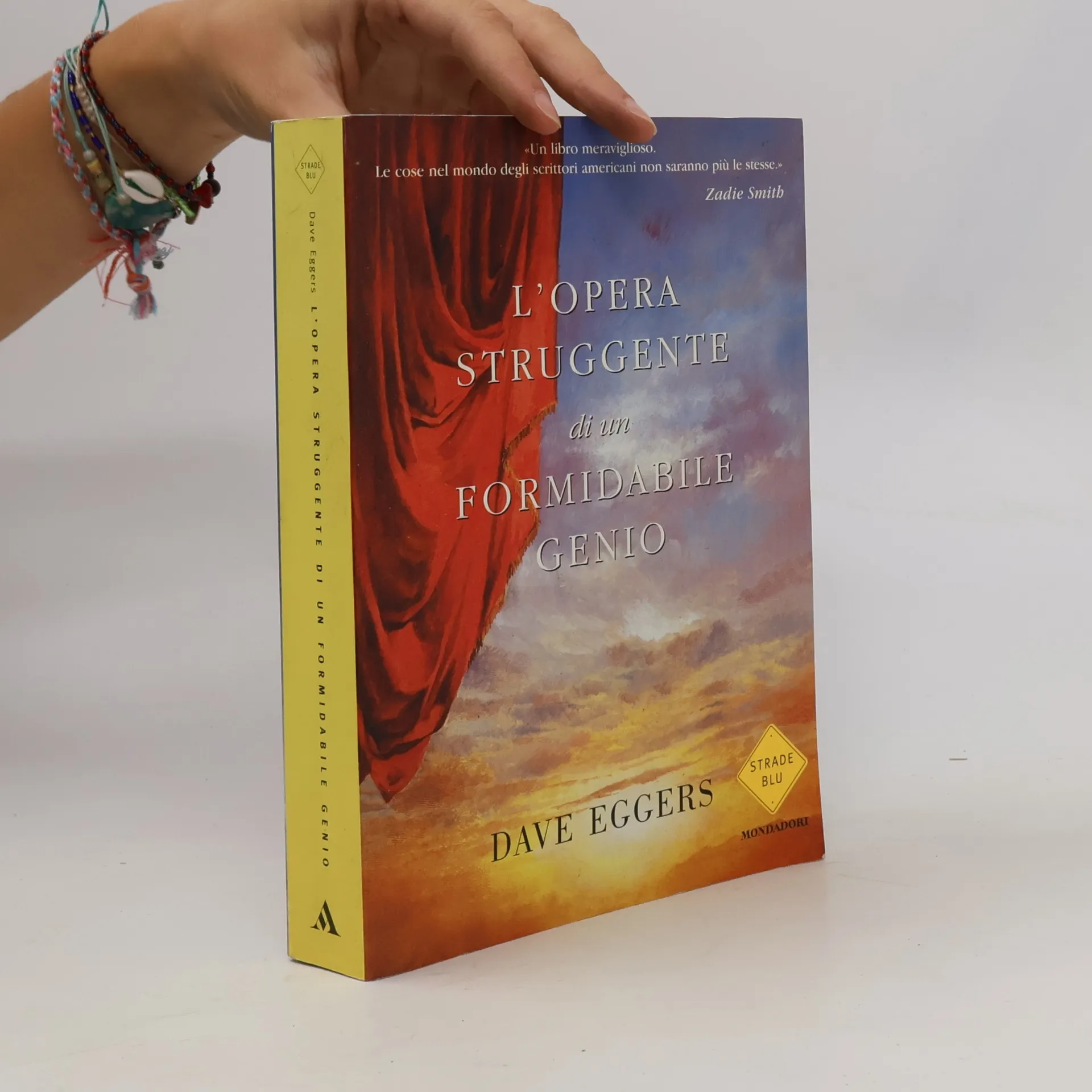
    Strade Blu: L'opera struggente di un formidabile genio
    I Miti Poesia - 68: Il sole è il padre di mio padre
    Erano solo ragazzi in cammino. Autobiografia di Valentino Achak Deng
    • In questo sconvolgente romanzo, Eggers racconta la guerra civile in Sudan attraverso gli occhi di Valentino Achak Deng, un giovane profugo ora negli Stati Uniti. Seguiamo la sua storia mentre, ancora bambino, è costretto a fuggire dal suo villaggio dopo una strage, intraprendendo un viaggio con migliaia di orfani verso l'Etiopia, dove spera di trovare sicurezza. Le sue esperienze, di sapore biblico, lo mettono in contatto con soldati, miliziani, mine, animali selvatici, malattie e privazioni, ma anche con storie toccanti e inaspettate. Valentino raggiunge infine il Kenya e poi gli Stati Uniti, da dove racconta la sua vicenda. Le pagine, scritte con grande partecipazione umana e sorprendente humour, rivelano la natura atroce e genocida dei conflitti in Sudan, l'esperienza difficile dei profughi, i sogni infranti del popolo Dinka e le sfide che si presentano quando il mondo intorno a una persona va in pezzi. La prosa chiara di Eggers conferisce a Valentino una voce unica e affascinante, rendendo il suo racconto straziante, divertente, inquietante e poetico. Ne risulta una narrazione terribile della tragedia sudanese e un'emblematica saga della modernità.

      Erano solo ragazzi in cammino. Autobiografia di Valentino Achak Deng2007
      4,2
    • Strade Blu: La fame che abbiamo

      • 245pagine
      • 9 ore di lettura

      Il libro è un insieme di storie dai soggetti e dalle ambientazioni piùdiverse: si passa dai ricordi di un setter irlandese in fuga alle meditazioniumoristiche e agrodolci sul suicidio e sull'amicizia. In realtà il librocostituisce un'avventura narrativa organicamente strutturata che fotografa daipiù diversi punti di osservazione quella ineludibile domanda, quella ricercaora affannosa ora giocosa di qualcosa al di fuori di noi, di un senso, di unadirezione: la fame che abbiamo, che è al centro delle nostre vite. DaveEggers, autore di "L'opera struggente di un formidabile genio" e di"Conoscerete la nostra velocità", è anche il creatore di una innovativarivista letteraria, "McSweeney's".

      Strade Blu: La fame che abbiamo2005
      3,6
    • Mike Tyson

      • 89pagine
      • 4 ore di lettura

      "Nessun altro soggetto è, per lo scrittore, così intensamente personale come la boxe. Scrivere di pugilato significa scrivere di se stessi, e scrivere di pugilato ci obbliga a indagare non solo la boxe, ma i confini stessi della civiltà - cos'è o cosa dovrebbe essere 'umano'." Così Joyce Carol Oates descrive il suo rapporto con uno sport violento e drammatico, di cui da sempre subisce il fascino. Alla fulminante carriera di Mike Tyson, "enfant prodige" della boxe mondiale, è dedicato questo volume: un ritratto a tutto tondo del più grande puglie del nostro tempo, lungo le vicissitudini sportive e umane del campione dagli esordi faticosi agli altari del ring.

      Mike Tyson2003
      2,6
    • 'When you read his extraordinary memoir you don't laugh, then cry, then laugh again; you somehow experience these emotions all at once.' "Well, this was when Bill was sighing a lot. He had decided that after our parents died he just didn't want any more fighting between what was left of us. He was twenty-four, Beth was twenty-three, I was twenty-one, Toph was eight, and all of us were so tried already, from that winter. So when something would come up, any little thing, some bill to pay or decision to make, he would just sigh, his eyes tired, his mouth in a sorry kind of smile. But Beth and I...Jesus, we were fighting with everyone, anyone, each other, with strangers at bars, anywhere -- we were angry people wanting to exact revenge. We came to California and we wanted everything, would take what was ours, anything within reach. And I decided that little Toph and I, he with his backward hat and long hair, living together in our little house in Berkeley, would be world-destroyers. We inherited each other and, we felt, a responsibility to reinvent everything, to scoff and re-create and drive fast while singing loudly and pounding the windows. It was a hopeless sort of exhilaration, a kind of arrogance born of fatalism, I guess, of the feeling that if you could lose a couple of parents in a month, then basically anything could happen, at any time -- all bullets bear your name, all cars are there to crush you, any balcony could give way; more disaster seemed only logical. And then, as in Dorothy's dream, all these people I grew up with were there, too, some of them orphans also, most but not all of us believing that what we had been given was extraordinary, that it was time to tear or break down, ruin, remake, take and devour. This was San Francisco, you know, and everyone had some dumb idea -- I mean, wicca? -- and no one there would tell you yours was doomed. Thus the public nudity, and this ridiculous magazine, and the Real World tryout, all this need, most of it disguised by sneering, but all driven by a hyper-awareness of this window, I guess, a few years when your muscles are taut, coiled up and vibrating. But what to do with the energy? I mean, when we drive, Toph and I, and we drive past people, standing on top of all these hills, part of me wants to stop the car and turn up the radio and have us all dance in formation, and part of me wants to run them all over."

      Strade Blu: L'opera struggente di un formidabile genio2001
      3,7