

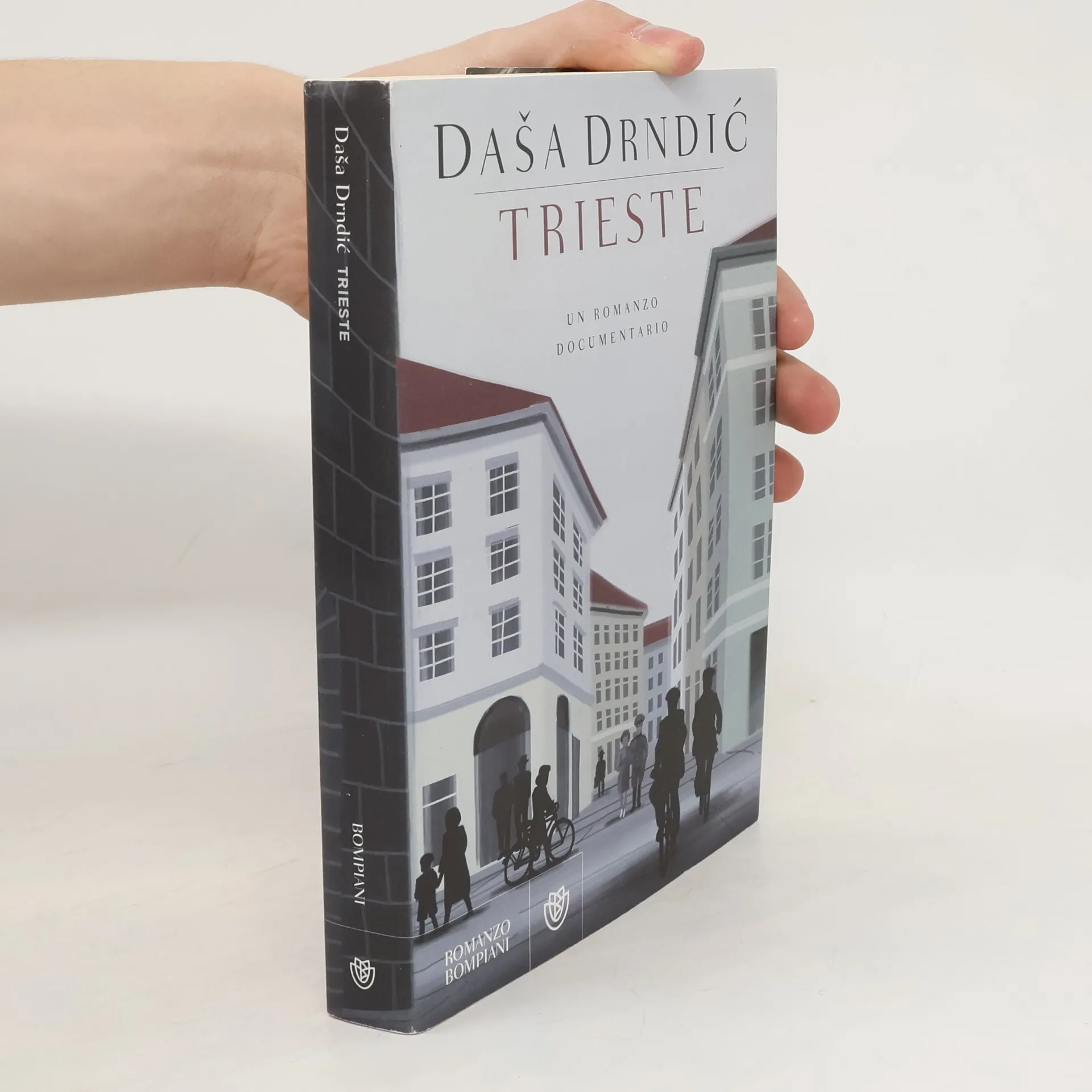
Haya Tedeschi è a Gorizia, sola e circondata da una cesta di fotografie e ritagli di giornali. È una donna anziana, che dopo 62 anni aspetta di ricongiungersi a suo figlio, avuto da un ufficiale delle SS e rapito dalle autorità tedesche per far parte del programma segreto di Himmler: il progetto Lebensborn. Il figlio che sta cercando disperatamente era nato nel 1915 da una relazione con Kurt Franz, giovane ufficiale tedesco alto e biondo di cui si era innamorata, senza sapere che era già a capo del campo di lavoro di Treblinka. Haya riflette sulle esperienze della sua famiglia ebrea convertita al cattolicesimo, e sul massacro degli ebrei italiani nella Risiera di San Sabba, il campo di concentramento di Trieste. La ricerca ossessiva di suo figlio la conduce tra fotografie, mappe, le deposizioni ai processi di Norimberga e le testimonianze dirette delle atrocità avvenute sulla sua porta di casa. Da questo romanzo emerge la sconcertante cronaca dell'occupazione nazista nel nord Italia. Ci sono 9000 nomi elencati nel libro: sono i nomi degli ebrei italiani che hanno trovato la morte nei campi di concentramento nazisti durante la seconda guerra mondiale e il loro susseguirsi compone un inaudito memoriale delle vittime.
Ellen Elias-Bursac Libri
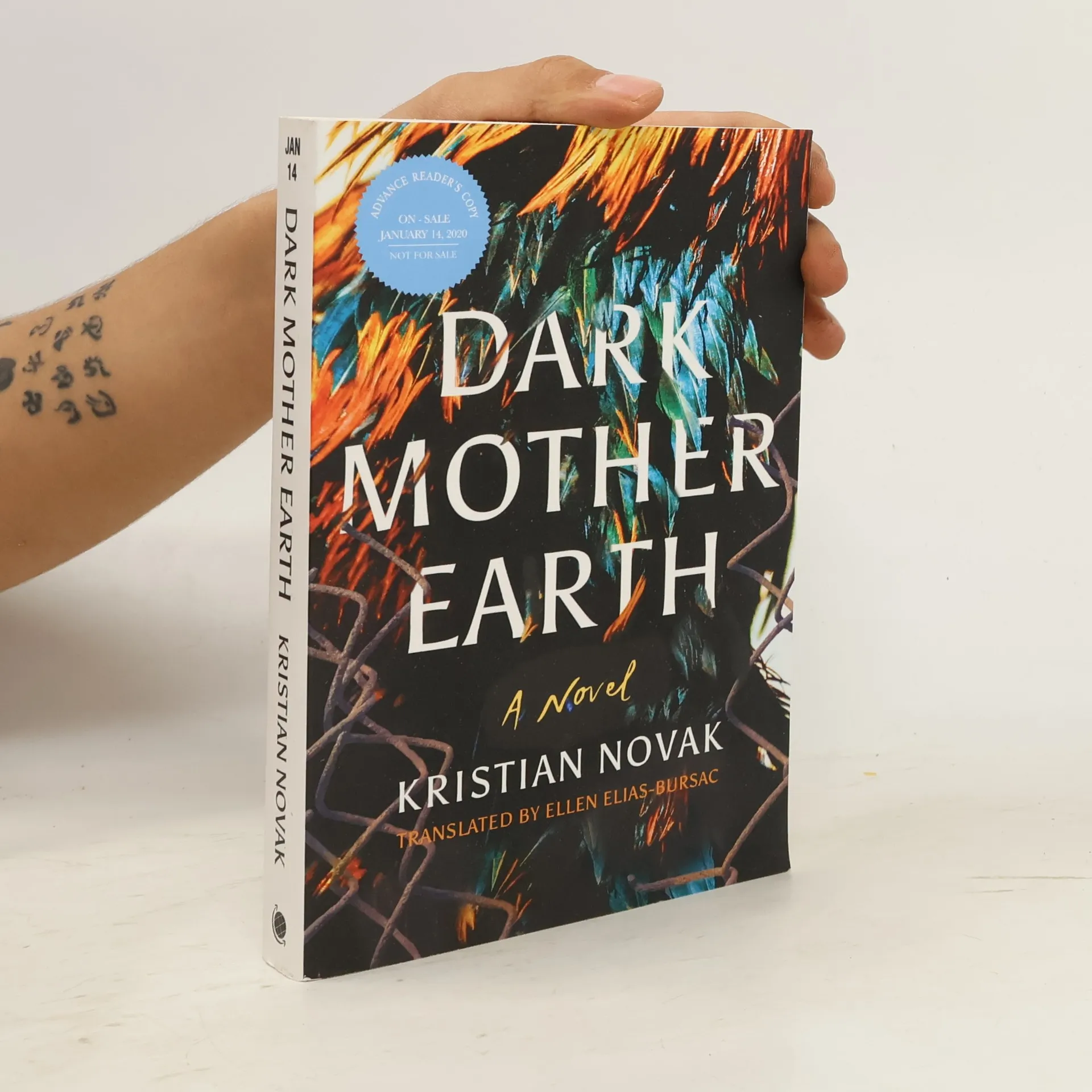
Dark Mother Earth
- 294pagine
- 11 ore di lettura
An amnesiac writer’s life of lies and false memories reaches a breaking point in this stunning English-language debut from an award-winning Croatian author. As a novelist, Matija makes things up for a living. Not yet thirty, he’s written two well-received books. It’s his third that is as big a failure as his private life. Unable to confine his fabrications to fiction, he’s been abandoned by his girlfriend over his lies. But all Matija has is invention. Especially when it comes to his childhood and the death of his father. Whatever happened to Matija as a young boy, he can’t remember. He feels frightened, angry, and responsible… Now, after years of burying and reinventing his past, Matija must confront it. Longing for connection, he might even win back the love of his life. But discovering the profound fears he has suppressed has its risks. Finally seeing the real world he emerged from could upend it all over again.
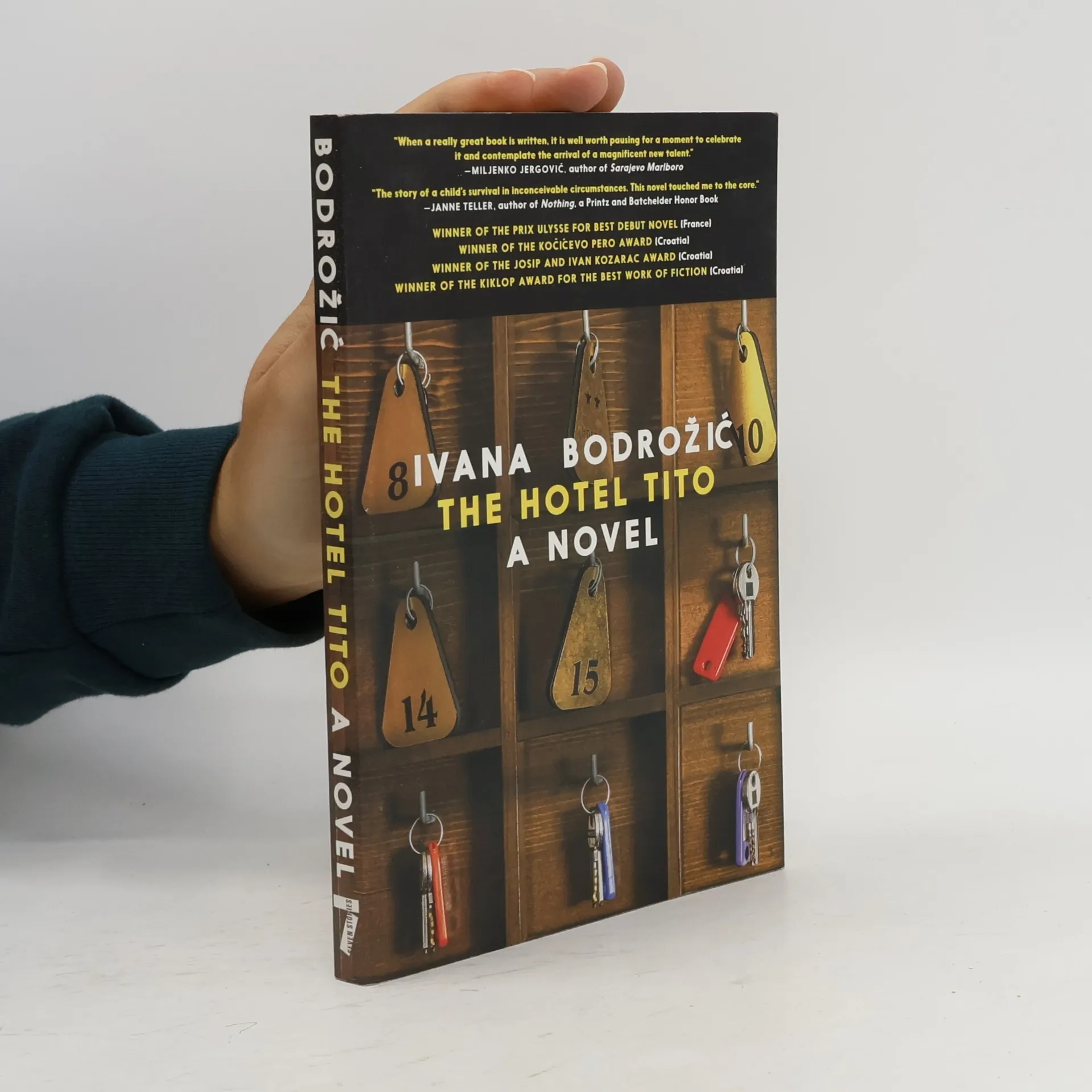
The Hotel Tito
- 176pagine
- 7 ore di lettura
U ljeto 1991. devetogodišnja djevojčica odlazi iz Vukovara, ostavljajući roditelje u gradu u kojem počinje rat. Roman Hotel Zagorje priča je o njezinu odrastanju tijekom sedam godina prognaništva, o neprekidnoj borbi za nekoliko kvadrata u kojima će živjeti s majkom i bratom, o stalnom iščekivanju vijesti o ocu. Ali ovo nije mračna knjiga. Junakinji Ivane Simić Bodrožić ne nedostaje ni humora ni duha, a njezinu odrastanju ništa od onoga od čega su odrastanja stvorena: pisanje pisama političarima i obilaženje ministarstava isprepliće se ovdje s dječjim nježnostima i okrutnostima, prvim izlascima, prvim dečkima... kao i sa sudbinama onih s kojima je prognanička obitelj ukrstila putove, cijelom jednom živopisnom galerijom likova koji vjerno iscrtavaju sliku Hrvatske tih godina. Glavna junakinja mijenja se i odrasta, kao i cijelo društvo oko nje, ali premda je to odrastanje bolno, u njemu ima i smijeha i zaigranosti i - ljubavi. Govoreći o ljudima ne prešučujući, o dobru i zlu ne imenujući ih, Ivana Simić Bodrožić napisala je iznimno snažnu i dramatičnu priču koja će nam vratiti nešto od izgubljene nevinosti.
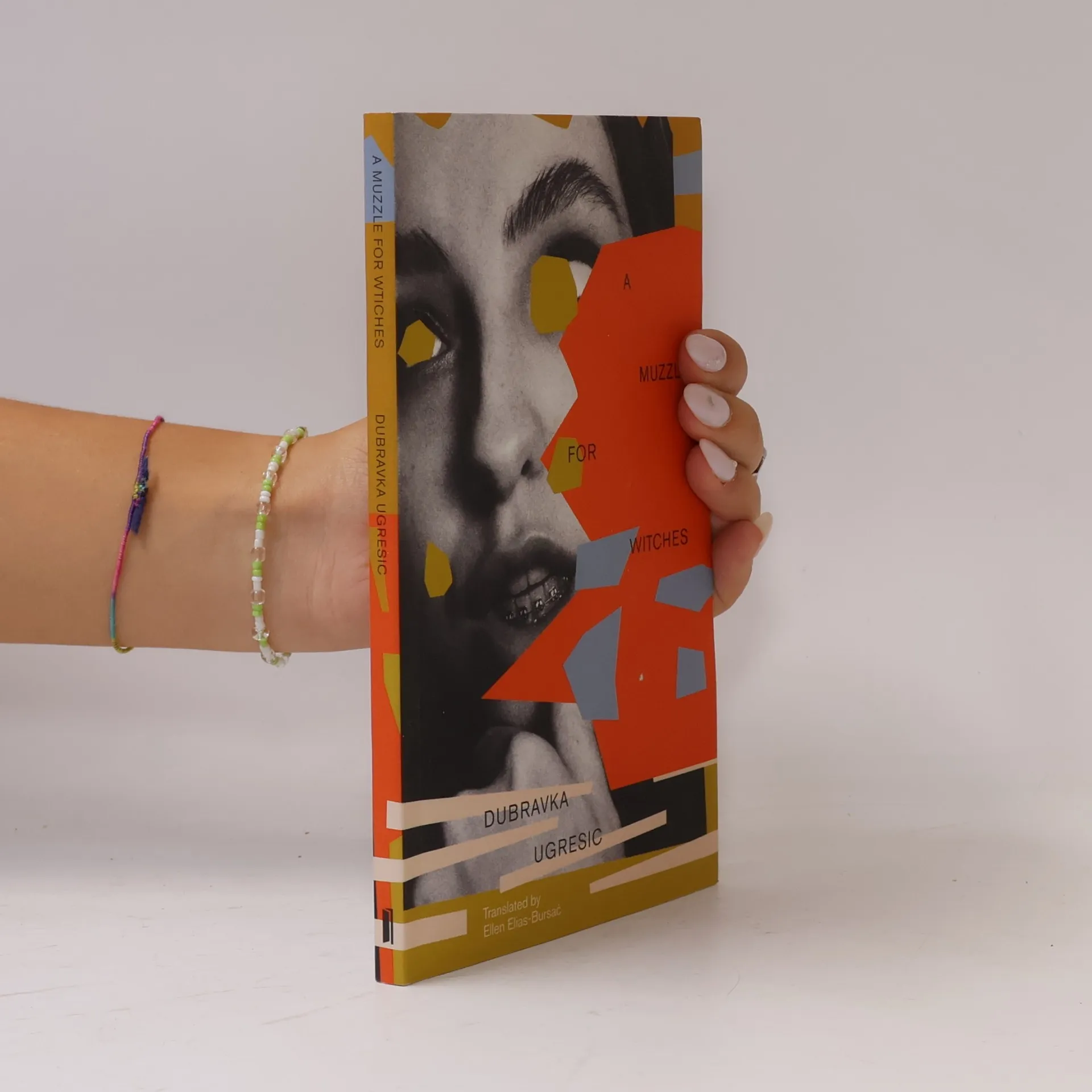
A Muzzle for Witches
- 120pagine
- 5 ore di lettura
Winner of the Neustadt International Prize for Literature As with the rest of her literary career, Dubravka Ugresic's final work, A Muzzle for Witches, is uncategorizable. On its surface, the book is an conversation with the literary critic Merima Omeragić, covering topics such as "Women and the Male Perspective," "The Culture of (Self)Harm," and "The Melancholy of Vanishing." But the book is more than a simple interview: It's a roadmap of the literary world, exploring the past century and all of its violence and turmoil--especially in Yugoslavia, Ugresic's birth country--and providing a direction for the future of feminist writing. One of the greatest thinkers of the past hundred years, Ugresic was one-of-a-kind, who novels and literary essays pushed the bounds of form and content, and A Muzzle for Witches offers the chance to see her at her most raw, and most playful.