

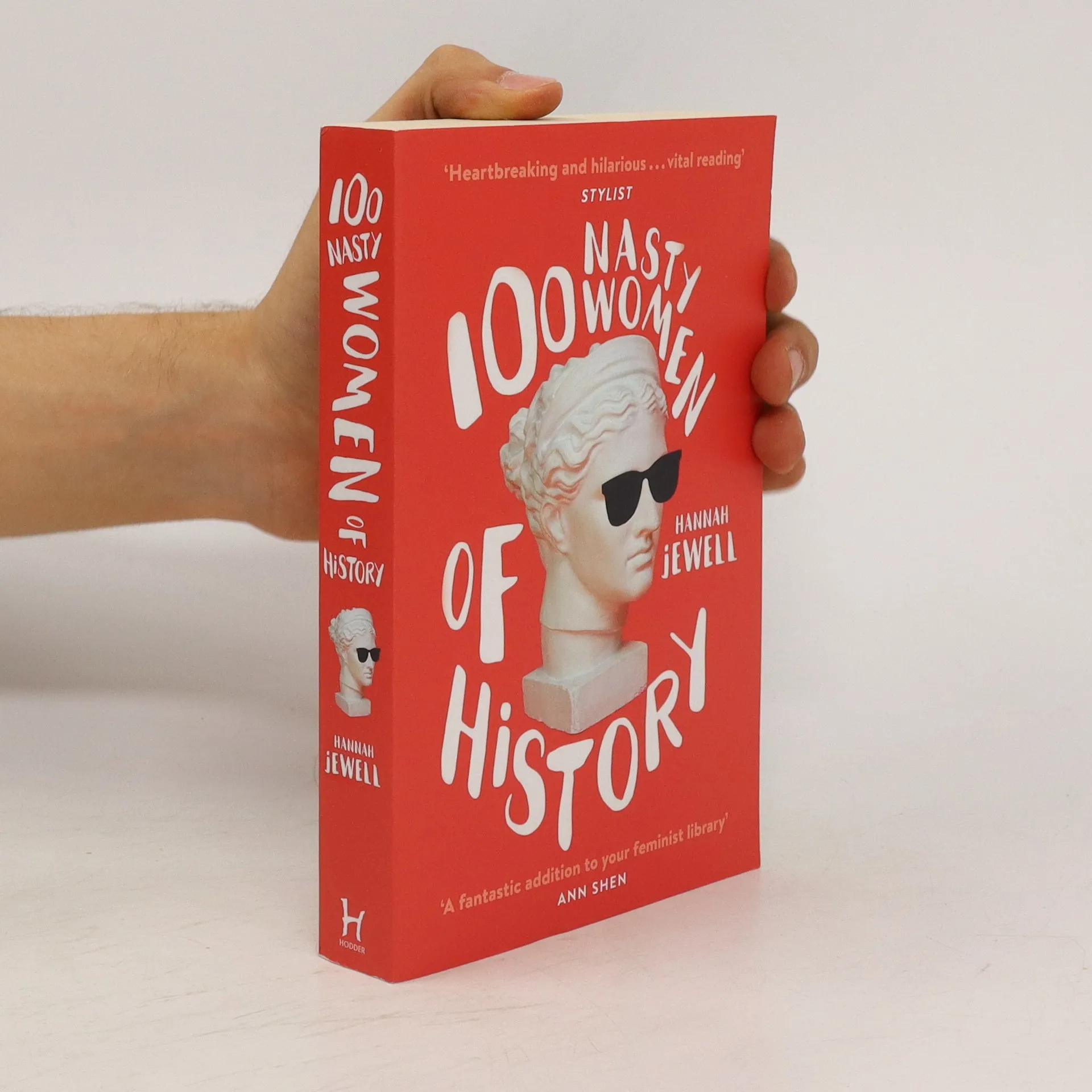
In the final debate of the 2016 US presidential election, Donald Trump leaned into the microphone as Hillary Clinton spoke about social security and called his opponent 'such a nasty woman'. The phrase has stuck around and has since become something of a badge of honour for women around the world. What better time than now, then, for us to look back and learn a thing or two from the 'nasty' women of the past? 100 Nasty Women of History contains profiles of women from across every century, race and continent, united in the fact that they were all a bit 'nasty'. From 3rd-century Japanese Empress Jingu to 20th-century British social reformer Octavia Hill, these are the women who were bold and powerful, but maybe put people (men's) backs up by being so. 100 Nasty Women of History is an accessible, intelligent, hilarious (and sometimes sweary) guide to the history-making women whom you probably don't know, but definitely should
Milica Cvetković Libri
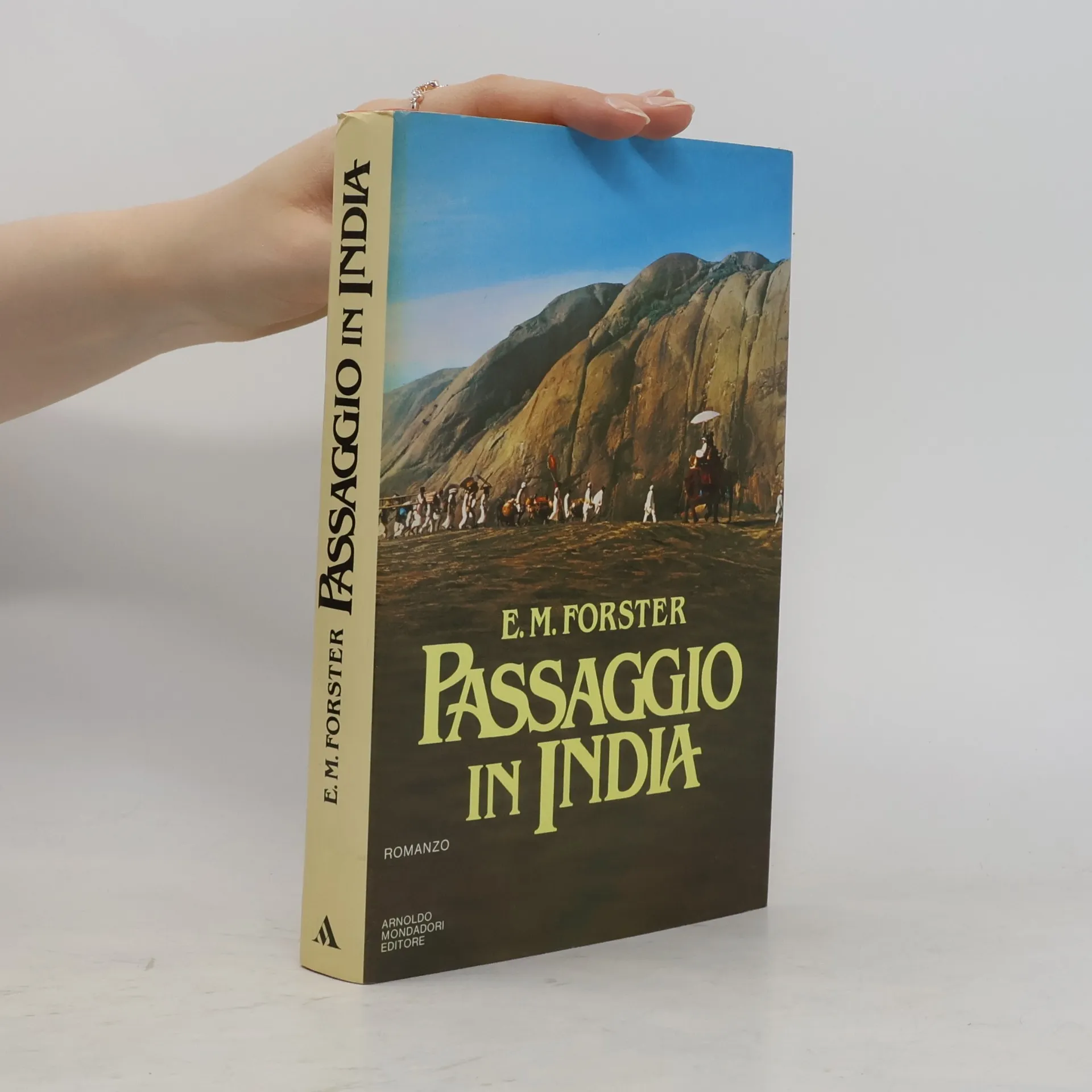
A Chandrapore, nell'India stretta sotto la morsa del colonialismo, si fronteggiano "Islam, un atteggiamento verso la vita squisito e durevole", la burocrazia britannica, "invadente e sgradevole come il sole" e "un pugno di fiacchi indù", in una silenziosa guerra fredda. Finché l'arrivo di una giovane turista inglese non viene a incrinare il fragile equilibrio. Perché Adela Quested, con stupore del clan dei sahib bianchi, non si accontenta dei circoli e delle visite ufficiali: vuole conoscere "la vera India" e trova la guida indigena perfetta nel mite e ospitale Aziz. Ma nelle grotte di Marabar la gita preparata con ogni cura si trasforma per Adela, vittima delle sue personali inquietudini o di un indegno affronto, in un dramma sconvolgente che arriva fino nelle aule di un tribunale, facendo esplodere pregiudizi, razzismi, contraddizioni. Lo scontro tra due civiltà agli antipodi per sentimenti e valori troverà anche la sua eroina inconsapevole: Esmiss Moor, Miss Moore per gli inglesi, figura simbolo di un'impossibile pacificazione. Il ritratto umano e poetico di un paese amatissimo si fa parabola della "segreta intelligenza del cuore" di contro alla protervia della ragione in quello che Forster chiamò "il mio romanzo indiano influenzato da Proust" e che è il suo indiscusso capolavoro.