True Grit
- 235pagine
- 9 ore di lettura
Pursuing a murderer who has escaped into Indian Territory, U.S. Marshal Rooster J. Cogburn teams up with a bounty-hunting Texas Ranger and Mattie Ross, a cantankerous young lady who is bent on revenge.




Pursuing a murderer who has escaped into Indian Territory, U.S. Marshal Rooster J. Cogburn teams up with a bounty-hunting Texas Ranger and Mattie Ross, a cantankerous young lady who is bent on revenge.
Meno di cento chilometri in linea d'aria separavano le colline del Kent dalle Fiandre, e i corni della caccia alla volpe avevano un suono sinistro, contro il rombo dei bombardamenti a tappeto intorno a Ypres, o sulla Somme. Durante un attacco dell'artiglieria tedesca, il 20 luglio 1916, Robert Graves fu ferito così gravemente da comparire, in un primo momento, sulla lista dei caduti – con onore, beninteso – che il «Times» pubblicava ogni giorno. In realtà Graves tornò su un treno ospedale alla stazione di Wimbledon, e qualche tempo dopo si riprese dalle ferite, per quanto atroci: ma la notte sentiva esplodere granate intorno al letto, scambiava i passanti per amici perduti al fronte, e se sentiva partire una macchina, o sbattere una porta, si gettava a terra. E così, a poco a poco, quei cento chilometri scarsi fra il tè del pomeriggio e i cadaveri lasciati a decomporsi nella terra di nessuno diventarono, per Graves come per gli altri scampati al massacro, un abisso capace di inghiottire per sempre, in un orrore senza nome, il mondo di ieri. Che nel 1929, prima di lasciare un'Inghilterra in cui non avrebbe potuto più vivere, Graves ricostruì per un'ultima volta in questo libro – il più nitido, struggente e indimenticabile atto di commiato che le trincee d'Europa abbiano costretto un poeta a scrivere.
Un uomo e un bambino viaggiano attraverso le rovine di un mondo ridotto a cenere in direzione dell'oceano, dove forse i raggi raffreddati di un sole ormai livido cederanno un po' di tepore e qualche barlume di vita. Trascinano con sé sulla strada tutto ciò che nel nuovo equilibrio delle cose ha ancora valore: un carrello del supermercato con quel po' di cibo che riescono a rimediare, un telo di plastica per ripararsi dalla pioggia gelida e una pistola con cui difendersi dalle bande di predoni che battono le strade decisi a sopravvivere a ogni costo. E poi il bene piú prezioso: se stessi e il loro reciproco amore. Nell'insuperabile creazione di McCarthy, la post-apocalisse assume il volto realistico di un padre e un figlio in viaggio su un groviglio di strade senza origine, dentro una natura ridotta a involucro asciutto, fra le vestigia paurosamente riconoscibili di un mondo svuotato e inutile.
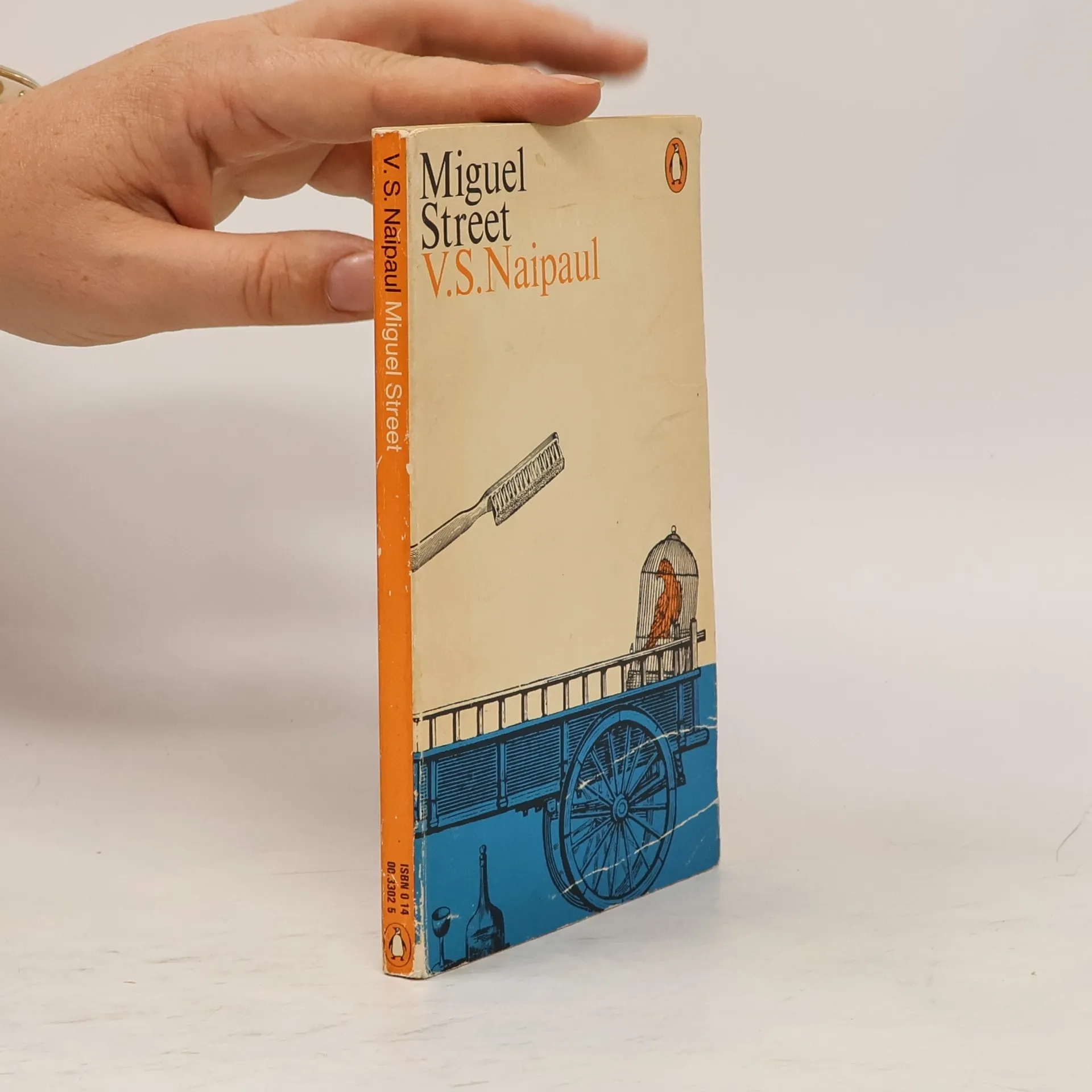
A magnet to the poets, philosophers, teachers, troubadours and misfits who people the town of Port of Spain, Miguel Street is a place where tales of glory and debauchery vie with declarations of love and anger, where neighbourhood dramas are scrutinized and wisdom doled out to one and all.
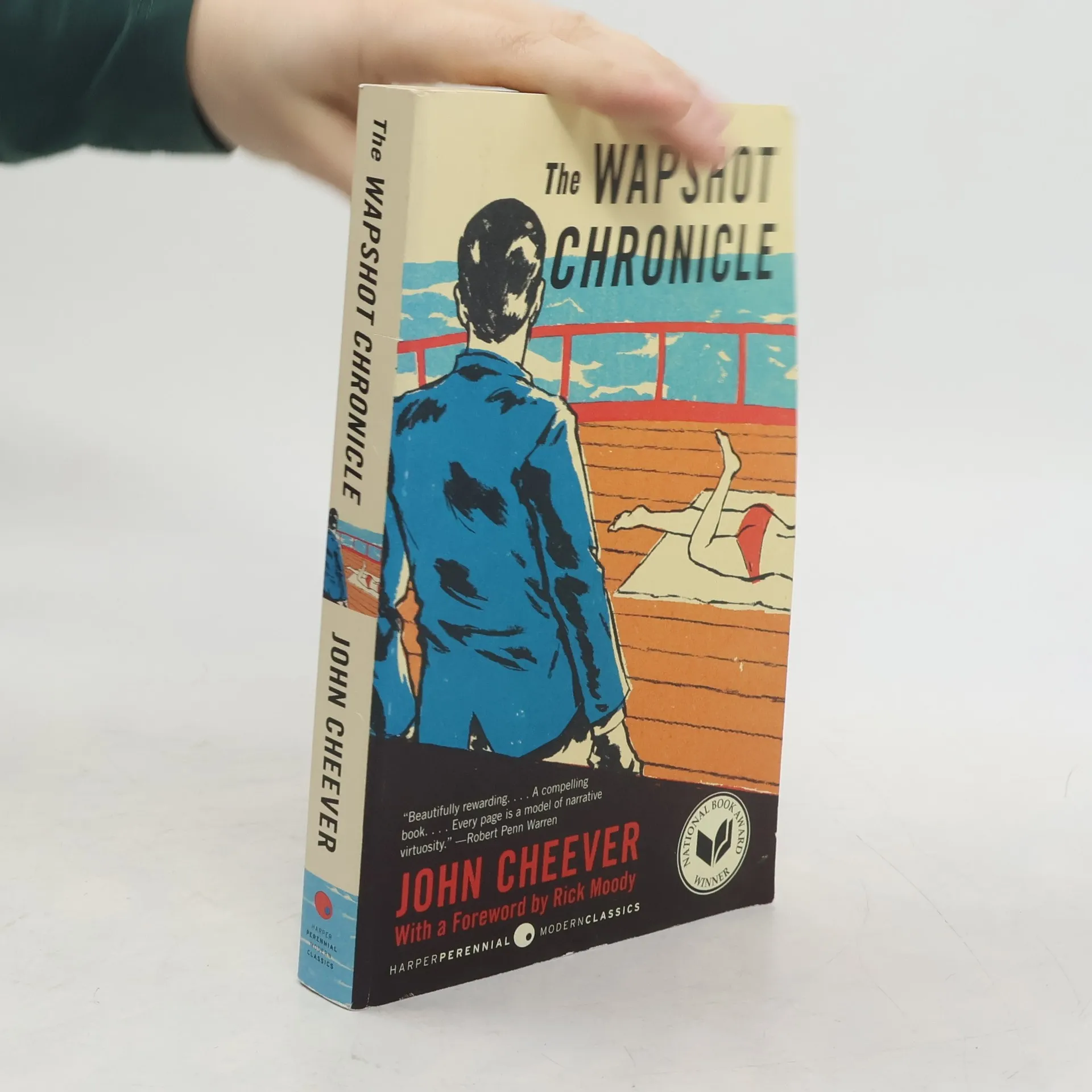
Meet the Wapshots of St Botolphs. There is Captain Leander Wapshot, venerable sea-dog and would-be suicide; his licentious older son, Moses; and Moses's adoring and errant younger brother, Coverly. Tragic and funny, ribald and splendidly picaresque, and partly based on Cheever's adolescence in New England, The Wapshot Chronicle is a stirring family narrative in the finest traditions of Trollope, Dickens, and Henry James
A suicide note
Porn freak and jetsetter, John Self, is the shameless heir to a fast-food culture where money beats out an invitation to futile self-gratification. Out in New York, mingling with the mighty, Self is embroiled in the corruption, the brutality and the obscenity of the money conspiracy.
Winner of the Booker Prize in 1971 and nominated for the Golden Man Booker Prize in 2018.
Bob Slocum was a promising executive. He had an attractive wife, three children, a nice house, and as many mistresses as he desired. His life was settled and ordered; he had conformed and society demanded he be happy - or at least pretend to be, But the pretence was becoming more and more difficult, as Slocum's discontent grew into an overwhelming sense of desolation, frustration and fear. And then something happened. . . .
New York Times Notable Book of the Year P ublishers Weekly Best Book of 1997 With an Introduction by Robert Giroux, The Complete Stories of Bernard Malamud is "an essential American book," Richard Stern declared in the Chicago Tribune when the collection was published in hardcover. His praise was echoed by other reviewers and by readers, who embraced the book as they might a displaced person in one of Malamud's stories, now returned to us, complete and fulfilled and recognized at last. The volume gathers together fifty-five stories, from "Armistice" (1940) to "Alma Redeemed" (1984), and including the immortal stories from The Magic Barrel and the vivid depictions of the unforgettable Fidelman. It is a varied and generous collection of great examples of the modern short story, which Malamud perfected, and an ideal introduction to the work of this great American writer.
In "Ontbijt bij Tiffany" worden de wederwaardigheden van Holly Golightly in een corrupte wereld op ironische wijze verhaald. Ze bewijst ondanks haar deprimerende ervaringen in New York steeds zichzelf trouw te blijven. Ze wil graag rijk zijn om bij Tifffany te kunnen gaan ontbijten, maar ze zou voor geen geld iets van haar eerlijkheid willen opofferen. Audrey Hepburn heeft in de verfilming van dit boek het meisje onvergetelijk gemaakt. Naast deze korte roman zijn in het boek nog drie staaltjes van Capote's vertelkunst opgenomen.
Jezus Christus vertelt zijn eigen verhaal en komt daarin naar voren als een man van vlees en bloed, met angsten en onzekerheden.