

Bookbot

Richard L. Garwin

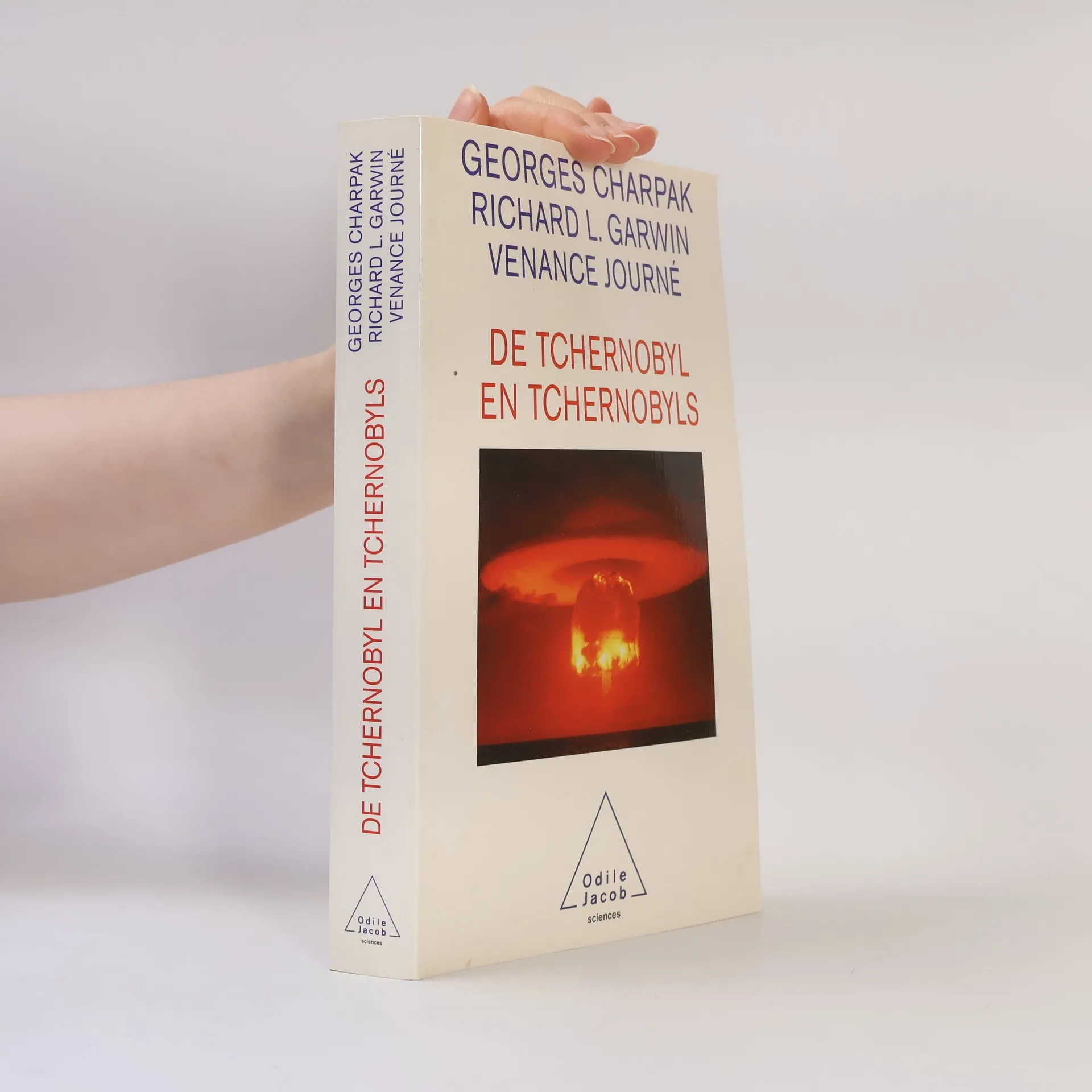
    De Tchernobyl en Tchernobyls
    Managing the Plutonium Surplus
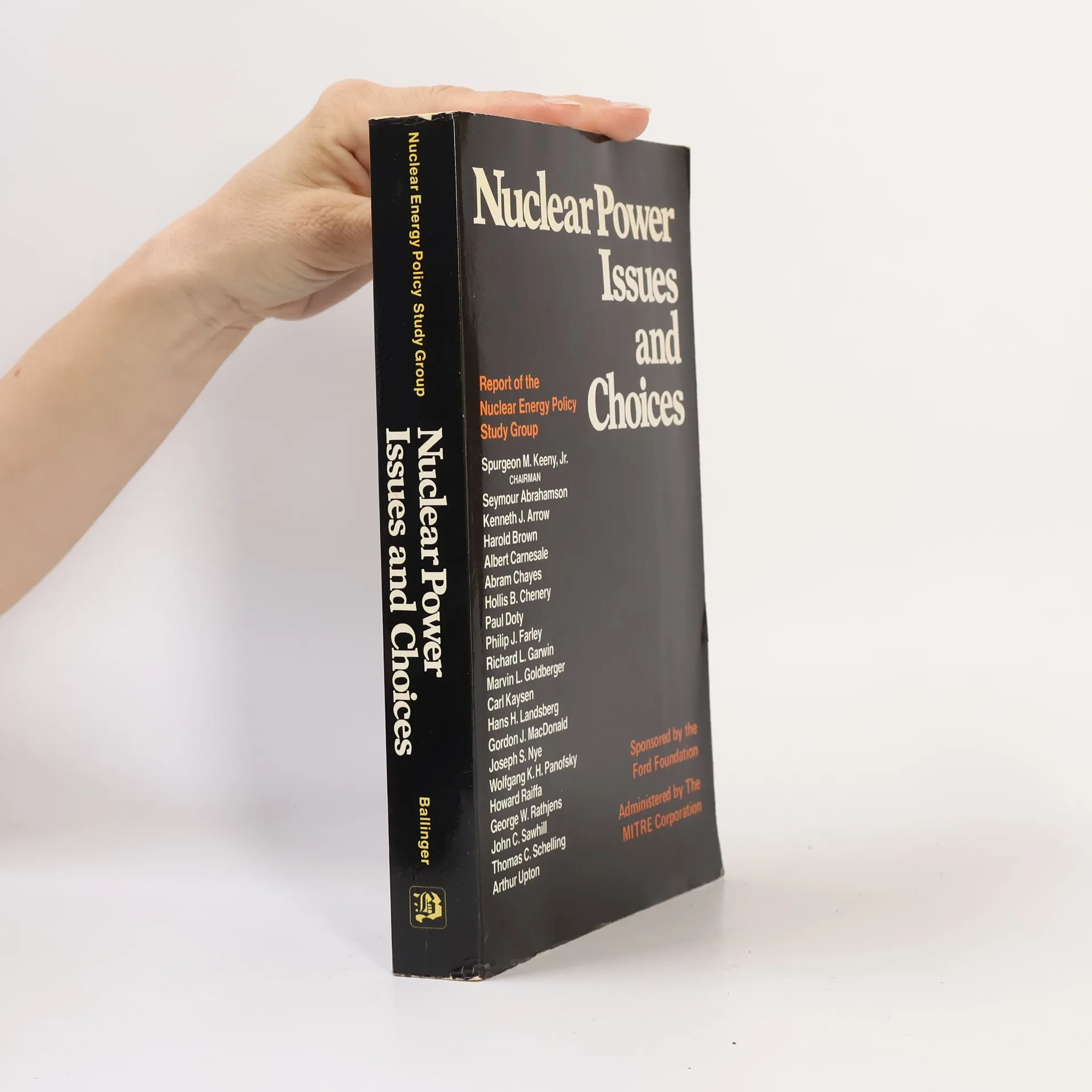
    Nuclear Power Issues and Choices
    • De Tchernobyl en Tchernobyls

      • 568pagine
      • 20 ore di lettura

      Nous ne sommes pas à l'abri de nouveaux tchernobyls. L'humanité va s'enrichir de milliards d'individus dans les décennies à venir. L'énergie nucléaire est donc plus que jamais indispensable. Mais l'accident de Tchernobyl aura fait des dizaines de milliers de morts. Ce livre permet de comprendre les enjeux du nucléaire civil, mais aussi militaire, nécessairement imbriqués. A l'heure du terrorisme, la prolifération des armes nucléaires et des matériaux qui servent à fabriquer des bombes, séquelle de la guerre froide, constitue plus que jamais une menace pour notre survie. Des décisions courageuses de la part des responsables politiques, militaires et industriels s'imposent pour la sécurité internationale et la paix. Un message d'espoir et de raison qui offre à chacun les données nécessaires pour se forger ses propres opinions et participer au débat.

      De Tchernobyl en Tchernobyls2005
      3,0
    • Managing the Plutonium Surplus

      Applications and Technical Options

      • 230pagine
      • 9 ore di lettura

      The global surplus of plutonium presents significant security challenges and has far-reaching implications for nuclear energy and environmental policy. Addressing this issue requires an integrated approach, linking both perspectives. To explore options for managing the plutonium surplus, two research programs at the Royal Institute of International Affairs focused on Energy and Environment and International Security collaborated with NATO to organize a workshop. The NATO Science Programme, already supporting a workshop initiated by Richard Garwin, welcomed this collaboration. Dr. Garwin prepared the initial agenda and facilitated connections with participants, while the Royal Institute further developed the agenda and expanded participation. This led to a dynamic, interdisciplinary discussion. As hosts, the Royal Institute took on the responsibility of producing the workshop proceedings for NATO. Many contributions were more technical than typical for Royal Institute workshops, reflecting the necessity of understanding complex technical issues that influence policy options, often amidst significant debate.

      Managing the Plutonium Surplus1994