


Bookbot

Хая Пінкасівна Ліспектор

    La passione secondo G. H.
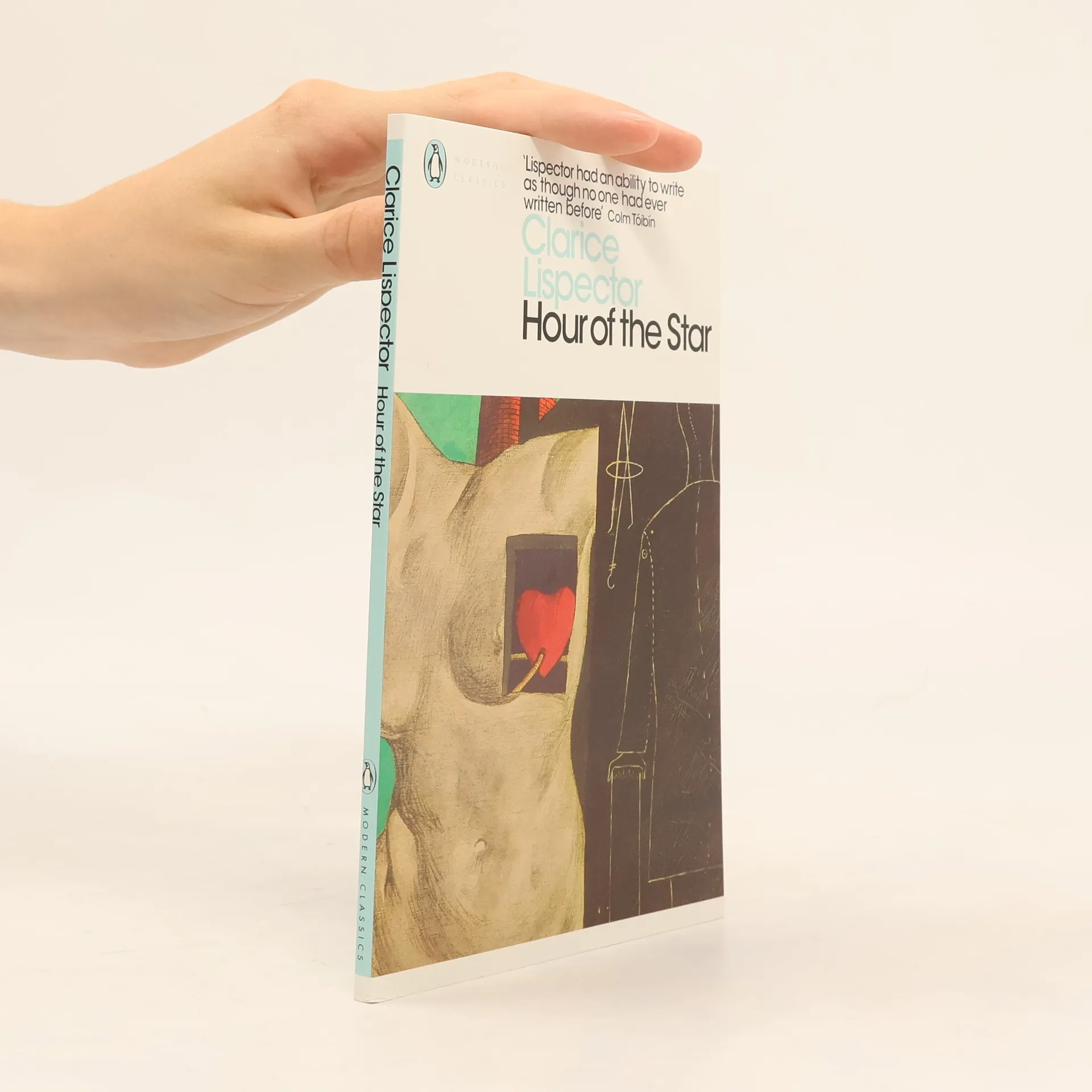
    Hour of the Star
    Music & Literature
    • Music & Literature

      • 281pagine
      • 10 ore di lettura

      More than 40 writers, musicians, and translators come together to celebrate the works of Brazilian novelist Clarice Lispector, Swiss violinist Maya Homburger, British composer Barry Guy, and American poet Mary Ruefle. This issue begins with an intimate portrait of Lispector, featuring her letters, paintings, and her candid final interview, complemented by essays from her translators and international writers, forming a 100-page tribute. The musical worlds of Homburger and Guy are explored through intertwined interviews, graphic scores, and a unique Bach Pilgrimage Portfolio, with contributions from conductor Sir John Eliot Gardiner. The edition concludes with a comprehensive appreciation of Ruefle’s career, including sixteen new poems and erasures from the "contemporary Dickinson." This ambitious collection captures the vibrant intelligences of four essential artists of our time. The contents include essays, interviews, and artworks related to Lispector, Homburger, Guy, and Ruefle, showcasing their profound impact on literature and music. Each section delves into their unique contributions and creative processes, offering readers a rich tapestry of insights and artistic expressions that celebrate their legacies.

      Music & Literature
      4,2
    • Hour of the Star

      • 96pagine
      • 4 ore di lettura

      Living in the slums of Rio and eking out a living as a typist, Macabea loves movies, Coca-Cola and her philandering rat of a boyfriend; she would like to be like Marilyn Monroe, but she is ugly and unloved.

      Hour of the Star
      4,0
    • In un mattino simile a tanti altri G.H., donna sicura della propria identità e delle proprie scelte, si scontra con un fatto, un evento infimo e mostruoso, che avrà sulla sua vita un effetto fortemente traumatico. In un lungo, minuzioso monologo G.H. riferisce il suo viaggio, allucinato, all’interno di una stanza: “Creerò ciò che mi è accaduto. Solamente perché vivere non è narrabile. Vivere non è vivibile”. Solo attraverso la totale perdita dell’identità, nello spaesamento, nel disorientamento, G.H. comprende che il vivere è “cosa sovrannaturale”, che “essere io,” scrisse Alfredo Giuliani in occasione della prima edizione italiana, “non è una peculiarità umana perché proviene da una fonte anteriore e assai più grande, da una materia infinitamente più ricca e sconosciuta”. Una estenuata interrogazione sul senso di vivere e la ricerca continua della faccia nascosta della realtà. “Il suo sguardo coglie l’incongruenza delle cose che sono e la volgarità dei nessi che le tengono insieme.” Antonio Tabucchi

      La passione secondo G. H.
      4,2