

Dieses Buch führt zwei neue Wörter ein. Das erste, SANPAKU, beschreibt einen Zustand, in dem das Weiße des Auges zwischen Pupille und unterem Augenlid sichtbar ist, wenn die Person geradeaus schaut. Dieser Zustand deutet auf ein ernsthaftes körperliches und geistiges Ungleichgewicht hin. Ein SANPAKU-Mensch hat keine Verbindung mehr zu sich selbst, seinem Körper und den natürlichen Kräften des Universums. Anzeichen dafür sind chronische Müdigkeit, schwache sexuelle Energie, schlechte Instinkte, wenig Humor, Schlafstörungen und ungenaues Denken und Handeln. Das zweite Wort, MAKROBIOTIK, bietet eine natürliche Methode, um die gefährliche SANPAKU-Kondition zu korrigieren und Gesundheit sowie Wohlbefinden zu fördern. Die Grundlagen der Makrobiotik basieren auf der fernöstlichen Philosophie der Yin/Yang-Kräfte und der biochemischen Beziehung zwischen Natrium und Kalium im Körper, die seit Jahrhunderten im Fernen Osten praktiziert wird. Laut dem Autor heilt die makrobiotische Ernährung nicht nur bestehende Leiden, sondern stärkt auch den Körper gegen Krankheiten. Der amerikanische Journalist William Dufty begegnete Georges Ohsawa und der Makrobiotik in den 1960er Jahren und teilt in der Einführung seine fesselnden Erlebnisse. Der weitere Teil des Buches enthält Duftys Wiedergabe von Ohsawas Texten, die durch sein journalistisches Geschick die Denkweise Ohsawas verständlicher machen.
William Dufty Ordine dei libri (cronologico)
William Francis Dufty fu uno scrittore, musicista e attivista americano. Inclusa la scrittura fantasma, ha scritto circa 40 libri, lasciando un corpus letterario considerevole.



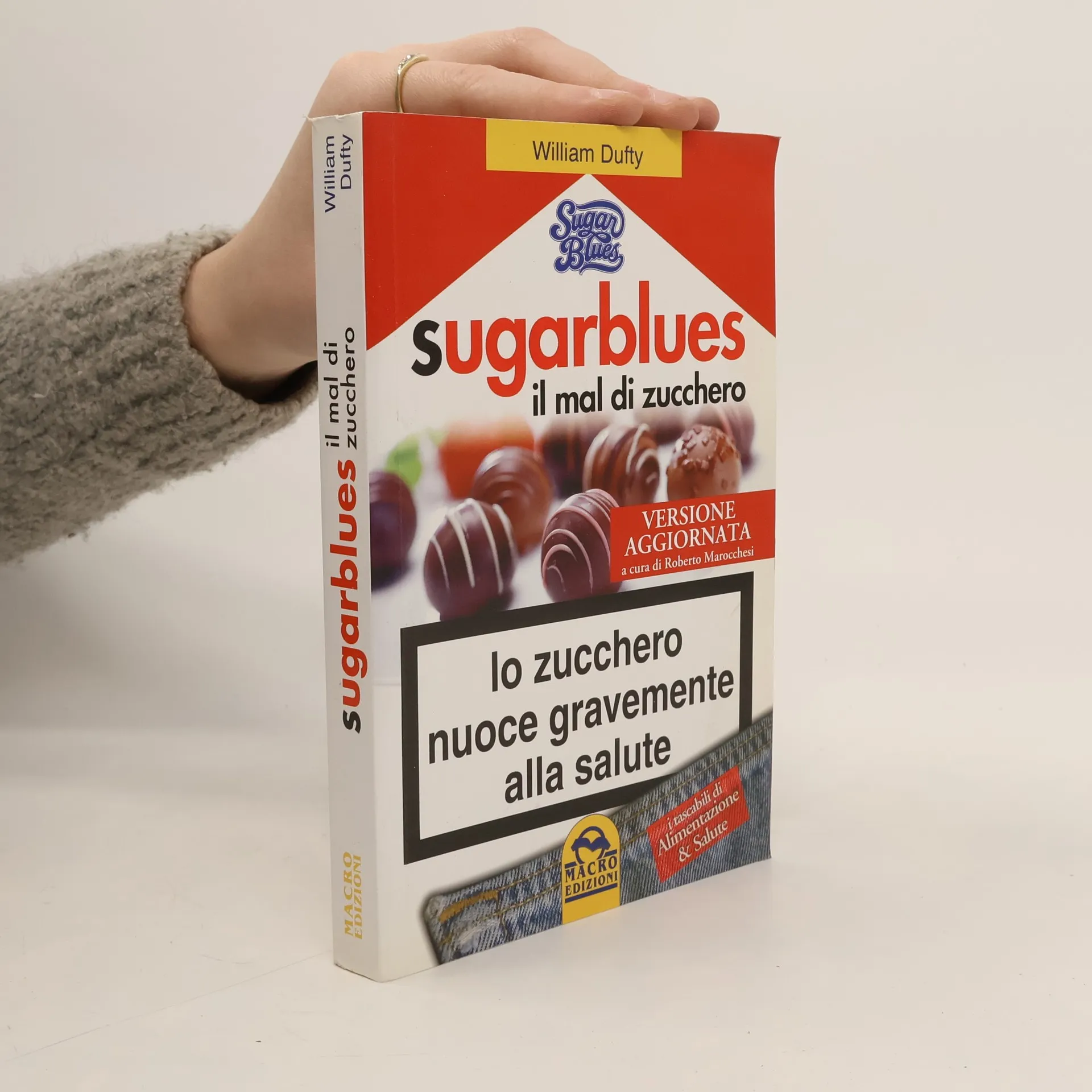
Sugarblues, il mal di zucchero
- 316pagine
- 12 ore di lettura
Se siete grassi, se soffrite di emicranie, di ipoglicemie o di acne, il flagello sugarblues vi ha colpiti. Proprio come l'oppio, la morfina e l'eroina, lo zucchero è una droga distruttiva, che dà assuefazione, dal momento che ne consumiamo tanto ogni giorno (dal pane alle sigarette) al punto che in base agli studi medici tutta la società è prediabetica: "Il diabete è senza dubbio la malattia più diffusa in Italia, avendo raggiunto una prevalenza superiore al 3% con una netta tendenza verso un progressivo incremento nel tempo". Questo libro autobiografico, che ripercorre la storia personale dell'autore e quella dell'uomo nei secoli, è l'aiuto che cercavate per superare la tossicodipendenza da zucchero e ritrovare la salute e la gioia di vivere senza malesseri continui (in particolare emicranie). E' un forte atta di accusa alla congiura economica e sociale che si è andata formando nel tempo a nostro danno.
Perfect for fans of The United States vs. Billie Holiday, this is the fiercely honest, no-holds-barred memoir of the legendary jazz, swing, and standards singing sensation—a fiftieth-anniversary edition updated with stunning new photos, a revised discography, and an insightful foreword by music writer David Ritz Taking the reader on a fast-moving journey from Billie Holiday’s rough-and-tumble Baltimore childhood (where she ran errands at a whorehouse in exchange for the chance to listen to Louis Armstrong and Bessie Smith albums), to her emergence on Harlem’s club scene, to sold-out performances with the Count Basie Orchestra and with Artie Shaw and his band, this revelatory memoir is notable for its trenchant observations on the racism that darkened Billie’s life and the heroin addiction that ended it too soon. We are with her during the mesmerizing debut of “Strange Fruit”; with her as she rubs shoulders with the biggest movie stars and musicians of the day (Bob Hope, Lana Turner, Clark Gable, Benny Goodman, Lester Young, Coleman Hawkins, and more); and with her through the scrapes with Jim Crow, spats with Sarah Vaughan, ignominious jailings, and tragic decline. All of this is told in Holiday’s tart, streetwise style and hip patois that makes it read as if it were written yesterday.