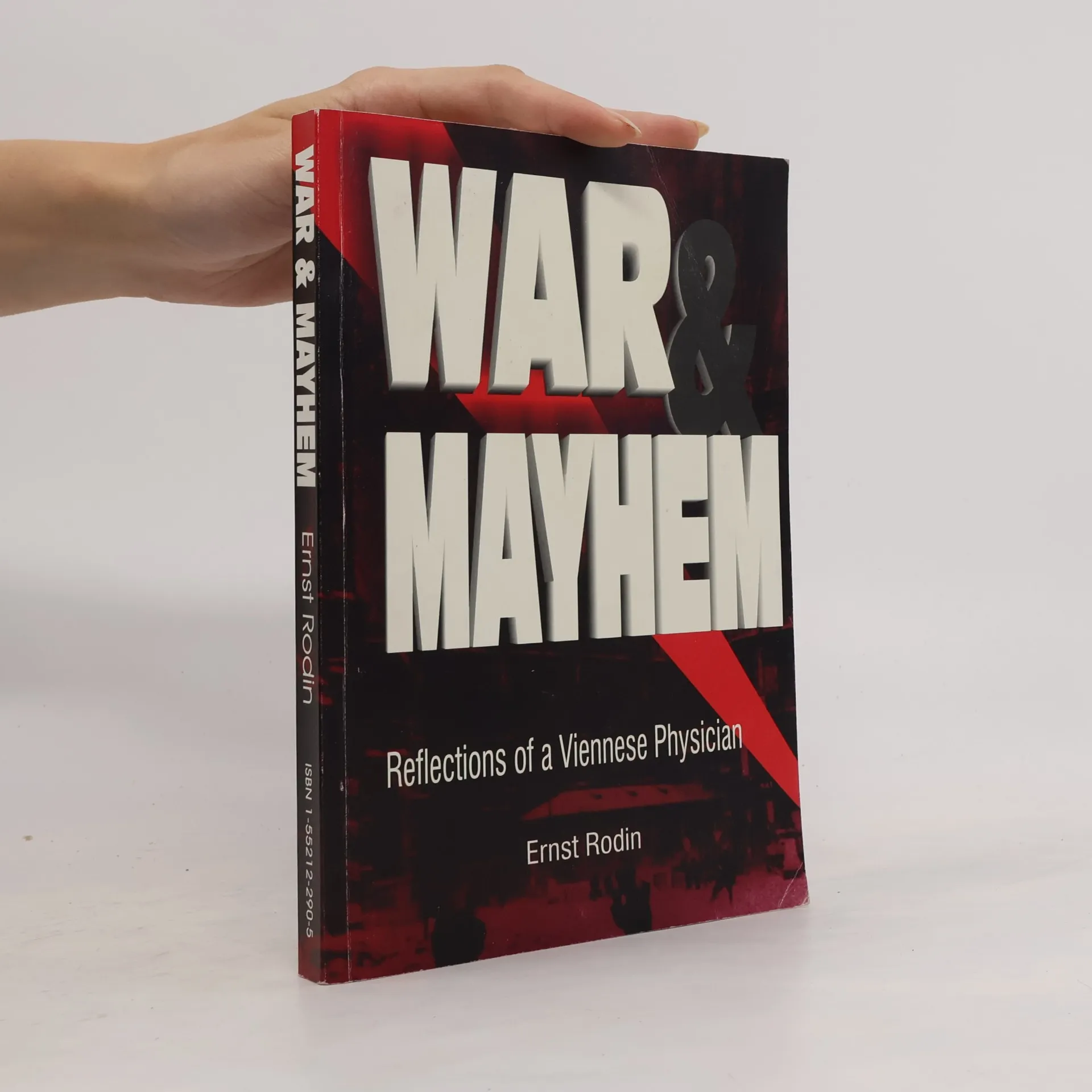
This retrospective account explores the experiences of Vienna's citizens during the first half of the twentieth century, divided into three parts. The first part compiles historical material from contemporary scholarly sources. The second part shares the author's personal experiences growing up in a "dysfunctional" family during the Nazi occupation, revealing the harsh realities of life under a totalitarian regime, particularly for those deemed "non-Aryan." It highlights the devastating impact of WWII on lives and property and how ordinary citizens managed during Nazi and Soviet rule. The third part delves into the motivations behind Hitler's actions, the roots of the Holocaust, and the potential repercussions of twentieth-century solutions in the twenty-first century. Written in accessible language with an Austrian flair, the book is well-illustrated and aims to engage a broad audience. WWII veterans from the Allied forces may find value in understanding the enemy's perspective, while college students can learn that history is not merely about "dead white males" but a force that shapes lives today. Austrian Mittelschul students may appreciate insights into their grandparents' lives in English, and Jewish readers might seek to understand the deep-seated aversion toward their "race." The author presents potentially controversial opinions, emphasizing that understanding both sides is essential for fostering a more humane world.
Ernst A. Rodin Libri