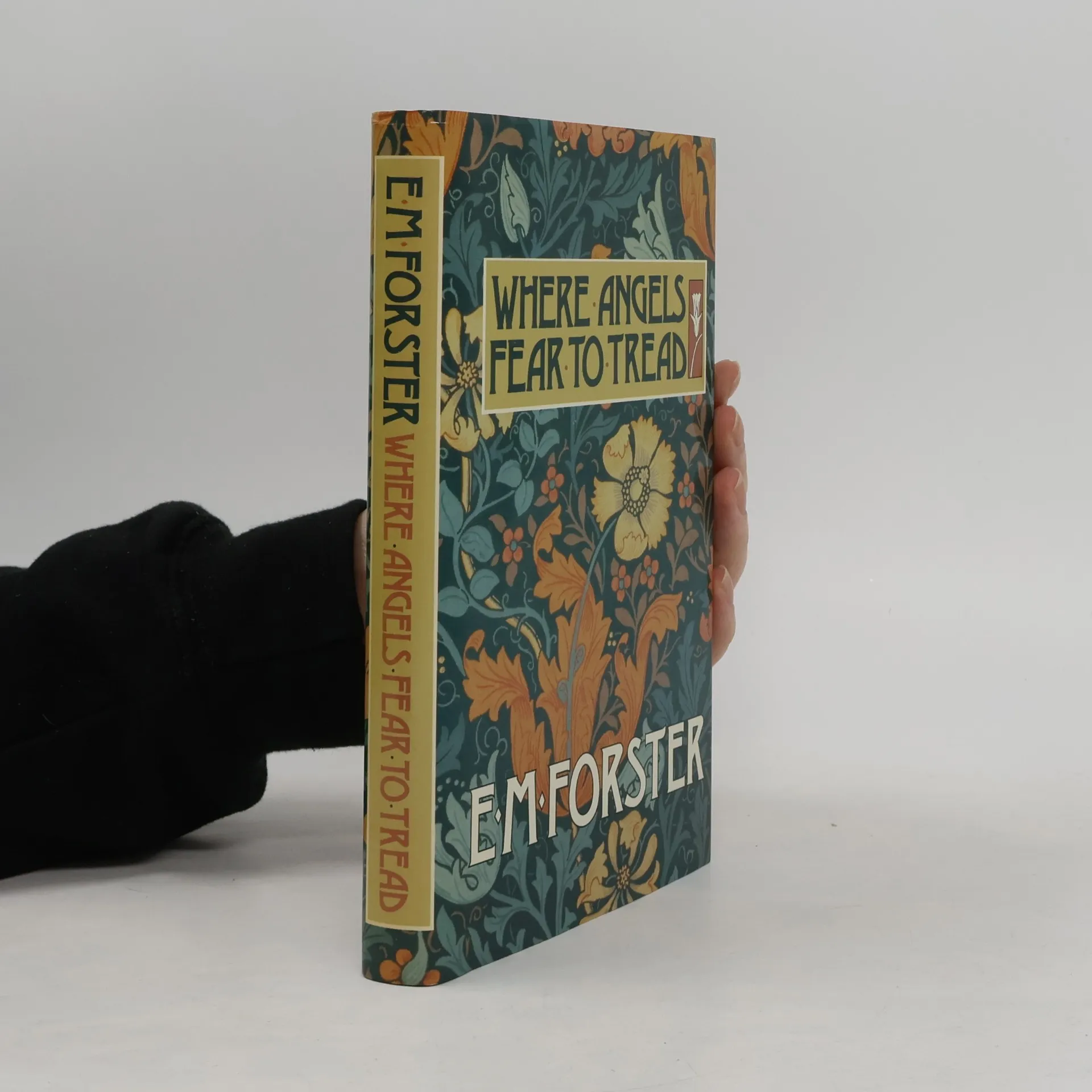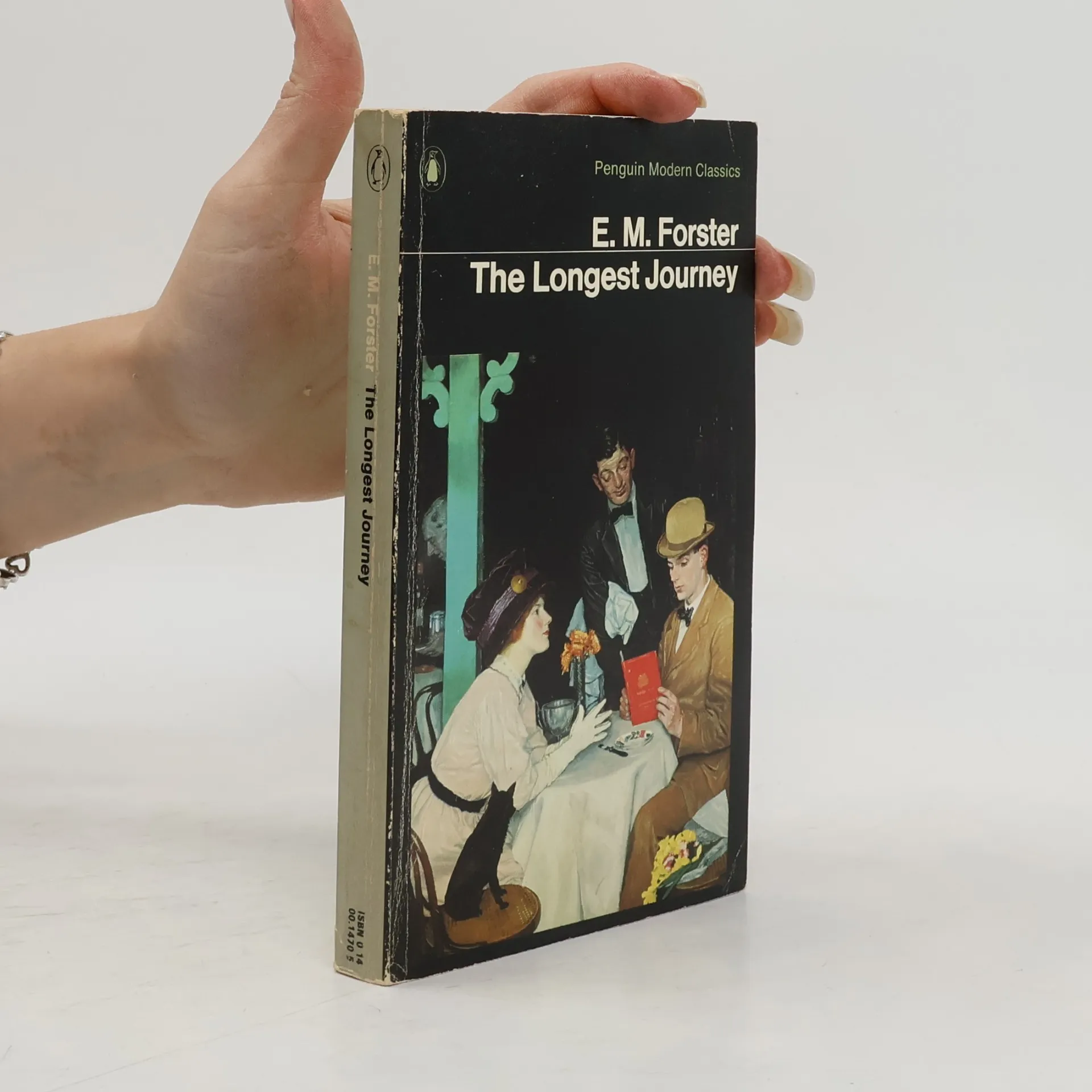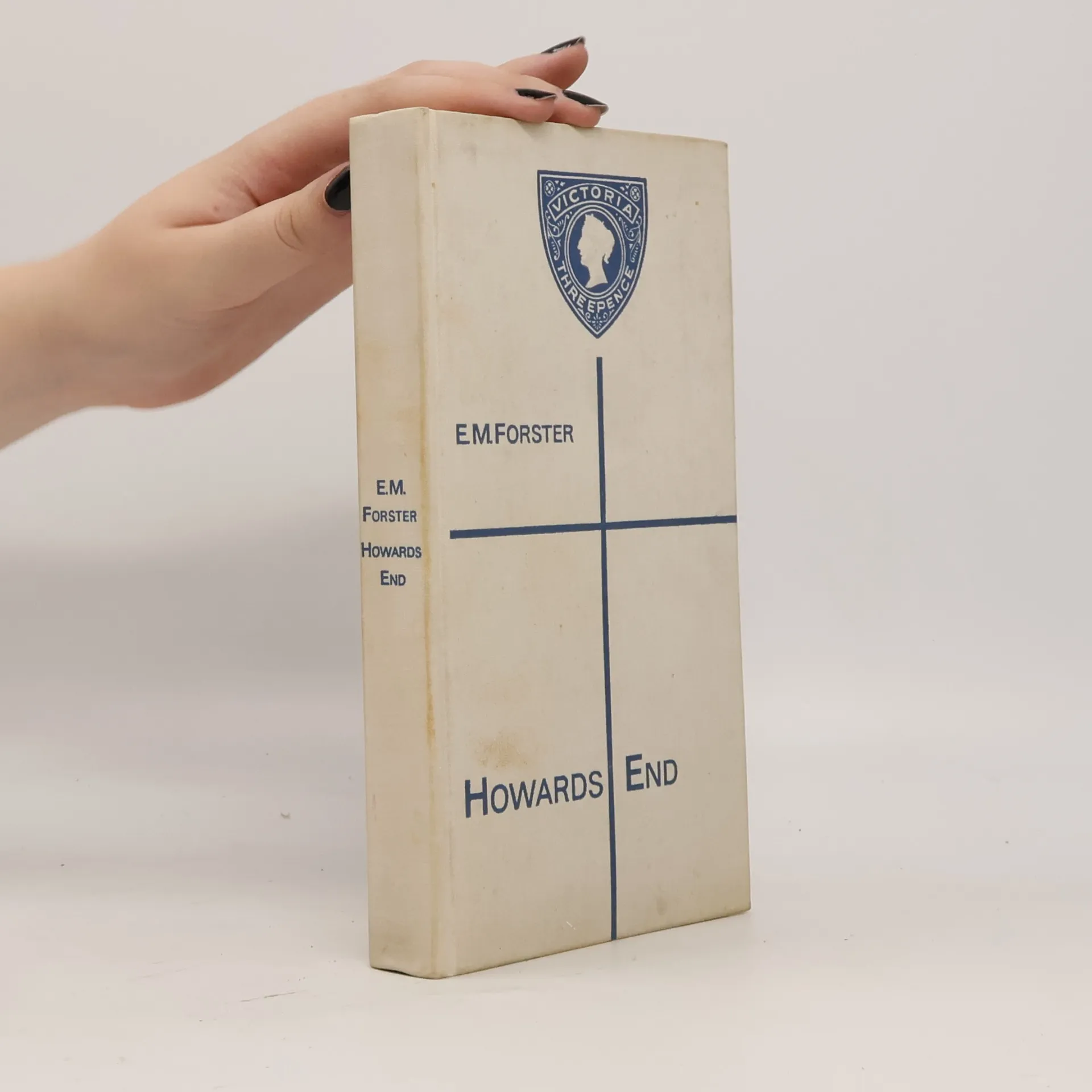
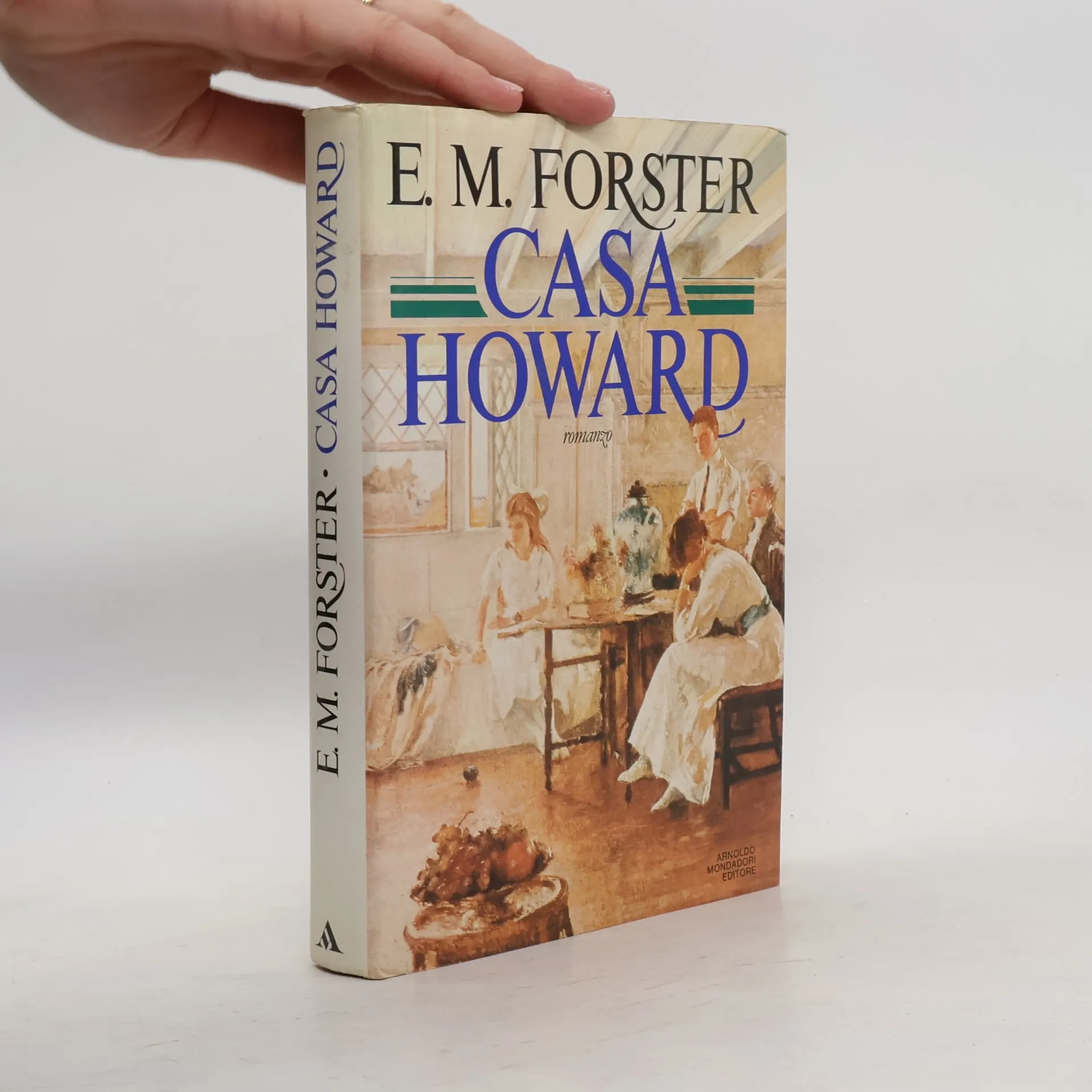
"Lo svolgimento della storia è magistrale. Quella cosa indefinibile ma estremamente importante, l'atmosfera di un libro, risplende d'intelligenza". Così Virginia Woolf giudicò quest'opera. Infatti Casa Howard - da cui è stato tratto il grande film di James Ivory interpretato da Anthony Hopkins da Emma Thompson - è considerato, con Passaggio in India, il miglior romanzo di Forster, il più completo e meditato In esso lo scrittore inglese aspira a congiungere gli aspetti minimali, individuali, intimi del vivere con il più ampio contesto storico, penetrando con acume in quel conflitto eternamente irrisolto tra libertà e consuetudine, tra individualità e imposizione esterna. Margaret e Helen, le due sorelle protagoniste del romanzo, rappresentano, con le loro personali, umane vicende, anche il volto sociale e culturale dell'Inghilterra dei primi del Novecento. Tuttavia Forster non vuol essere scrittore politico, ma osservatore attento, silenzioso, vagamente romantico degli uomini del suo tempo.
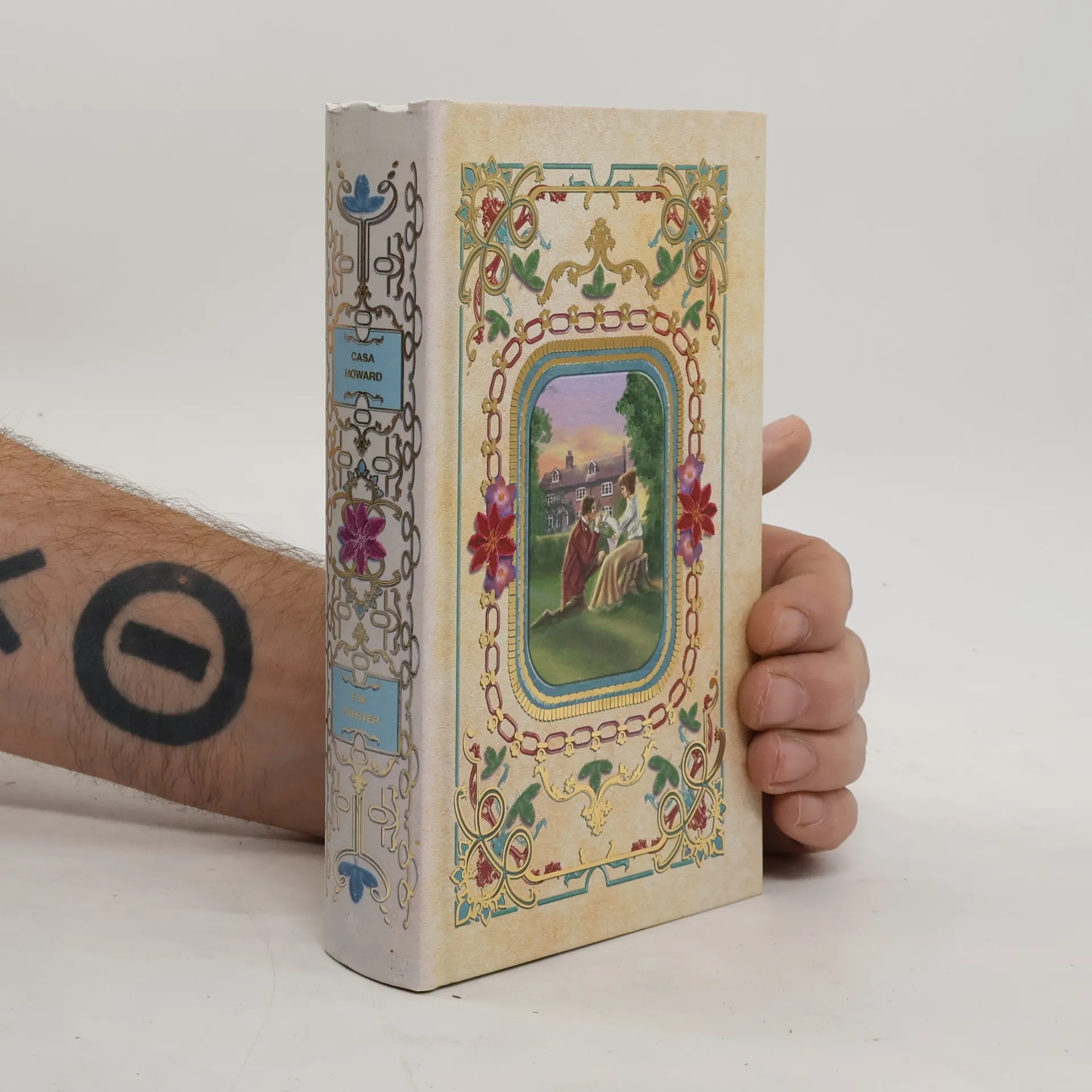
E. M. Forster Libri


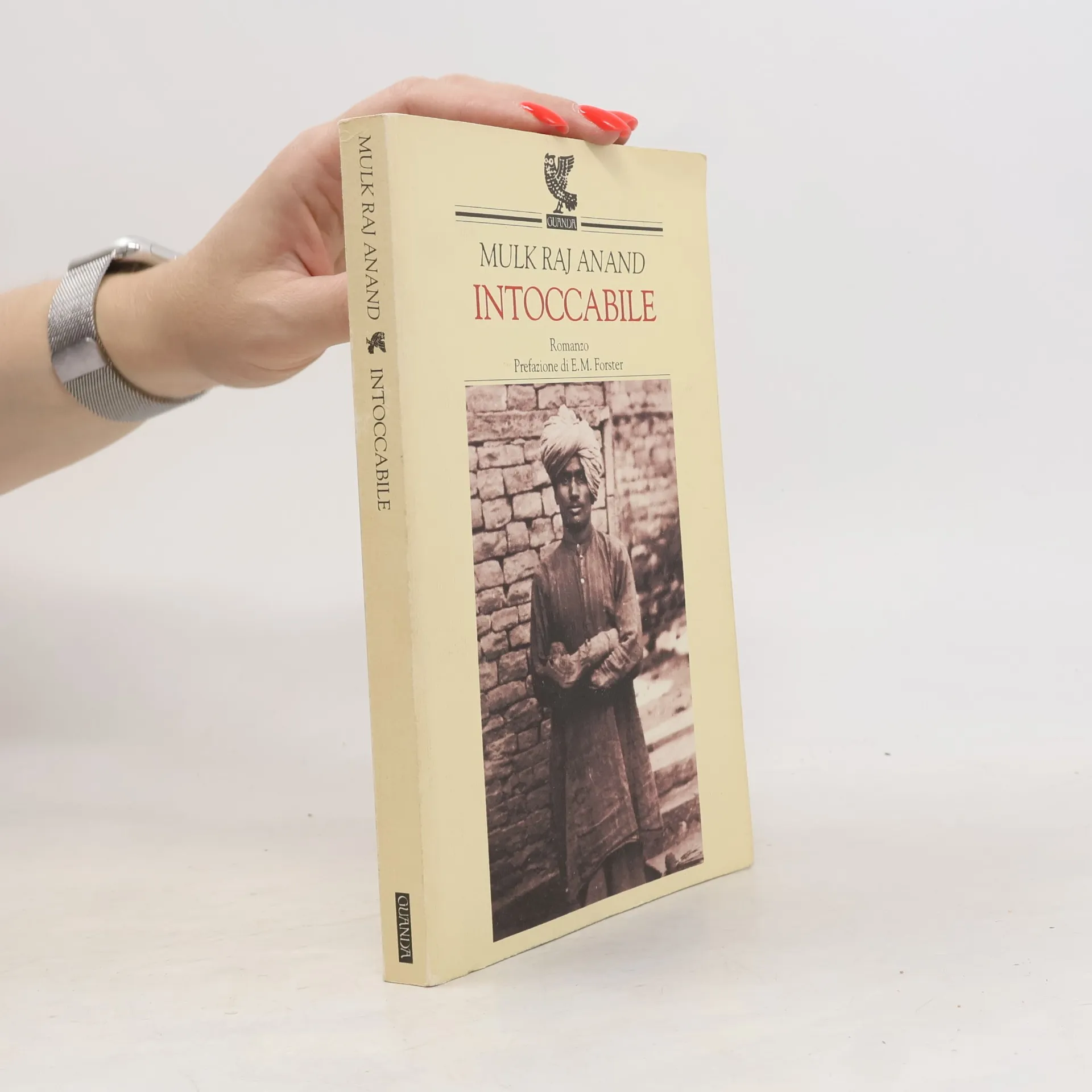
Intoccabile
- 184pagine
- 7 ore di lettura
Bakha is a young man, proud and even attractive, yet none the less he is an outcast in India's caste system: an Untouchable. In deceptively simple prose this groundbreaking novel describes a day in the life of Bakha, sweeper and toilet-cleaner, as he searches for a meaning to the tragic existence he has been born into - and comes to an unexpected conclusion. Mulk Raj Anand poured a vitality, fire and richness of detail into his controversial work, which led him to be acclaimed as his country's Charles Dickens and one of the twentieth century's most important Indian writers.
Casa Howard
romanzo
Maurice
- 325pagine
- 12 ore di lettura
Maurice Hall è un giovane che cresce sicuro del suo status privilegiato e ben consapevole del suo ruolo nella società. Modesto e generalmente conformista, si sente però sempre più attratto dal suo stesso sesso. Attraverso Clive, che incontra a Cambridge, e Alec, il guardiacaccia della tenuta di Clive, Maurice vive gradualmente un profondo risveglio emotivo e sessuale. Una storia di passione, coraggio e sfida, questo romanzo intensamente personale è stato completato nel 1914 ma rimase inedito fino alla morte di Forster nel 1970. Offre una potente condanna delle attitudini repressive della società britannica ed è al contempo una commovente storia d'amore e un racconto intimo della scoperta erotica e politica di un uomo.
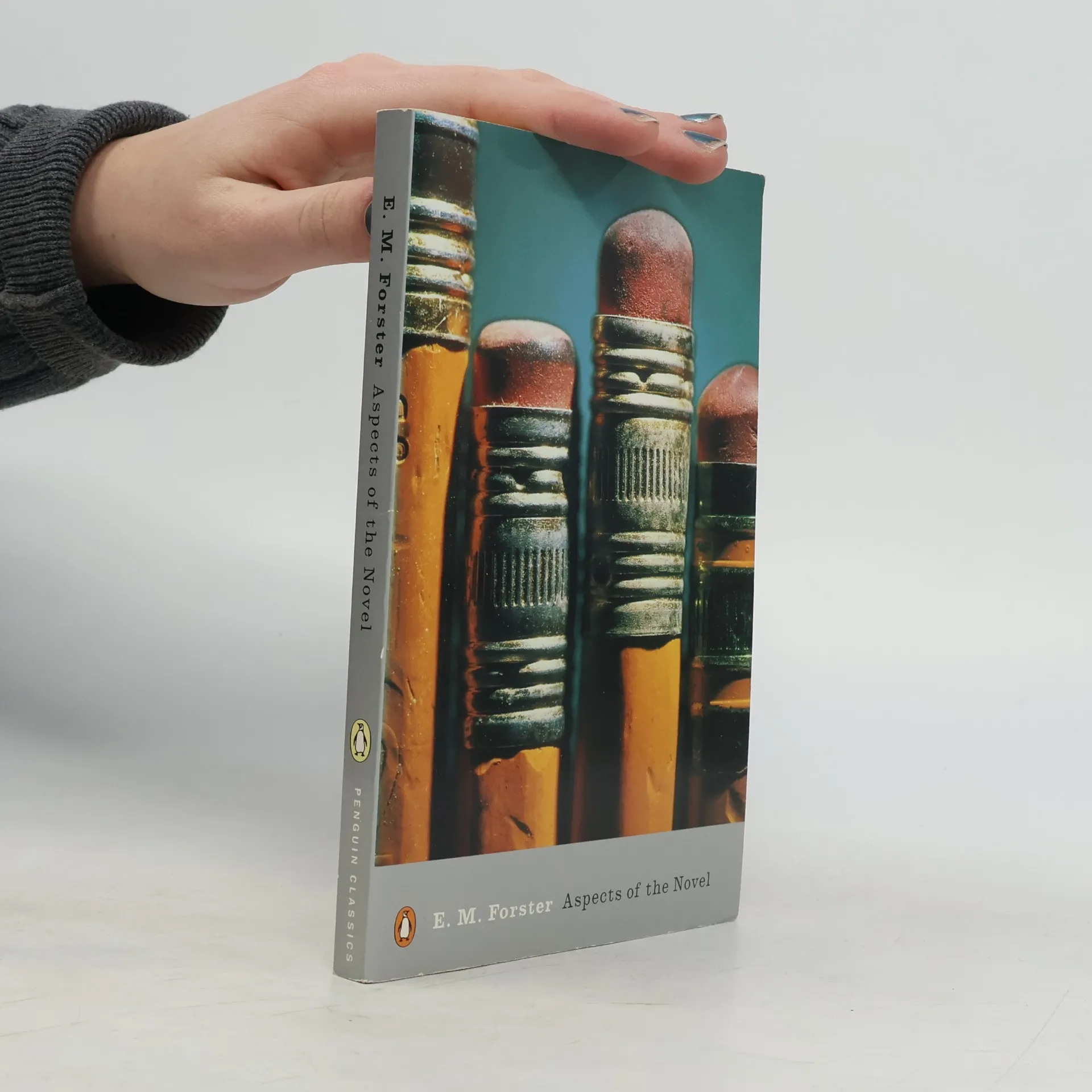
Aspects of the Novel
- 204pagine
- 8 ore di lettura
E.M. Forster's Aspects of the Novel is a groundbreaking exploration of the novel as a literary form, first presented as lectures at Cambridge University. This Penguin Classics edition, edited by Oliver Stallybrass, includes a new preface by Frank Kermode. Forster critiques the 'pseudoscholarship' of historical criticism, urging readers to envision great novelists collaborating in a shared space rather than being confined to their respective eras. He delves into elements such as character, plot, fantasy, and rhythm, drawing insightful comparisons among authors like Proust, James, Dickens, Thackeray, Eliot, and Dostoyevsky, highlighting both their commonalities and differences. The work is characterized by Forster's engaging, conversational style, infused with his signature wit and wisdom. Kermode's introduction reflects on how Forster's experiences as a novelist shaped his lectures. This edition also features the original introduction by Stallybrass, a chronology, further reading suggestions, and appendices. Forster (1879-1970), a prominent English author and member of the Bloomsbury group, is known for novels such as Where Angels Fear To Tread, A Room With A View, and Howards End. If you appreciate Aspects of the Novel, you may also enjoy Forster's A Room with a View, available in Penguin Classics.
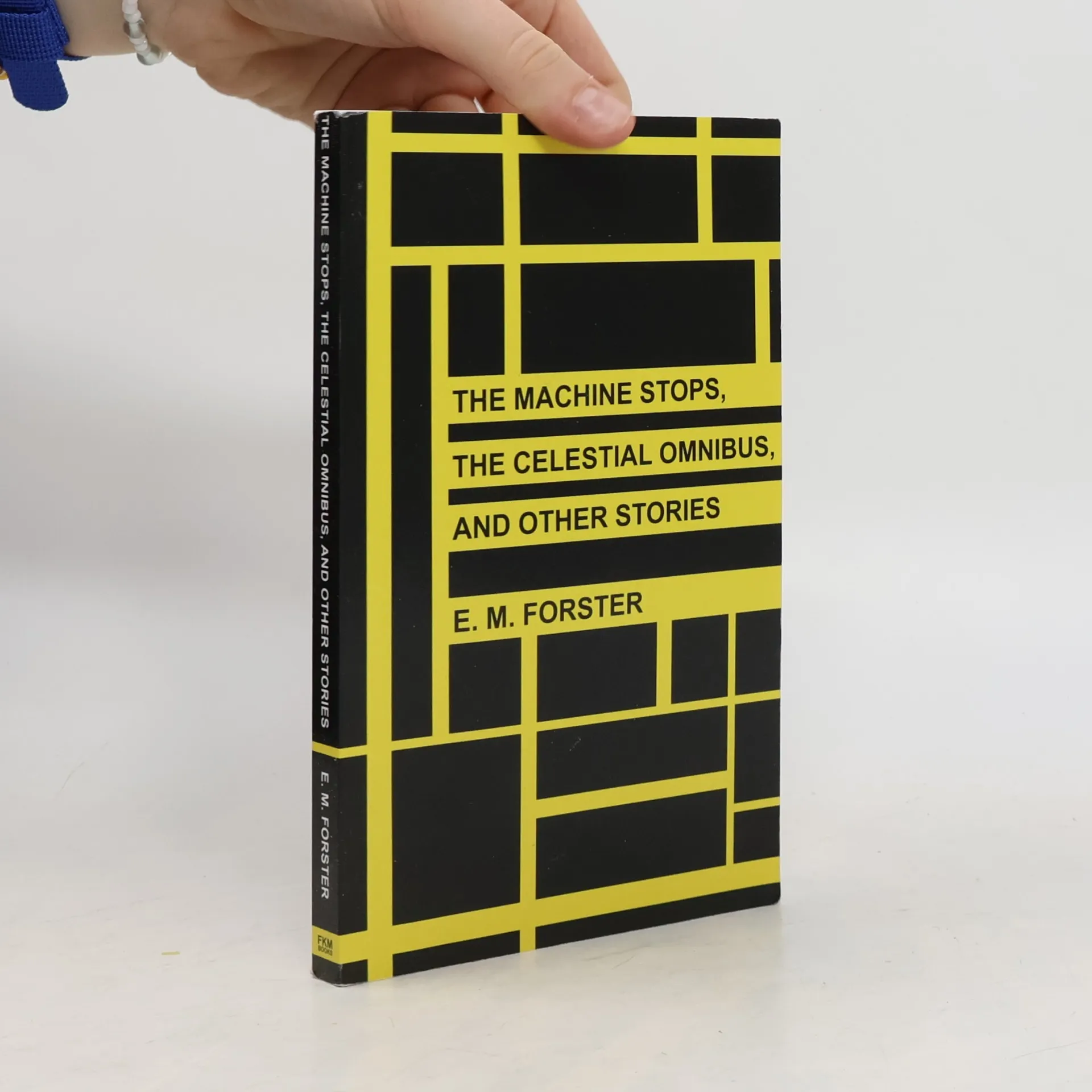
The Machine Stops, The Celestial Omnibus, and Other Stories
- 180pagine
- 7 ore di lettura
The Machine Stops, The Celestial Omnibus, and Other Stories is a collection of short stories from E. M. Forster, who is perhaps best known for his novels Howards End and A Room with a View. Included in the collection is The Machine Stops, a science fiction story that predicted the internet, video conferencing, and instant messaging. Forster, who deplored science fiction, wrote the story in response to an optimistic depiction of the future by H. G. Wells. The story is one of the earliest examples of dystopian science fiction. Also included is The Story of a Panic, the first story Forster ever wrote.