

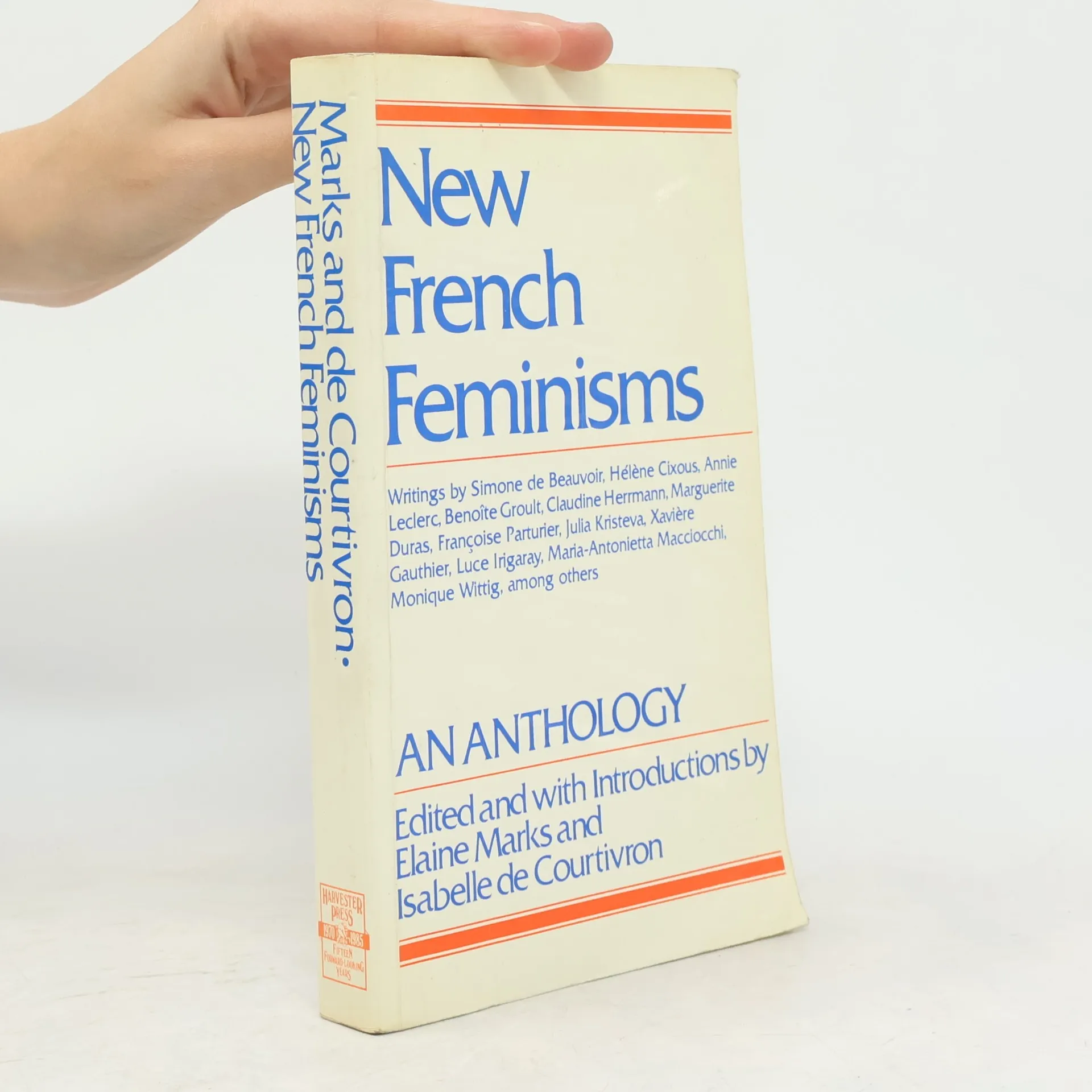
Since 1968, feminist theory has been the subject of much serious intellectual inquiry in France. While the French are familiar with American feminist texts, the opposite is not true - American knowledge of French feminist writing is often limited to Simone de Beauvoir's "The Second Sex," published in 1949. This anthology of NEW FRENCH FEMINISMS is an attempt to bridge that gap. The editors have included over fifty selections of recent French feminist writing, most of which have never before been translated into English, and some of which have never been published in either French or English. The selections reflect the wide spectrum of theories comprising the French feminist movement. These theories complement the more pragmatic and empirical approach of American feminists, for they emphasize dialectical thought, psychoanalytic and linguistic theory, and the politics of language and culture. The editors provide introductory essays that discuss the history of French discourses on feminism and analyze the post-1968 developments. They also supply a chronological table outlining both the major events of French history and those of the French feminist movement, as well as a bio/bibliography and a bibliography.
Claudine Herrmann Libri
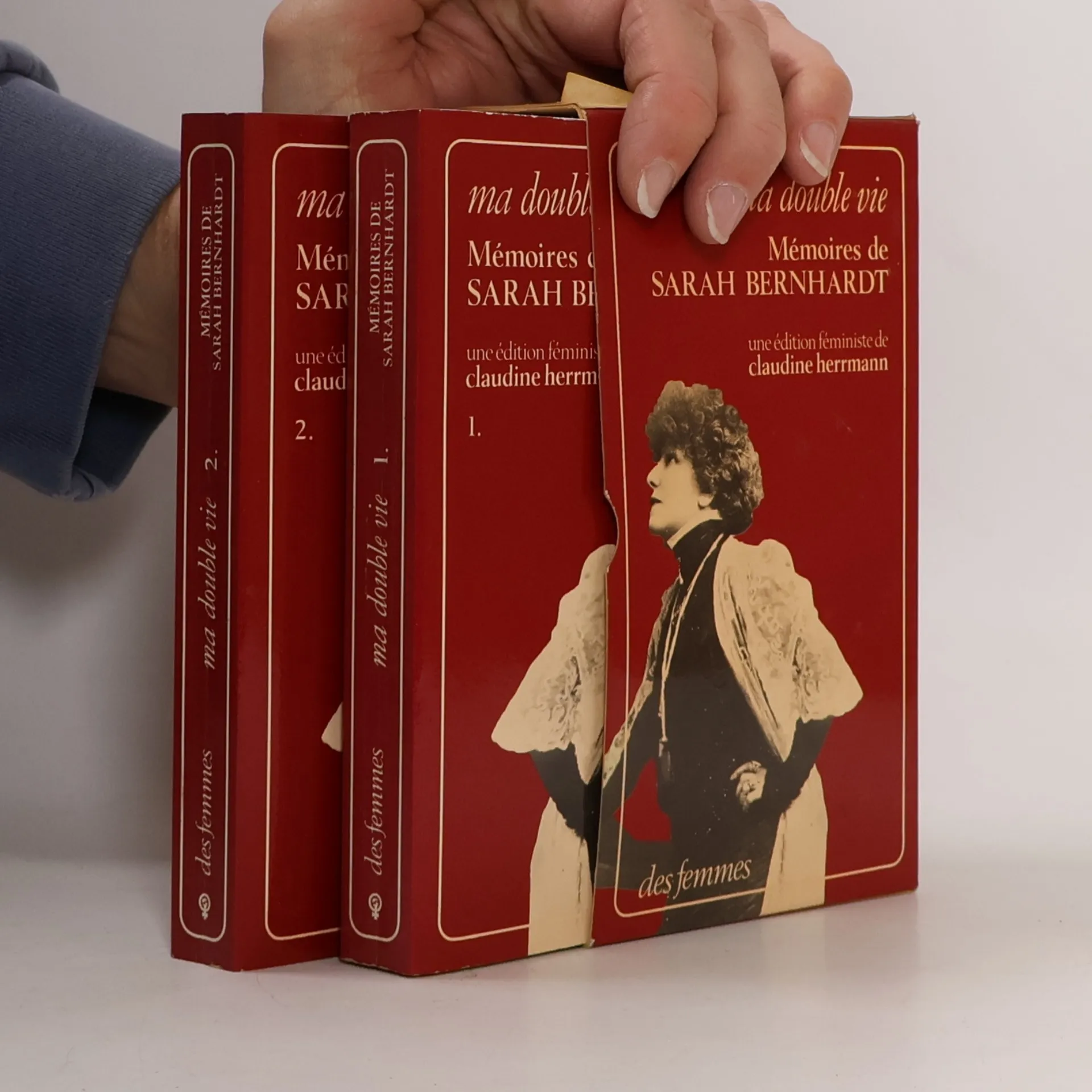
Ma double vie 1
Mémoires de Sarah Bernhardt - Une édition féministe de Claudine Herrmann
Je m'étais enfuie toute la journée, étendue sur les pavés sous la pluie incessante. Je rentrai à l'hôtel Frascati, glacée, et, durant la nuit, je fis une fièvre violente nécessitant l'intervention du docteur Gilbert. Mme Guérard, appelée par ma camériste affolée, vint me voir, et je restai deux jours sous l'emprise d'une fièvre chaude. Pendant ce temps, les journaux déversaient des torrents d'encre, me condamnant à des accusations infondées. La Comédie envoya un huissier frapper à ma porte, qui affirma qu'après trois coups, personne ne répondit, laissant une copie de son rapport. Cet homme mentait, car il y avait chez moi plusieurs personnes, y compris mon fils et son précepteur. Malgré mes protestations, l'huissier, représentant la Loi, ne me crut pas. La Comédie, selon ses règlements, devait me faire trois sommations, mais cela ne fut pas fait, et un procès s'engagea contre moi, perdu d'avance. Maître Allou, avocat de la Comédie-Française, inventa des histoires malveillantes pour me ridiculiser, s'appuyant sur un dossier impressionnant de mes lettres à Perrin, toutes conservées, même les plus insignifiantes. En revanche, je n'avais gardé aucune de ses lettres.