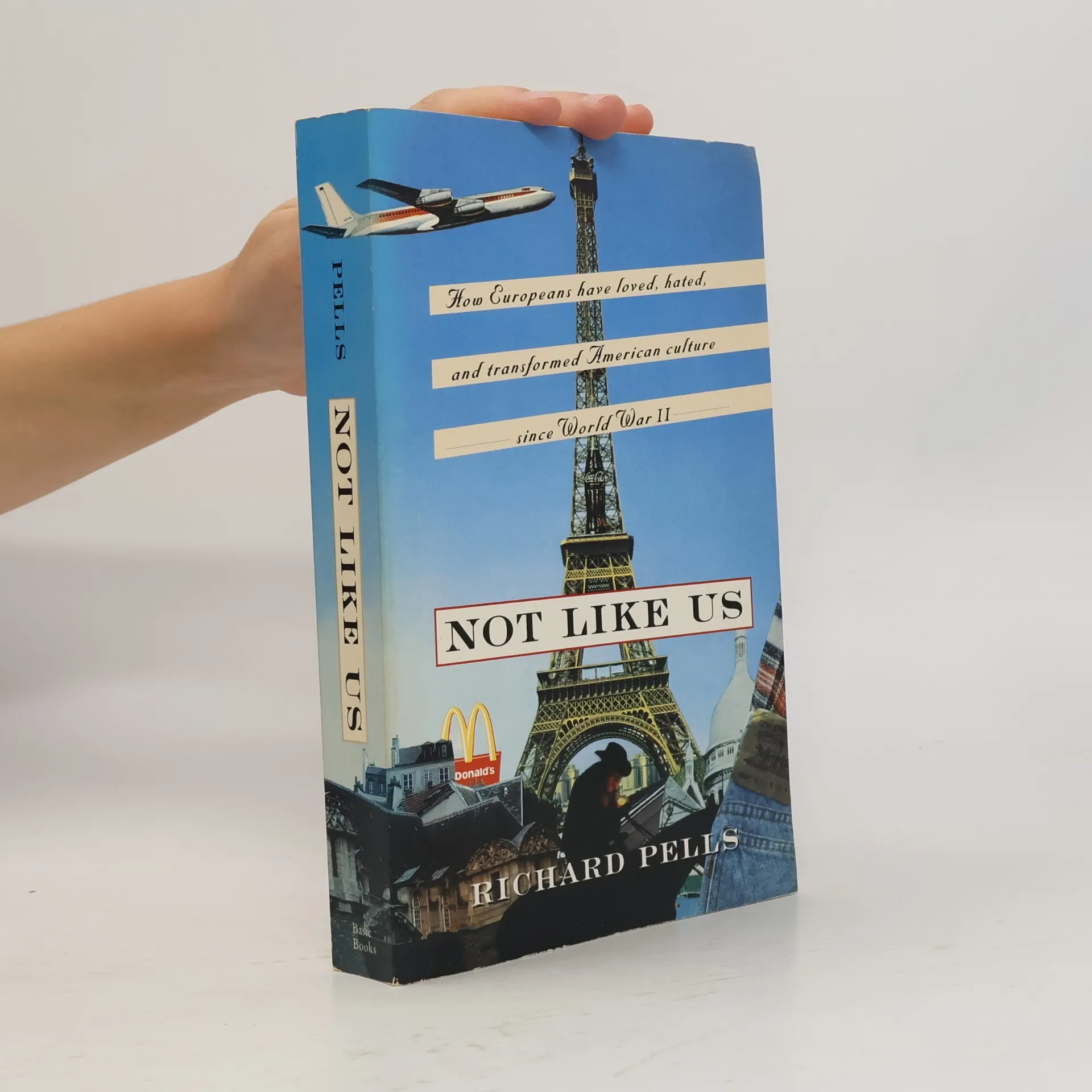
How Europeans Have Loved, Hated, And Transformed American Culture Since World War II
464pagine
17 ore di lettura
Debunking the myth of the "Americanization" of Europe, a noted historian presents an authoritative and engrossing cultural history of how America tried to remake Europe in its own image, and how the Europeans successfully retained their identity in the face of American mass culture. Richard Pells provides a new paradigm for understanding the survival of local and national cultures in a global setting.
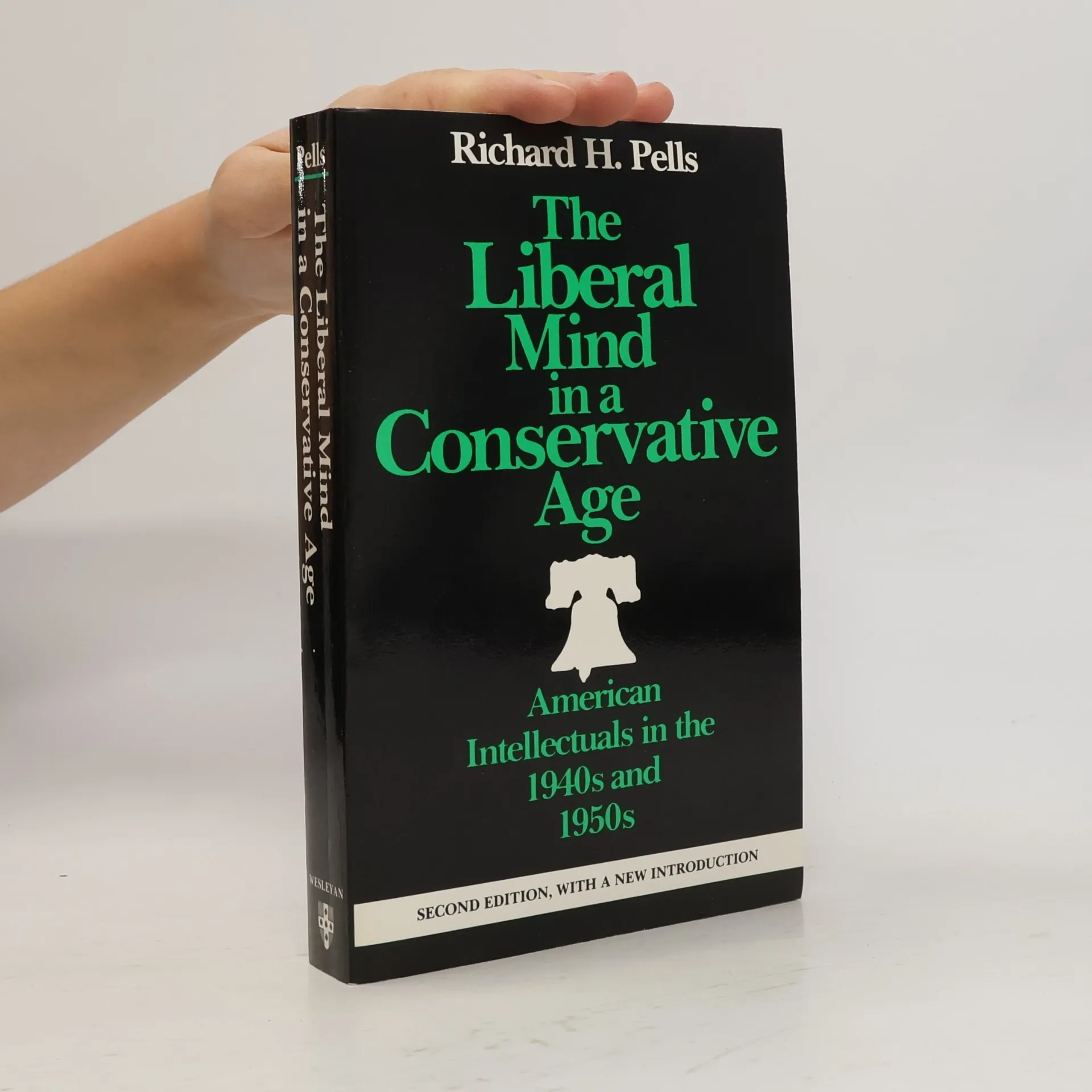
American Intellectuals in the 1940s and 1950s - Second Edition, With a New Introduction
468pagine
17 ore di lettura
The period between the close of World War II and the American government's full-scale involvement in Vietnam was, we have long been told, a gray one in the annals of political dissent and liberalism.But Richard Pells shows that the times had more to them than a tired acceptance of things as they were. He examines the intellectuals of the period--C. Wright Mills, Dwight MacDonald, Arthur Schlesinger, Daniel Boorstin, Hannah Arendt, Norman Mailer, Paul Goodman, and Edmund Wilson among them--who resisted the reigning conservatism through their writings in magazines like Dissent, The New Republic, and Partisan Review. These thinkers fought among themselves so much that they could never constitute an organized political body, but they did keep things lively, even if conservative critics were readily able to steamroller them. This is solid social history that turns up several surprises."The New York intellectuals are fortunate this time out in being in the hands of a chronicler who grinds no axes on their reputations and does them the courtesy of close if sometimes critical readings." -- Walter Goodman, The New York Times"Superb.…Pells offers deft portraits of his leading protagonists, apt quotations and lucid distillations of even the most complex ideas." -- Allen J. Matusow