

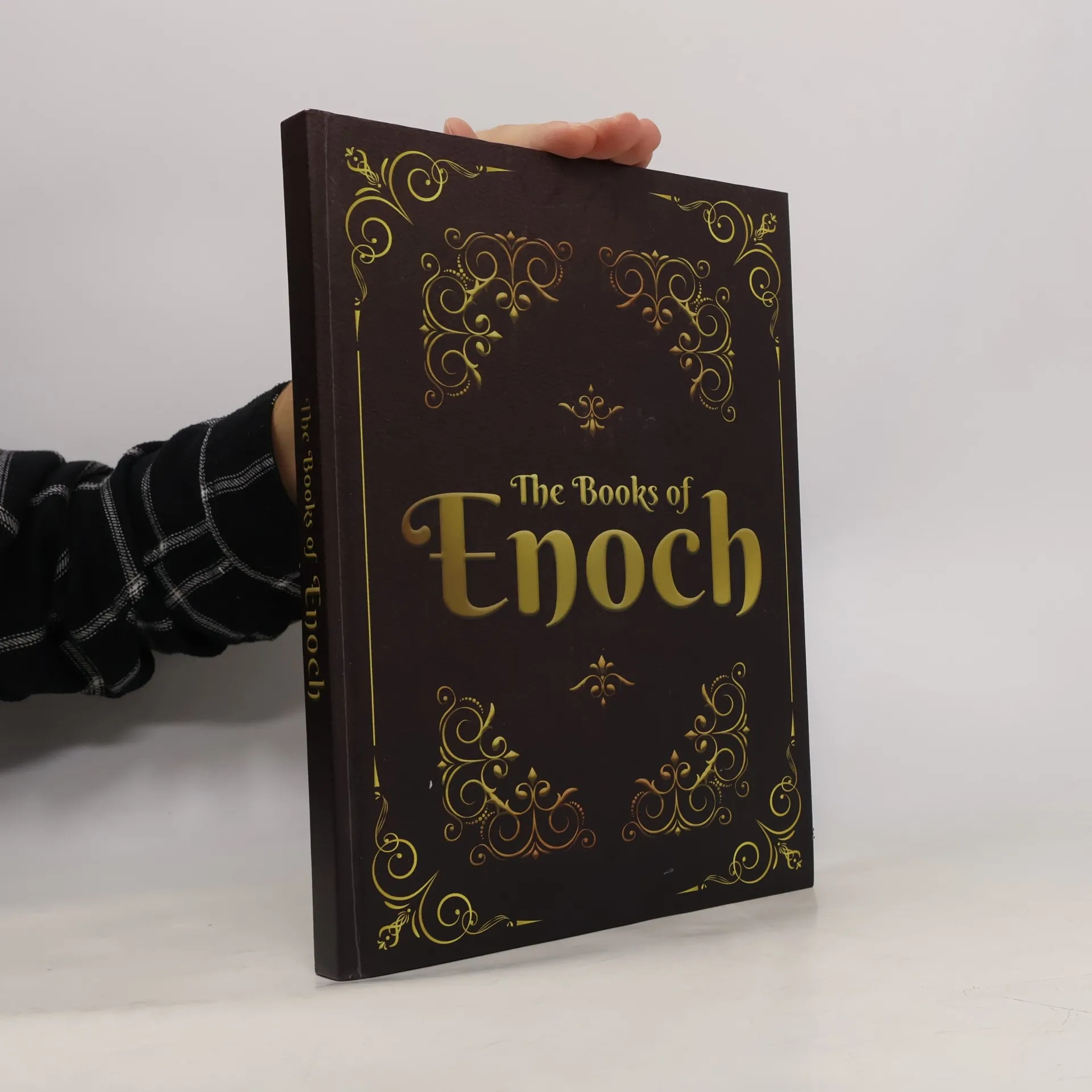
This work comprises the three books attributed to Enoch: 1 Enoch, 2 Enoch, and 3 Enoch. The first, often referred to simply as the Book of Enoch, is considered apocryphal in the Western canon but is included in the Ethiopic Bible. It was regarded as sacred by some early followers of Christ, yet it was excluded from the Bible and vanished for centuries, only to be rediscovered in 1773 in Ethiopic. The first English translation emerged in the 1820s, followed by a German version in the 1830s. Scholars generally date parts of it to the third century BCE and the first century CE, particularly the sections concerning the Son of Man. The oldest complete copies date to the late fourteenth or early fifteenth century, while fragments found in Qumran are over 2000 years old. Significant manuscripts include Abbadianus 55 and British Museum Orient 485. The second book, known as the Slavonic Enoch, is another apocryphal text found only in Old Slavonic manuscripts, typically dated to the first century CE, though the earliest manuscripts date to the fourteenth century. The third book, the Hebrew Enoch, is a Rabbinic text usually dated to the fifth century CE and is believed by some to have been authored by Rabbi Ishmael, who was familiar with the earlier Enoch texts.
Robert H. Charles Ordine dei libri (cronologico)


The Three Books of Enoch and the Book of Giants
- 288pagine
- 11 ore di lettura
This book encompasses 1 Enoch: The Ethiopic Book of Enoch, 2 Enoch: The Slavonic Book of the Secrets of Enoch, 3 Enoch: The Hebrew Book of Enoch, and versions of the Book of Giants. The first, known as the Book of Enoch, is considered apocryphal in the Western canon but is included in the Ethiopic Bible. It was regarded as sacred by early followers of Christ, yet excluded from the Bible and lost for centuries until its rediscovery in 1773. The manuscript was first translated into English in the 1820s and German in the 1830s. Scholars date parts of it to the third century BCE and the first century CE, particularly the sections concerning the Son of Man. The oldest complete copies date to the late fourteenth and early fifteenth centuries, while fragments found in Qumran are over 2000 years old. The second book, 2 Enoch, exists fully only in Old Slavonic manuscripts and is typically dated to the first century CE, though some sources suggest no manuscripts exist earlier than the fourteenth century. The third book, 3 Enoch, is a Rabbinic text in Hebrew, usually dated to the fifth century CE, possibly authored by Rabbi Ishmael. The Book of Giants narrates the story of antediluvian giants, drawing from both Genesis and 1 Enoch, and closely resembles the latter.