
Bookbot

李尚仁 Libri

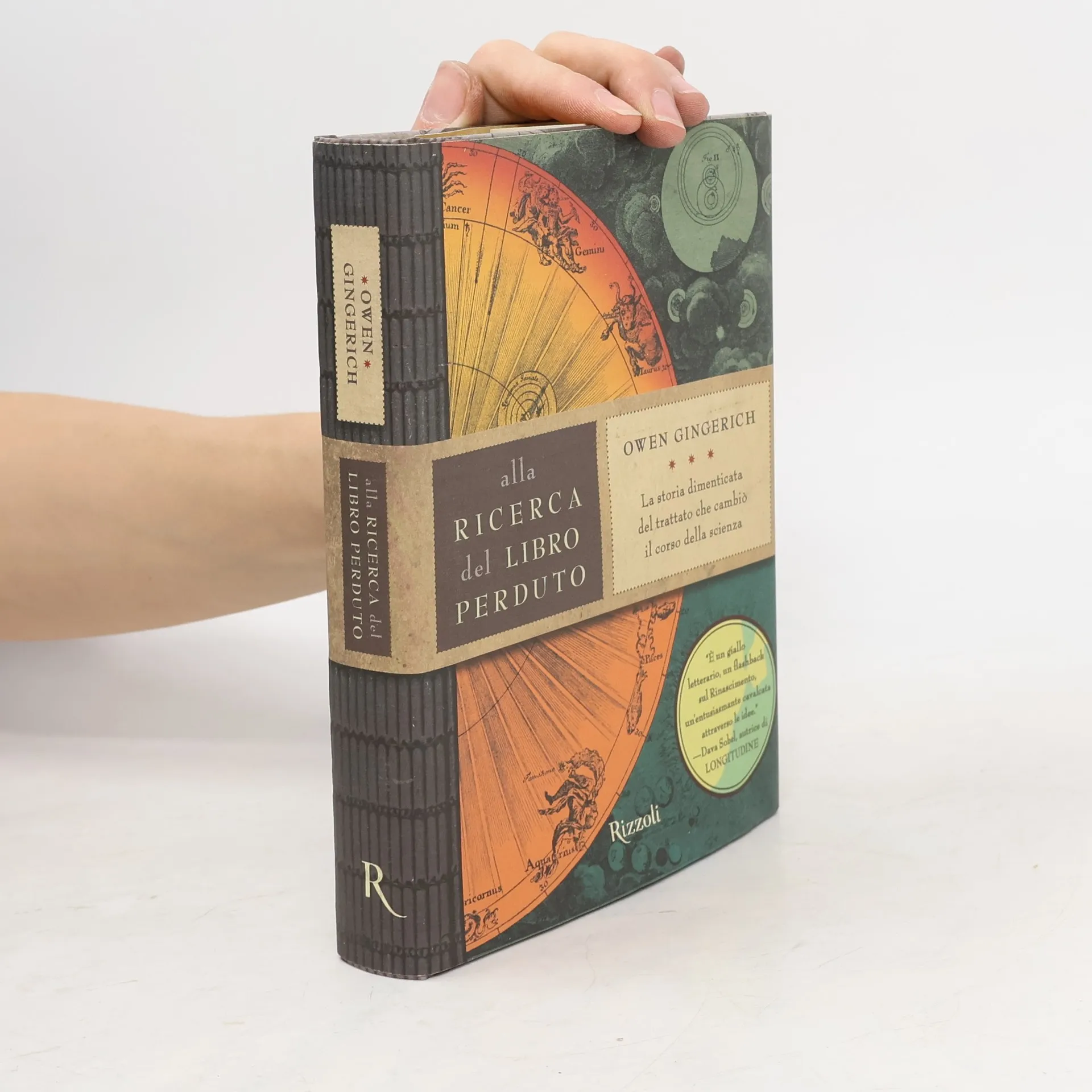
    Alla ricerca del libro perduto
    The Shock Of The Old
    • The Shock Of The Old

      • 304pagine
      • 11 ore di lettura

      'It's rare for a book to make you see the world differently, but this ... does exactly that on almost every page' GuardianStandard histories of technology give tired accounts of the usual inventions, inventors, and dates, framing technology as the inevitable march of progress. They split history into ages - electrification, motorisation, and computerisation - and rarely ask whether anyone bothered to use these inventions at the time. Shock of the Old is not one of those histories. I Letters exist alongside emails and outlasted telegrams; we still make physical books and magazines despite the rise of the Internet - a belated rise considering that the technologies that made it possible was invented in 1965, and bookshops thrive despite Amazon. More horses were used in the Second World War than any other war in history and propeller planes continue to take off from the same runways as jets. Shock of the Old forces us to reassess the significance of old inventions such as corrugated iron and sewing machines and rethink the relative importance we place on the invention of something new, its application, and its widespread adoption. It challenges the idea that we live in an era of ever increasing change and, interweaving political, economic and cultural history, teaches us to think critically about technology.

      The Shock Of The Old
      3,8
    • Alla ricerca del libro perduto

      • 411pagine
      • 15 ore di lettura

      After three decades of investigation, and after traveling hundreds of thousands of miles across the globe-from Melbourne to Moscow, Boston to Beijing-Gingerich has written an utterly original book built on his experience and the remarkable insights gleaned from examining some 600 copies of "De revolutionibus." He found the books owned and annotated by Galileo, Kepler and many other lesser-known astronomers whom he brings back to life, which illuminate the long, reluctant process of accepting the Sun-centered cosmos and highlight the historic tensions between science and the Catholic Church. He traced the ownership of individual copies through the hands of saints, heretics, scalawags, and bibliomaniacs. He was called as the expert witness in the theft of one copy, witnessed the dramatic auction of another, and proves conclusively that "De revolutionibus" was as inspirational as it was revolutionary. Part biography of a book, part scientific exploration, part bibliographic detective story, "The Book Nobody Read" recolors the history of cosmology and offers new appreciation of the enduring power of an extraordinary book and its ideas.

      Alla ricerca del libro perduto
      3,4