A chi non à mai capitato di spingere una porta invece di tirarla o di rinunciare a lavarsi le mani perché non riesce ad azionare il rubinetto? In questi casi la sensazione di incapacità personale è molto forte: eppure, sostiene Norman, la colpa non è dell'utente, bensì di chi ha progettato questi oggetti d'uso comune senza considerare le normali attività mentali la cui conoscenza è essenziale per la progettazione di un ambiente ben organizzato e rispondente alle esigenze della mente. L'autore nel corso del libro passa in rassegna un gran numero di oggetti, accompagnando l'analisi del design con aneddoti e analizzando atti mancati, errori piccoli e grandi, incidenti, dimostrando che il responsabile è il design che induce ad errore.
Donald A. Norman Libri
25 dicembre 1935
Donald Norman si concentra sulla psicologia e sul design dei prodotti. Il suo lavoro esplora come le persone interagiscono con il loro ambiente e come il design può essere migliorato per essere più intuitivo e piacevole. Sottolinea la connessione tra emozione e design, portando a prodotti che non sono solo funzionali ma anche deliziosi. Il suo approccio cerca di unire cuore e mente per creare migliori esperienze utente.

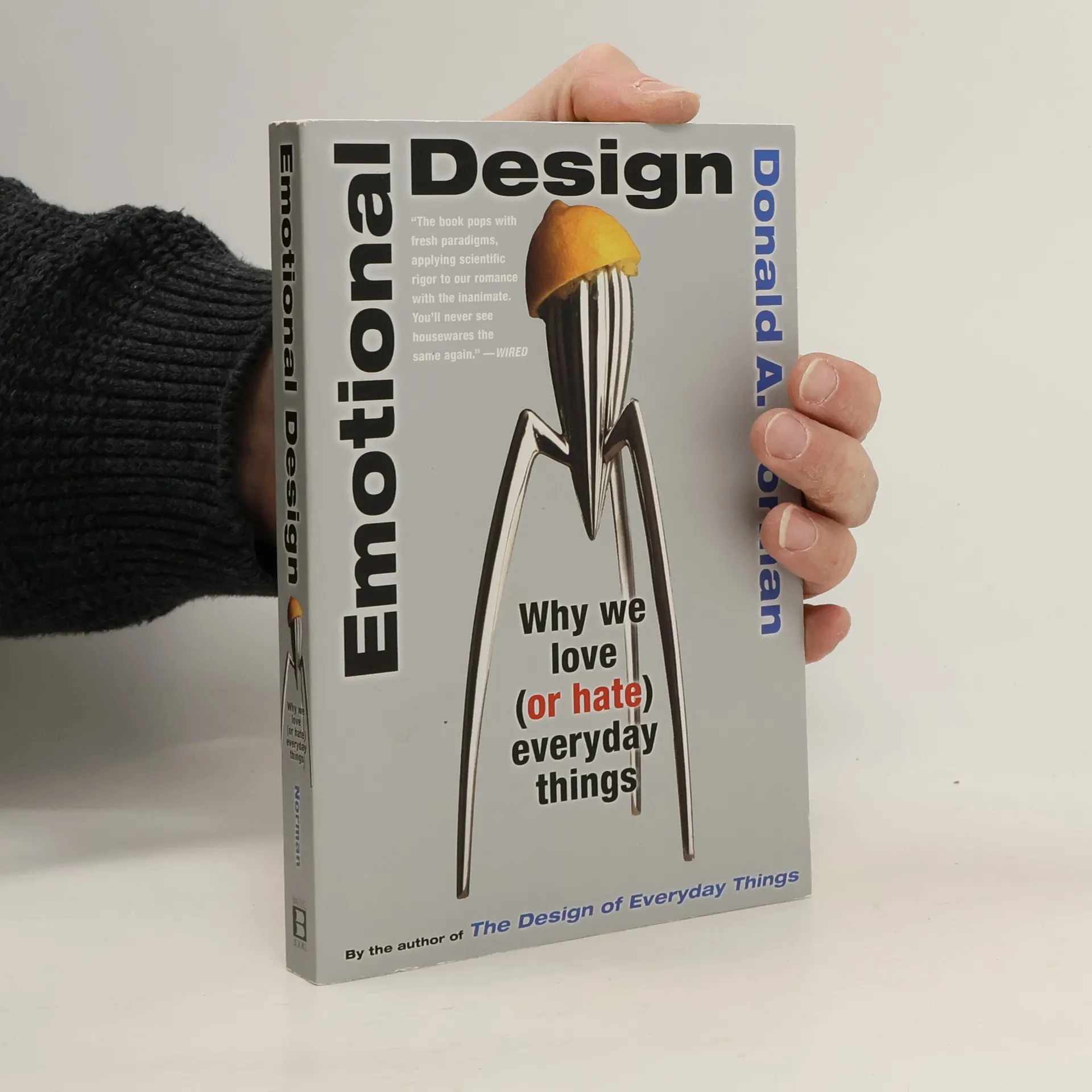

Emotional Design : Why We Love (Or Hate) Everyday Things
- 257pagine
- 9 ore di lettura
"Did you ever wonder why cheap wine tastes better in fancy glasses? Or why washing and polishing your car seems to make it drive better? New research has shown that attractive things really do work better." "In the last decade, the design community has made products easier to use, largely due to Donald Norman's The Design of Everyday Things. But as he demonstrates in this book, we don't just use a product, we become emotionally involved with it. Emotional Design demonstrates for the first time the profound influence of this deceptively simple idea." "Don Norman draws on a wealth of examples and the very latest scientific insights in this exploration of the emotional impacts of objects in our everyday world. His The Design of Everyday Things showed why the products we use should not be confusing, irritating, and frustrating. Emotional Design explains why they must also be attractive, pleasurable, and fun."--Jacket
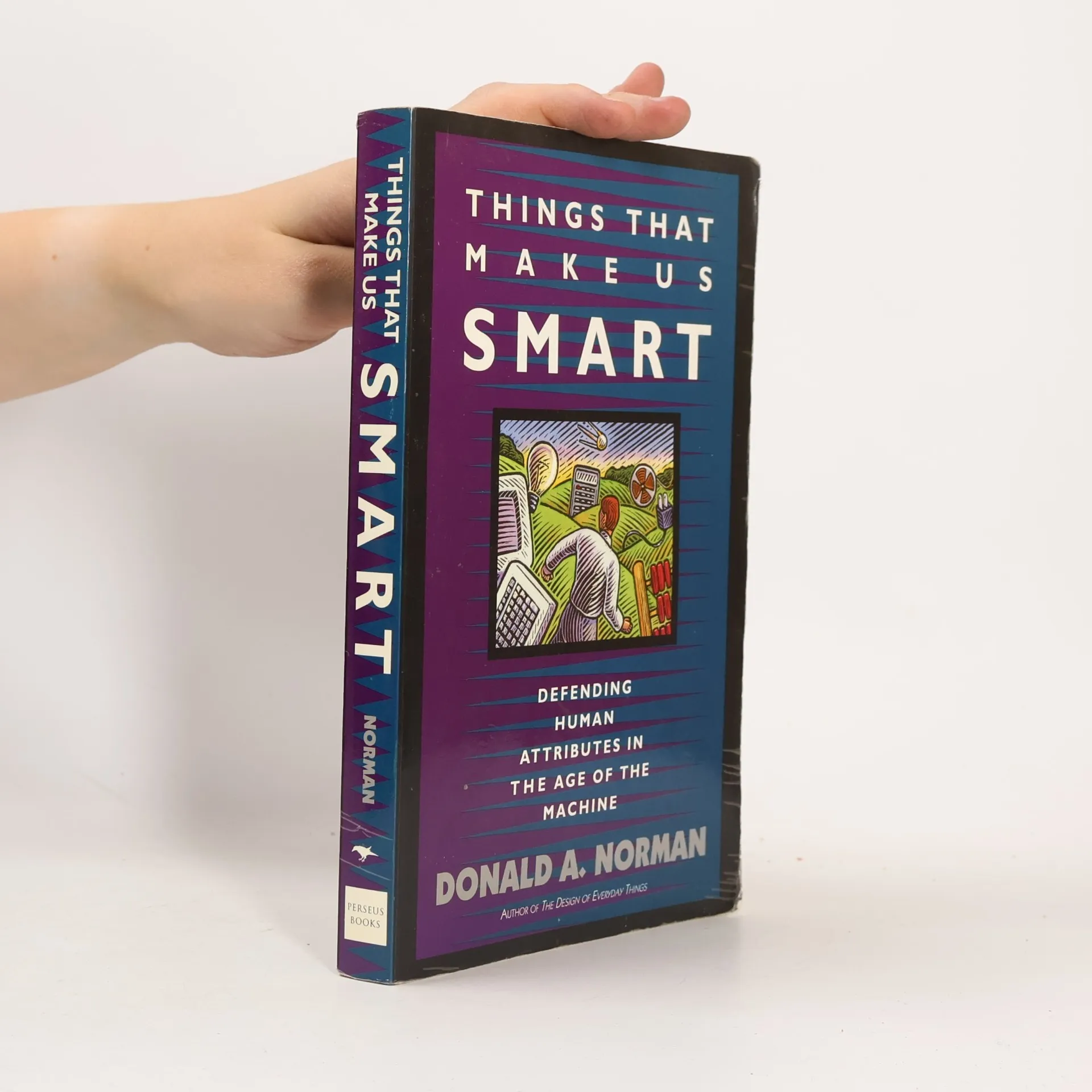
Things That Make Us Smart
- 304pagine
- 11 ore di lettura
In Things That Make Us Smart, Donald A. Norman explores the complex interaction between human thought and the technology it creates, arguing for the development of machines that fit our minds, rather than minds that must conform to the machine.Humans have always worked with objects to extend our cognitive powers, from counting on our fingers to designing massive supercomputers. But advanced technology does more than merely assist with thought and memory—the machines we create begin to shape how we think and, at times, even what we value. Norman, in exploring this complex relationship between humans and machines, gives us the first steps towards demanding a person-centered redesign of the machines that surround our lives.
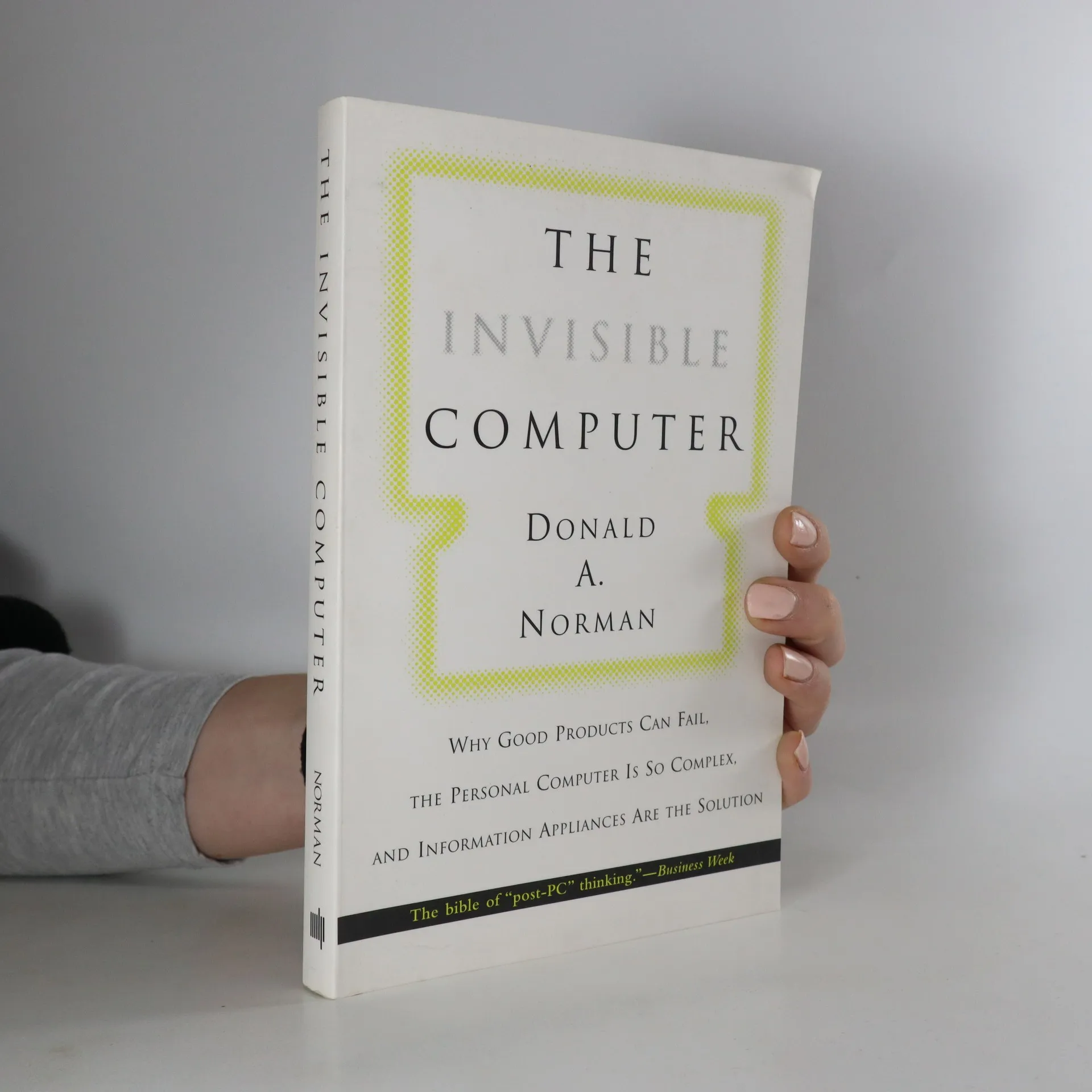
The invisible computer
- 316pagine
- 12 ore di lettura
This text argues that companies must start with an understanding of people in relation to the development of products: user needs first, technology last - the opposite of how things are done now.
How human behavior brought our world to the brink, and how human behavior can save us. The world is a mess. Our dire predicament, from collapsing social structures to the climate crisis, has been millennia in the making and can be traced back to the erroneous belief that the earth's resources are infinite. The key to change, says Don Norman, is human behavior, covered in the book's three major themes: meaning, sustainability, and humanity-centeredness. Emphasize quality of life, not monetary rewards; restructure how we live to better protect the environment; and focus on all of humanity. Design for a Better World presents an eye-opening diagnosis of where we've gone wrong and a clear prescription for making things better. Norman proposes a new way of thinking, one that recognizes our place in a complex global system where even simple behaviors affect the entire world. He identifies the economic metrics that contribute to the harmful effects of commerce and manufacturing and proposes a recalibration of what we consider important in life. His experience as both a scientist and business executive gives him the perspective to show how to make these changes while maintaining a thriving economy. Let the change begin with this book before it's too late.
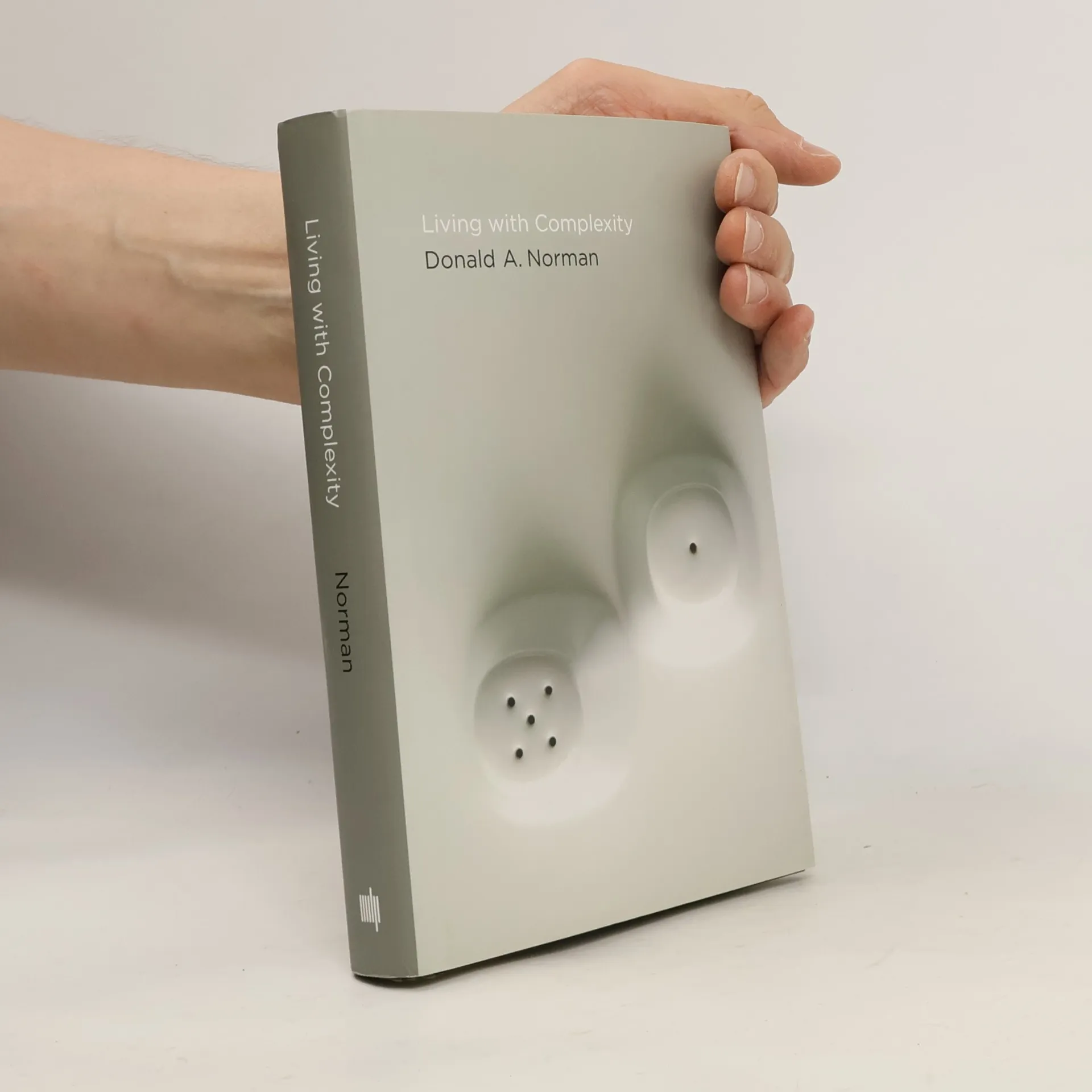
Living With Complexity
- 298pagine
- 11 ore di lettura
Why we don't really want simplicity, and how we can learn to live with complexity.If only today's technology were simpler! It's the universal lament, but it's wrong. In this provocative and informative book, Don Norman writes that the complexity of our technology must mirror the complexity and richness of our lives. It's not complexity that's the problem, it's bad design. Bad design complicates things unnecessarily and confuses us. Good design can tame complexity.Norman gives us a crash course in the virtues of complexity. Designers have to produce things that tame complexity. But we too have to do our part: we have to take the time to learn the structure and practice the skills. This is how we mastered reading and writing, driving a car, and playing sports, and this is how we can master our complex tools.Complexity is good. Simplicity is misleading. The good life is complex, rich, and rewarding—but only if it is understandable, sensible, and meaningful.
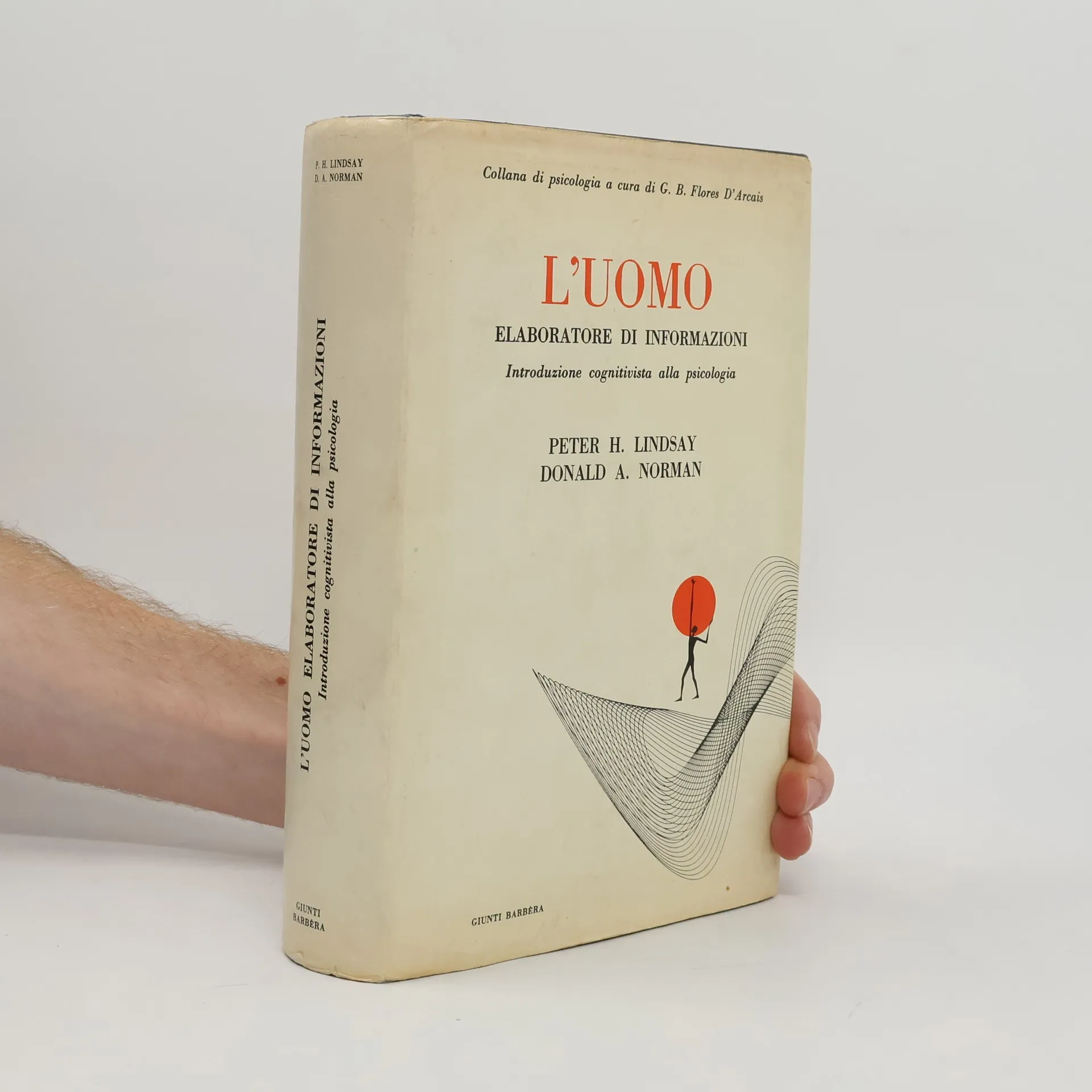
Series: Series in Psychology Paperback: 262 pages Publisher: Wiley; 2 edition (May 6, 1976) Language: English ISBN-10: 0471651370 ISBN-13: 978-0471651376 Product Dimensions: 8.9 x 5.8 x 0.6 inches
Дизайн звичних речей
- 320pagine
- 12 ore di lettura
Кожен, хто проектує щось для використання людьми — від фізичних об'єктів до комп'ютерних програм і концептуальних інструментів — повинен прочитати цю книгу. Вона також буде надзвичайно корисною для тих, хто використовує щось, створене іншою людиною. Це може назавжди змінити ваше сприйняття та взаємодію з фізичним оточенням, відкрити очі на недоліки поганого дизайну та бажаність хорошого дизайну, а також підвищити ваші очікування щодо того, як речі повинні бути спроектовані.