The Rule of St. Benedict
- 208pagine
- 8 ore di lettura
A timeless source of wisdom for people looking to lead a life of simplicity, purpose, and serenity.

4,1


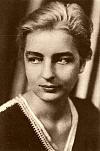
Ruth Fulton Benedict è stata un'influente antropologa e folklorista americana il cui lavoro fu profondamente ispirato dal suo mentore, Franz Boas. Benedict sviluppò i suoi ideali umanistici nella propria ricerca e scrittura, allontanando l'antropologia e il folklore dai meri studi sulla diffusione culturale verso una comprensione più profonda della cultura. Esplorò le complesse relazioni tra personalità, arte, linguaggio e cultura, sottolineando che nessun tratto esisteva in isolamento. Fu una figura pionieristica che reindirizzò i suoi campi, sostenendo la performance come parte integrante dell'interpretazione culturale.



A timeless source of wisdom for people looking to lead a life of simplicity, purpose, and serenity.
The essential, cut-to-the-chase handbook to the Pacific Crest Trail, based on the comprehensive Wilderness Press guidebooks to the PCT, has been completely updated. Packed with trail-tested features, it’s useful both on and off the trail, covering pre-trip planning for resupply stops, how to set daily on-the-trail mileage goals by knowing trail gradient and the locations of campsites, water sources, and facilities, and how to easily calculate distances between any two points on the trail, and how to planning both north-bound and south-bound hiking trips.
Vzory kultúry sú dielom pre tých, ktorí chcú spoznať tajomstvo kultúrnej antropológie. Autorka vo svojej práci nachádza abstraktný jednotiaci rámec každej kultúry na úrovni subjektívneho myslenia vo vzoroch správania jej nositeľov. Svojím dielom významne prispela k udomácneniu antropologického chápania kultúry a ponúkla svoju predstavu o kultúre ako integrovanom celku.
"Unique and important . . . Patterns of Culture is a signpost on the road to a freer and more tolerant life." -- New York Times This remarkable introduction to cultural studies eloquently declares the role of culture in shaping human life. Renowned anthropologist Ruth Benedict compares three societies—the Zuni of the southwestern United States, the Kwakiutl of western Canada, and the Dobuans of Melanesia—demonstrating the diversity of behaviors within them. Her groundbreaking study reveals that each human culture is defined by a unique configuration of traits and examines the relationship between culture and the individual. Featuring prefatory remarks by Franz Boas, Margaret Mead, and Louise Lamphere, this provocative work ultimately explores what it means to be human. "That today the modern world is on such easy terms with the concept of culture . . . is in very great part due to this book." -- Margaret Mead "Benedict's work is foundational in teaching us the value of diversity. Her hope for the future resonates in the twenty-first century: that recognition of cultural relativity fosters appreciation for 'the coexisting and equally valid patterns of life which mankind has created from the raw materials of existence.'" -- from the new foreword by Louise Lamphere, past president of the American Anthropological Association. Ruth Benedict (1887-1948) was a leading anthropologist of the twentieth century, and her influential works
A recognized classic of cultural anthropology, this book explores the political, religious, and economic life of Japan from the seventh century through the mid-twentieth, as well as personal family life.