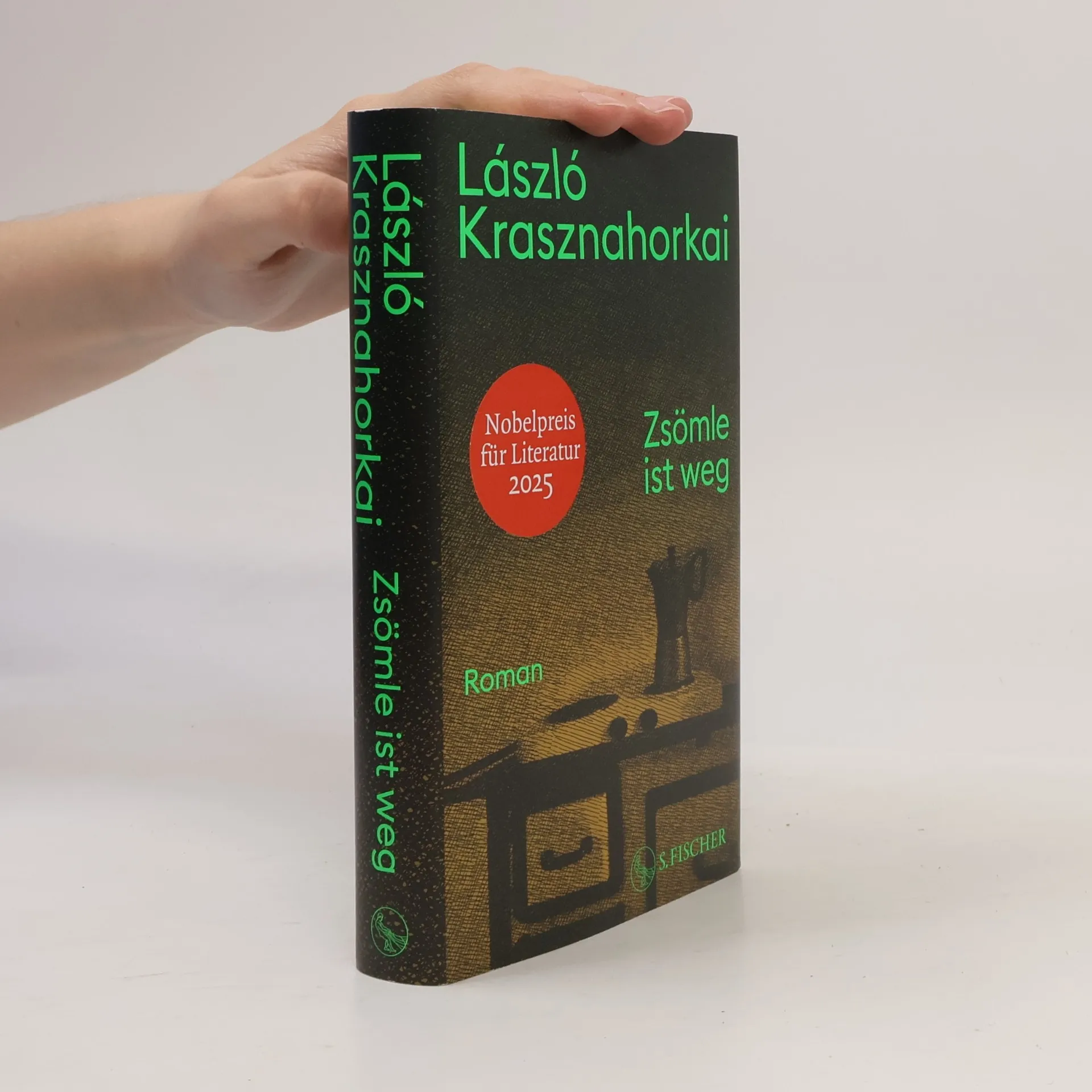
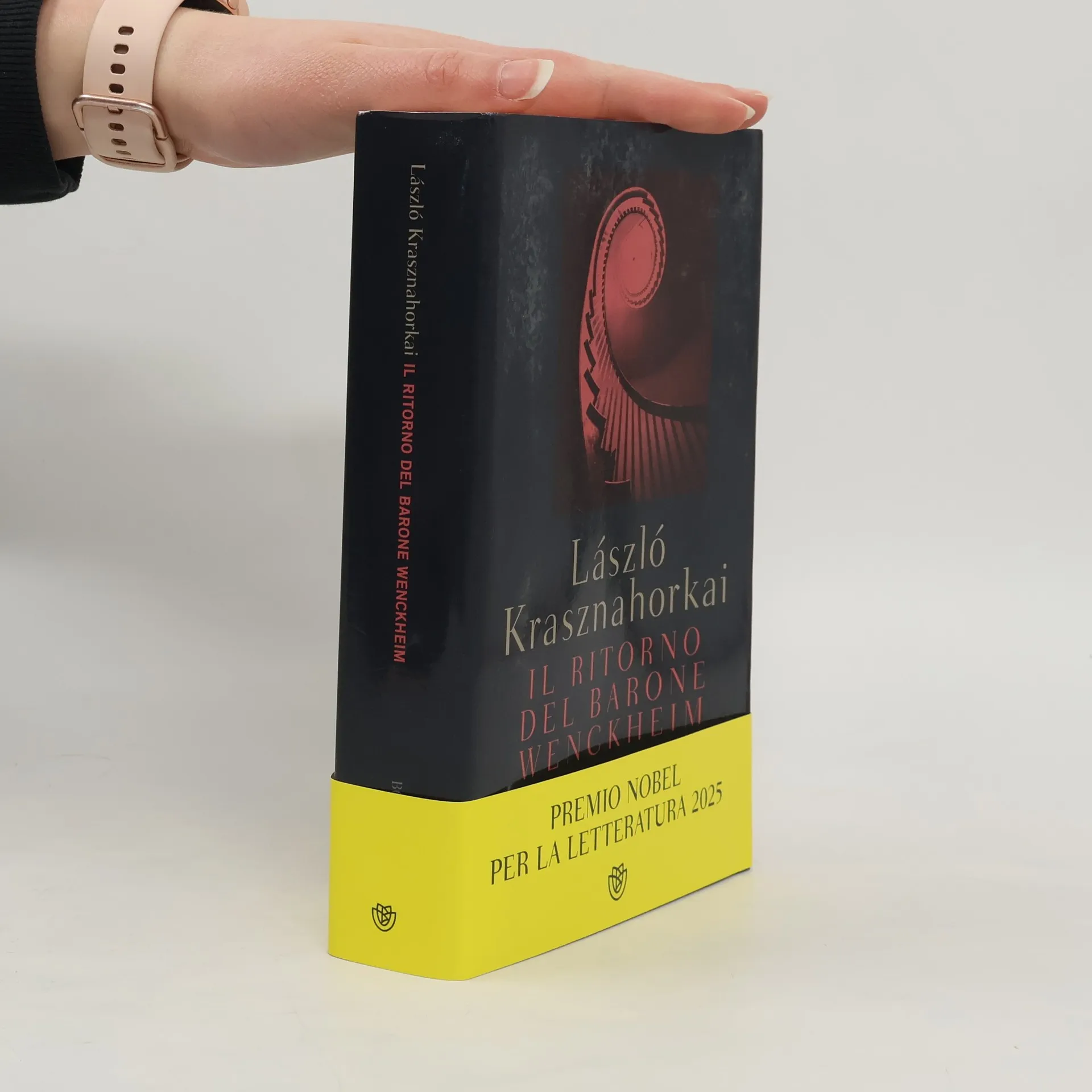
Baron Wenckheims Rückkehr: Roman | Nobelpreis für Literatur 2025
- 496pagine
- 18 ore di lettura


László Krasznahorkai è un romanziere ungherese celebrato per le sue opere letterarie profondamente impegnative e complesse, spesso catalogate come postmoderne. Le sue narrazioni esplorano paesaggi distopici e temi di cupa malinconia, contraddistinte da uno stile distintivo e ipnotico. Le sue significative collaborazioni con il cineasta Béla Tarr hanno ampliato il suo riconoscimento internazionale. La scrittura di Krasznahorkai è caratterizzata da un'intensa esplorazione dell'esistenza e della condizione umana, veicolata con eccezionale urgenza e potenza letteraria.




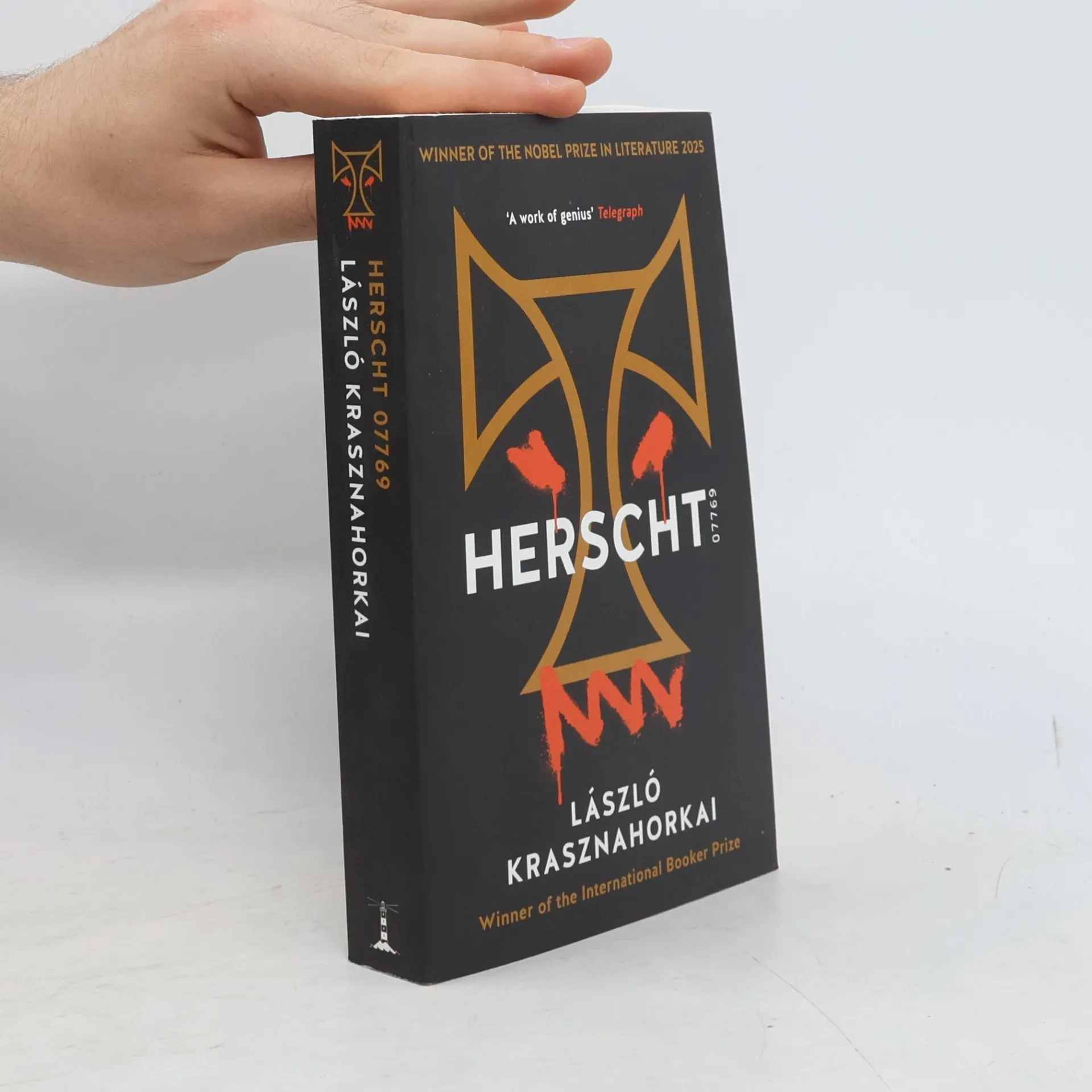
Florian Herschts Bach-Roman | Nobelpreis für Literatur 2025
Drei Erzählungen von dem Meister der literarischen Halluzination László Krasznahorkai - mit Zeichnungen von Max Neumann und einem Schlagzeugsolo von Miklós Szilveszter New York ist ein vertikaler Albtraum. Doch Manhattan ruht auf einem gewaltigen Felsen aus Granit, einer Horizontale, die alles trägt und verbindet. Die Menschen vergessen das: Hier, in der 26th Street, lebt ein Bibliothekar, der sich auf den Spuren Herman Melvilles verliert. Aber betritt er den Wahn des Anderen oder schließt ihn sein eigener immer dichter ein? In einer anderen Geschichte endet eine labyrinthische Verfolgungsjagd mit Zug und Fähre quer durch Europa auf einer abgelegenen Insel. Doch hier lauert keine Rettung, sondern eine Falle. Die Erzählungen von László Krasznahorkai in »Im Wahn der Anderen« entfalten eine hypnotische Wirkung. Oft entwickelt sich der atemlose Sog im Dialog mit Zeichnungen des Malers Max Neumann: Text und Bilder greifen ineinander und entdecken eine Dimension der Realität, die weiter greift als Tag und Nacht, Schlaf und Traum.
A joyful ode-in a single soaring, crazy sentence-to the interconnectedness of great (and mad) minds
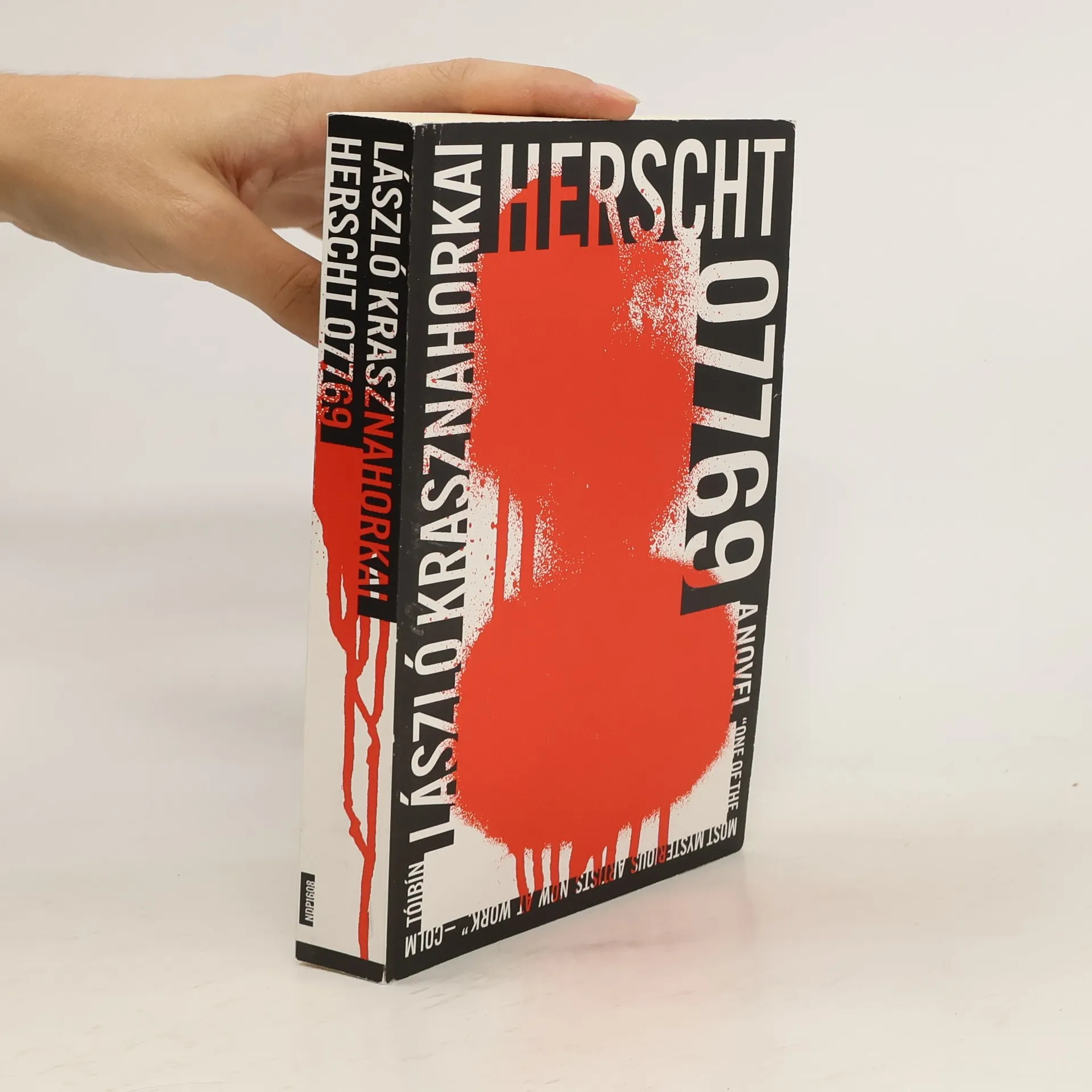
The National Book Award winner's breathtaking new novel about neo-Nazis, particle physics, and Johann Sebastian Bach
Chasing Homer incarnates a classic nightmare: the flight for survival at an ever-escalating velocity, sped on not only by Krasznahorkai's signature breathlessness, but also by a unique musical score and intense illustrations
Közel leszünk a tűzhöz A Sátántangóban megérkezett Irimiás és a Háború és háború előzményeként megjött Ézsaiás, most újabb Krasznahorkai-hős tűnik fel a lát- és országhatáron. Báró Wenckheim, a messziről jött ember, egyenesen Buenos Airesből tér haza. Haza: hozzánk, napjaink Magyarországára és ősei vidékére, a Viharsarokba. Azt mond, amit akar vagy azt, amit hallani szeretnénk? Szerencsejáték-függő, ügyeskedő kópé vagy zseniális ötletember, aki új távlatokat nyit?A kisvárost egyszer csak ellepik az olajszállító kamionok. Közel vagyunk a tűzhöz. Krasznahorkai László új regénye egyszerre apokalipszis és karnevál a peremvidékek epicentrumáról. Realista utópia. Érzékeny szatíra, vérbő iróniával. Előképe Gogol és Mikszáth, no meg az enciklopédikus Dante, aki e regény lapjain is szerepel: szolnoki lakos, aki hasonlít a Dante nevű brazil balhátvédre. A Sátántangó felejthetetlen táncrendje után itt is tánclépésekben haladunk a kamionhosszú-szuggesztív világmondatok fenséges hömpölygésével a vég elől a vég felé.
"In this literary diary, Krasznahorkai chronicles his attempts to fathom the life of Herman Melville, which is also the source of inspiration for his forthcoming novella Spadework for a Palace. Retracing Melville's steps, Krasznahorkai becomes engrossed in a web of chance encounters and coincidences that stretch from Manhattan to Nantucket, to London and to Berlin. Over the course of his wanderings, Krasznahorkai finds himself increasingly alienated from his present-day surroundings, drawn instead to the company of ghosts: the novelist Malcolm Lowry when he was down-and-out, the visionary architect Lebbeus Woods and of course - Melville himself. Ornan Rotem's photographic essay follows Krasznahorkai on his forays, both in space and time, creating a subtle portrait of a creative mind at work and the places he encounters."--Publisher
In The Last Wolf, a philosophy professor is mistakenly hired to write the true tale of the last wolf of Extremadura, a barren stretch of Spain. His miserable experience is narrated in a single, rolling sentence to a patently bored bartender in a dreary Berlin bar. In Herman, a master trapper is asked to clear a forest's last 'noxious beasts.' Herman begins with great zeal, although in time he switches sides, deciding to track entirely new game... In Herman II, the same events are related from the perspective of strange visitors to the region, a group of hyper-sexualised aristocrats who interrupt their orgies to pitch in with the manhunt of poor Herman...These intense, perfect novellas, full of Krasznhorkai's signature sense of foreboding and dark irony, are perfect examples of his craft.
"Destruction and Sorrow beneath the Heavens is both a travel memoir and the chronicle of a distinct intellectual shift as one of the most captivating contemporary writers and thinkers begins to engage with the cultures of Asia and the legacies of its interactions with Europe in a newly globalized society. Rendered in English by award-winning translator Ottilie Mulzet, Destruction and Sorrow beneath the Heavens is an important work, marking the emergence of Krasznahorkai as a truly global novelist"--Amazon.com
One of the great inventors of new forms in contemporary literature ... there is nothing else like it in contemporary literature Adam Thirwell New York Review of Books
"This cahier is the result of a collaboration undertaken specially for The Cahiers Series, between a writer and a painter. Hungarian novelist László Krasznahorkai, author of The Melancholy of Resistance and War & War, responds with fourteen texts to fourteen depictions of a strange and ill-formed creature made by his friend the renowned German painter Max Neumann. The texts speak from within the head of Neumann's creature that seems to be menacing existence itself; serving, as they do so, to confirm Susan Sontag's estimate of Krasznahorkai as 'The Hungarian Master of Apocalypse'. All fourteen of Neumann's paintings are reproduced alongside the texts (translated by Ottilie Mulzet). The cahier is introduced with a preface by Irish novelist Colm Tóibín.
A Japanese goddess returns to the mortal realms in search of a glimpse of perfection.
The grandson of Prince Genji lives outside of space and time and wanders the grounds of an old monastery in Kyoto. The monastery, too, is timeless, with barely a trace of any human presence. The wanderer is searching for a garden that has long captivated him. This novel by International Booker Prize winner Laszlo Krasznahorkai - perhaps his most serene and poetic work - describes a search for the[Bokinfo].
Winner of the 2015 Man Booker International Prize War & War begins at a point of danger: on a dark train platform Korim is on the verge of being attacked and robbed by thuggish teenagers. From here, we are carried along by the insistent voice of this nervous clerk. Desperate, at times almost mad, but also keenly empathic, Korim has discovered in a small Hungarian town's archives an antique manuscript of startling beauty: it narrates the epic tale of brothers-in-arms struggling to return home from a disastrous war.Korim is determined to do away with himself, but before he commits suicide, he feels he must escape to New York with the precious manuscript and commit it to eternity by typing it all out onto the world wide web. Following Korim with obsessive realism through the streets of New York (from his landing in a Bowery flophouse to his move far uptown with a mad interpreter), War and War relates his encounters with a fascinating range of people in a world torn between viciousness and mysterious beauty.Following the eight chapters of War & War is a short 'prequel acting as a sequel', 'Isaiah', which brings us to a dark bar, years before in Hungary, where Korim rants against the world and threatens suicide. Written like nothing else (turning single sentences into chapters), War & War affirms W. G. Sebald's comment that Krasznahorkai's prose far surpasses all the lesser concerns of contemporary writing.
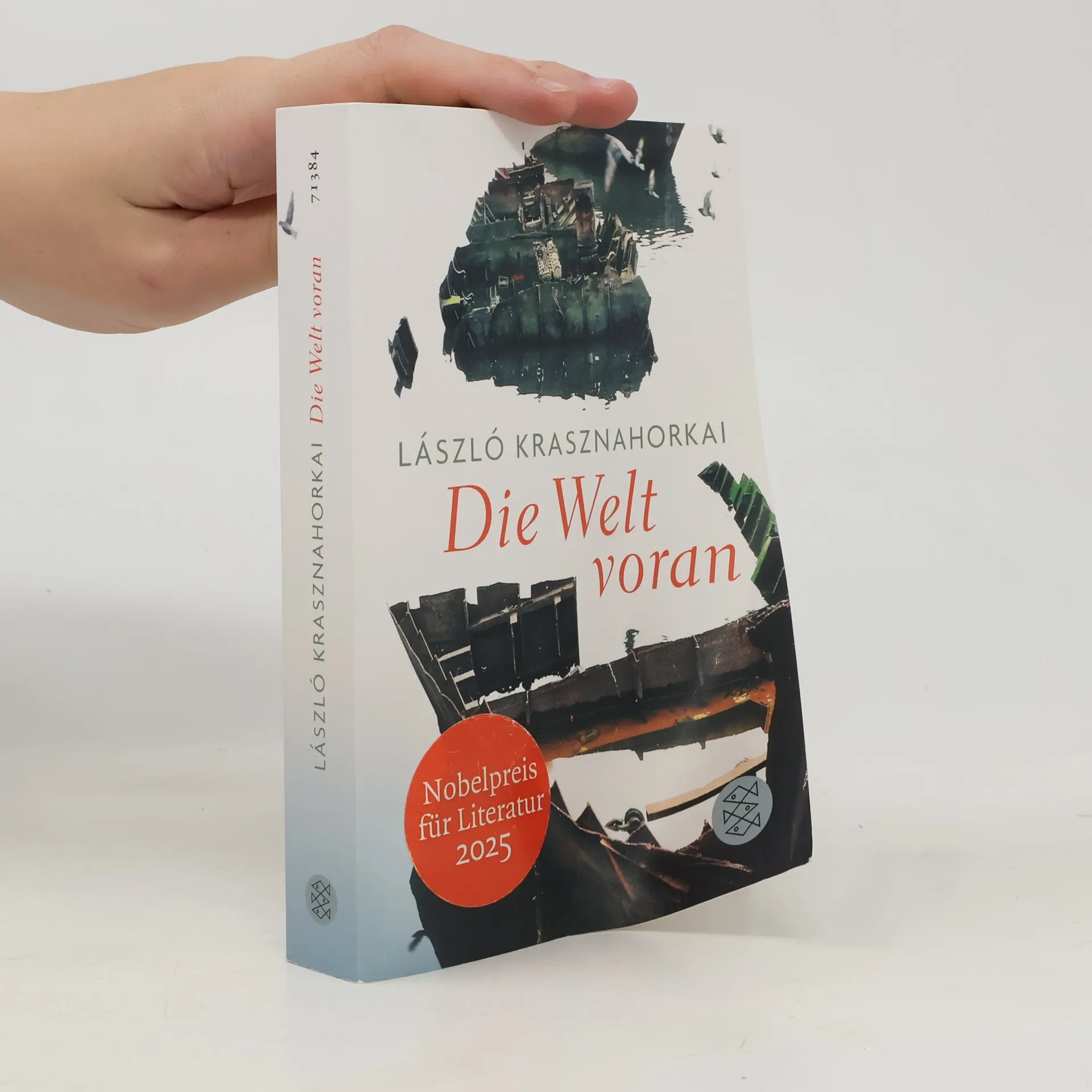
Im fernen Urga hofft er, von seiner dunklen Melancholie erlöst zu werden. Aber auch in der Ferne ist das Eigene immer dabei. So wird die lange Reise zu einer Wiederbegegnung mit sich selbst und der Entdeckung, dass sich zwischen Chinas Gärten und hupenden Taxis ein Reich der Gleichzeitigkeit öffnet, das Raum und Zeit umfasst, Melancholie und Glück.
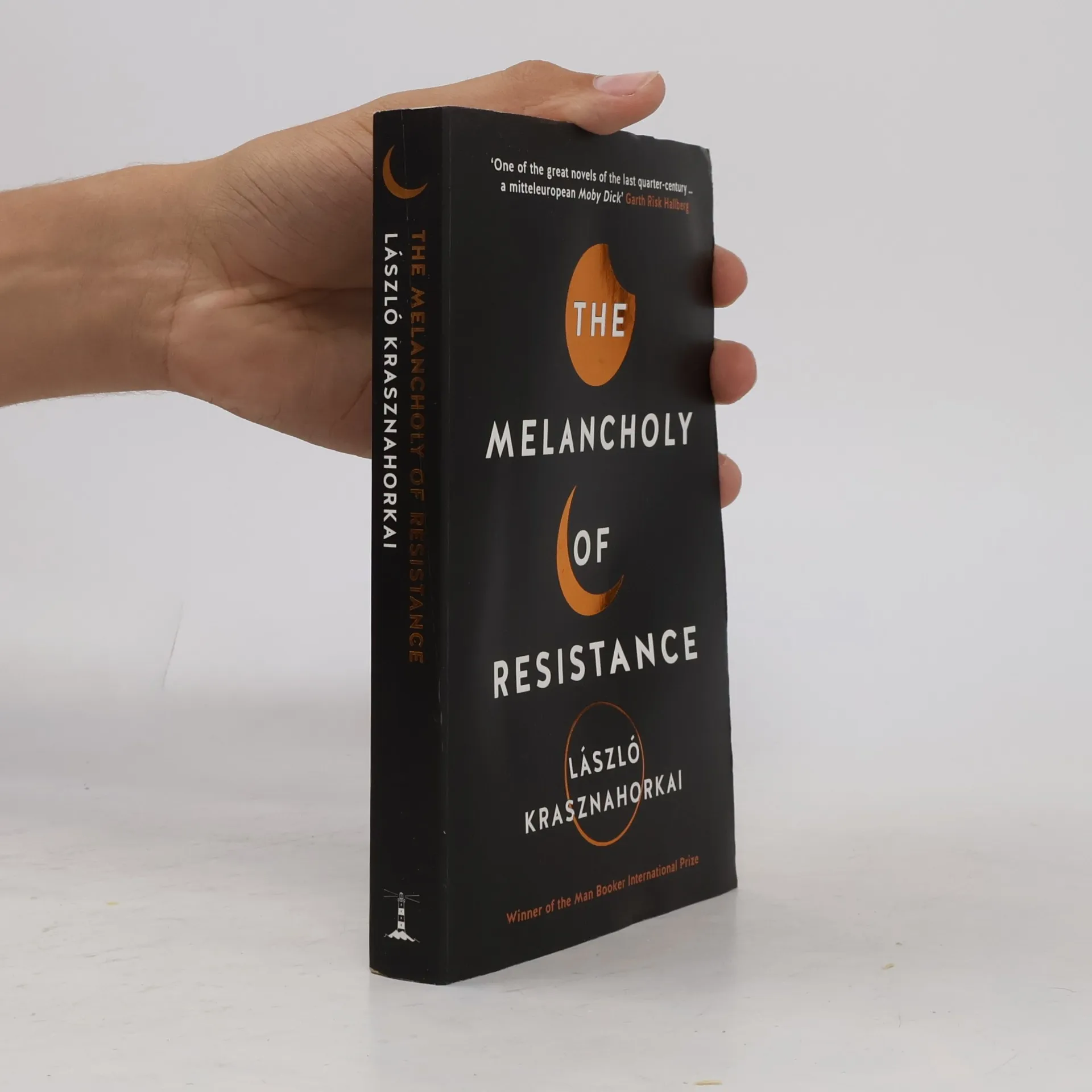
Winner of the 2015 Man Booker International PrizeThe Melancholy of Resistance, László Krasznahorkai's magisterial, surreal novel, depicts a chain of mysterious events in a small Hungarian town.A circus, promising to display the stuffed body of the largest whale in the world, arrives in the dead of winter, prompting bizarre rumours. Word spreads that the circus folk have a sinister purpose in mind, and the frightened citizens cling to any manifestation of order they can find - music, cosmology, fascism.The novel's characters are unforgettable: the evil Mrs. Eszter, plotting her takeover of the town; her weakling husband; and Valuska, our hapless hero with his head in the clouds, who is the tender centre of the book, the only pure and noble soul to be found.Compact, powerful and intense, The Melancholy of Resistance, as its enormously gifted translator George Szirtes puts it, 'is a slow lava flow of narrative, a vast black river of type.' And yet, miraculously, the novel, in the words of Guardian, 'lifts the reader along in lunar leaps and bounds.'
Krasznahorkai's extraordinary first novel is back - and more devilish than ever.