I "digerati" nella neolingua di internet, sono i protagonisti e gli artefici della nuova rivoluzione elettronica. John Brockhman ci illustra i loro progetti, la loro visione del futuro, i loro dubbi e le loro certezze. Tra gli altri ha interpellato: manager come Bill Gates (Microsoft), Steve Case e Ted Leonsis (America OnLine), Danny Hillis (Walt Disney Company), Scott McNealy (Sun Microsystem), Lew Tucker (il creatore di Java); giornalisti come David Bunnell (fondatore di "PC Magazine", "PC World", Mac World"), Jane Metcalfe, Louis Rossetto e Kevin Kelly (fondatori ed editorialisti di "Wired"); giuristi come David R. Johnson (Cyberspace Law Institute), scienziati come Esther Dyson , Jaron Lanier (il padre della realtà virtuale), Clifford Stoll.
John Brockman Libri
Questo autore ha attraversato i campi dell'arte, della scienza, dei libri, del software e di Internet nel corso della sua vasta carriera. Negli anni '60 ha posto le basi per "ambienti cinetici intermedi" nell'arte, nel teatro e nel commercio. È il fondatore della Edge Foundation e l'editore dell'acclamato sito web Edge, dove i principali pensatori analizzano la scienza all'avanguardia e definiscono quella che lui chiama la "Terza Cultura". Il suo lavoro esplora l'intersezione di diversi campi, evidenziando le profonde connessioni tra discipline e l'avanguardia del pensiero contemporaneo.



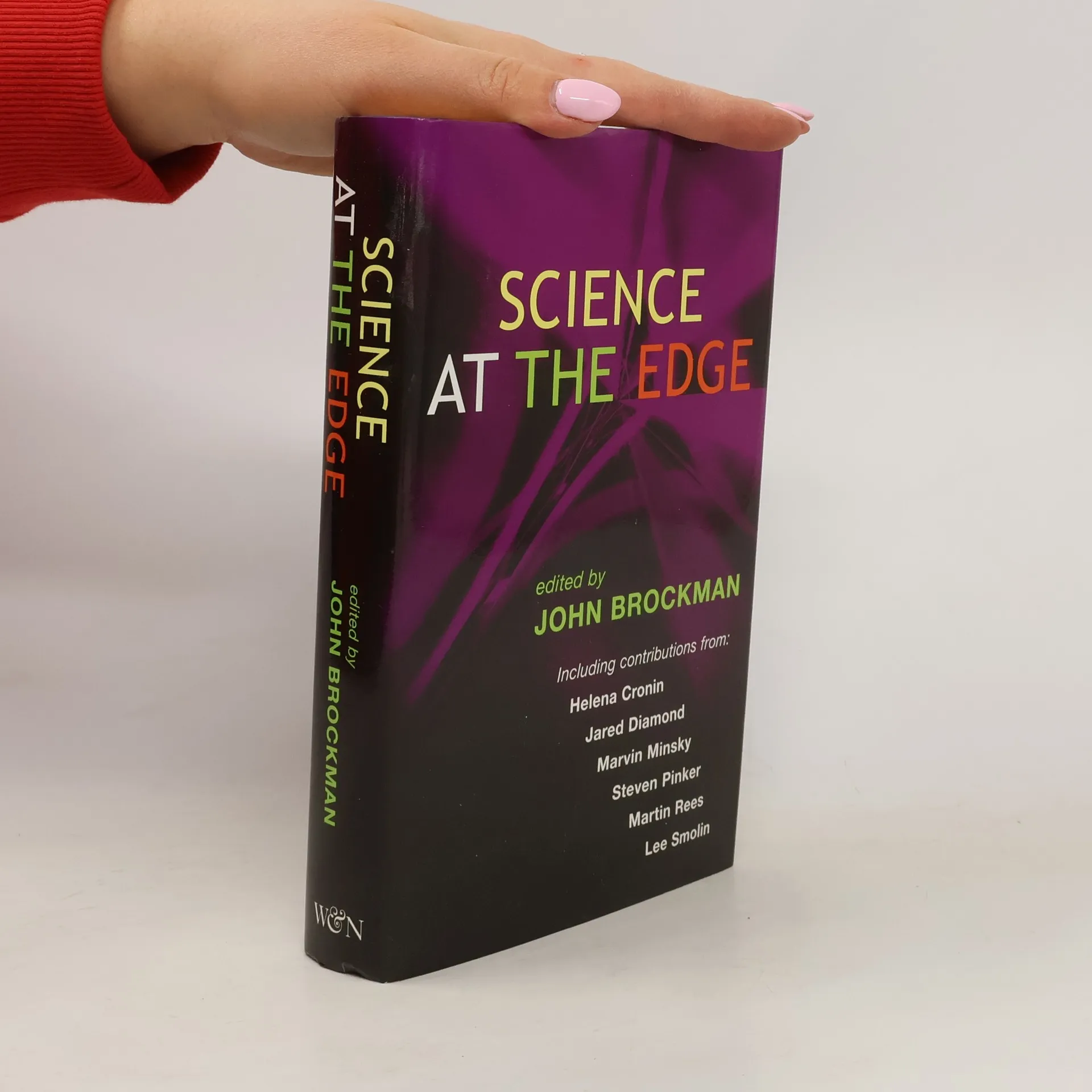

Science at the Edge
- 408pagine
- 15 ore di lettura
Who are the cutting-edge thinkers of today?John Brockman argues that scientists - through their research and writing - are creating a 'third culture' that recalls the Rennaissance ideal of a single intellectual whole. Combining this holistic awareness of the humanities and science, these are the men and women shaping modern thought.The result of conversations with twenty-two of today's top intellectuals, the book includes contributions from Jared Diamond on population theory; Steven Pinker on human nature; Martin Rees on the future of the universe.SCIENCE AT THE EDGE introduces us to the best scientific minds of the 21st century, giving insight and debate into how best to take humanity forward.
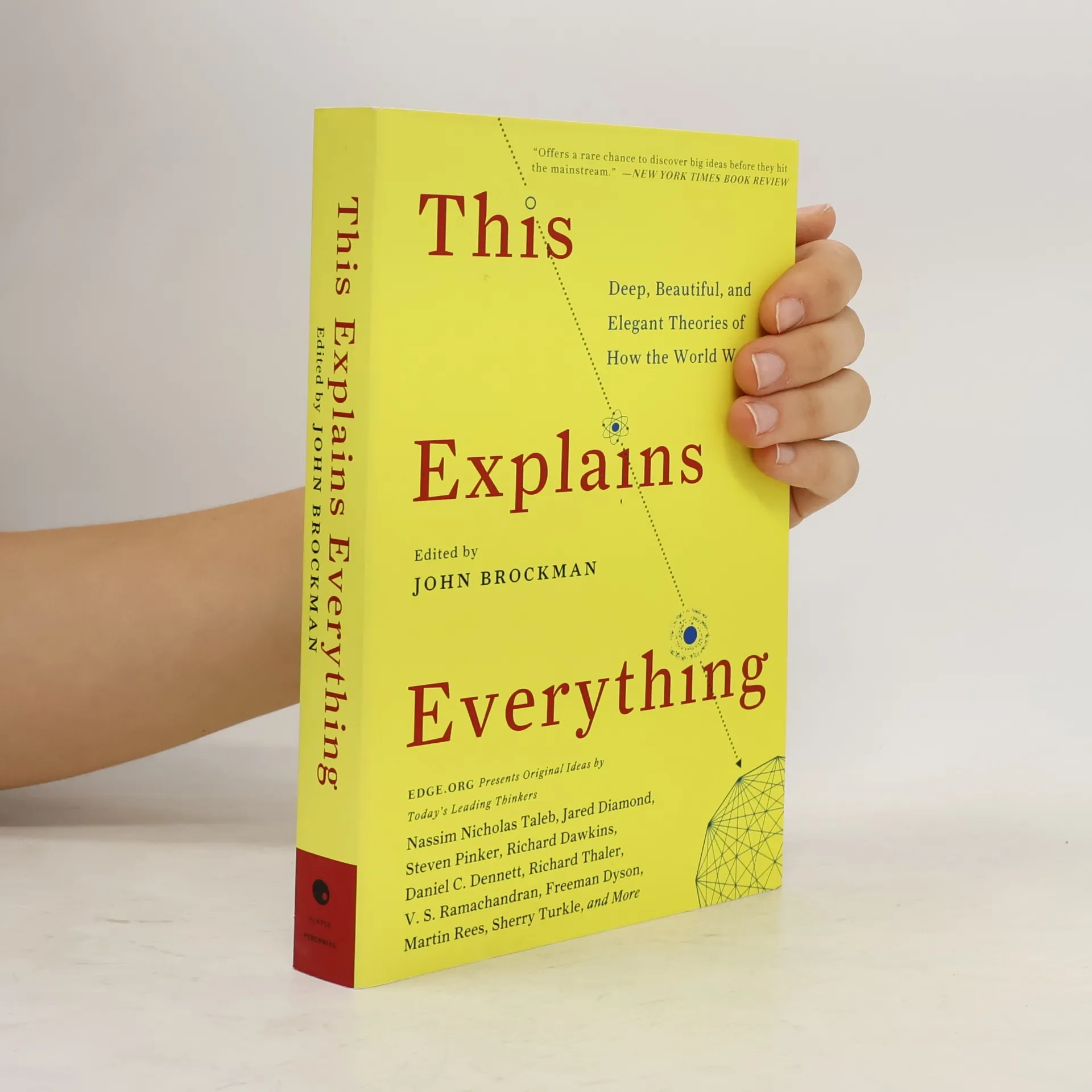
This explains everything : deep, beautiful, and elegant theories of how the world woks
- 432pagine
- 16 ore di lettura
In This Explains Everything, John Brockman, founder and publisher of Edge.org, asked experts in numerous fields and disciplines to come up with their favorite explanations for everyday occurrences. Why do we recognize patterns? Is there such a thing as positive stress? Are we genetically programmed to be in conflict with each other? Those are just some of the 150 questions that the world's best scientific minds answer with elegant simplicity. With contributions from Jared Diamond, Richard Dawkins, Nassim Taleb, Brian Eno, Steven Pinker, and more, everything is explained in fun, uncomplicated terms that make the most complex concepts easy to comprehend.
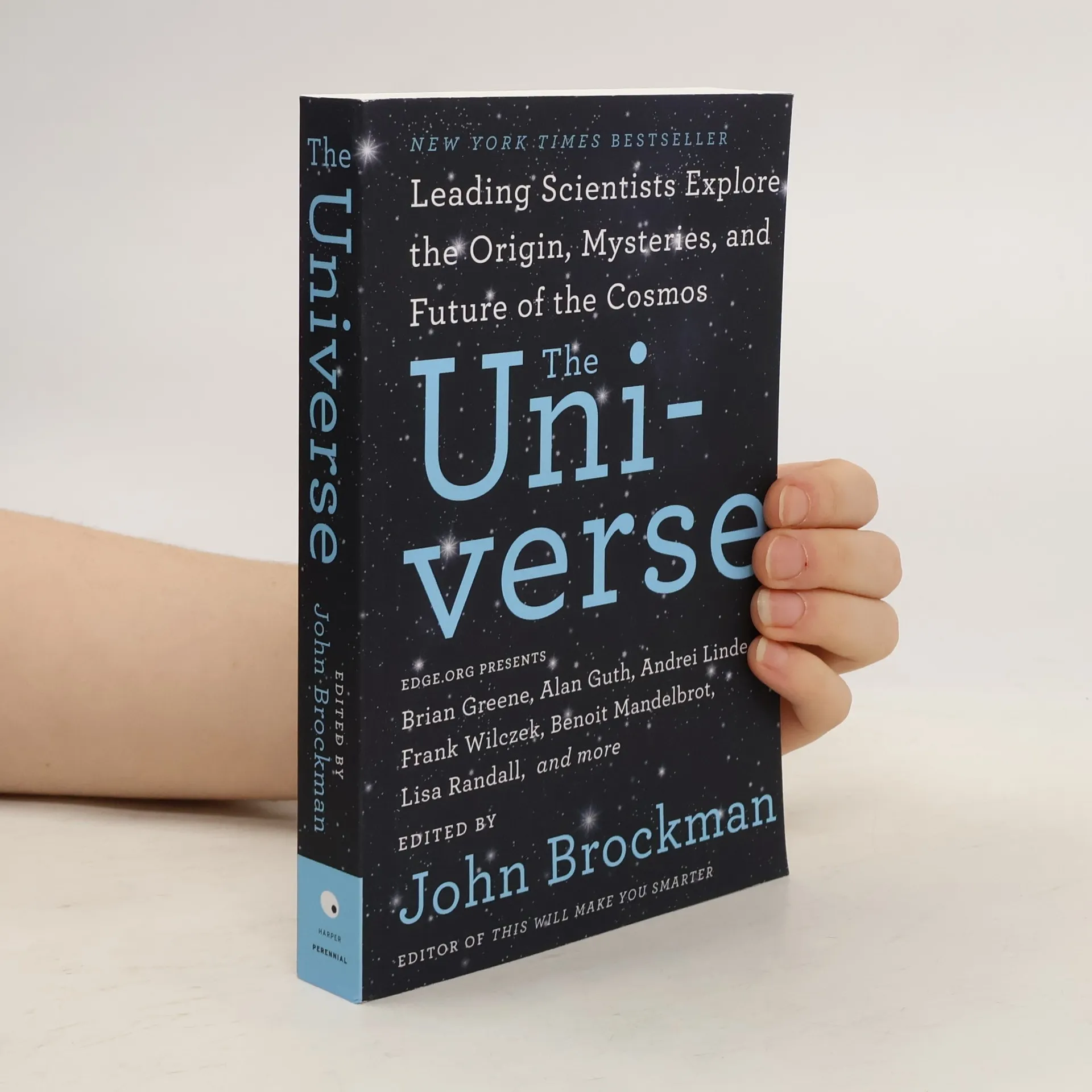
The Universe
- 379pagine
- 14 ore di lettura
John Brockman brings together the world's best-known physicists and science writers—including Brian Greene, Walter Isaacson, Nobel Prize-winner Frank Wilczek, Benoit Mandelbrot, and Martin Rees—to explain the universe in all wondrous splendor. In The Universe, today's most influential science writers explain the science behind our evolving understanding of the universe and everything in it, including the cutting edge research and discoveries that are shaping our knowledge. Lee Smolin reveals how math and cosmology are helping us create a theory of the whole universe. Benoit Mandelbrot looks back on a career devoted to fractal geometry. Neil Turok analyzes the fundamental laws of nature, what came before the big bang, and the possibility of a unified theory. Seth Lloyd investigates the impact of computational revolutions and the informational revolution. Lawrence Krauss provides fresh insight into gravity, dark matter, and the energy of empty space. Brian Greene and Walter Isaacson illuminate the genius who revolutionized modern science: Albert Einstein. And much more. Explore the universe with some of today's greatest minds: what it is, how it came into being, and what may happen next.
My Einstein
- 288pagine
- 11 ore di lettura
Albert Einstein’s bold mark on our understanding of the world, which has persisted now for more than a century, shows no sign of fading. On the contrary, Einstein and his work promise to inspire, enlighten, and confound us for decades—indeed, for centuries—to come.In this fascinating volume, today’s foremost scientists discuss their own versions and visions of how he has influenced their worldviews, their ideas, their science, and their professional and personal lives. These twenty-four essays are a testament to the power of scientific legacy and are essential reading for scientist and layperson alike.Contributors • Roger Highfield on the Einstein myth• John Archibald Wheeler on his meetings with Einstein• Gino C. Segrè, Lee Smolin, and Anton Zeilinger on Einstein’s difficulties with quantum theory• Leon M. Lederman on the special theory of relativity• Frank J. Tipler on why Einstein should be seen as a scientific reactionary rather than a scientific revolutionary
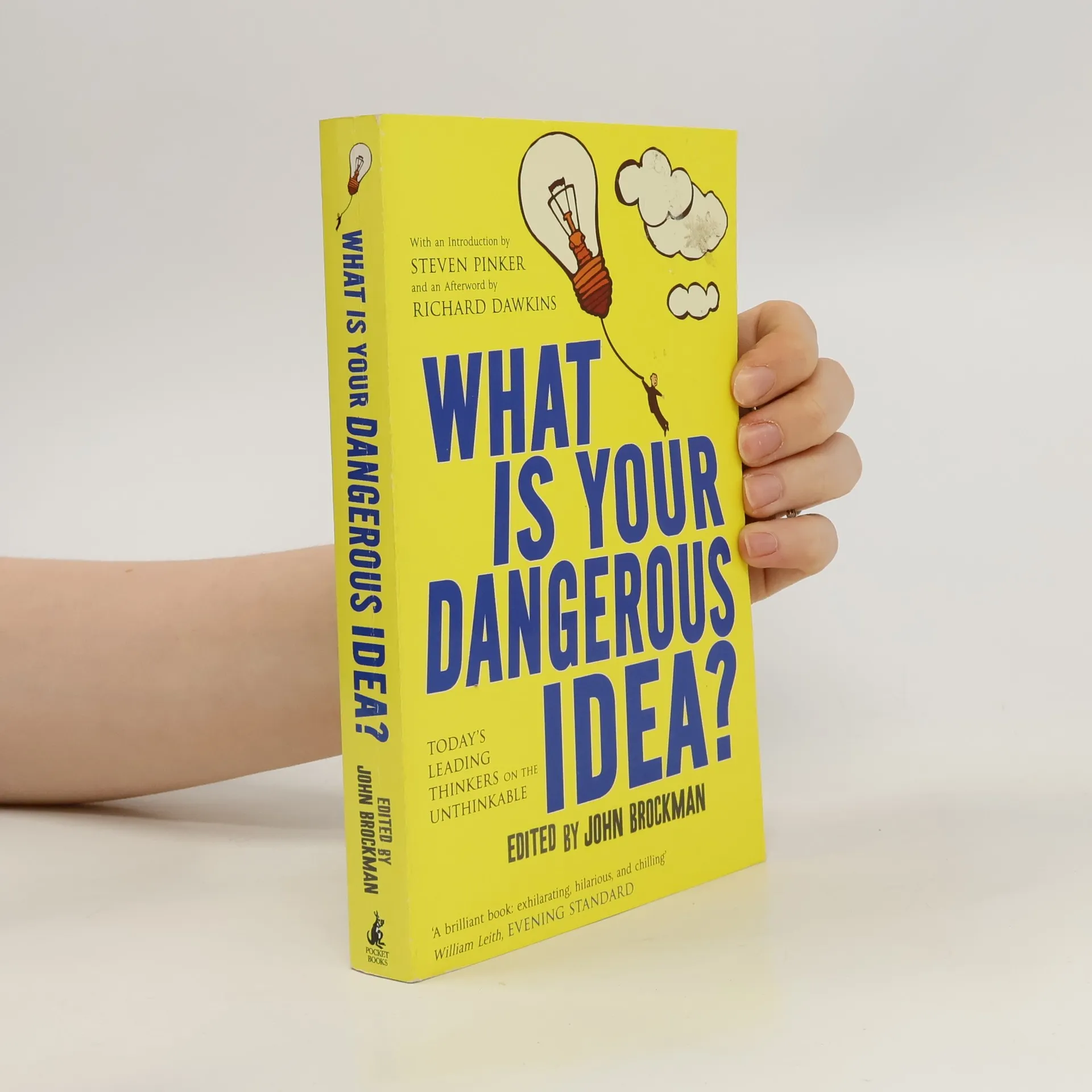
What is your dangerous idea?
- 320pagine
- 12 ore di lettura
The history of science is replete with ideas that were considered socially, morally or emotionally dangerous in their time. The Copernican and Darwinian revolutions are obvious examples - radical, brilliant insights that did not so much push the envelope as rip it into shreds. These ideas were dangerous because they challenged our comfort zone. But what are the dangerous ideas of the twenty-first century? Which theories do the world's leading thinkers and scientists regard as too hot to handle - not because the idea might be false, but because it might turn out to be true? Collecting together the very best contributions to the renowned Edge.org question from the most eminent respondents, What is Your Dangerous Idea? is another endlessly fascinating and provocative insight into the bleeding-edge of intellectual endeavour
Know this. Today's most interesting and important scientific ideas, discoveries, and developments
- 573pagine
- 21 ore di lettura
Today's most visionary thinkers reveal cutting-edge scientific ideas and breakthroughs essential for understanding our world. Scientific advancements transform our comprehension across various fields, including technology, medical research, neuroscience, psychology, physics, economics, anthropology, climatology, and genetics. However, amidst the overwhelming information, identifying truly revolutionary concepts can be challenging. To highlight significant new theories and discoveries, John Brockman, publisher of Edge.org, posed a crucial question to 198 leading minds: What recent scientific news do you find most interesting, and why is it important? Insights include Pulitzer Prize-winning author Jared Diamond discussing complex problems, Carlo Rovelli on black holes, and Steven Pinker on human progress quantification. TED curator Chris J. Anderson reflects on the global brain's growth, while Lisa Randall emphasizes the true measure of breakthroughs. Nobel laureate Frank Wilczek explains how mastery of matter will shape the century, and philosopher Rebecca Goldstein addresses the underestimation of female genius. Music legend Peter Gabriel advocates for bridging imagination and reality, and Freeman Dyson highlights how small upstarts can rival billion-dollar projects. Additional contributions come from Nobel laureate John C. Mather, Bill Joy, Kevin Kelly, Alison Gopnik, Matt Ridley, George Church, Jim Holt, and anthropologist H
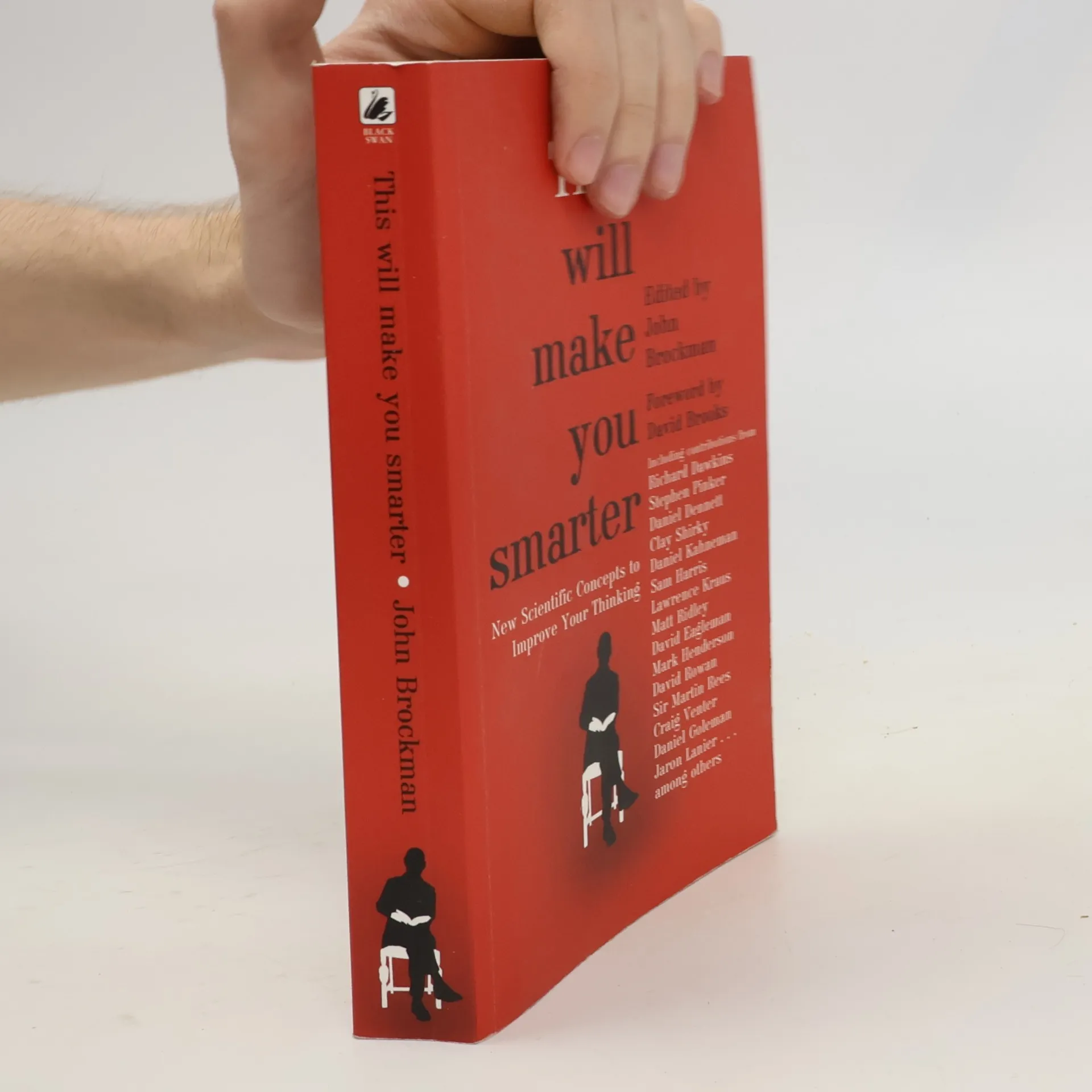
This will make you smarter
- 448pagine
- 16 ore di lettura
This title includes contributions from Richard Dawkins, Stephen Pinker, Daniel Dennett and Brian Eno among many others. It offers ideas, strategies and arguments that will help all of us understand our world and its future.
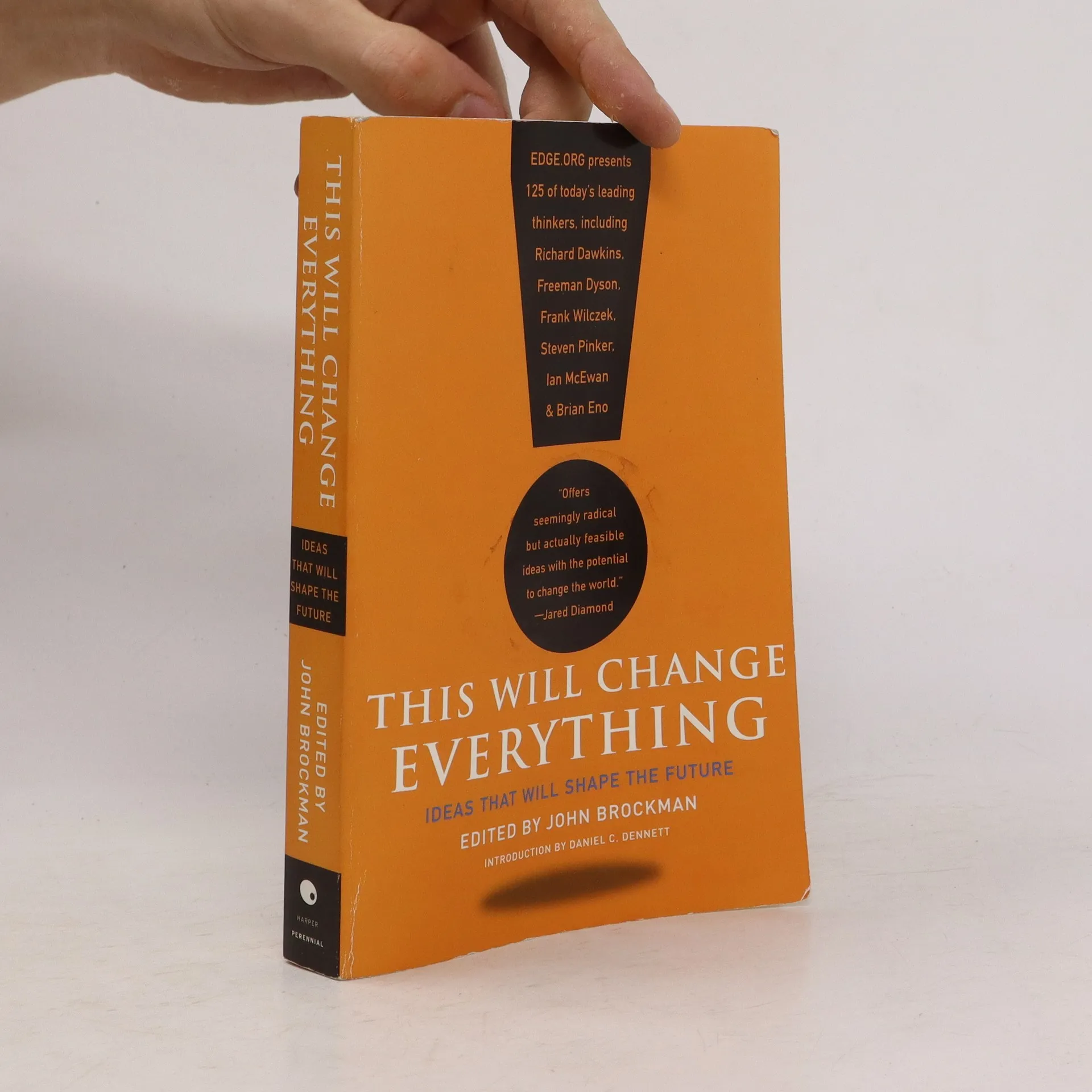
This Will Change Everything
- 390pagine
- 14 ore di lettura
“ This Will Change Everything offers seemingly radical but actually feasible ideas with the potential to change the world.”—Jared Diamond, Pulitzer Prize-winning author of Guns, Germs, and Steel Editor John Brockman continues in the same vein as his popular compilations What Are You Optimistic About and What Have You Changed Your Mind About with This Will Change Every thing. Brockman asks 150 intellectual superstars “what game-changing scientific ideas and developments do you expect to live to see?” Their fascinating responses are collected here, from bestselling author of Atonement Ian McEwan to Nobel Prize-winning physicist Frank Wilczek to electronic music pioneer Brian Eno to writer, actor, director, and activist Alan Alda.
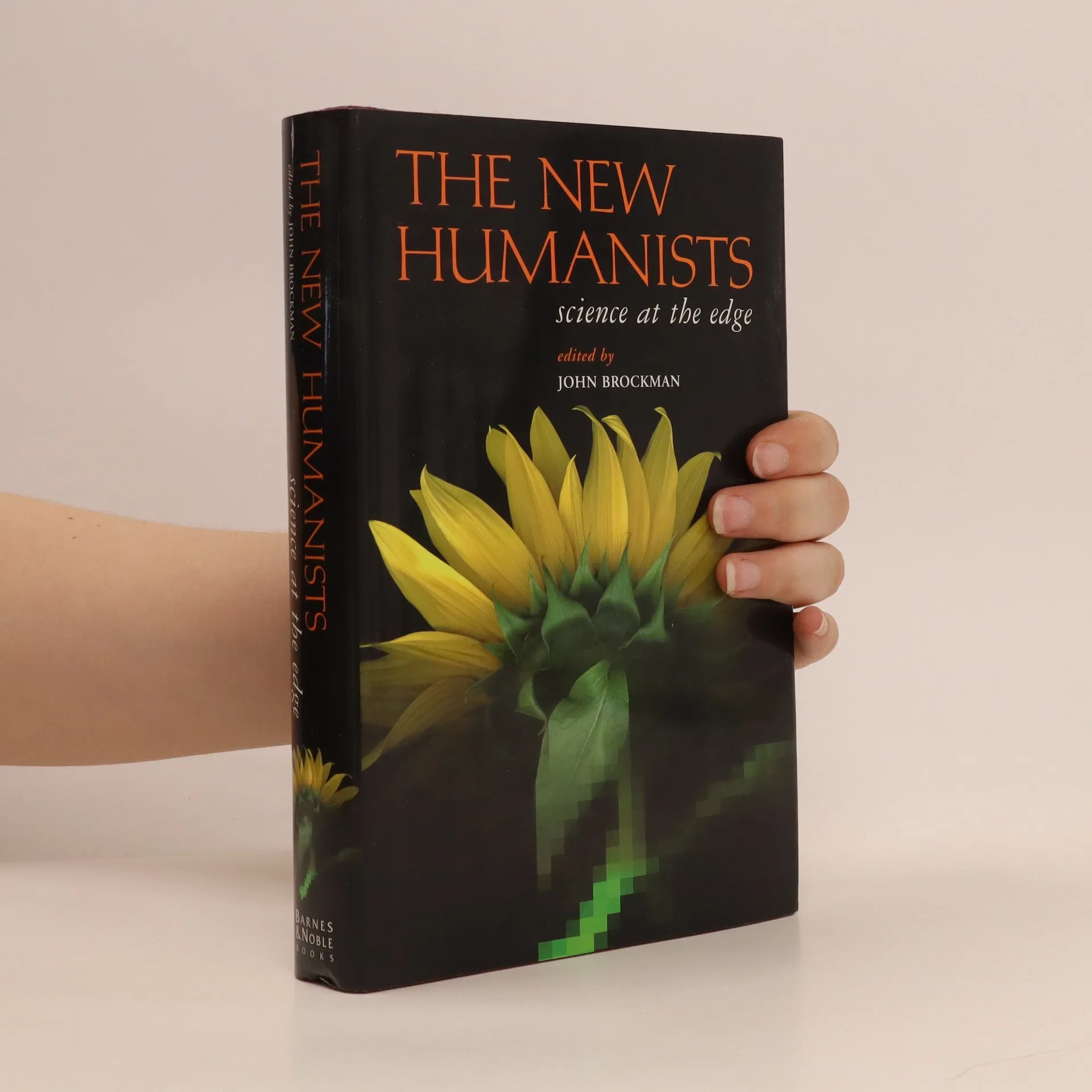
The New Humanists
- 416pagine
- 15 ore di lettura
Collects essays by a variety of top scientists discussing the unique contributions each of them are making to the development of modern thought, in an anthology that seeks to forge links between science and the humanities.
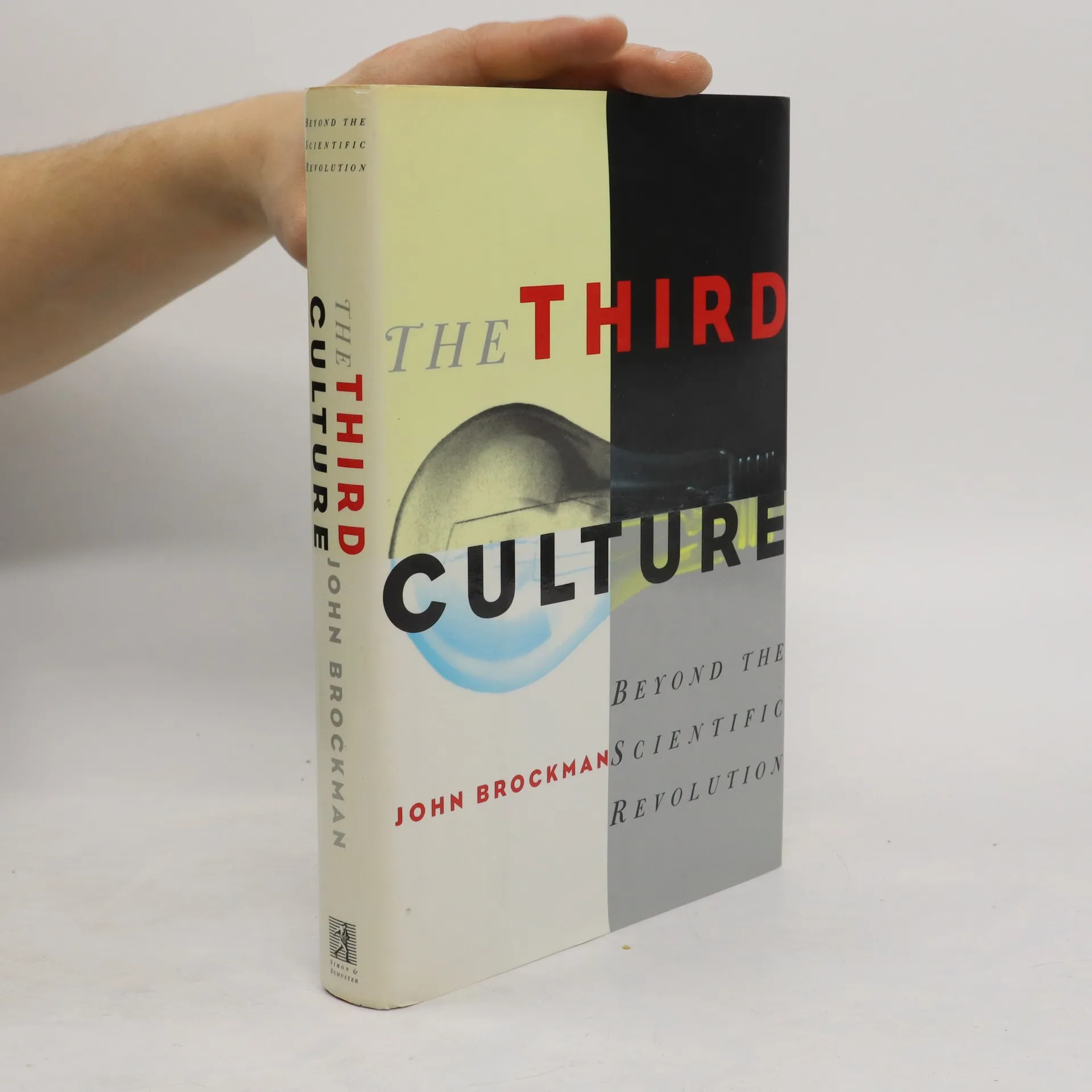
The Third Culture
- 413pagine
- 15 ore di lettura
The Third Culture is an eye-opening look at the intellectual culture of today - in which science, not literature or philosophy, takes center stage in the debate over human nature and the nature of the universe. Thirty-five years ago, C. P. Snow, in a now famous essay, wrote about the polarization of the "two cultures" - literary intellectuals on the one hand, and scientists on the other. Although he hoped for the emergence of a "third culture" that would bridge the gap, it is only recently - when books such as Daniel C. Dennett's Consciousness Explained, Stephen Jay Gould's Wonderful Life, Stephen Hawking's A Brief History of Time, Roger Penrose's The Emperor's New Mind, and Steven Pinker's The Language Instinct became bestsellers - that science has changed the intellectual landscape.
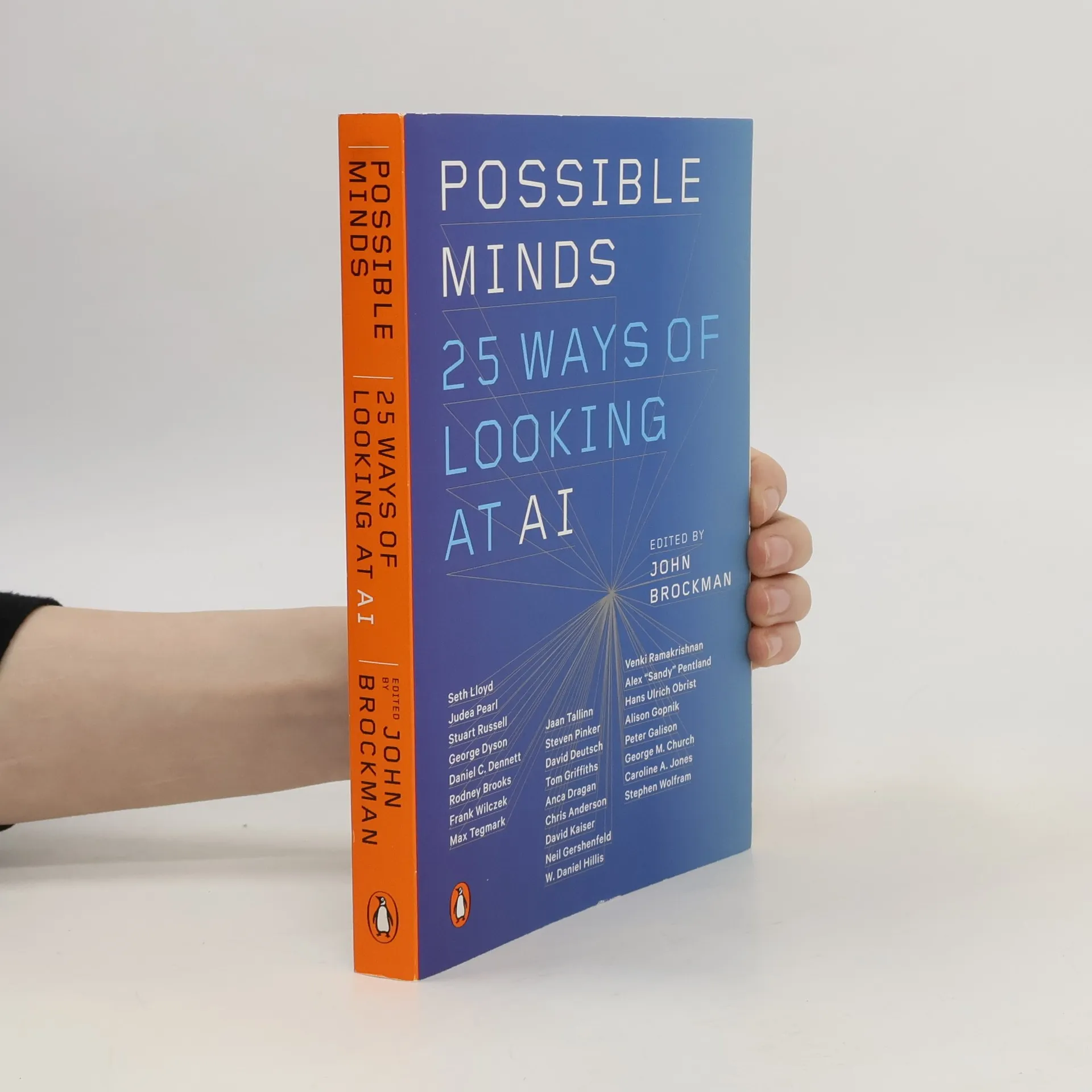
Possible minds : twenty-five ways of looking at AI
- 320pagine
- 12 ore di lettura
Science world luminary John Brockman assembles twenty-five of the most important scientific minds, people who have been thinking about the field artificial intelligence for most of their careers, for an unparalleled round-table examination about mind, thinking, intelligence and what it means to be human
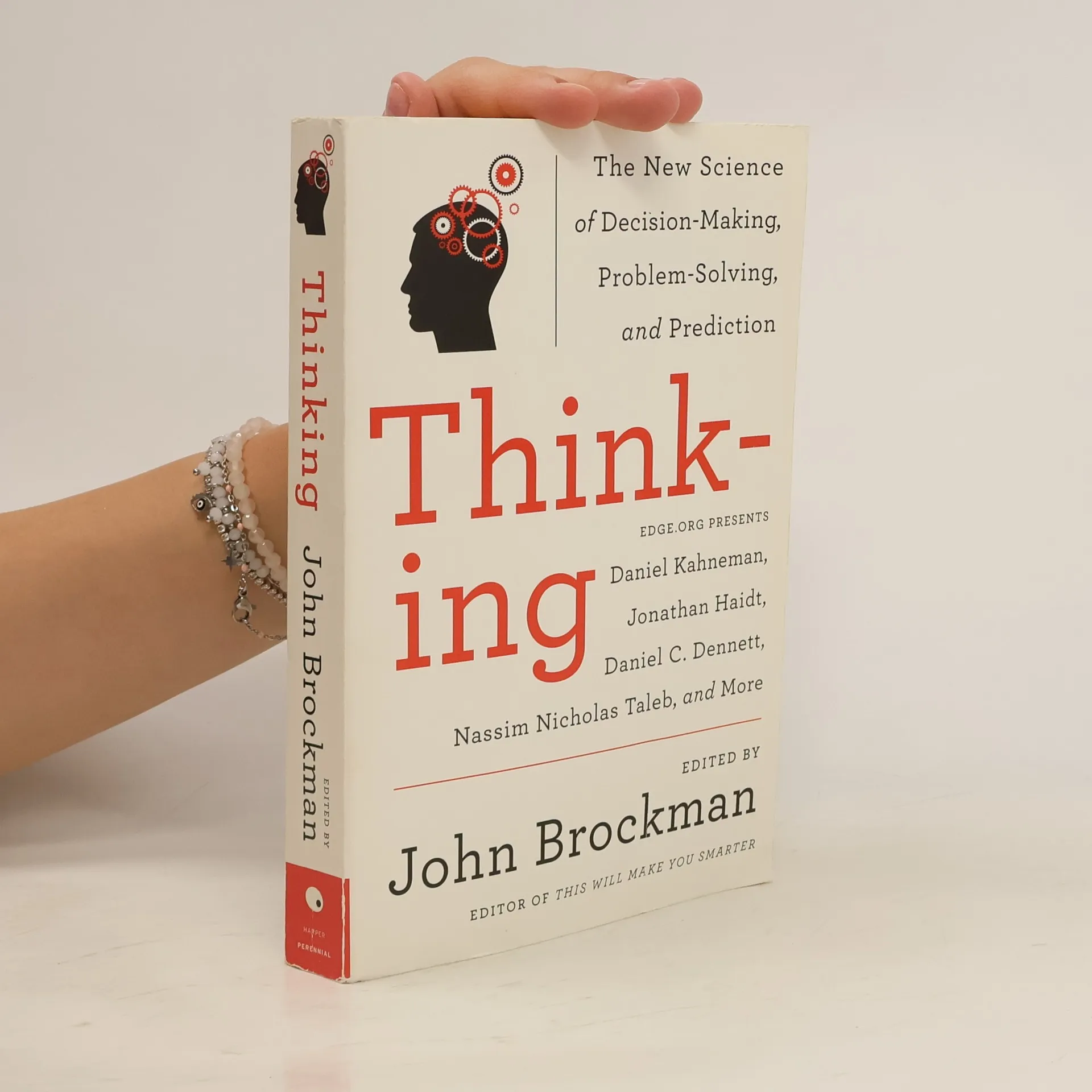
Thinking
- 424pagine
- 15 ore di lettura
Unlock your mind From the bestselling authors of Thinking, Fast and Slow; The Black Swan; and Stumbling on Happiness comes a cutting-edge exploration of the mysteries of rational thought, decision-making, intuition, morality, willpower, problem-solving, prediction, forecasting, unconscious behavior, and beyond. Edited by John Brockman, publisher of Edge.org ("The world's smartest website"—The Guardian), Thinking presents original ideas by today's leading psychologists, neuroscientists, and philosophers who are radically expanding our understanding of human thought. Daniel Kahneman on the power (and pitfalls) of human intuition and "unconscious" thinking • Daniel Gilbert on desire, prediction, and why getting what we want doesn't always make us happy • Nassim Nicholas Taleb on the limitations of statistics in guiding decision-making • Vilayanur Ramachandran on the scientific underpinnings of human nature • Simon Baron-Cohen on the startling effects of testosterone on the brain • Daniel C. Dennett on decoding the architecture of the "normal" human mind • Sarah-Jayne Blakemore on mental disorders and the crucial developmental phase of adolescence • Jonathan Haidt, Sam Harris, and Roy Baumeister on the science of morality, ethics, and the emerging synthesis of evolutionary and biological thinking • Gerd Gigerenzer on rationality and what informs our choices
What are You Optimistic About?
- 400pagine
- 14 ore di lettura
In an age too often marked by anxiety and pessimism, the worlds leading scientific thinkers offer their hopeful visions for the future.
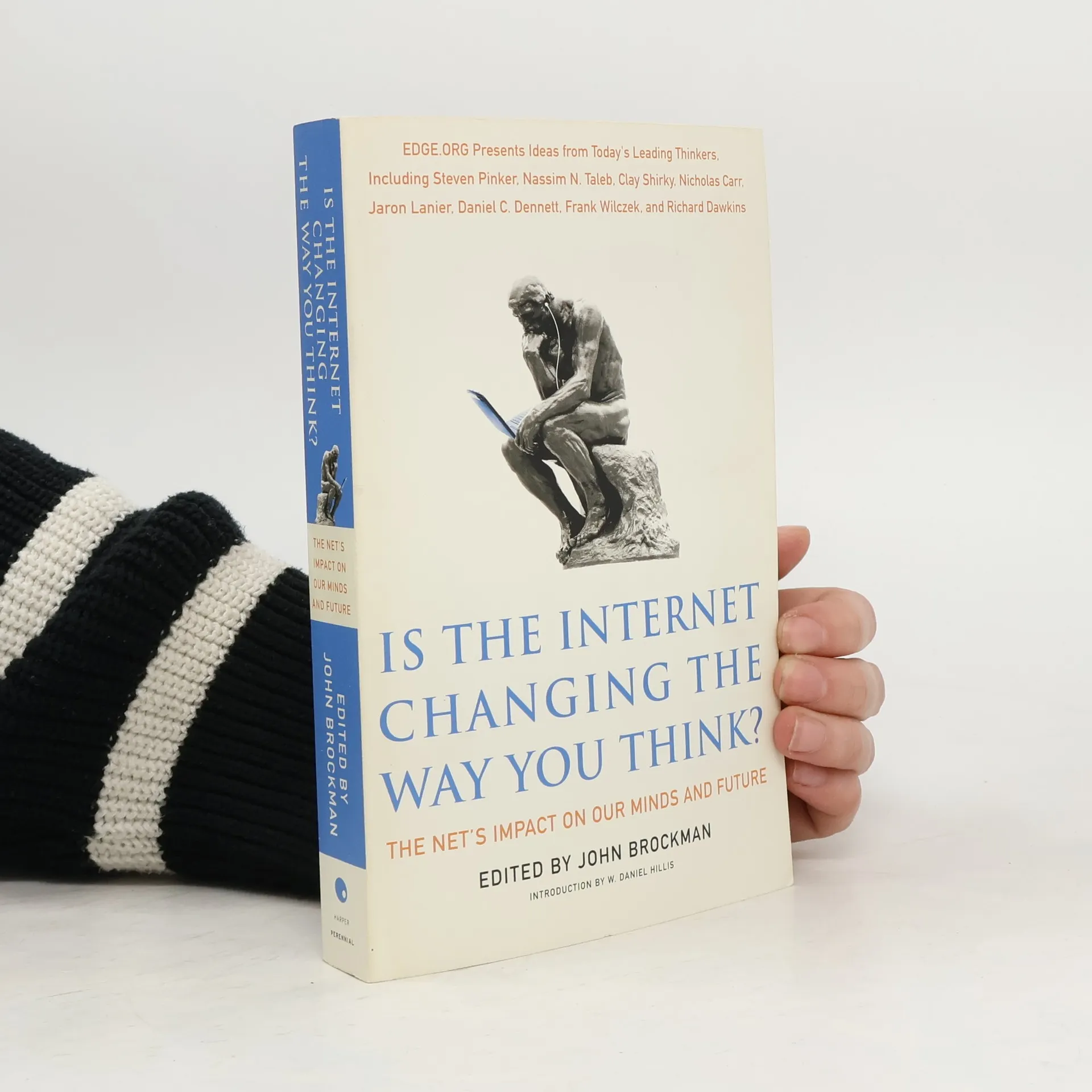
Is the Internet Changing the Way You Think?
- 408pagine
- 15 ore di lettura
How is the internet changing the way you think? That is one of the dominant questions of our time, one which affects almost every aspect of our life and future. And it's exactly what John Brockman, publisher of Edge.org, posed to more than 150 of the world's most influential minds. Brilliant, farsighted, and fascinating, Is the Internet Changing the Way You Think? is an essential guide to the Net-based world.
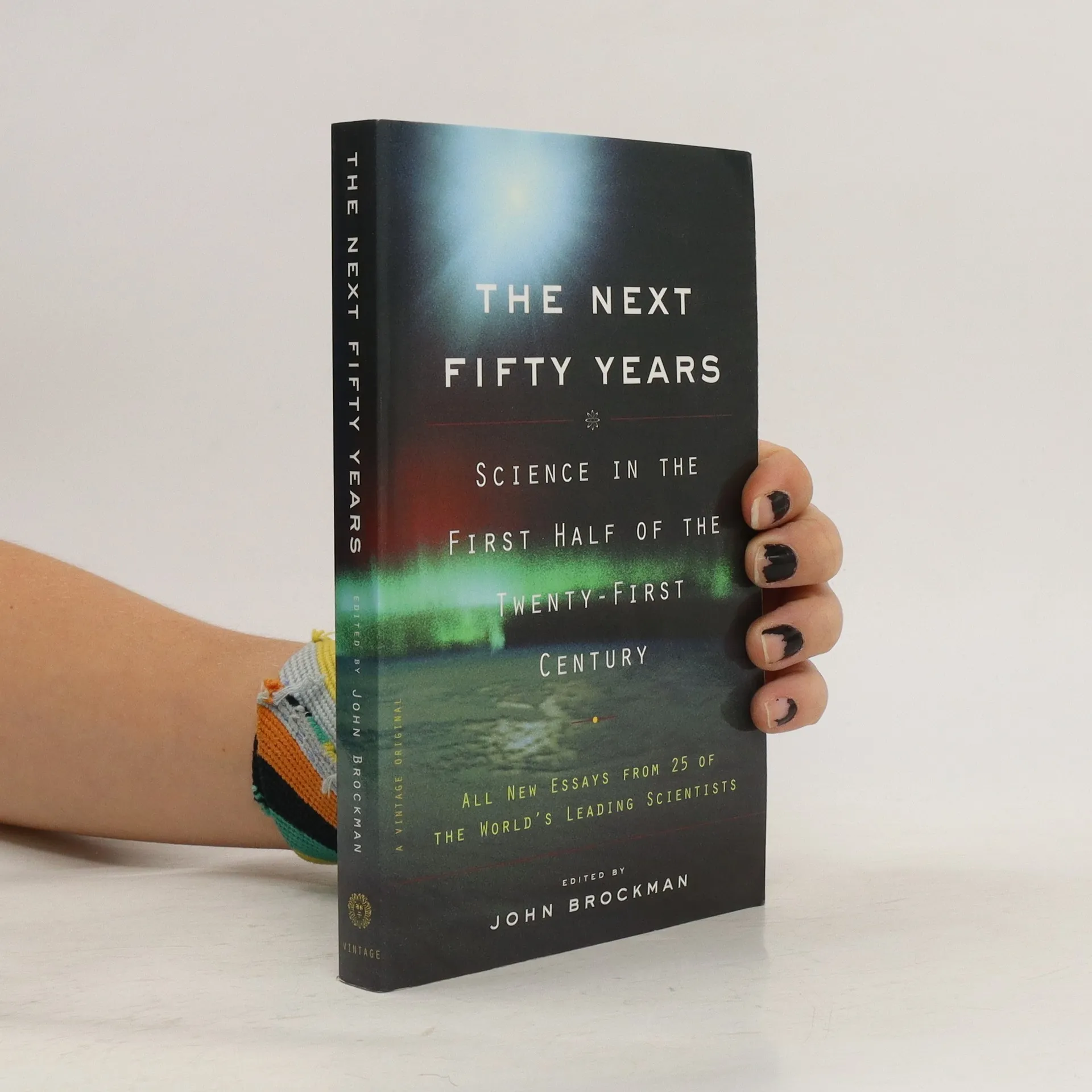
The Next Fifty Years
- 301pagine
- 11 ore di lettura
A brilliant ensemble of visionary scientists presents twenty-five original essays exploring advances in science and technology anticipated within our lifetimes. Theoretical physicist Paul Davies discusses the potential for establishing a human presence on Mars by 2050. Psychologist Mihaly Csikszentmihalyi examines the implications of engineering high-IQ, genetically happy babies. Psychiatrist Nancy Etcoff delves into research on emotion-sensing jewelry that could monitor our moods and suggest when to take anti-depressants. Evolutionary biologist Richard Dawkins considers the likelihood of obtaining genome printouts that predict our natural lifespan, raising questions about access for insurance companies and governments. This unprecedented collection not only investigates the practical possibilities of the near future but also addresses the social and political ramifications of these developments. Additional essays are contributed by notable figures such as Lee Smolin, Martin Rees, Ian Stewart, and many others, each offering unique insights into the strange new world that lies ahead.
This Idea Must Die
- 592pagine
- 21 ore di lettura
The bestselling editor of This Explains Everything brings together 175 of the world's most brilliant minds to tackle Edge.org's 2014 question: What scientific idea has become a relic blocking human progress? Each year, John Brockman, publisher of Edge.org-The world's smartest website (The Guardian)-challenges some of the world's greatest scientists, artists, and philosophers to answer a provocative question crucial to our time. In 2014 he asked 175 brilliant minds to ponder: What scientific idea needs to be put aside in order to make room for new ideas to advance? The answers are as surprising as they are illuminating.In : Steven Pinker dismantles the working theory of human behavior Richard Dawkins renounces essentialism Sherry Turkle reevaluates our expectations of artificial intelligence Geoffrey West challenges the concept of a Theory of Everything Andrei Linde suggests that our universe and its laws may not be as unique as we think Martin Rees explains why scientific understanding is a limitless goal Nina Jablonski argues to rid ourselves of the concept of race Alan Guth rethinks the origins of the universe Hans Ulrich Obrist warns against glorifying unlimited economic growth and much more. Profound, engaging, thoughtful, and groundbreaking, This Idea Must Die will change your perceptions and understanding of our world today ...and tomorrow.
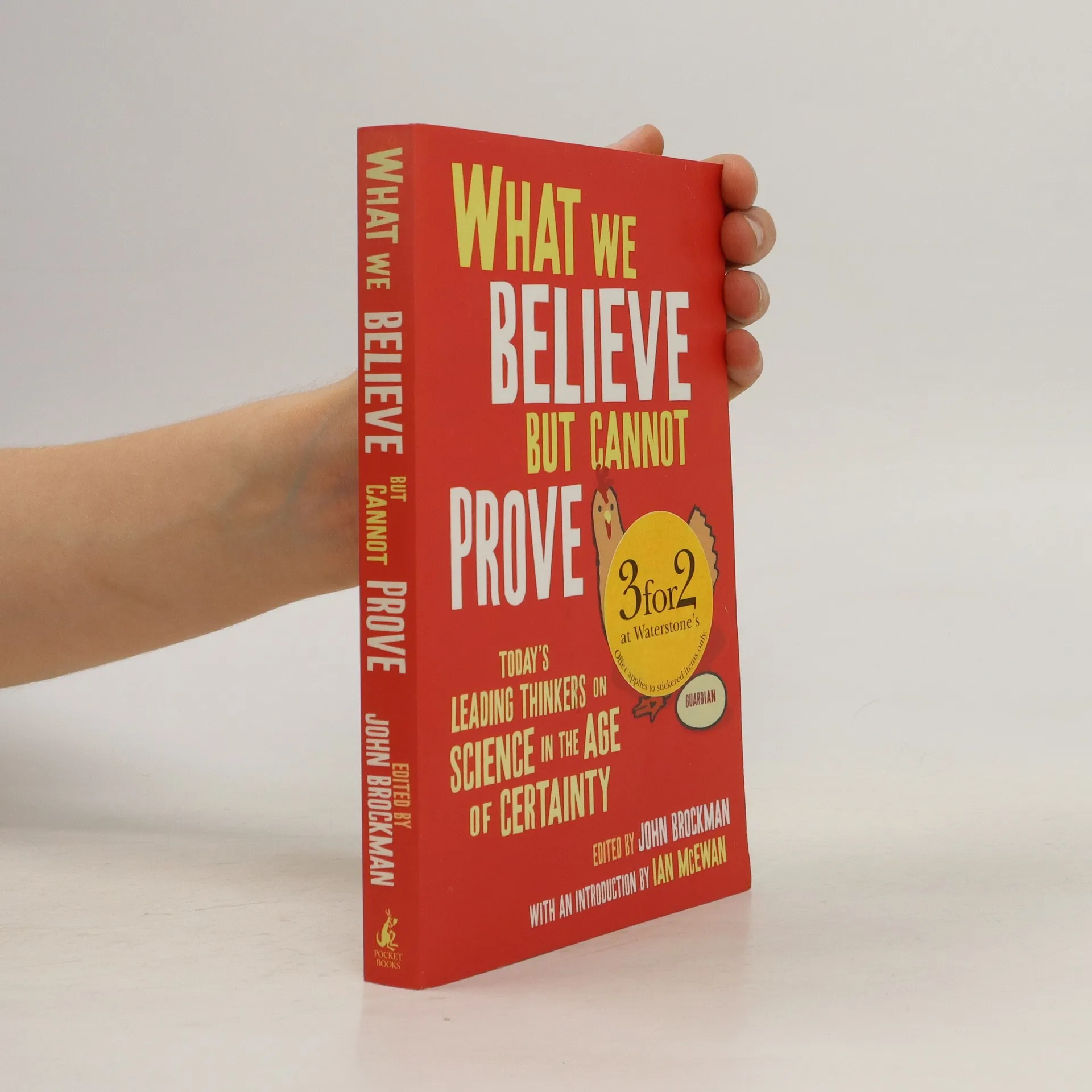
What We Believe But Cannot Prove
- 288pagine
- 11 ore di lettura
""What do you believe is true even though you cannot prove it?"" This was the question posed by John Brockman to a group of leading scientists and thinkers via his Edge.org website. The subsequent answers created a media storm and prompted a fiery debate about all aspects of science, technology and even the nature of ""proof"". WHAT WE BELIEVE BUT CANNOT PROVE brings together the very best answers from the most eminent contributors. Here is Ian McEwan on the absence of an afterlife; Richard Dawkins on the relationship between design and evolution; and Jared Diamond on when humans first reached the Americas. Other contributions from luminaries like Steven Pinker, John Horgan and Martin Rees span the whole range of scientific endeavour and human experience, from the future of computing to the origins of intelligence; from insights into childhood behaviour to cutting-edge cosmology. Thought-provoking and hugely compelling, this collection is both a fascinating insight into the instinctive beliefs of some of the most brilliant minds alive today -- and an invitation to answer the question yourself . . .
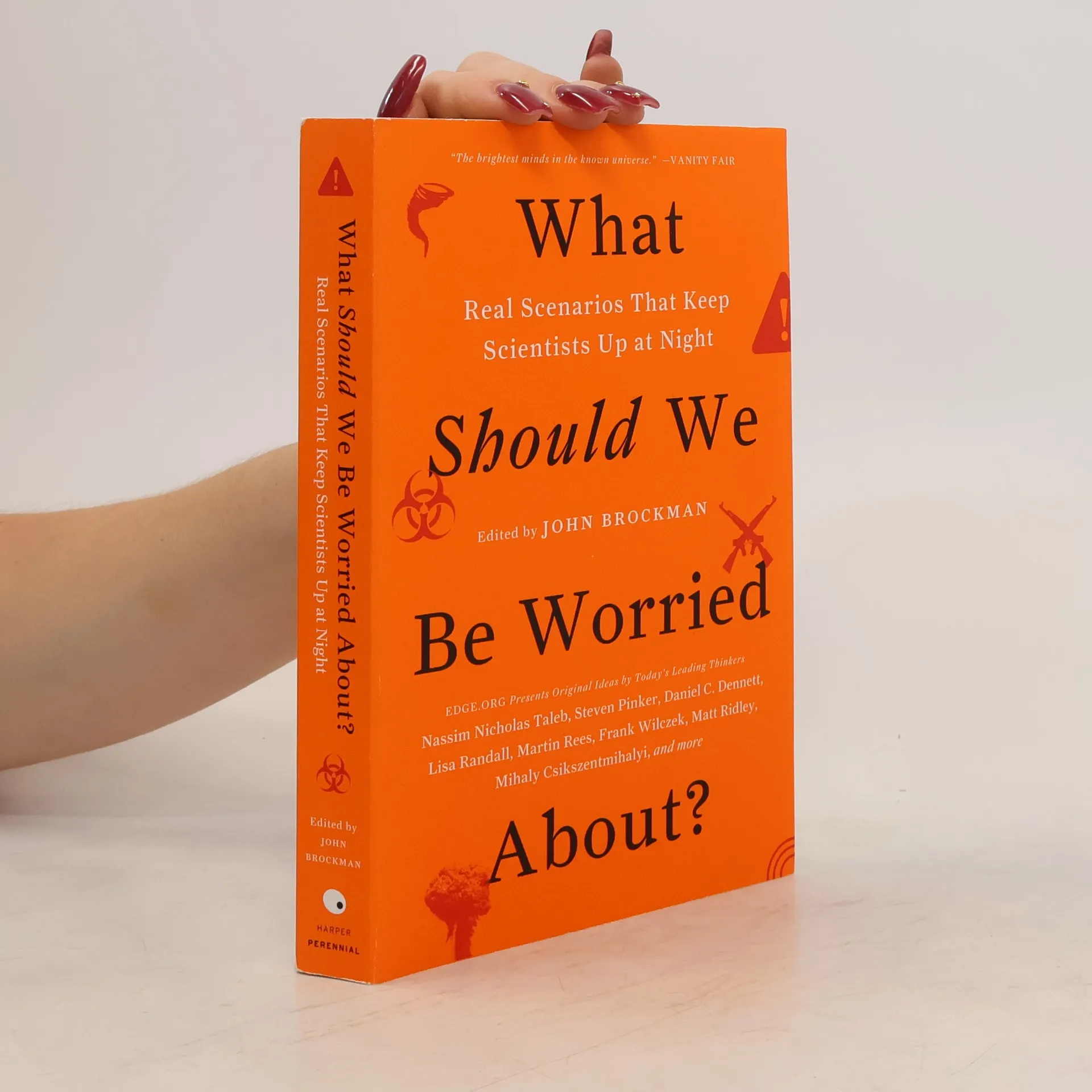
What should we be worried about? : real scenarios that keep scientists up at night
- 499pagine
- 18 ore di lettura
Drawing from the horizons of science, today's leading thinkers reveal hidden threats that often go unnoticed, while addressing the false fears that distract us. John Brockman, publisher of Edge.org, posed a critical question to influential minds: What scientific concerns should we truly be worried about? The responses encompass diverse fields such as neuroscience, economics, philosophy, and biology, presenting 150 ideas that can transform our understanding of the world. Contributors include Steven Pinker, who highlights real risk factors for war, and Mihaly Csikszentmihalyi, who warns of a coming virtual abyss. Nobel laureate Frank Wilczek discusses missed opportunities to avert global catastrophe, while Seth Lloyd calculates the potential of a financial black hole. Other thinkers, like Alison Gopnik and Nassim Nicholas Taleb, examine the loss of childhood and the superior risk understanding of firefighters compared to economic experts. Matt Ridley addresses the resurgence of superstition, and Jennifer Jacquet raises concerns about human-induced environmental damage. Douglas Rushkoff and Nicholas Carr reflect on the implications of a homogenized human experience and the "patience deficit," respectively. Additionally, experts like Helen Fisher, Lawrence Krauss, and Susan Blackmore explore the fate of humanity and the universe. This collection invites readers to confront pressing issues that are often overlooked.
What Is Your Dangerous Idea?
Today!s Leading Thinkers on the Unthinkable
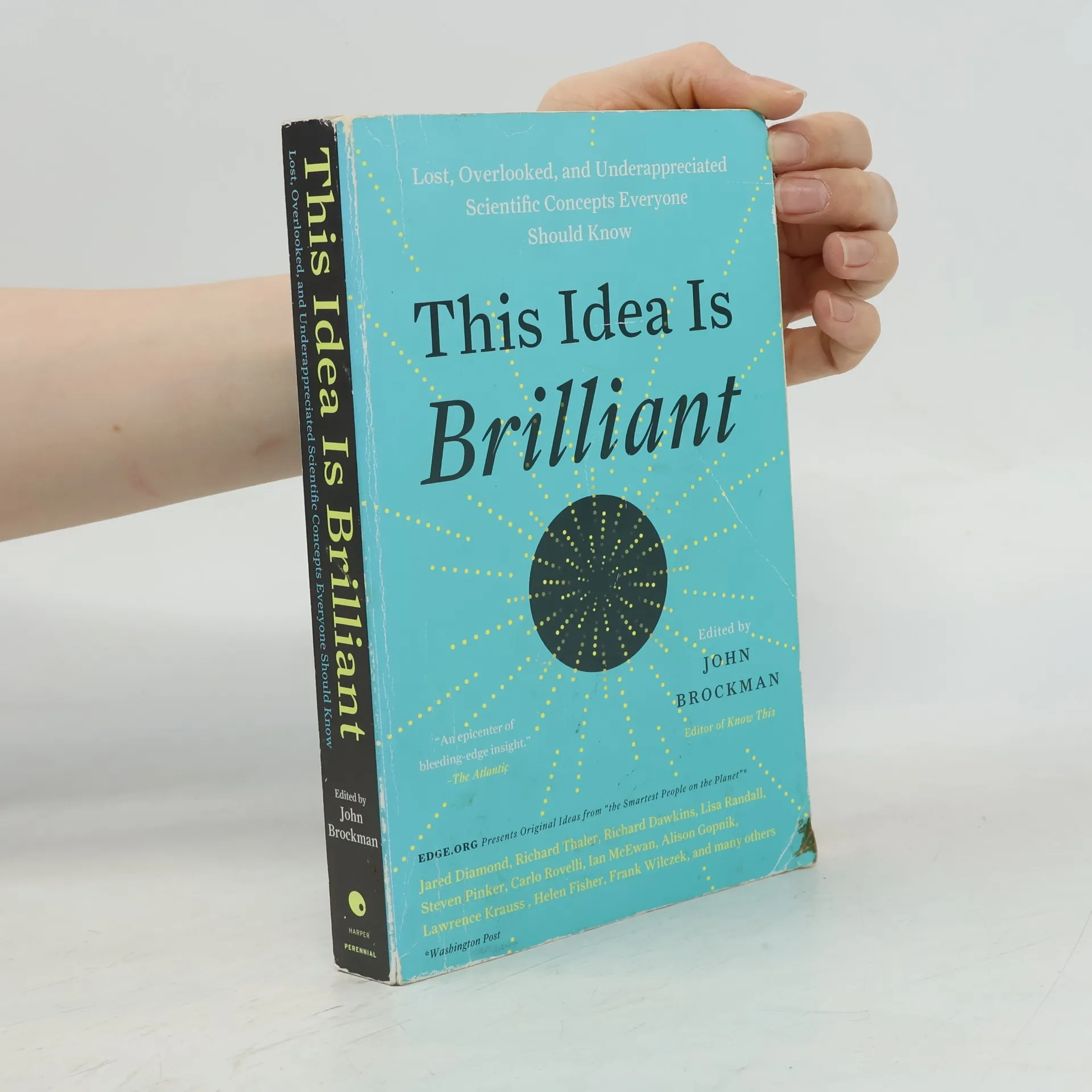
This idea is brilliant: Lost, overlooked and underappreciated scientific concepts everyone should know
- 515pagine
- 19 ore di lettura
Brilliant but overlooked ideas are explored by today’s most innovative thinkers, including Steven Pinker, Jared Diamond, and Richard Dawkins. This collection features insights from 205 influential minds across various fields—physicists, economists, psychologists, and more—prompted by John Brockman’s question: What scientific term or concept should be more widely known? Readers will embark on a journey through bold and underappreciated scientific concepts that enrich understanding. Contributions include Jared Diamond discussing the lost brilliance of common sense, Richard Dawkins on reconstructing ecological history, and Rebecca Newberger Goldstein on expanding reality beyond the tangible. Carlo Rovelli explores the interconnected fabric of information, while Ian McEwan delves into the Navier-Stokes equations that influence weather and design. Other notable voices include Lawrence M. Krauss on uncertainty, Richard Thaler on the "premortem" concept, and Brian Eno on confirmation bias in the digital age. Rory Sutherland highlights the impact of sex appeal, and Lisa Randall emphasizes the power of the obvious. Additionally, Kevin Kelly shares insights on optimizing success, and Frank Wilczek discusses the creative potential of complementarity. This anthology also features thoughts from Sam Harris, Alison Gopnik, and many others, offering a rich tapestry of ideas that challenge conventional thinking.
Ako sa veci majú
- 252pagine
- 9 ore di lettura
Knihu s podtitulom Sprievodca myšlienkami modernej vedy zostavili editori J. Brockman a K. Matsonová so širokým záberom tém - od fyziky ku kozmológii, od biológie k antropológii, od filozofie k psychológii. Nájdeme tu eseje autorov: Marian Stamp Dawkinsonová, Mary Catherine Batesonová, Richard Dawkins, Paul Davies, P. W. Atkins, Robert Shapiro, Jack Cohen, Lewis Wolpert, Lynn Margulisová, Stephen Jay Gould, Patrick Bateson, Steve Jones, Peter Ward, Anne Fausto-Sterlingová, Daniel C. Dennett, Hao Wang, Wiliam H. Calvin, Michael S. Gazzaniga, Pascal Boyer, Nicholas Humphrey, Roger C. Schank, Dan Sperber, Steven Rose, David Gelernter, Sherry Turkleová, Lee Smolin, Alan H. Guth, Ian Stewart, W. Daniel Hillis, Freeman Dyson, Joel E. Cohen, Niles Eldredge, Martin Rees.
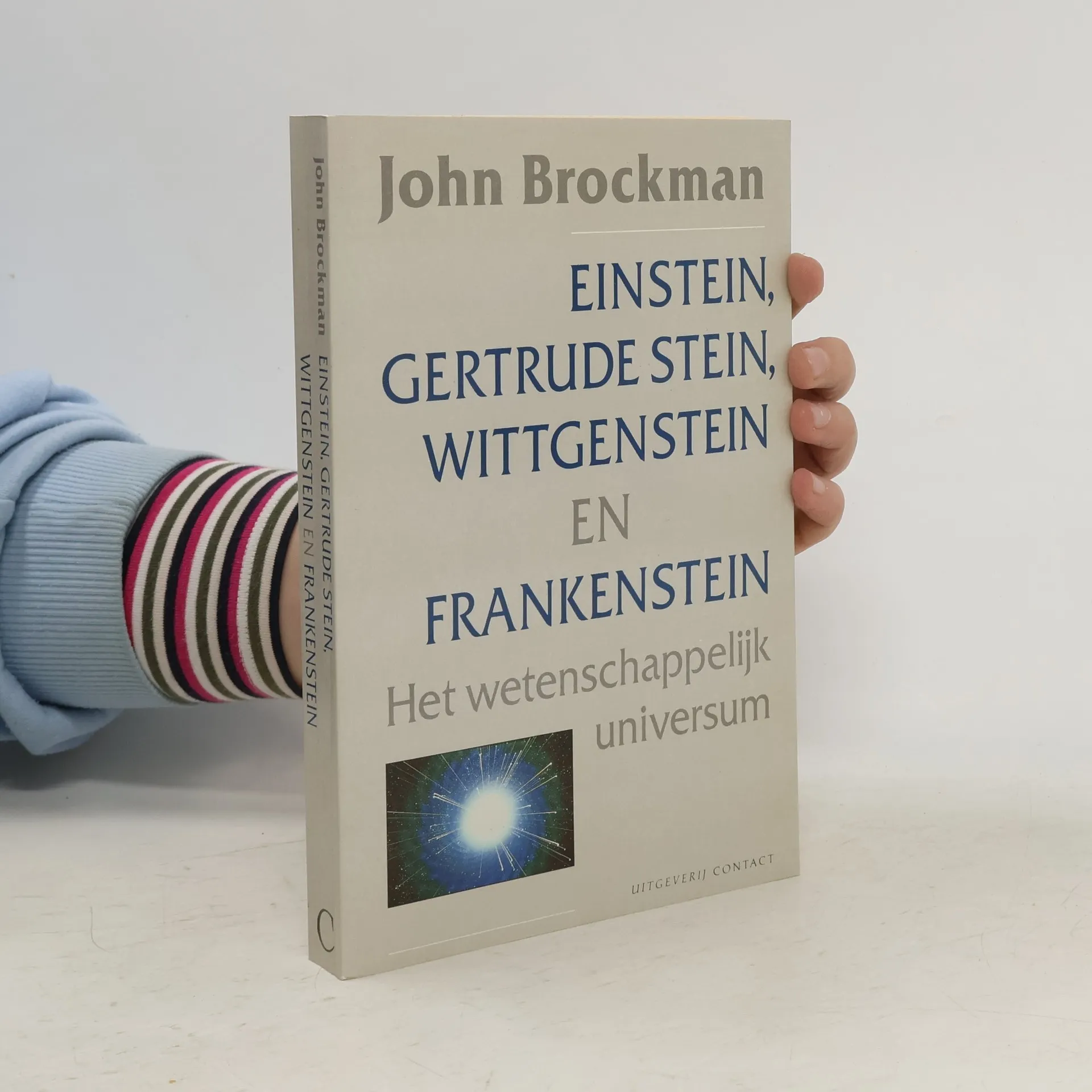
Einstein, Gertrude Stein, Wittgenstein en Frankenstein
Het wetenschappelijk universum
- 256pagine
- 9 ore di lettura
Een uitgebreide, tot nadenken stemmende verkenning van nieuwe wetenschappelijke theorieën en technologieën en een dramatisch portret van het nieuwe universum dat de moderne wetenschap creëert.
Во что мы верим, но не можем доказать. Интеллектуалы XXI века о современной науке
- 340pagine
- 12 ore di lettura
О чем книга О самых невероятных, оригинальных научно-фантастических идеях, которые в будущем, возможно, станут реальностью. О том, как самые разные ученые, оказывается, способны поверить в любые гипотезы и поведать всем нам о своих идеях, связанных с новыми областями эволюционной биологии, генетики, компьютерных наук, нейрофизиологии, психологии и физики... Почему книга достойна прочтения Лучшие умы XXI века предлагают необычное видение возможностей науки и технического прогресса. Книга отвечает на самые разные вопросы, - начиная с того, что же такое сознание человека, и кончая тем, одиноки ли мы во Вселенной, - интересующие не только мировое научное сообщество, но и каждого из нас. Ведь все мы, так или иначе, задаемся вопросами мироздания. Уникальная возможность познакомиться с тем, каким образом ученые сегодня находят путь к истине. Для кого эта книга Для всех, кто чувствует ритм нашего времени - времени научно-технического бума, и кому интересно узнать, во что можно и нужно верить, даже если это пока еще не доказано.
Faszinierende Einblicke in die Köpfe der weltweit führenden Wissenschaftler aus unterschiedlichsten Disziplinen: ihre Antworten auf die Frage, wovon sie fest überzeugt sind, obwohl sie den wissenschaftlichen Nachweis noch nicht erbringen können, überraschen zugleich durch ihre Originalität und Ernsthaftigkeit: dass Kakerlaken über Bewusstsein verfügen, über die Verbindung von Design und Evolution, über intelligentes Leben in unserem Universum und was Vorfreude dem Zen-Buddhismus voraushat.
Der bekannte Visionär und Herausgeber der Internetzeitschrift »Edge« John Brockman fragt die führenden Wissenschaftler, Philosophen und Künstler unserer Zeit, was sie von denkenden Maschinen halten. Stephen Hawking warnt davor, dass die Weiterentwicklung der Künstlichen Intelligenz das Ende der Menschheit bedeute. Andere hingegen feiern das neue Zeitalter der Superintelligenz, da menschliche Kapazitäten mittels intelligenter Maschinen enorm ausgeweitet würden. Sicher ist, dass KI aus dem Bereich der Science-Fiction Einzug in die Realität, ja in unseren Alltag gefunden hat. Mit Beiträgen u. a. von Steven Pinker, Martin Rees, Rolf Dobelli, George Dyson, Hans Ulrich Obrist, Gerd Gigerenzer, Andrian Kreye und Haim Harari. »Eine äußerst anregende Lektüre.« Brain Pickings
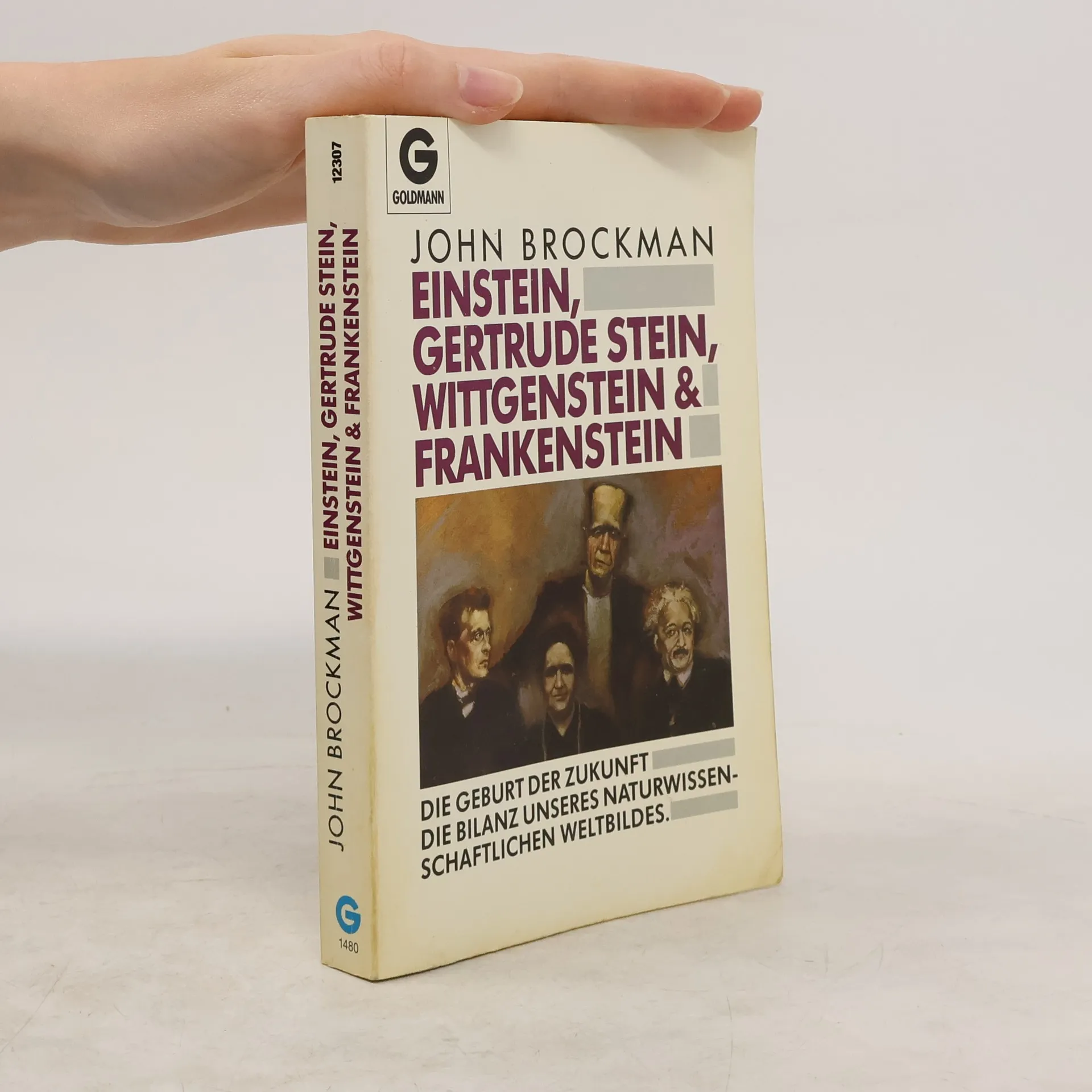
Die Geburt der Zukunft
- 320pagine
- 12 ore di lettura
Einstein, Gertrude Stein, Wittgenstein & Frankenstein
- 320pagine
- 12 ore di lettura
Eine umfassende, zum Nachdenken anregende Untersuchung neuer wissenschaftlicher Theorien und Technologien sowie ein dramatisches Porträt des neuen Universums, das die moderne Wissenschaft schafft.
Die wichtigsten Erfindungen der letzten 2000 Jahre
- 215pagine
- 8 ore di lettura
Beitragende aus verschiedenen Bereichen geben ihre Ansichten zu den wichtigsten Entdeckungen der letzten zweitausend Jahre – und einigen früheren, die erst kürzlich Früchte trugen – einschließlich sozialer und philosophischer Veränderungen sowie wissenschaftlicher und technologischer Erfindungen.
Neue Realität
- 251pagine
- 9 ore di lettura
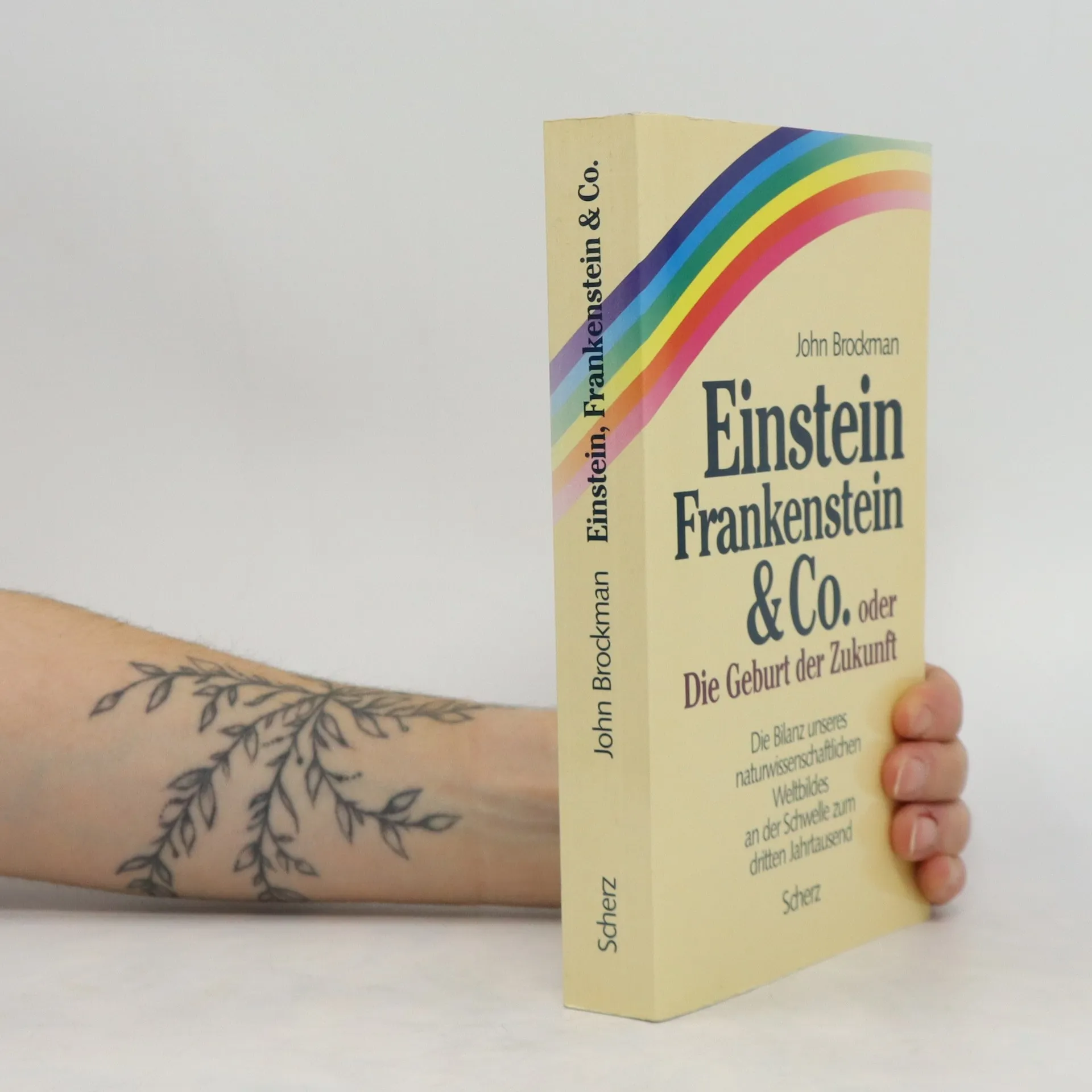
Einstein, Frankenstein & Co. oder die Geburt der Zukunft
- 320pagine
- 12 ore di lettura
Spiel und Spass mit dem Taschenrechner
- 157pagine
- 6 ore di lettura
Edge.org: Wetenschappelijke parels
Het belangrijkste wetenschappelijke nieuws volgens 193 'briljante geesten'
- 528pagine
- 19 ore di lettura
Bijna dagelijks worden we geconfronteerd met nieuwe inzichten en weetjes, variërend van wereldbelang tot drijfzand. Of het nu gaat om dieetvoorschriften, experimentele medicijnen, technologische doorbraken of klimaatvoorspellingen, het is voor leken vaak onmogelijk om waardevolle informatie te onderscheiden van onzin. Wat zijn de ontdekkingen die écht invloed hebben op onze toekomst? John Brockman, oprichter van edge.org, vroeg invloedrijke wetenschappers en denkers naar het meest interessante recente wetenschappelijke nieuws. Steven Pinker wijst op de kwantificering van menselijke vooruitgang als een opmerkelijke ontwikkeling. Chris Anderson is onder de indruk van het sociale experiment dat internet vertegenwoordigt en de opkomst van een wereldwijd collectief bewustzijn. Max Tegmark waarschuwt dat technologische en wetenschappelijke vooruitgang de leercurve van onze wijsheid overstijgt, wat zorgwekkend is, vooral bij gevoelige onderwerpen zoals kernwapens. Peter Gabriel benadrukt hoe hersenwetenschap de grens tussen fantasie en werkelijkheid vervaagt. Daarnaast delen ook John C. Mather, Bill Joy, Michael Shermer, Matt Ridley, George Church en anderen hun inzichten, wat een breed scala aan perspectieven biedt op de huidige wetenschappelijke ontwikkelingen.
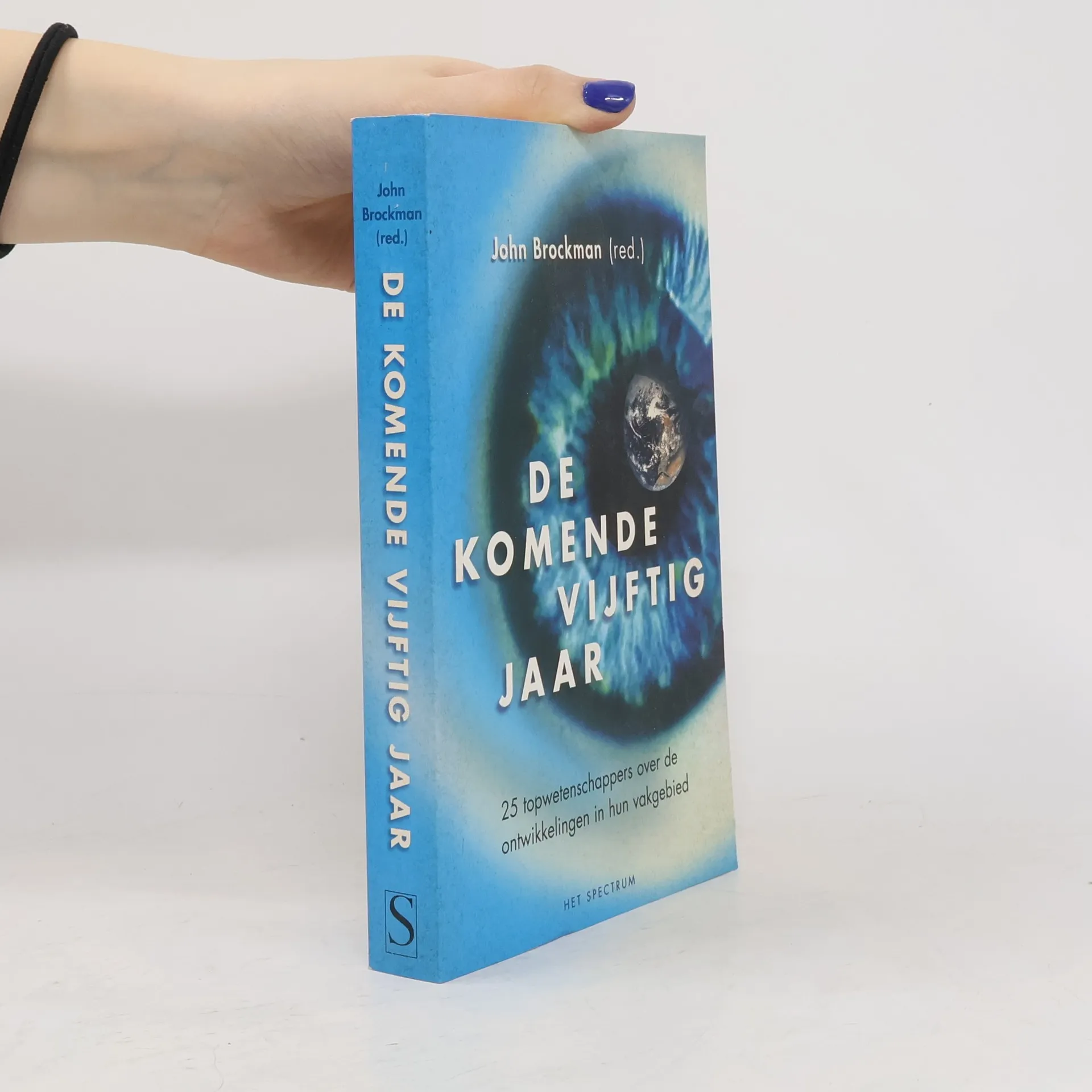
De komende vijftig jaar
25 topwetenschappers over de ontwikkelingen in hun vakgebied
- 271pagine
- 10 ore di lettura
Nachworte
Gedanken des Wegbereiters der Dritten Kultur. Mit einem Vorwort von Hans Ulrich Obrist
- 330pagine
- 12 ore di lettura