

Bookbot

Freya Mathews

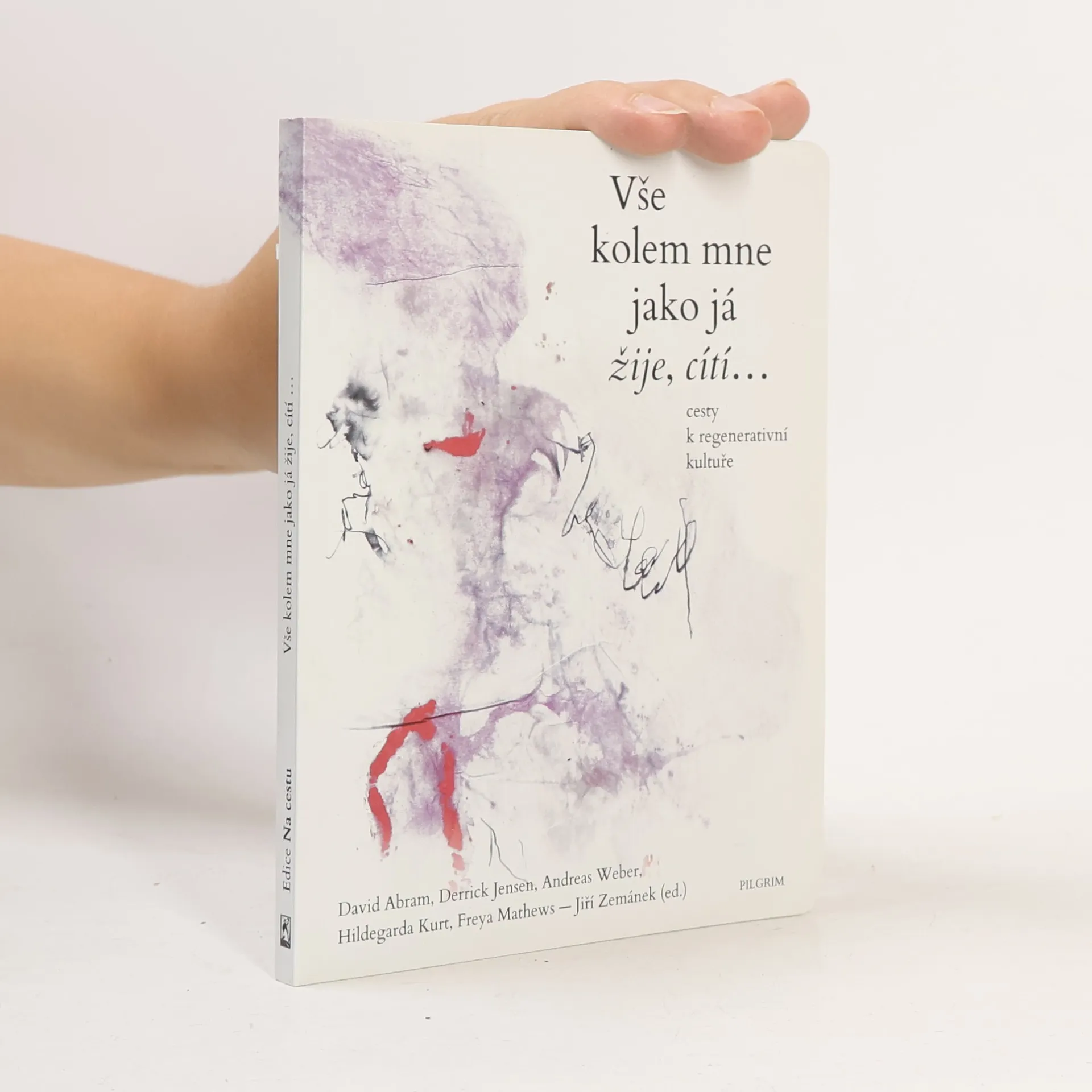
    Vše kolem mne jako já žije, cítí… / cesty k regenerativní kultuře
    Without Animals Life Is Not Worth Living
    The Ecological Self
    • The Ecological Self

      • 214pagine
      • 8 ore di lettura

      Environmental disasters, including wildfires, species extinction, flooding, and drought, have surged in recent years, highlighting the urgent need for environmental discourse. There is an increasing recognition of the interconnectedness of these issues, yet few have attempted to establish a conceptual foundation that bridges philosophy and science. This acclaimed work skillfully presents a thought-provoking metaphysics of the environment, linking the ideas of seventeenth-century philosopher Spinoza with twentieth-century systems theory and Einstein's physics. The author argues that the atomistic cosmology derived from Newton has fostered a fragmented view of the universe, leading to a perception of humanity as disconnected and individualistic. This perspective has dire implications, as it encourages a view of nature as merely instrumental rather than recognizing its intrinsic value. The author advocates for an ethics of ecological interdependence and a fundamental egalitarianism among living species. This compelling account challenges us to rethink our relationship with the environment, making it a significant contribution to ecological and environmental thought.

      The Ecological Self
      5,0
    • The narrative features an anarchic pig that embodies the essential bond between humans and animals, illustrating the argument that companionship with animals enriches human life. Freya Mathews, an eco-philosopher, explores this theme through engaging storytelling, emphasizing the indispensable role animals play in our existence and the deeper philosophical implications of this relationship.

      Without Animals Life Is Not Worth Living
      3,0
    • Současní přední myslitelé z oblasti ekofilosofie a kultury udržitelnosti – David Abram, Derrick Jensen, Freya Mathews, Andreas Weber a Hildegarda Kurt – uvažují o tom, jak by bylo možné naši současnou postindustriální civilizaci, která nás přivedla na samotný práh enviromentálního rozvratu, ekologicky transformovat. Kladou si otázku, jak se od dominujícího vzorce kontroly a ovládání posunout k modu vzájemnosti a synergie se světem. Respektive jak bychom se jako lidská společnost mohli znovu začlenit do přírody; jakými způsoby bychom naše touhy a přání mohli sjednotit s touhami a potřebami biosféry tak, aby podporovaly její další možnou regeneraci a rozkvět a nikoli její ničení. Všichni se přitom shodují v tom, že nejde jen o „udržení“ reality světa tak, jak ji dnes chápeme. Jde o její radikální znovuoživení, o nové porozumění tomu, co je to život a jakou roli v něm hrajeme. O znovuobjevování subjektivity a poetiky mimolidského světa, jinými slovy – o animistický či panpsychistický obrat v udržitelnosti.

      Vše kolem mne jako já žije, cítí… / cesty k regenerativní kultuře
      4,5