
Richard Alan Clarke ha dedicato tre decenni al servizio pubblico, concentrandosi sulla sicurezza nazionale e la lotta al terrorismo. La sua carriera ha incluso ruoli presso il Dipartimento di Stato e posizioni fondamentali nel Consiglio di Sicurezza Nazionale attraverso diverse amministrazioni presidenziali. Clarke ha guadagnato notorietà per la sua critica aperta alla risposta antiterrorismo precedente all'11 settembre e alla decisione di andare in guerra in Iraq, diventando una figura controversa ma influente nel dibattito sulla sicurezza nazionale.
Written by experts, accurately illustrated and easy to use, Spotter’s Guides are essential companions for everyone who enjoys nature. Detailed descriptions and beautiful illustrations show more than 100 mushrooms and fungi.
A poignant, heart- warming novel of loss, love and renewal. The fifth novel from the award-winning bestselling writer Richard Clark. In 1974, a married couple flee Cyprus as Turkish bombs rained down on their home town of Famagusta. Nearly half a century later, a young woman's life is tragically changed forever as Russian troops bombard her village in war-torn Ukraine. Seeking refuge on the Greek island of Crete, their worlds collide. Generations apart, can shared experiences help mend their shattered lives? 'Richard has a writing style that transports you to the real Greece. I truly love his ability to take me with him to wonderful places, feel the warmth of the Greek sunshine and experience Greece through the eyes of his characters. For me, he is one of the best writers out there.' Peter Barber, author of Parthenon on Our Roof
Last Wicket Stand is an honest account of one man's search for meaning, purpose and reinvention, both for himself and the sport he loves. At the start of the 2020 season, English county cricket faced radical change. The Hundred was coming, introducing new 'franchises' playing a new format in the hope of attracting much-needed new audiences. Its inception was controversial. Advocates argued only drastic action could halt the decline of cricket in the UK. Opponents feared it would undermine the very fabric of the much-loved county game. One devoted Essex fan set out to document the last summer before the big change. He toured the country in 2019 chronicling this often-ignored sport, from the gentle lullaby of the County Championship to the bawdy singalong of T20 Finals Day. Richard Clarke was in his 50th year, at a personal crossroads and fearing his best days may be long gone. Change vs tradition, growth vs security, money vs meaning - these perennial struggles lie at the heart of this absorbing and revealing journey of redemption.
An illustrated and highly practical guide to the technique of making collagraphs.Collagraphs are prints that can be made in a number of ways: from collages, relief sculpture, caste plaster plates, carved, stripped and layered plates, plates painted with glues or even from a combination of all these methods. The flexibility of this process means that it is one of the most fluid approaches to printmaking which gives you greater creative freedom than other methods.In this book, explore a wide range of techniques with practical hints about choosing materials and printing methods to achieve the best results. You can also learn all about the historical use of collage in printmaking, looking at the work of artists like Picasso, Georges Braque and Kurt Schwitters. With illustrations of the work of many different British and international collagraph artists, this book is the perfect practical and inspirational guide for printmakers of all levels.
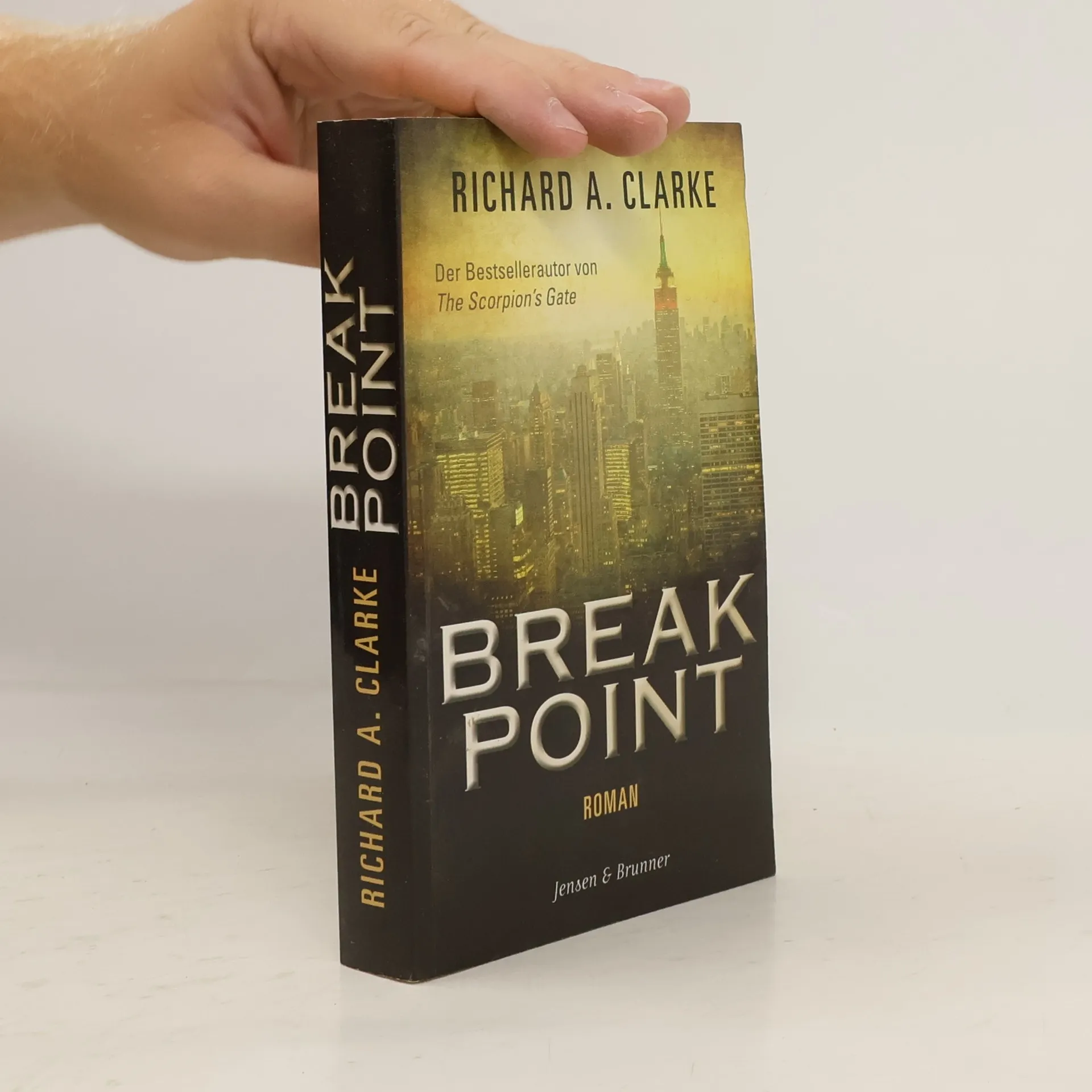
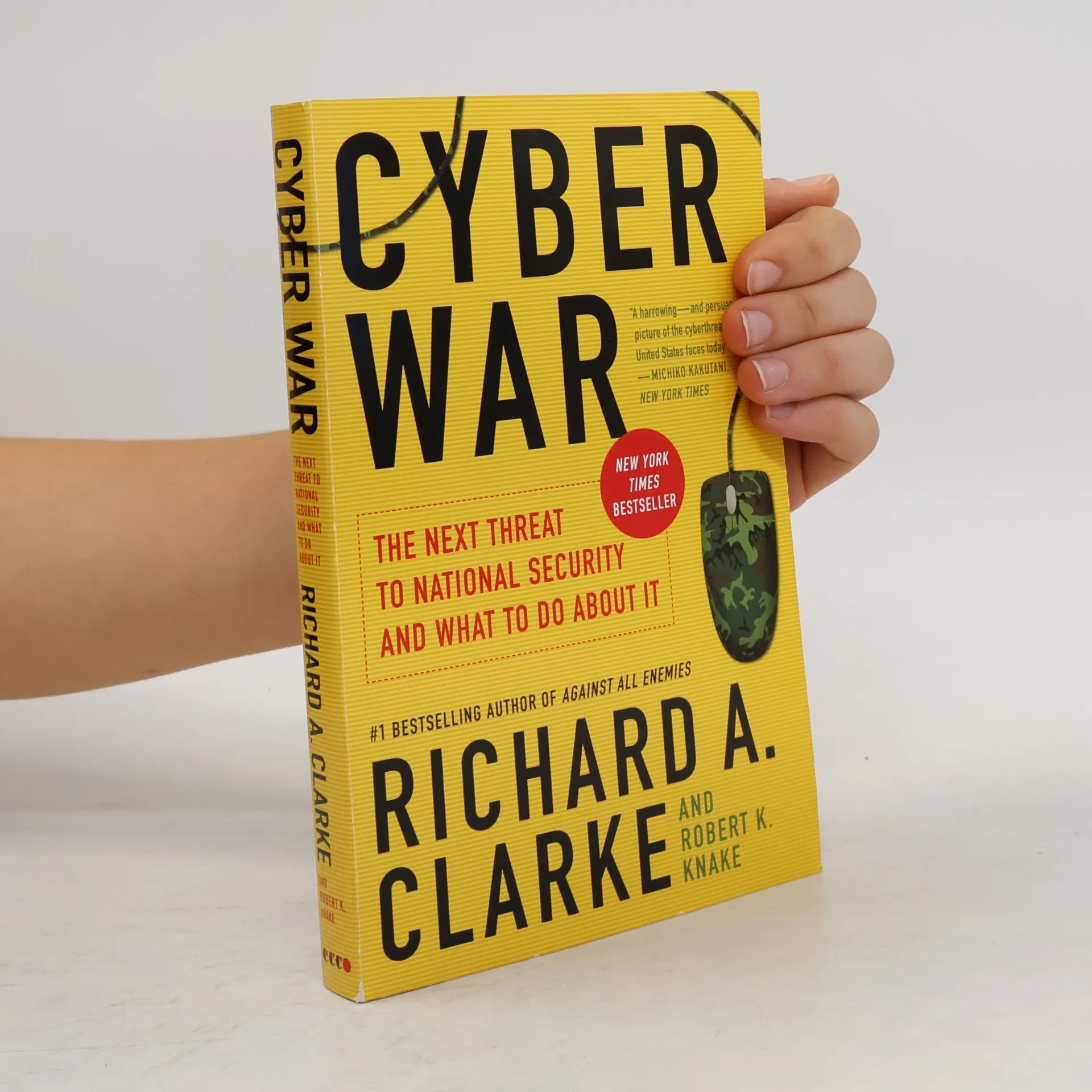
This urgent assessment explores how governments, businesses, and individuals can combat criminal hackers intent on creating a digital war zone. As we navigate an age where online threats have tangible consequences—from the Stuxnet attack on Iran's nuclear program to the 2017 cyber battle that disrupted hospitals in Britain—it's clear that we cannot allow autocrats and criminals to dominate cyberspace. The authors, seasoned cybersecurity experts Richard A. Clarke and Robert K. Knake, provide an engrossing tour of this often-misunderstood terrain, highlighting the experiences of scientists, executives, and public servants who have successfully defended against cyber threats. They delve into quantum-computing labs developing cyber superweapons, the boardrooms of hacked firms, and the U.S. intelligence community's efforts to protect elections from foreign interference. Focusing on actionable solutions rather than fear, they advocate for "cyber resilience," which involves creating systems that withstand attacks, increasing the costs for cyber criminals, and avoiding overreactions. Ultimately, Clarke and Knake emphasize the importance of maintaining cyberspace as a thriving engine of economic growth and human progress, rather than succumbing to those who would turn it into a conflict-ridden wasteland.
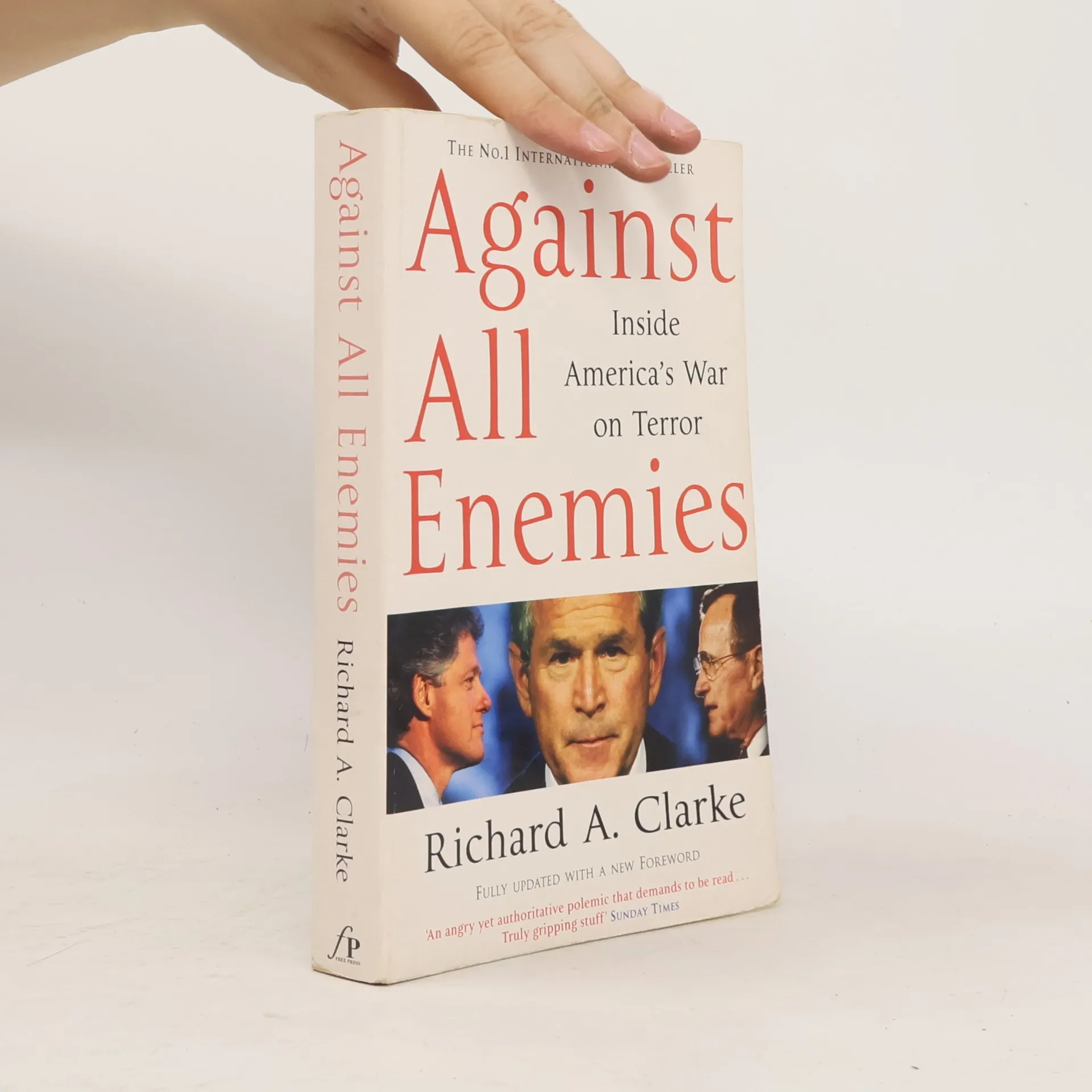
The disturbing truth about the war on terror and a withering critique of the
Bush Administration's neglect of the threat, by the man who served for eleven
years as the White House Counter-terrorism Czar.
Security expert Richard A. Clarke goes beyond "geek talk" to succinctly explain how cyber weapons work and how vulnerable America is to the new world of nearly untraceable cyber criminals and spies. This sobering story of technology, government, and military strategy involving criminals, spies, soldiers, and hackers begins the much needed public policy debate about what America's doctrine and strategy should be, not just for waging, but for preventing the First Cyber War
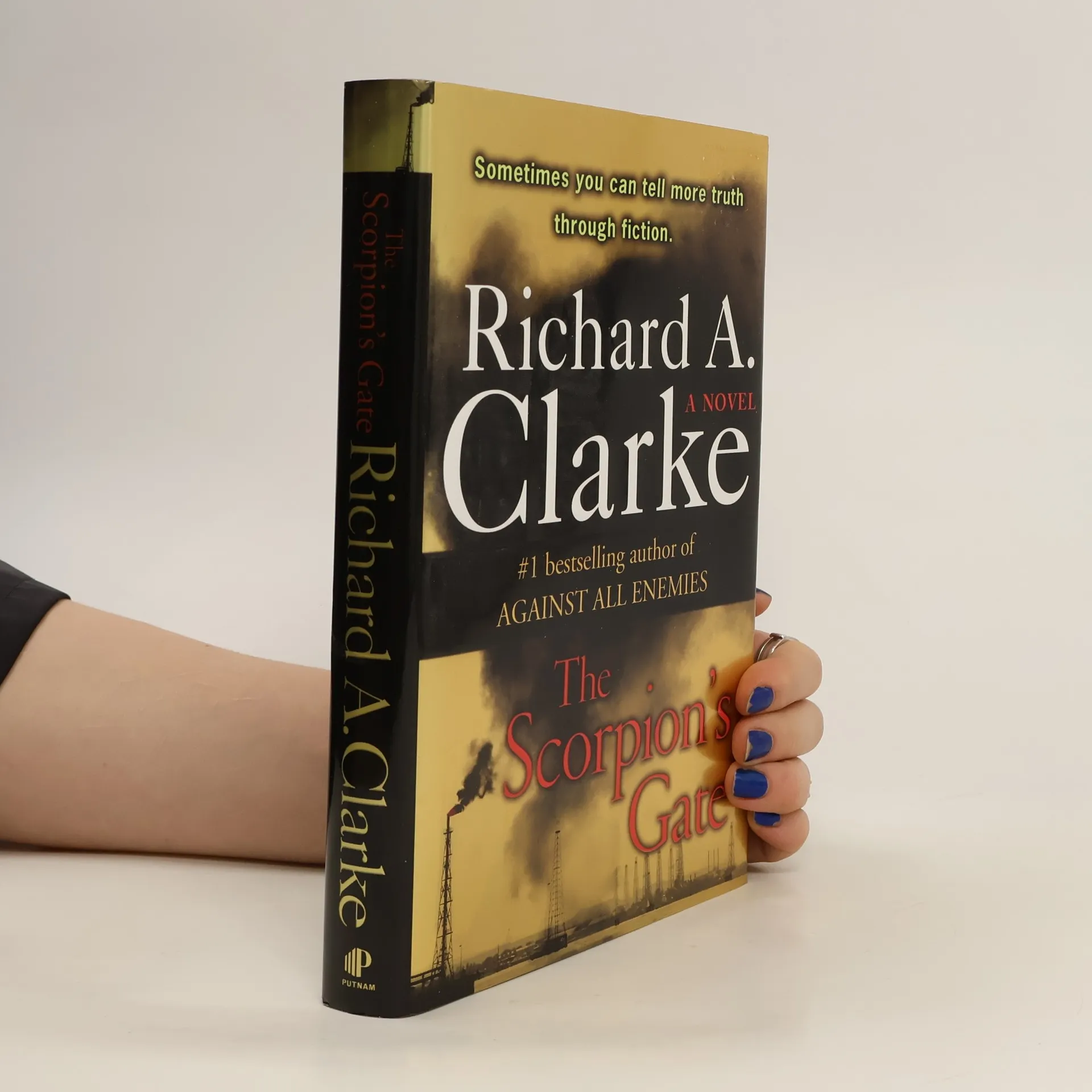
The year is 2010, Saudi Arabia is now Republic of Islamyah, the Chinese are providing arms and training to them, the Iranians have the bomb, and Secretary of Defense Henry Conrad thinks the time is ripe to invade Islamyah and seize its oil
Focusing on essential covenants in commercial property, this guide serves busy solicitors and surveyors by providing standalone chapters for each covenant type. It covers key legislative provisions, relevant case law, and practical issues encountered in practice. The text also details lease interpretation principles, the implications of the Landlord and Tenant (Covenants) Act 1995, and forfeiture principles, making it a valuable resource for professionals in the commercial property field. Each chapter is organized by topic for quick reference.
Richard A. Clarke, Amerikas Sicherheitsexperte Nummer eins warnt: Das World Wide Web ist nicht nur ein Segen, sondern auch eine Quelle neuer Gefahren, gegen die effektive Schutzmassnahmen ergriffen werden müssen..
The administration has squandered the chance to eliminate al Qaeda, leading to the emergence of a new, stronger threat partly due to our own actions and inactions. Richard Clarke, the former counterterrorism czar for both Bill Clinton and George W. Bush, asserts that we are not adequately addressing this danger. With two decades of experience combating terrorism, Clarke served seven presidents and worked in the White House until March 2003. He possesses unparalleled insight into the successes and failures of the Clinton years, the reasons behind the failure to prevent 9/11, and the Bush administration's response to the attacks. Clarke reveals the administration's disinterest in al Qaeda before September 11, as he struggled to convince officials to take the threat seriously. He encountered key figures who seemed unaware of al Qaeda, fixated instead on Iraq and even promoted discredited conspiracy theories about Saddam's involvement in past attacks. As the crisis manager on 9/11, Clarke witnessed the aftermath with dismay, noting that after initially ignoring plans to combat al Qaeda, President Bush made disastrous decisions when he finally acknowledged the threat. This work serves as both a powerful history of our long confrontation with terrorism and a sharp critique of the current administration's actions.