Saggi di letteratura straniera: La donna intera
Corpo, mente, amore e potere a trent'anni dall'Eunuco femmina


Germaine Greer è una scrittrice, giornalista e studiosa australiana di letteratura inglese moderna, ampiamente riconosciuta come una voce femminista fondamentale della fine del XX secolo. Le sue idee hanno suscitato controversie da quando la sua opera pionieristica è diventata un bestseller internazionale, proiettandola alla fama da un giorno all'altro e attirando sia ammirazione che critiche. Greer si dedica nella sua opera all'esame e alla decostruzione delle norme di genere e delle aspettative sociali, utilizzando uno stile spesso provocatorio e che stimola la riflessione. La sua importanza letteraria risiede nella sua incrollabile sfida alle strutture patriarcali e nella sua difesa dell'autonomia e della liberazione femminile.



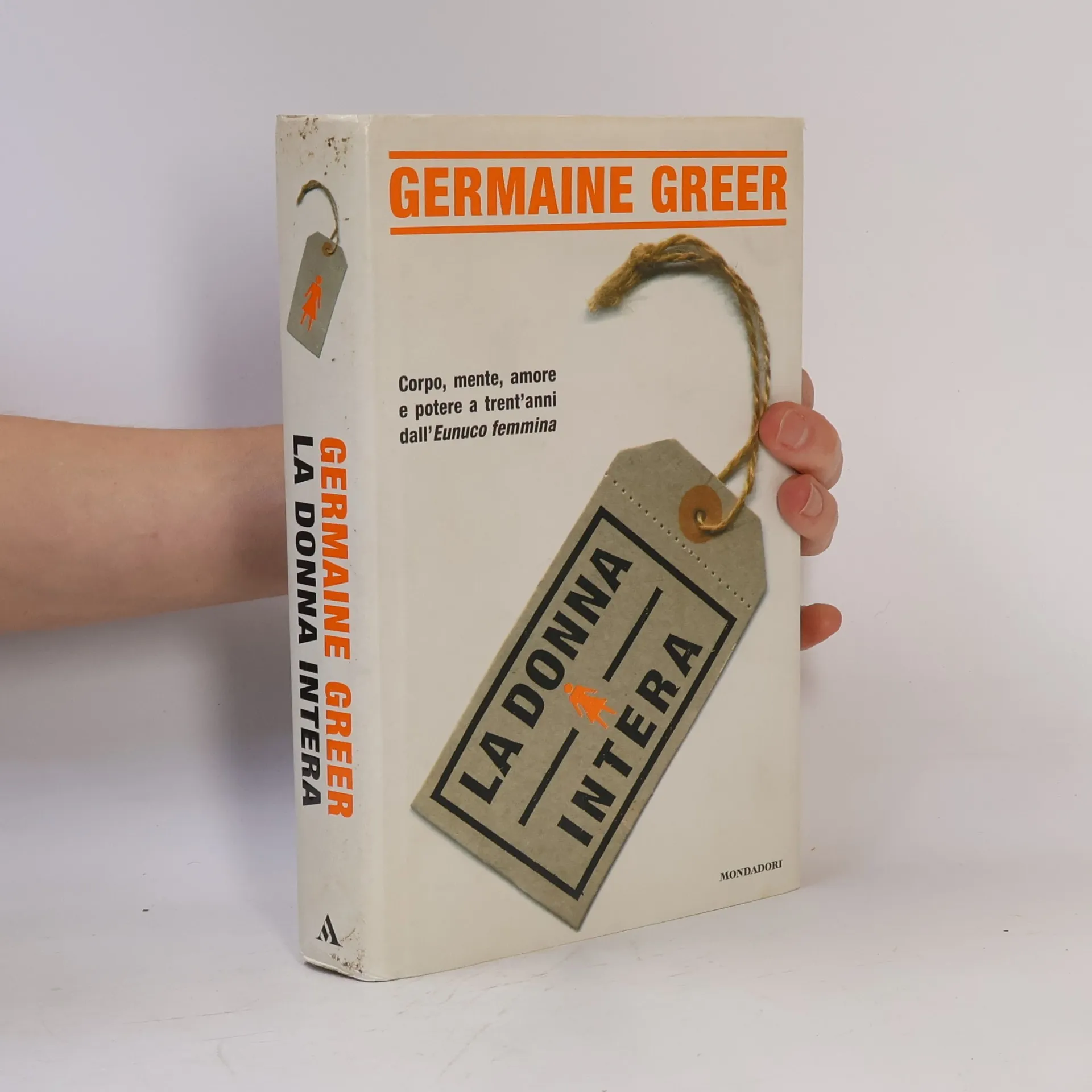
Corpo, mente, amore e potere a trent'anni dall'Eunuco femmina
Finding Pleasure and Intimacy at Every Stage of Life
A Provocative Blend of Old and New Sexual Wisdom As women become more attuned to their bodies they become more self-aware, and with this self-awareness comes a greater desire for meaningful intimacy. Elizabeth Davis empowers women to take control of their sexuality by blending lessons on physicality, emotion, intuition, creativity and spirituality. She unravels the mystery of how—and why—a woman’s desire changes during the course of her lifetime by describing the influences of Davis examines the impact that stress, overwork, major life events, relationship upheaval and sexual abuse can have on a woman’s sexuality. Chapters address sexual awakening and sex in the later years, including information on how hormonal changes during menopause are linked to increased insight and assertiveness. Women’s Sexual Passages is a frank, personal and exciting journey into women’s sexuality.
This publication documents the exhibition Stella Paintings, the first major solo show in the UK by the enfant terrible of British art. Stella Vine's paintings are exuberant, funny and irreverent. She is notorious for her portraits of Kate Moss and disturbing images of Princess Diana and the heroin victim Rachel Whitear, but she also paints her mother and her son from photographs and memory. Born in 1969 in Northumberland, Stella Vine studied painting part-time at Hampstead School of Art in 1999. Her work has been included in solo and group exhibitions in the UK and internationally, notably New Blood at the Saatchi Gallery in 2004 when she first came to public attention. Stella Vine currently lives and works in London. This fully illustrated publication accompanies the exhibition Stella Paintings held at Modern Art Oxford, July - September 2007.
Period Ancient Greek Athens is in the grip of a futile, destructive war with Sparta and its men are fighting abroad, taken away from their wives and families for long periods at a time. The women of Athens have had enough.
The term "slip-shod sibyls", adapted from a gibe of Alexander Pope, encapsulates the common contempt for the half-educated women who dared to expose themselves in the pre-1900 literary market-place. In this collection, Germaine Greer argues that the problem is not that such women were ignored but that, when most women were unable to express themselves in written form at all, and only a tiny minority dared to write in metre, the female poet was given undue attention, flattered and exploited only to be rejected and humiliated in her own lifetime and forgotten by posterity. She argues that what has come down to us is largely unworthy of inclusion in the canon. In many cases, the texts are inauthentic and cannot be relied upon to represent women's work or women's sensibility. As much of the poetry is intensely derivative, it cannot be evaluated by readers unfamiliar with the poets' models. This study examines the life and work of an extraordinary group of women - from the myth of Sappho to the dishonesty of Katherine Philips, the enduring mysteries of Aphra Behn and the tragic tale of Letitia Landon, forced to masquerade as "The Child of Song".
This title explores various themes related to boys, highlighting their sensuality, flirtatiousness, and vulnerability, from being passive love objects to soldier boys and the female gaze.
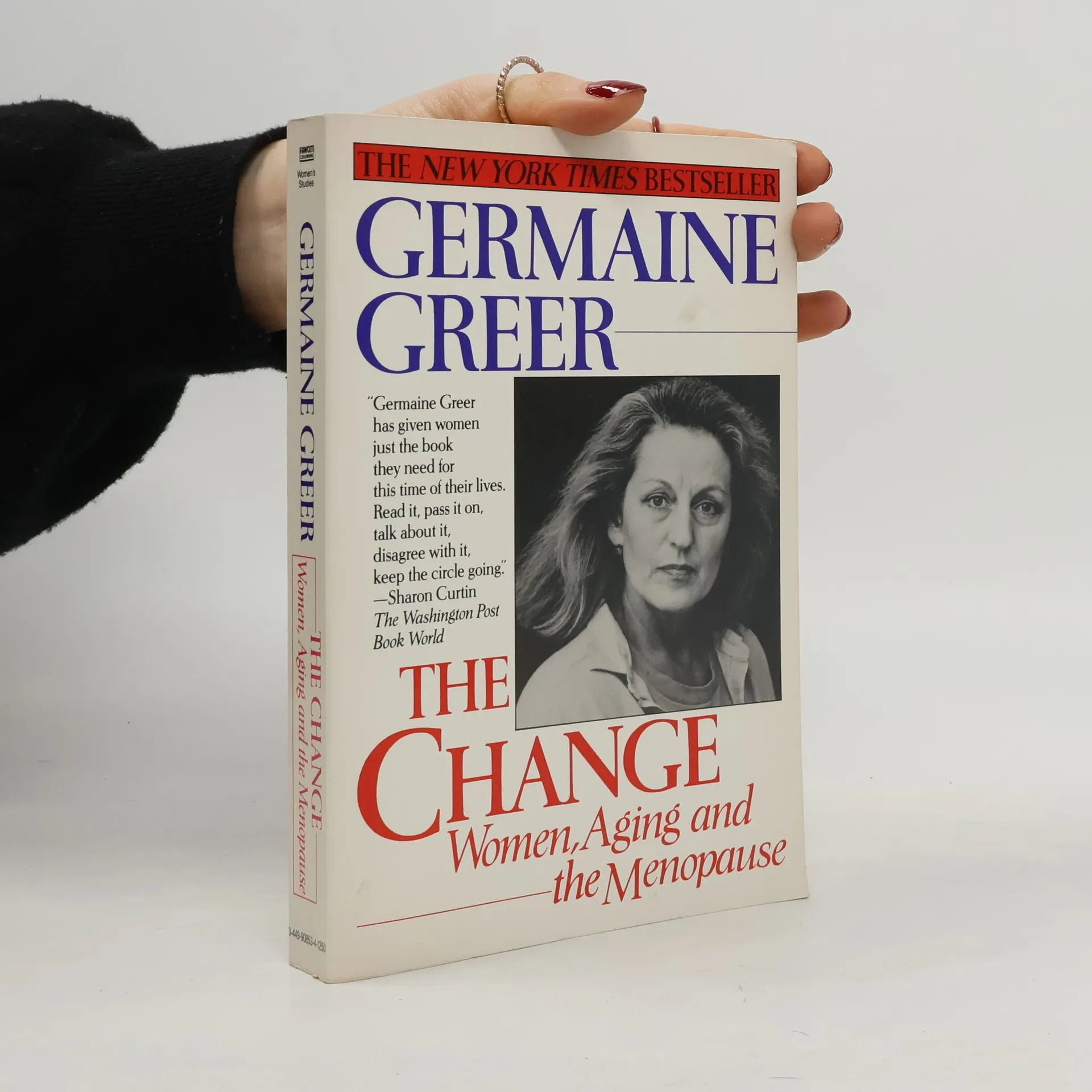
With outrage and compassion, insight and scholarship, the internationally bestselling author of The Female Eunuch confronts the subject of menopause. "A brilliant, gutsy, exhilarating, bruising, exasperating fury of a book".--The New York Times Book Review.
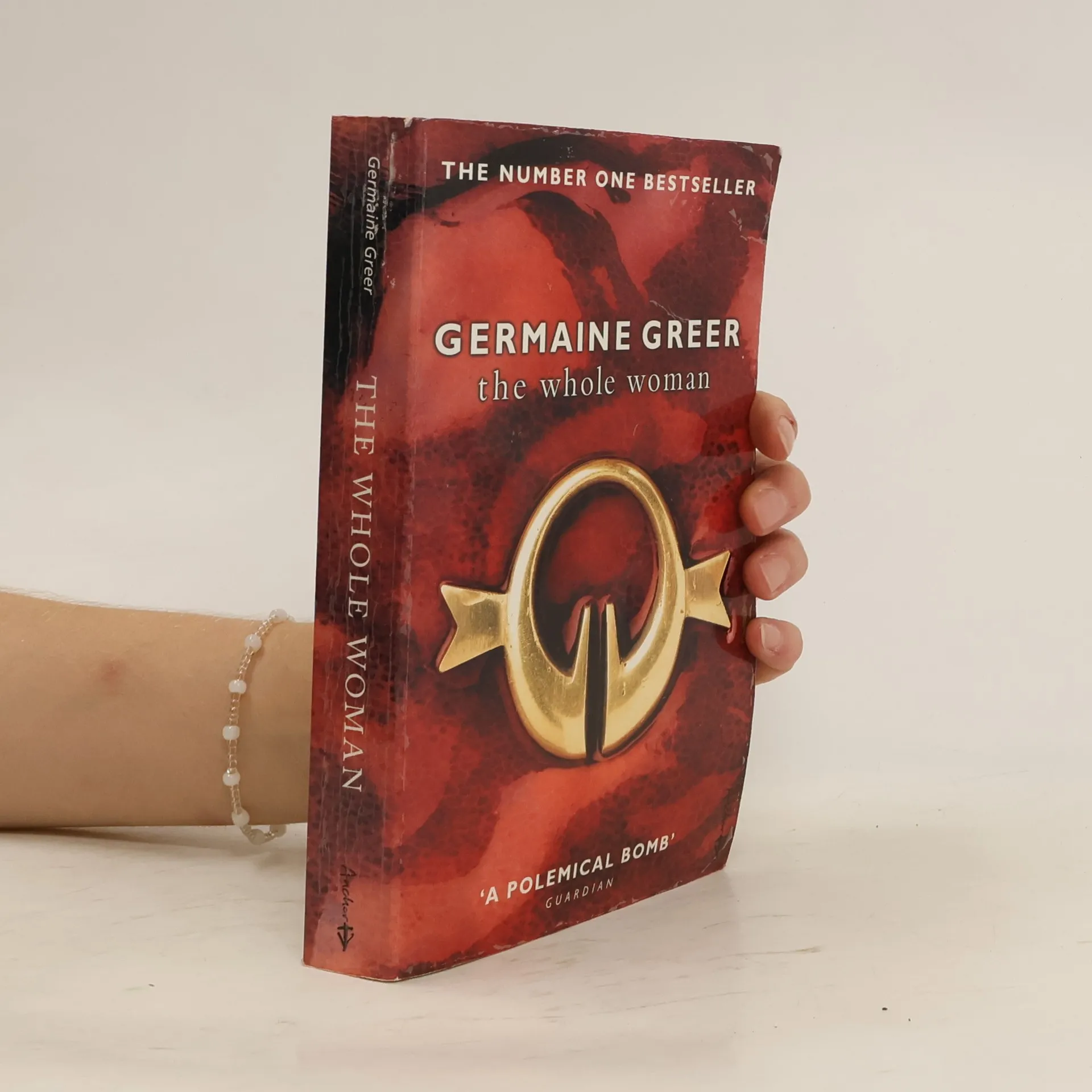
Germaine Greer proclaims that the time has come to get angry again! Modern feminism has become the victim of unenlightened complacency, and what started out in the Sixties as a movement for liberation has become one that has sought and settled for equality.With fiery rhetoric, authoritative insight, outrageous humour and broad-ranging debate, Greer shows that, although women have indeed come a very long way in the last thirty years, the notion of our 'having it all' has disguised the persistent discrimination and exploitation that continues to exist for women in the basic areas of health, sex, politics, economics and marketing.Erudite, eccentric, provocative and invigorating, Germaine Greer once again sets the agenda for the future of feminism as the millennium draws to a close. Here is all the polemical power that sold over a million copies of The Female Eunuch and kept its author at the heart of controversy ever since. The announcement in February 1998 that this book was coming was enough to send the world's media into a frenzied spin of speculation: The Whole Woman will be required reading for thinking adults everywhere.
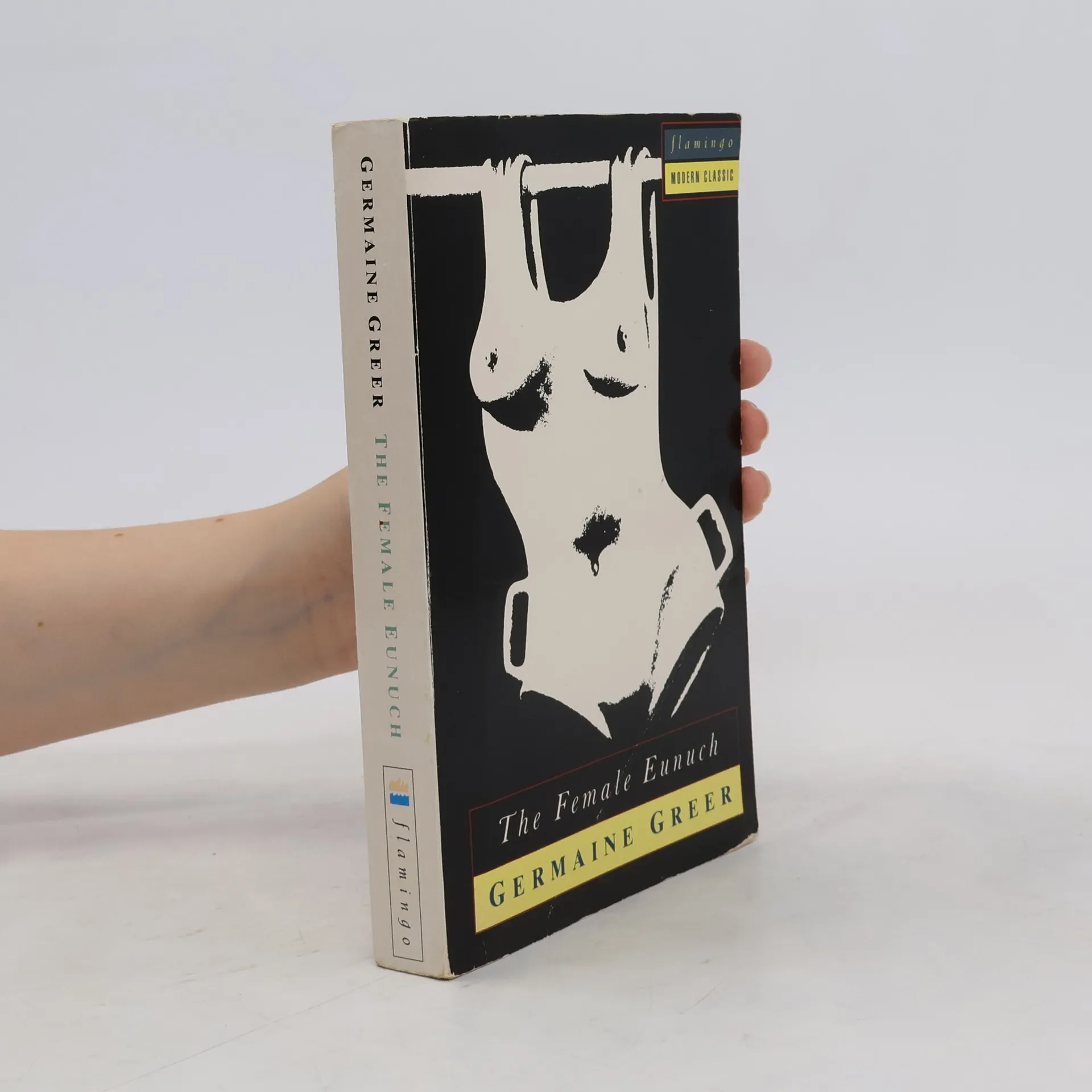
A new cover re-issue of the ground-breaking, worldwide bestselling feminist tract. A worldwide bestseller, translated into over twelve languages, THE FEMALE EUNUCH is a landmark in the history of the women's movement. Drawing liberally from history, literature and popular culture, past and present, Germaine Greer's searing examination of women's oppression is at once an important social commentary and a passionately argued masterpiece of polemic. Probably the most famous, most widely read book on feminism ever.
Presents hypotheses about the life of the farmer's daughter who married Shakespeare. This book asks questions, opens fields of investigation and research, and rights the wrongs done to Ann Shakespeare.
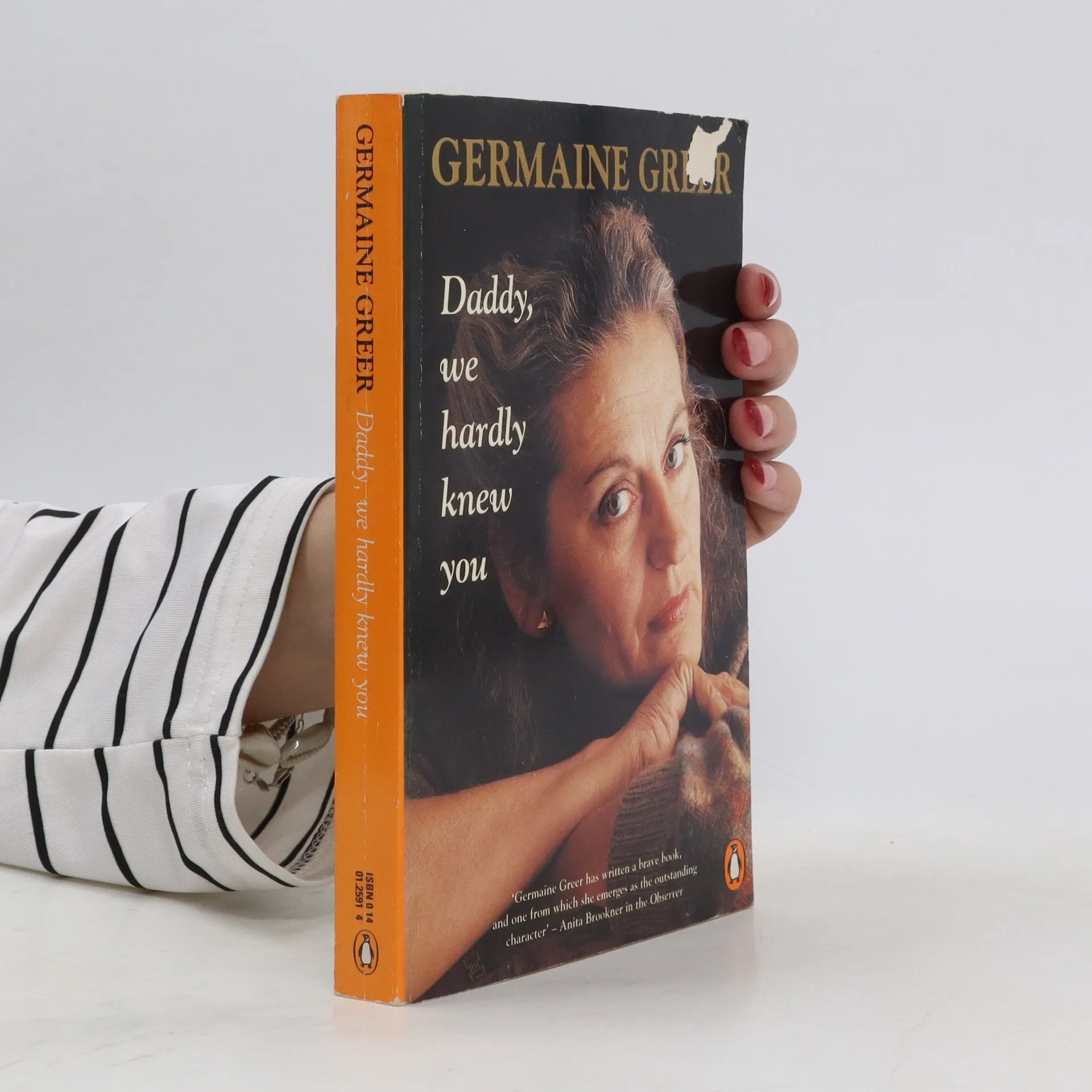
Germaine Greer recounts the search for the truth about her father, about whom she knew almost nothing. Her quest for his identity as well as her own took her from Tuscany back to Australia, into dusty archives, to India, Malta, to the high table of a Cambridge college and again to Australia.
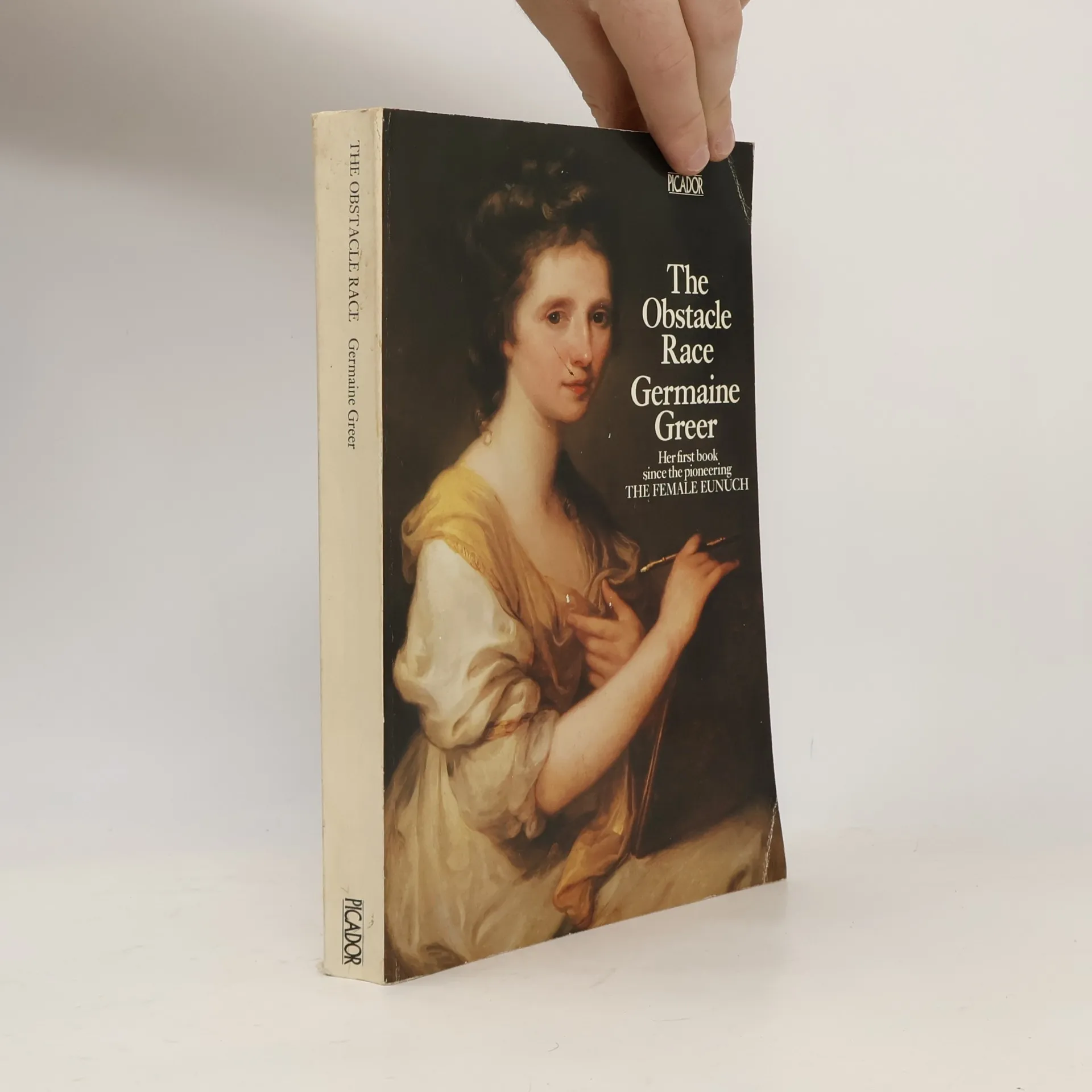
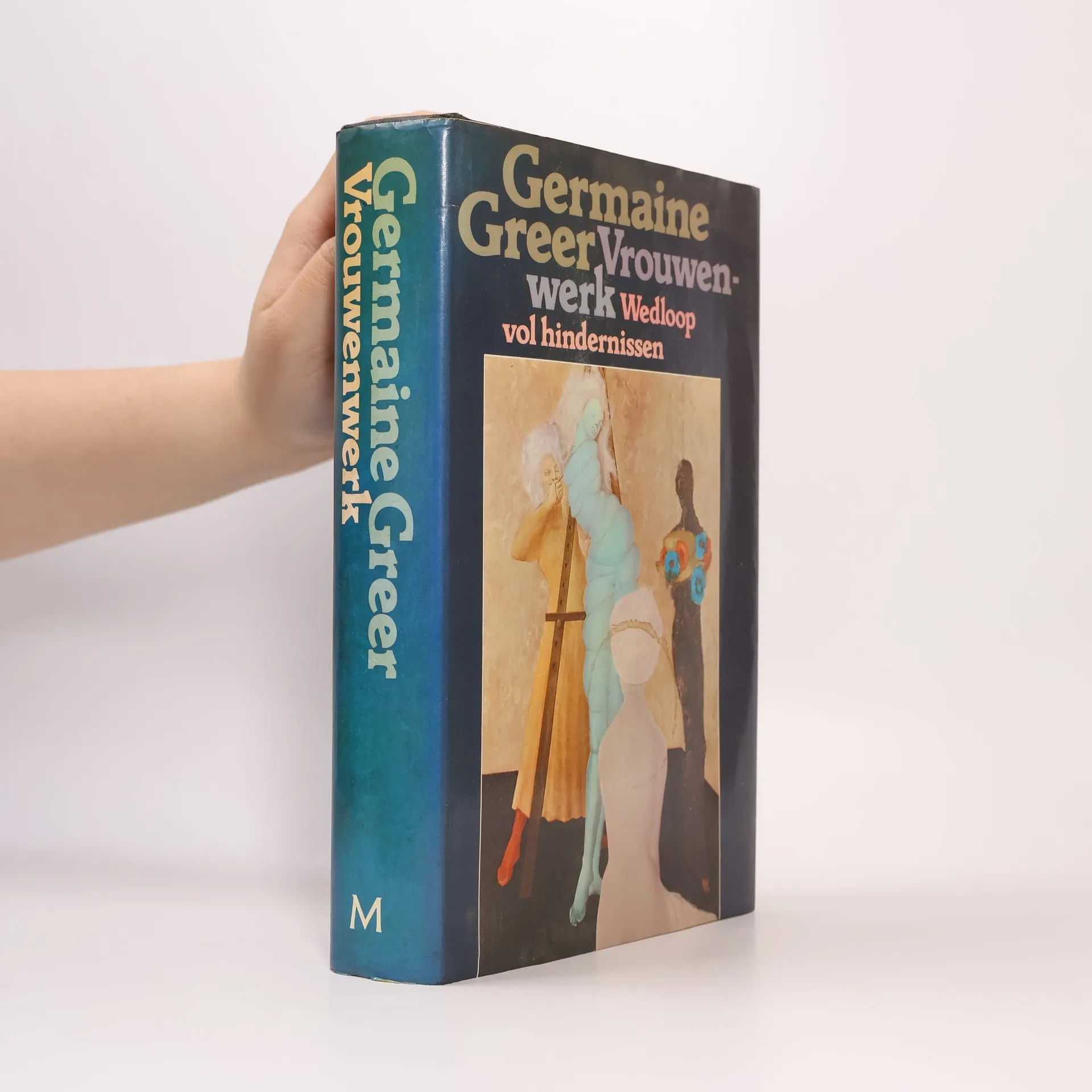
If men and women are equally capable of genius, why have there been no female artists of the stature of Leonardo, Titian, or Poussin? Germaine Greer presents significant yet underrated figures in the history of Western painting – Angelica Kauffmann, Natalia Goncharova, Suzanne Valadon, Berthe Morisot, Käthe Kollwitz – and provides a brilliantly insightful and richly illustrated study. She explains the obstacles as both external, surmountable, and internal, insurmountable in the pursuit of success.
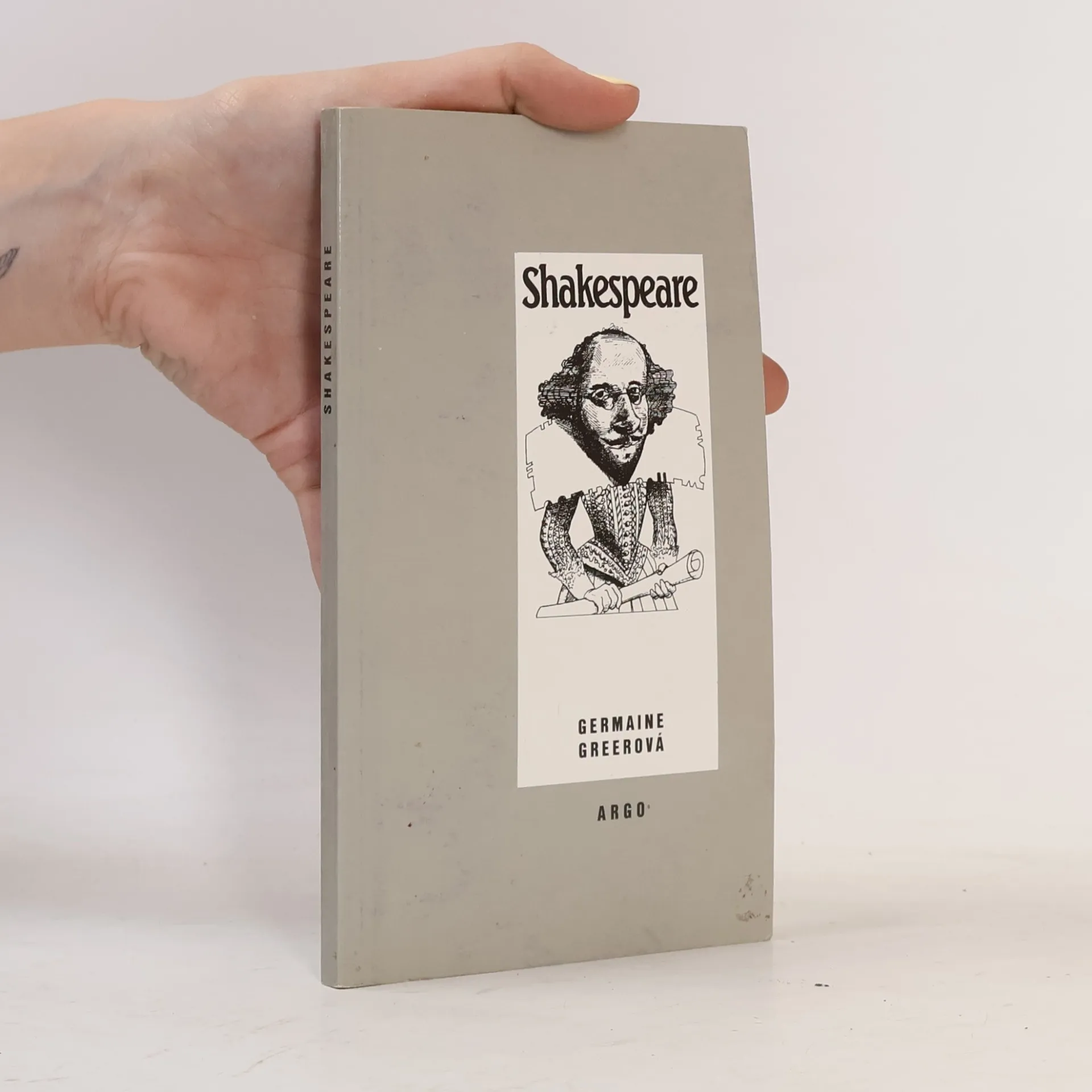
A clear introduction to Shakespeare's plays, this volume examines them in detail and shows how Shakespeare dramatized moral and intellectual issues in such a way that his audience became dazzlingly aware of an imaginative dimension to daily life. Germaine Greer argues that as long asShakespeare's work remains central to English cultural life, it will retain the values which make it unique in the world.
‘Sexual assault does not diminish; relations between the sexes do not improve. There has to be a better way.’ Germaine Greer "It’s time to rethink rape. Centuries of different approaches to rape—as inflicted by men on women—have got us nowhere. Rape statistics remain intractable: one woman in five will experience sexual violence. Very few rapes find their way into court. The crucial issue is consent, thought by some to be easy to establish and by others impossible. Sexual assault does not diminish; relations between the sexes do not improve; litigation balloons. In On Rape Germaine Greer argues there has to be a better way."
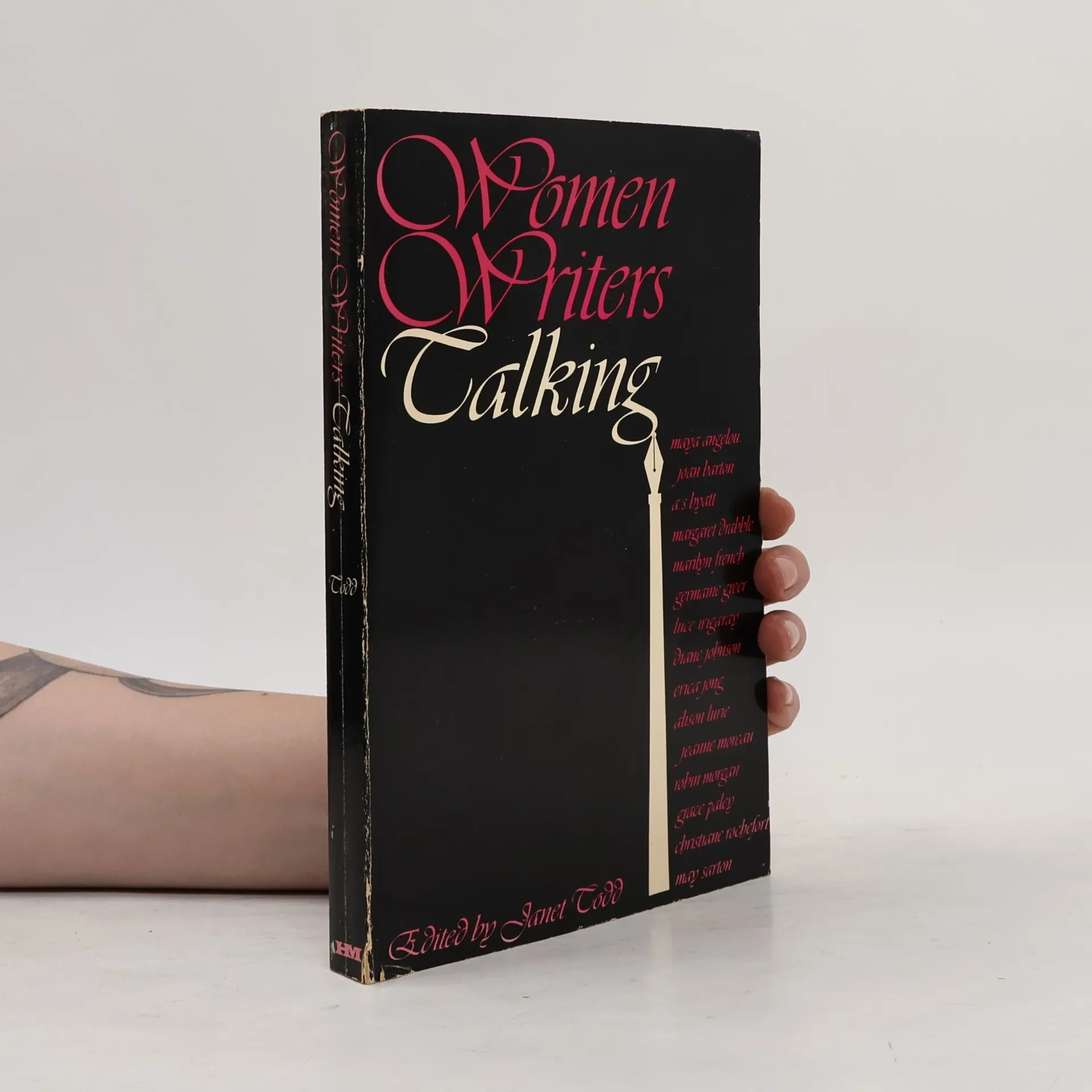
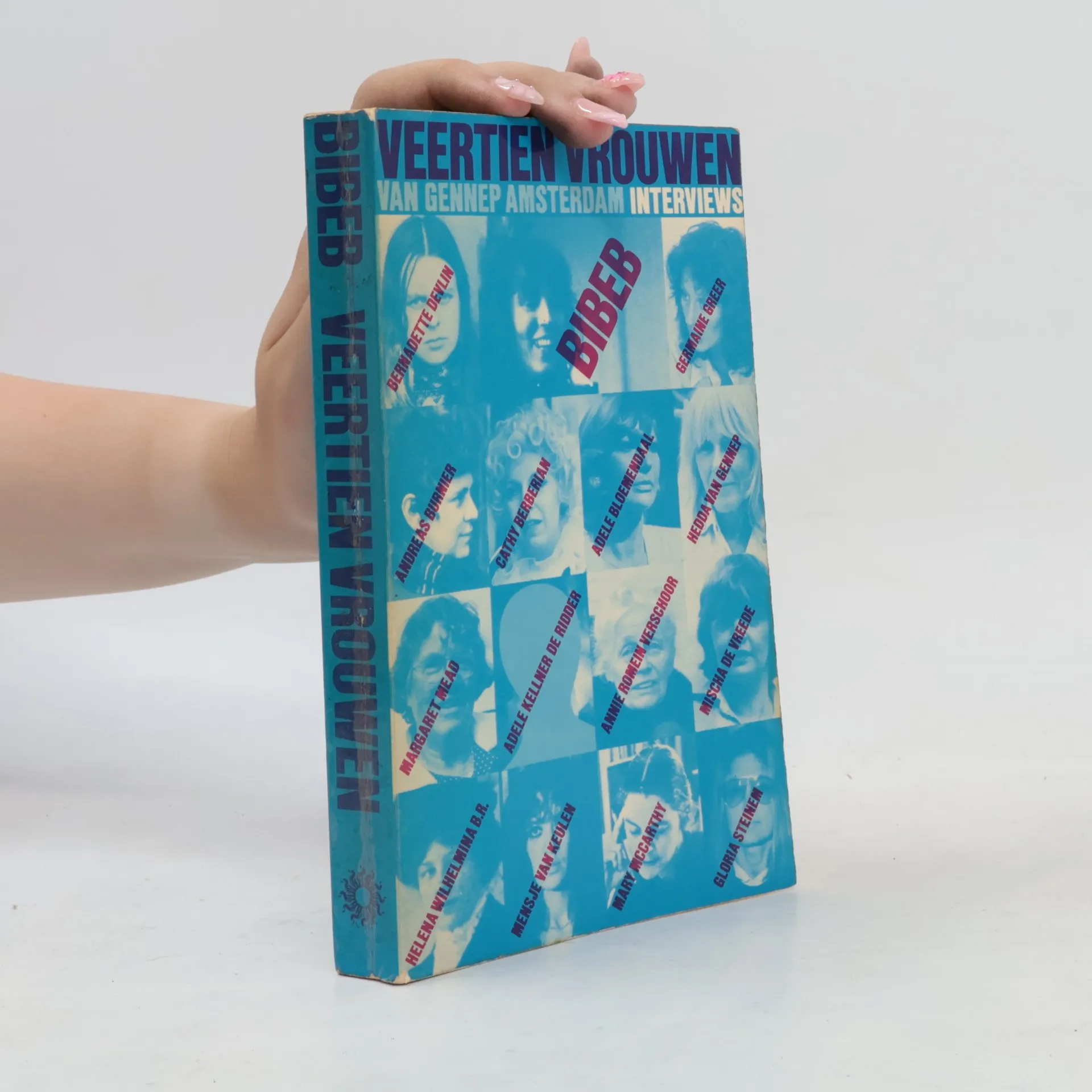
Contains interviews by critics and scholars with some of the foremost women writers, including Maya Angelou, A S Byatt, Luce Irigaray, Erica Jong, Jeanne Moreau, and Grace Paley.
Některé postřehy o Shakespearově díle z různých aspektů.
»Im Büchlein HECKENGEFLÜSTER erwartet Sie Bösartiges aus dem geplagten Leben einer Londoner Gärtnerin in einer hübschen Verpackung in witziger Form zu Papier gebracht. Übles gibt's da einiges, wie beispielsweise Kinder, die Rosen zerhacken oder Bauarbeiter, die Abfall durch die Äste der Linden schmeißen. Auch Nachbarn, Hunde, Passanten und Touristen zählen zu den Plagen einer Gärtnerin in der englischen Hauptstadt und kriegen ihr Fett ab. Doch nicht nur daheim, auch in fremden Gärten stößt die Autorin auf unliebsame Überraschungen...« sofagaertnerin. blogspot. com
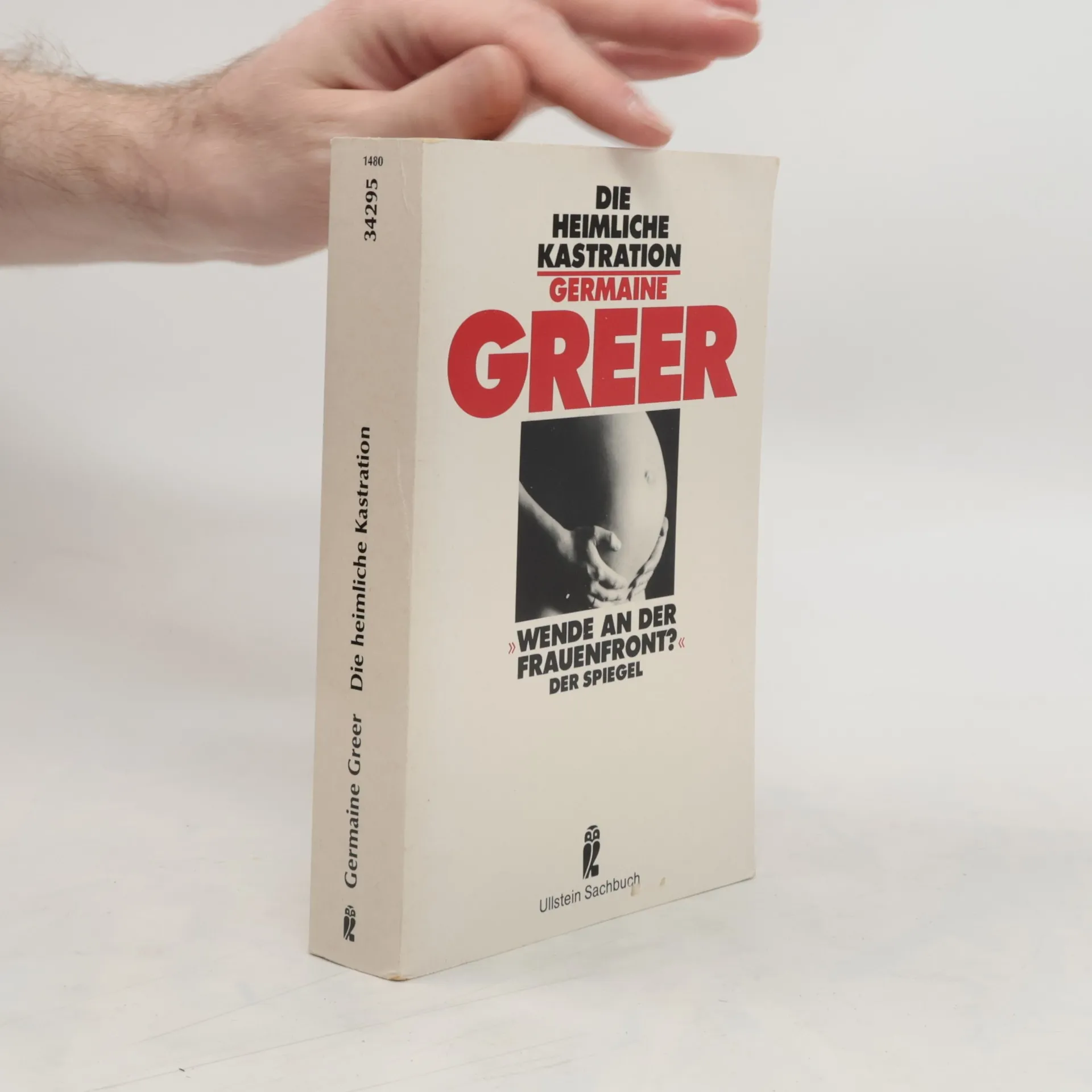
Ausflüge in Literatur und Historie beleben die beachtliche Fleissarbeit, in der die Feministin en gros Forschungsergebnisse referiert und ermutigt, das innere Drama der Wechseljahre als Lehrstück und als Chance zur Freiheit für ein neues Leben zu begreifen.
Ontroerende zoektocht naar haar vader
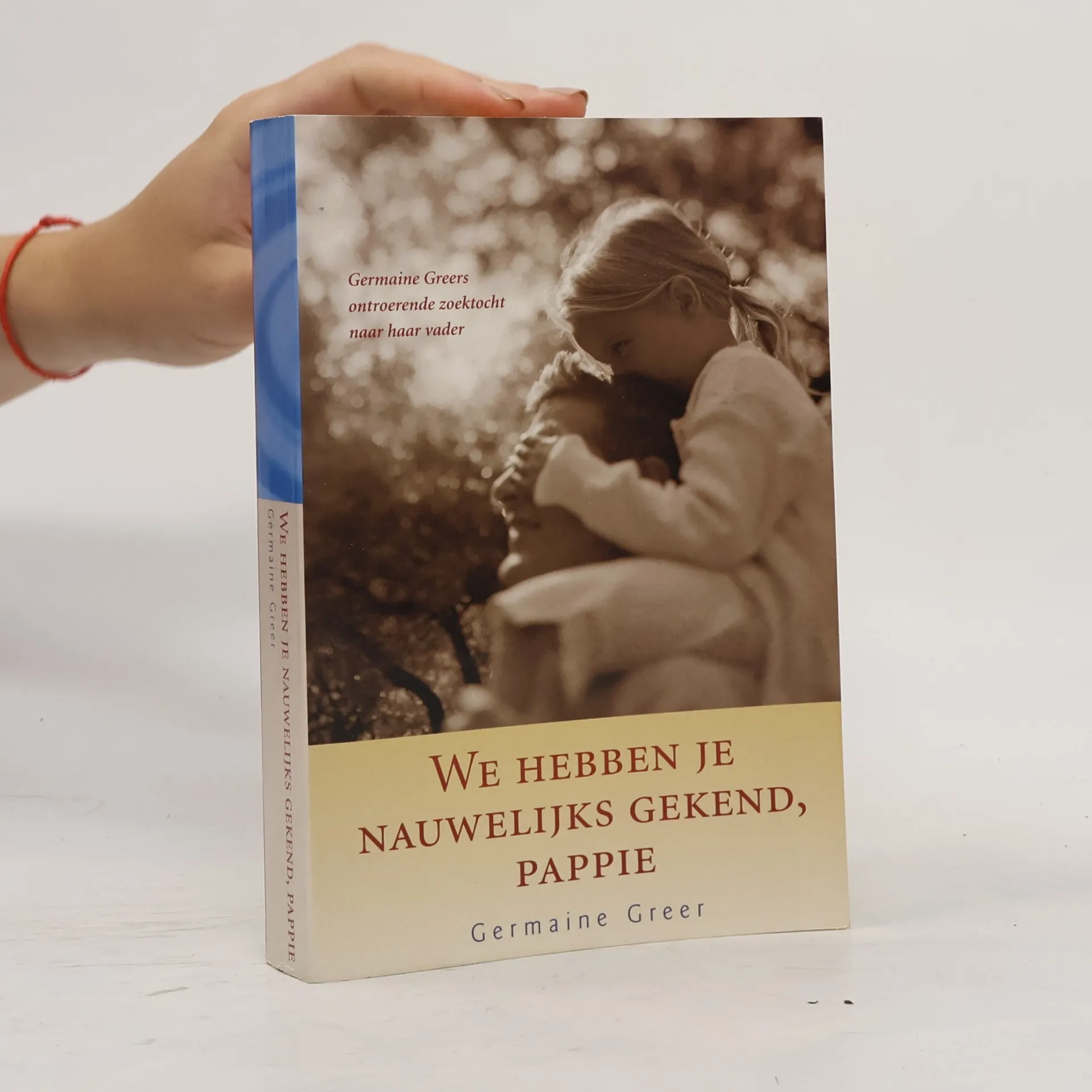
WE HEBBEN JE NAUWELIJKS GEKEND, PAPPIE. Germaine Greer onderneemt in dit boek een speurtocht naar haar vader, die vanaf haar vroegste jeugd met mysteries omgeven is geweest. Wie was Reg Greer? Wat gebeurde er met hem als militair in de Tweede Wereldoorlog, dat hij na terugkeer zo onbereikbaar voor zijn omgeving was en aan gruwelijke angstaanvallen leed? En waarom sprak hij nooit over zijn familieachtergronden? Wie was hij werkelijk, deze beminnelijke, raadselachtige gentleman zonder verleden? WE HEBBEN JE NAUWELIJKS GEKEND, PAPPIE is een meeslepende reportage, die de kwaliteiten van een spannende detective verenigt met die van een avontuurlijk reisboek, waarin Germaine Greer ons meevoert van Italië tot India en van Australië tot Malta. Het getuigt van de ijzeren wilskracht van iemand die een persoonlijke tragedie wil ontraadselen, om daarmee ook met haar eigen leven in het reine te komen.
/ 9029010320 / Sociology / Nederlands / Dutch / Néerlandais / Niederländisch / hard cover / dust jacket / 18 x 25 cm / 374 .pp /