Questo autore e attivista politico americano si occupa principalmente di etica e politica pubblica, concentrandosi spesso sul rapporto tra religione e democrazia liberale. Il suo lavoro esplora le sfide di una società libera nel contesto del capitalismo, sottolineando le dimensioni morali della vita politica. Agisce come una voce intellettuale significativa che cerca di collegare il pensiero teologico con le questioni pratiche del mondo contemporaneo. Le sue analisi sono preziose per comprendere le più profonde basi filosofiche dei sistemi politici e sociali.
To poruszająca książka, która przymusza czytelnika do przemyślenia swej wiary
oraz katolickości. George Weigel sprowokował nią już debatę w kolegium
kardynalskim, a teraz rozpoczyna ją w Kościele na całym świecie. To publikacja
o wyzwaniach nowego papieża, który w świecie pełnym zamętu będzie musiał
łączyć wierność tradycji z odwagą pioniera nowej ewangelizacji. Maciej Zięba
OP, dominikanin, teolog, filozof, publicysta.
For the faithful, the doubtful, and the searchers of every age, these letters convey the power of the Catholic faith that is at once personal and universal, timely and eternal. In this remarkable exploration of the Catholic world, prominent Catholic author and papal biographer George Weigel offers a luminous collection of letters to young Catholics, not-so-young Catholics, and curious souls who wonder what it means to be Catholic today. Weigel takes readers on an epistolary tour of Catholic landmarks -- from Chartres Cathedral to St. Mary's Church in Greenville, South Carolina; from the Holy Sepulcher in Jerusalem to G.K. Chesterton's favorite pub in Oxford; and from the grave of a modern martyr in Warsaw to the Sistine Chapel. Weaving together insights from history, literature, theology, and music, Weigel illuminates the beliefs that give Catholicism its distinctive texture and explores the theological importance of grace, prayer, vocation, sin and forgiveness, suffering, and -- most importantly -- love. To a world that sometimes seems closed and claustrophobic, he suggests, Christian humanism offers a world with windows and doors -- and a skylight.
Pope John Paul II -- The Victory of Freedom, the Last Years, the Legacy
590pagine
21 ore di lettura
In the spring of 2005, as the world watched the apostolic palace in Rome, the pontificate of Pope John Paul II was recognized as one of the most significant in Christian history. Esteemed author and NBC Vatican analyst George Weigel presents a long-awaited sequel to his international bestseller, offering a dramatic account of the Pope’s battle against communism, enriched by newly disclosed information. This narrative concludes Weigel’s comprehensive portrayal of a figure who profoundly influenced the Catholic Church and world history. Elected pope in 1978, Karol Wojtyła rapidly sparked a revolution of conscience in Poland, ultimately contributing to the fall of European communism and the Soviet Union. However, few were aware of the extensive, covert operations waged against him by the KGB, Polish Secret Police, and East German Stasi. With unprecedented access to Soviet-era documents, Weigel details John Paul’s fight against these oppressive forces. Additionally, he explores the Pope’s challenging final years, marked by illness and revelations of corruption within the Church. Weigel’s insightful biography culminates in a passionate assessment of a man whose life exemplified hope and commitment to Christian ideals.
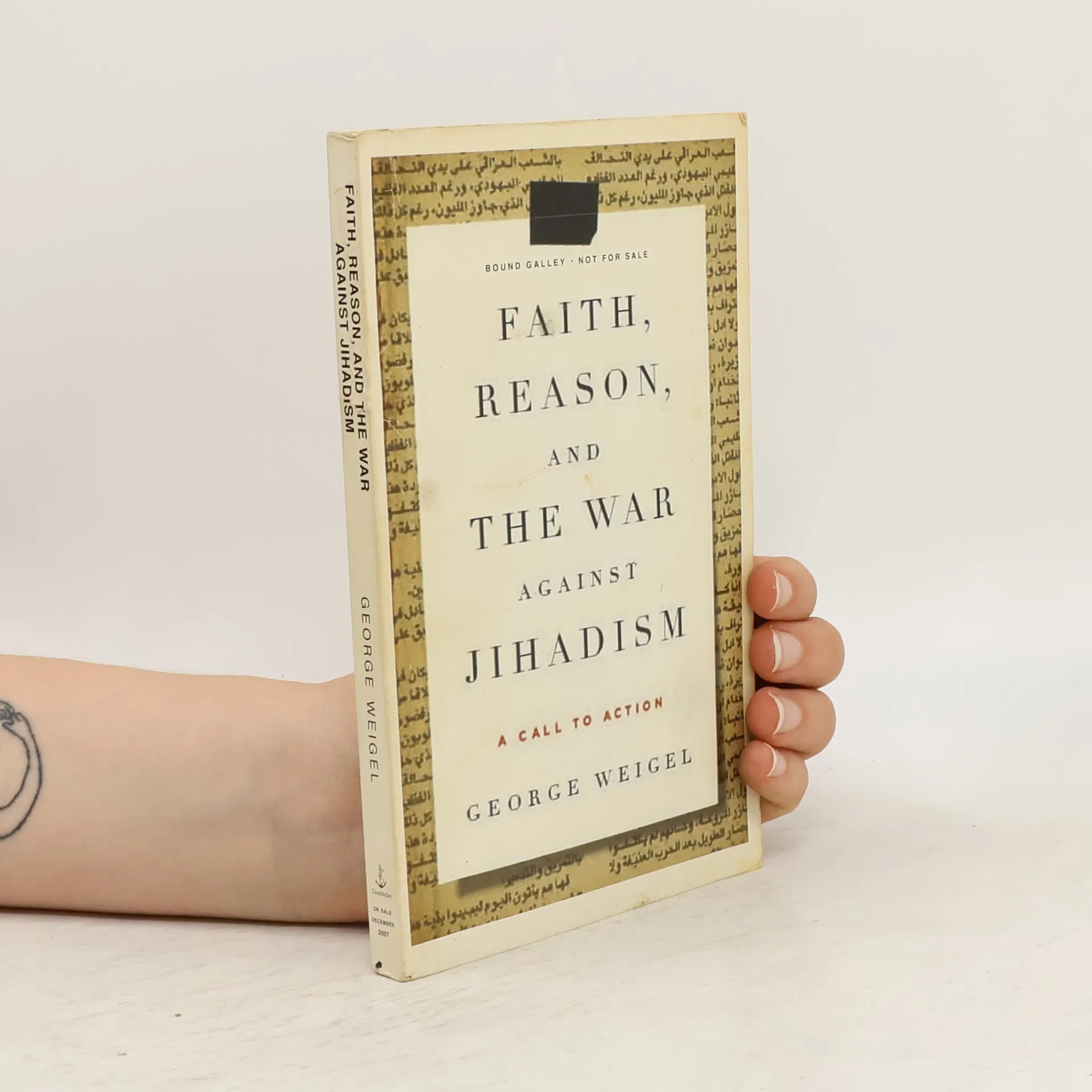
In an unsettled Middle East, with al-Qaeda and other terrorist groups actively plotting against America and its allies, and the spillover from religious conflict in Muslim countries spreading instability and violence worldwide, George Weigel’s *Faith, Reason, and the War Against Jihadism* is an acute analysis of one of the most dynamic forces in world politics today – Islamist jihadism. After tracing the complex historical and theological roots of the jihadist movement, Weigel offers a comprehensive strategy for defeating jihadism and supporting those forces within Islam that seek a Muslim accommodation with religious freedom, the separation of religious and political authority in the state, and other key accomplishments of political modernity. Above all, Weigel insists that the West must take seriously the religious origins and rationale of jihadism if it is to meet the challenge posed by men of violence who claim to act in the name of God.
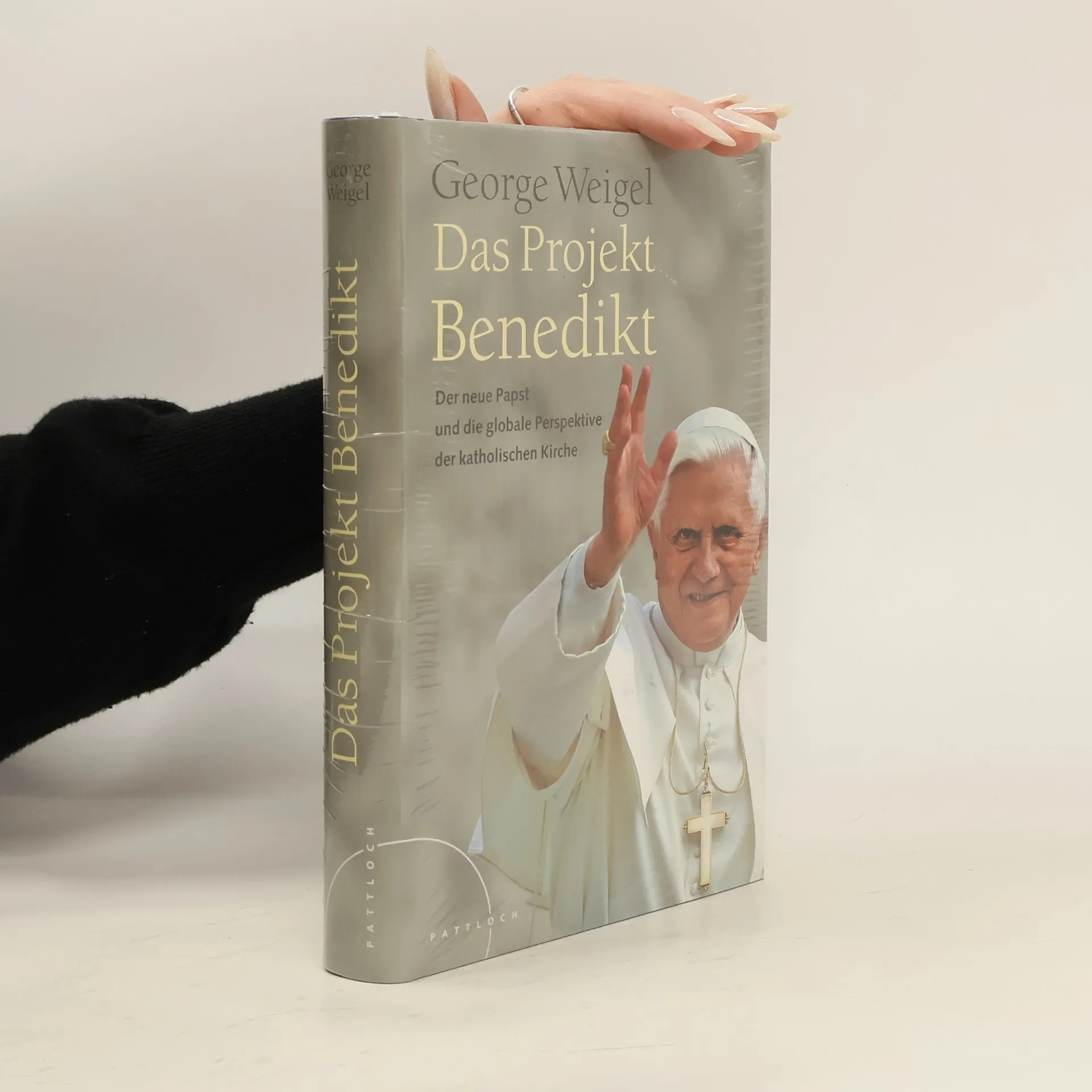
Johannes Paul II. ist mit einem dramatischen Gestus des Glaubens von uns gegangen. Sein Freund, bis dahin der geniale Chefdenker der Kirche, hat als Benedikt XVI. das Steuerrad in Rom übernommen. Die Ereignisse überschlagen sich: Das ehemals christliche Abendland sucht verzweifelt nach Wertorientierung. Die Jugendlichen entdecken den Glauben wieder. Der neue Papst diskutiert auf Augenhöhe mit den größten Geistern der Erde. Benedikt wird zum internationalen Wortführer einer Zivilisation der Liebe. Was geschieht da eigentlich? George Weigel, die führende katholische Stimme Amerikas, legt mit »Das Projekt Benedikt« die Weltbilanz einer Wendezeit vor. Weigel, der berühmt wurde durch sein bedeutendes Standardwerk über Johannes Paul II., war und ist einer der wichtigsten Laienberater von beiden Päpsten. Wie kein anderer ist er berufen, schon jetzt die großen Linien eines Pontifikates darzustellen, das von Tag zu Tag mehr an Fahrt gewinnt.
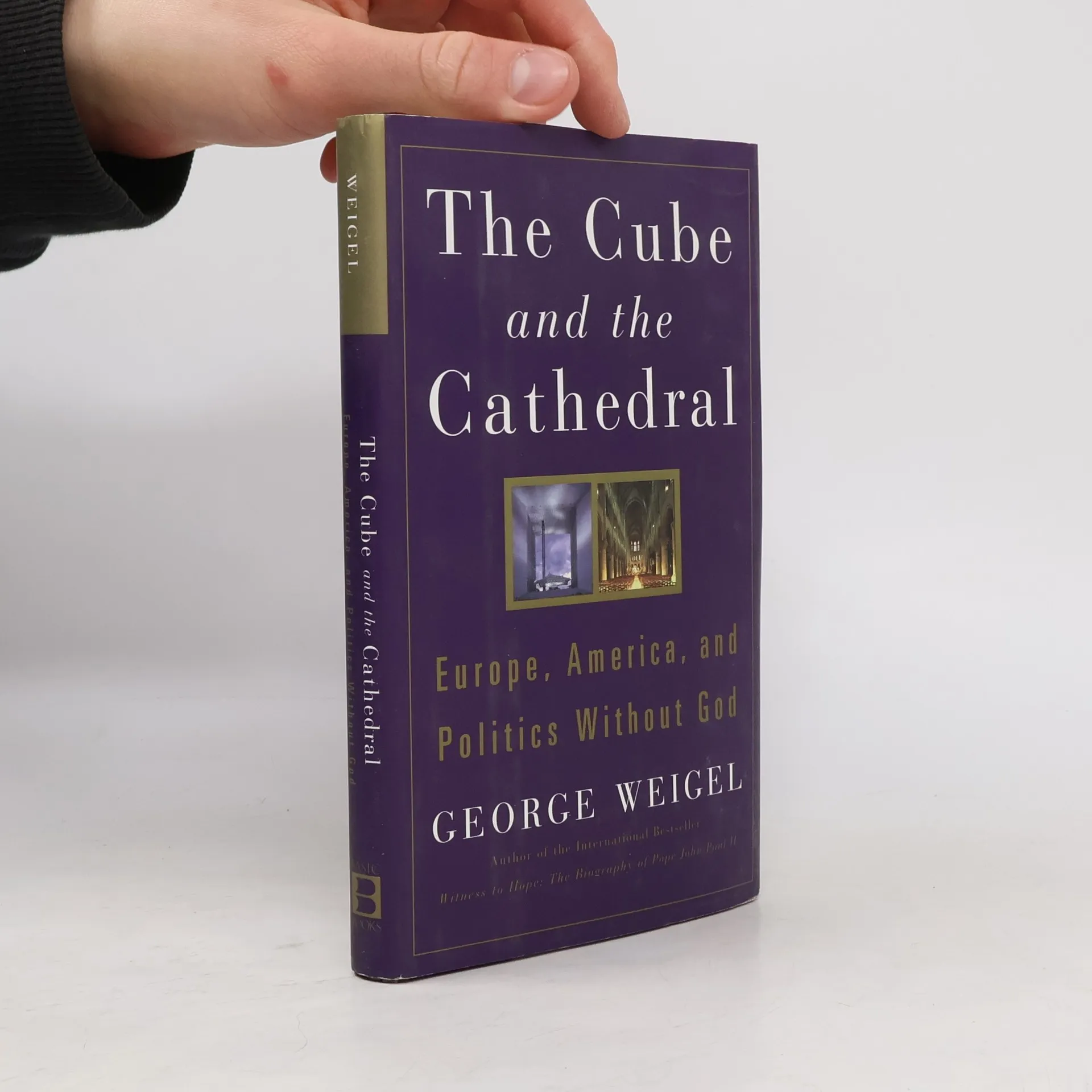
Argues that Europe's separation of religion from politics has led to its decline and that religion, instead of being suspect, should be viewed in the U.S. and Europe as an ally of human rights and freedom.
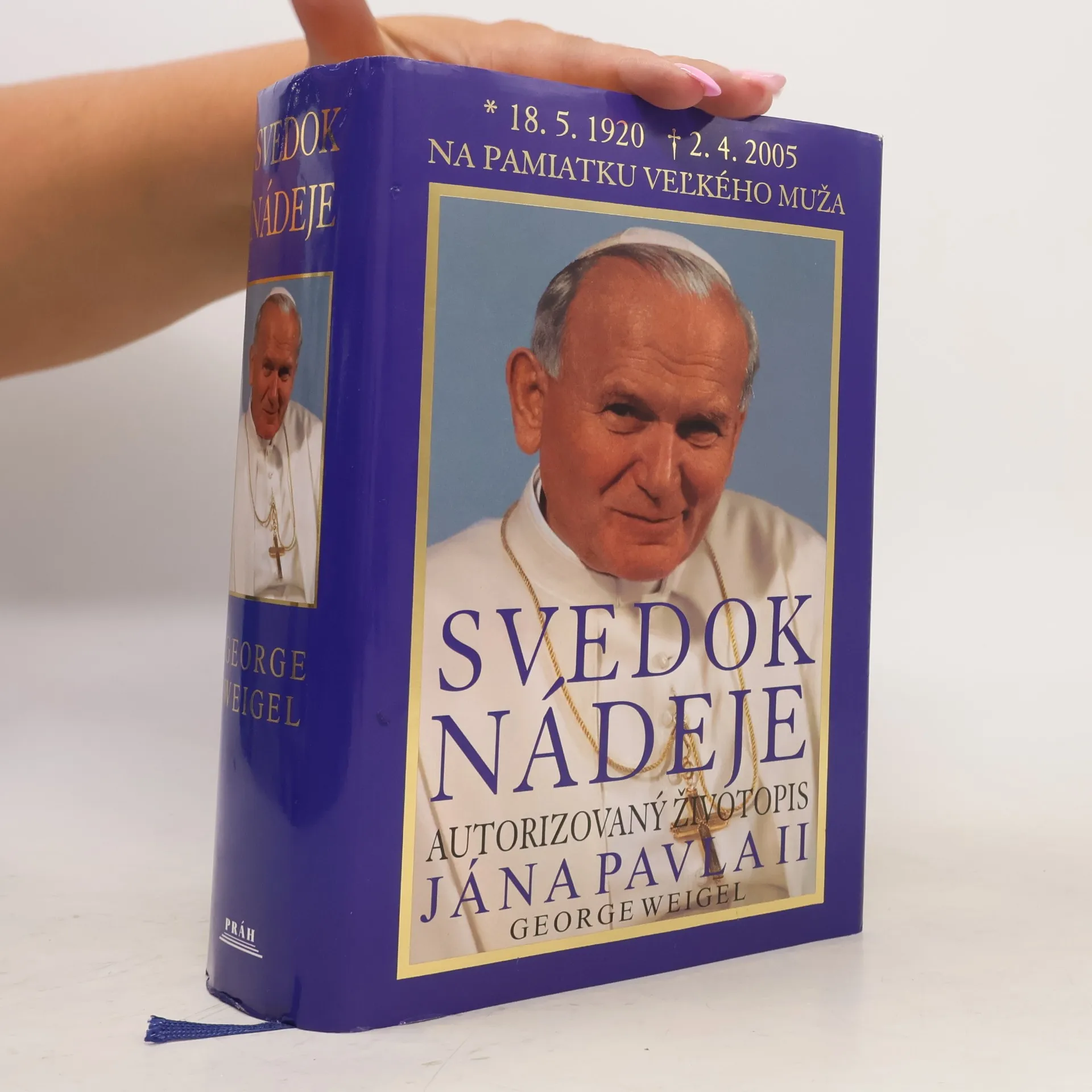
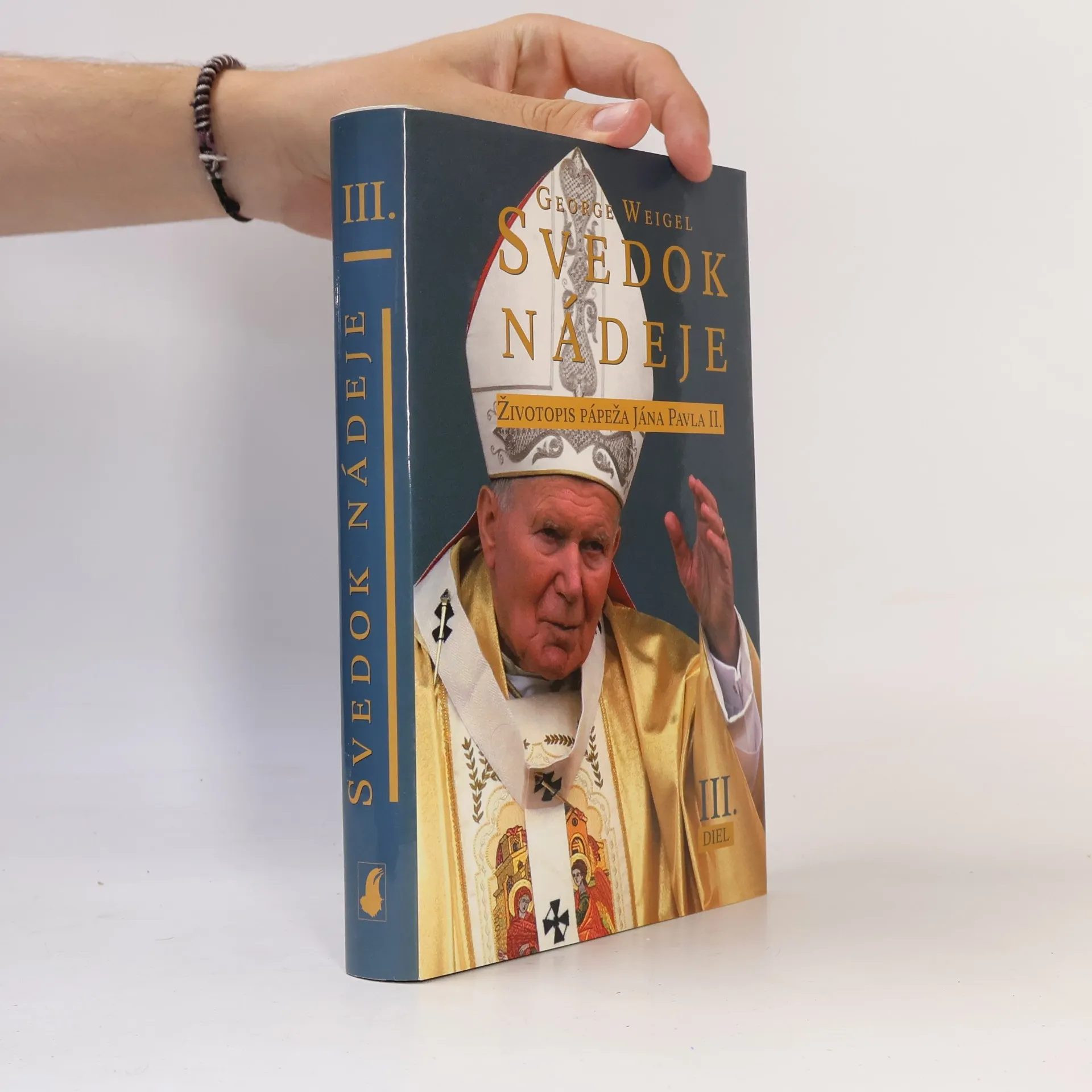
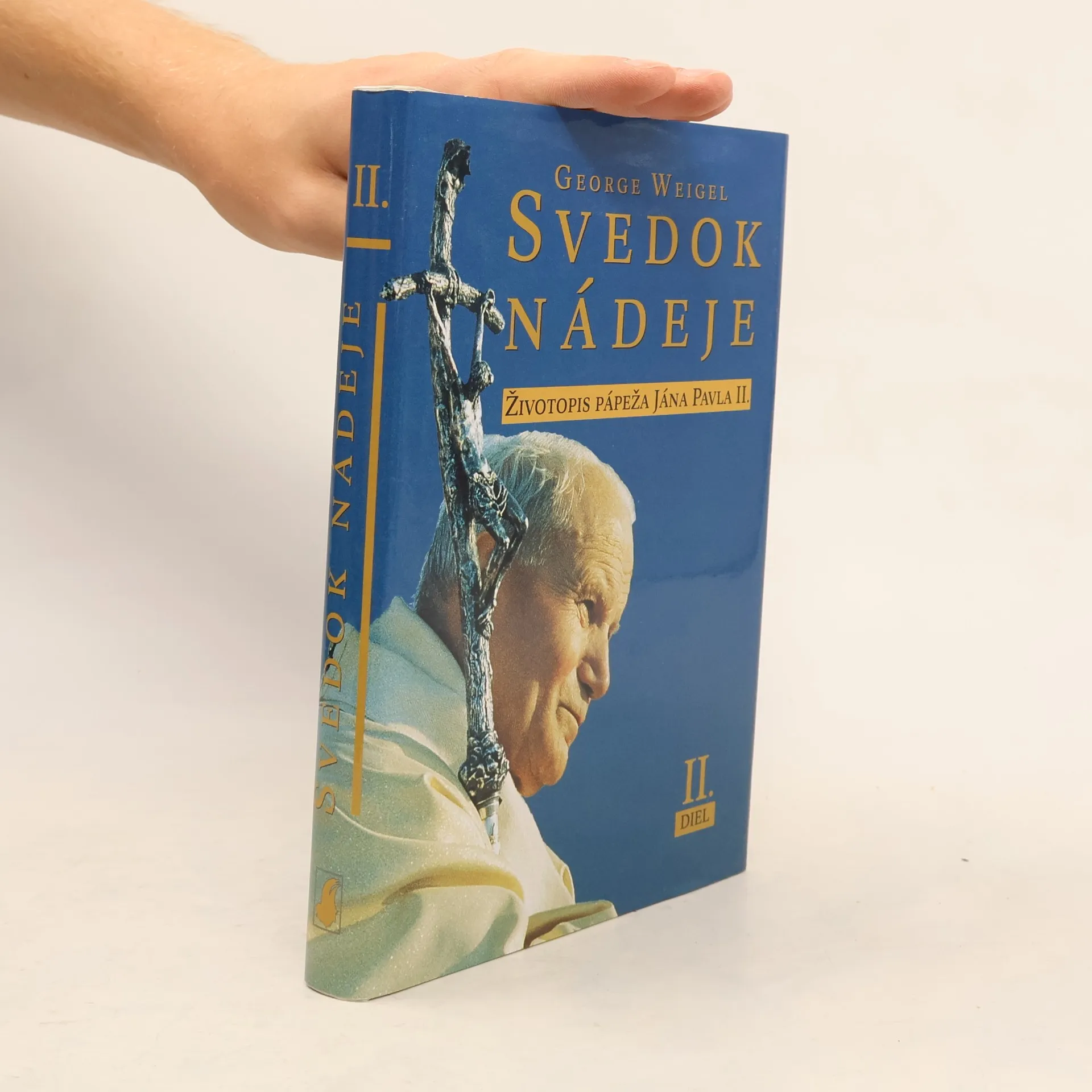
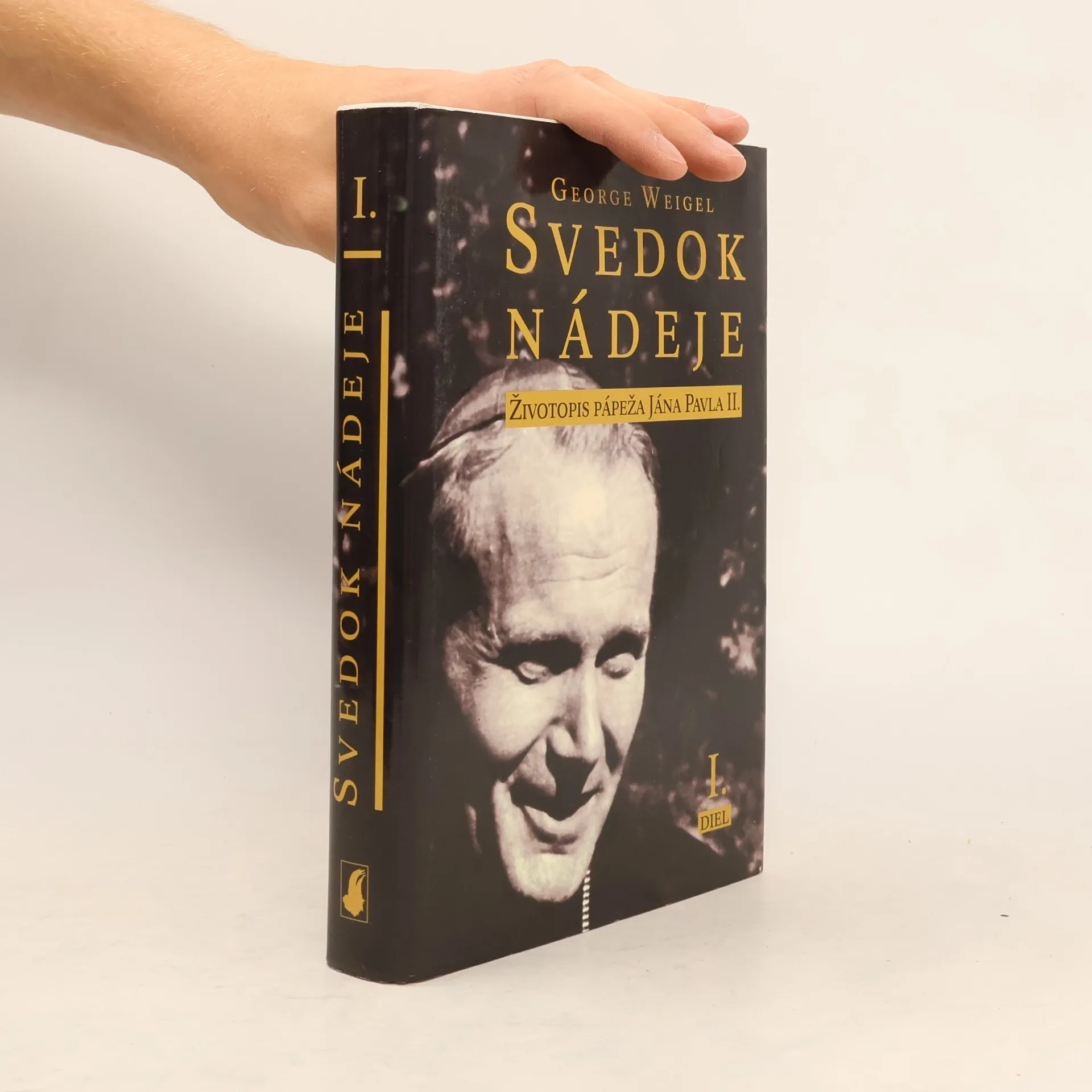
Literárne vyzreté objavovanie života človeka, ktorý dvadsať rokov zásadne poznačoval osudy Cirkvi a sveta, dával smer končiacemu sa storočiu a vstupný tón nádeje novému tisícročiu.
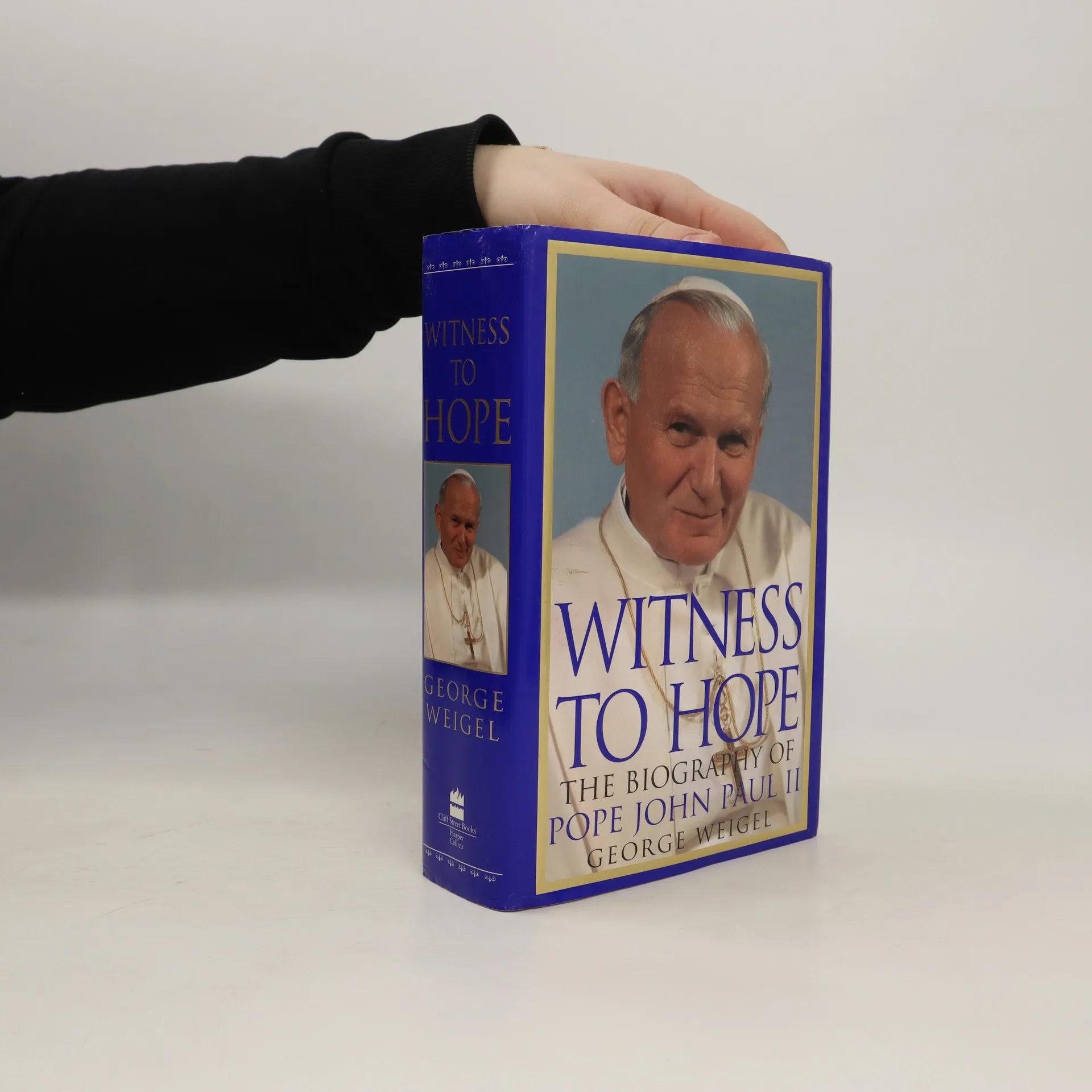
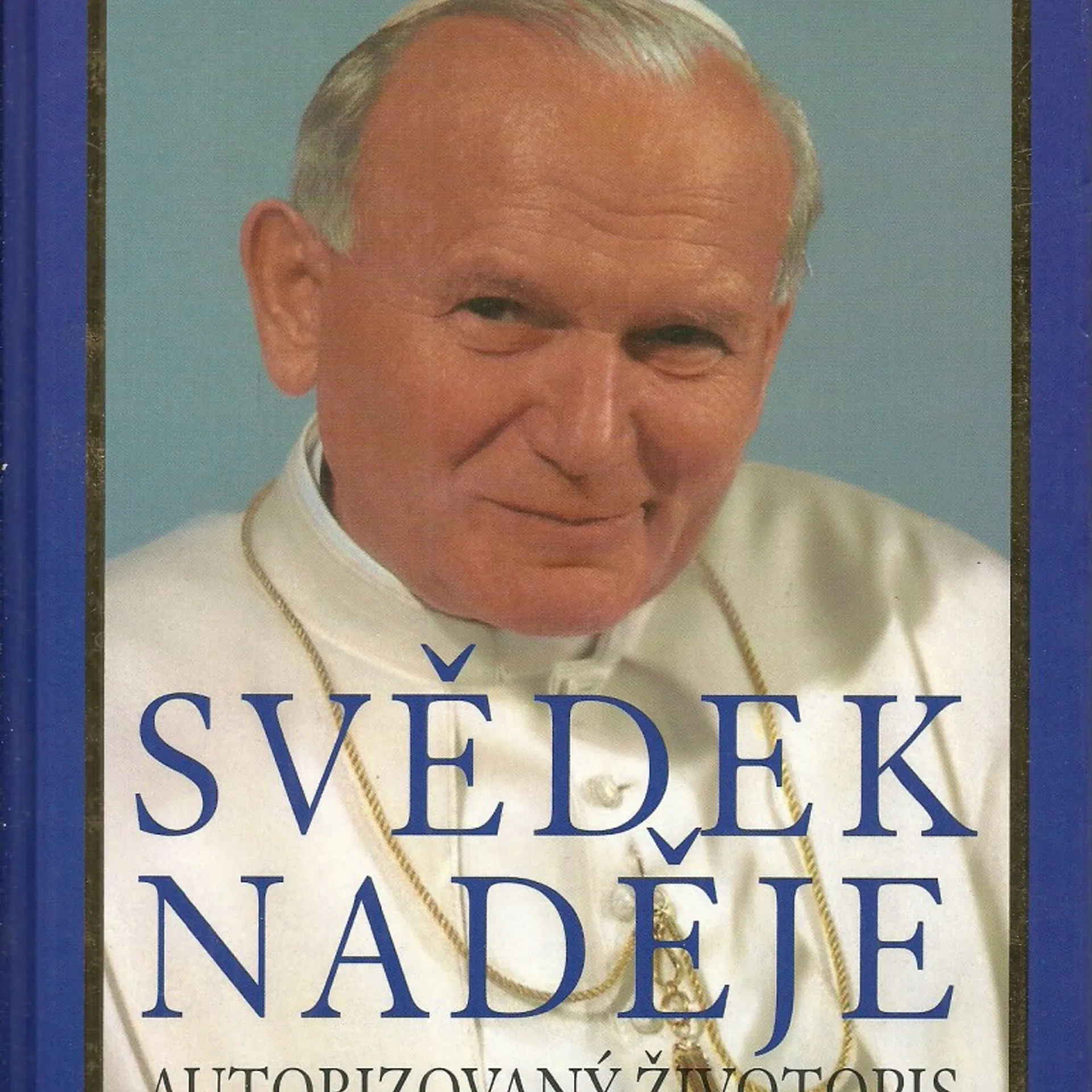
The Definitive Biography of Pope John Paul II Witness to Hope is the authoritative biography of one of the singular figures -- some might argue the singular figure -- of our time. With unprecedented cooperation from John Paul II and the people who knew and worked with him throughout his life, George Weigel offers a groundbreaking portrait of the Pope as a man, a thinker, and a leader whose religious convictions defined a new approach to world politics -- and changed the course of history. As even his critics concede, John Paul II occupied a unique place on the world stage and put down intellectual markers that no one could ignore or avoid as humanity entered a new millennium fraught with possibility and danger. The Pope was a man of prodigious energy who played a crucial yet insufficiently explored role in some of the most momentous events of our time, including the collapse of European communism, the quest for peace in the Middle East, and the democratic transformation of Latin America. This updated edition of Witness to Hope explains how this "man from a far country" did all of that, and much more -- and what both his accomplishments and the unfinished business of his pontificate mean for the future of the Church and the world.
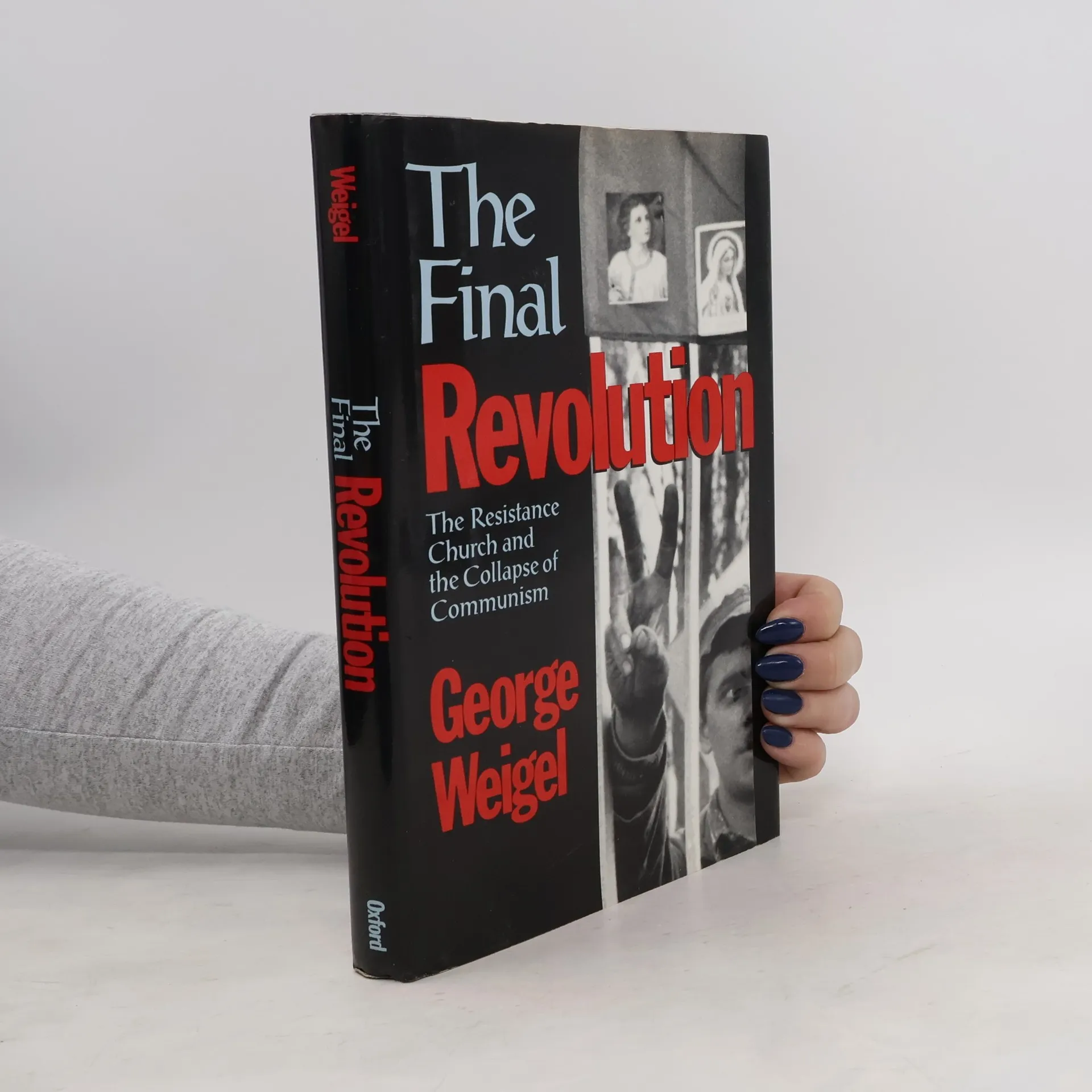
The collapse of communism in central and eastern Europe in 1989 was a remarkable event in a century marked by the unexpected. How did people, divided for generations by an Iron Curtain, suddenly unite atop the Berlin Wall? Why did those who seemed resigned to their fate take control of their futures? While some analysts attribute the Revolution to economic factors, George Weigel argues that the motivations were deeper. People do not risk their lives merely for material gains; a profound change in consciousness was necessary. Weigel posits that this "revolution of conscience" was crucial to the political upheaval of 1989. He explores the Catholic Church's influence on this moral transformation, drawing on interviews with key figures from human rights and resistance movements. This provides insight into the spirit of the Revolution and the motivations of its leaders. Weigel highlights Pope John Paul II's role in challenging communism's "culture of the lie," and discusses the Church's potential future in supporting democracy in former Warsaw Pact nations. Ultimately, Weigel asserts that this "final revolution" signifies an ongoing human quest for true freedom that fulfills the deepest yearnings of the heart, reshaping the political landscape of the twentieth century.