An eye-opening exploration of why experts are constantly misleading us-and what we can do about it.

3,7


An eye-opening exploration of why experts are constantly misleading us-and what we can do about it.
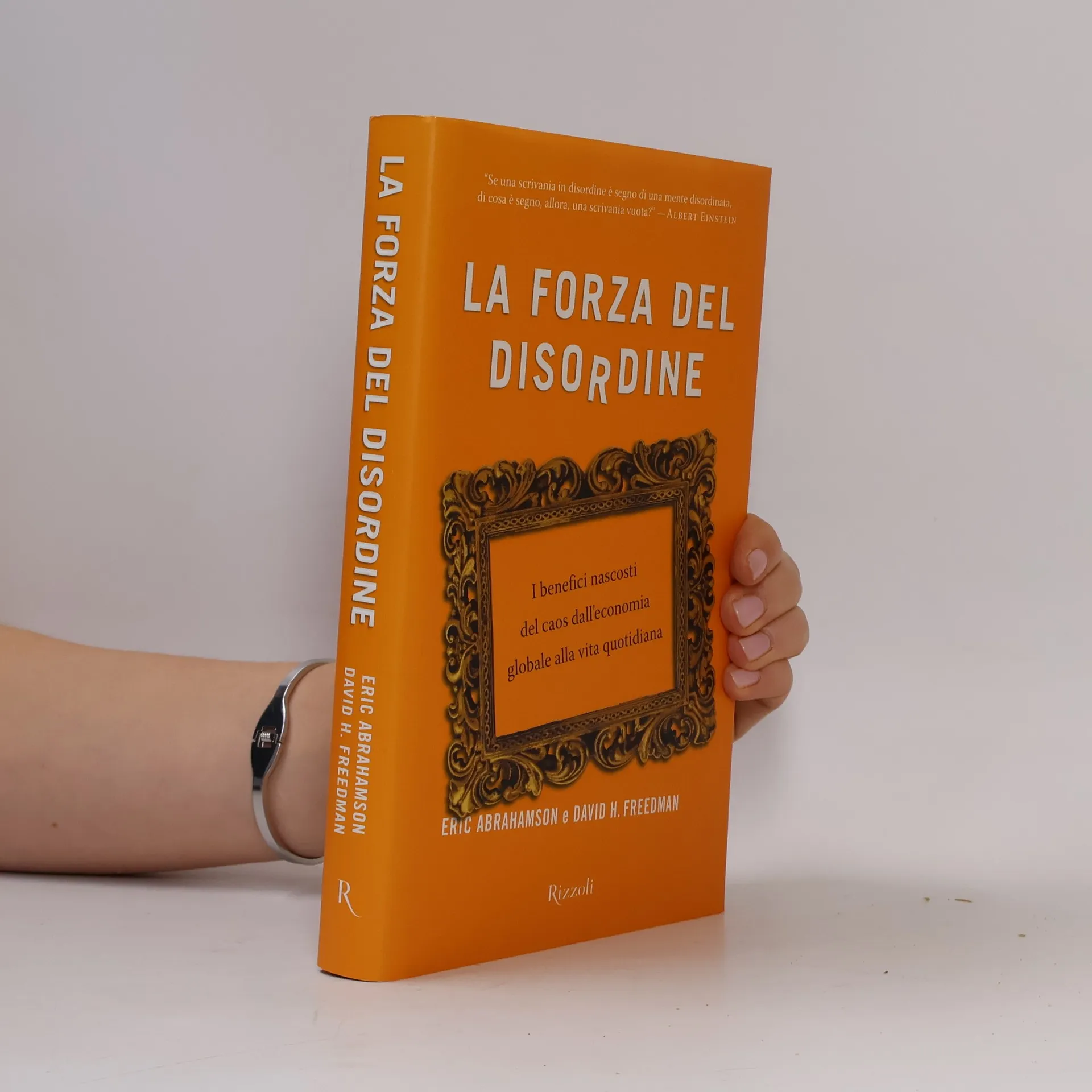
I benefici nascosti del caos dall'economia globale alla vita quotidiana
Sin dai tempi degli studi di Einstein sul moto browniano, gli scienziati hanno compreso che un po' di disordine può rendere i sistemi più efficaci. Tuttavia, molte persone continuano a rifuggire il disordine o si sentono in colpa per il caos che non possono evitare. Con una straordinaria serie di storie vere e casi studio sui benefici nascosti del disordine, "La forza del disordine" ribalta la saggezza accettata secondo cui orari rigidi, organizzazione, ordine e coerenza sono le chiavi del successo. Attraverso esempi tratti dal mondo degli affari, della genitorialità, della cucina, della lotta al terrorismo, del commercio al dettaglio e persino della carriera di Arnold Schwarzenegger, gli autori dimostrano che i sistemi moderatamente disordinati utilizzano le risorse in modo più efficiente, producono soluzioni migliori e sono più resistenti rispetto a quelli ordinati. Applicando questa idea su scale sia grandi (governo, società) che piccole (scrivanie, garage), il libro svela come il disordine possa superare l'ordine, aiutandoti a valutare la giusta quantità di disordine per qualsiasi sistema.
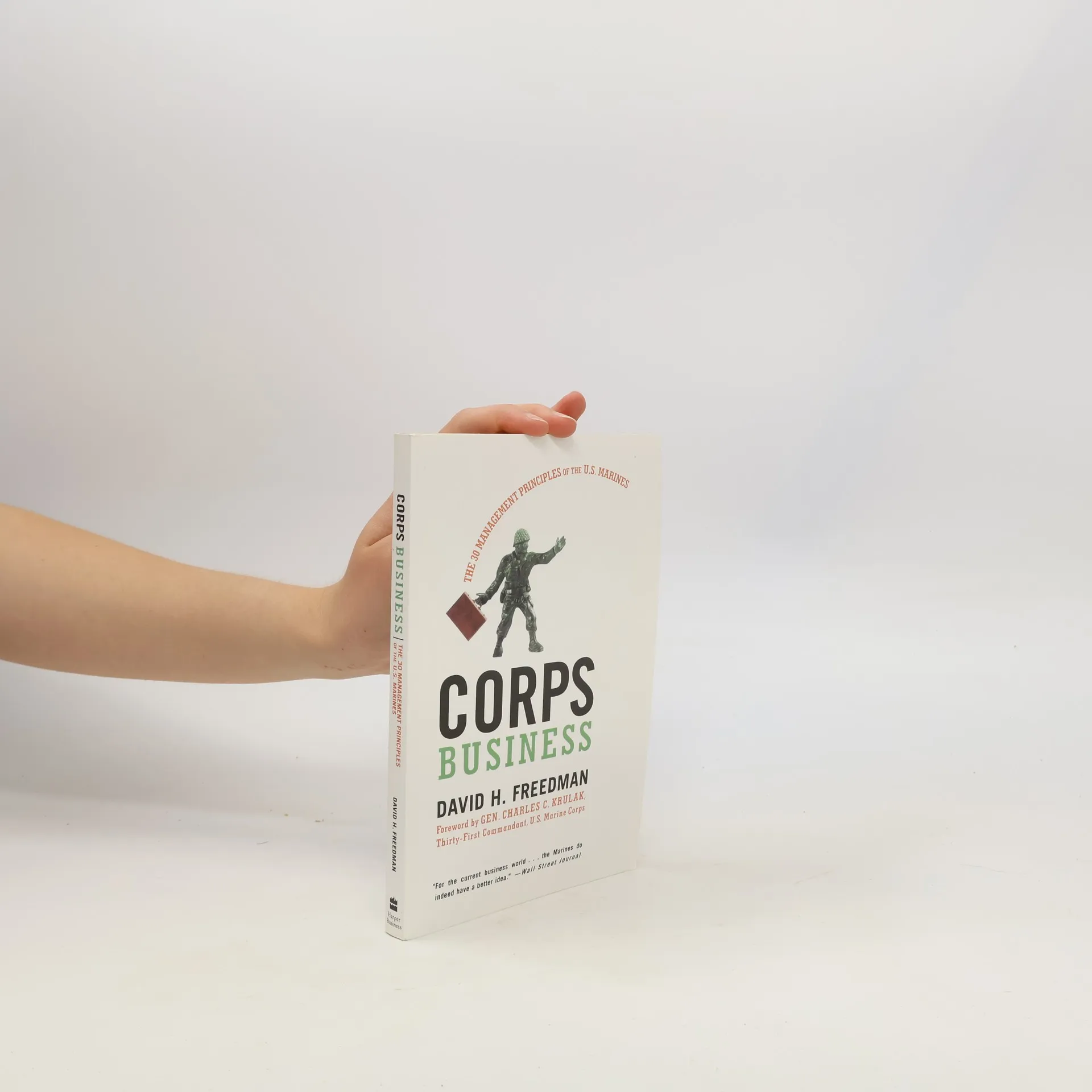
Fast. Motivated. Hard-hitting. That's what every business wants to be. And that's why the U.S. Marines excel in every mission American throws at them, no matter how tough the odds. In Corps Business , journalist David H. Freeman identifies the Marine's simple but devastatingly effective principles for managing people and resources -- and ultimately winning. Freedman discusses such techniques as "the rule of three," "managing by end state," and the "70% solution," to show how they can be applied to business solutions.
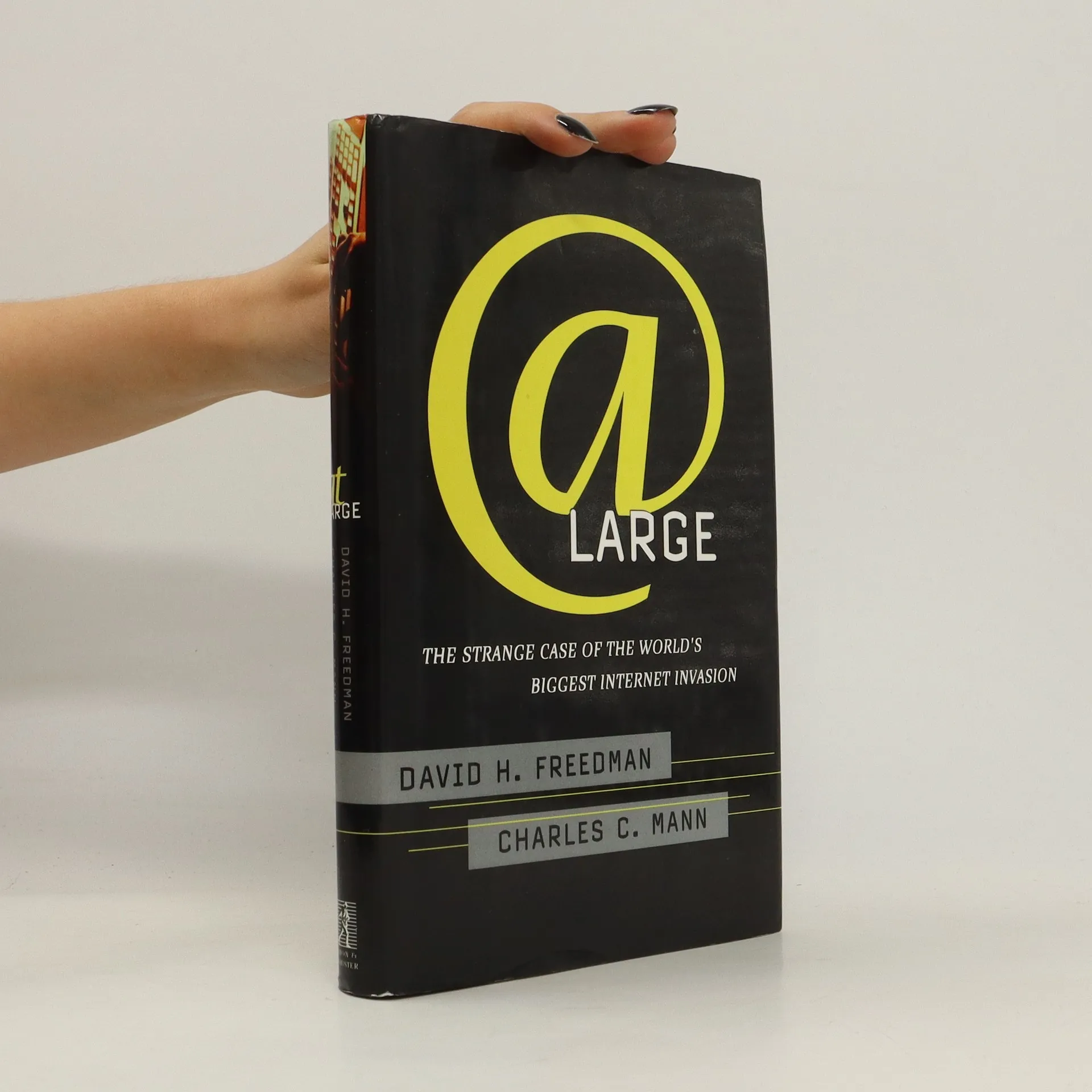
Describes how one computer hacker was able to access hundreds of business and government files and explains why the Internet is becoming less secure
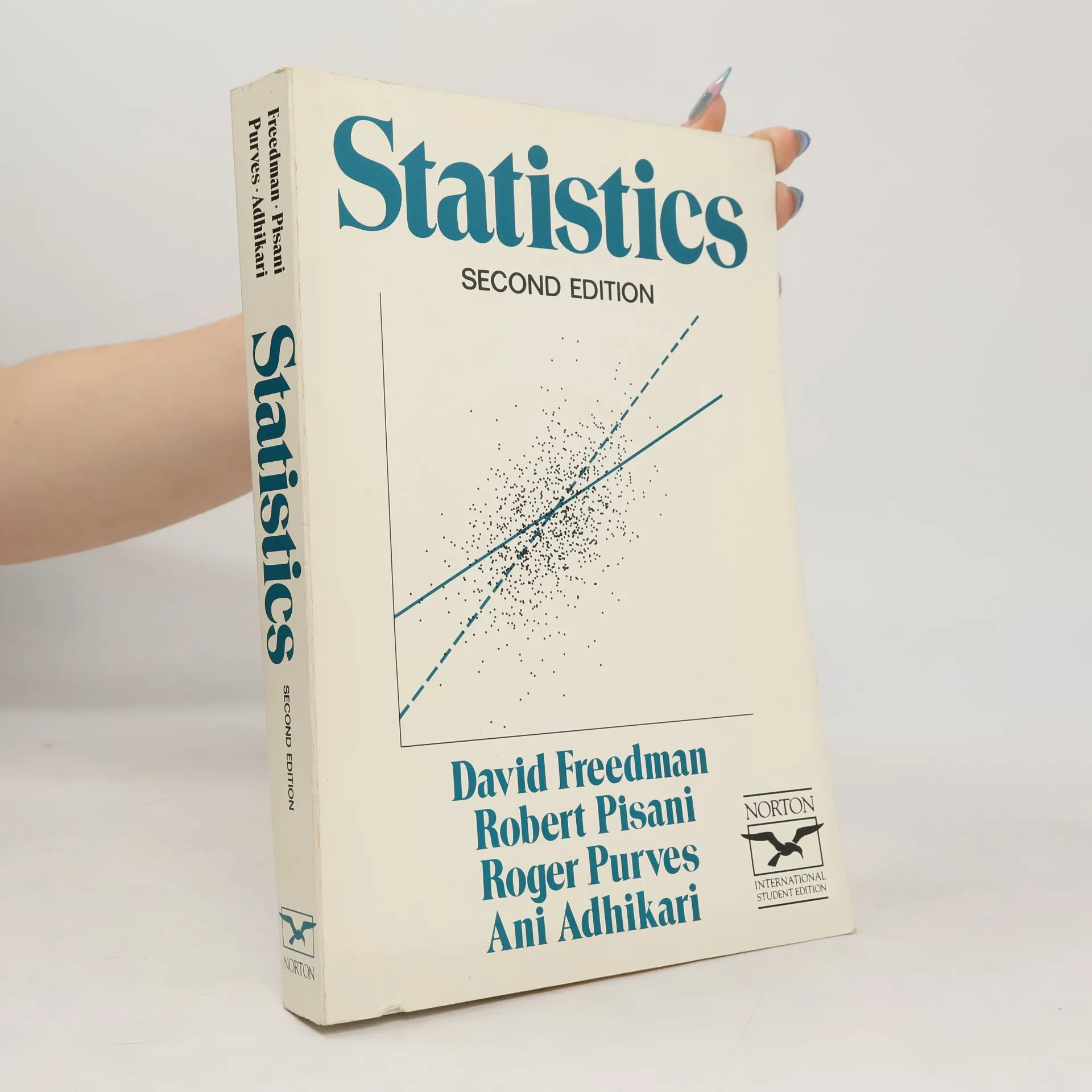
Statistics teaches students how to think about statistical issues. It is written in clear, everyday language, without the equations that baffle non-mathematical readers. The techniques are all introduced through examples, showing how statistics has helped solve major problems in economics, education, genetics, medicine, physics, political science, psychology, and other fields. --This text refers to the Hardcover edition.