

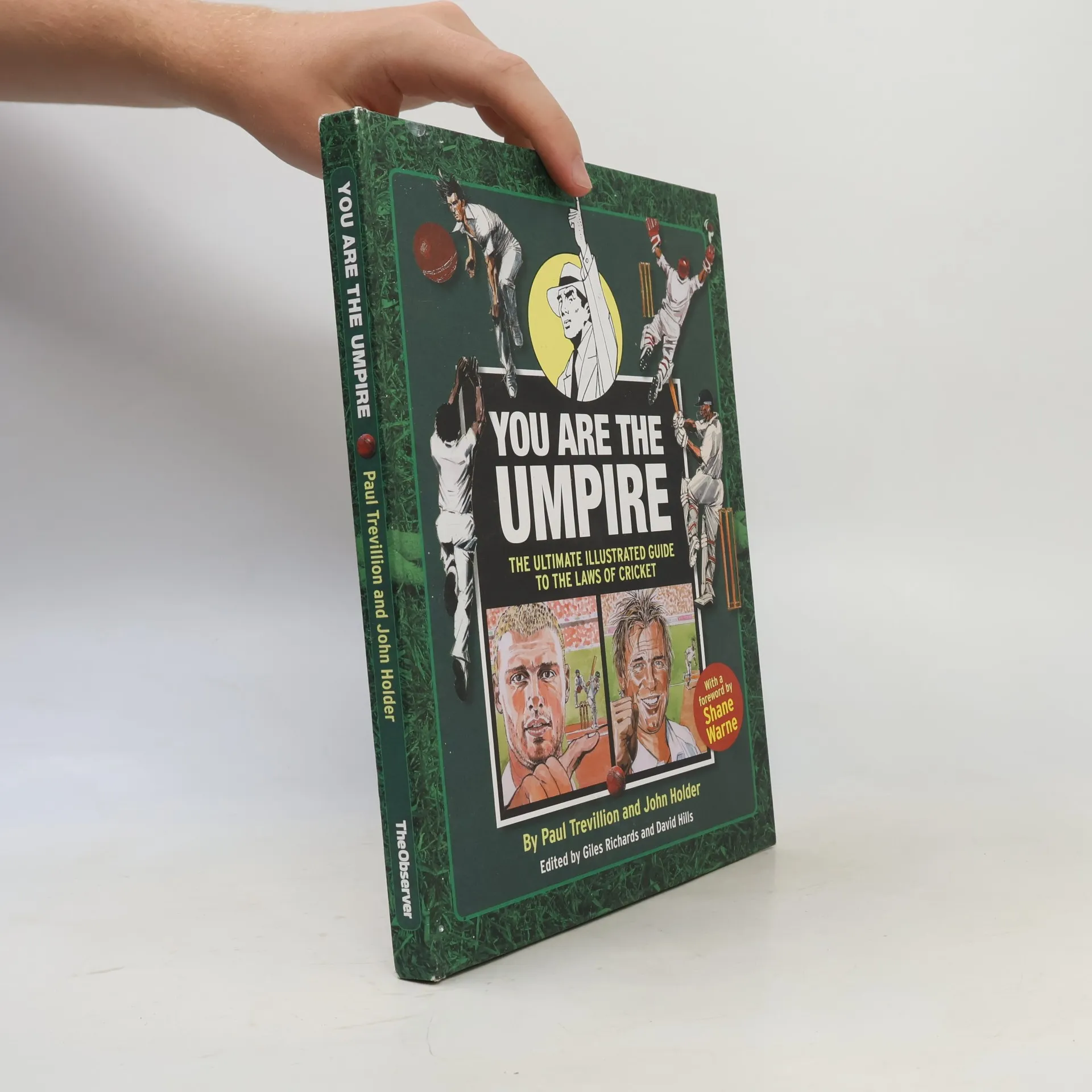
A batsman's bat breaks in half mid-shot. He trips on the piece of broken blade, knocking it back into the stumps. Is he out hit wicket? At Canterbury (in the old days, before the big tree died) a ball strikes the upper branches and leaves of the tree but still clears the boundary. What do you signal? A batsman is struck on the helmet. Dazed, he walks into his stumps. The fielding team appeal. What do you decide? Paul Trevillion, Europe's foremost sports illustrator, has teamed up with ex-professional cricket and test umpire John Holder to produce this entertaining and informative guide to the laws of cricket. Based on the hugely popular Observer comic strip and embellished with anecdotes from John Holder's thirty-five years in top class cricket, this book is a treasure trove for all fans of this beautiful, compelling—sometimes frustrating—game.
John Holder Ordine dei libri (cronologico)

Cranford
- 41pagine
- 2 ore di lettura
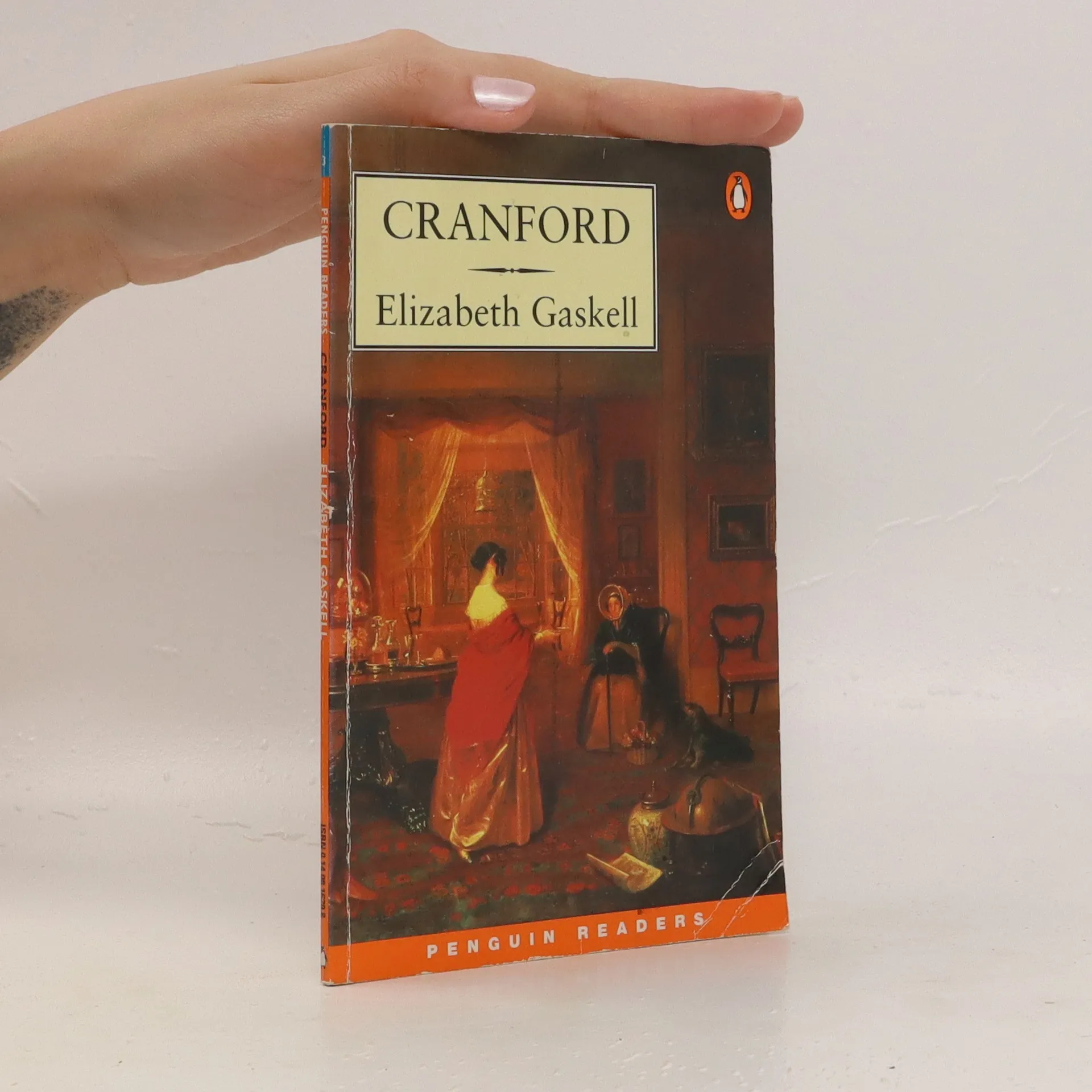
A sensitive and moving portrait of life and manners in an English country village during the 1830s, Cranford recounts the events and activities in the lives of a group of spinsters and widows.
The Pied Piper of Hamelin
- 48pagine
- 2 ore di lettura
Read it yourself is a series of popular, traditional tales written in a simple way for children who are learning to read. The Pied Piper of Hamelin is at level 4, which contains longer stories for more fluent readers.
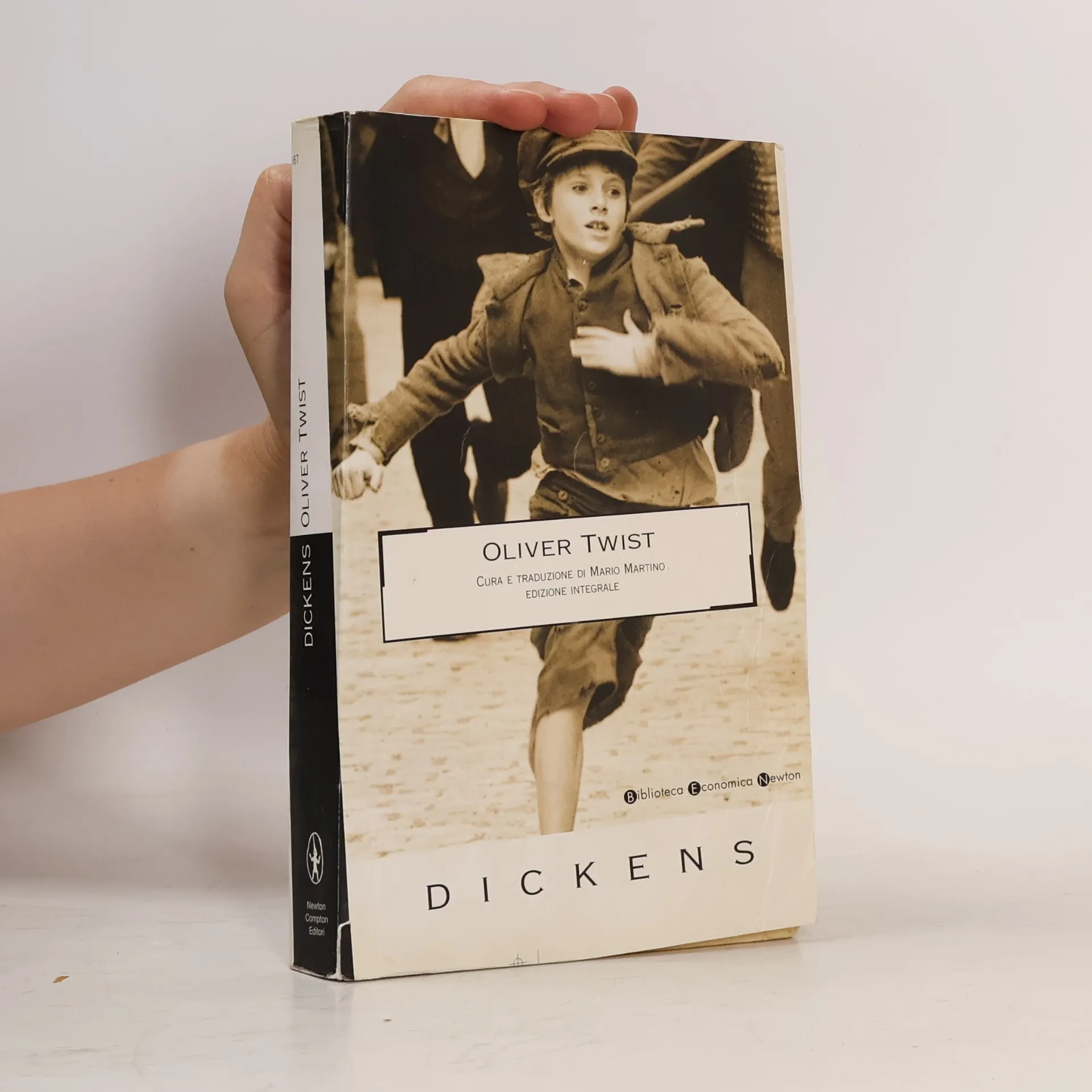
In Oliver Twist Dickens dà veste immaginativa alla sua dura infanzia di “orfano” e di operaio nella turbolenta Londra dei primi decenni del XIX secolo e la trascende in una dimensione più universale. Perciò, come dato strutturale profondo, troviamo la semplicità e la potenza della lotta dell’Innocenza contro il Male; e l’ottica infantile che sottopone a radicale critica l’incomprensibile mondo adulto. Oliver però è anche lo strumento per esplorare un mondo storico quanto mai problematico, di cui abbiamo intensissime e quasi visionarie immagini tanto nei primi capitoli, in cui è satiricamente rappresentato il concreto e inumano funzionamento delle “workhouse” (sorta di ospizi e case di lavoro per poveri e disoccupati), quanto nella parte centrale, e conclusiva, dove percorriamo una Londra terribile: la metropoli non del progresso borghese ma del crimine e della degradazione. Oliver Twist – conosciuto a volte attraverso le versioni ridotte per ragazzi – va riscoperto nella integrità di testo letterario, come lo ha riscoperto il cinema nella versione di Polanski, ultimo dei grandi maestri, tra cui Eisenstein e Lean, che ne sono stati conquistati.
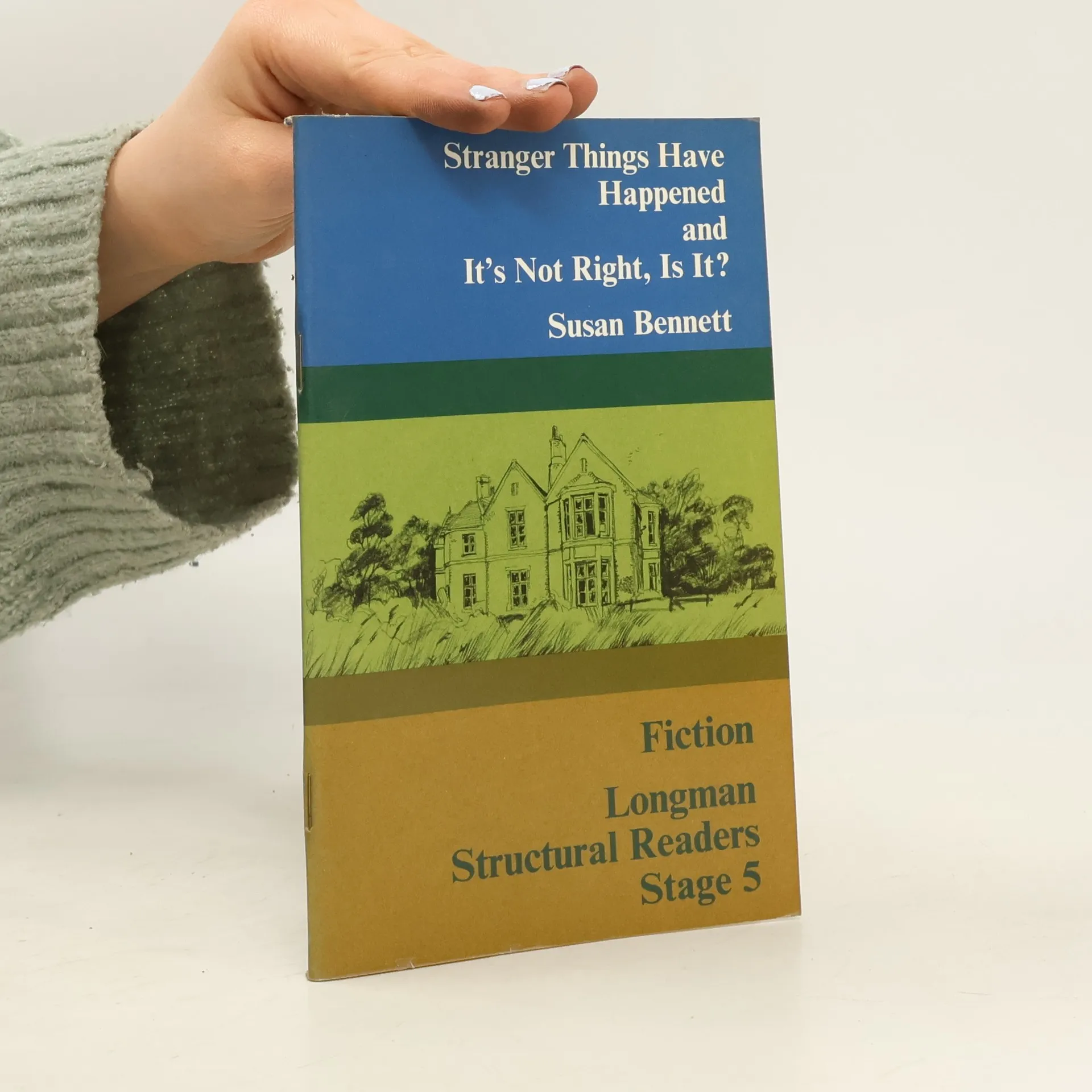
Longman Structural Readers - 5: Stranger Things Have Happened And It's Not Right, Is It?
- 88pagine
- 4 ore di lettura
Ordforråd ca. 1500 ord. Forståelses- og strukturopgaver