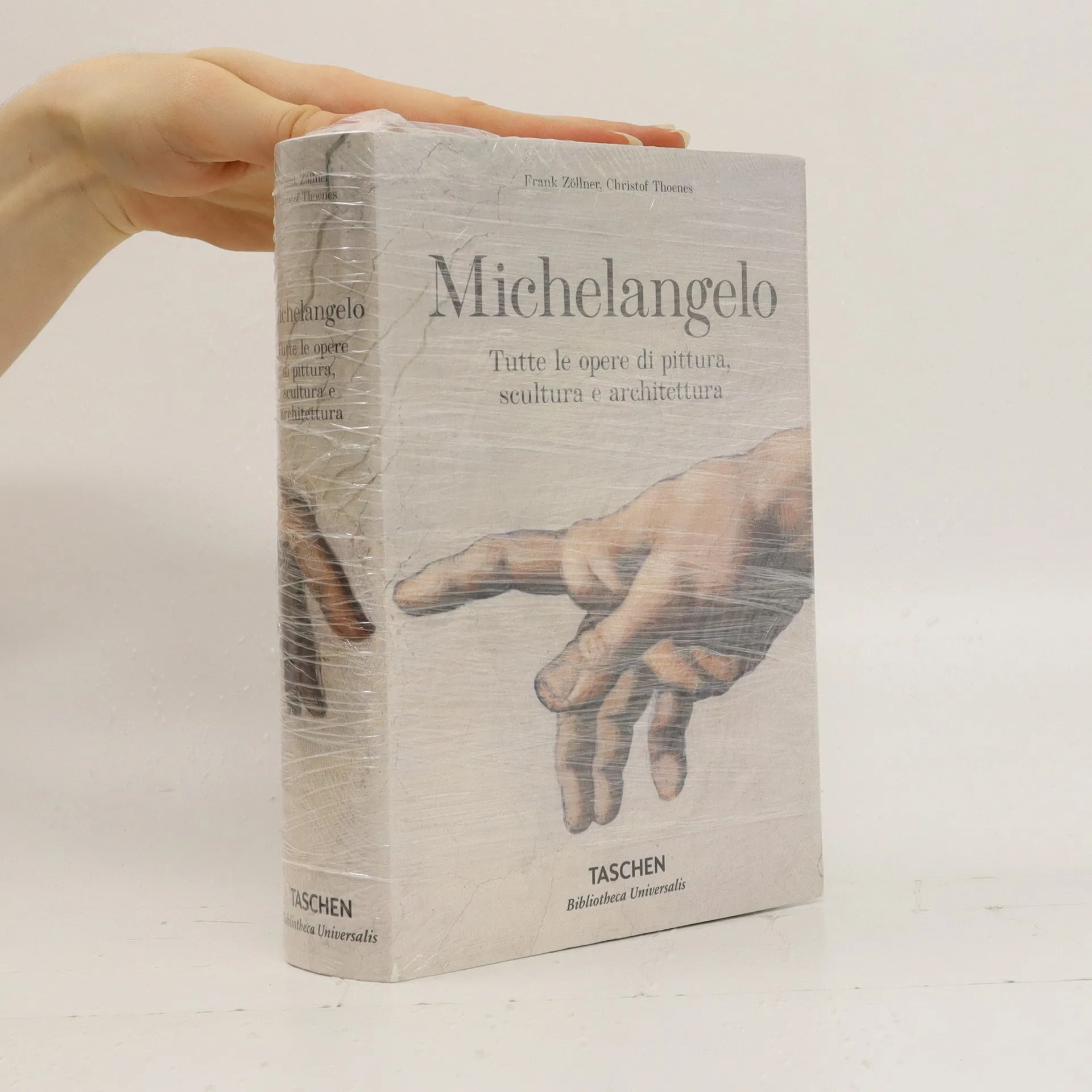
Ce livre explore l'œuvre de Michel-Ange, célèbre pour la Pietà et le David, et son impact sur l'art européen. Il présente ses peintures, sculptures et architectures, notamment les fresques de la chapelle Sixtine, avec des reproductions détaillées. Un essai retrace sa vie et son influence sur la perception de l'artiste dans la société.
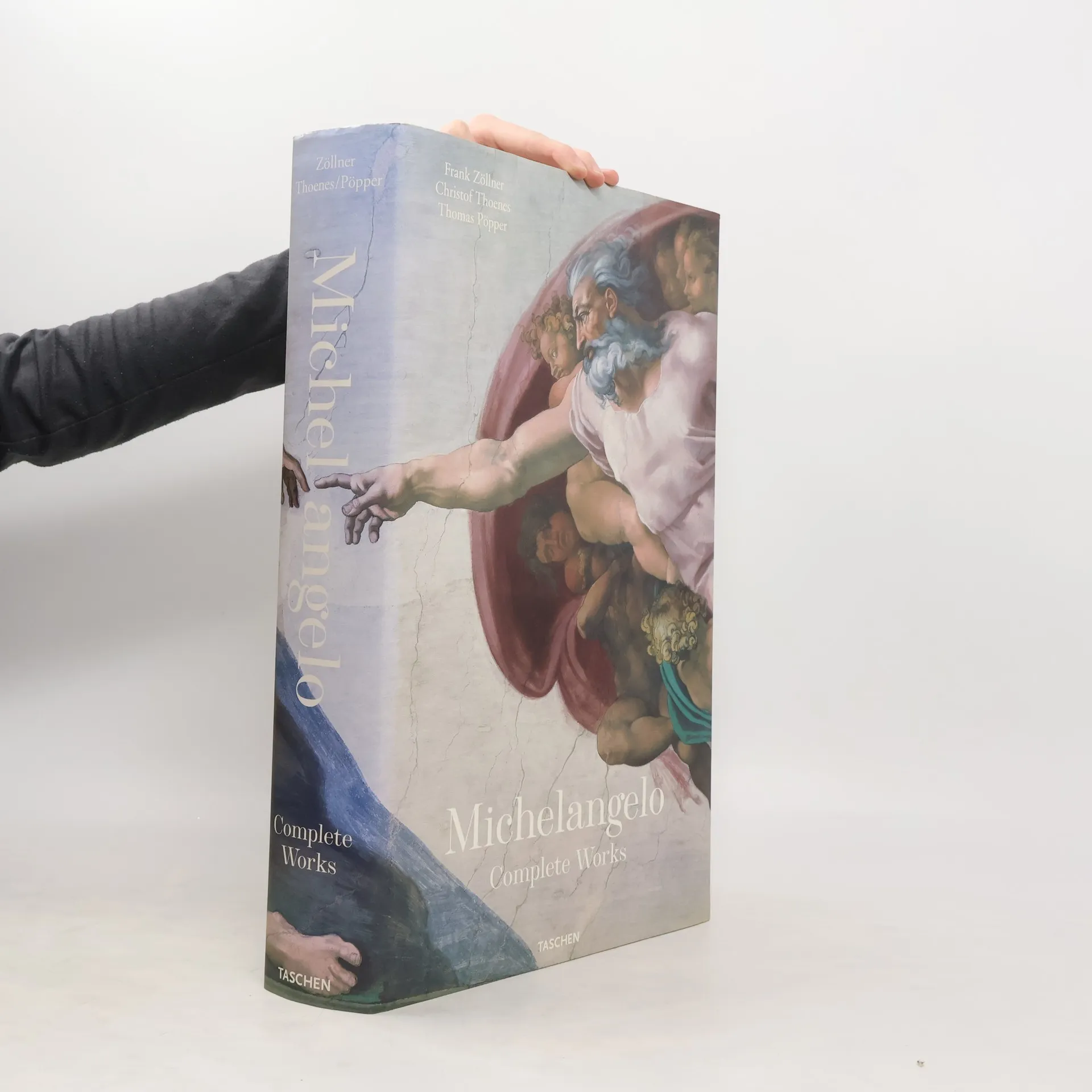
Michelangelo, a universal artist of unparalleled virtuosity, is explored in depth through his extensive works in painting, sculpture, and architecture. This XL volume features spectacular close-up images that bring the genius of the Renaissance to life, with a special emphasis on the groundbreaking frescoes of the Sistine Chapel, showcasing his innovative techniques and artistic mastery.
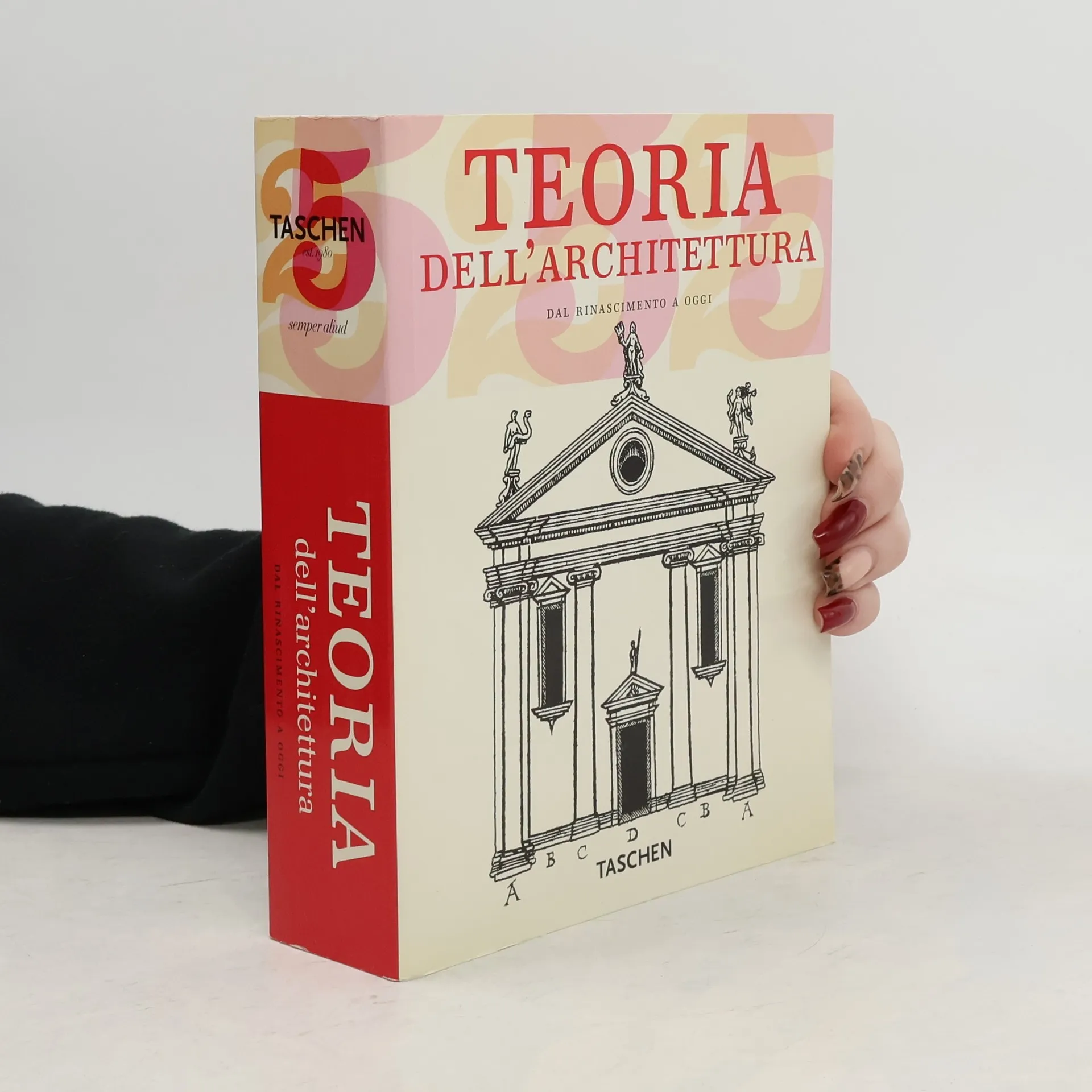
Questo libro ripercorre l'affascinante storia delle teorie architettoniche dal Rinascimento ai giorni nostri. Suddiviso in sezioni in base alla nazionalità degli autori, il volume presenta, in ordine strettamente cronologico, una rassegna dei più importanti architetti e teorici dell'architettura da Leon Battista Alberti a Rem Koolhaas.
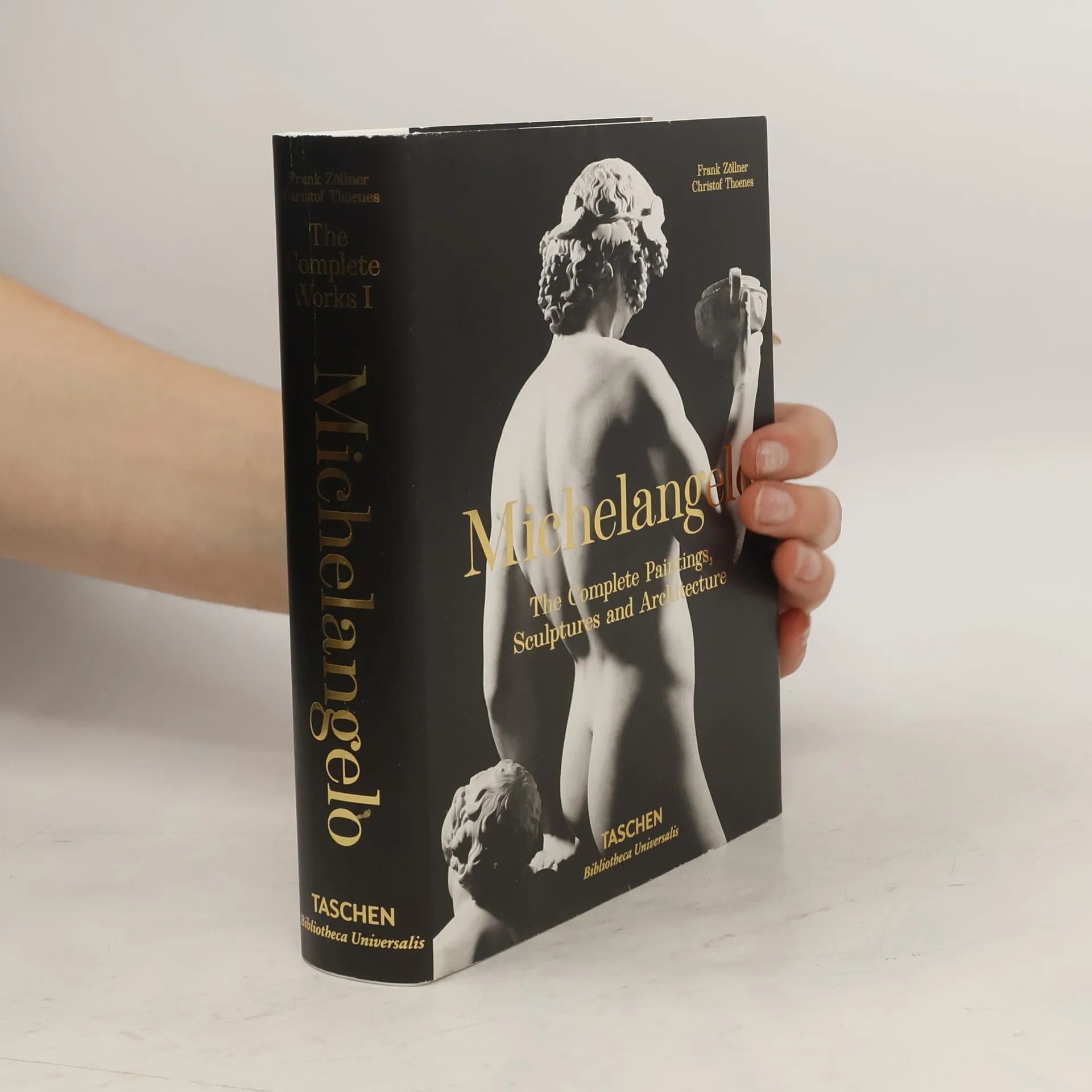
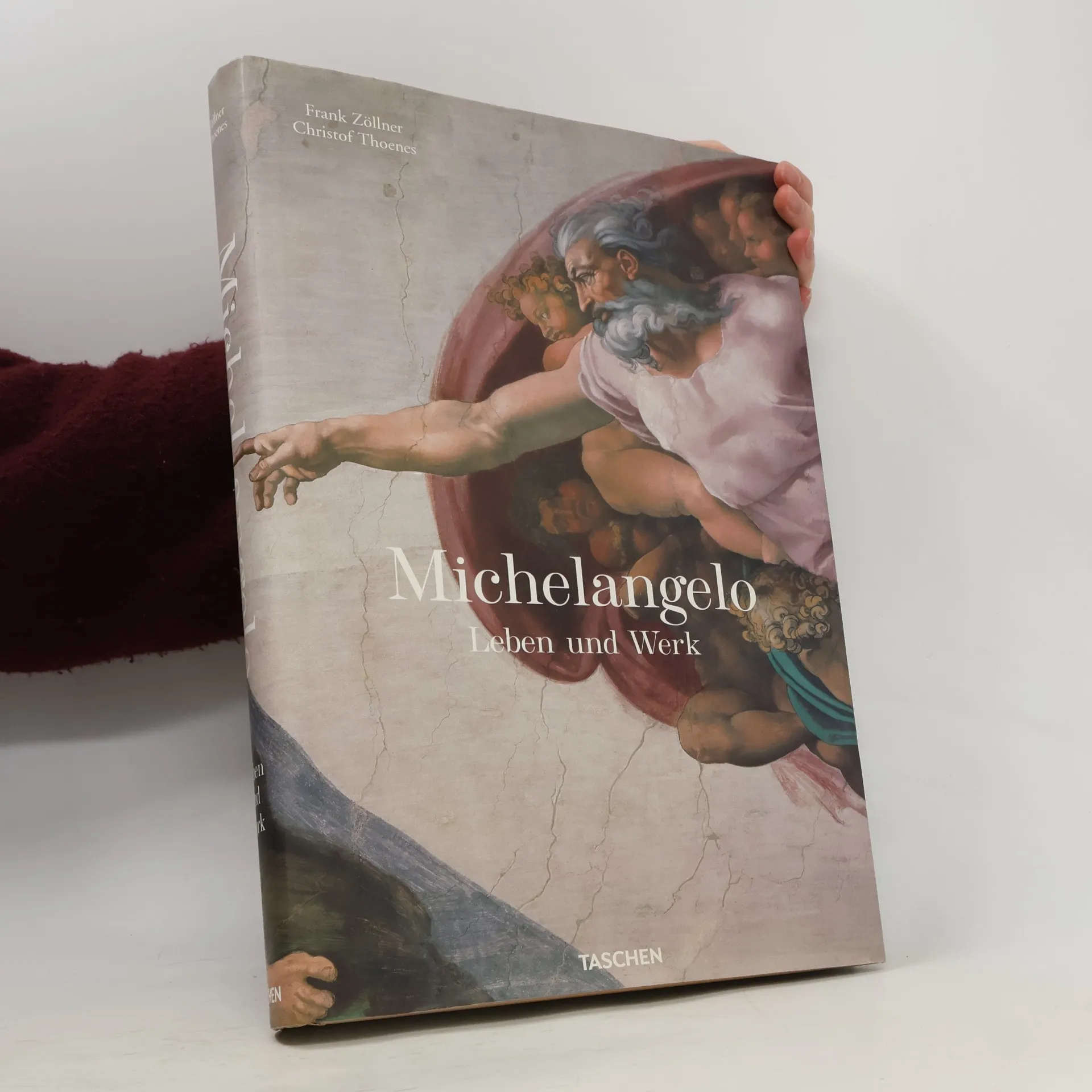
Noch bevor er das Alter von 30 Jahren erreichte, hatte Michelangelo Buonarroti (1475–1564) bereits die Pietà und den David gemeißelt, zwei der berühmtesten Skulpturen der gesamten Kunstgeschichte. Die Leistungen dieses italienischen Meisters sind einzigartig – kein Künstler vor oder nach ihm schuf jemals ein solch gewaltiges, facettenreiches und weitreichendes Werk. Als Michelangelo 1564 starb, galt er bereits als nationales Heiligtum. Seine Werke sollten eine beispiellose Wirkung auf die europäische Kunst der kommenden Jahrhunderte entfalten. Dieses Buch stellt die Gemälde, Skulpturen und Bauten Michelangelos in einem bislang ungekannten Ausmaß vor. Besonderes Augenmerk gilt dabei den monumentalen Fresken in der Sixtinischen Kapelle . Ganzseitige Reproduktionen und Ausschnittvergrößerungen ermöglichen es, feinste Details aus dem Repertoire des Florentiner Ausnahmekünstlers zu studieren. Der begleitende Essay zeichnet das Leben eines mal zornigen, mal melancholischen Einzelgängers nach, der zum „göttlichen“ Künstler-Souverän aufstieg und das Verständnis von der Rolle des Künstlers in der Gesellschaft für immer veränderte. Drei Kataloge zu den Gemälden, den Skulpturen und der Architektur Michelangelos setzen sich umfassend und kritisch mit der Forschung zu Michelangelo auseinander.
Ancora prima di compiere trent'anni, Michelangelo Buonarroti (1475–1564) aveva già creato due delle sculture più celebri della storia dell'arte, il David e la Pièta. Egli incarna l'idea dell'artista moderno come pochi altri. Le sue realizzazioni come scultore, pittore, disegnatore e architetto sono senza pari, e nessun altro artista ha prodotto un'opera così variegata. Michelangelo godeva di uno status sociale eccezionale e di libertà artistica, come dimostrano i suoi affreschi nella Cappella Sistina e le sue sculture monumentali. I suoi contemporanei lo consideravano un semidio, e già durante la sua vita furono scritte due biografie su di lui. L'ammirazione per il suo lavoro è cresciuta costantemente nel corso dei secoli. Questa pubblicazione offre una rappresentazione completa della vita e dell'opera di Michelangelo. La prima parte include un saggio biografico dettagliato e riccamente illustrato, seguito da un'analisi delle sue pitture, sculture, architetture e disegni. Riproduzioni a piena pagina e dettagliate avvicinano le opere. Vengono inoltre esaminati gli aspetti della vita di Michelangelo, come la sua solitudine, l'avidità di denaro, il suo carattere avaro e la sua abilità come investitore immobiliare. Anche la controversa attribuzione dei suoi disegni viene affrontata, aprendo la strada a nuove discussioni.
This work examines Michelangelo Buonarroti's life and achievements before age thirty, highlighting his iconic sculptures David and Pieta. It features texts and images showcasing his paintings, sculptures, drawings, and architectural plans.
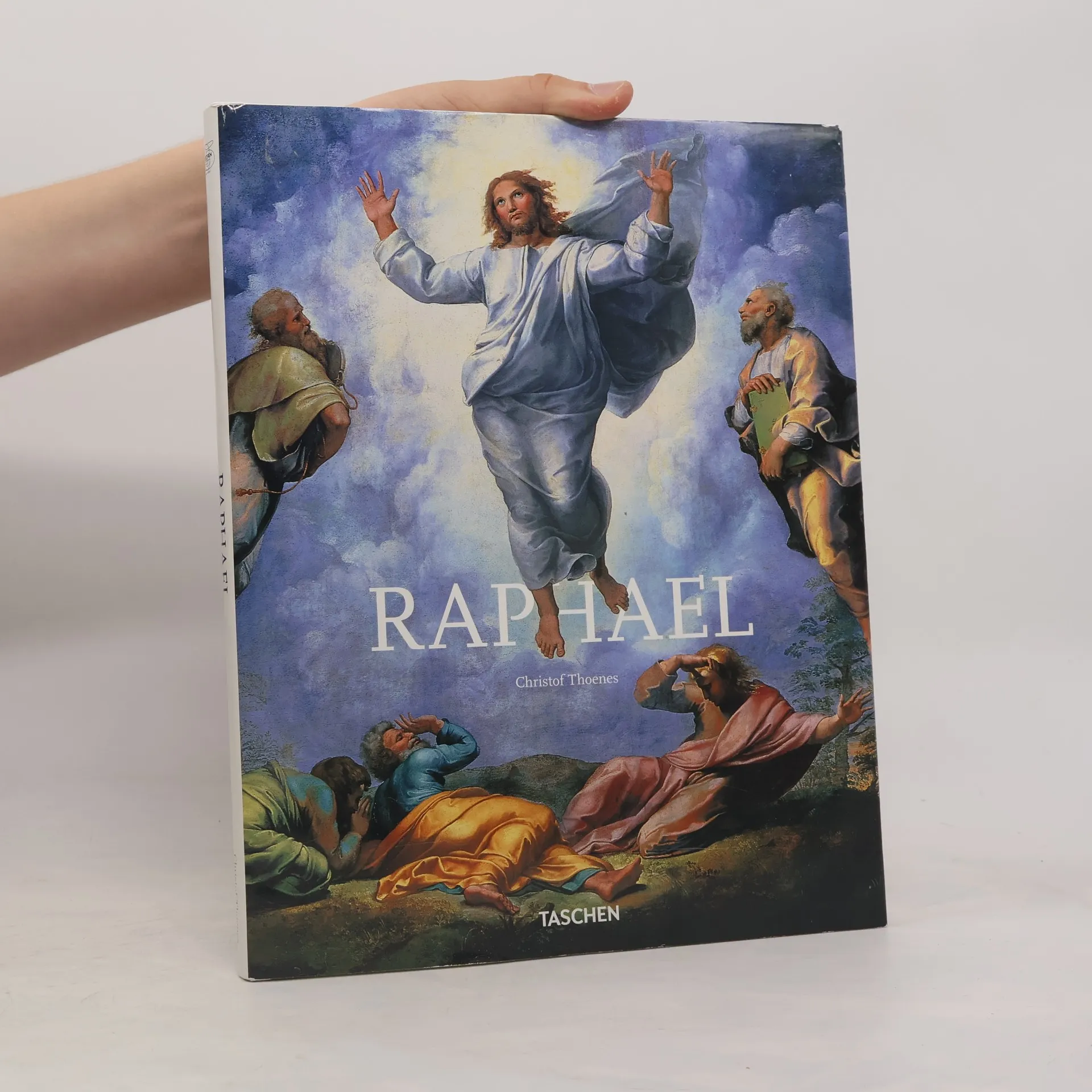
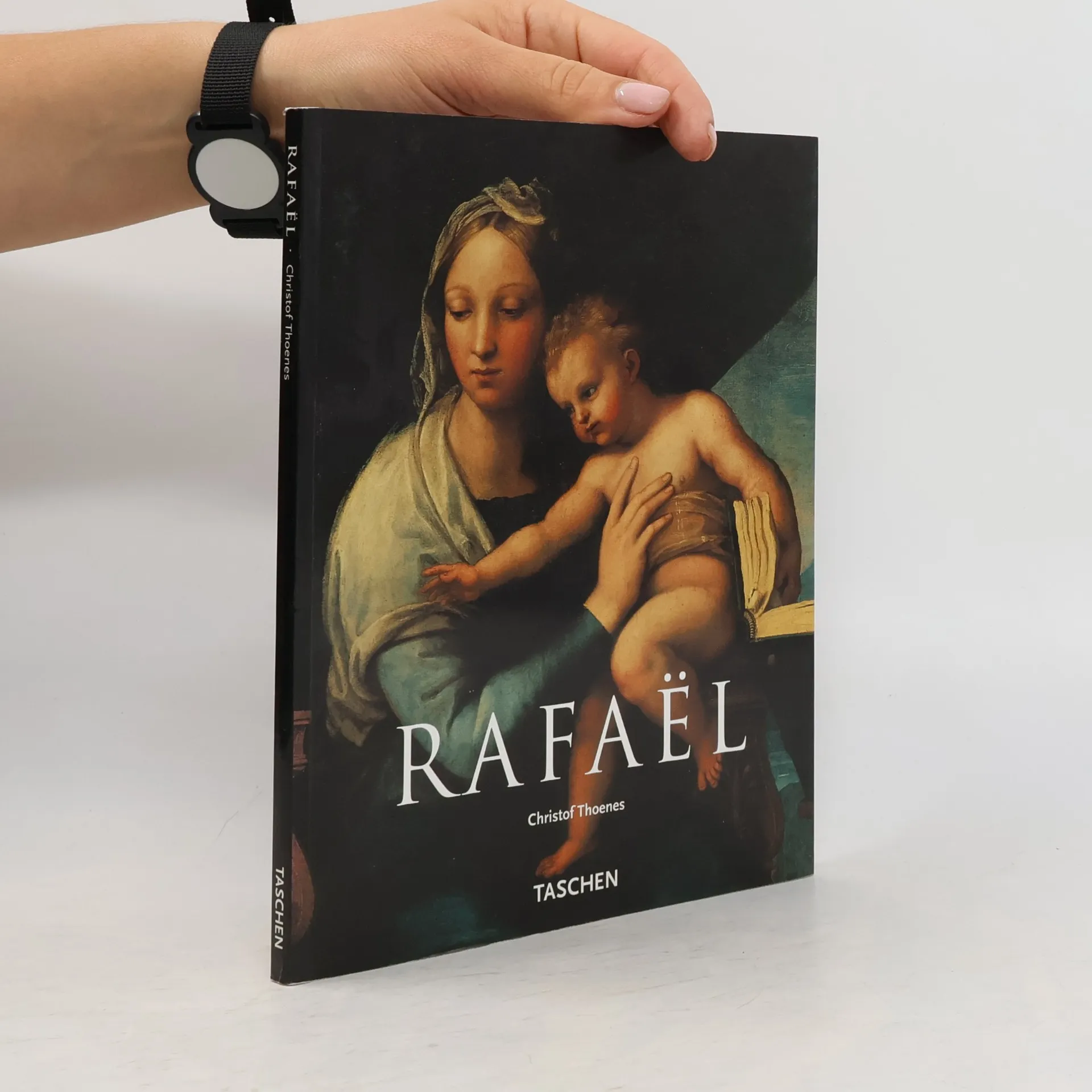
Painting the divine: Heavenly grace and human grandeur Influenced by his contemporaries Michelangelo and Leonardo, Raphael Santi (1483-1520) became, in his own right, one of the most important artists of the High Renaissance. Though Raphael painted many important works in his Florence period, including his famous Madonnas, it was his mature work in Rome that cemented his place in history, most notably the Stanza della Segnatura in the Vatican featuring his School of Athens and Triumph of Religion murals. This overview traces the life's work of this Renaissance master who achieved the height of greatness in only two decades of creation and whose influential work paved the way for the Mannerist and Baroque movements. About the Series: Each book in TASCHEN's Basic Art series features: a detailed chronological summary of the life and oeuvre of the artist, covering his or her cultural and historical importance a concise biography approximately 100 illustrations with explanatory captions