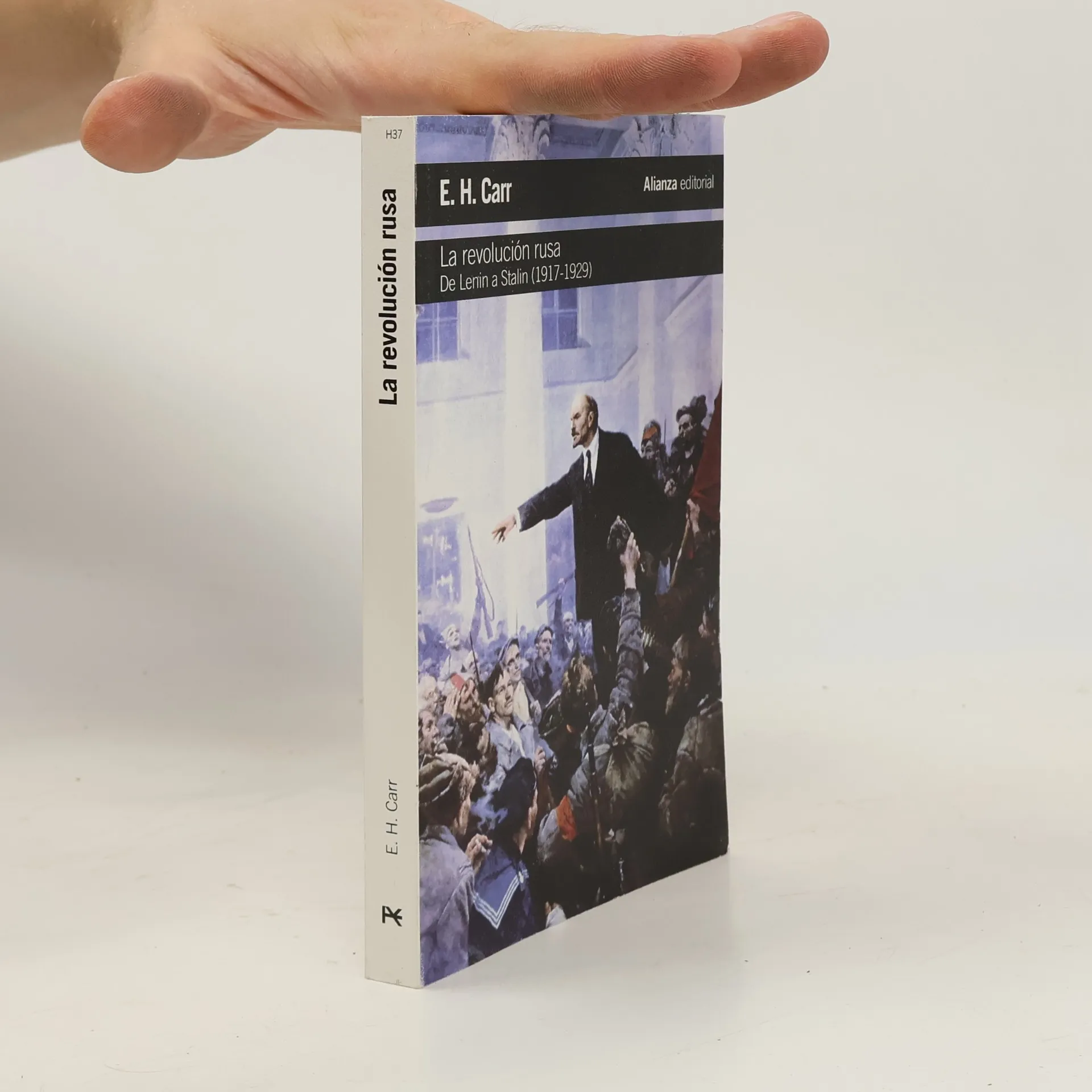
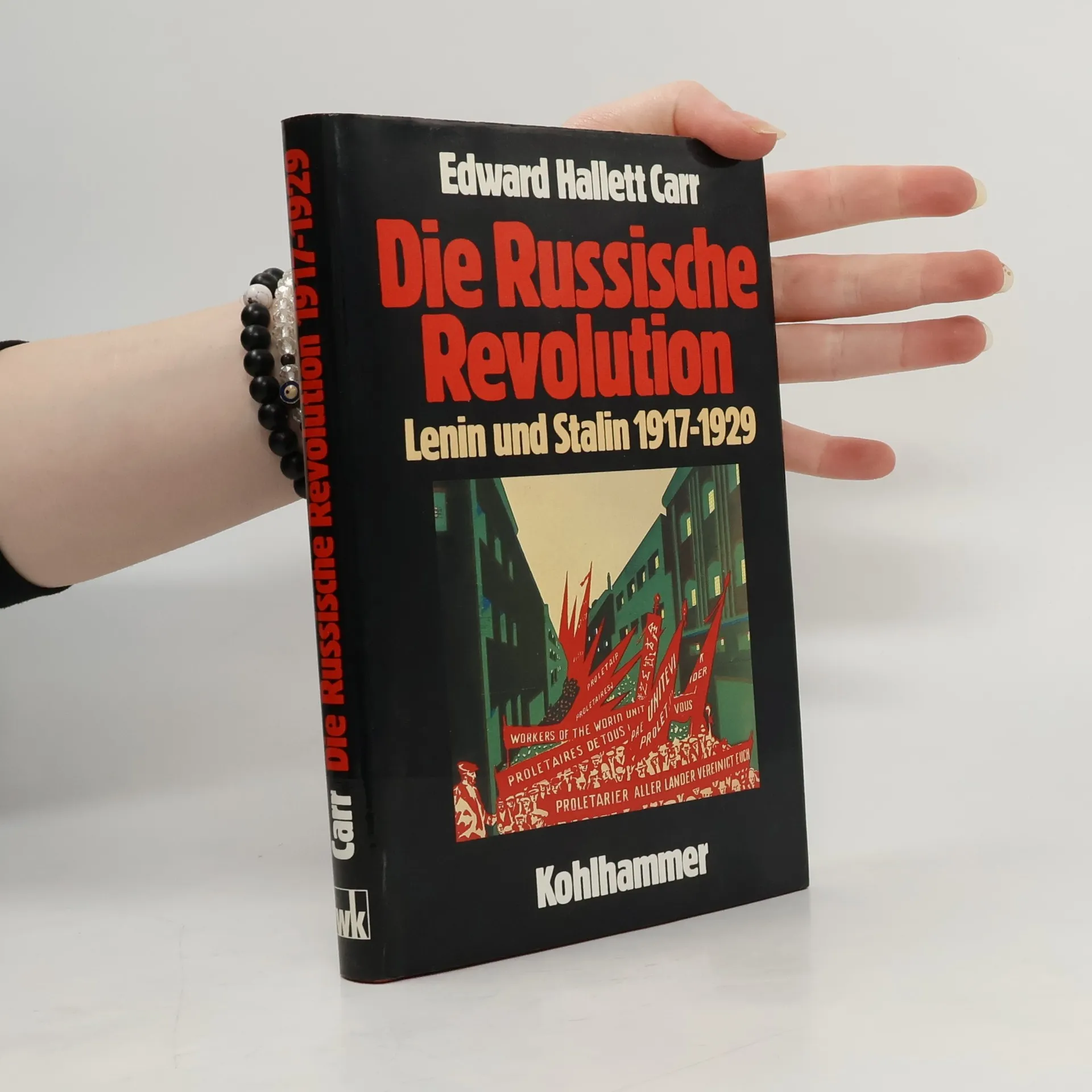
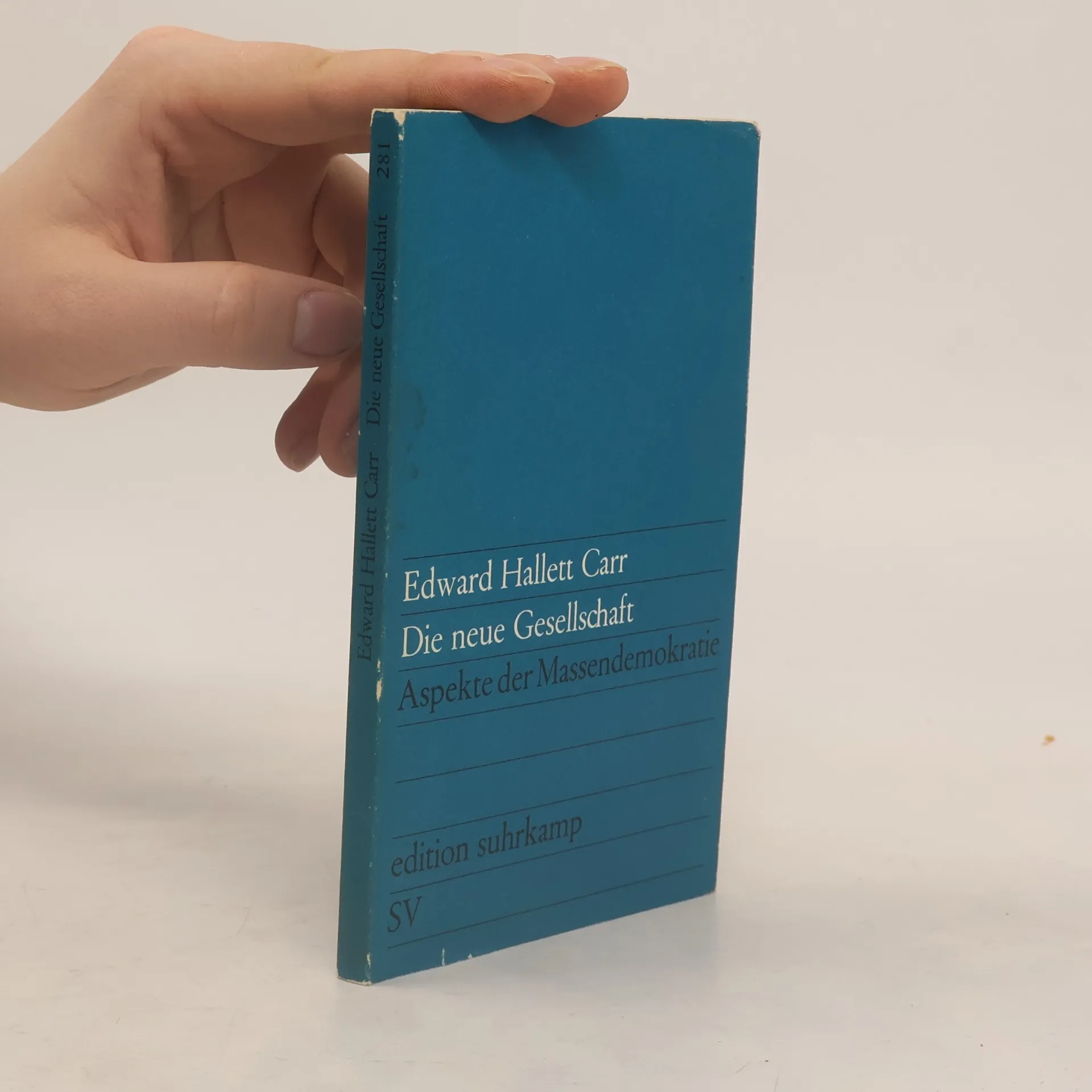
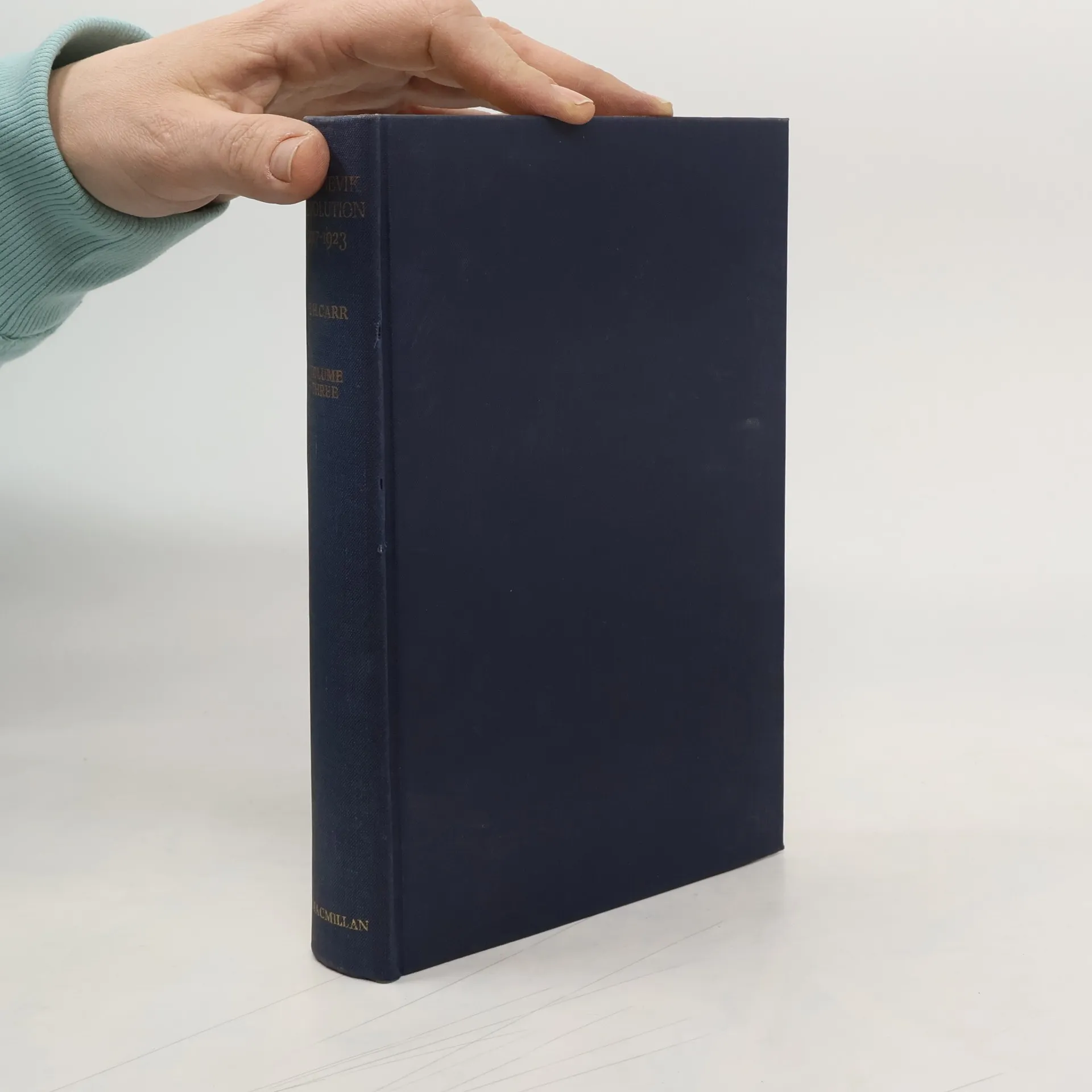
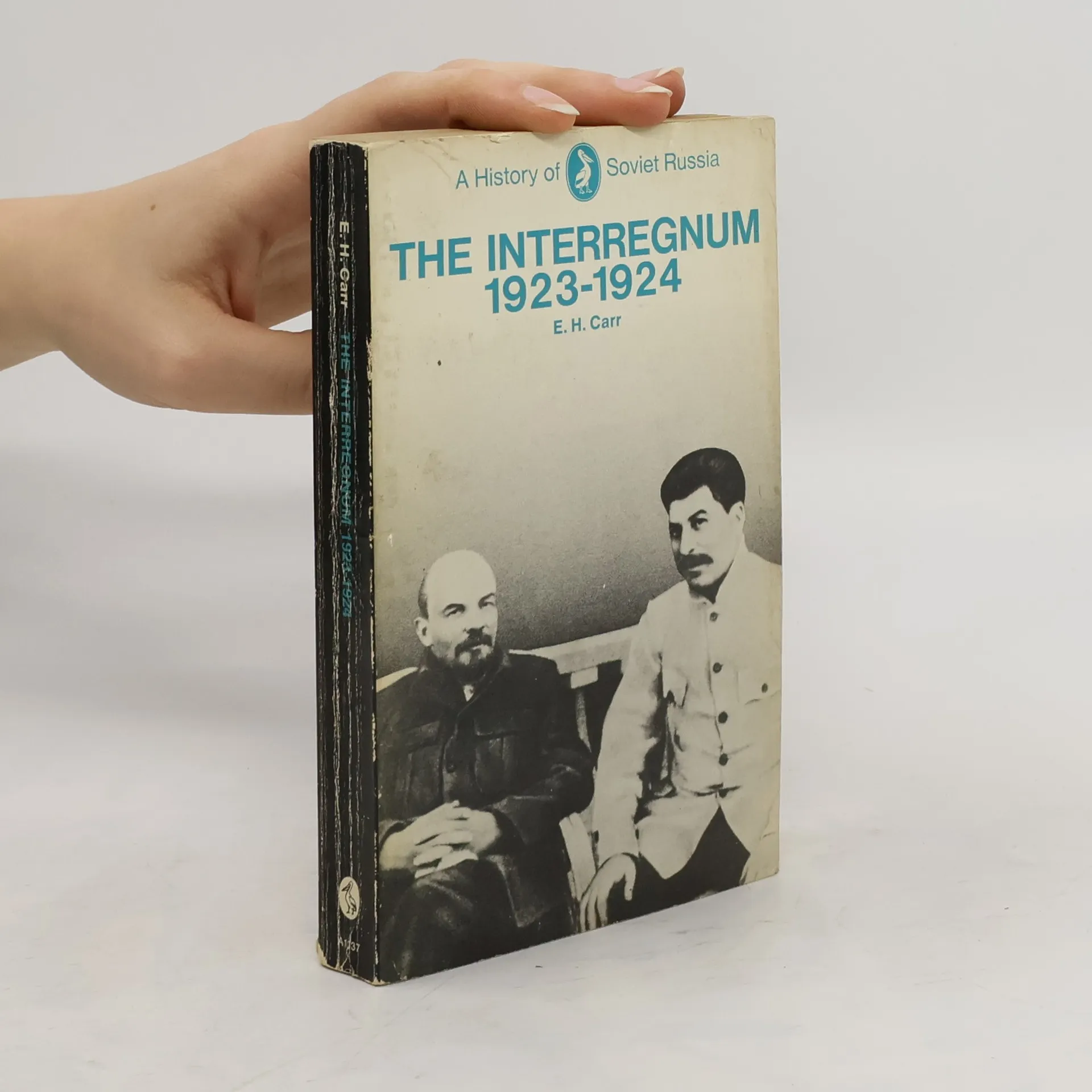
La larga Historia de la Rusia soviética que me ha ocupado durante los pasados treinta años, y que acaba de completarse en cuatro partes, La revolución bolchevique, 1917-1923, El interregno, 1923-1924, El socialismo en un solo país, 1924-1926 y Bases de una economía planificada, 1926-1929, se basa en investigaciones muy detalladas y está pensada para especialistas. Se me ocurrió que podría tener sentido destilar estainvestigación en un libro corto de tipo muy diferente, sin refinamientos académicos tales como notas al pie o referencias a las fuentes, pensado para el lector común y para el estudiante que busca una primera introducción al tema. El resultado es esta breve historia. Las diferencias de escala y propósito significan que ésta es una redacción sustancialmente nueva. Apenas si una frase de la obra original reaparece en la nueva sin cambios.
Edward Hallett Carr Ordine dei libri (cronologico)
E. H. Carr è stato uno storico e giornalista britannico il cui lavoro si è concentrato sulle relazioni internazionali e sull'Unione Sovietica. La sua opera è stata caratterizzata da un allontanamento dai metodi storiografici tradizionali, promuovendo una prospettiva realista sulla storia. Il suo esteso lavoro sull'Unione Sovietica e il suo testo fondamentale sui principi storiografici sottolineano il suo desiderio di comprendere e teorizzare l'ordine internazionale.

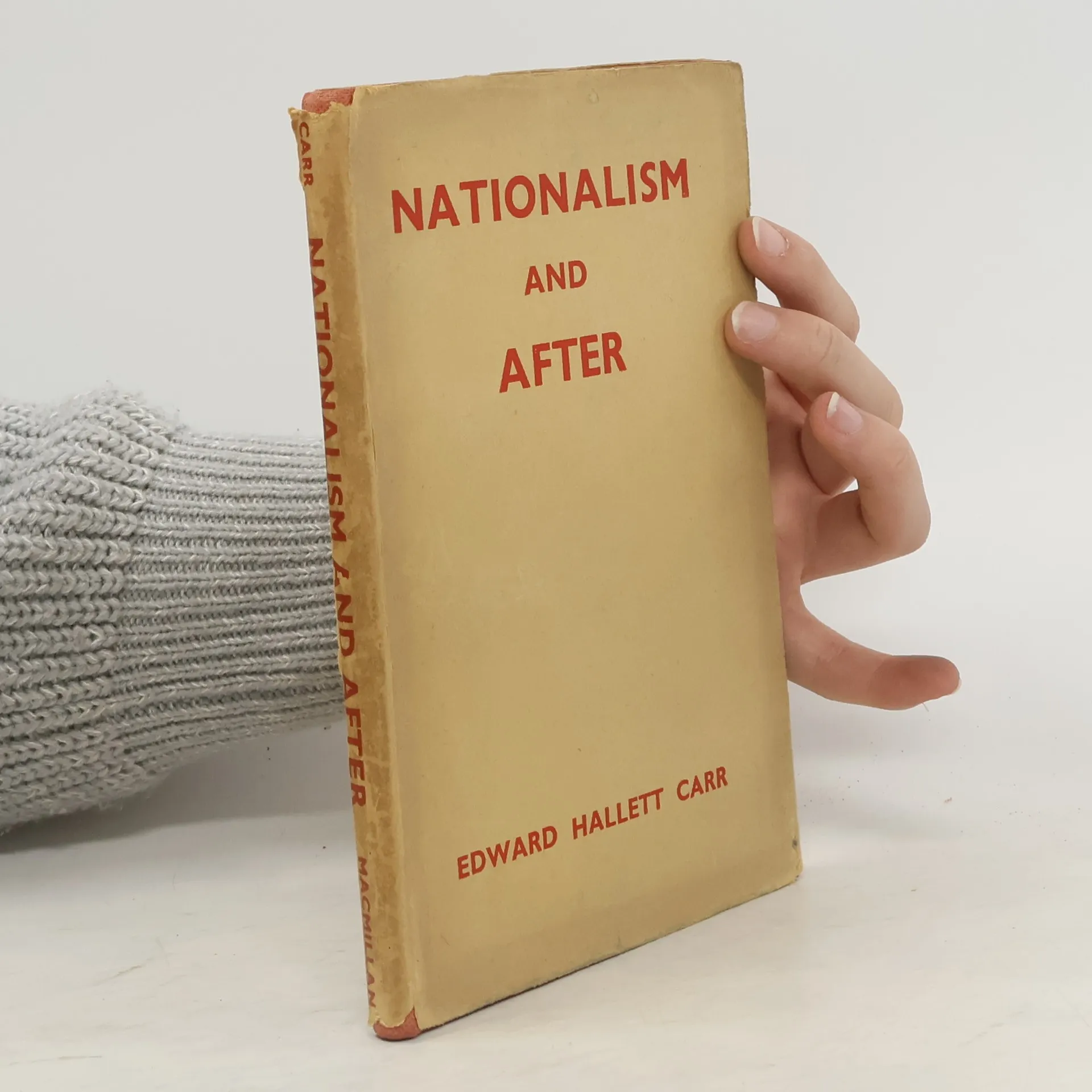
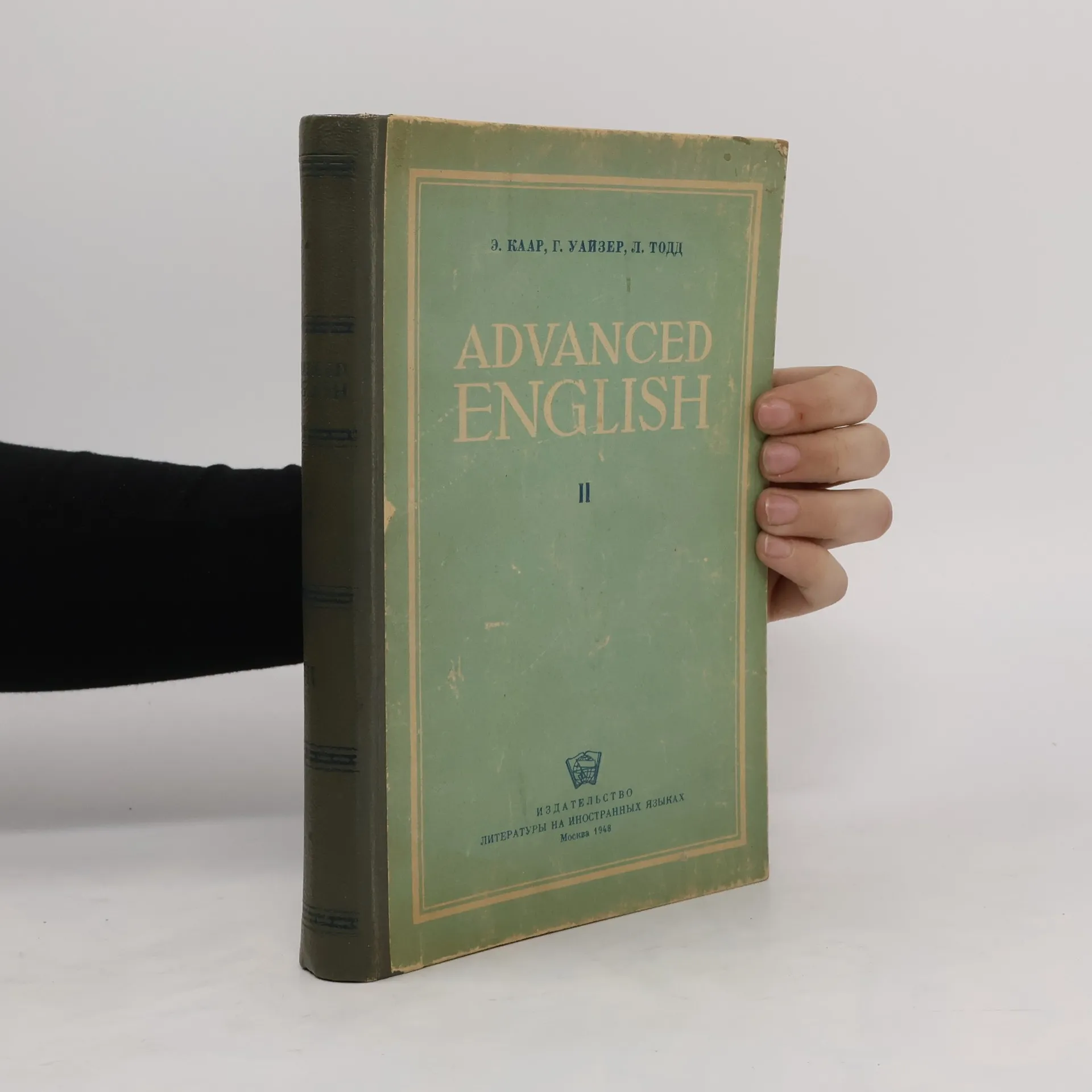




Studies in Revolution
- 228pagine
- 8 ore di lettura
Focusing on the ideological roots of the European revolutionary movement, this collection of essays delves into key figures such as Saint-Simon, Marx, and Proudhon, alongside a historical examination of the Russian Communist Party and the British and German Communist Parties. It also explores the contributions of notable leaders like Lenin and Stalin, providing a comprehensive understanding of the evolution of revolutionary thought and action in Europe.
German-Soviet Relations Between the Two World Wars, 1919-1939
- 160pagine
- 6 ore di lettura
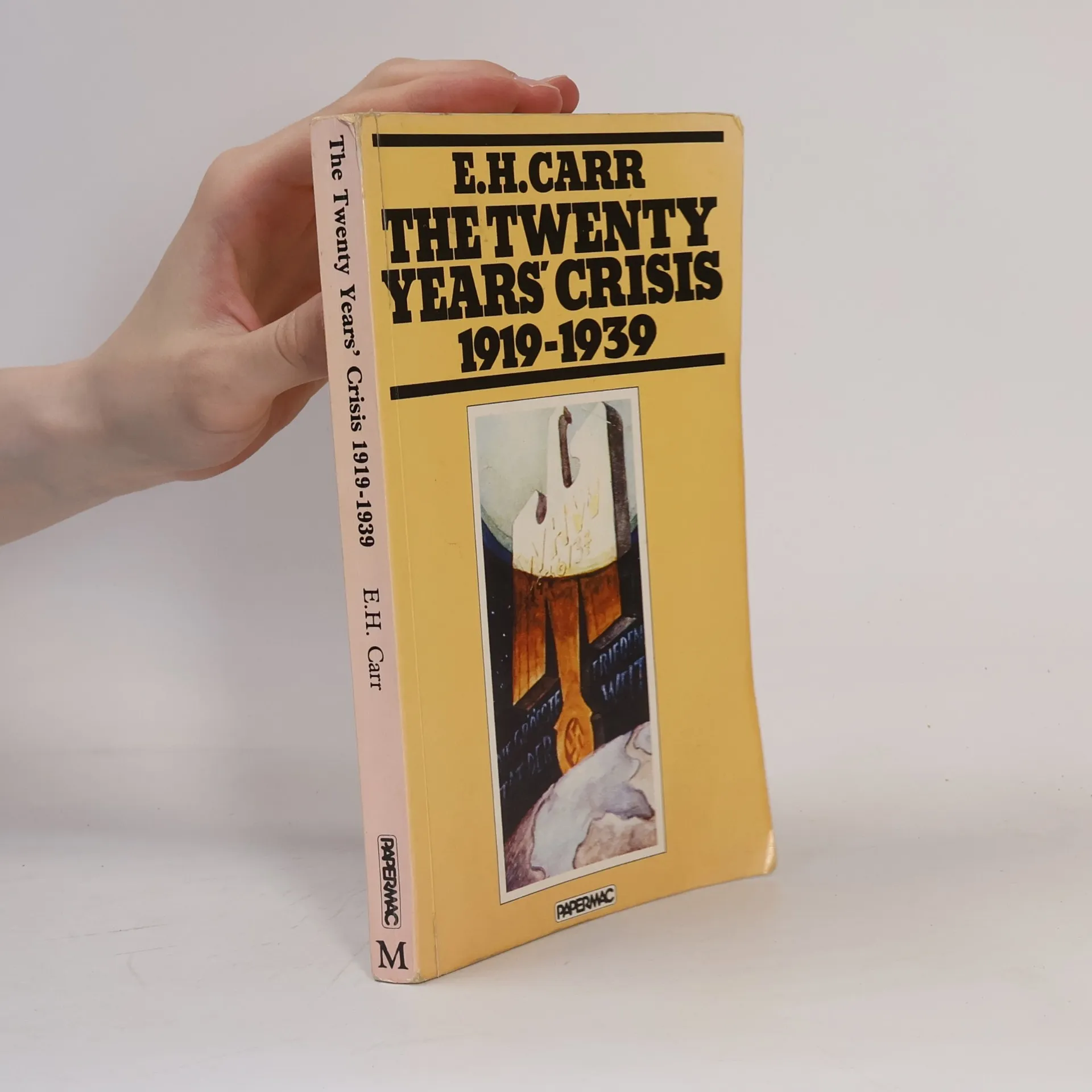
Twenty Years' Crisis, 1919-1939
An Introduction to The Study of International Relations
- 244pagine
- 9 ore di lettura
E. H. Carr's classic work on international relations published in 1939 was immediately recognized by friend and foe alike as a defining work. The author was one of the most influential and controversial intellectuals of the 20th century. The issues and themes he developed continue to have relevance to modern day concerns with power and its distribution in the international system. Michael Cox's critical introduction provides the reader with background information about the author, the context for the book, and its main themes and contemporary relevance.
The Twenty Years' Crisis, 1919-39
An Introduction to the Study of International Relations
- 257pagine
- 9 ore di lettura
E. H. Carr's classic work on international relations published in 1939 was immediately recognized by friend and foe alike as a defining work. The author was one of the most influential and controversial intellectuals of the 20th century. The issues and themes he developed continue to have relevance to modern day concerns with power and its distribution in the international system. Michael Cox's critical introduction provides the reader with background information about the author, the context for the book, and its main themes and contemporary relevance.
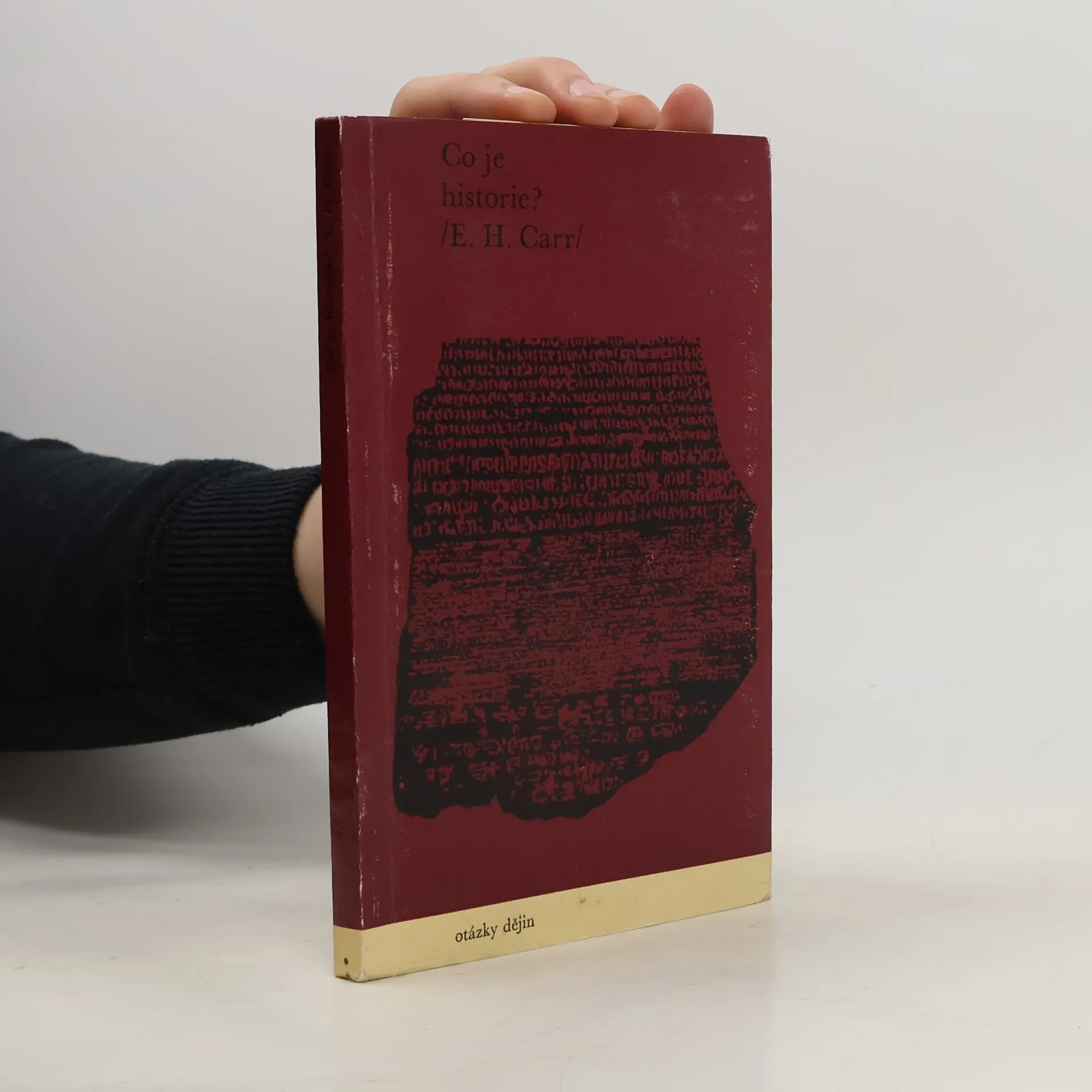
Přednášky na cambridžské universitě v lednu - březnu 1961 v rámci cyklu G.M. Trevelyana.
Socialism in One Country 1924–1926. Volume Two
A History of Soviet Russia
Piccola Biblioteca Einaudi - 37: Sei lezioni sulla storia
- 172pagine
- 7 ore di lettura
Una raccolta di brillanti "lezioni" tenute nel 1961 all'Università di Cambridge in cui Carr ci espone le sue idee sul significato della storia che costituiscono un invito alla discussione su temi vitali per la società di oggi. Il nome di Edward H. Carr è diventato familiare ai lettori con la pubblicazione della sua monumentale storia della Russia sovietica. Con queste sue brillanti «lezioni», tenute nel 1961 all'Università di Cambridge, Carr ci espone le sue idee sul significato della storia. «II passato - egli scrive - è comprensibile per noi soltanto alla luce del presente, e possiamo comprendere il presente unicamente alla luce del passato. Far sí che l'uomo possa comprendere la società del passato e accrescere il proprio dominio sulla società presente: questa è la duplice funzione della storia». Queste pagine, rigorose nel metodo e al tempo stesso invitanti alla lettura per il piglio saggistico con cui sono scritte, vogliono costituire un invito alla discussione su temi vitali per la società d'oggi.