Nigel Warburton si dedica alla divulgazione della filosofia, guidando i lettori attraverso idee complesse in modo accessibile e coinvolgente. Il suo lavoro si concentra nel rendere i concetti filosofici digeribili per un vasto pubblico, incoraggiando la contemplazione delle domande fondamentali dell'esistenza. Attraverso i suoi scritti e podcast, Warburton si sforza di dimostrare come la filosofia possa arricchire la nostra vita quotidiana e aiutarci a comprendere meglio il mondo che ci circonda. È apprezzato per la sua capacità di distillare intricati argomenti filosofici in forme digeribili, aprendo così le porte alla disciplina per le nuove generazioni di lettori.
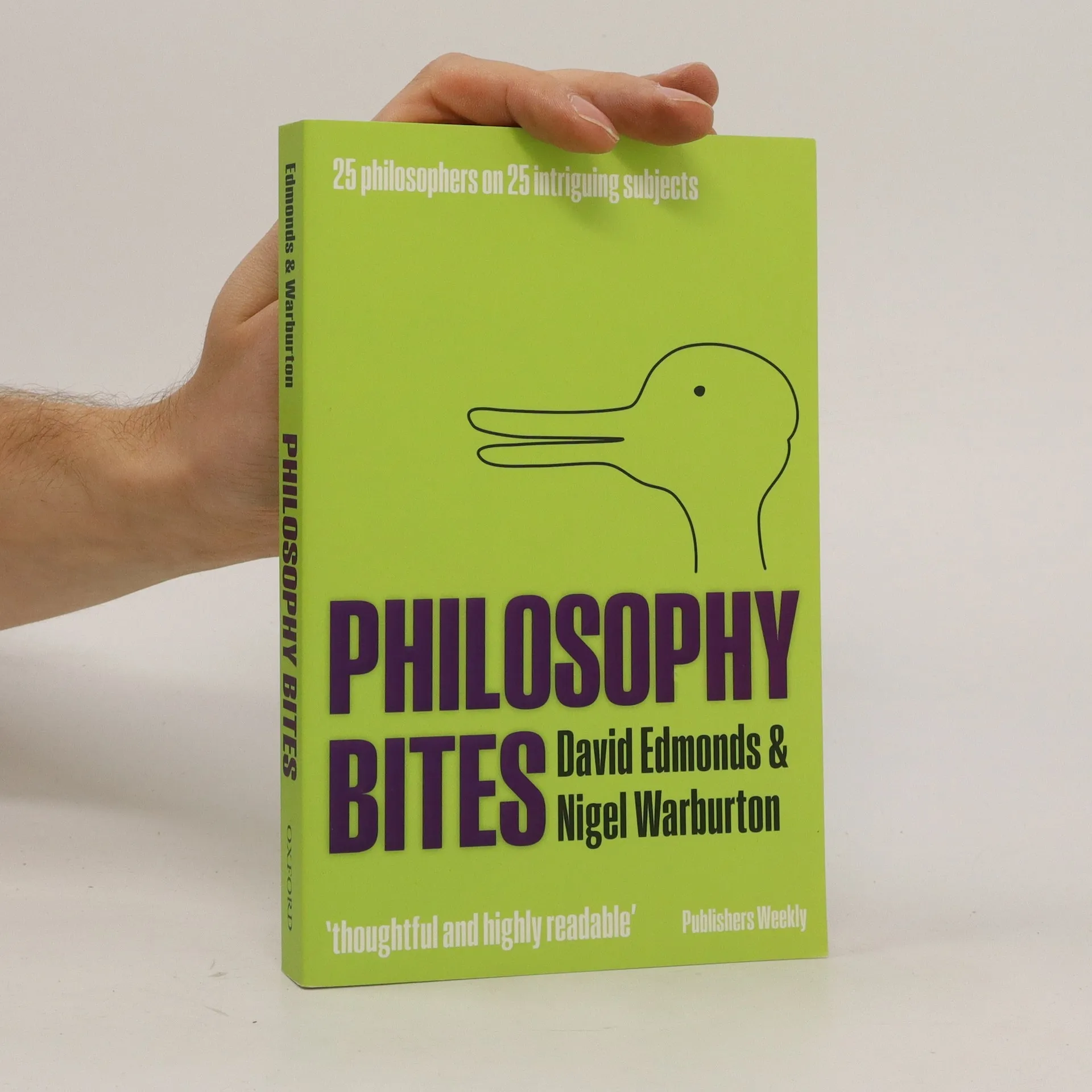
'Philosophy Bites' is a selection of interviews from the hugely successful podcast of the same name. Leading philosophers discuss a wide range of philosophical issues, from ethics to aesthetics to metaphysics, in a lively, informal, personal way.
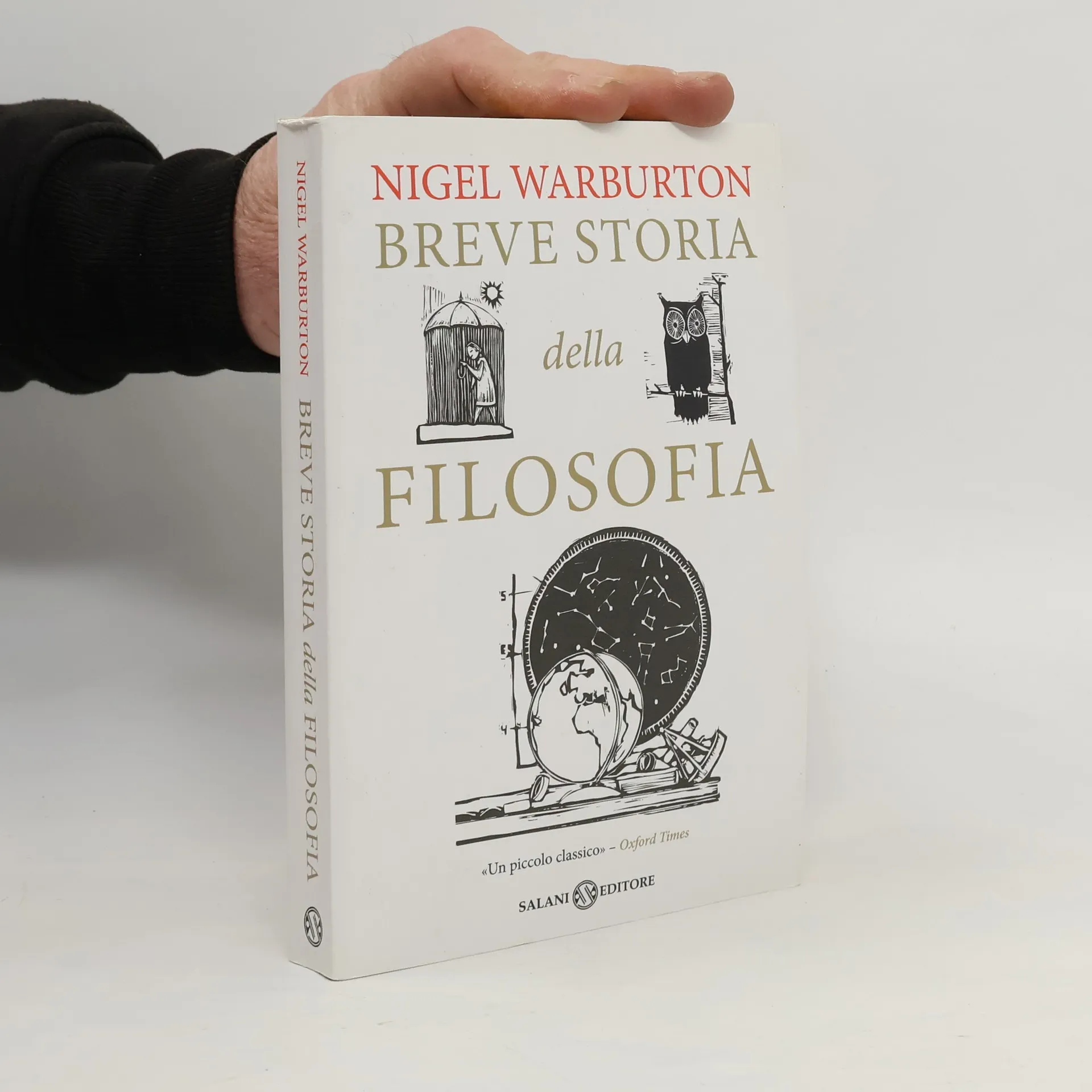
Per molti la filosofia è una disciplina astratta e inavvicinabile, che si esprime con un linguaggio respingente e tratta argomenti lontanissimi dalla concretezza della vita. Per altri è una materia affascinante; ma da dove cominciare per affrontarla? La risposta è in questa Breve storia della filosofia. Con uno straordinario talento di divulgatore, il giovane filosofo Nigel Warburton racconta in quaranta capitoli semplici e chiari i protagonisti della storia della filosofia e le domande fondamentali alle quali, da Socrate a oggi, hanno cercato di rispondere. Domande che in realtà, almeno una volta nella vita, si pone chiunque: Dio esiste? Come dobbiamo comportarci nei confronti degli altri? Dobbiamo davvero avere paura della morte? Meglio la libertà o l’uguaglianza? Domande anche scottanti e attualissime: Fin dove può spingersi la scienza? E la libertà di pensiero e di parola? Com’è possibile che la storia degli esseri umani sia tanto piena di malvagità? Dalle risposte dei suoi protagonisti, la filosofia emerge non come un vuoto esercizio del pensiero, ma come lo strumento che da sempre guida l’umanità alla scoperta del mondo esterno e del mondo interiore, ponendo le basi per la scienza, la politica, la fede e l’etica. Uno strumento capace di rendere più ricca e interessante anche la vita quotidiana e di farlo in modo semplice e stimolante, proprio come in questo libro.
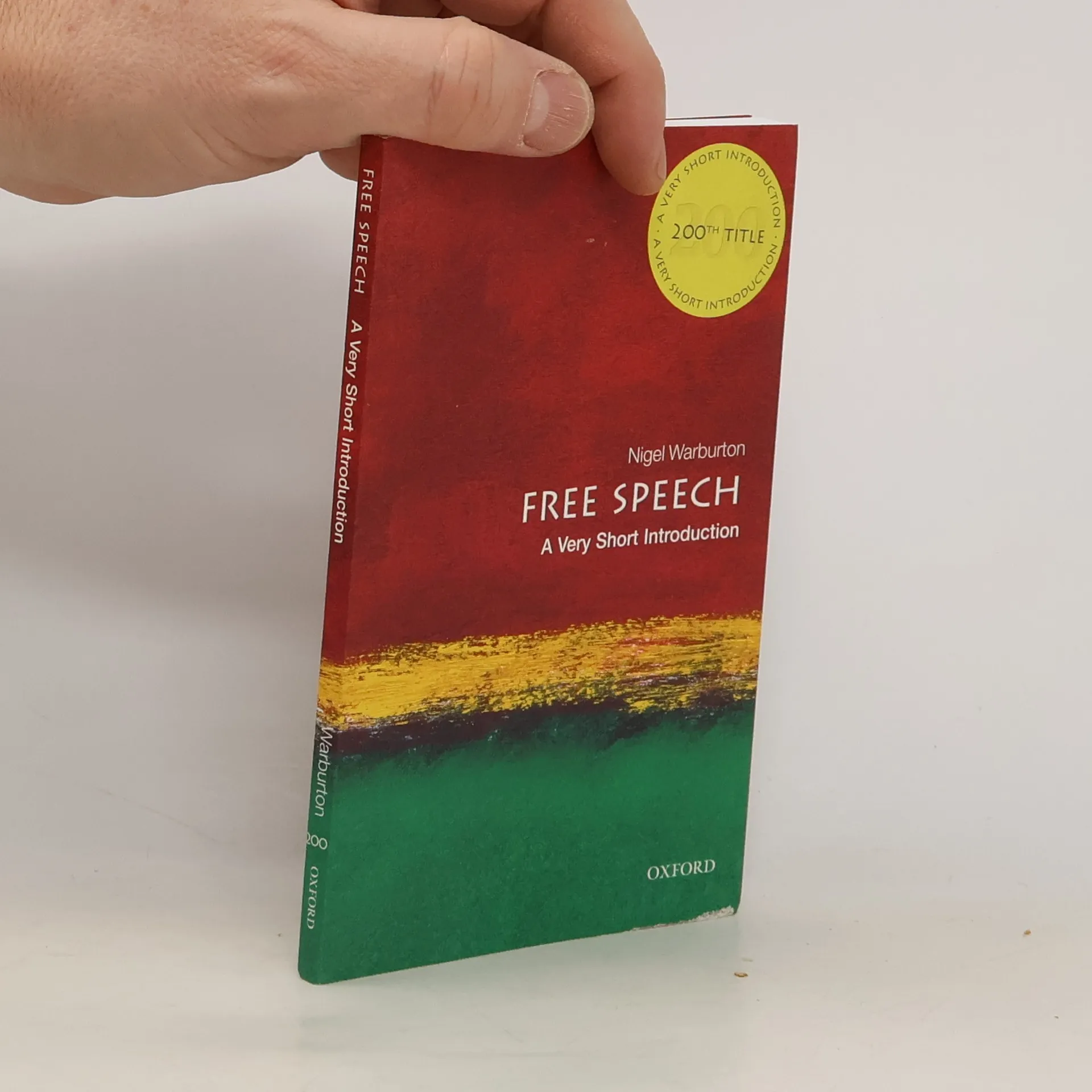
How important is free speech? Should it be defended at any cost? Or should we
set limits on what can and cannot be said? This Very Short Introduction offers
a lively and thought-provoking guide to these questions, exploring both the
traditional philosophical arguments as well as the practical issues and
controversies facing society today.
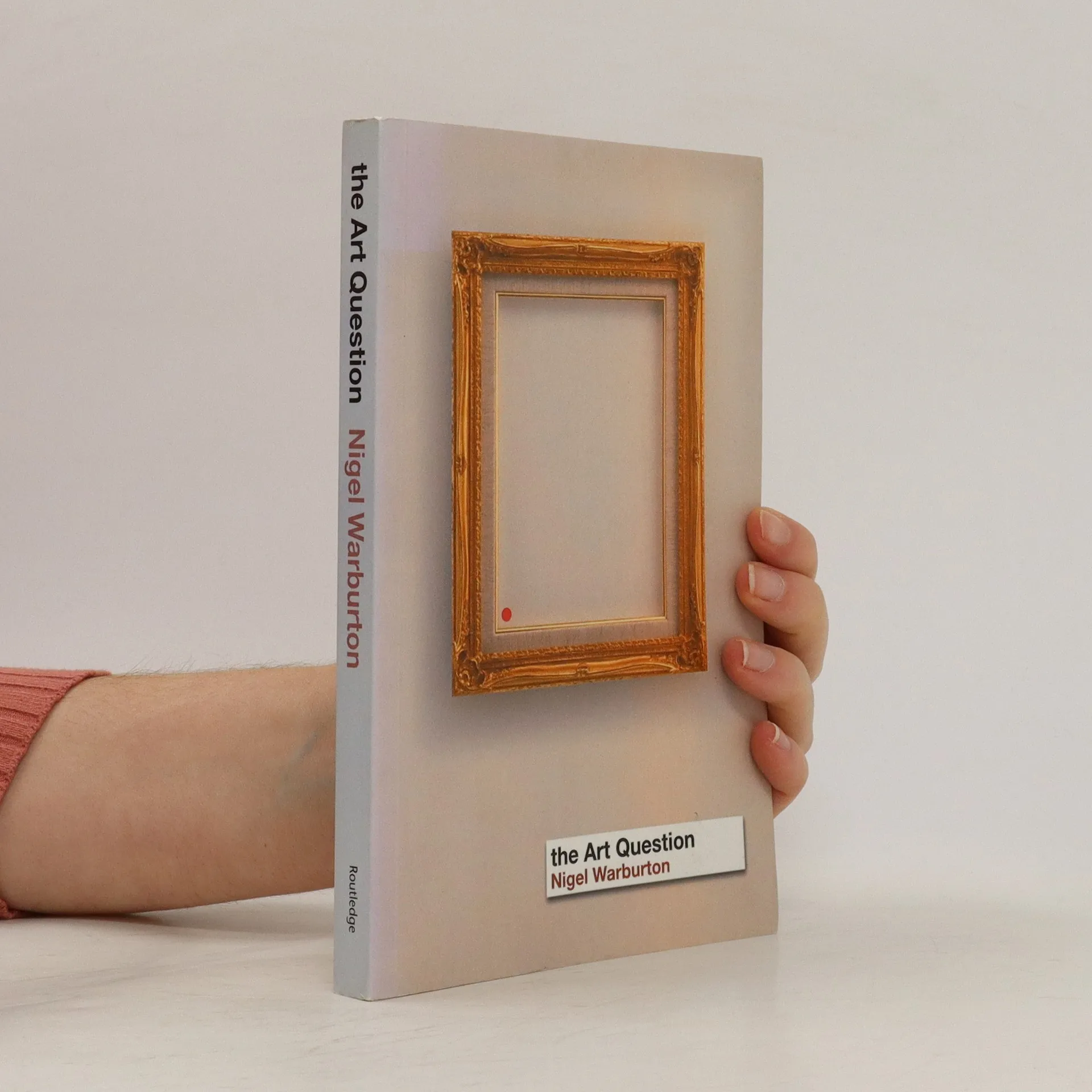
If an artist sends a live peacock to an exhibition, is it art?'What is art?' is a question many of us want answered but are too afraid to ask. It is the very question that Nigel Warburton demystifies in this brilliant and accessible little book. With the help of varied illustrations and photographs, from Cézanne and Francis Bacon to Andy Warhol and Damien Hirst, best-selling author Warburton brings a philosopher's eye to art in a refreshing jargon-free style.With customary clarity, he explains art theories, that are much discussed but little understood, by thinkers such as Clive Bell, R.G Collingwood and Wittgenstein. He illuminates other perplexing problems in art, such as the artist's intention, representation and emotion. Drawing on photographs of Cindy Sherman and Tiananmen Square, Warburton shows that, if we are ever to answer the art question, we must consider each work of art on its own terms.A stimulating and handy guide through the art maze, The Art Question is essential reading for anyone interested in art, philosophy or those who simply like looking at and thinking about pictures.
With 'Thinking from A to Z', Nigel Warburton presents an alphabetically arranged guide to help readers understand the art of arguing. This fully updated edition has many new entries including lawyer's answer, least worst option, stonewalling, sunk-cost fallacy and tautology.
Philosophy: The Basics gently eases the reader into the world of philosophy. Each chapter considers a key area of philosophy, explaining and exploring the ways in which philosophy addresses key questions.
Im Mittelpunkt dieses Bandes steht die FRage: „Warum soll man sich mit Philosophie beschäftigen?“ In sieben Kapiteln werden Antworten gegeben zu den Themenbereichen Gott, Recht und Unrecht, Politik, Außenwelt, Wissenschaft, Geist und Kunst. Das besondere an diesem Crash-Kurs liegt darin, daß nach den jeweils knappen Überblicken die wichtigsten Gründe genannt werden, die für und gegen die angeführten Lehrmeinungen sprechen.