

Bookbot

Casey Reas Libri

    Casey Reas è Professore di Design Media Arts presso la UCLA. È anche coautore di Processing: A Programming Handbook for Visual Designers and Artists. Il suo lavoro unisce le discipline dell'arte visiva e della programmazione. È riconosciuto per i suoi contributi nei campi della creatività computazionale e dell'arte dei nuovi media.

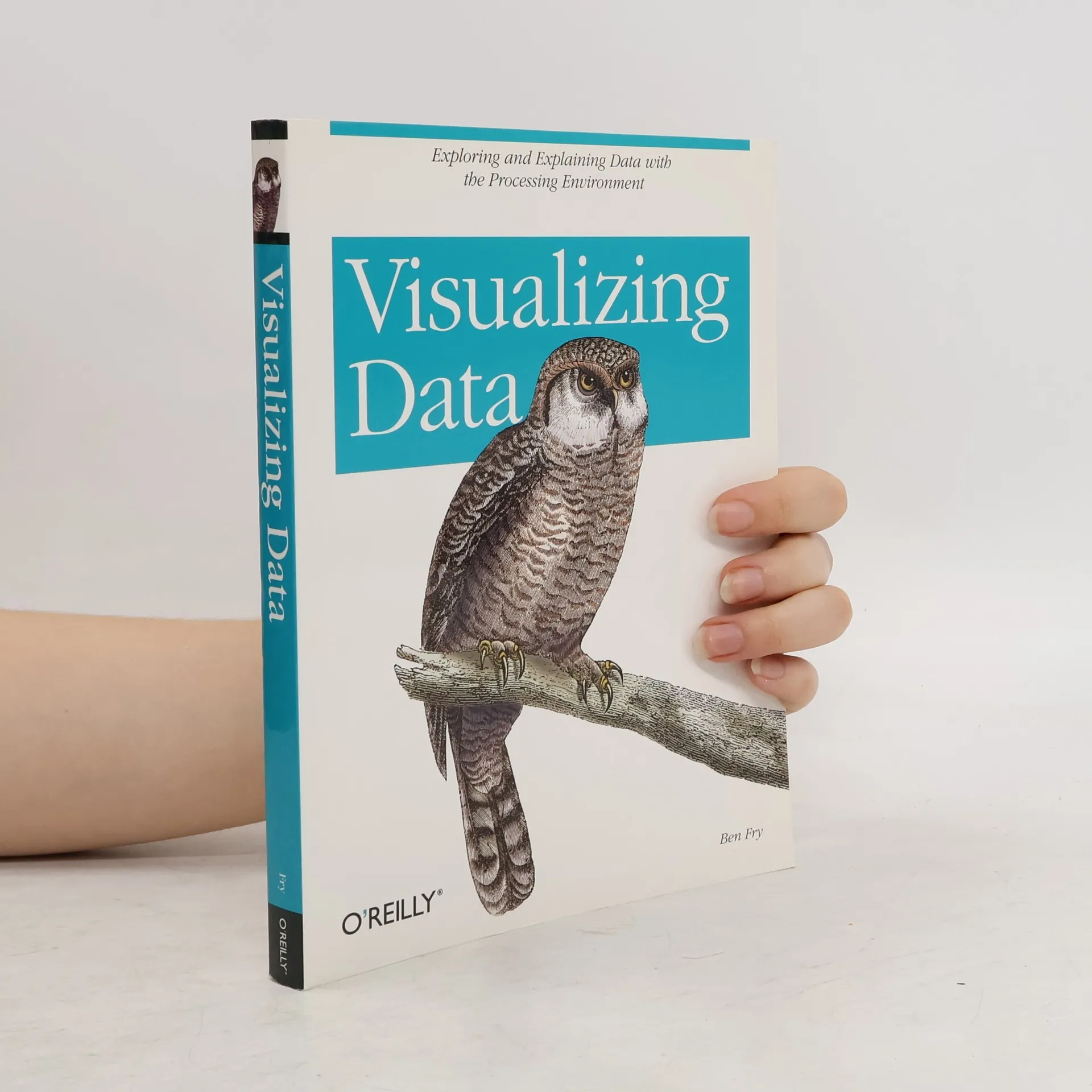
    Visualizing Data
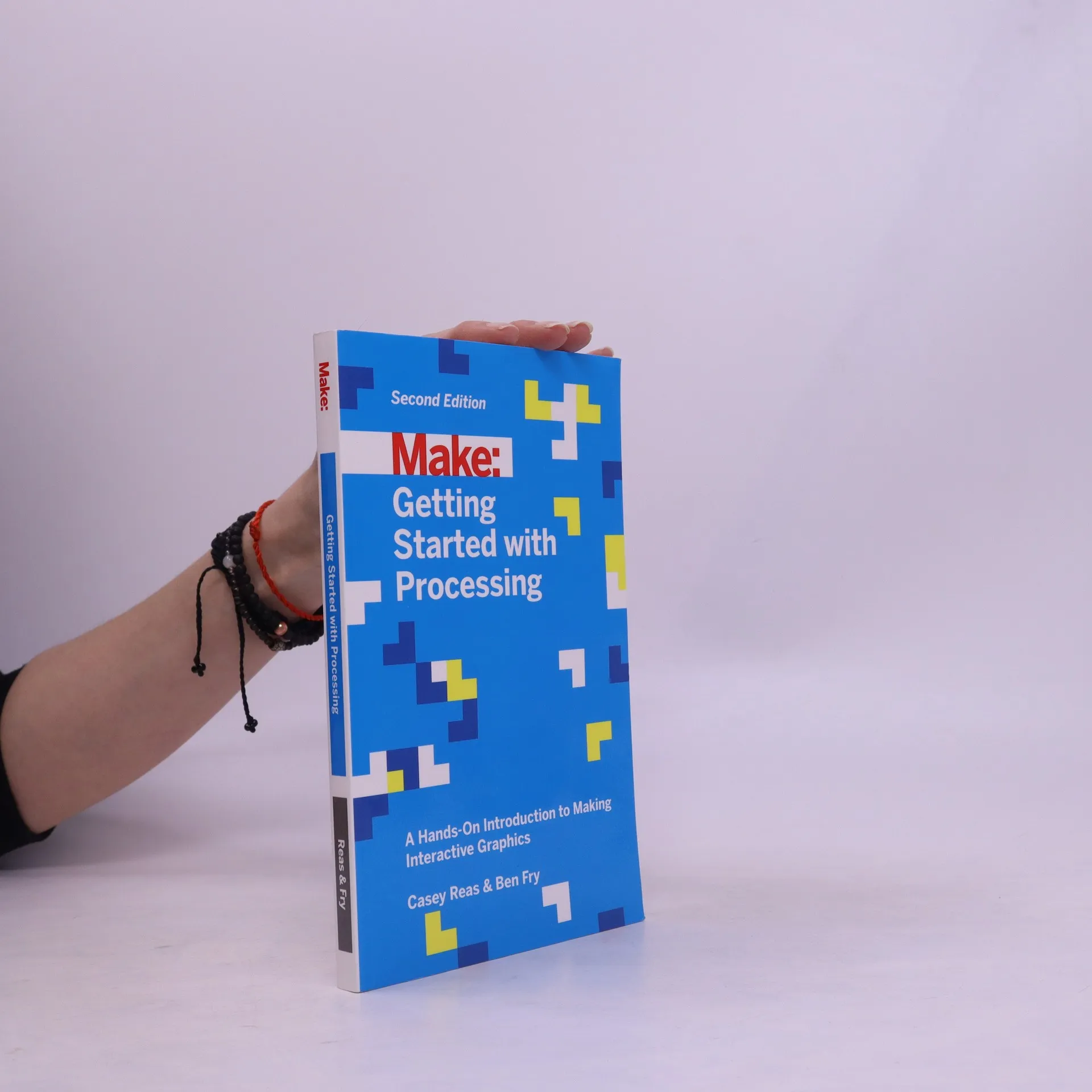
    Getting Started with Processing
    10 PRINT CHR$(205.5+RND(1)); : GOTO 10
    Processing
    • Processing

      A Programming Handbook for Visual Designers and Artists - Second Edition

      • 662pagine
      • 24 ore di lettura

      Focusing on the intersection of computer programming and visual arts, this updated edition teaches the open-source language Processing to foster a new form of literacy among artists and designers. By learning to code, they can create innovative media and envision future possibilities beyond current software limitations. The book serves as a comprehensive guide, featuring tutorial chapters and interviews with professionals discussing advanced projects in animation, performance, and installation, making it a valuable resource for students and practitioners alike.
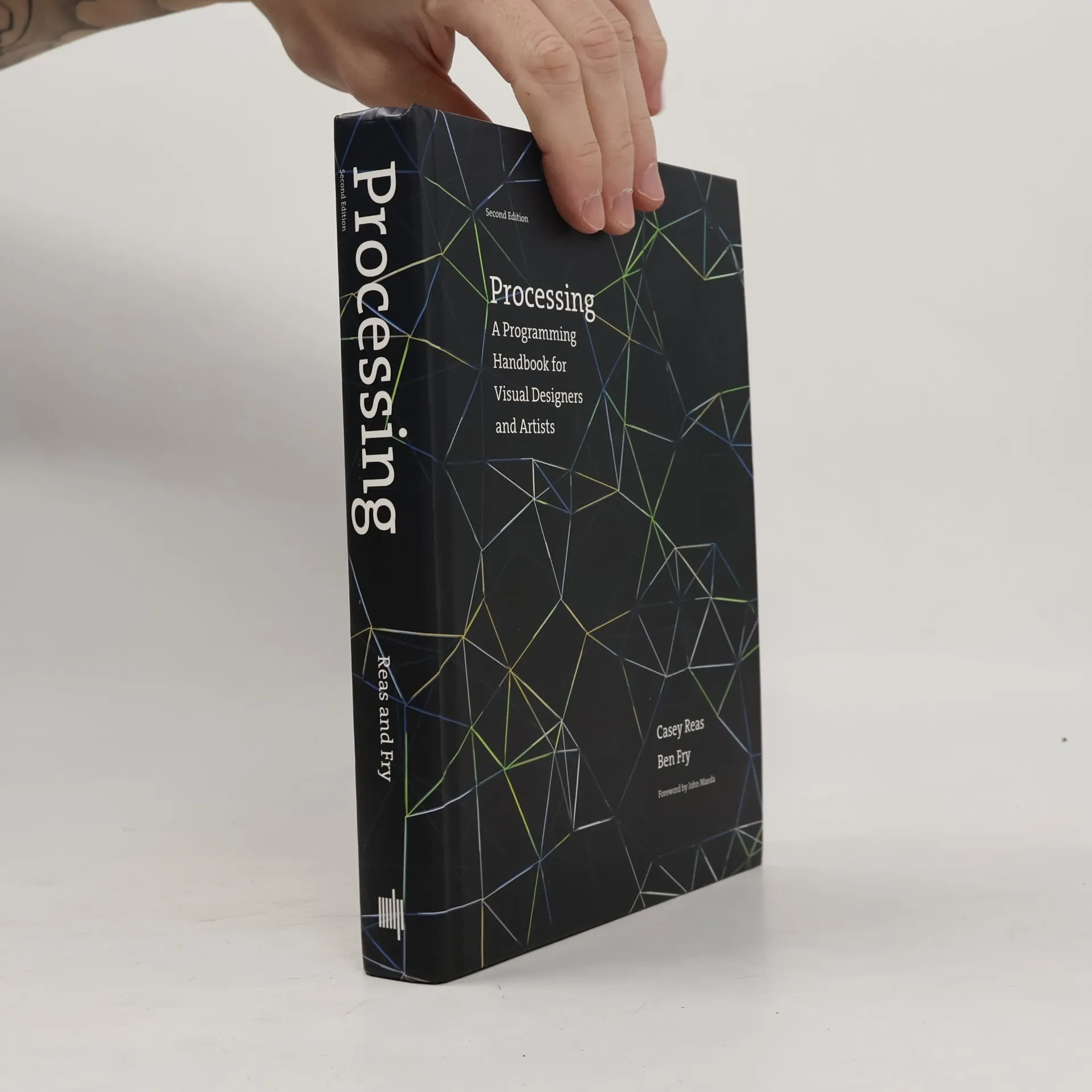
      Processing
      4,2
    • 10 PRINT CHR$(205.5+RND(1)); : GOTO 10

      • 328pagine
      • 12 ore di lettura

      A single line of code offers a way to understand the cultural context of computing. This book takes a single line of code—the extremely concise BASIC program for the Commodore 64 inscribed in the title—and uses it as a lens through which to consider the phenomenon of creative computing and the way computer programs exist in culture. The authors of this collaboratively written book treat code not as merely functional but as a text—in the case of 10 PRINT, a text that appeared in many different printed sources—that yields a story about its making, its purpose, its assumptions, and more. They consider randomness and regularity in computing and art, the maze in culture, the popular BASIC programming language, and the highly influential Commodore 64 computer.

      10 PRINT CHR$(205.5+RND(1)); : GOTO 10
      4,0
    • Visualizing Data

      • 382pagine
      • 14 ore di lettura

      Enormous quantities of data go unused or underused, simply because people can't visualize the quantities and relationships in it. Using a downloadable programming environment, this book demonstrates methods for representing data on the Web and elsewhere, complete with user interaction, animation, and more.

      Visualizing Data
      3,7