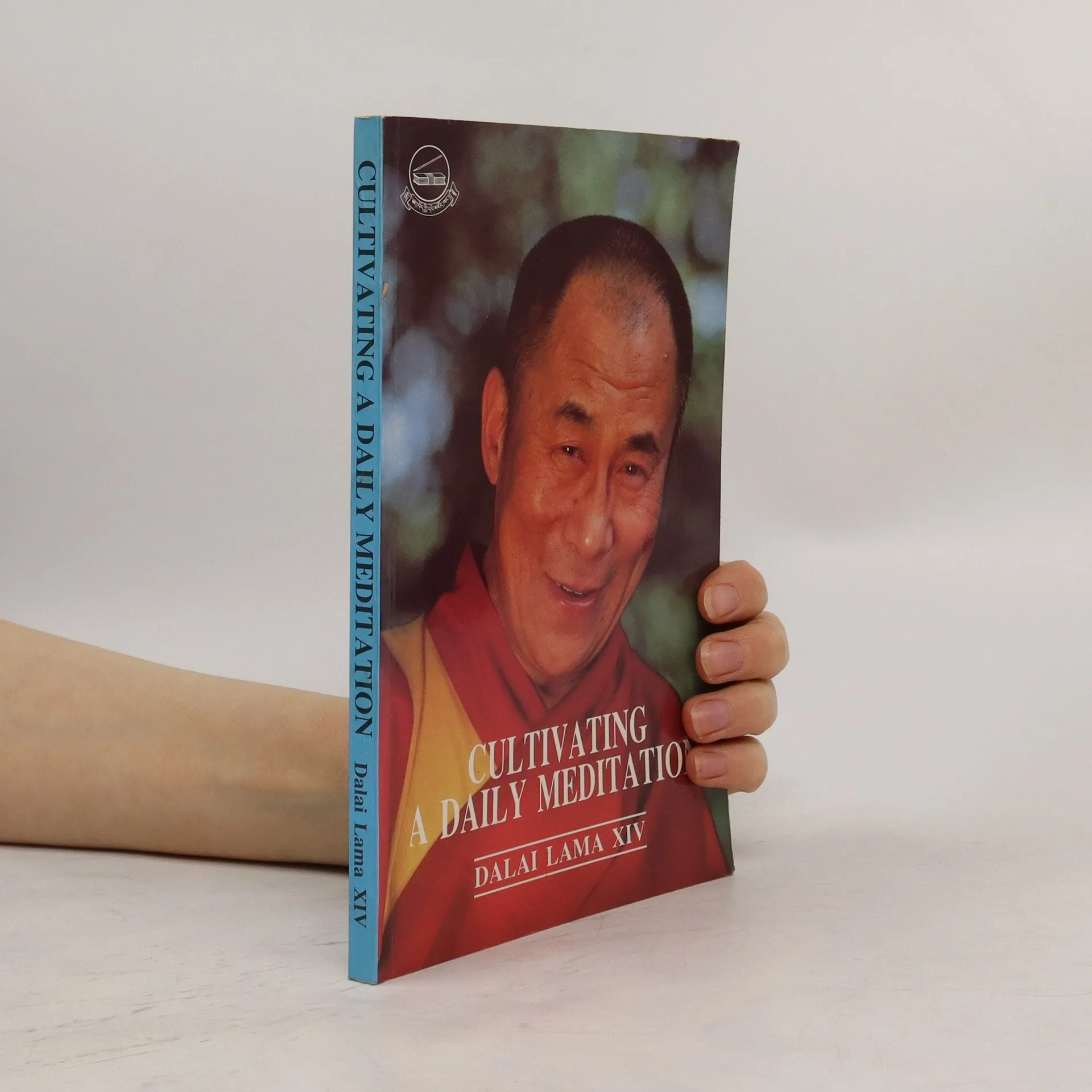
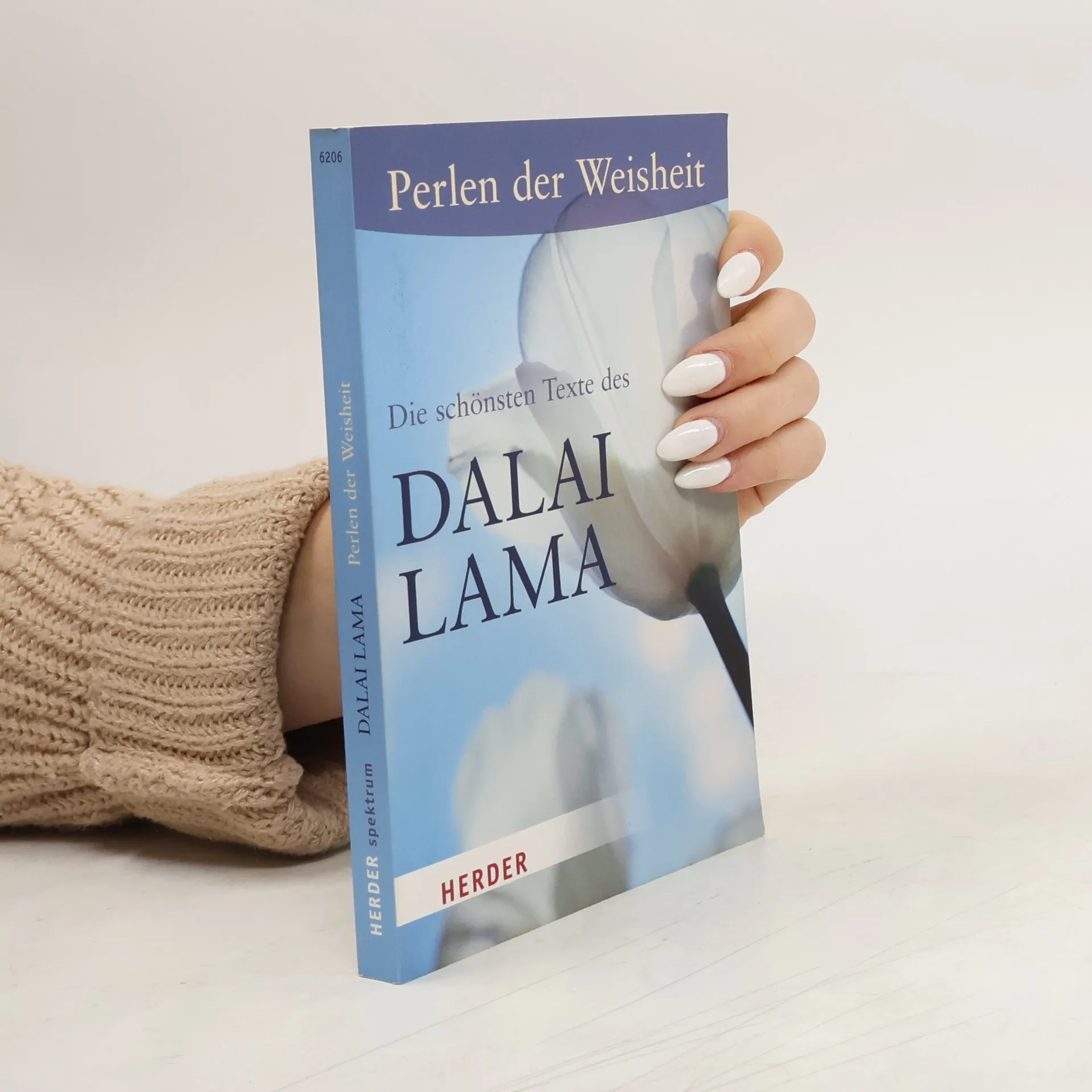
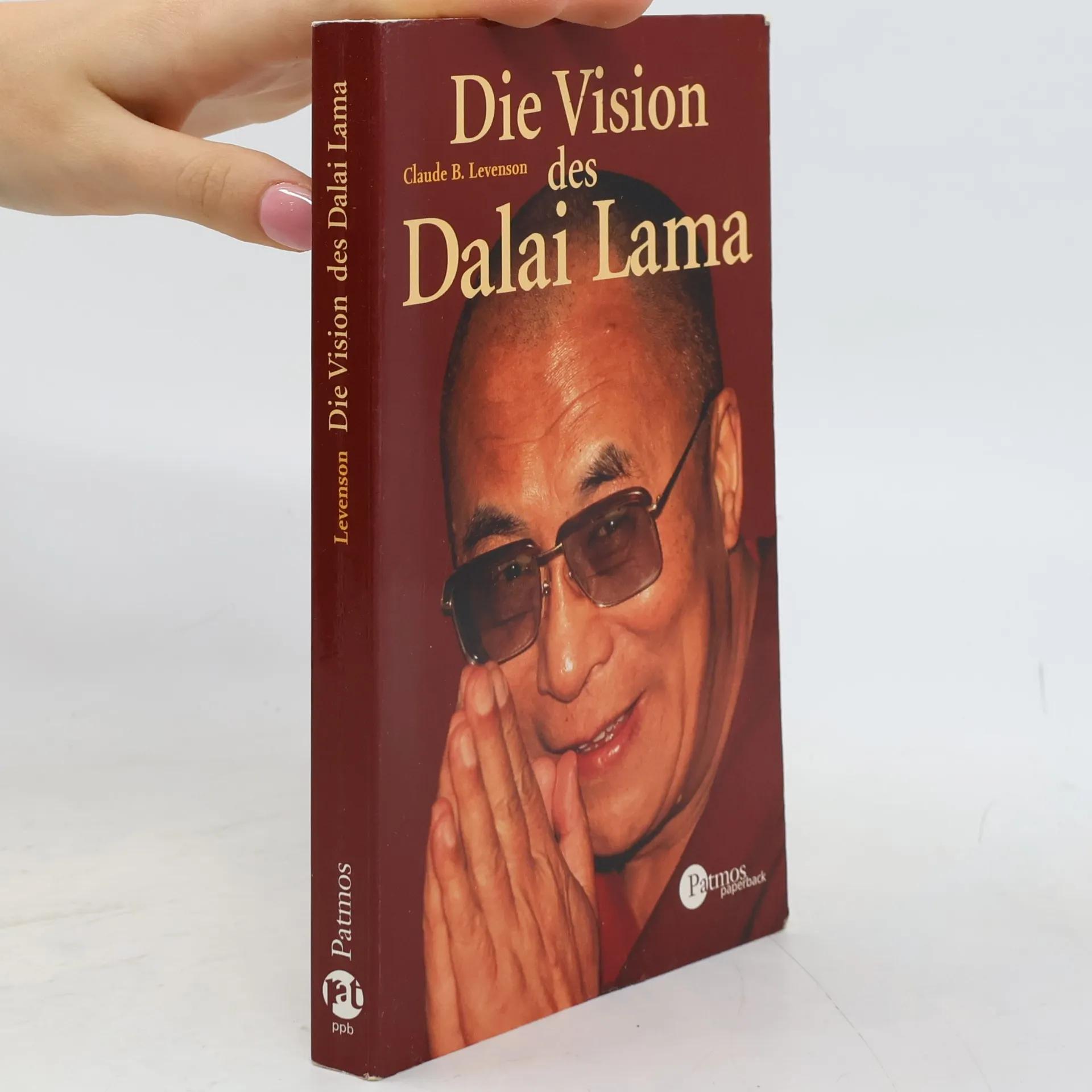
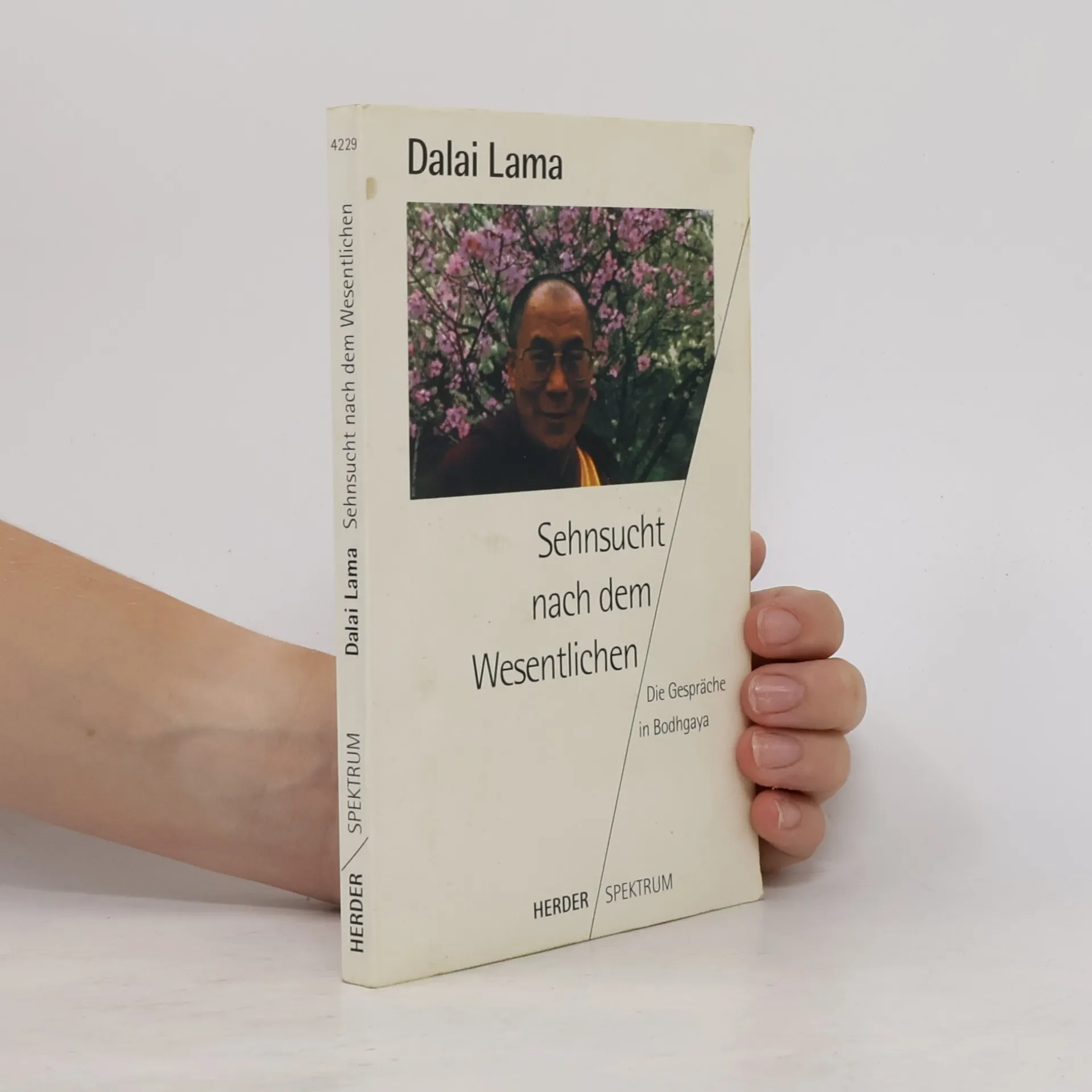
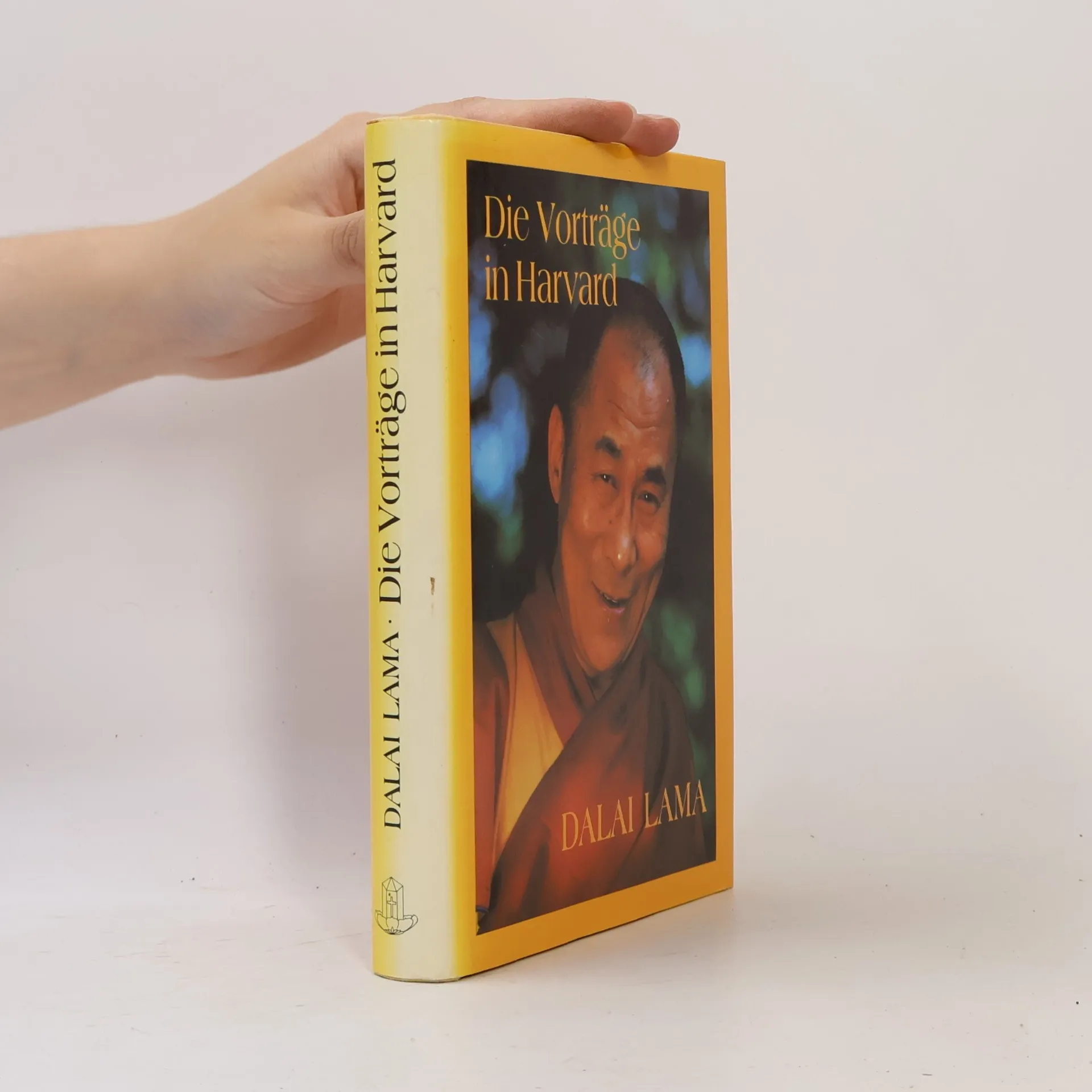
Dalai Lama XIV Bstan-ʾdzin-rgya-mtsho Libri
Il Dalai Lama è una figura influente nel buddismo tibetano, dedito alla diffusione degli insegnamenti buddisti e alla promozione della responsabilità universale, dell'etica secolare e dell'armonia religiosa in Occidente. Essendo il primo Dalai Lama a viaggiare in Occidente, è diventato un oratore carismatico e un sostenitore della pace. I suoi sforzi per preservare la cultura e l'istruzione tibetana per i rifugiati costituiscono una parte cruciale del suo lascito. La sua influenza si estende oltre i confini politici, toccando preoccupazioni spirituali ed etiche a livello globale.


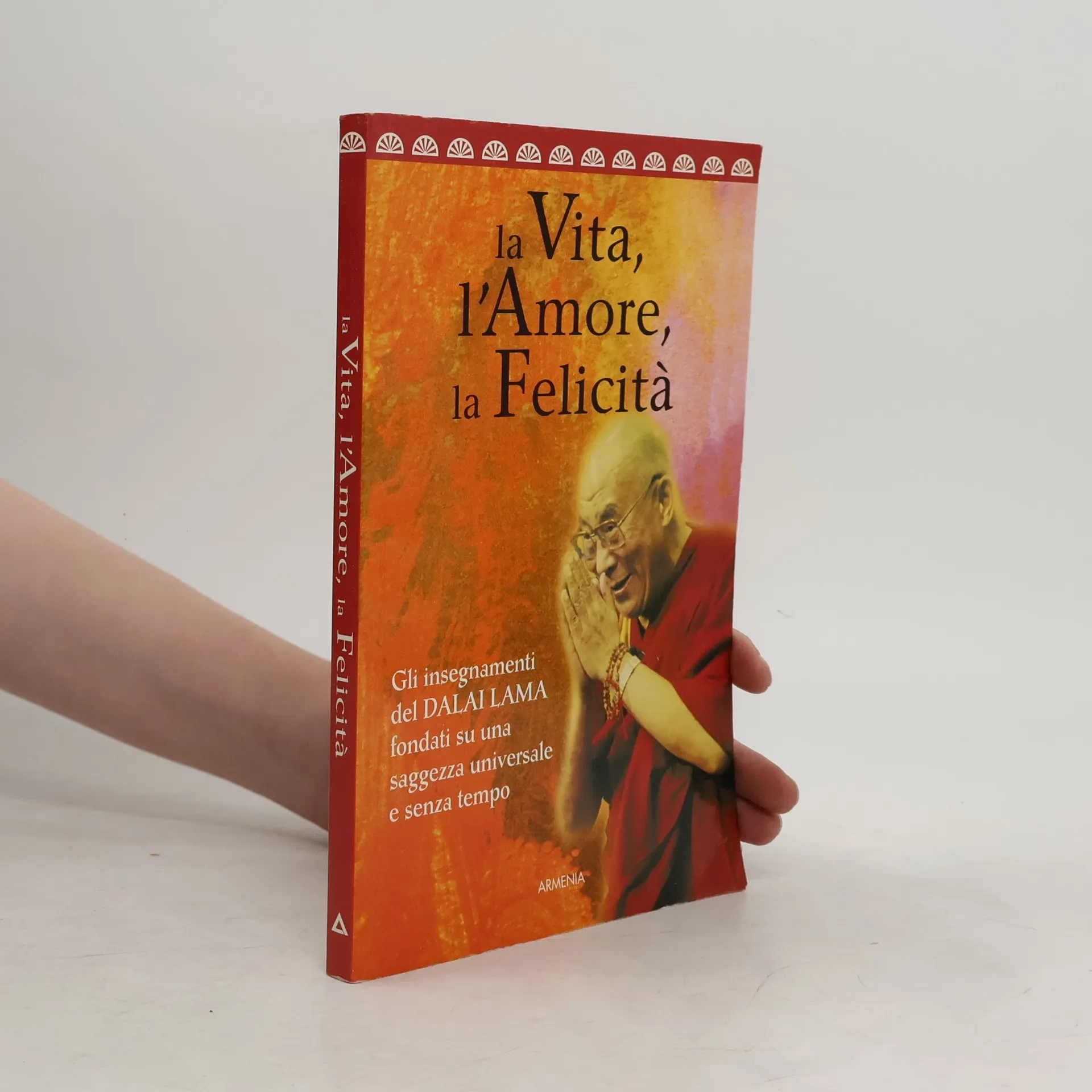
La vita, l'amore, la felicità
- 147pagine
- 6 ore di lettura
His Holiness the Dalai Lama is celebrated as Buddhism's pre-eminent spiritual master andteacher, embodying the highest aspirations of this rich tradition that is more than 2,500 years old. With both profundity and simplicity, he has carried the nuanced teachings of the Buddha to the far corners of the globe, and in the process has touched and transformed millions of lives. Like the Buddha himself, the Dalai Lama, with his ever-smiling face, reaches out to people in ways that connect to their individual mental dispositions, abilities, and everyday realities. Buddhism, which never seeks to proselytize, has been made accessible by the Dalai Lama to both non-Buddhists and Buddhists alike so that we may all learn from one of the most valuable strands of our shared heritage. This fascinating book brings together extracts from some of His Holiness's most powerful writings and talks. As he explains the elements of the Buddha's teachings and the basic practices of meditation, he also engages
This book explores a deeply spiritual culture's struggle to survive and maintain compassion amid severe aggression. The Chinese Communist invasion in 1949 resulted in widespread destruction and repression, leading to Tibet's ongoing occupation. In 1994, photographer Phil Borges traveled to Tibet and regions in Nepal and northern India housing Tibetan refugees, capturing their experiences to understand the impact on their country and culture. His journey sparked a fascination with Buddhist philosophy and the Tibetan commitment to nonviolence. Tibetan Buddhists believe that compassion and forgiveness are vital to countering global suffering. Their unique practices and beliefs offer a path to mental peace and enlightenment, which they are encouraged to pursue from a young age. They prioritize contentment and fulfillment, viewing one's state of mind as the only lasting possession across lifetimes. As Tibetans strive to preserve their culture and reclaim their homeland, they grapple with reconciling their nonviolent principles with the anger that arises from suffering. This internal conflict tests their dedication to compassion, religion, and cultural identity.
To Tibetans the Dalai Lama is an incarnation of the Buddha of compassion. 'My religion is simple,' he says, 'my religion is kindness.' This book elaborates this message. It offers Dalai Lama's views on how world peace, happiness, and environmental responsibility are inextricably linked.
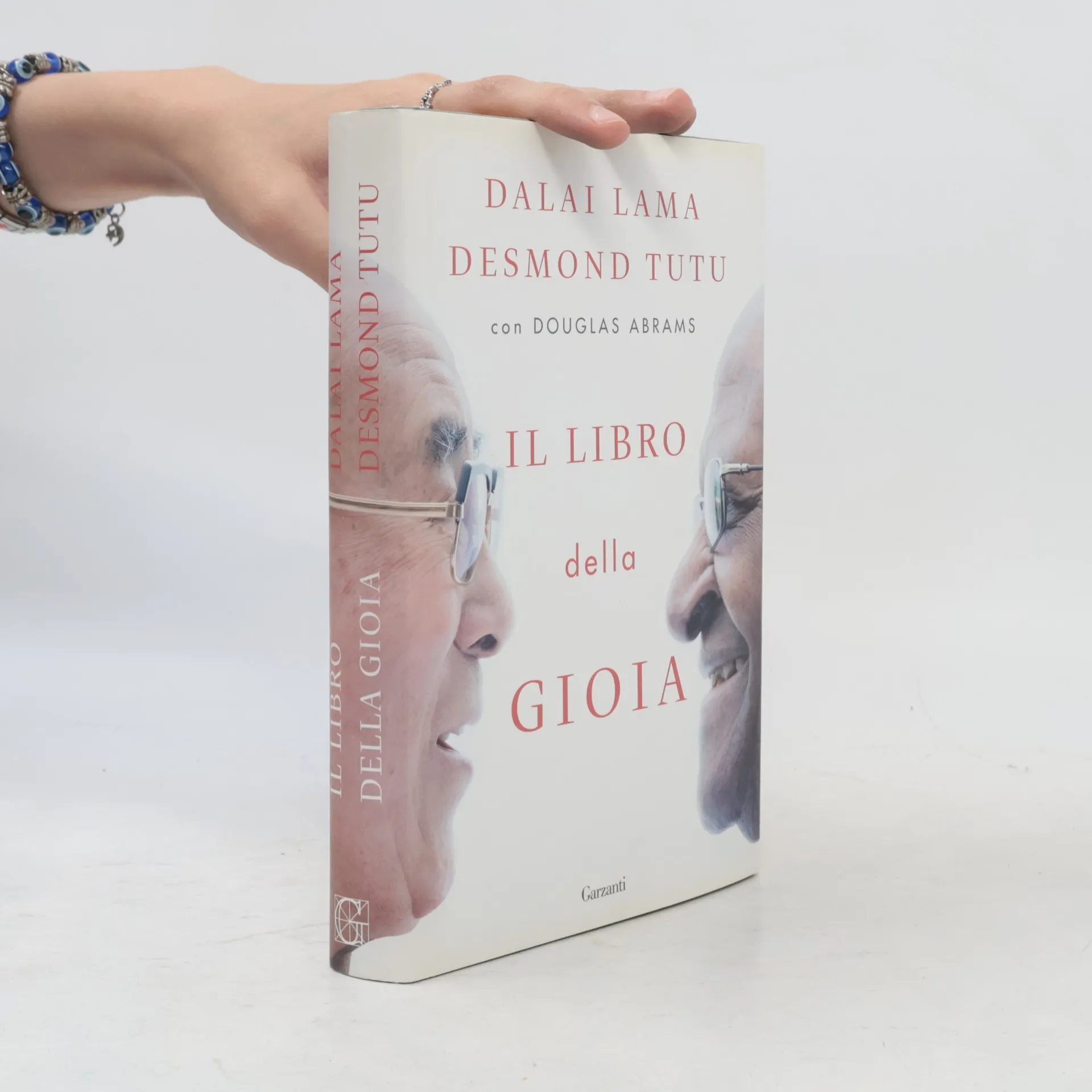
Saggi: Il libro della gioia
- 336pagine
- 12 ore di lettura
Two great spiritual masters share their own hard-won wisdom about living with joy even in the face of adversity. The occasion was a big birthday. And it inspired two close friends to get together in Dharamsala for a talk about something very important to them. The friends were His Holiness the Dalai Lama and Archbishop Desmond Tutu. The subject was joy. Both winners of the Nobel Prize, both great spiritual masters and moral leaders of our time, they are also known for being among the most infectiously happy people on the planet. From the beginning the book was envisioned as a three-layer birthday cake: their own stories and teachings about joy, the most recent findings in the science of deep happiness, and the daily practices that anchor their own emotional and spiritual lives. Both the Dalai Lama and Archbishop Tutu have been tested by great personal and national adversity, and here they share their personal stories of struggle and renewal. Now that they are both in their eighties, they especially want to spread the core message that to have joy yourself, you must bring joy to others. Most of all, during that landmark week in Dharamsala, they demonstrated by their own exuberance, compassion, and humor how joy can be transformed from a fleeting emotion into an enduring way of life.
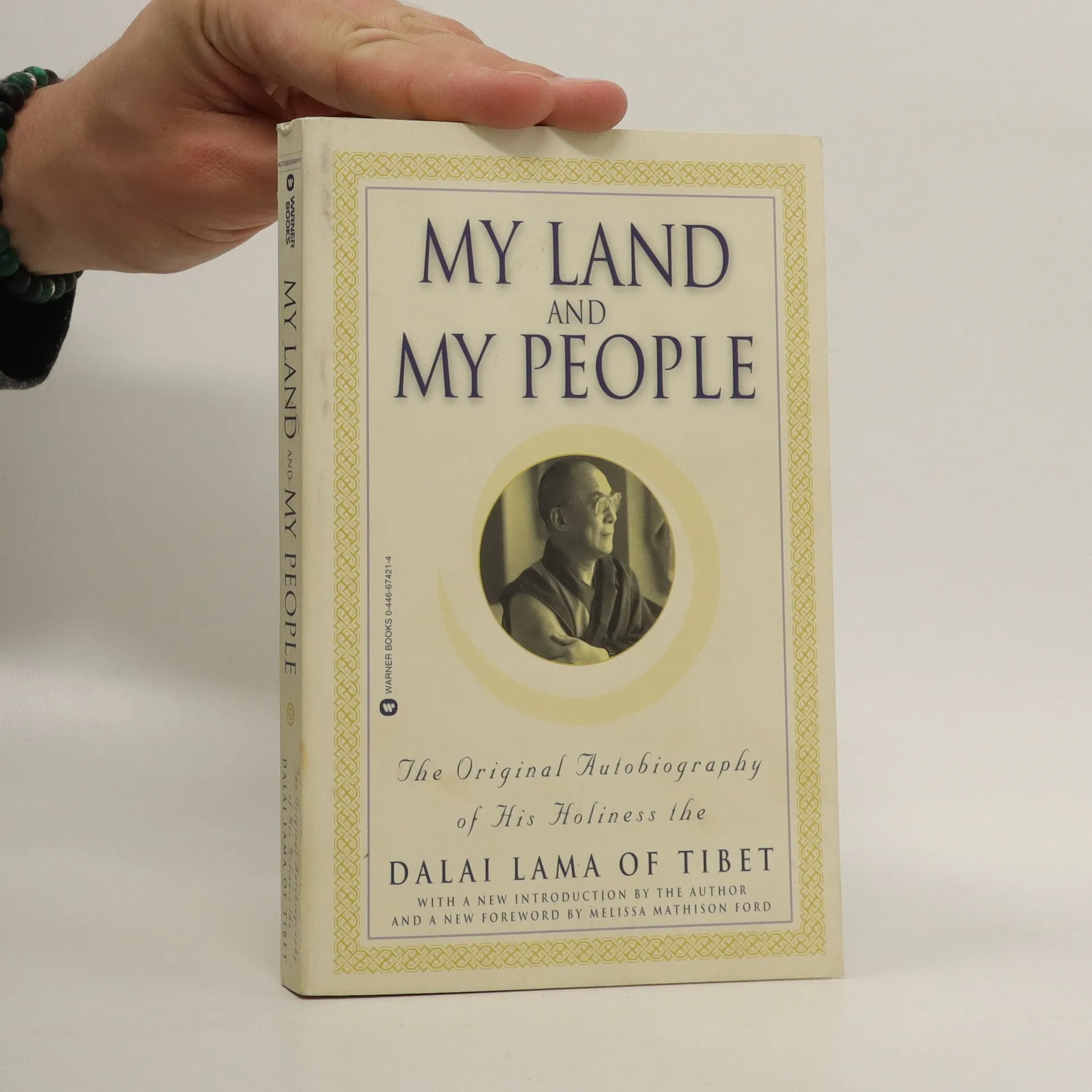
My Land and My People
- 256pagine
- 9 ore di lettura
Schooled behind ancient palace walls to become the leader of Tibet, the Dalai Lama has become a spiritual leader to the world and a leading civil rights advocate. My Land and My People tells the story of his life.
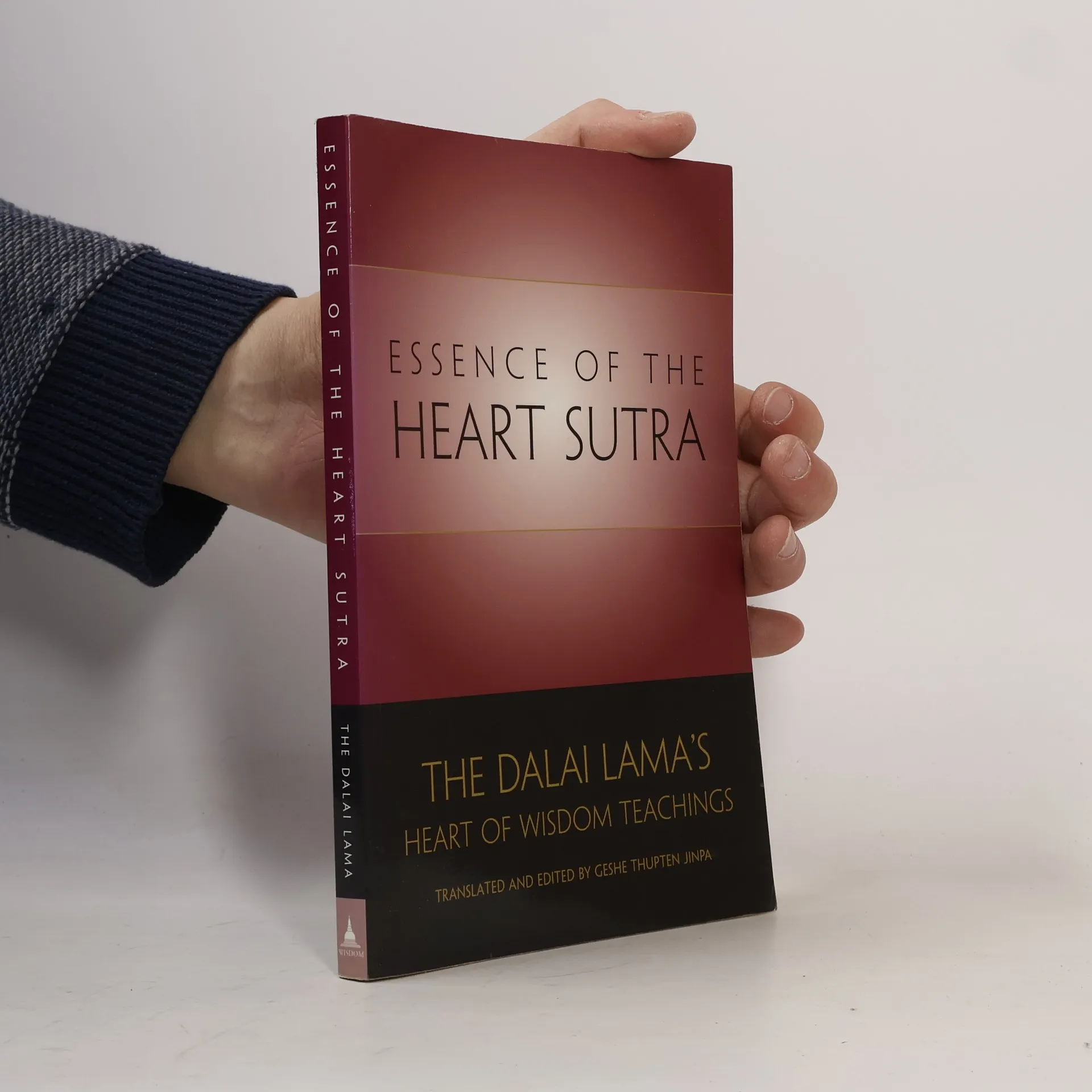
The Essence of the Heart Sutra
- 192pagine
- 7 ore di lettura
For more than two thousand years, the Heart Sutra has been part of the daily life of millions of Buddhists. This concise text, so rich and laden with meaning, concentrates the very heart of Buddhism into a powerful and evocative teaching on the interdependence of all reality.In Essence of the Heart Sutra , the Dalai Lama masterfully unpacks the Heart Sutra so that any reader can benefit from its teachings - teachings meant to help us release ourselves from suffering and live with true compassion. Comprised of his "Heart of Wisdom" talks, originally delivered to thousands of listeners in 2001, the book offers the Dalai Lama's commentary as well as his easy-to-follow overview of Buddhist philosophy that places the sutra within its historical and philosophical context. With additional contributions by scholar and translator Thupten Jinpa, Essence of the Heart Sutra is the authoritative presentation of a text seminal to the world's religious heritage.
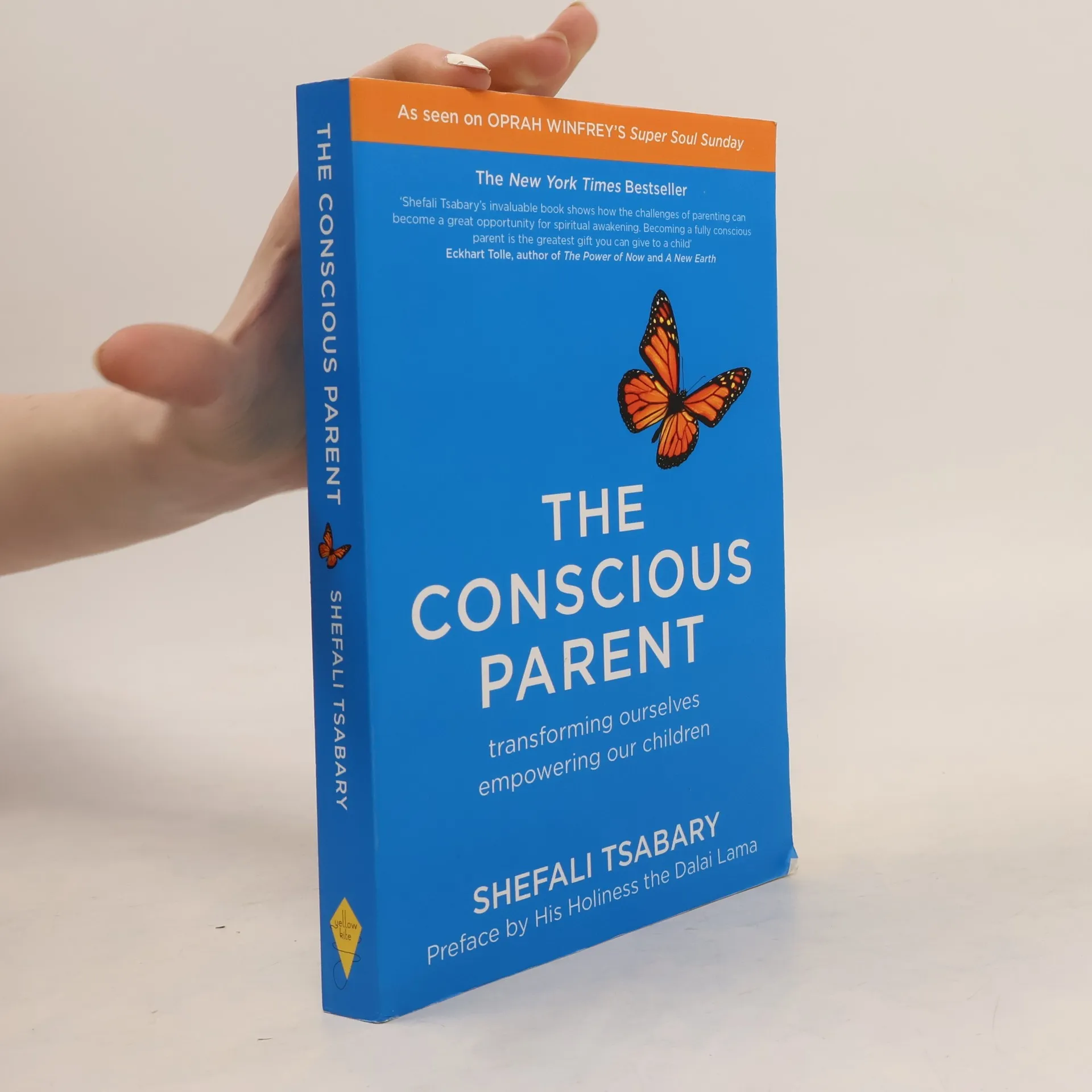
The conscious parent
- 304pagine
- 11 ore di lettura
THE NEW YORK TIMES BESTSELLER Conscious parenting is about becoming mindful of your behaviour and engaging with your child as an individual. Dr Tsabary inspires parents to get back in touch with their emotions and shed the layers of baggage they have inherited during their own life and are unconsciously heaping on their children. As they become 'conscious' in their parenting, so parents can transform their relationship with their offspring and raise happy, well-adjusted children. The Conscious Parent is already transforming the way people are parenting through its sales in the US where it's spent 15 weeks on the New York Times bestseller list. Oprah described the book as 'The most profound book on parenting I've ever read' and Eckhart Tolle has said 'becoming a conscious parent is the greatest gift you can give your child.' The book features a foreword by His Holiness The Dalai Lama.
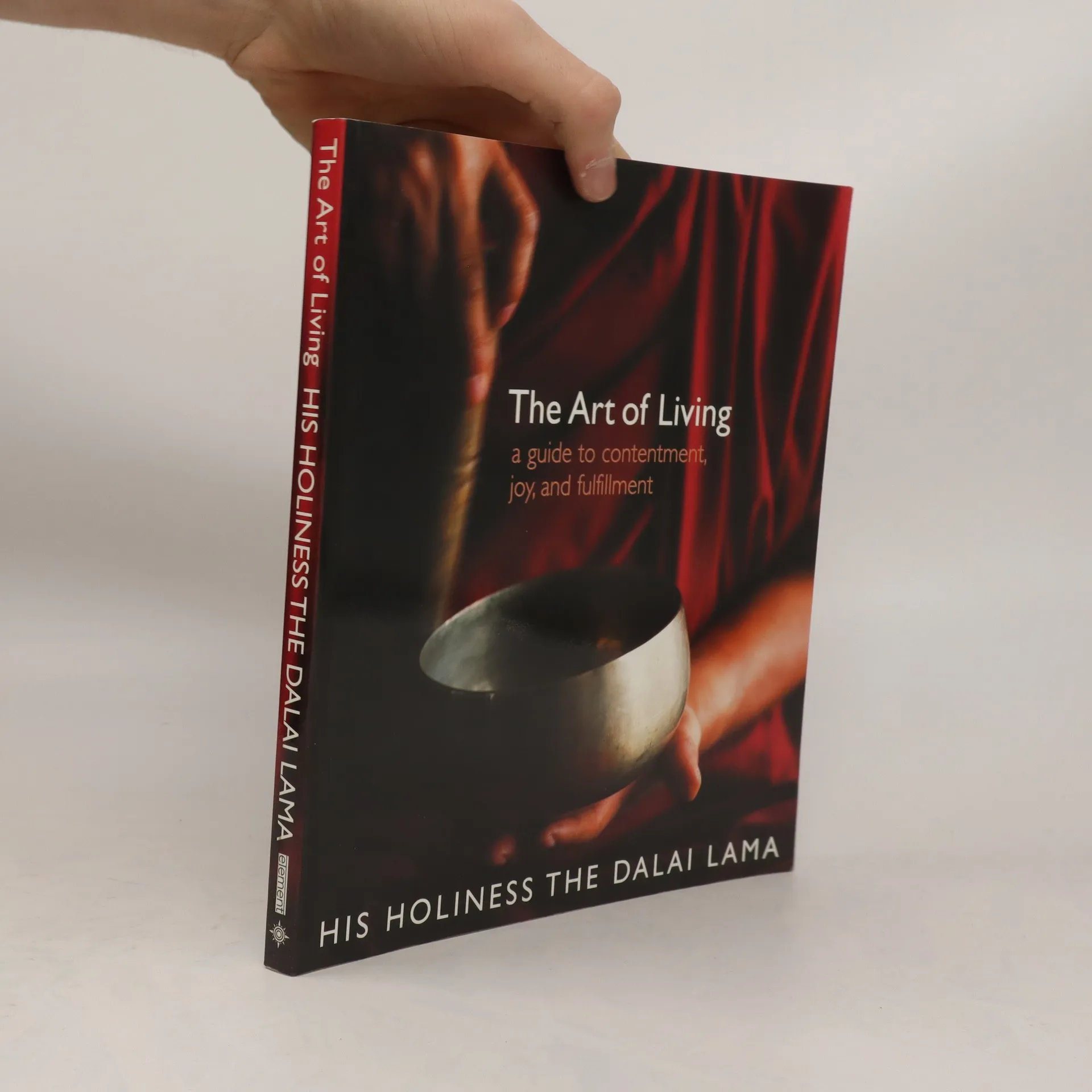
The Art of Living
- 176pagine
- 7 ore di lettura
In this beautiful book, the simple teachings of His Holiness the Dalai Lama blend beautifully with photographs of the Tibetan landscape and people, monastic and lay practitioners of Buddhism.
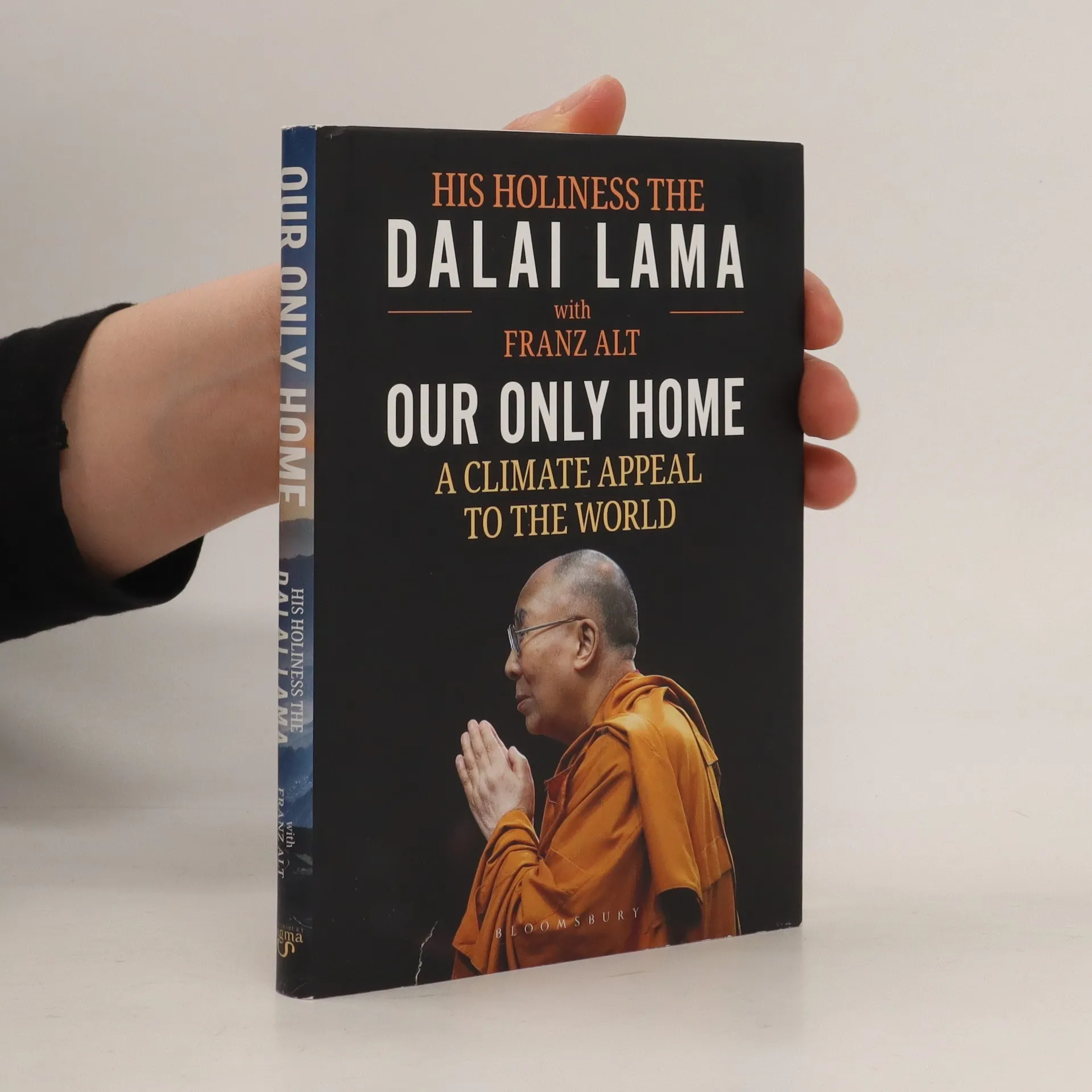
Saving the environment is our collective duty. With each passing day, climate change is causing Pacific islands to disappear into the sea, accelerating the extinction of species at alarming proportions and aggravating a water shortage that has affected the entire European continent. In short, climate change can no longer be denied - it threatens our existence on earth.In this inspiring new book, the Dalai Lama, one of the most influential figures of our time, calls on political decision-makers to finally fight against deadlock and ignorance on this issue. He argues that we all need to stand up for a different and more climate-friendly world, and to allow the younger generation to assert their right to regain their future.From the voice of the beloved world religious leader comes this eye-opening manifesto that empowers the generation of today to step up, take action and protect our world.
Transforming the Mind
- 176pagine
- 7 ore di lettura
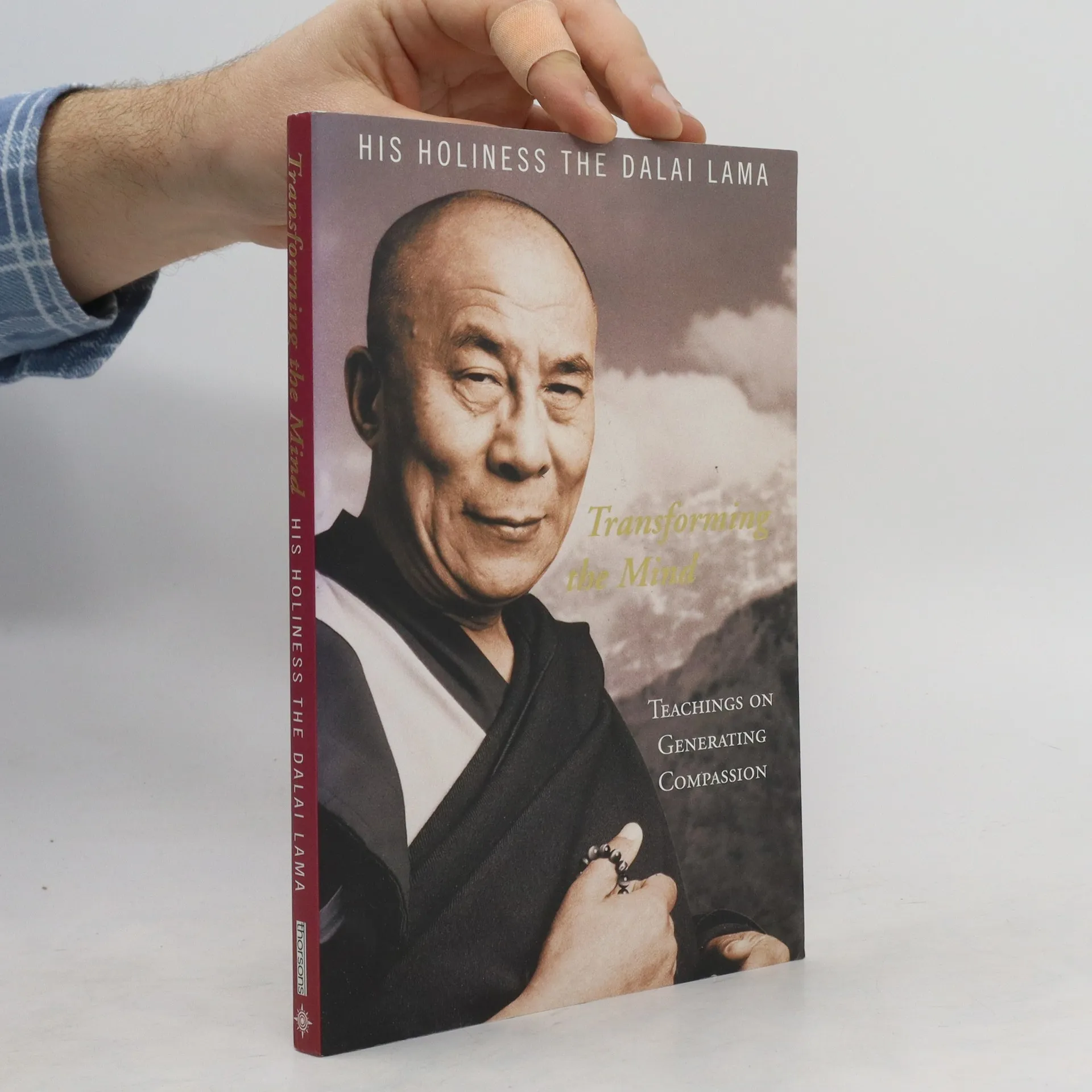
Based on three days of teaching in London in May 1999, this text is an edited version of the Dalai Lama's discourse on one of the most profound and sacred texts in the Tibetan Buddhist tradition. The Eight Verses on Generating Compassion are known in Tibetan as lojong - literally, transforming your mind. In this commentary on these teachings, the Dalai Lama shows us how to transform difficult situations into opportunities for spiritual growth. He also offers practical methods as to how to develop positive ways of thinking and compassion.
The Dalai Lamas of Tibet
- 128pagine
- 5 ore di lettura
Traversing the road from the first Dalai Lama, this book journeys through Tibet right up to the exile of the current (fourteenth) Dalai Lama.
A Simple Path
- 176pagine
- 7 ore di lettura
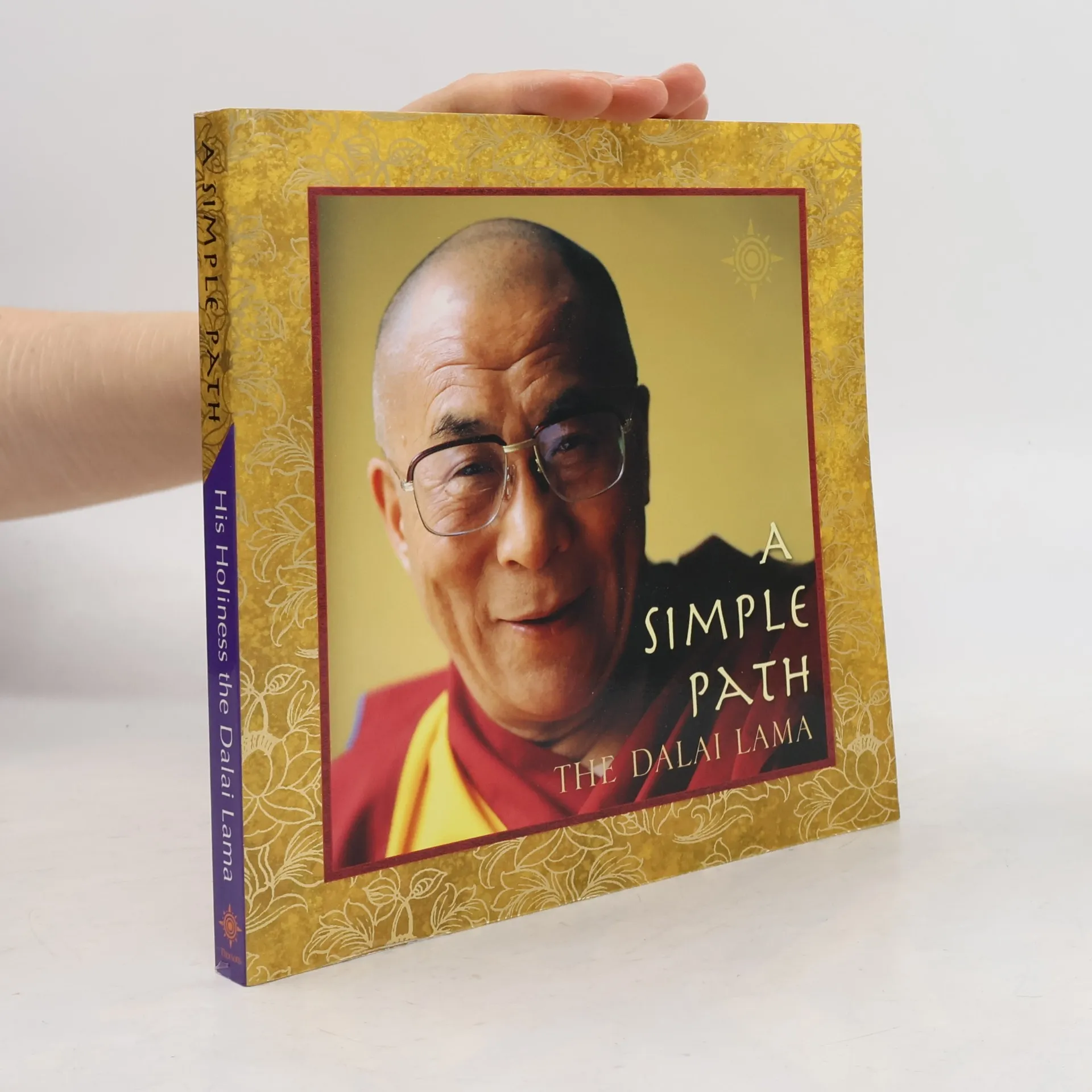
A fully illustrated guide to this legendary religious leader and man of peace links dozens of revealing photographs of the Dalai Lama with text of his lectures on the "Four Noble Truths." Reprint.
The narrative explores the deepening friendship between the Dalai Lama and his devoted follower as they embark on a transformative pilgrimage across Ireland and Eastern Europe, ultimately journeying to sacred sites in India. Their bond is tested through trials, including the Dalai Lama's near-fatal illness, highlighting themes of resilience, spirituality, and the power of human connection. This remarkable account captures both personal and spiritual growth against the backdrop of significant cultural and religious landscapes.
The essence of happiness : a guidebook for living
- 128pagine
- 5 ore di lettura
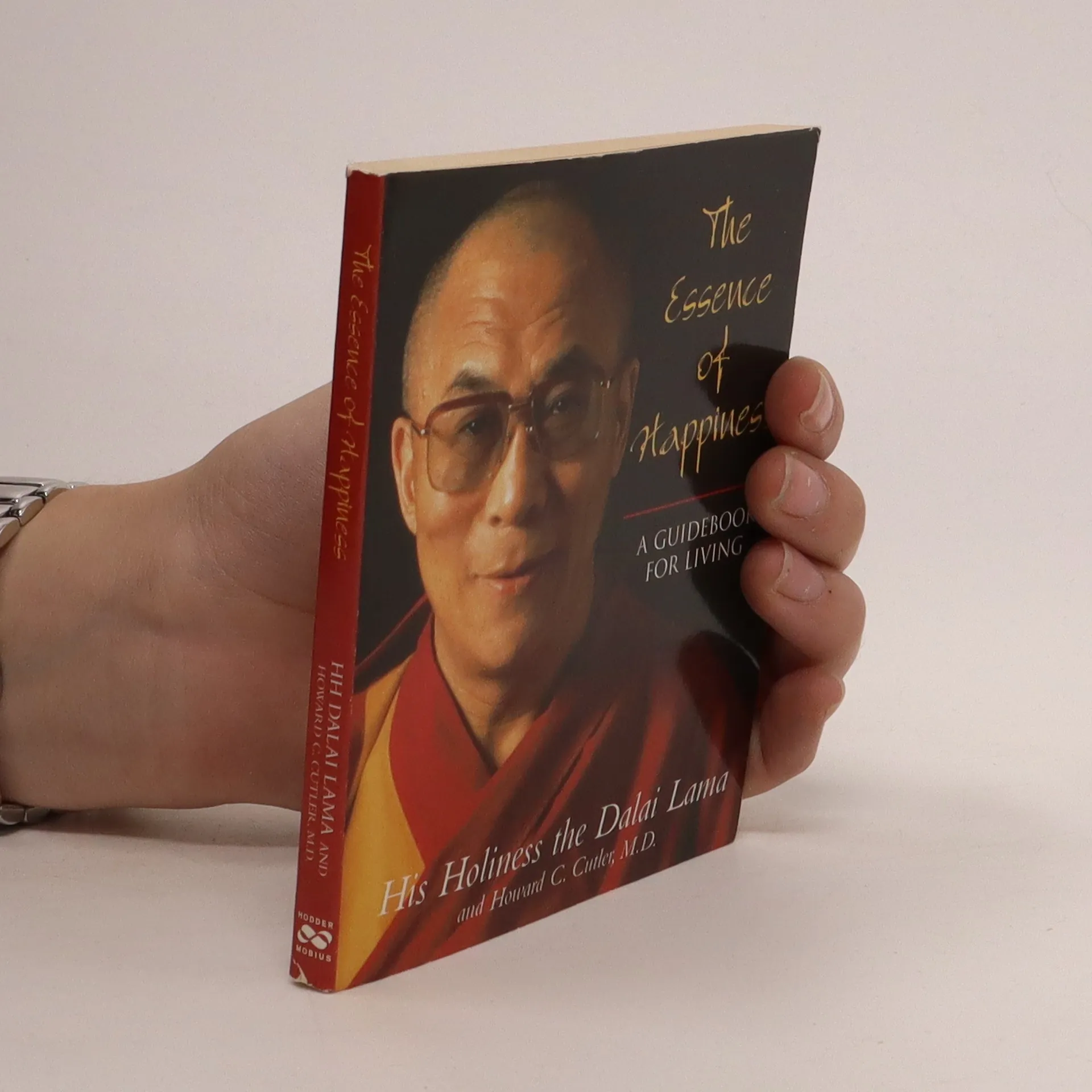
Drawn from His Holiness the Dalai Lama's best-selling The Art of Happiness, this guidebook contains simple advice on how to achieve lasting happiness in our everyday lives. Going straight to the heart of the matter, each page offers a gem of spiritual wisdom to enable us to defeat depression, anxiety, anger, jealousy and the many and varied emotions that form a barrier to our happiness. Melding the knowledge of 2500 years of Buddhist meditations with modern Western psychology, the book offers spiritual balance and joy, and a souce of profound wisdom.
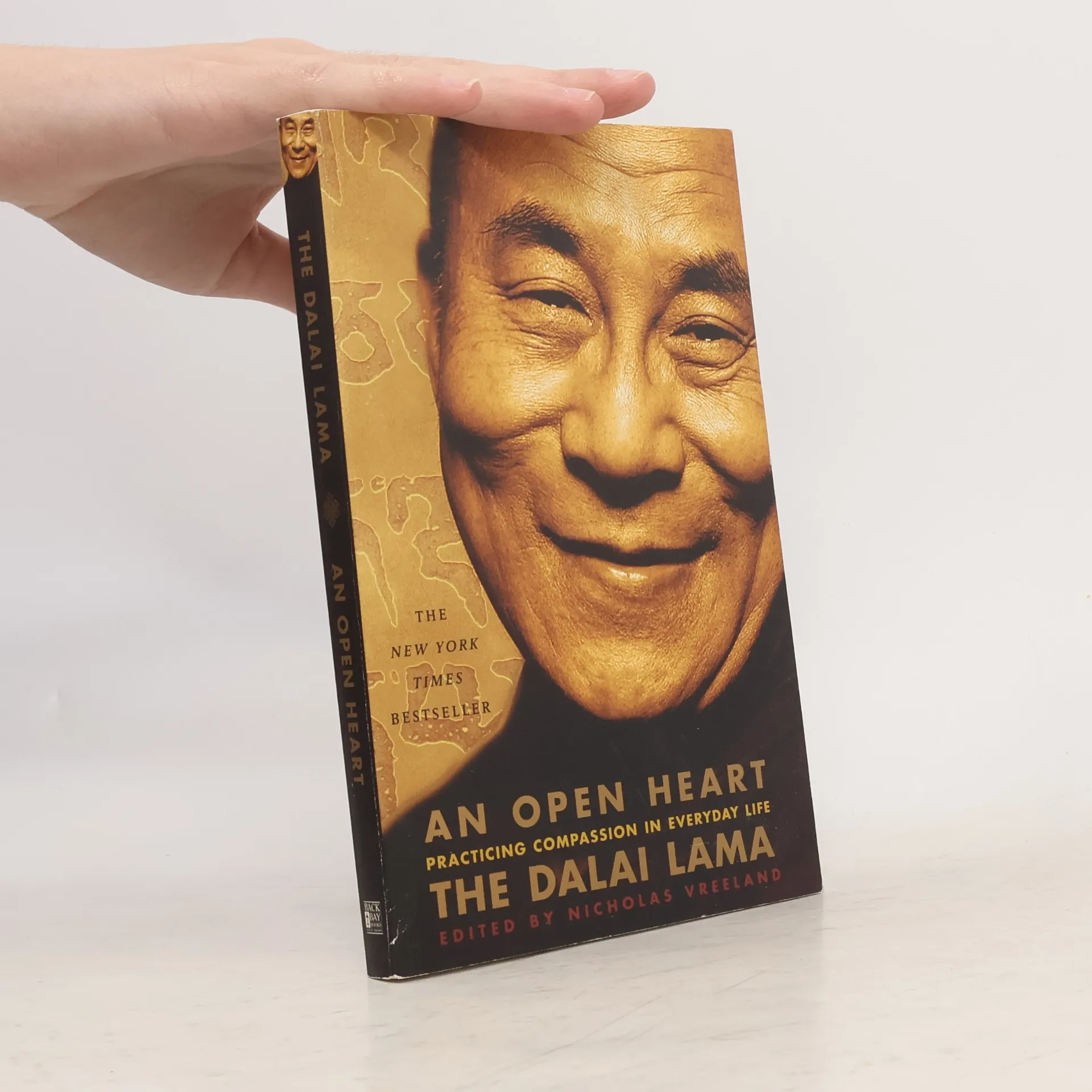
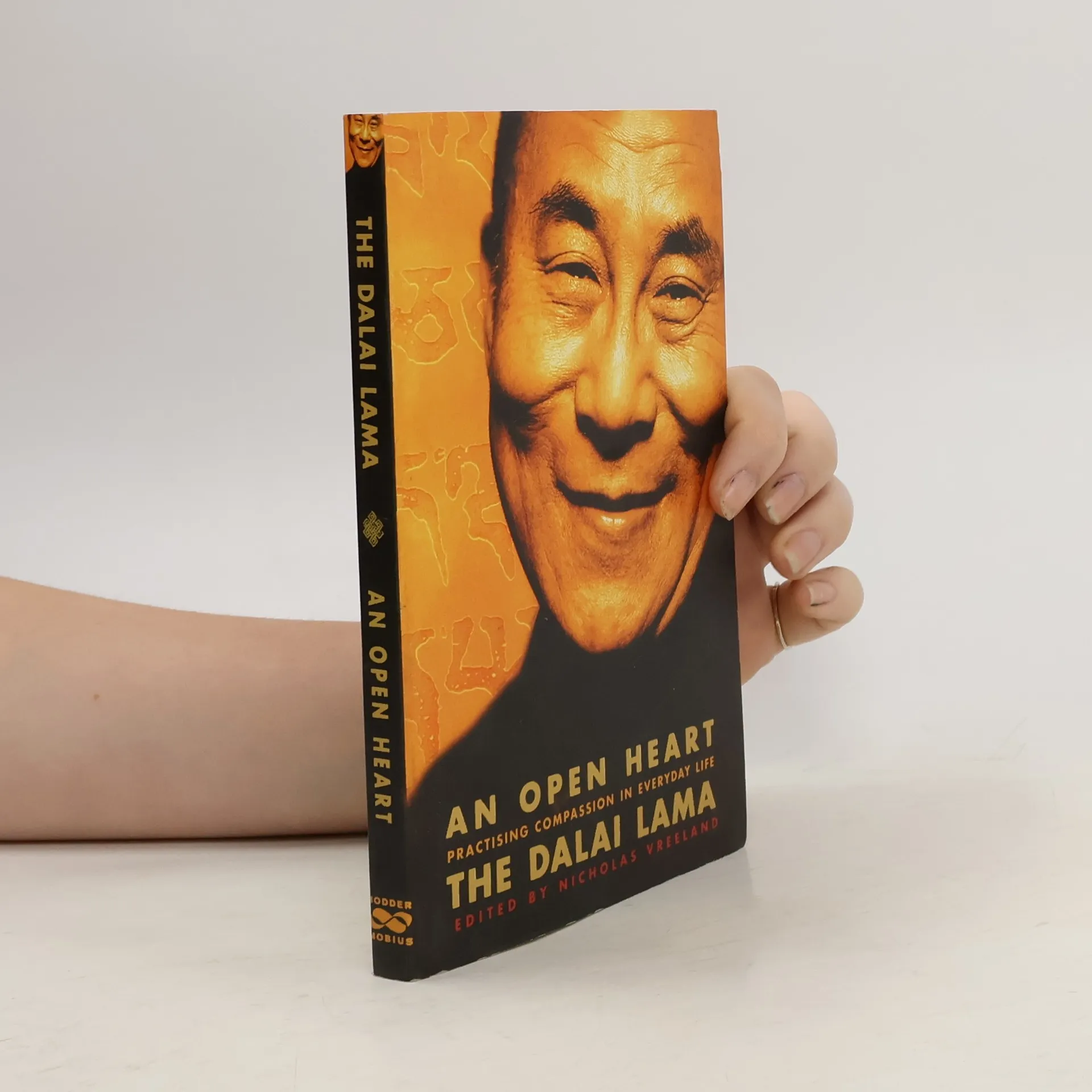
An Open Heart
- 208pagine
- 8 ore di lettura
Compassion-sympathy for the suffering of others and the desire to free them from it-is wrestled with in all spiritual traditions. Yet how does one actually become a compassionate person? What are the mechanisms by which a selfish heart is transformed into a generous heart? In this acclaimed bestseller, His Holiness the Dalai Lama writes simply and powerfully about the everyday Buddhist practice of compassion, offering a clear, practical, inspiring introduction to the Buddhist path to enlightenment.
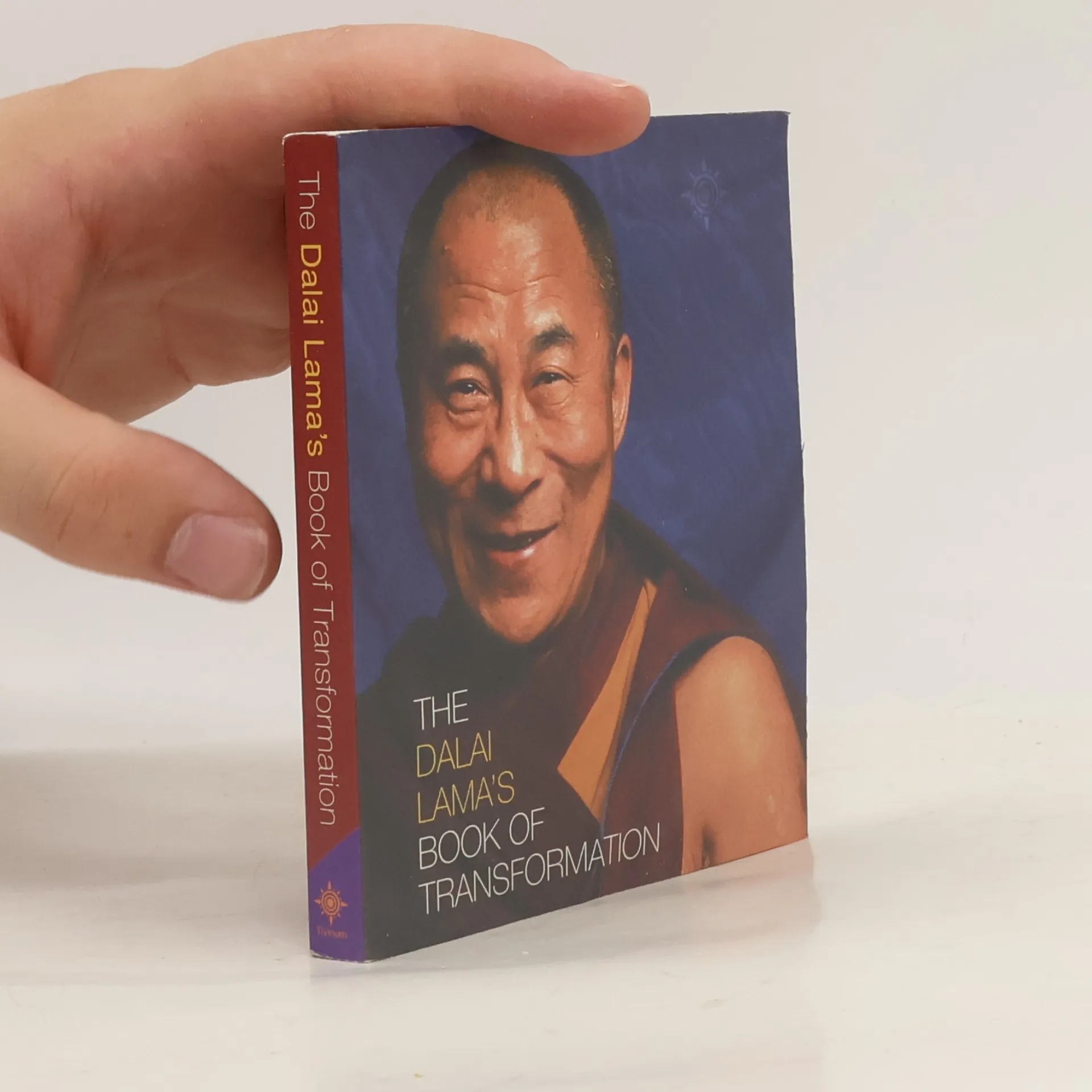
The Dalai Lama's book of transformation
- 128pagine
- 5 ore di lettura
This practical little gem will guide and inspire Buddhists and non-Buddhists alike.
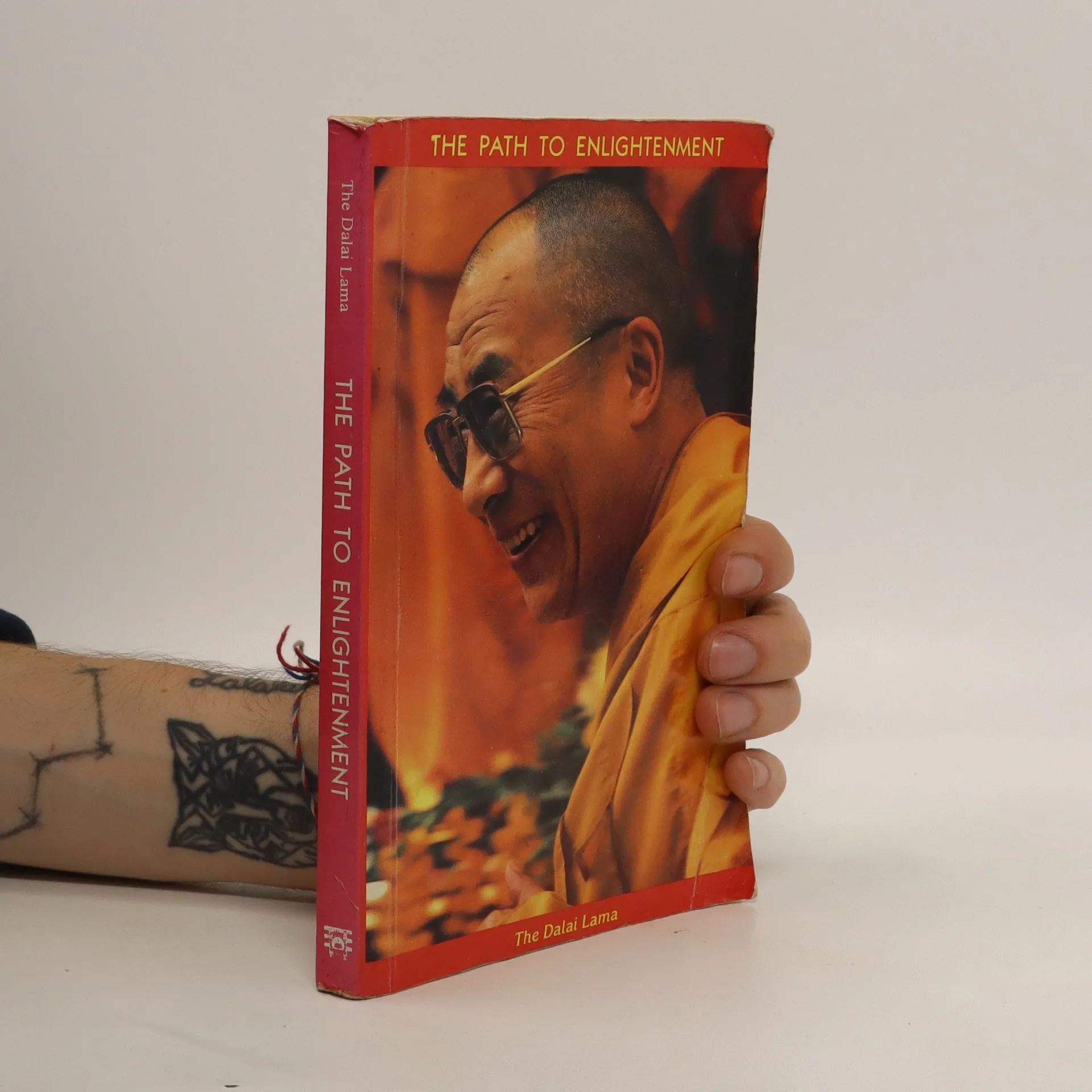
The Path to Enlightenment
- 37pagine
- 2 ore di lettura
In this extensive teaching, the Dalai Lama beautifully elucidates the meaning of the path to enlightenment through his own direct spiritual advice and personal reflections. Based upon a very famous Tibetan text, this teaching presents in practical terms the essential instructions for the attainment of enlightenment. Its direct approach and lucid style make The Path to Enlightenment one of the most accessible introductions to Tibetan Buddhism ever published. His discourse draws out the meaning of the Third Dalai Lama's famous Essence of Refined Gold as he speaks directly to the reader, offering spiritual advice, personal reflection,s and scriptural commentary. He says in practical terms what the student must do to attain enlightenment.
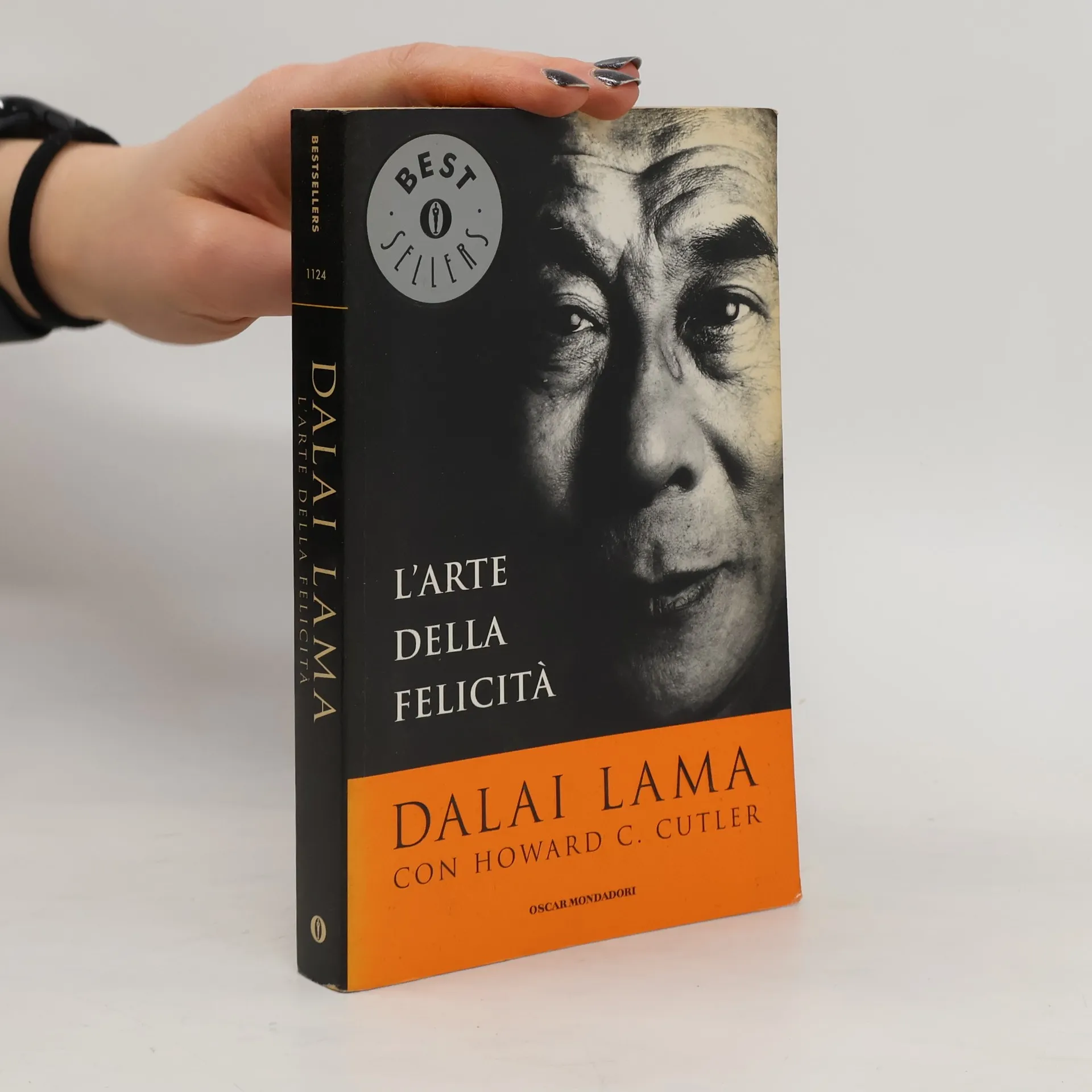
L'arte della felicità
- 272pagine
- 10 ore di lettura
Nearly every time you see him, he's laughing, or at least smiling. And he makes everyone else around him feel like smiling. He's the Dalai Lama, the spiritual and temporal leader of Tibet, a Nobel Prize winner, and an increasingly popular speaker and statesman. What's more, he'll tell you that happiness is the purpose of life, and that "the very motion of our life is towards happiness." How to get there has always been the question. He's tried to answer it before, but he's never had the help of a psychiatrist to get the message across in a context we can easily understand. Through conversations, stories, and meditations, the Dalai Lama shows us how to defeat day-to-day anxiety, insecurity, anger, and discouragement. Together with Dr. Cutler, he explores many facets of everyday life, including relationships, loss, and the pursuit of wealth, to illustrate how to ride through life's obstacles on a deep and abiding source of inner peace.
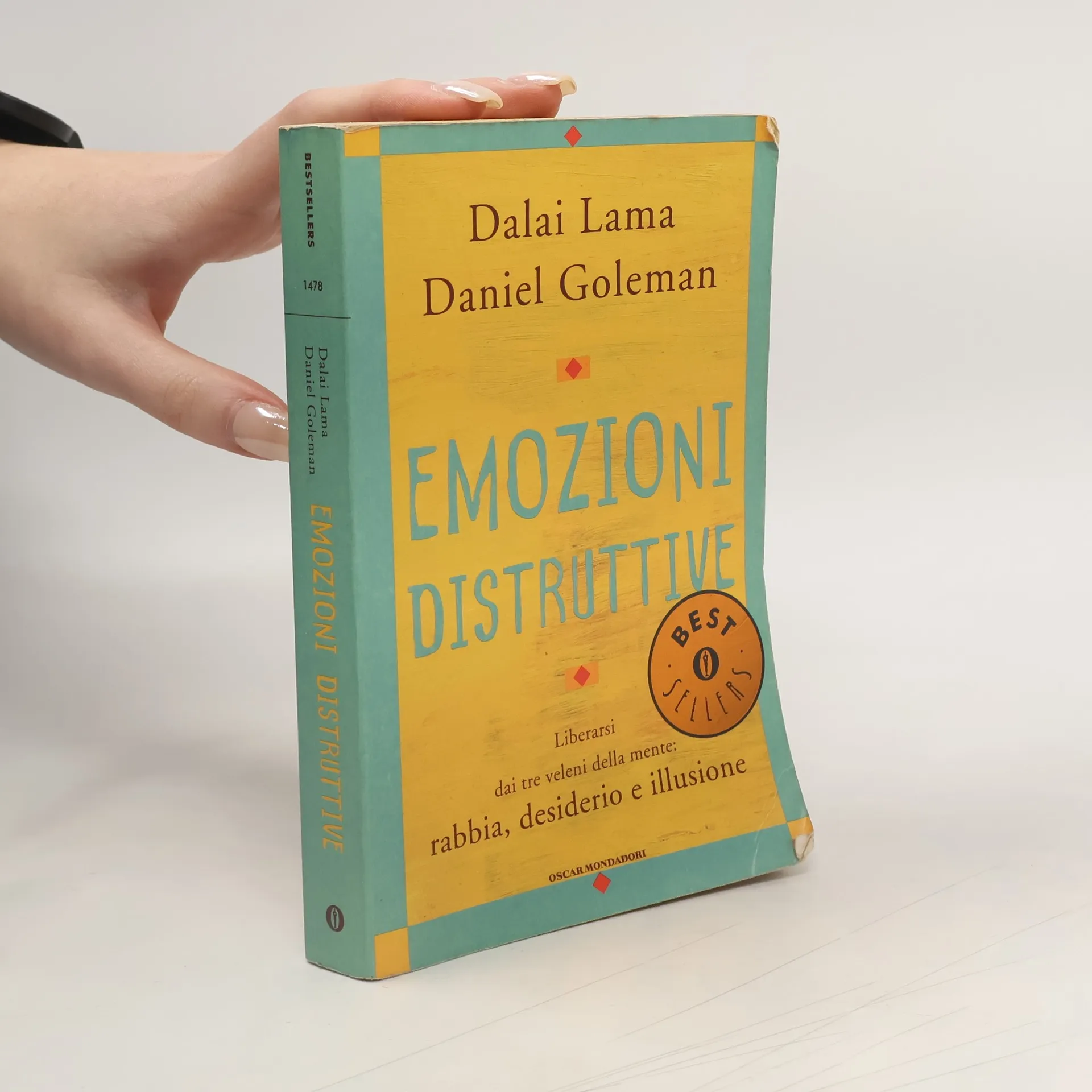
Oscar bestsellers - 1478: Emozioni distruttive
- 462pagine
- 17 ore di lettura
L'invidia, l'aggressività e l'illusione sono, secondo l'insegnamento buddista, i tre "grandi veleni" che inquinano l'animo umano. E sono quelle emozioni che gli psicologi e gli studiosi di neuroscienze chiamano "distruttive". Un modo per affrontare e vincere le "emozioni distruttive" che albergano dentro di noi è quello di mettere a confronto il pensiero orientale con quello occidentale, come avviene in questo saggio di cui sono autori il Dalai Lama, il leader politico e spirituale del popolo tibetano, e Daniel Goleman, noto soprattutto per aver divulgato il concetto di intelligenza emotiva.
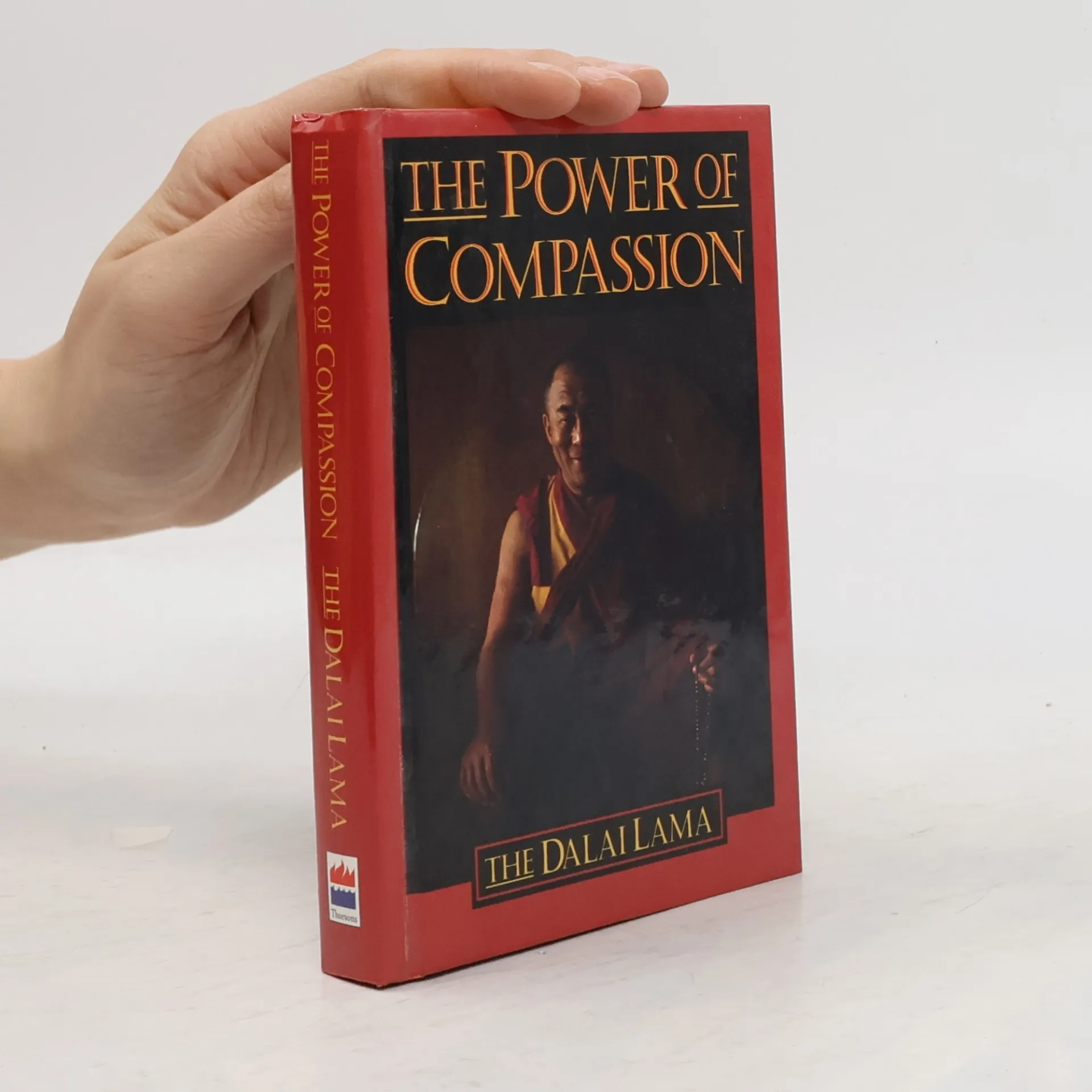
The Power of Compassion
A Collection of Lectures by His Holiness the XIV Dalai Lama
- 215pagine
- 8 ore di lettura
Millions of Westerners have been enlightened by Buddhism's message of peace and tolerance. These teachings are now available in a lucid conversation with Buddhism's most respected teacher in which the Dalai Lama discusses modern issues--racial hatred, abortion, the strife in Bosnia--and how they can be understood and reconciled with a positive view of humanity. Copyright © Libri GmbH. All rights reserved.
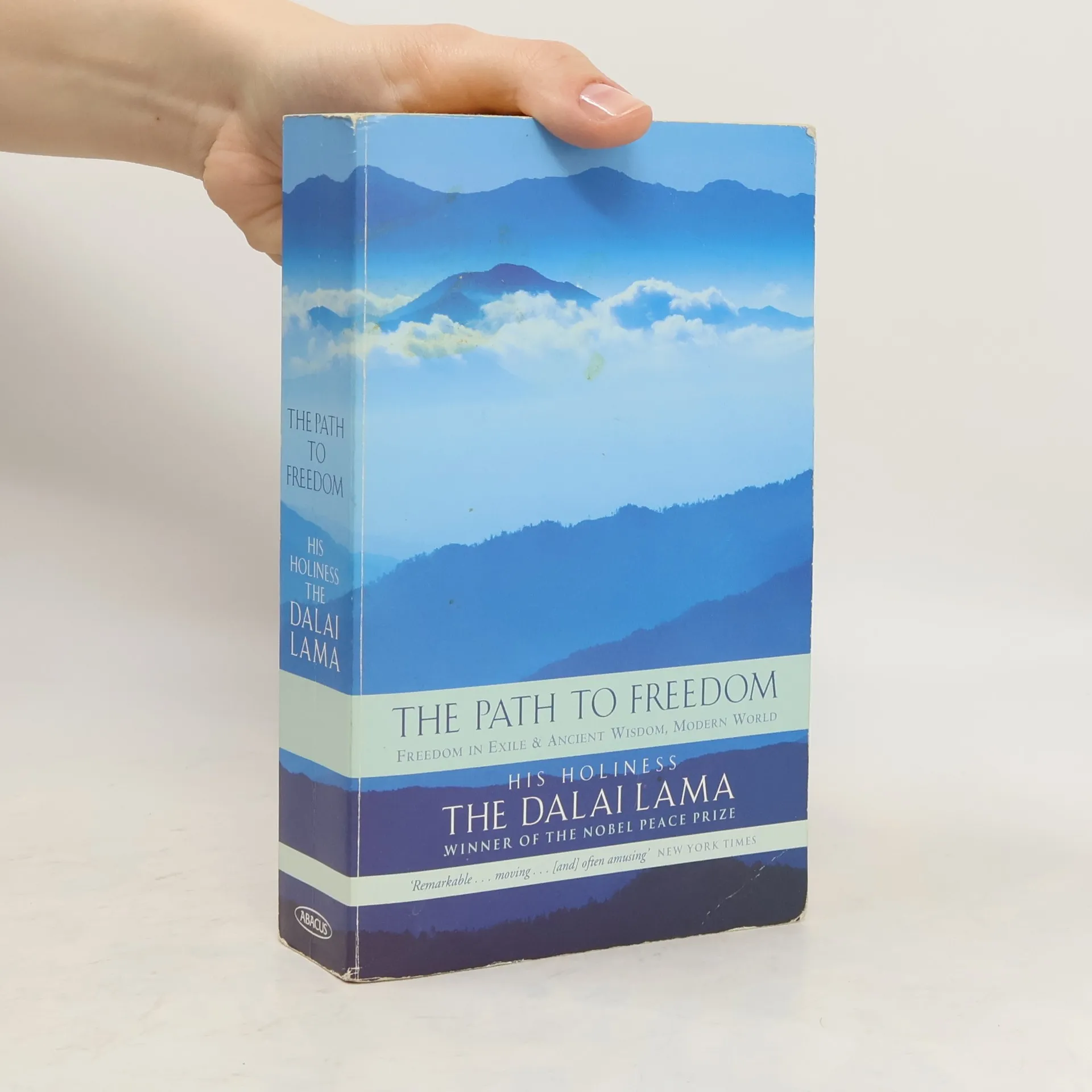
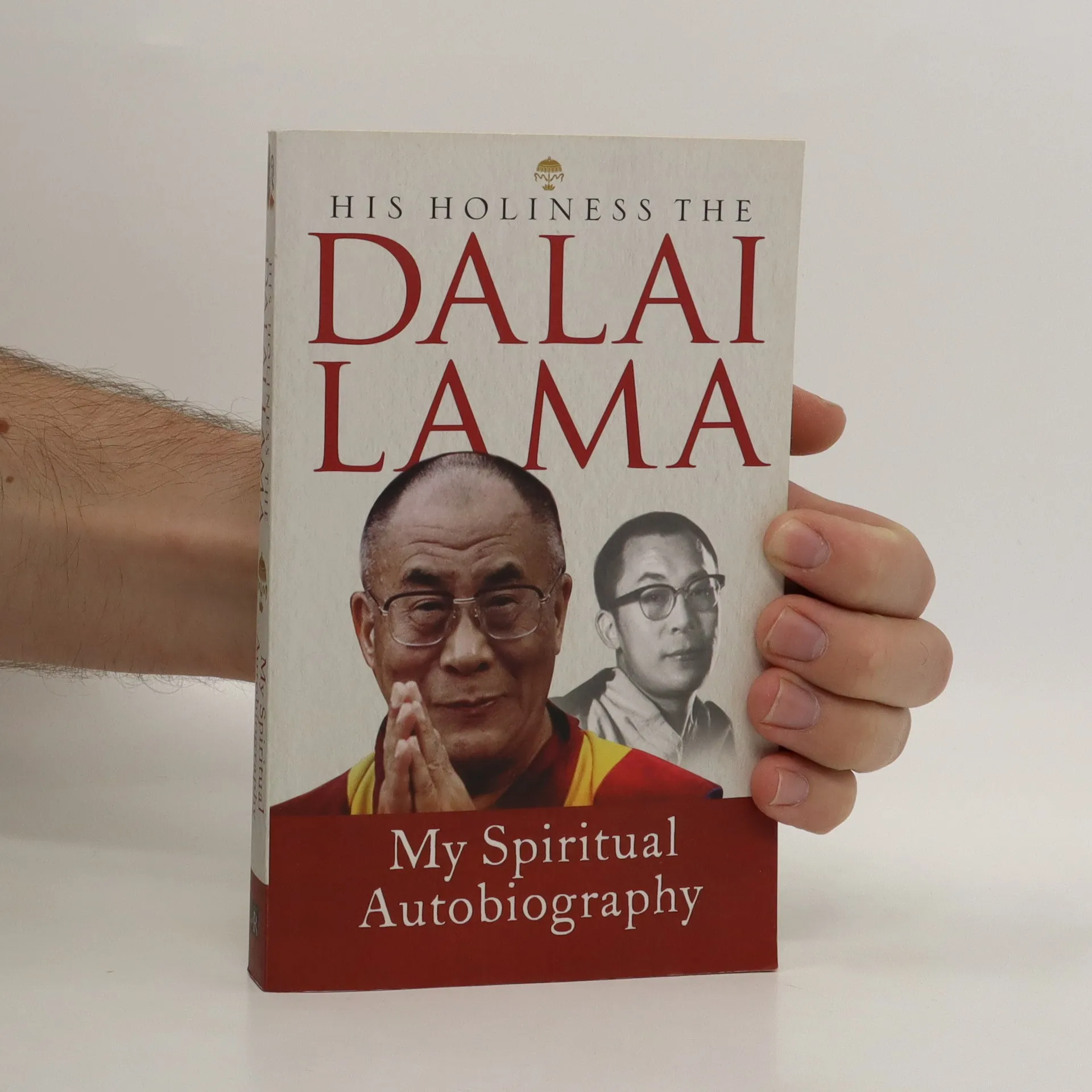
FREEDOM IN EXILE - Here, in his own words, The Dalai Lama describes what it was like to grow up revered as a deity among his people, reveals his innermost feelings about his role, and discusses the mysteries of Tibetan Buddhism. He tells of secret deals struck with the CIA as Tibet continued to struggle for independence, talks freely of the many world leaders he has known, and talks of the West's malaise from his standpoint as a spirtual and temporal figure of world reknown. ANCIENT WISDOM, MODERN WORLD - With wit, gentle good sense and with penetrating insight, the Dalai Lama shows how the truths that have stood the test of generations of practise can provide us with the tools to live happy, fulfilled and meaningful lives. In the process, it becomes apparent that he does not merely espouse the 'feelgood' religiosity some accuse him of. The reader is left admiring not just the wisdom of the author, but the wisdom of the culture he represents. In ANCIENT WISDOM, MODERN WORLD, His Holiness the Dalai Lama addresses these issues, in a spiritual complement to his autobiography FREEDOM IN EXILE.
I consigli del cuore
- 172pagine
- 7 ore di lettura
Nella tradizione tibetana, i consigli che i grandi maestri davano a chi sirecava a consultarli venivano spesso raccolti in volumi intitolati "I consiglidel cuore". Il Dalai Lama ha voluto riprendere quest'usanza e offre una seriedi consigli semplici, destinati ad accompagnare ciascuno nel corso di tutta lavita, indipendentemente dalle sue credenze e dalla sua tradizione religiosa.
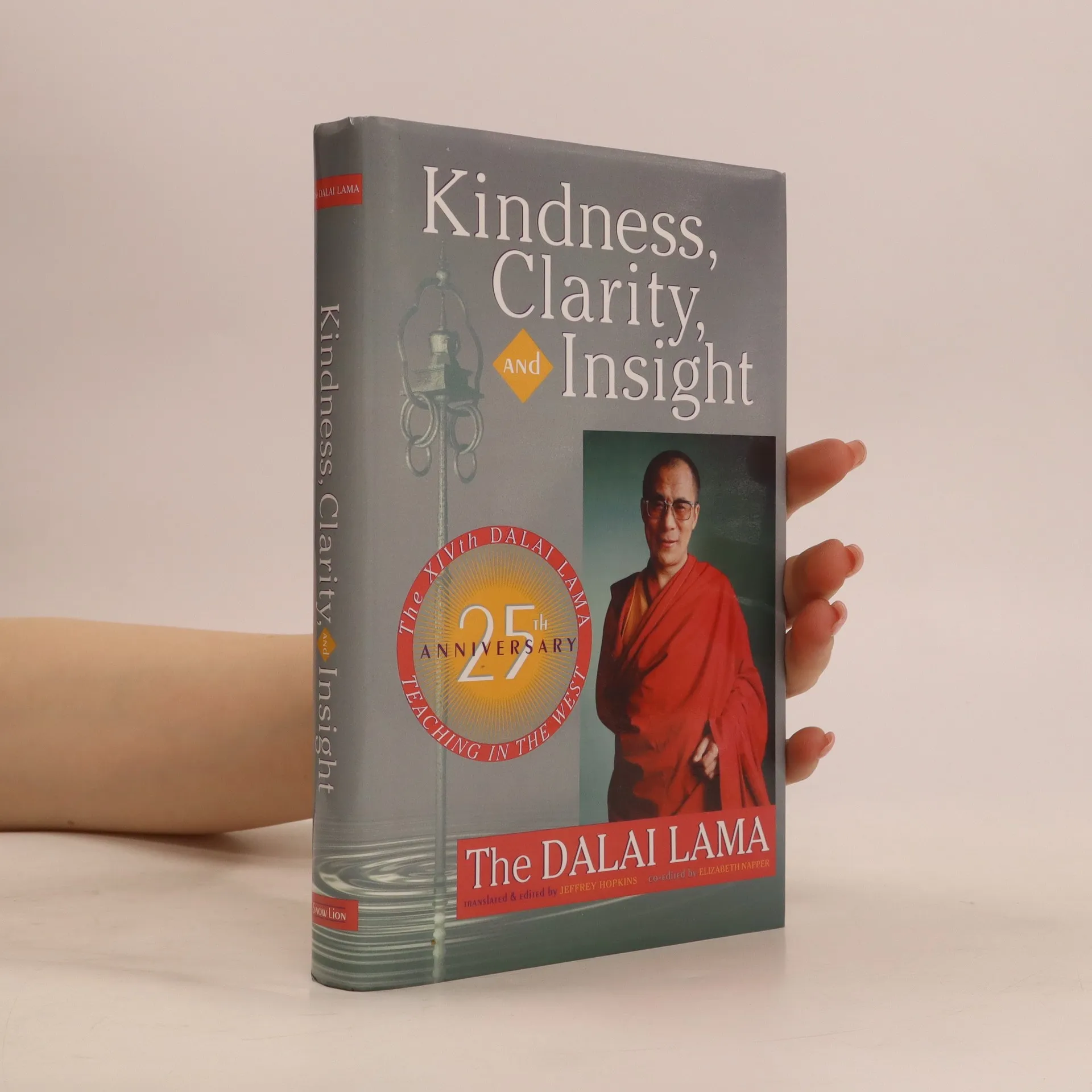
Though [the Dalai Lama] is one of the most erudite scholars ... he has a gift for reducing his doctrine to a core of lucid practicality, crystallized in the title of his book, Kindness, Clarity and Insight.--Time Magazine
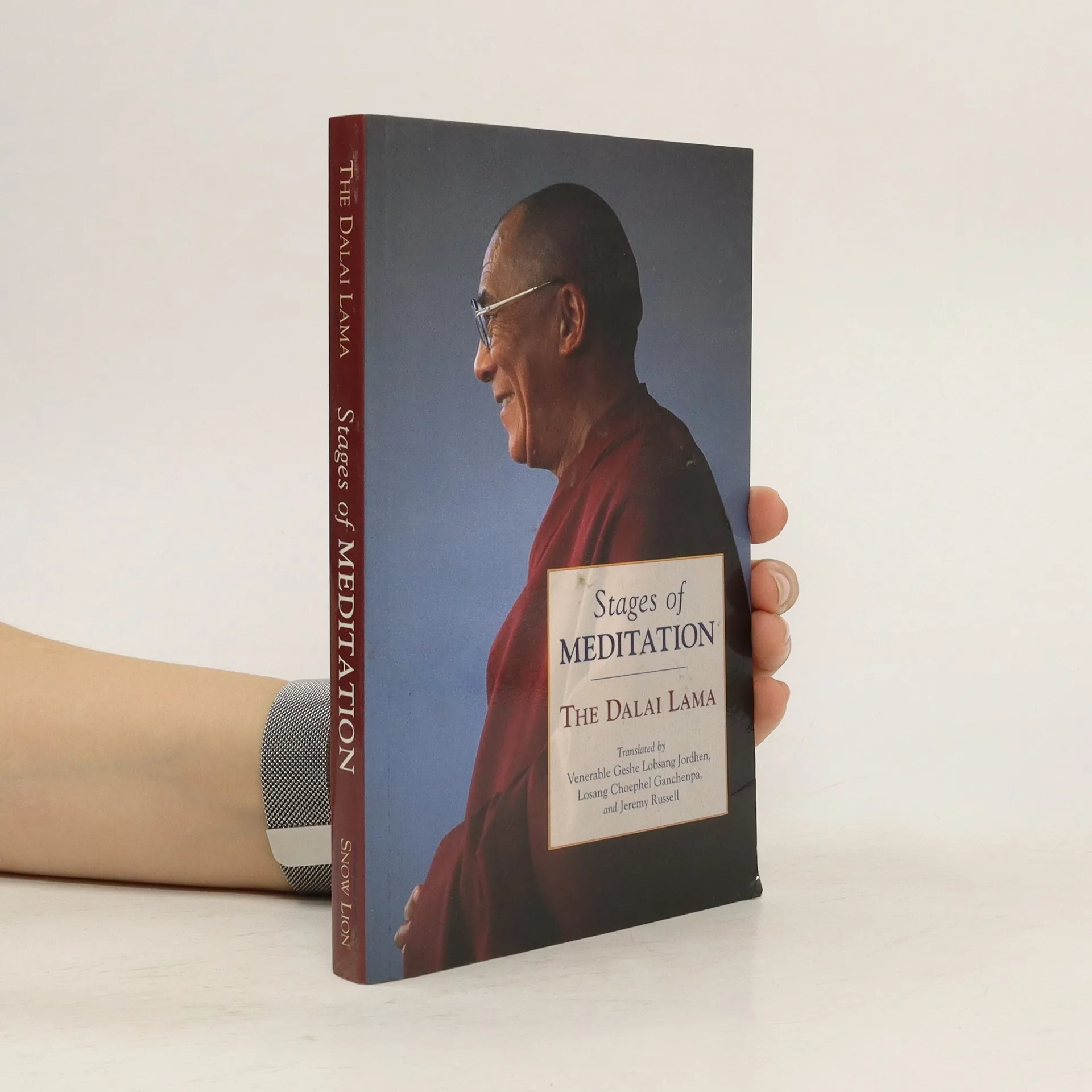
Stages of Meditation
- 210pagine
- 8 ore di lettura
This book is the Dalai Lama's teachings on how to meditate. It is the most extensive explanation His Holiness has given on a classic meditation handbook by Kamalashila. Practice-oriented Westerners will find this favorite text of the Dalai Lama especially useful. In the Dalai Lama's own words, "This text can be like a key that opens the door to all other major Buddhist scriptures." Accordingly, His Holiness often teaches from it to diverse audiences throughout the world. (Back cover).
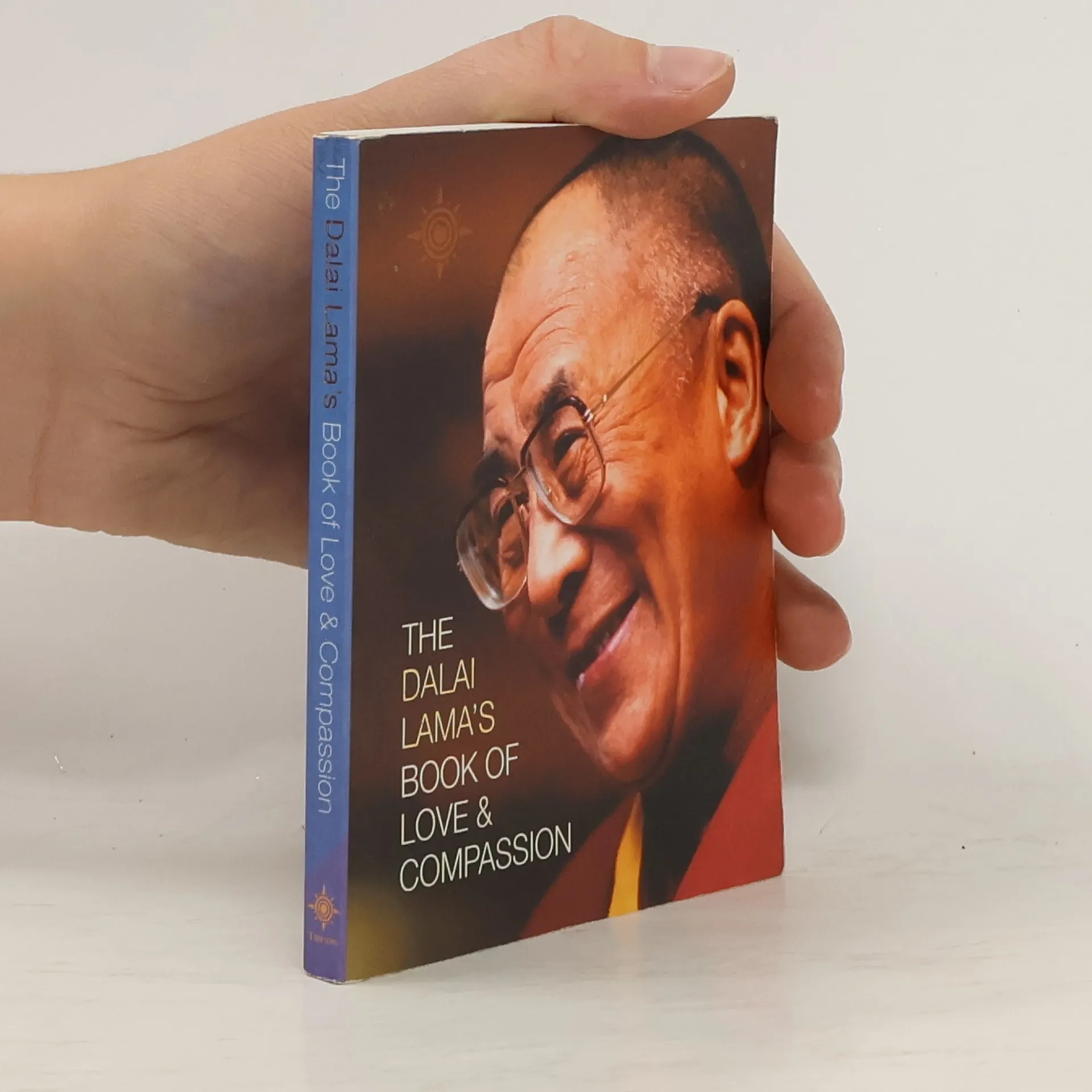
The Dalai Lama's book of love and compassion
- 128pagine
- 5 ore di lettura
In this small book, intended to speak to everyone, both Buddhist and non-Buddhist alike, one of the world's most beloved spiritual leaders simply and clearly addresses the concerns of modern life and the need to balance spiritual and material values, and to create harmony and energy in life.
During April 1985, and again in October 1986, His Holiness the Dalai Lama delivered a series of discourses on Buddhist view, meditation and action.These discourses and the ensuing discussions were recorded and later edited to produce this informative account of the Buddhist teachings and how they may be applied in daily life.
An Open Heart. Practising Compassion In Everyday Life
- 208pagine
- 8 ore di lettura
In the Dalai Lama's own words: 'It is my hope that the reader of this small book will take away a basic understanding of Buddhism and some of the key methods by which Buddhist practitioners have cultivated compassion and wisdom in their lives. The methods discussed have been taken from three sacred texts of Buddhism. I would like to stress at the outset, however, that one doesn't have to be a Buddhist to make use of these meditation techniques. Meditation is merely the process whereby we gain control over the mind and guide it in a more virtuous direction. Meditation may also be thought of as a technique by which we diminish the force of old thought habits and develop new ones. Yet the techniques themselves do not lead to enlightenment or a compassionate and open heart. That is up to you, and the effort and motivation you bring to your spiritual practice.'
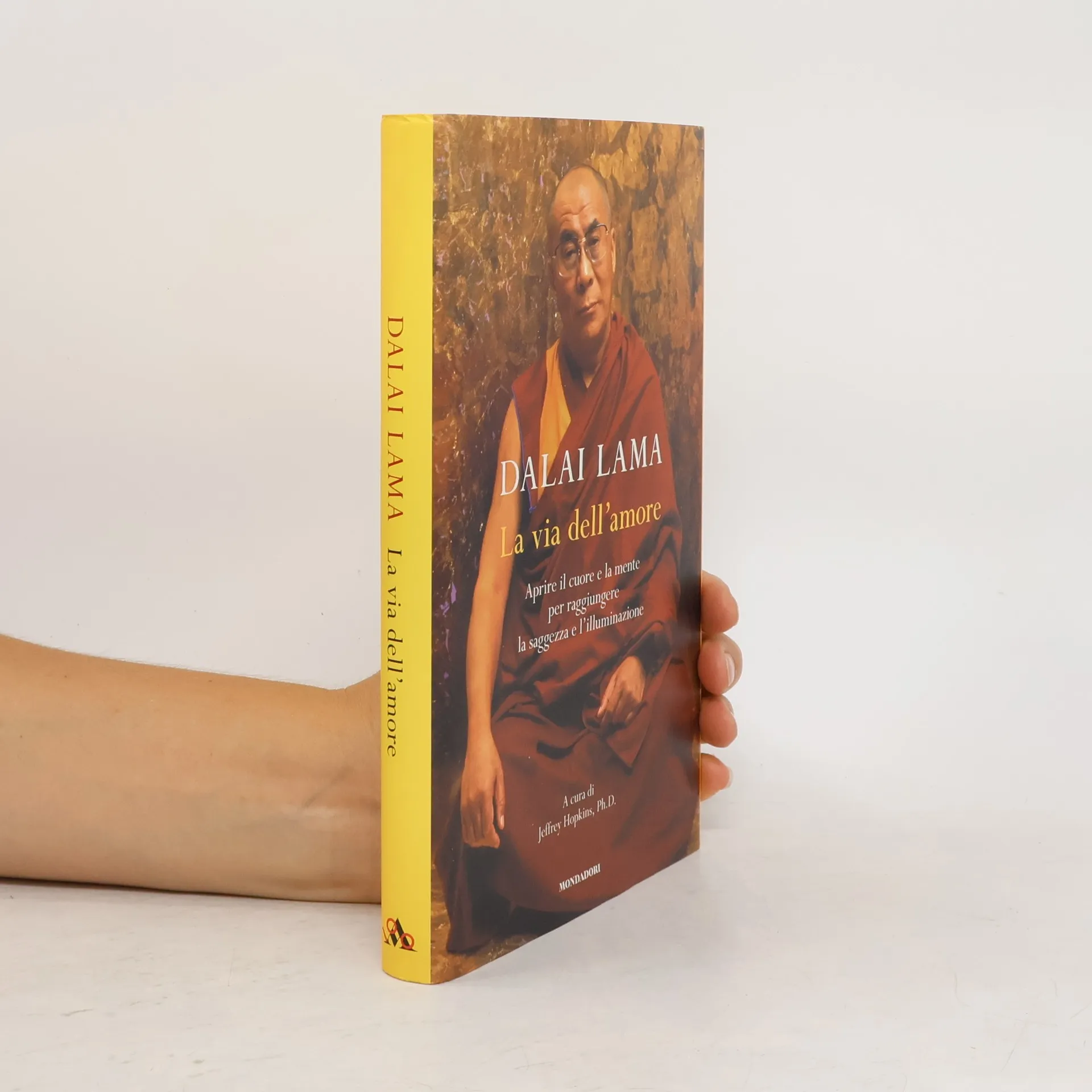
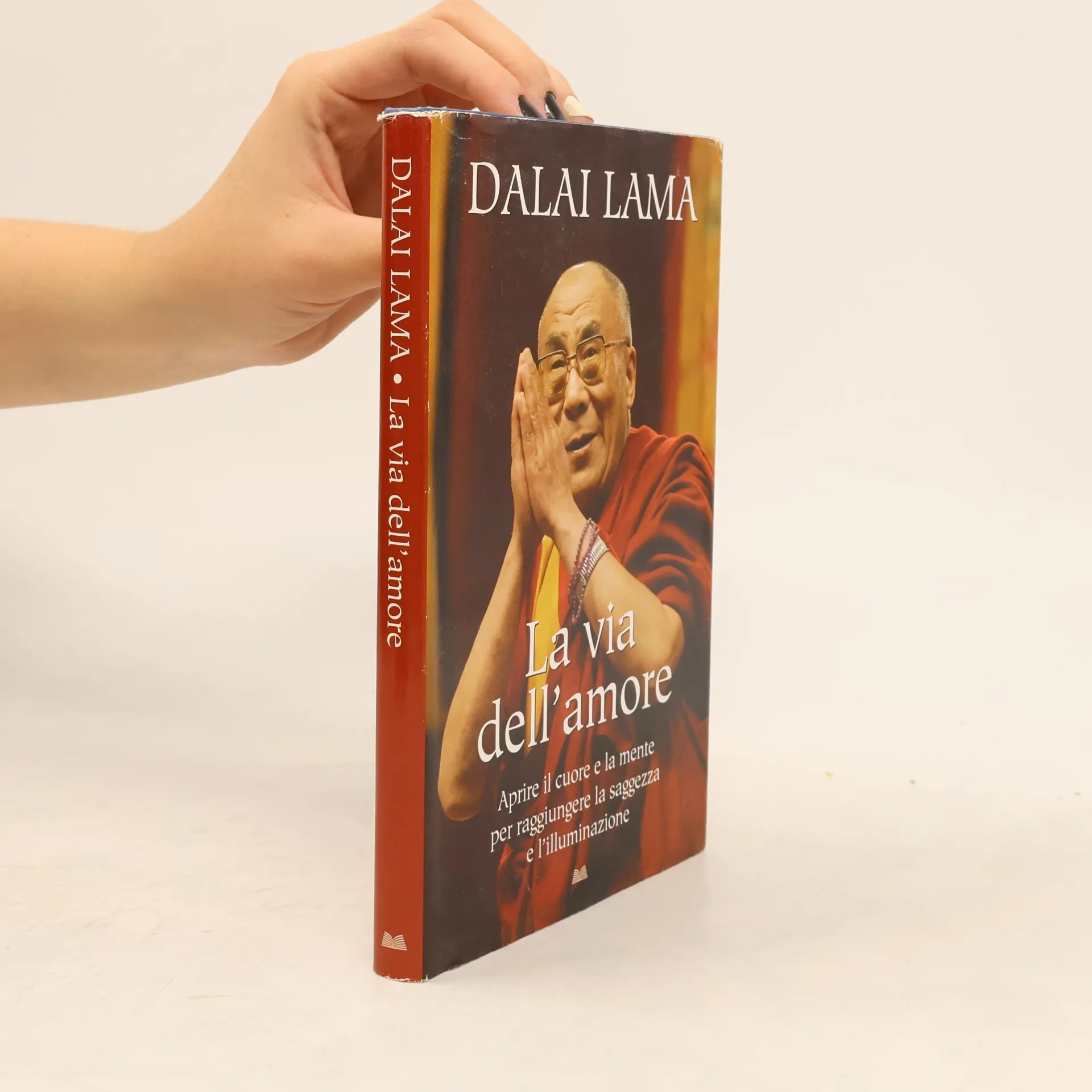
La via dell'amore
Aprire il cuore e la mente per raggiungere la saggezza e l'illuminazione
- 134pagine
- 5 ore di lettura
Questa libro sulla necessità dell'amore, in cui Sua Santità il Dalai Lama attinge a una lunga tradizione di tecniche tibetane per la trasformazione della mente e del cuore, contribuisce a ciò di cui tutti abbiamo bisogno: l'aumento della compassione reciproca. È auspicabile che in tutto il mondo l'amore sciolga l'intolleranza, la saggezza trionfi sull'ignoranza, l'attivismo coordinato sostituisca la passività della disperazione, il dialogo prenda il posto delle recriminazioni e la giustizia elimini il desiderio di vendetta.
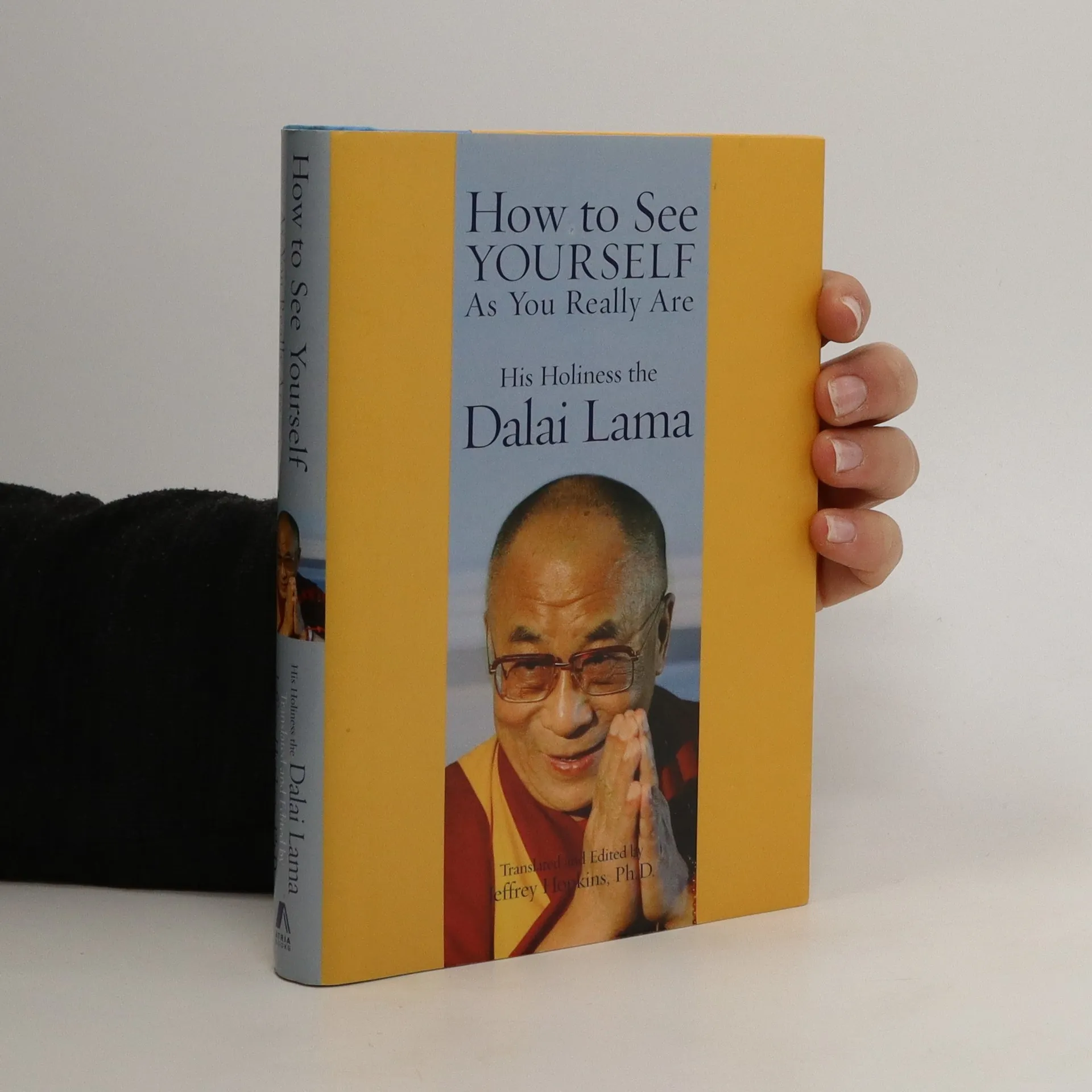
His Holiness provides step-by-step exercises to help readers shatter their false assumptions and ideas of the self and see the world as it actually exists, which is a prelude to right action.
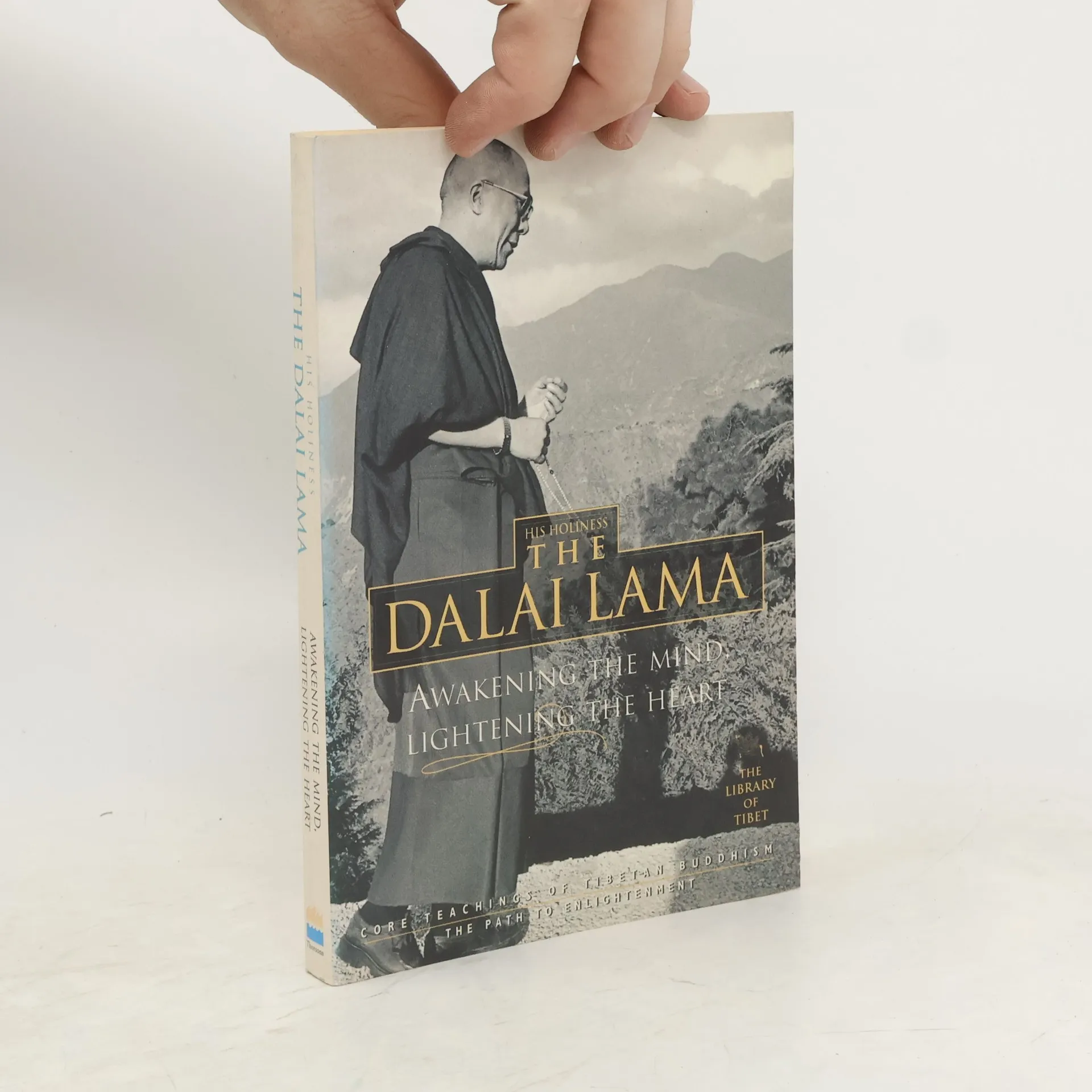
Awakening the Mind, Lightening the Heart
- 238pagine
- 9 ore di lettura
In the second volume by the Dalai Lama in the historic new Library of Tibet series, His Holiness provides lucid, practical instructions for developing compassion in our daily lives.
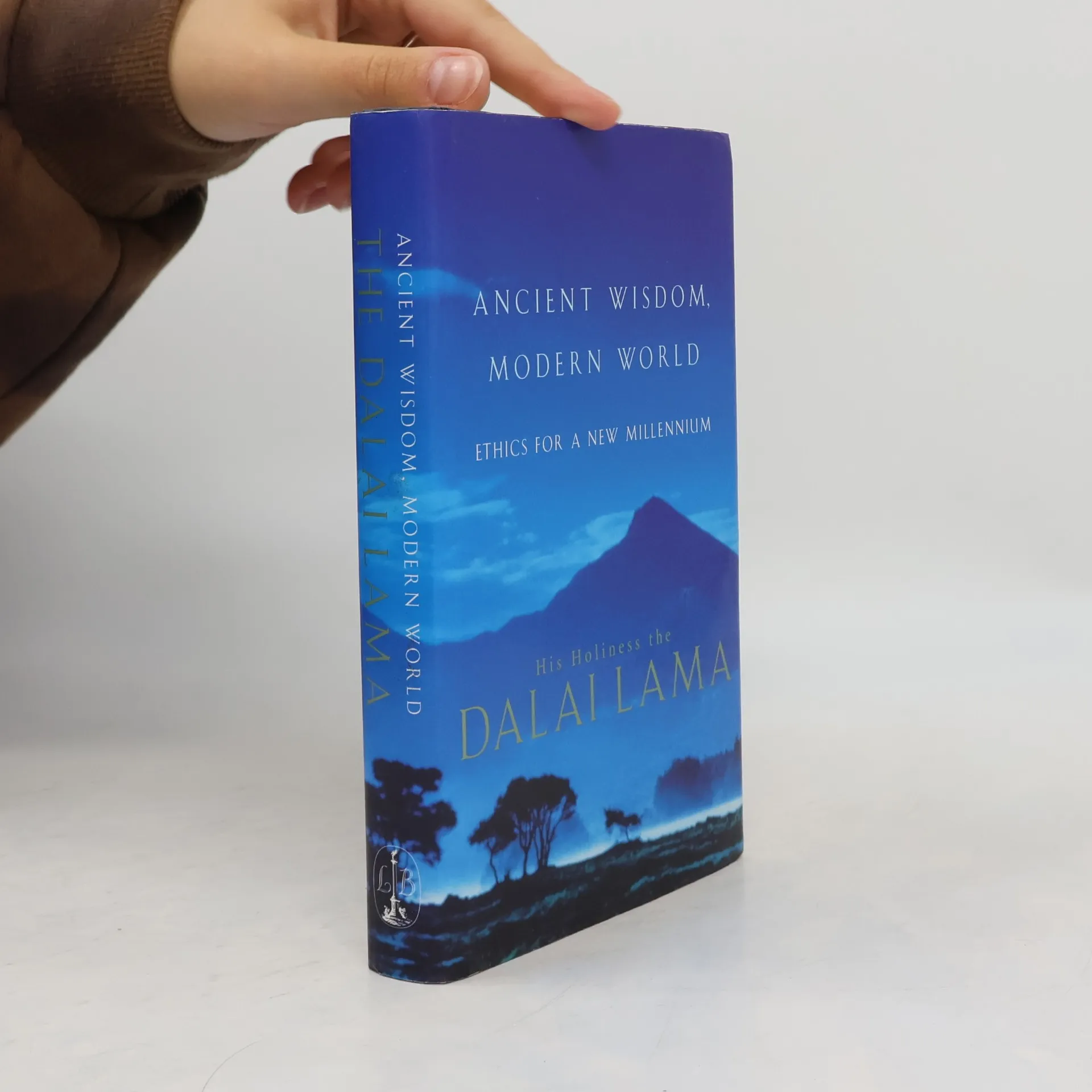
Ancient wisdom, modern world
- 256pagine
- 9 ore di lettura
At a time and in a culture where science and technology have taken over from religious belief, when ethics are understood primarily in terms of aesthetic choice or legality, how are we to formulate moral principles to guide us in our daily lives? Though religion can certainly help in this, the Dalai Lama demonstrates that there are universal principles we can draw on which transcend the dilemma of belief or unbelief. And whilst many have been content to speak of spiritual matters as something mysterious or evanescent, the Dalai Lama explains his approach in terms that are as clear and concise as they are compelling. With wit, gentle good sense and with penetrating insight, the Dalai Lama shows how the truths that have stood the test of generations of practise can provide us with the tools to live happy, fulfilled and meaningful lives. In the process, it becomes apparent that he does not merely espouse the 'feelgood' religiosity some accuse him of. The reader is left admiring not just the wisdom of the author, but the wisdom of the culture he represents.
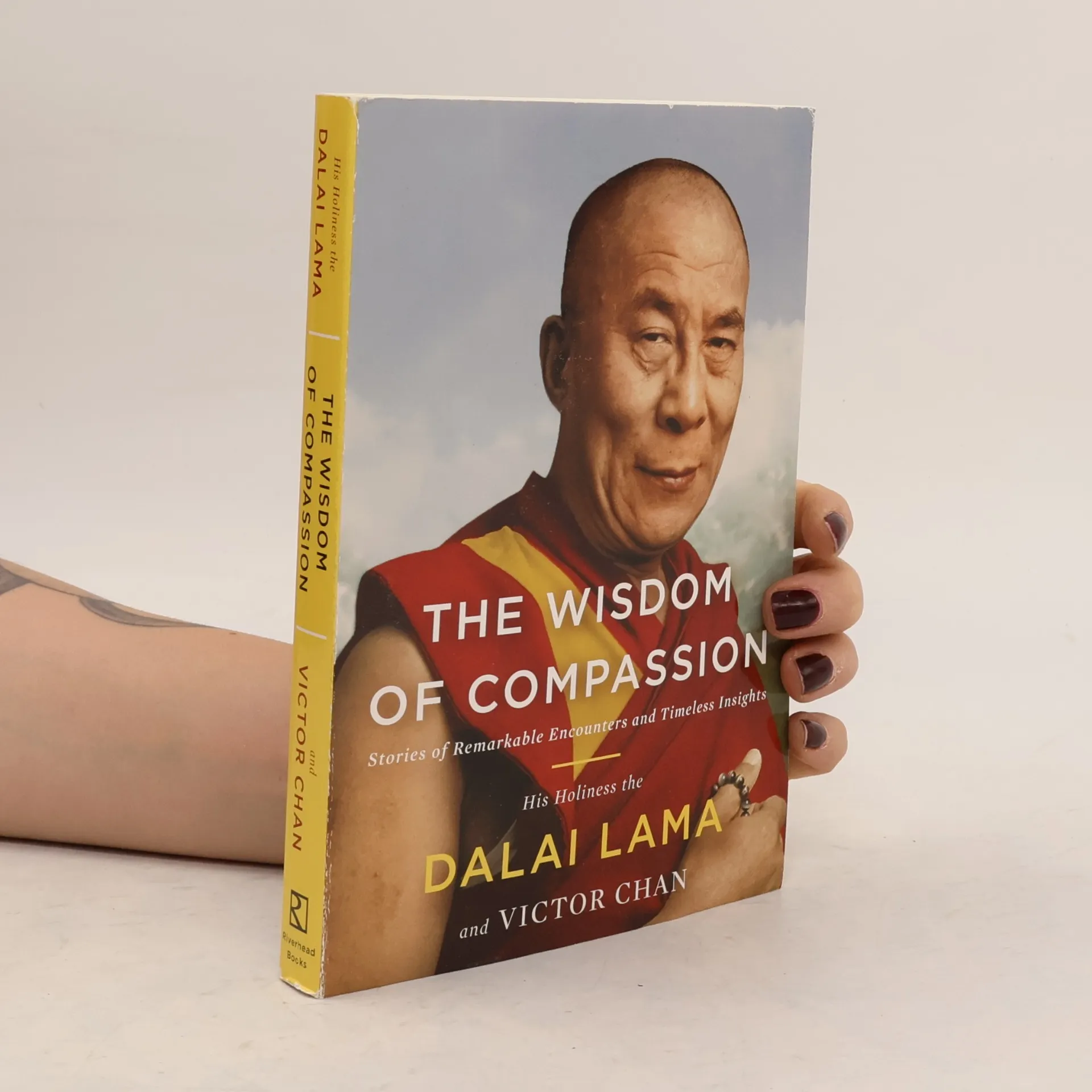
The Wisdom of Compassion
Stories of Remarkable Encounters and Timeless Insights
- 272pagine
- 10 ore di lettura
The Wisdom of Compassion offers unique insights into the Dalai Lama’s life and his commitment to translating compassion into action through engaging stories of his interactions with diverse individuals. This portrayal reveals the Dalai Lama as both human and humane, showcasing his playful, optimistic approach to the world and deep empathy for others’ suffering. He illustrates the tangible benefits of kindness, forgiveness, and compassion, demonstrating that opening our hearts is the path to true happiness. The book paints an intensely personal portrait of the Dalai Lama, highlighting his friendship with a blind Irishman, whom he affectionately calls his hero. It also details his collaboration with a neuroscientist, leading to significant discoveries about the human brain. Additionally, it includes touching accounts of his encounters with a little beggar girl, a disabled boy in critical care, and a man training grandmothers to be solar engineers. The Dalai Lama’s principles focus on the practical application of compassion, enriched by decades of experience and captivating anecdotes. These insights aim to help readers lead more fulfilling lives, reinforcing the message that practicing compassion is essential for both personal happiness and the happiness of others.
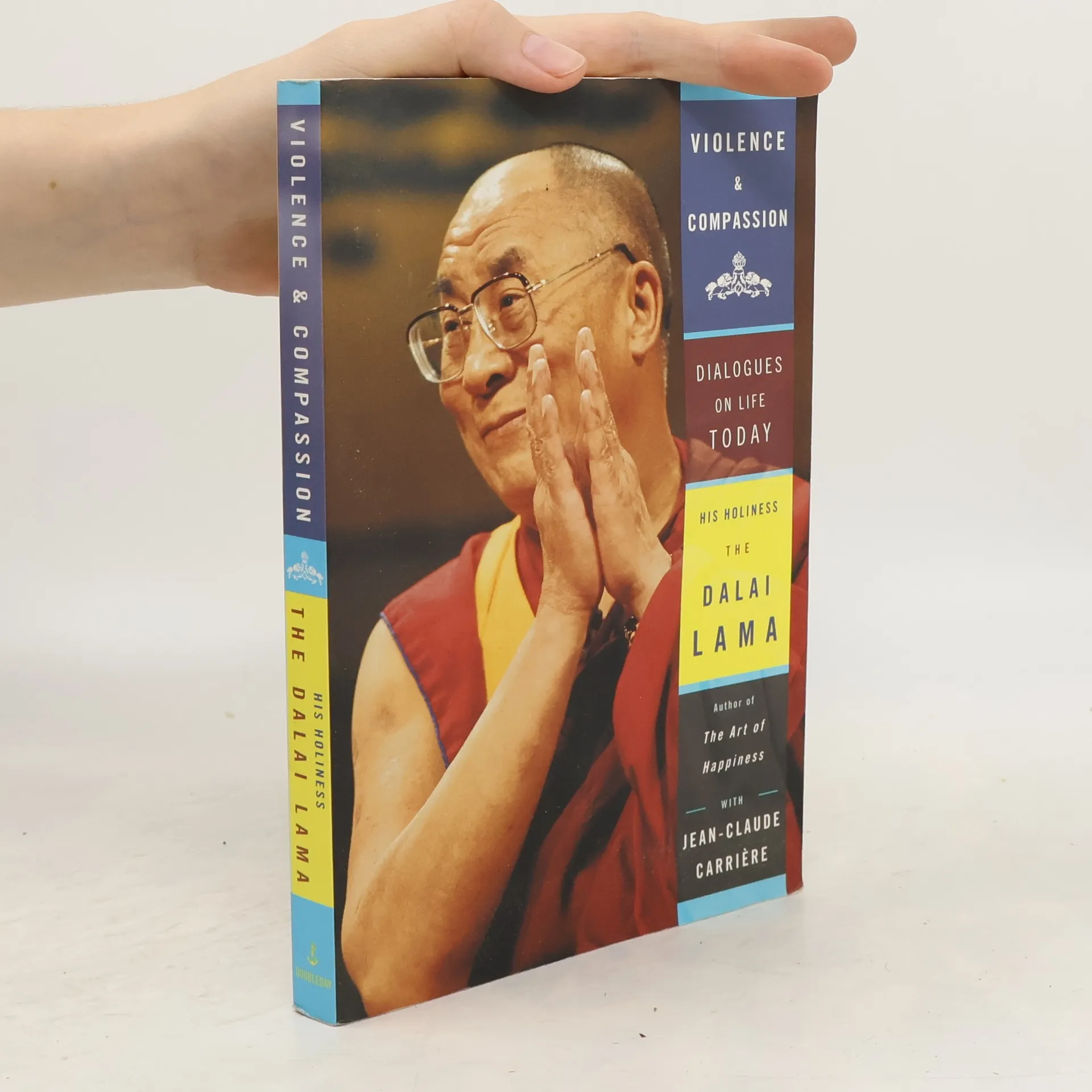
Violence & Compassion
- 224pagine
- 8 ore di lettura
Timeless wisdom on life today from a leading French intellectual and one of the greatest of contemporary spiritual leaders that picks up whereThe Art of Happinessleft off. French film writer Jean-Claude Carri're had the extraordinary opportunity to sit down for a series of conversations with one of today's most respected and popular spiritual leaders His Holiness, Tenzin Gyatso, the fourteenth Dalai Lama. Those interviews, which make upViolence and Compassion, give readers a historic chance to listen in as two formidable thinkers discuss issues that are of concern to all. The discussion covers the various problems that confront world civilization today; including terrorism, the population explosion, environmental dangers, and an escalation in random violence. The Dalai Lama exhibits his characteristic warmth and clarity of thought throughout each of these talks, but what readers will find most valuable is his ability to cut through to the essence of each issue and offer insightful guidance. Carri're, though respectful, never settles for pat answers and consistently asks the down-to-earth questions readers themselves would undoubtedly have asked. The insightful dialogues contained inViolence and Compassionbrings humanity the profound wisdom needed to tackle the challenges of the twenty-first century.
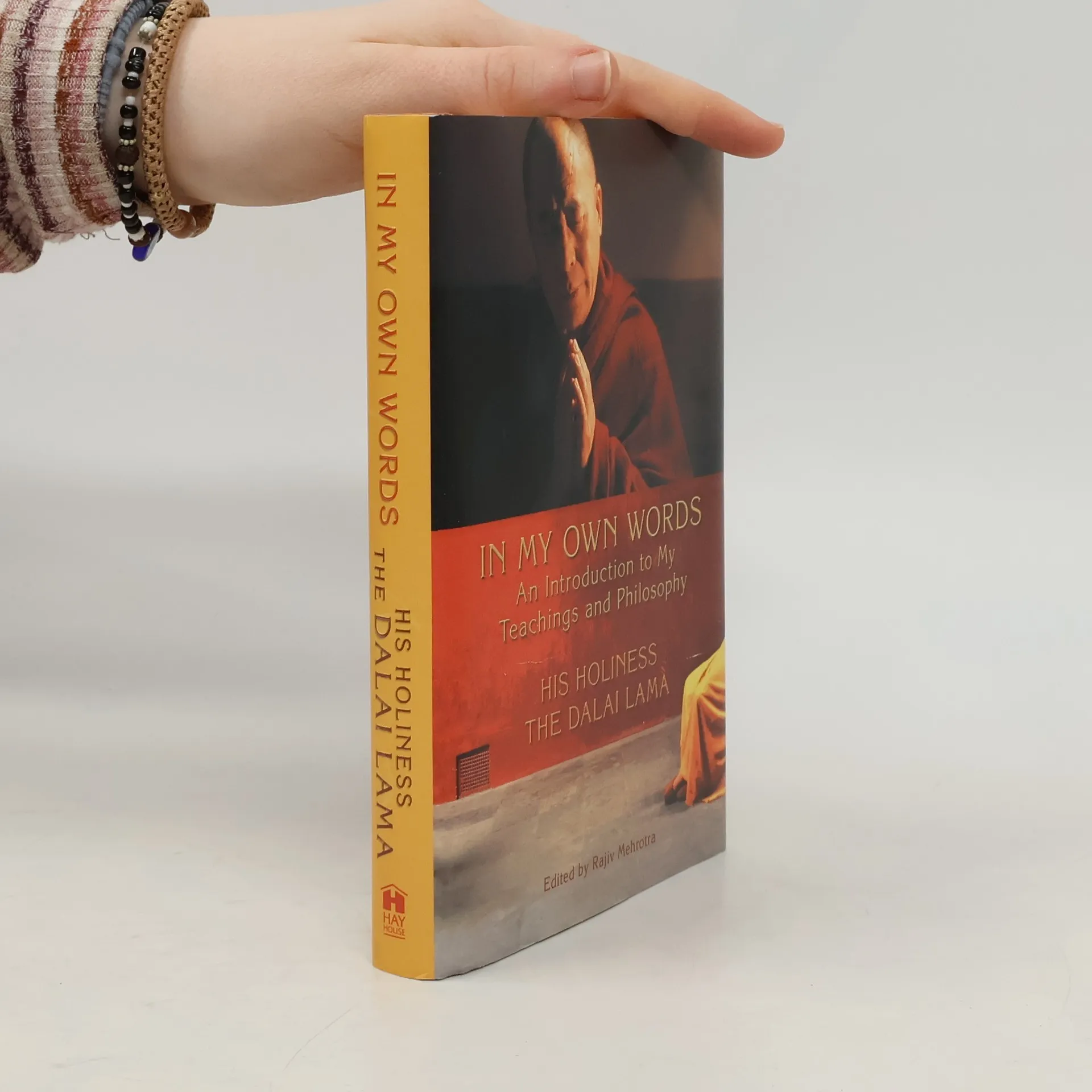
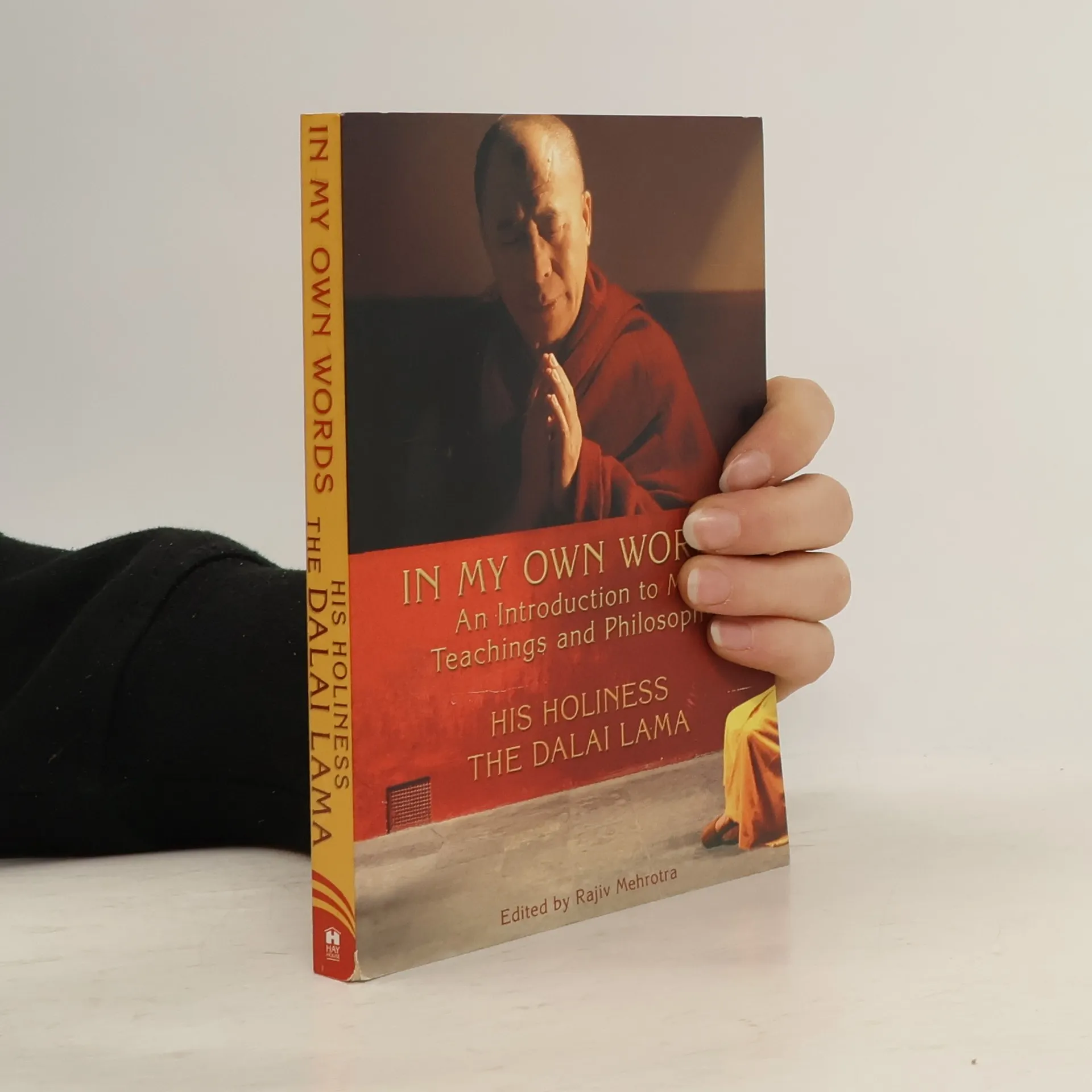
In My Own Words
- 210pagine
- 8 ore di lettura
Presents the Dalai Lama's thoughts on such topics as meditation, karma, suffering, enlightenment, dying, happiness, and science.
How To Practise is a major inspirational work, by one of the world's greatest spiritual teachers. It is broken down into the basic steps to enlightenment: how to practise morality, how to practise meditation, and how to practise wisdom - at the same time, delving deeper into His Holiness' more general Buddhist teachings, his spirit, wisdom and sense of humour. The book, meant to be used as part of daily practice, is easy to understand and filled with anecdotes. It includes guidance on mental calm, altruism and compassion, refraining from harm, focussing the mind, and much more. Beautifully packaged, this is the ultimate gift from the Dalai Lama, and a wonderful gift to give to anyone interested in having a richer, more fulfilled life.
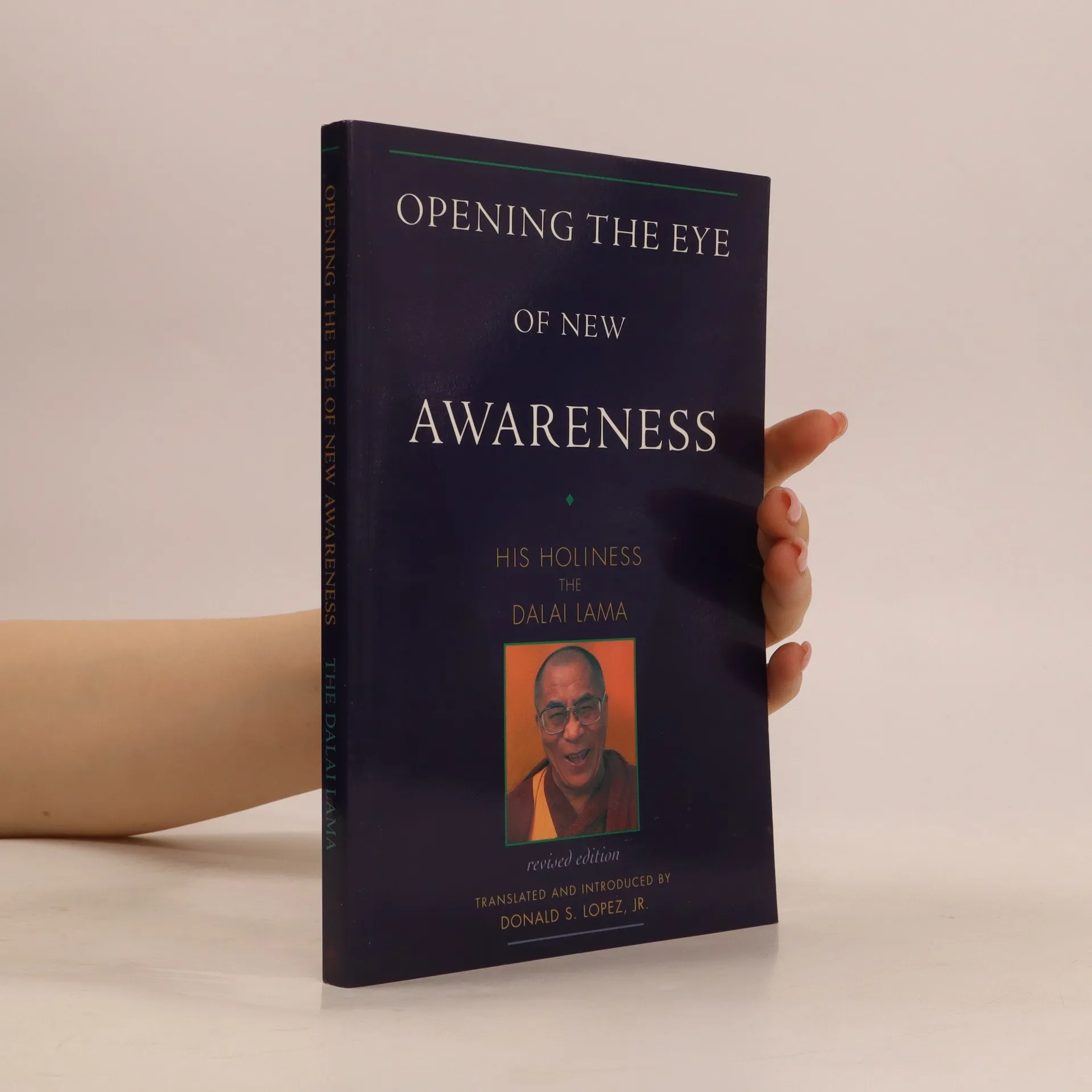
Opening the Eye of New Awareness is a succinct, thorough overview of the doctrines of Buddhism as they have been practiced for a thousand years in Tibet. The Dalai Lama here discusses the need for religious practice and the importance of kindness and compassion. Originally written for Tibetan lay people, this was the Dalai Lama's first book on Buddhist philosophy to appear in English, and Prof. Lopez's new introduction places these teachings in their proper historical context. This is an invaluable handbook for both personal use and academic study of the Buddhist path."Written for both Tibetan and Western readers, Opening the Eye of New Awareness is the Dalai Lama's first religious work. It is not an edited transcript of public lectures, but is His Holliness' own summation of Buddhist doctrine and practice. Completed in 1963, just four years after his escape from Tibet and four years after completing his religious education, it is a work of consummate scholarship by a twenty-seven year-old geshe, wise beyond his years. Nowhere in his many subsequent works does one find a more clear and concise exposition of the essentials of Buddhist thought. Indeed, all of His Holinesss's many publications are in some sense commentaries on this first book.
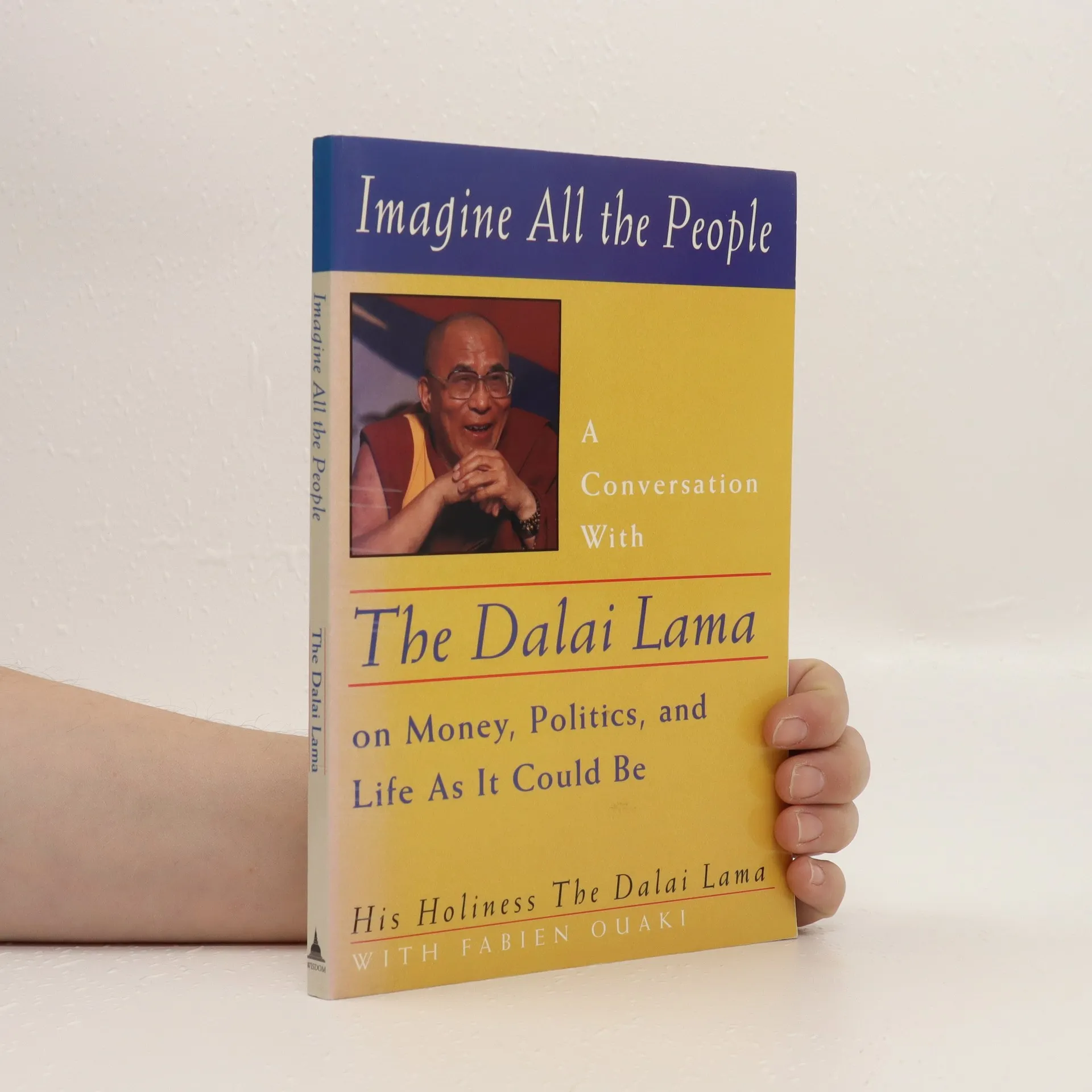
Fabien Ouaki was granted the opportunity to sit down with the Dalai Lama and talk with him about anything, and asked the Dalai Lama for his thoughts on the everyday issues that fill our news, Trade Papers, and our lives. Imagine All the People is the record of these varied and remarkable conversations. Covered are a wide spectrum of topics — political, social, personal and spiritual — including the media and education, marriage and sex, and disarmament and compassion. Blessed by His Holiness' buoyant and insightful thoughts, Imagine All the People allows readers to glimpse the spontaneous workings of an extraordinary mind at once of and above this world. This book includes the full text of "The Global Community and the Need for Universal Responsibility."
Offering an insight into the spiritual life of His Holiness the Dalai Lama, this book explains how he transforms himself through spiritual means in order to have a positive effect on the world.
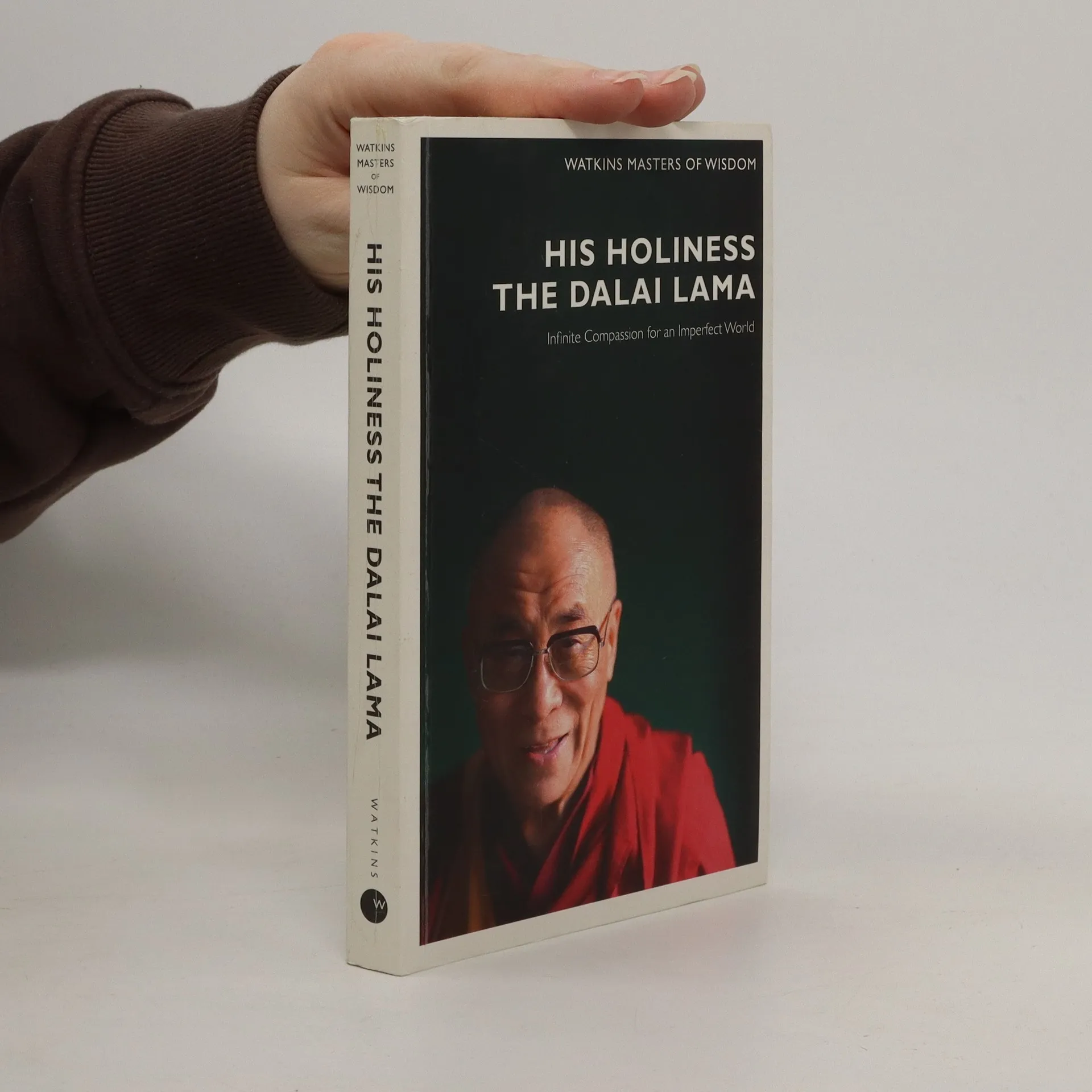
His Holiness the Dalai Lama: infinite compassion for an imperfect world
- 244pagine
- 9 ore di lettura
This inspirational new book brings together the Dalai Lama's teachings on love, peace and compassion, applying the principles of ancient Buddhist thought to contemporary issues.
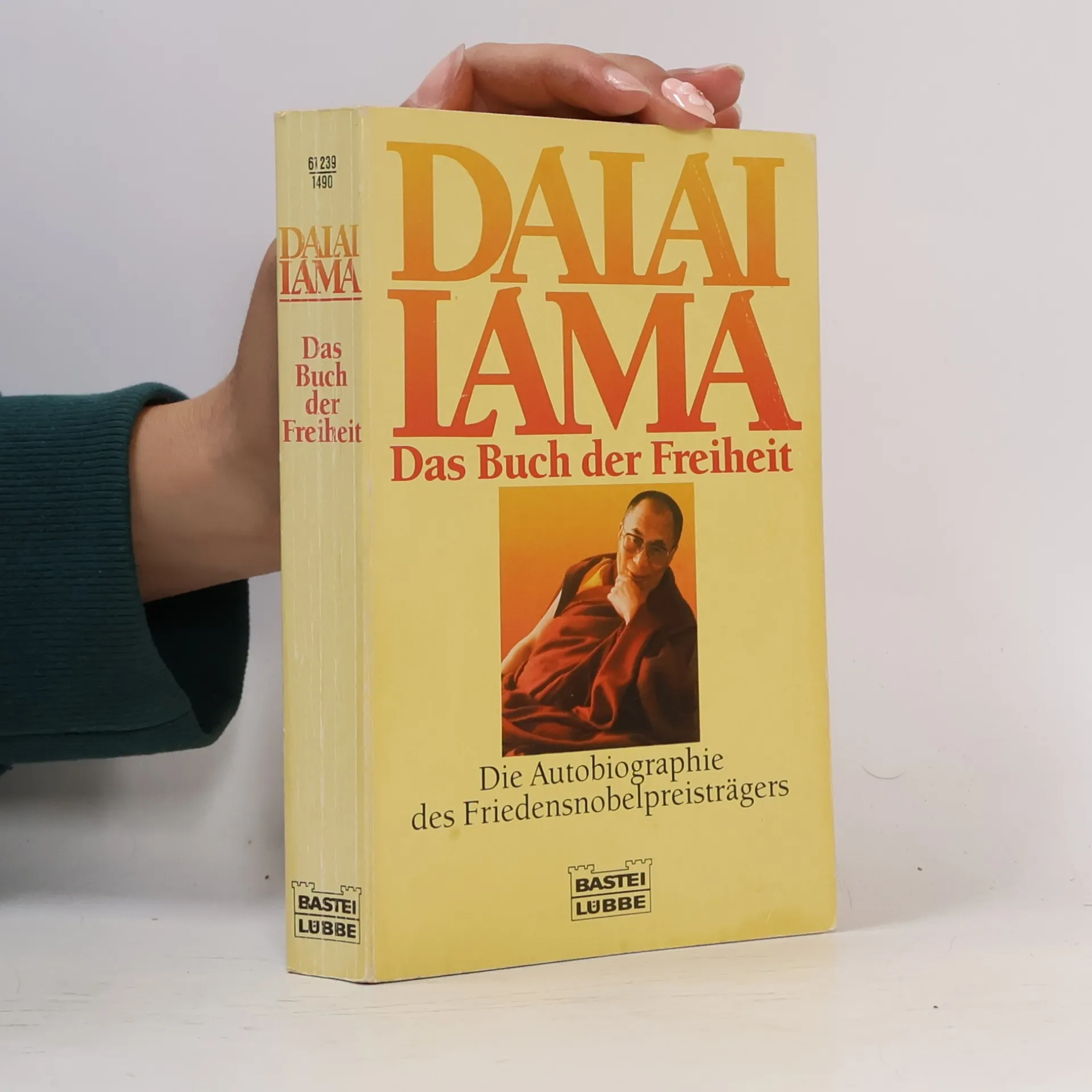
Ein dramatisches Schicksal erwartete den kleinen Bauerssohn, der im Alter von zwei Jahren zum Gottkönig von Tibet bestimmt wurde, zum XIV. Dalai Lama. Als Fünfzehnjäriger mußte er der Großmacht China die Stirn bieten, und seit nunmehr über dreißig Jahren käpft er im Exil für die Freiheit seines Volkes. Sein Lebensbericht ist ein bewegendes Plädoyer für Gewaltlosigkeit, Völkerverständigung und die spirituelle Offenbarung eines wahrhaft Großen unserer Zeit.
Das Auge der Weisheit
- 178pagine
- 7 ore di lettura
Ein Meilenstein in der Begegnung zwischen Ost und West: Auf leicht verständliche Weise bringt der Dalai Lama dem westlichen Leser die Grundzüge des Buddhismus näher. Ein knapper Überblick über die Geschichte und Verbreitung des tibetischen Buddhismus schafft die Grundlage für das Verständnis der wichtigsten östlichen Weisheitslehre.
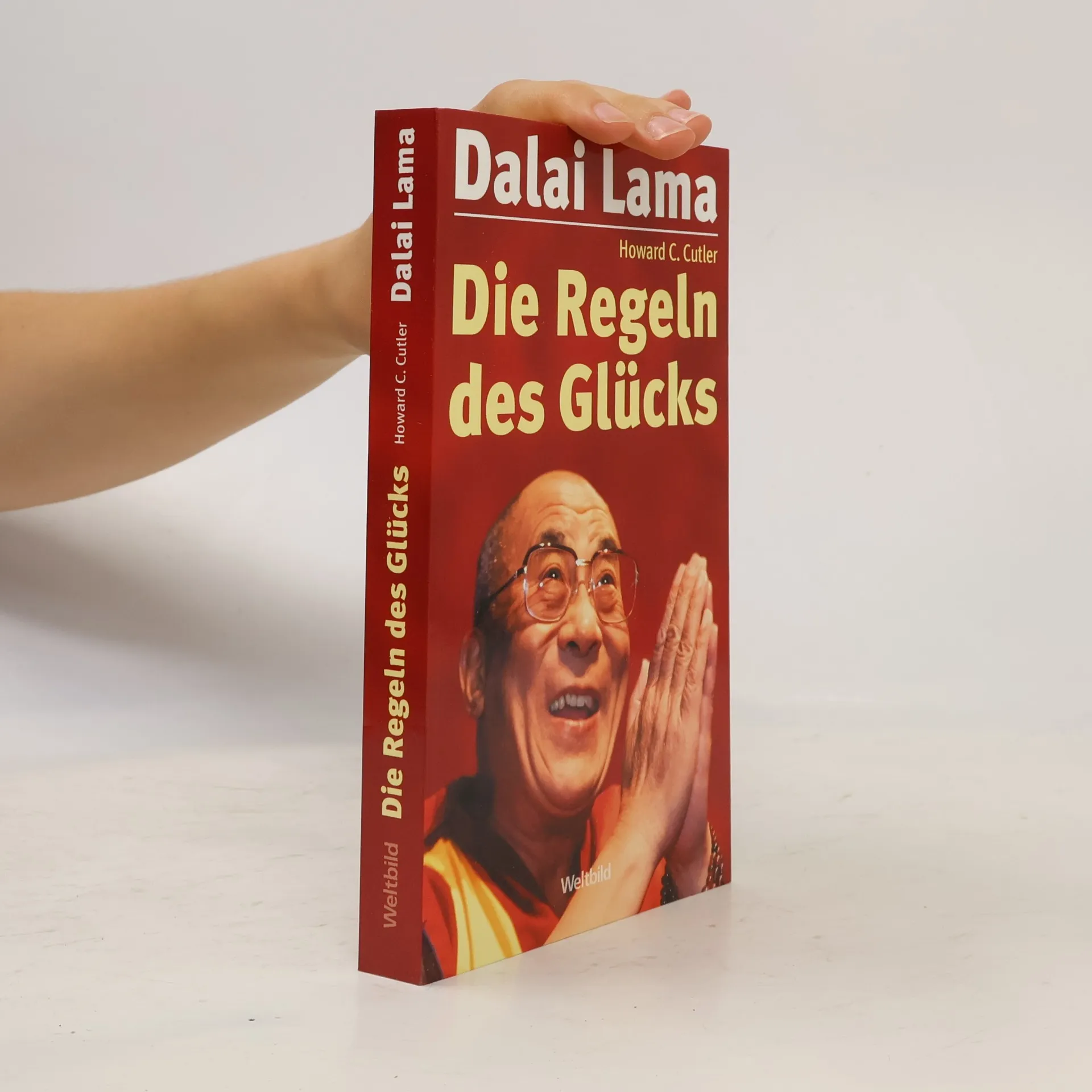
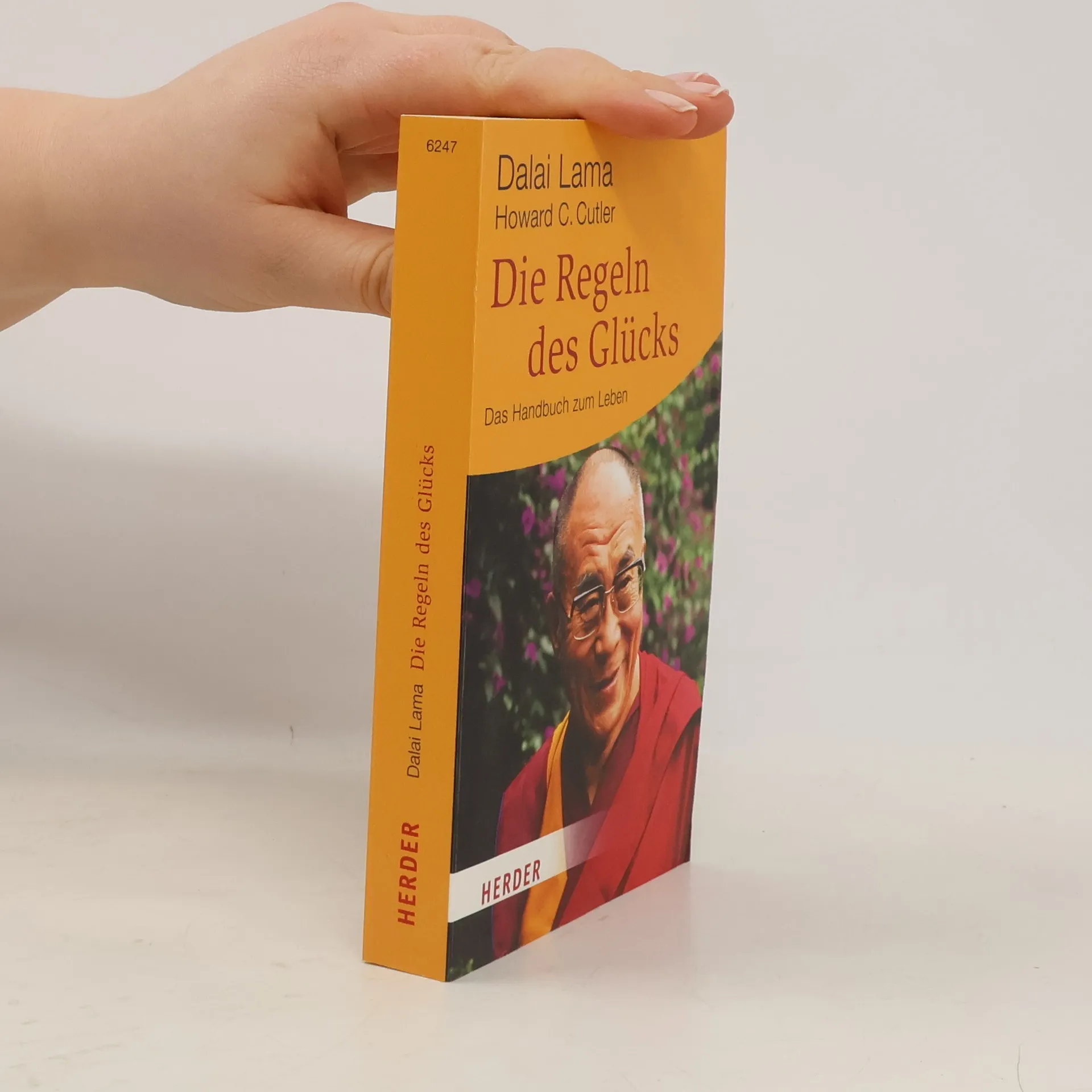
Die Regeln des Glücks
- 284pagine
- 10 ore di lettura
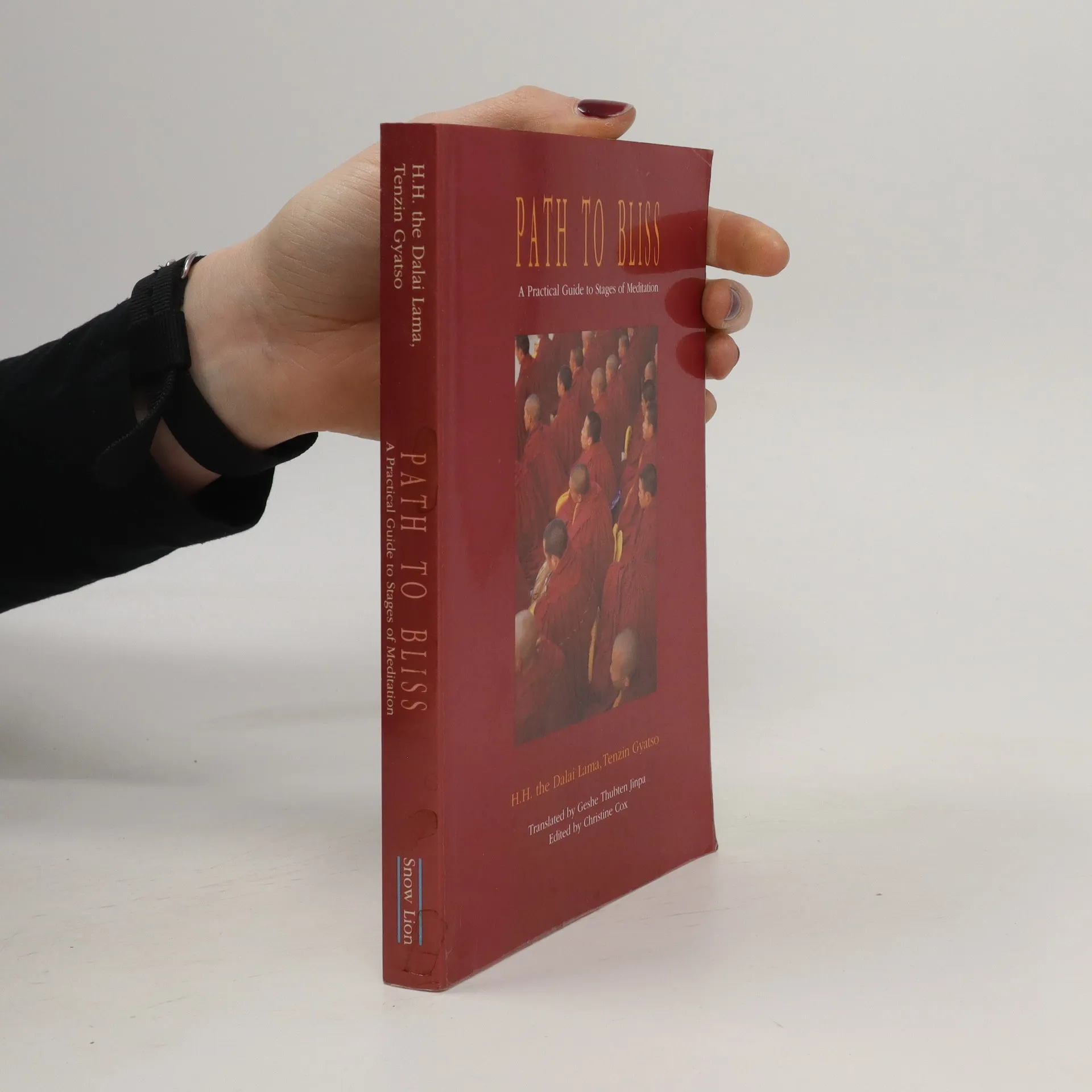
Path to Bliss
- 240pagine
- 9 ore di lettura
Simple yet profound in its approach, clear and eloquent in its presentation, this volume outlines meditation practices that cultivate an effective mental outlook on life, greater access to the mind's true potential, and happiness. Assuming no prior experience on the part of beginners, it nonetheless also provides ample material for already advanced practitioners as well.
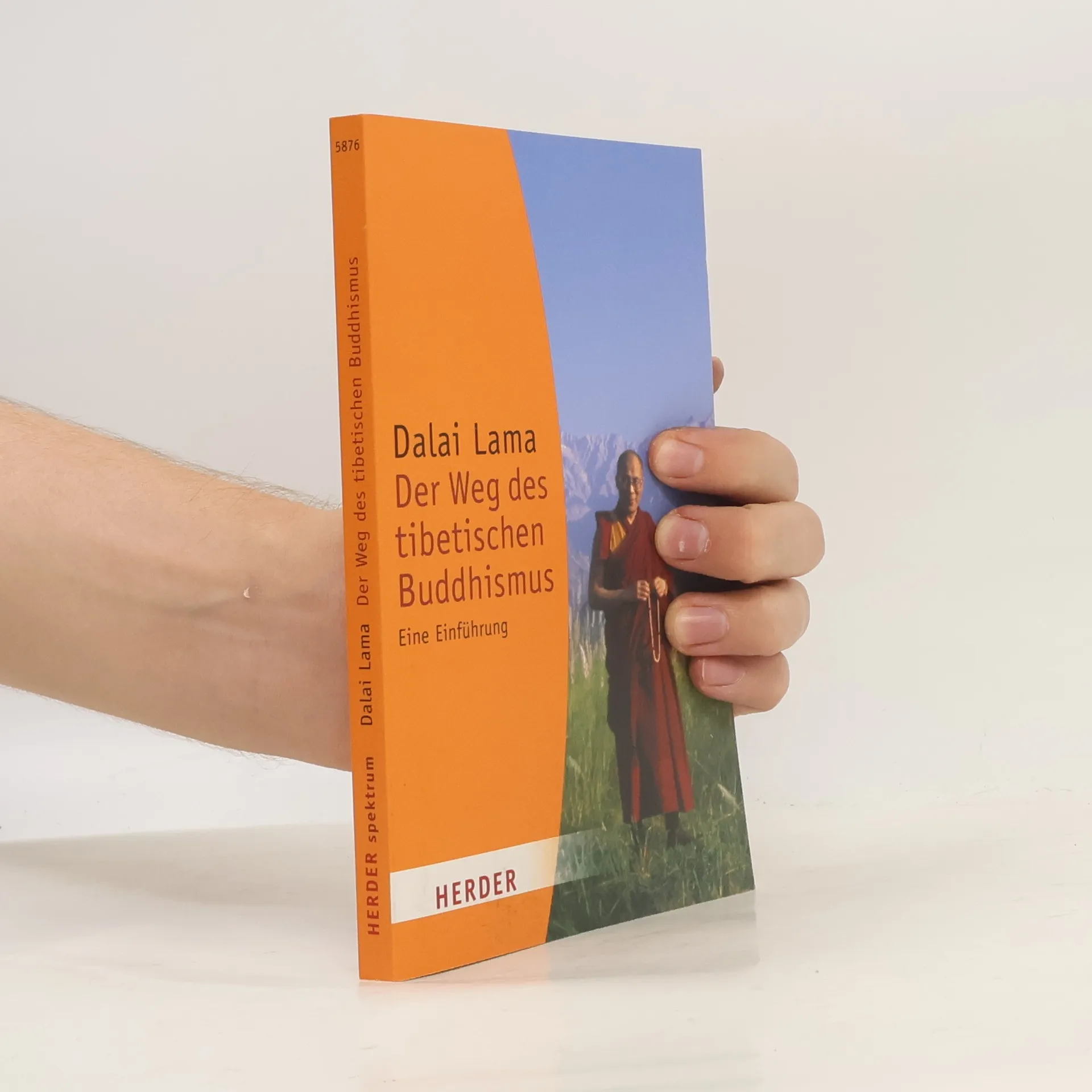
Der Weg des tibetischen Buddhismus: Eine Einführung
- 161pagine
- 6 ore di lettura
"Der Weg des tibetischen Buddhismus: Eine Einführung" bietet einen prägnanten und umfassenden Überblick über die Lehren des Buddhismus, wie sie seit tausend Jahren in Tibet praktiziert werden. Der Dalai Lama erörtert hier die Notwendigkeit religiöser Praxis sowie die Bedeutung von Freundlichkeit und Mitgefühl. Dieses Werk ist ein unverzichtbares Handbuch für die persönliche Nutzung und das akademische Studium des buddhistischen Weges. Es ist keine bearbeitete Transkription öffentlicher Vorträge, sondern eine eigene Zusammenfassung der buddhistischen Lehre und Praxis von seiner Heiligkeit. Abgeschlossen im Jahr 1963, nur vier Jahre nach seiner Flucht aus Tibet und vier Jahre nach dem Abschluss seiner religiösen Ausbildung, ist es ein Werk von herausragender Gelehrsamkeit eines siebenundzwanzigjährigen Geshe, der weiser ist als sein Alter vermuten lässt. In seinen vielen späteren Werken findet man nirgendwo eine klarere und prägnantere Darstellung der wesentlichen Gedanken des Buddhismus. Tatsächlich sind alle Veröffentlichungen seiner Heiligkeit in gewisser Weise Kommentare zu diesem ersten Buch.
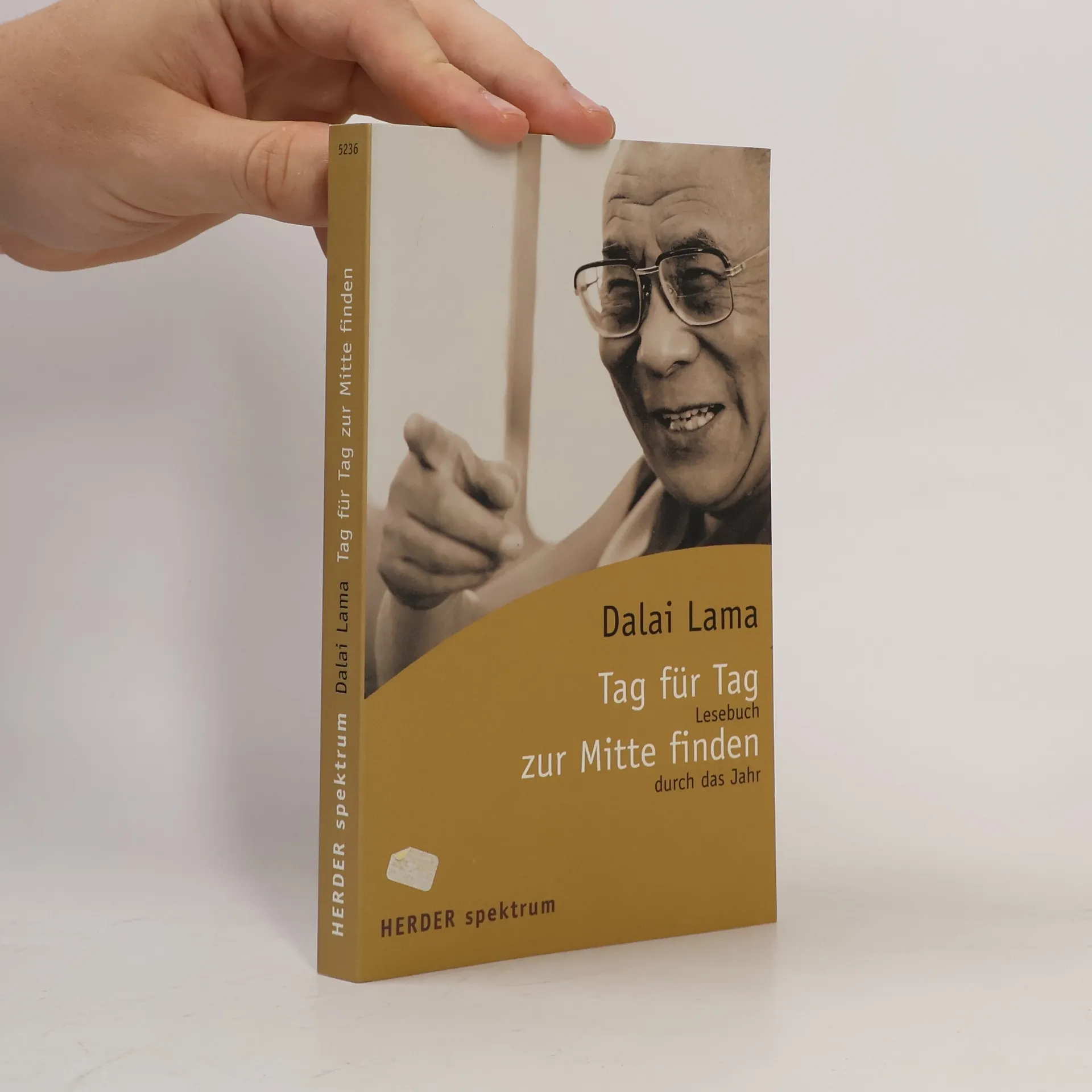
Tag für Tag zur Mitte finden
- 223pagine
- 8 ore di lettura
Selbsterkenntnis macht uns frei von Täuschungen, lässt uns die wahre Natur der Dinge erkennen und führt so zu einem bewussten Leben. Dazu lädt der große Weisheitslehrer in seinem neuen Buch ein. Das Buch liefert tiefe spirituelle, psychologische und philosophische Einsichten, sowie Meditationen und Übungen zu den zentralen Themen unseres Lebens.
"Le mal ne se maintient que par la violence"
déclaration lors de son procès, le 23 mars 1922
- 57pagine
- 2 ore di lettura
Face à l'oppression et à la discrimination que subit son peuple. Gandhi revendique l'action non violente. C'est cette idée qui est au coeur du discours qu'il tient devant ses juges lors de son procès, le 19 mars 1922. Héros du nationalisme indien, il devient un modèle politique et moral tant en Inde qu'en Occident. Nombreux sont ceux qui, à sa suite, s'inscriront dans cette revendication de la non-violence. C'est le cas du Dalaï Lama, lors de son discours de réception du prix Nobel de la paix en 1989, qui s'élève contre l'occupation militaire chinoise au Tibet.
Die Regeln des Glücks
Ein Handbuch zum Leben. Mit einem aktuellen Vorwort und einer neuen Einführung
* Der erste Dalai Lama Weltbestseller jetzt als erweiterte und aktualisierte Taschenbuchausgabe * Die Basis der Glücksregeln - das Handbuch zum Leben Eine neue Sicht auf das Leben: Weisheitslehren sind spirituelle Schlüssel zu einem neuen Verständnis von Glück und zeigen uns im Westen den Weg dorthin. Einen Weg, der aktive Arbeit, persönliches Wachstum und Reifen verlangt und in unserer leistungs- und ergebnisorientierten Gesellschaft ein grundsätzliches Umdenken voraussetzt.
Hacia la paz interior
- 224pagine
- 8 ore di lettura
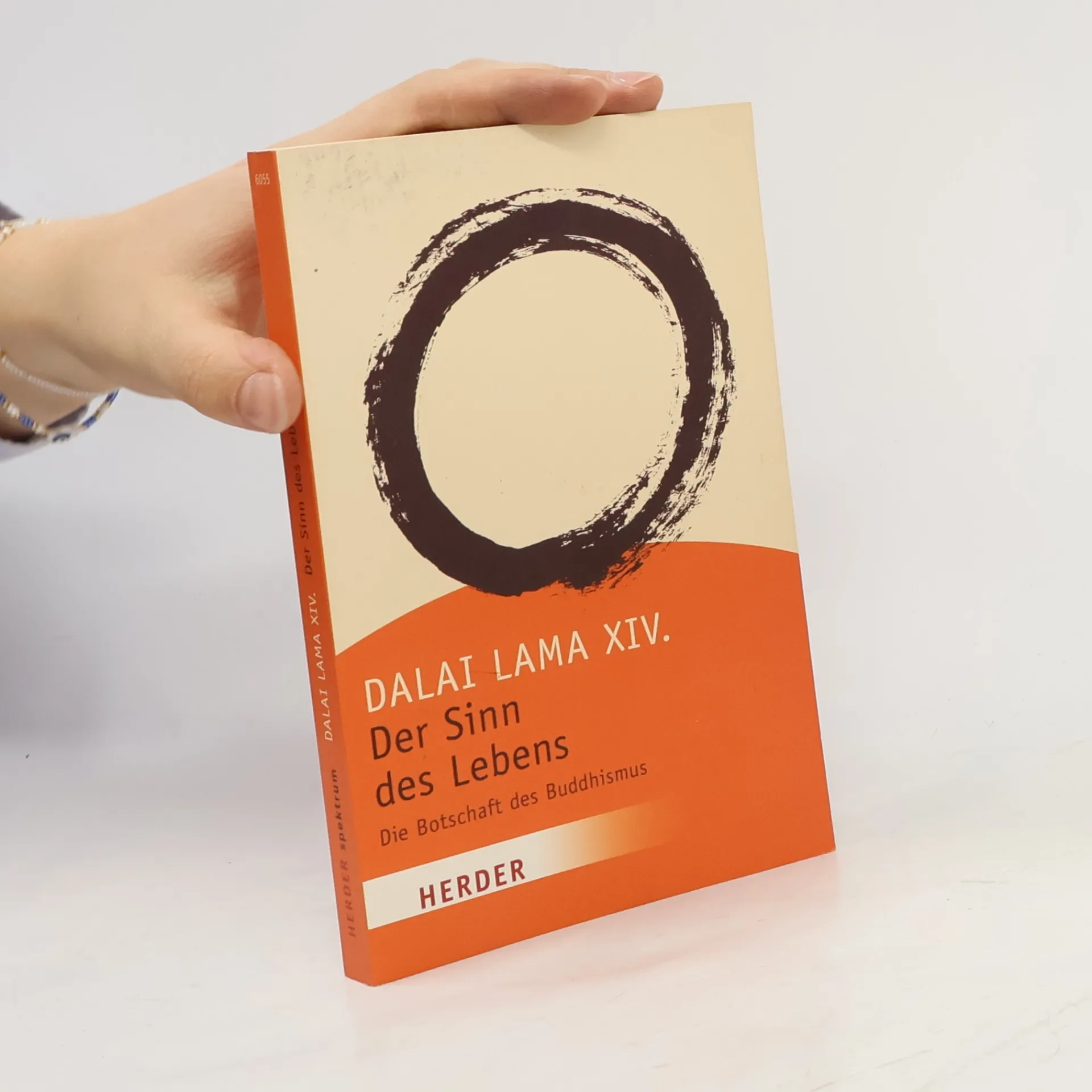
Der Sinn des Lebens
- 224pagine
- 8 ore di lettura
Nie haben Buddhismus und Meditation mehr Aufmerksamkeit in der Welt gefunden als heute. Der Dalai Lama verkörpert als ranghöchster Meister und Lehrer des Buddhismus diese reiche, über 2500 Jahre alte Tradition. In diesem Buch erläutert er dem westlichen Publikum die zentralen Elemente der Lehre Buddhas sowie die Grundübungen und Ziele der Meditation. Ein Muss für alle, die sich kompetent informieren und verstehen wollen, worin die gegenwärtige Attraktivität des Buddhismus besteht.
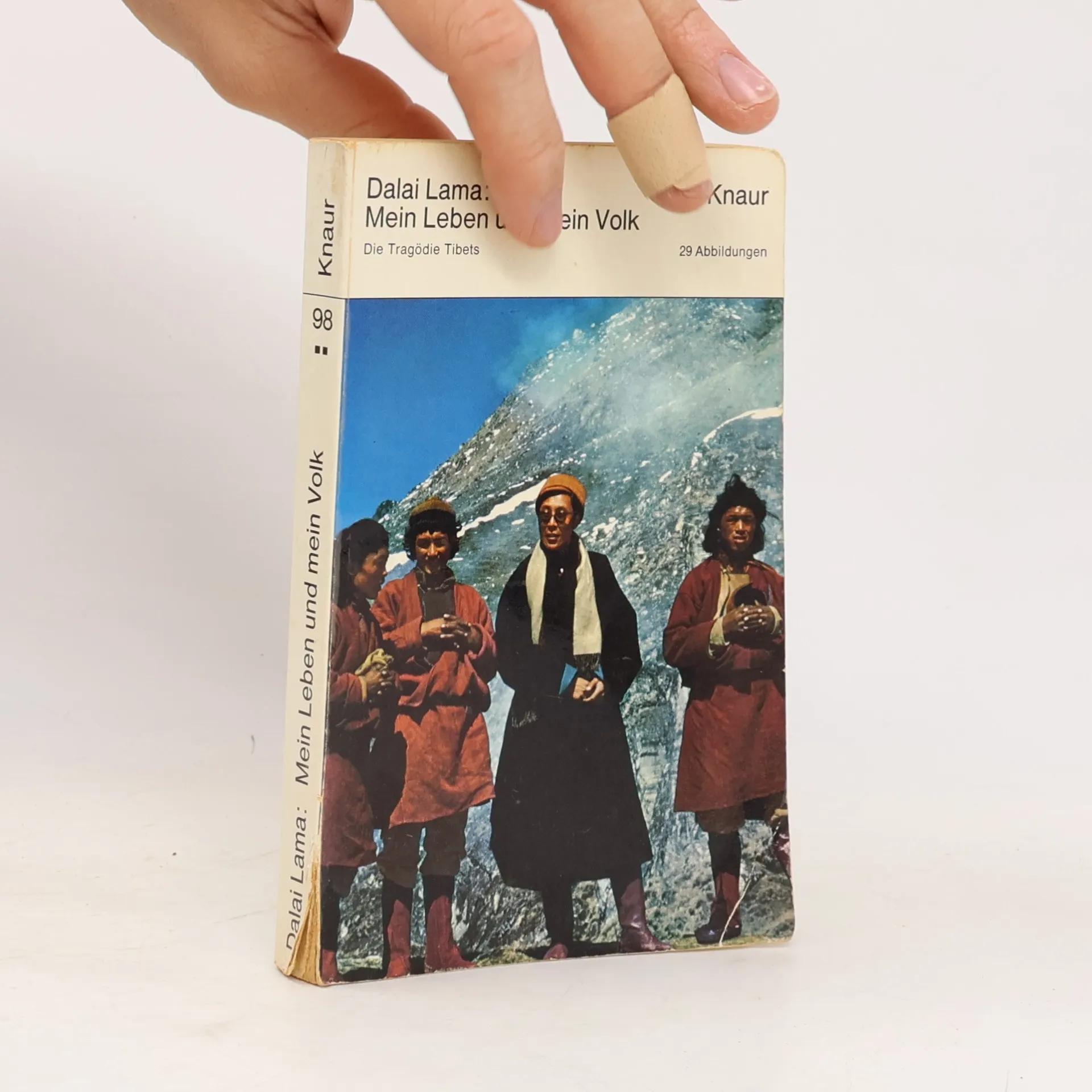
Mein Leben und mein Volk
Die Tragödie Tibets
Hoe kunnen wij het pad der verlichting vinden en blijven volgen? Op die centrale vraag geeft De glimlach van de middenweg een antwoord. Wees open, wees aandachtig, en ga steeds op zoek naar de waarheid achter je overtuigingen, zo draagt Tenzin Gyatso, de veertiende Dalai Lama, ons op. Door de oude boeddhistische wijsheden over compassie en onbaatzuchtigheid in de praktijk te brengen, kunnen wij allemaal de middenweg bewandelen. De glimlach van de middenweg valt in twee delen uiteen. In het eerste deel onderzoek de Dalai Lama de oertekst De Middenweg van de boeddhistische filosoof Nagarjuna (ca. 150-250 n.Chr.), de tekst waardoor het hedendaagse boeddhisme zich nog altijd laat inspireren. In het tweede gedeelte geeft de Dalai Lama, ditmaal gebaseerd op klassieke verzen van Tsongkhapa (1357-1419), handvatten om de ideeën over verlichting in de praktijk te brengen. Zo biedt de Dalai Lama, aan de hand van twee eeuwenoude teksten die nog altijd springlevend zijn, diepgravend inzicht in de principes van het Tibetaanse boeddhisme. Dankzij de persoonlijke, open houding van de Dalai Lama en zijn grote inzicht in de huidige tijd, is het een uiterst leesbaar boek, dat iedereen laat delen in zijn wijsheid.
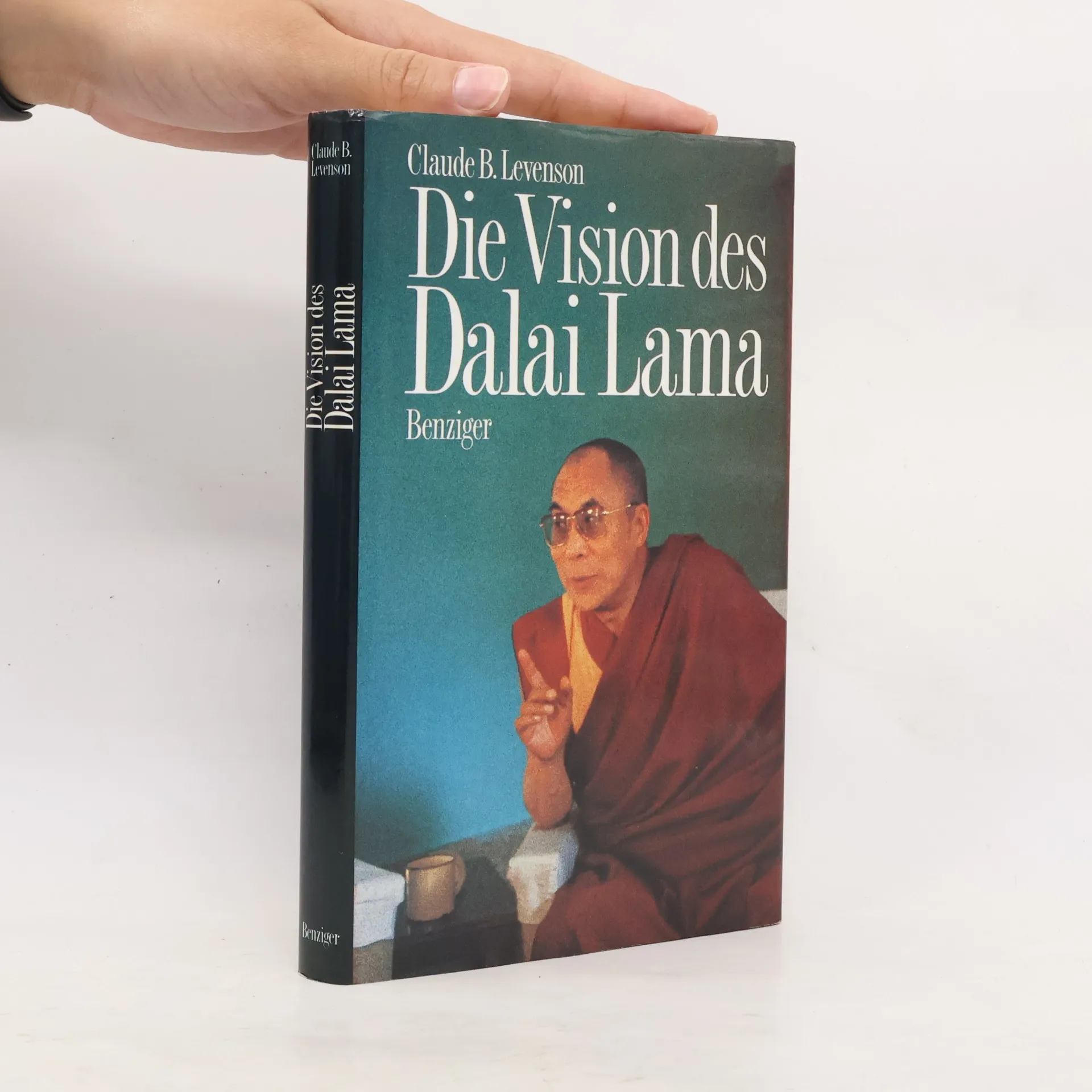
Die Vision des Dalai Lama
- 180pagine
- 7 ore di lettura
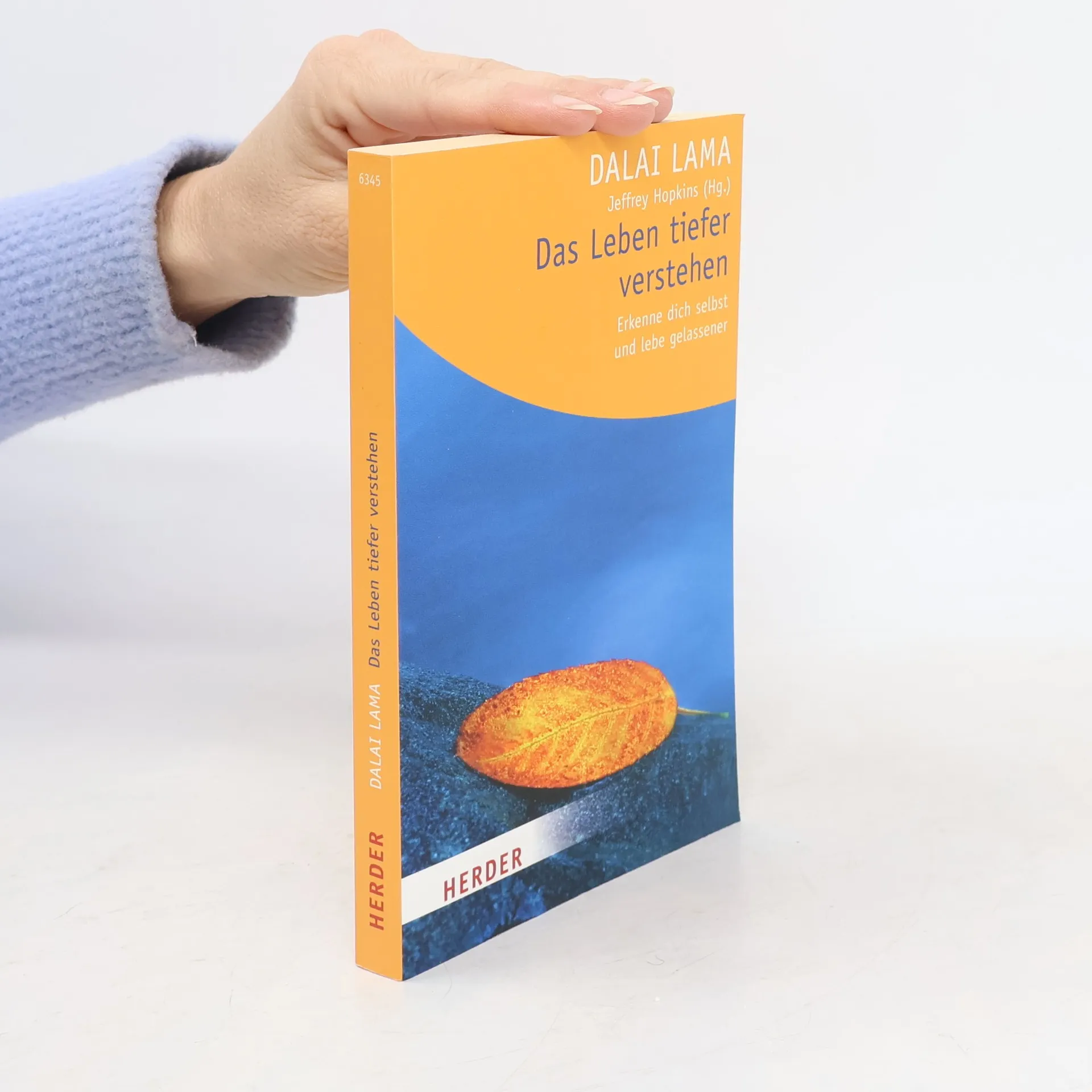
Sehnsucht nach dem Wesentlichen
- 135pagine
- 5 ore di lettura
Die Vorträge in Harvard
- 309pagine
- 11 ore di lettura
His Holiness the Dalai Lama gave a series of lectures at Harvard University which fulfilled magnificently his intention of providing an in-depth introduction to Buddhist theory and practice. He structured the presentation according to the teachings of the Four Noble Truths and expanded their meaning to cover most of the topics of Tibetan Buddhism. The Dalai Lama's combination of superb intellect, power of exposition, and practical implementation are evident in these lectures. He covers a broad spectrum of topics, including: • The psychology of cyclic existence • Consciousness and karma • Cessation and Buddha Nature • Paths and the utilization of bliss • Techniques for meditation • Altruism • Valuing enemies • Wisdom • And much more
Die Vision des Dalai Lama. Der Friedensnobelpreisträger im Gespräch
- 180pagine
- 7 ore di lettura
180 S.
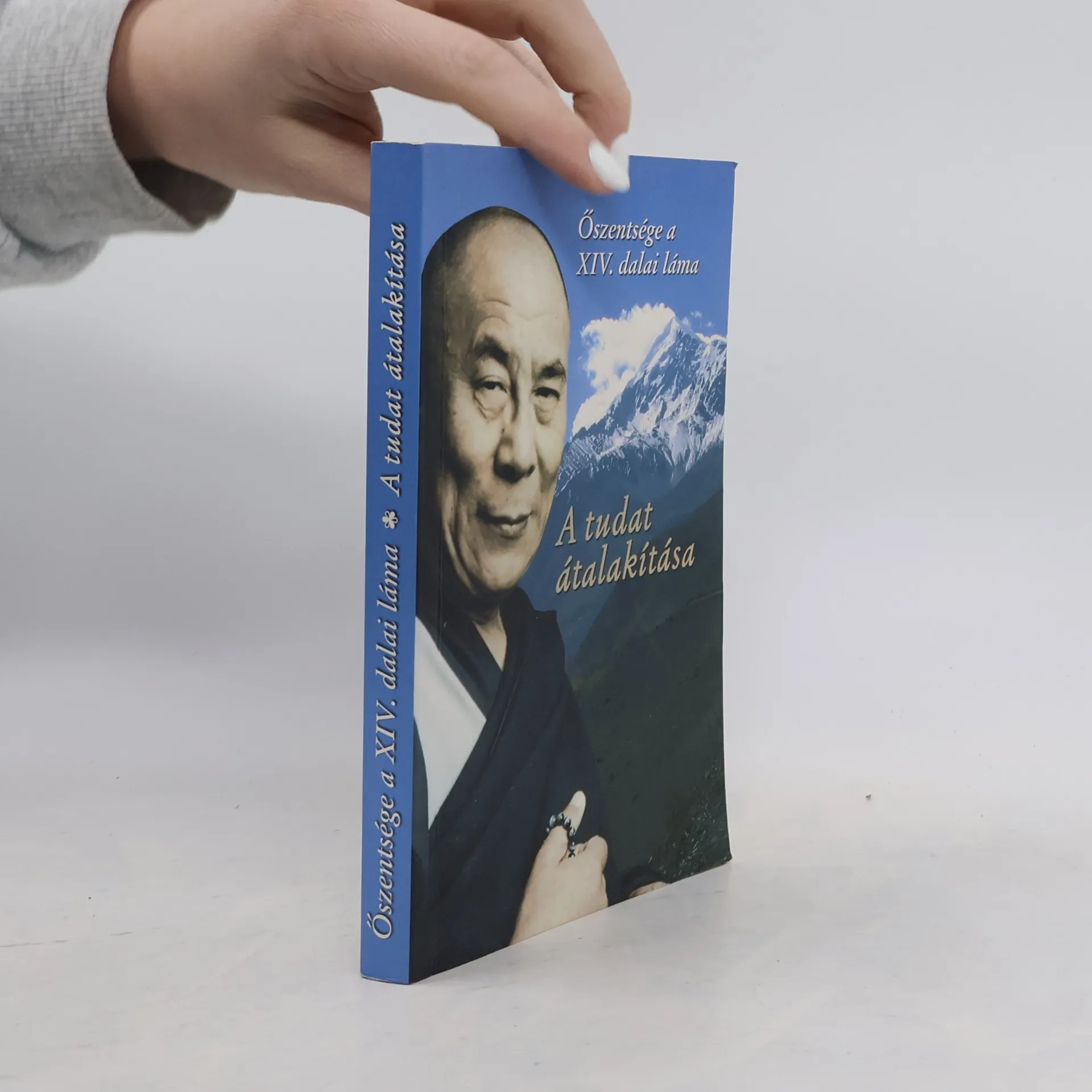
A tudat átalakítása
- 200pagine
- 7 ore di lettura
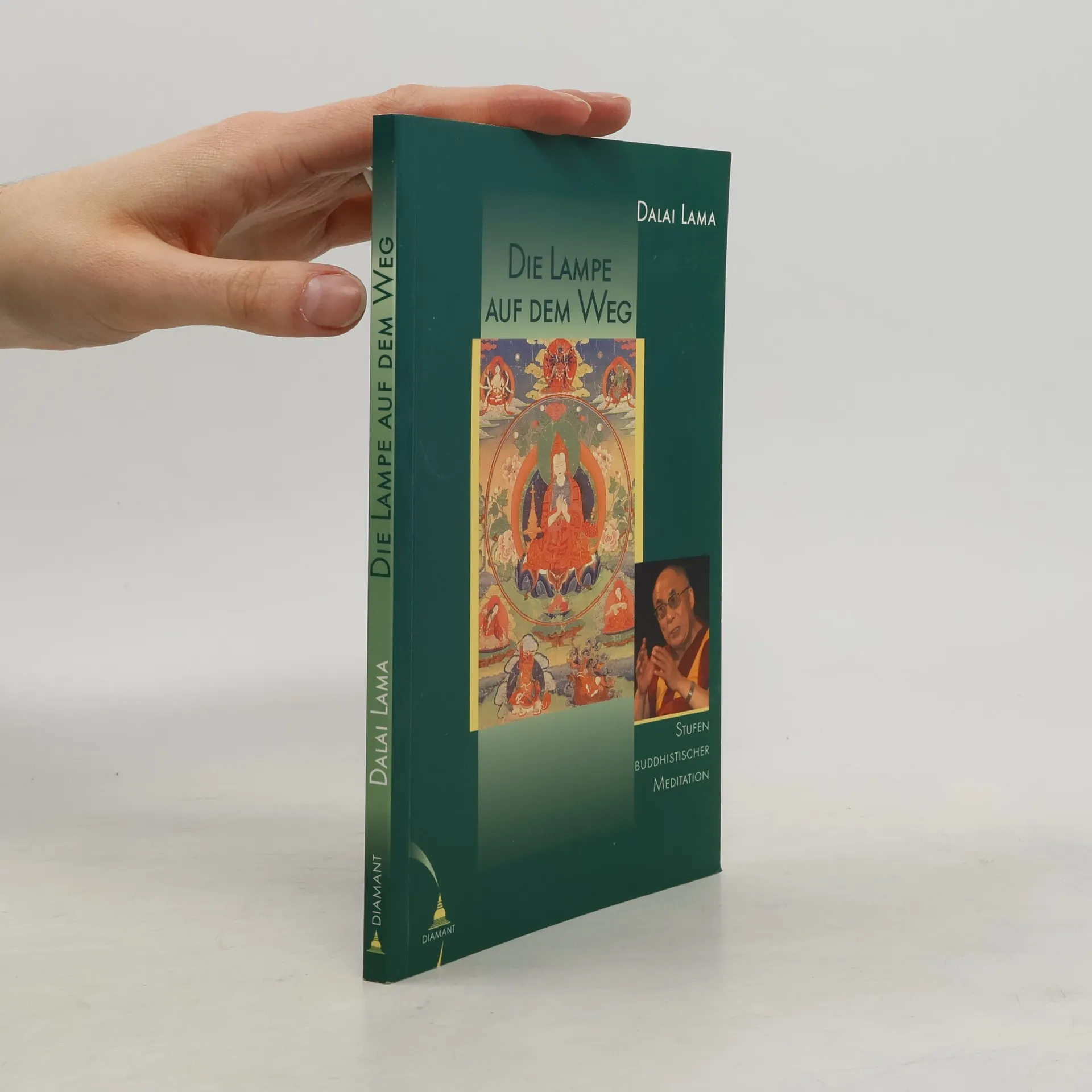
Die Lampe auf dem Weg - Grundtext und Kommentar
- 100pagine
- 4 ore di lettura