

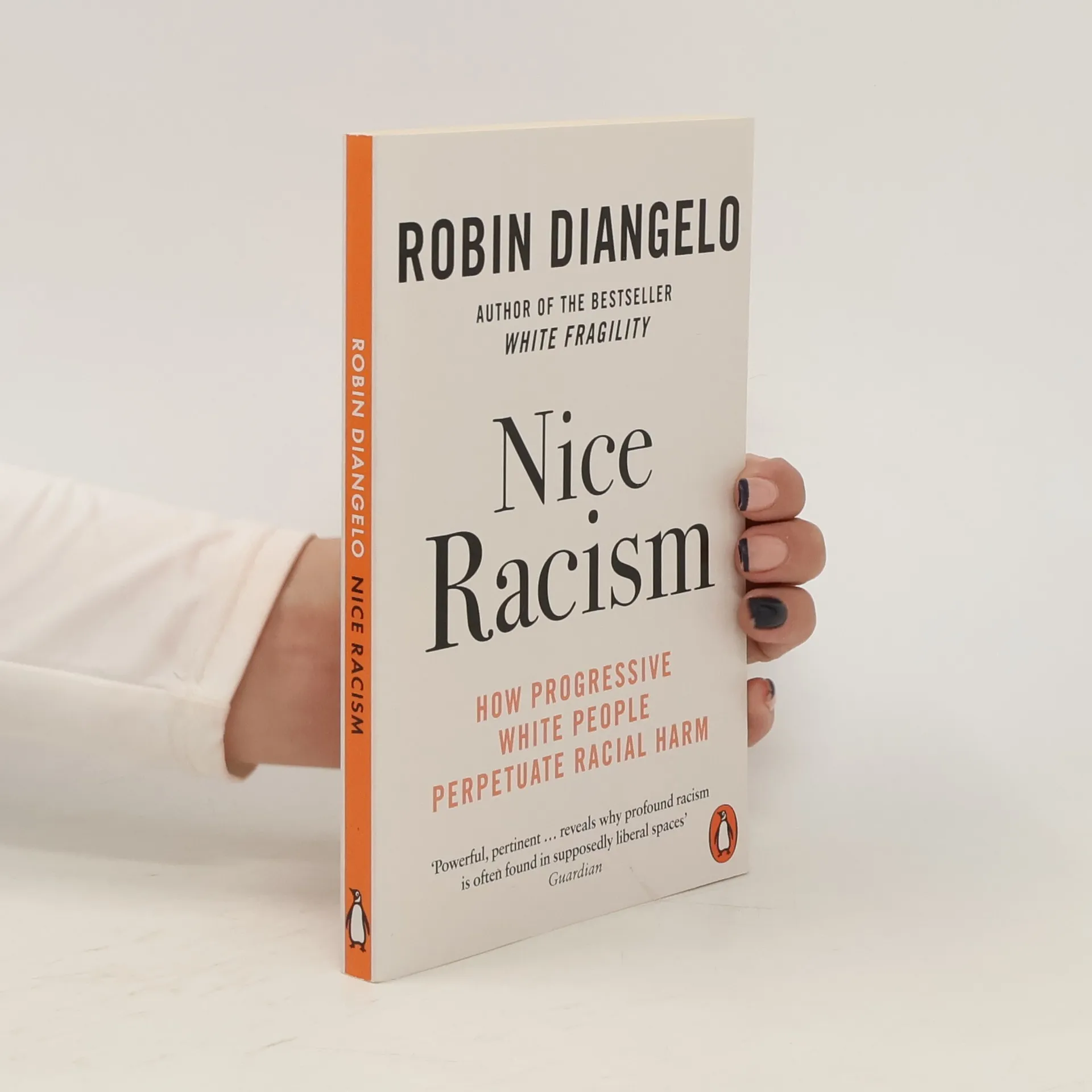
Racism is not a simple matter of good people versus bad. In White Fragility, Robin DiAngelo explained how racism is a system into which all white people are socialized. She also made a provocative claim: that white progressives cause the most daily harm to people of colour. In Nice Racism, her follow-up work, she explains how they do so. Drawing on her background as a sociologist and over twenty-five years working as an antiracist educator, she moves the conversation forward. Writing directly to white people as a white person, DiAngelo identifies many common racial patterns and breaks down how well-intentioned white people unknowingly perpetuate racial harm. Writing candidly about her own missteps and struggles, she models a path forward, encouraging white readers to continually face their complicity and embrace courage, lifelong commitment and accountability. Nice Racism is an essential work for any white person who wants to take steps to align their values with their actual practice, and offers people of colour an 'insider's' perspective which may be helpful for navigating whiteness.
Robin J. DiAngelo Ordine dei libri (cronologico)
Robin J. DiAngelo è un'accademica e autrice americana nota per la sua ricerca nell'analisi critica del discorso e negli studi sulla bianchezza. Ha coniato il termine "fragilità bianca", che descrive le reazioni difensive delle persone bianche quando vengono confrontate con i loro vantaggi razziali. Il suo lavoro esplora come queste reazioni servano a mantenere e proteggere le disuguaglianze razziali. DiAngelo si concentra su come il linguaggio e il discorso modellano la nostra comprensione delle questioni razziali e contribuiscono a sostenere le strutture sociali.
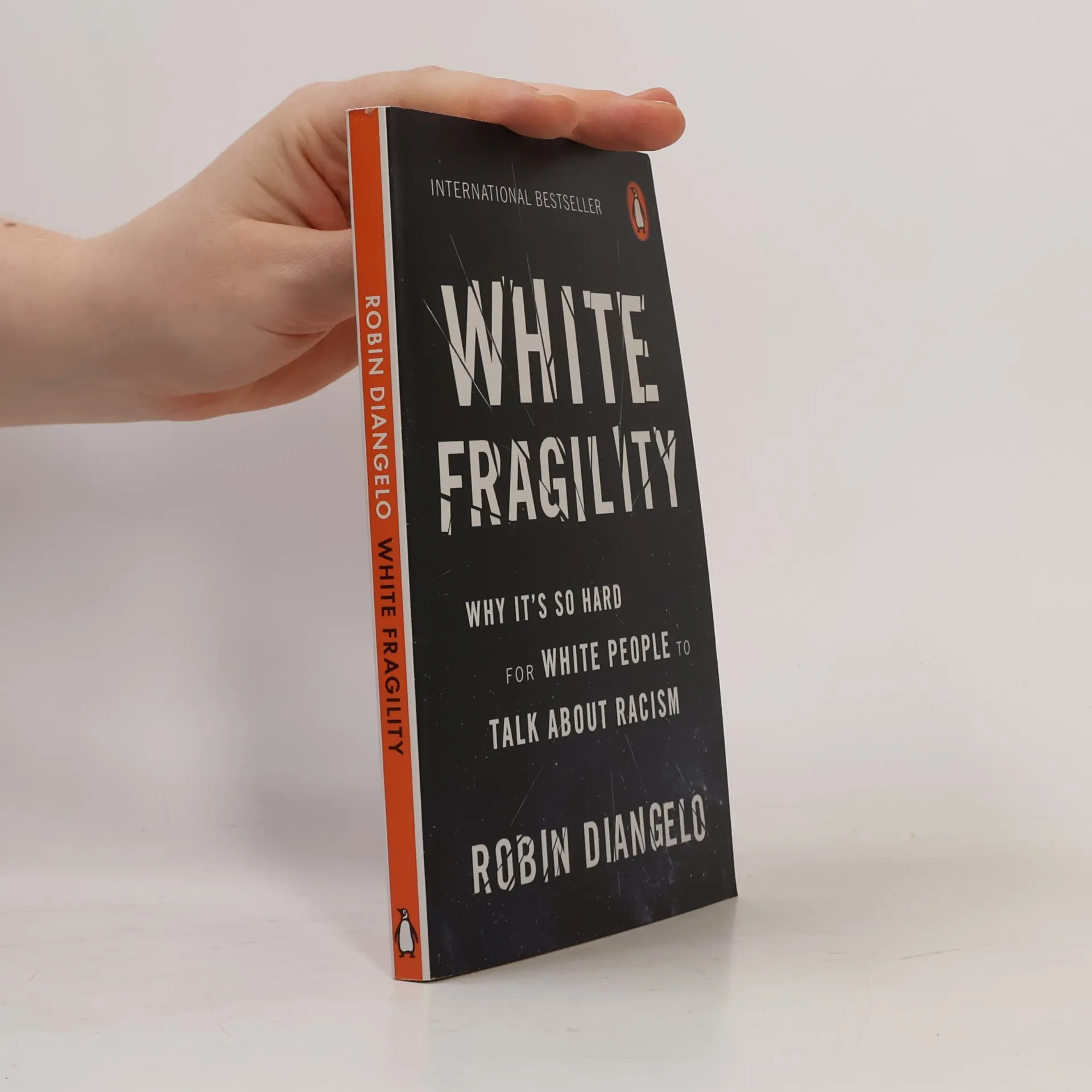
White fragility : why it's so hard for white people to talk about racism
- 192pagine
- 7 ore di lettura
Anger. Fear. Guilt. Denial. Silence. These are the ways in which ordinary white people react when it is pointed out to them that they have done or said something that has - unintentionally - caused racial offence or hurt. After, all, a racist is the worst thing a person can be, right? But these reactions only serve to silence people of colour, who cannot give honest feedback to 'liberal' white people lest they provoke a dangerous emotional reaction. Robin DiAngelo coined the term 'White Fragility' in 2011 to describe this process and is here to show us how it serves to uphold the system of white supremacy. Using knowledge and insight gained over decades of running racial awareness workshops and working on this idea as a Professor of Whiteness Studies, she shows us how we can start having more honest conversations, listen to each other better and react to feedback with grace and humility. It is not enough to simply hold abstract progressive views and condemn the obvious racists on social media - change starts with us all at a practical, granular level, and it is time for all white people to take responsibility for relinquishing their own racial supremacy.