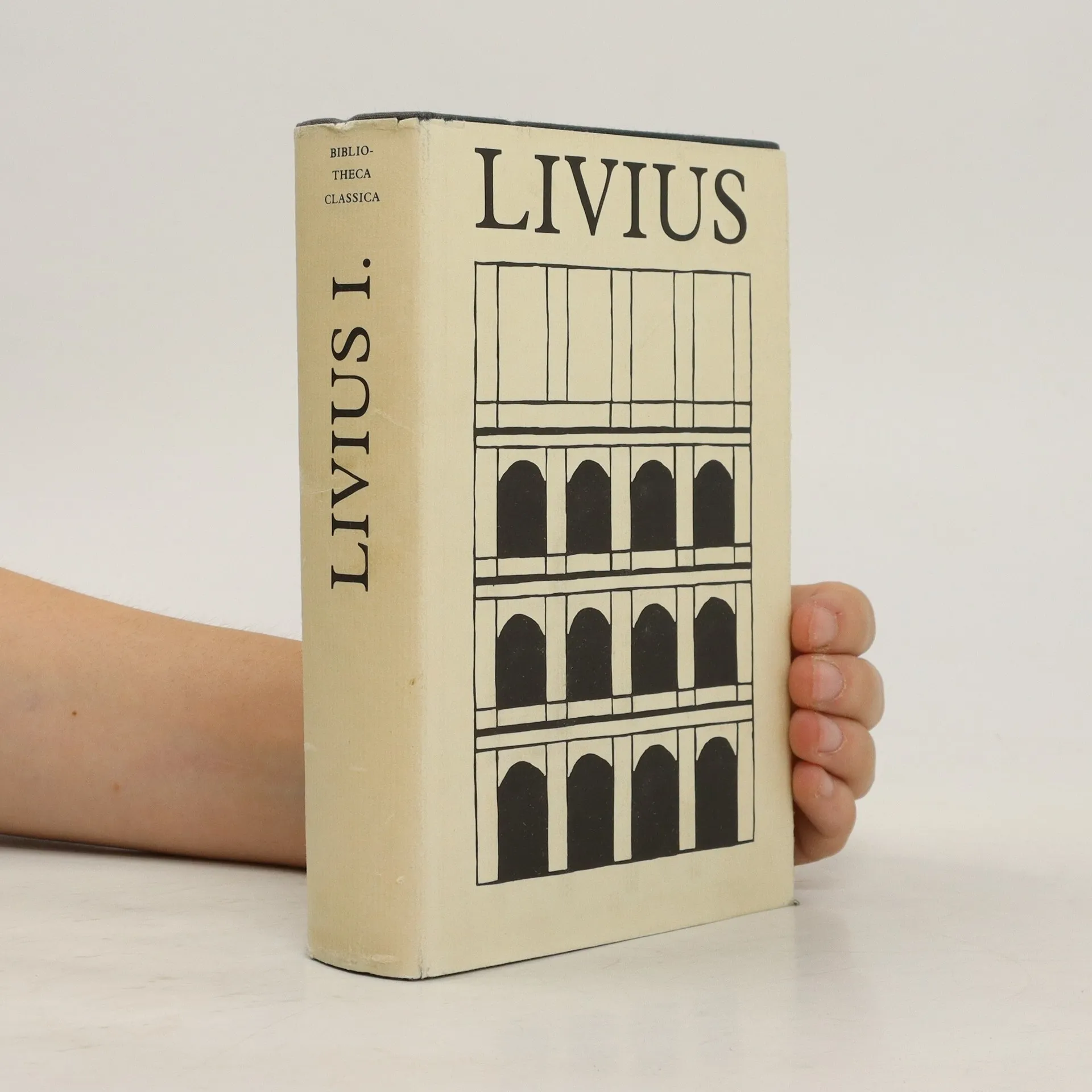
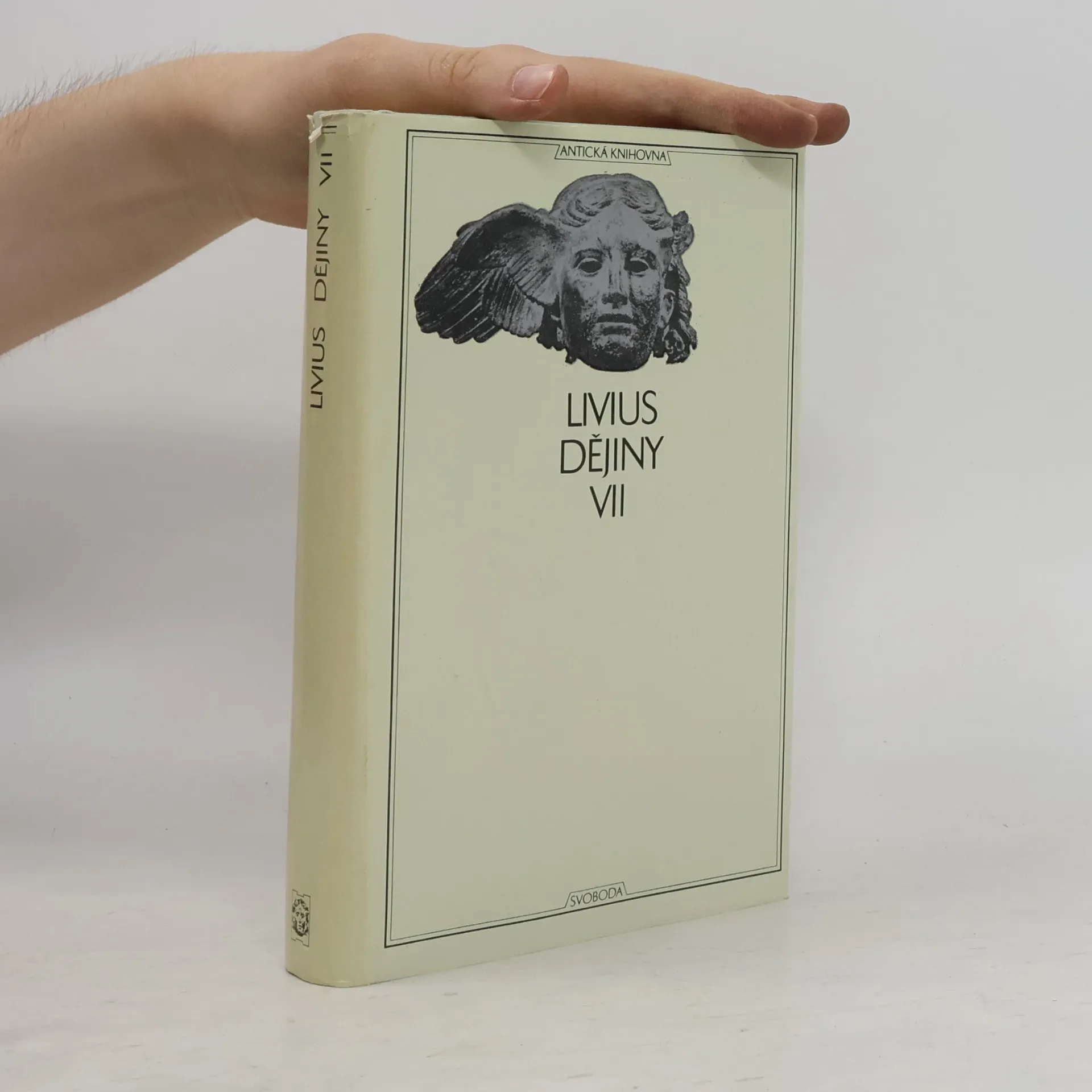
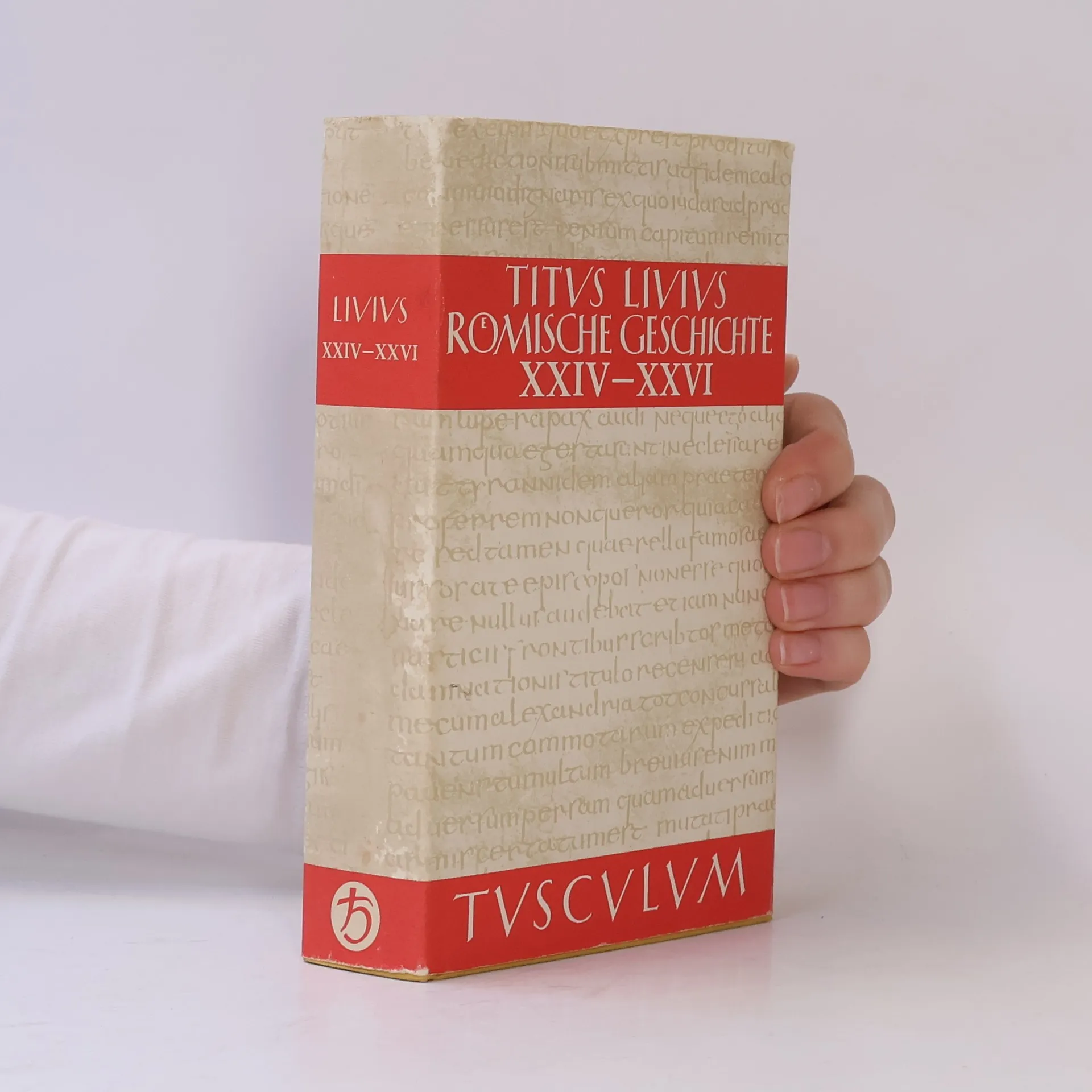
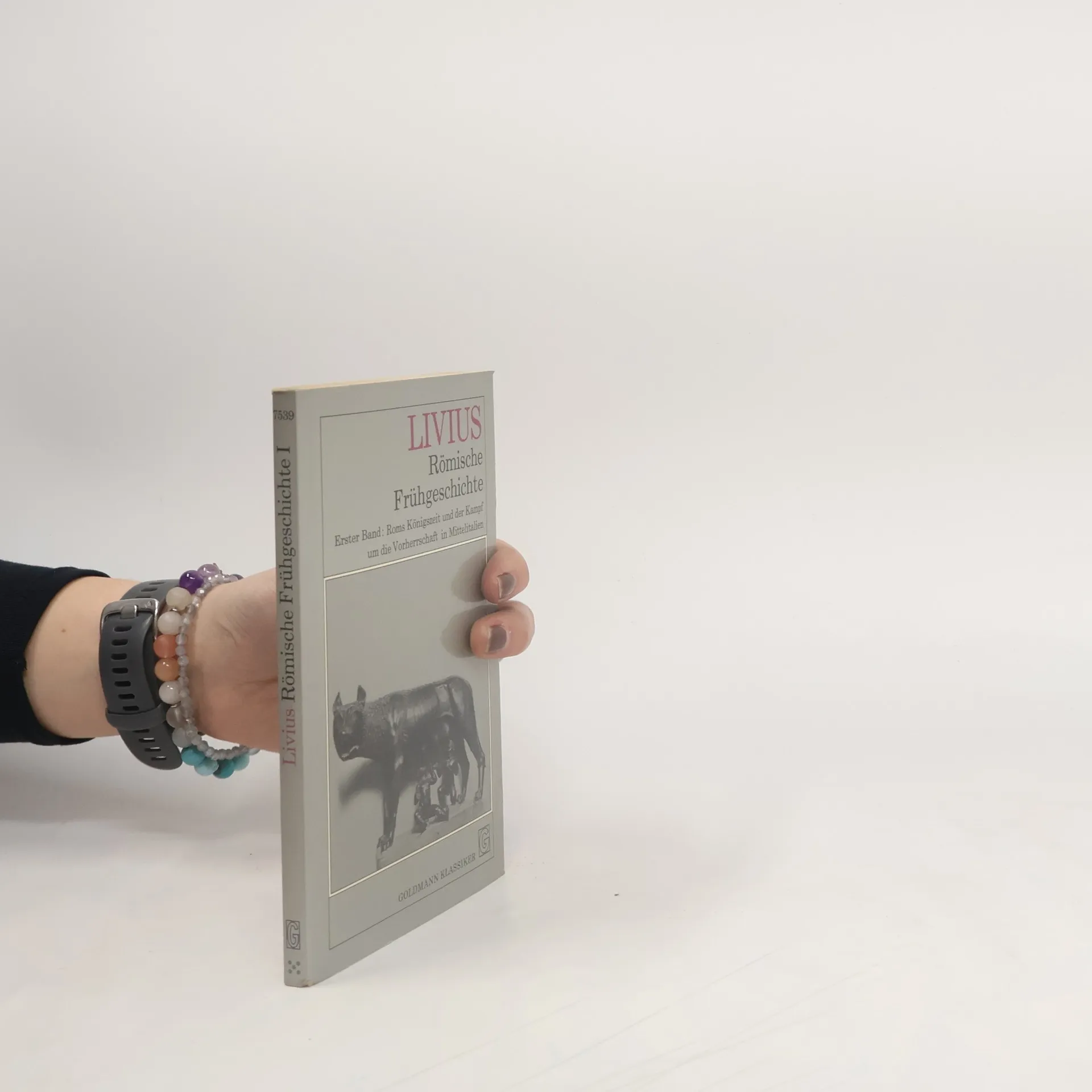
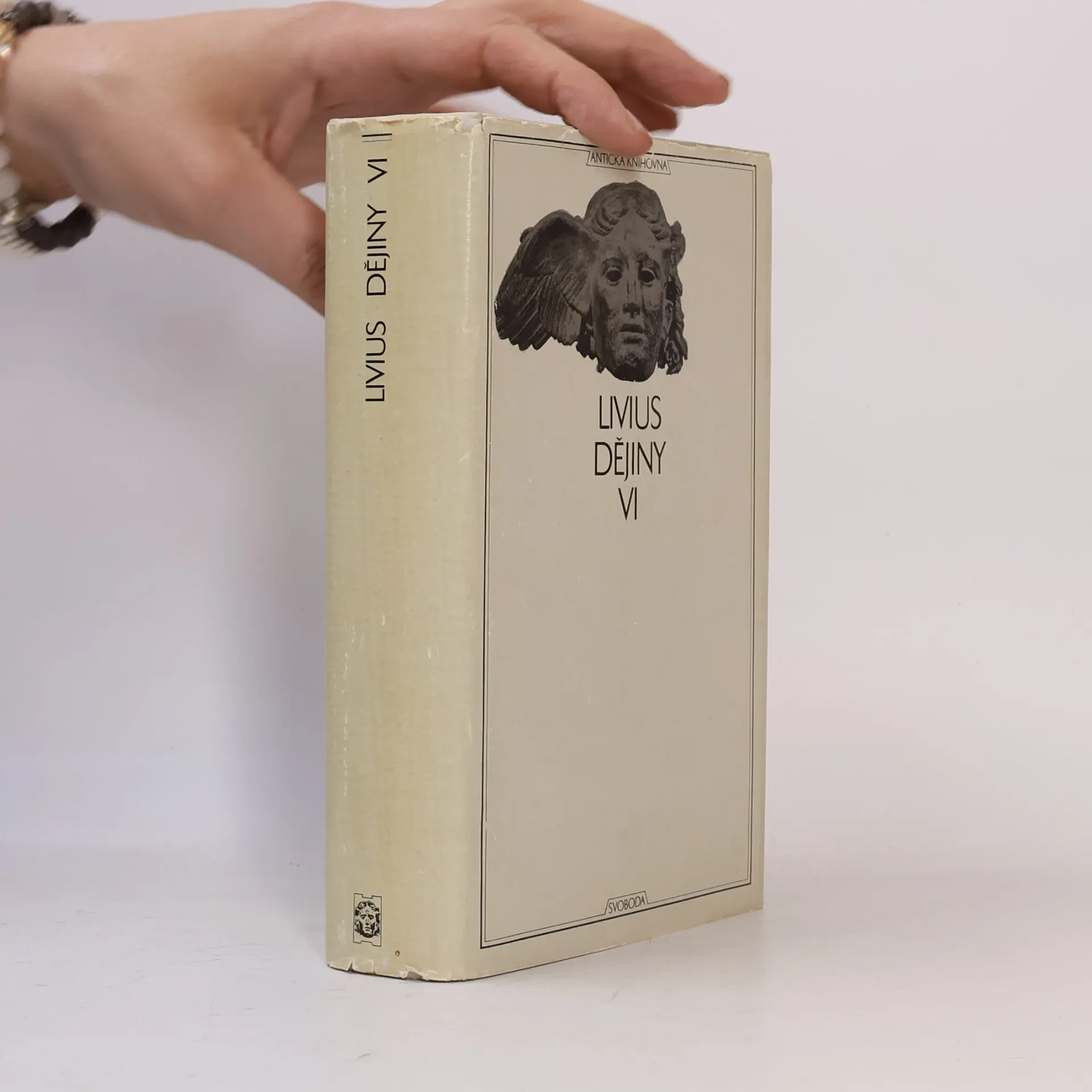
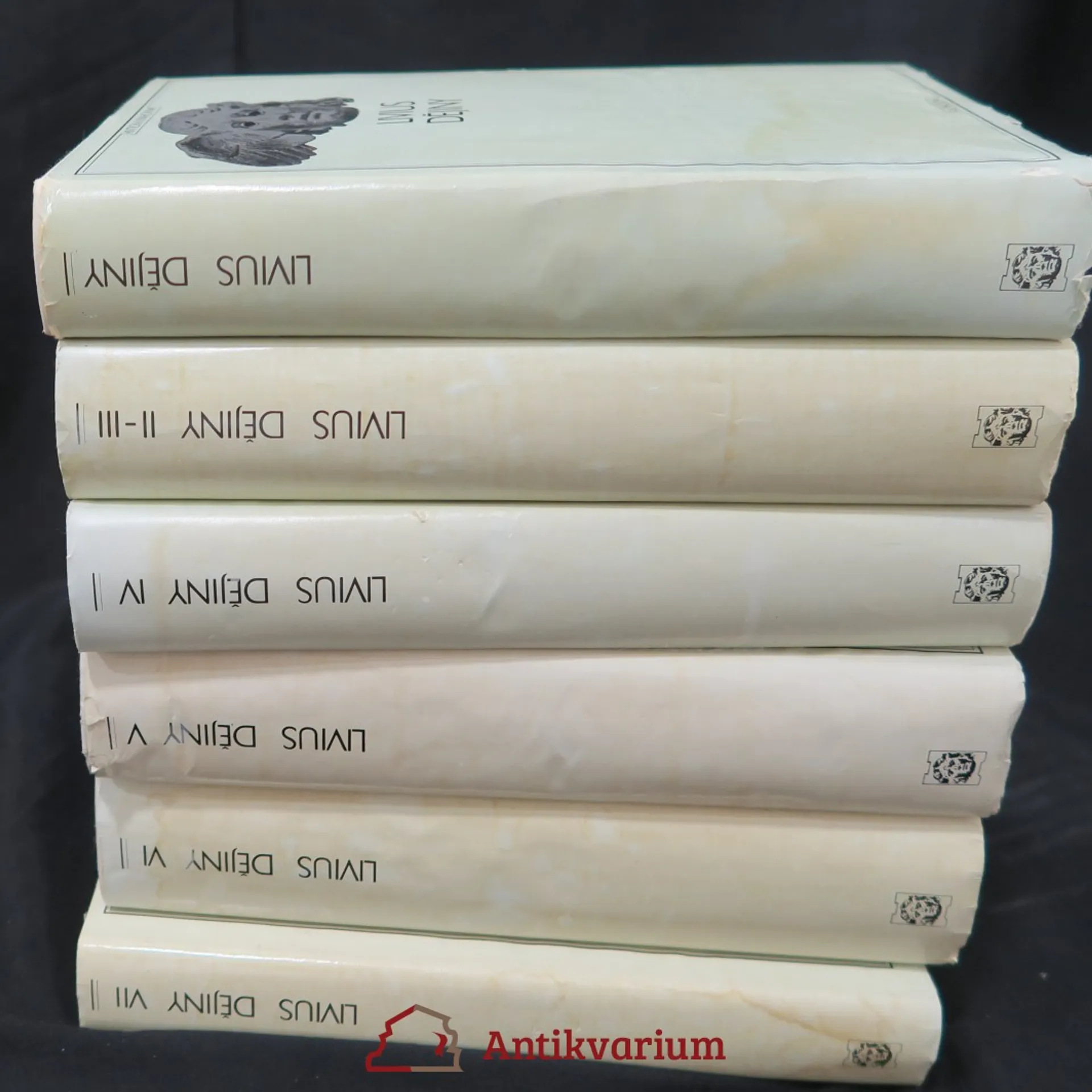
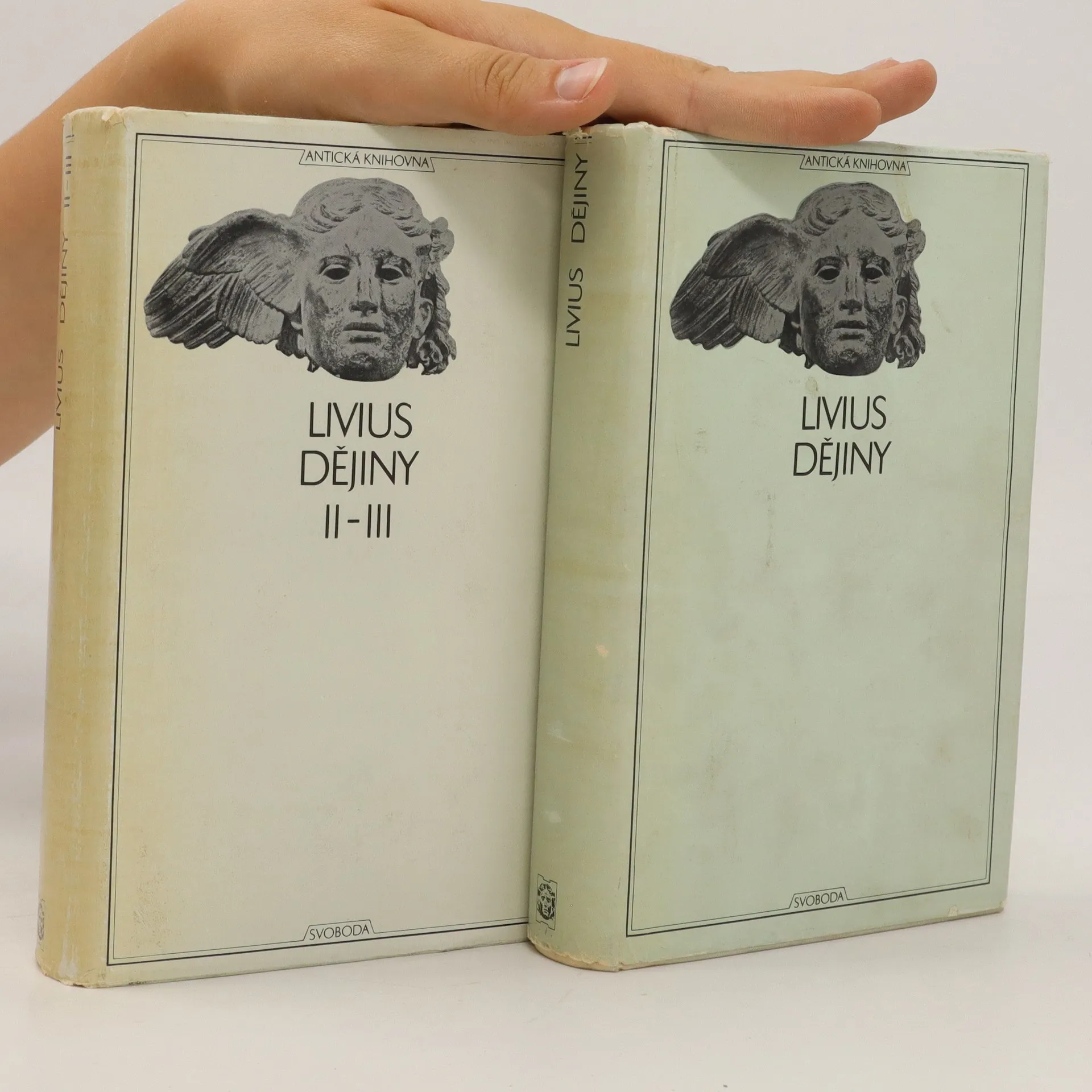
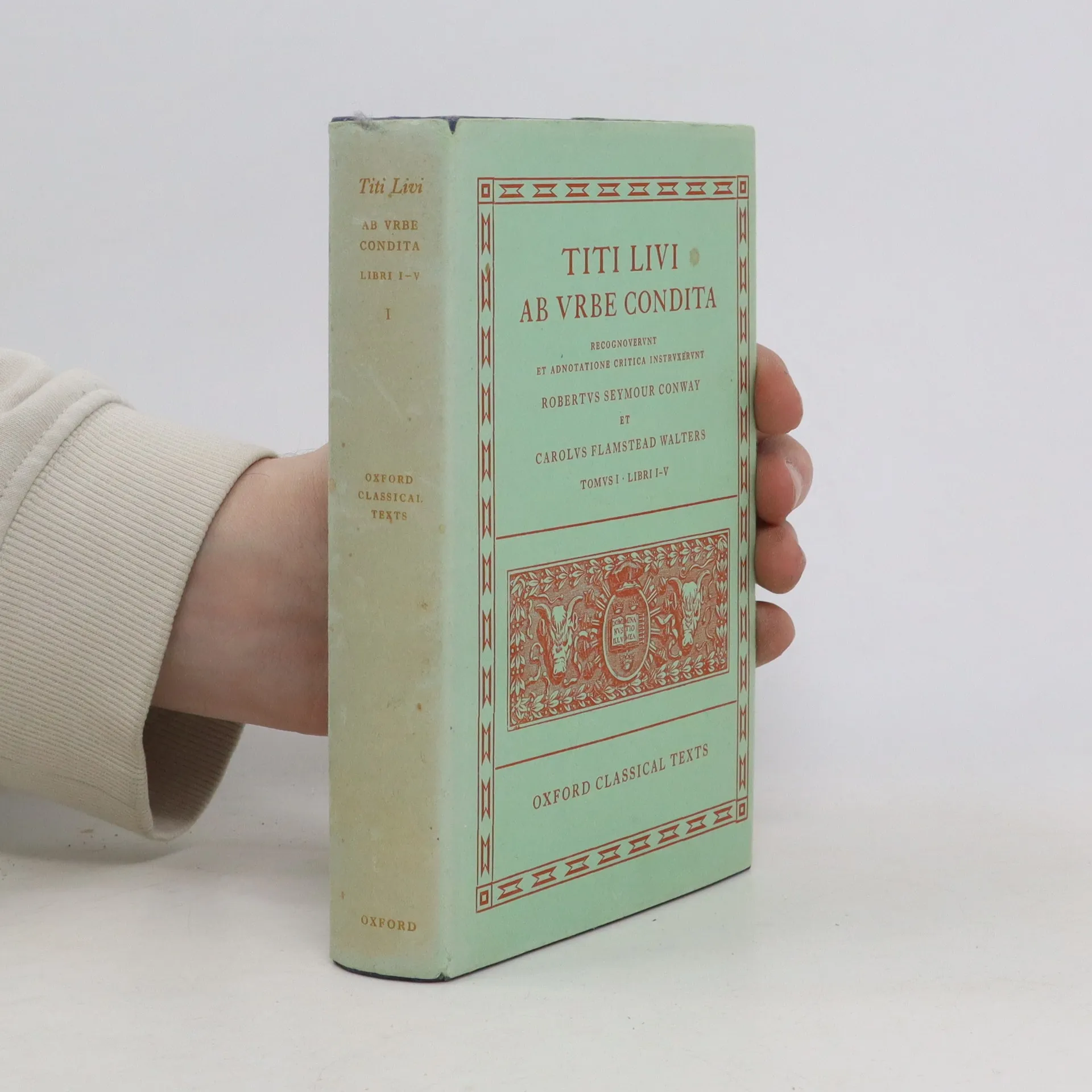
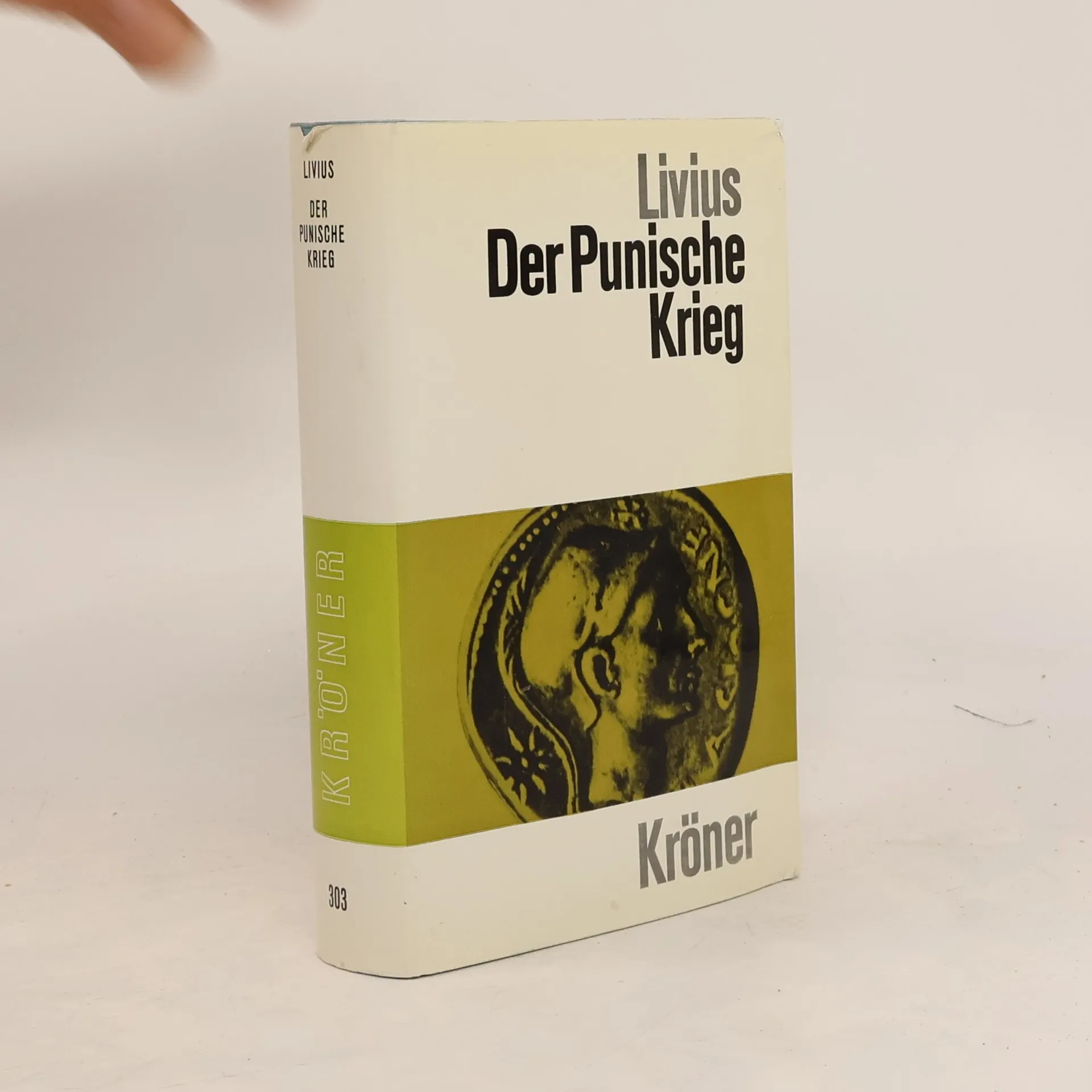
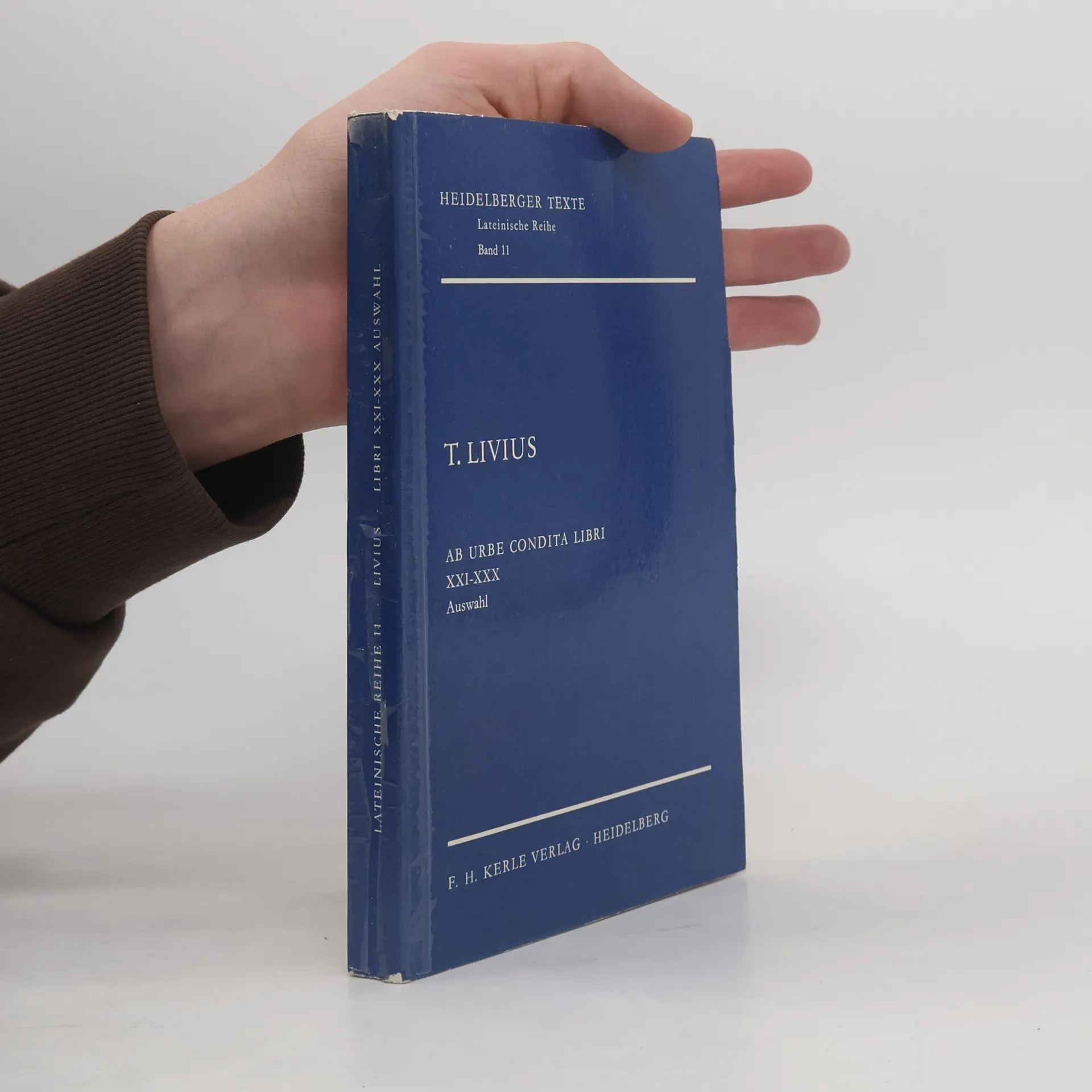
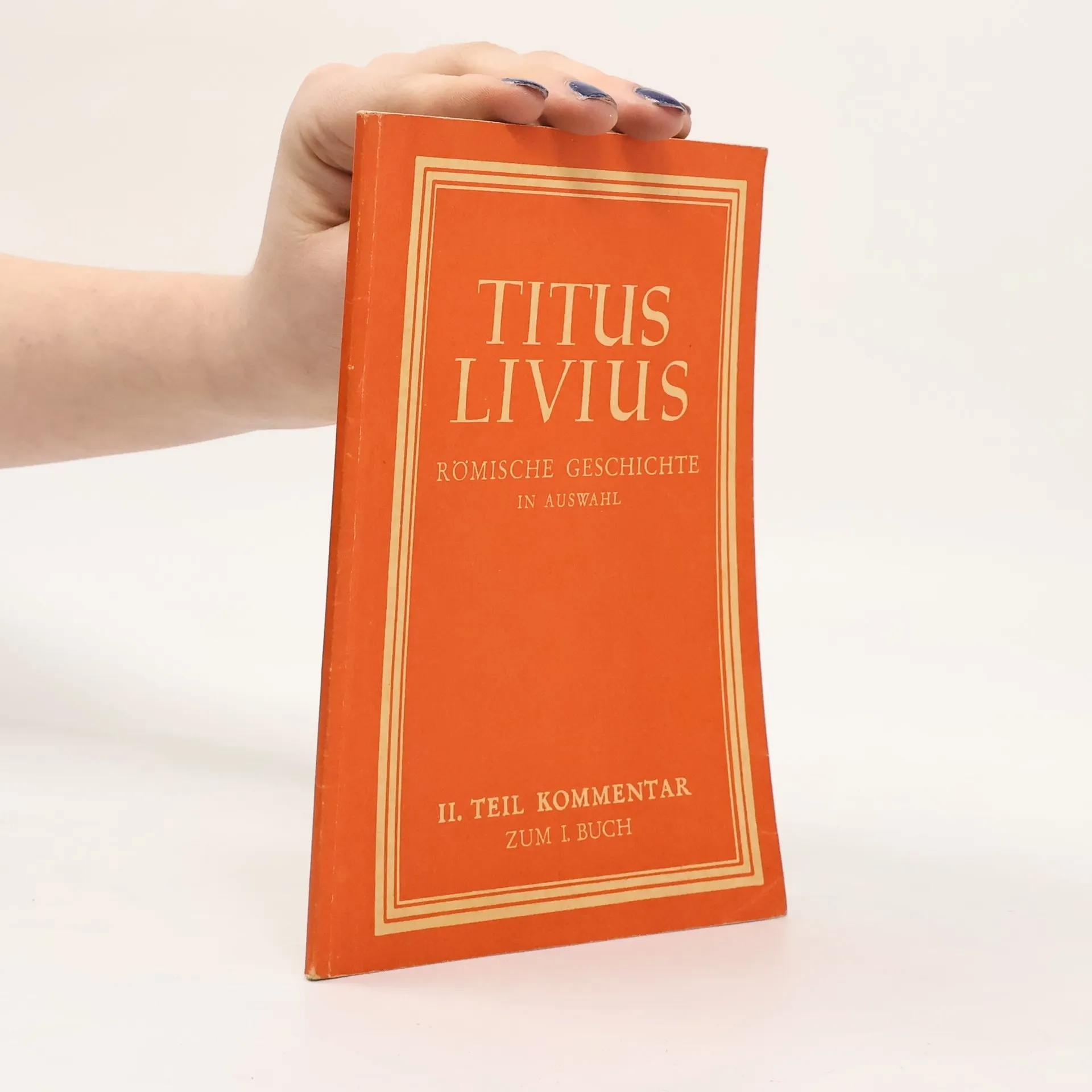
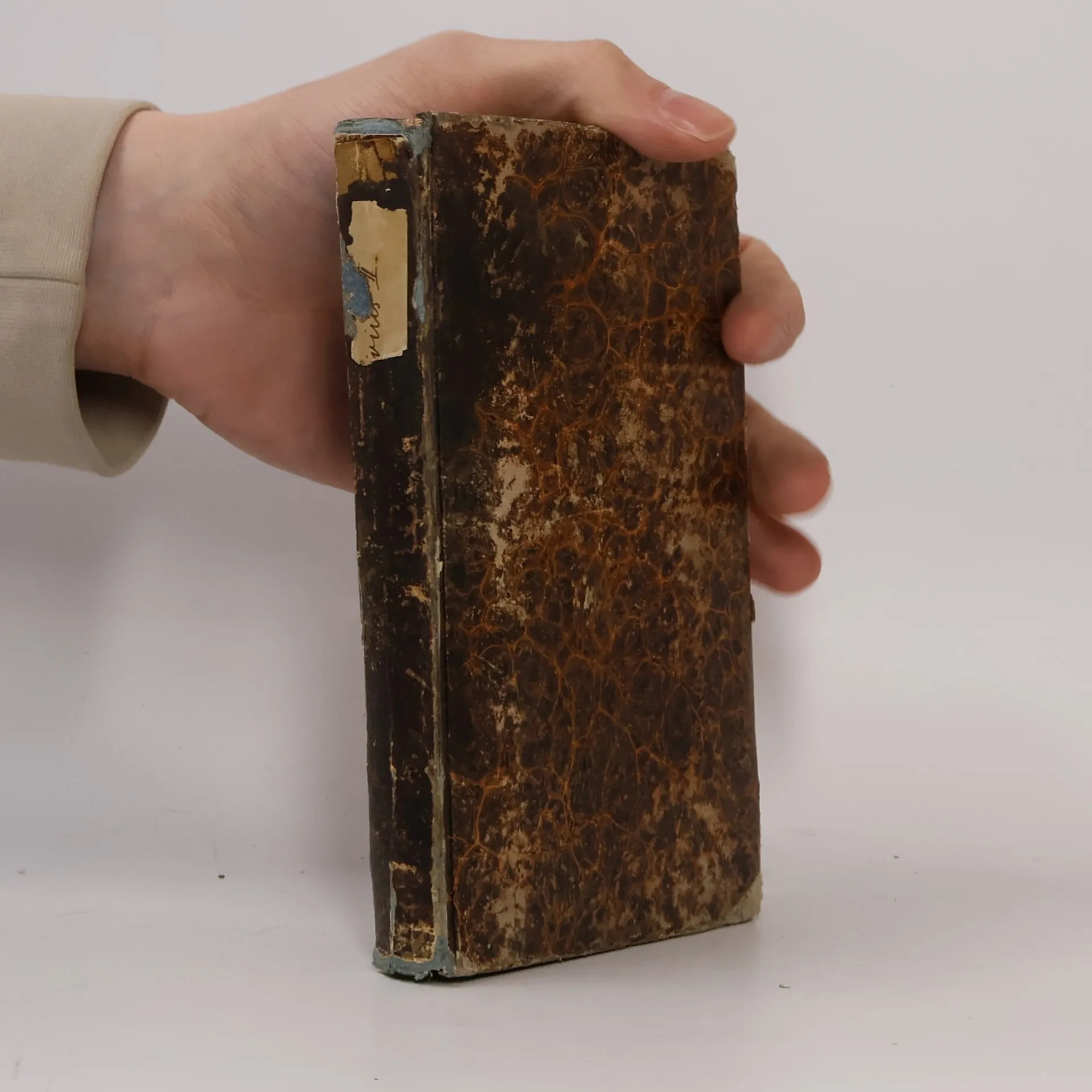
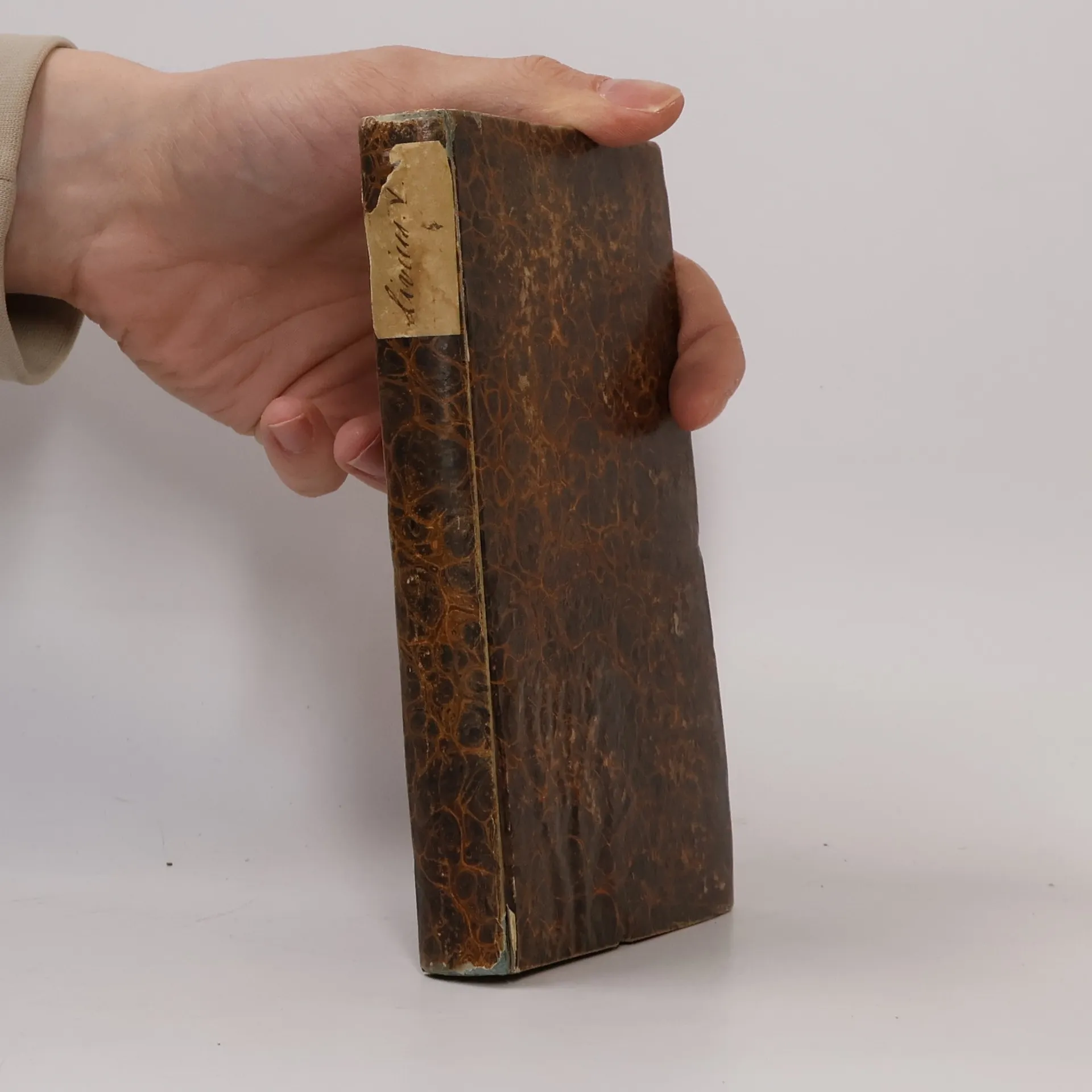
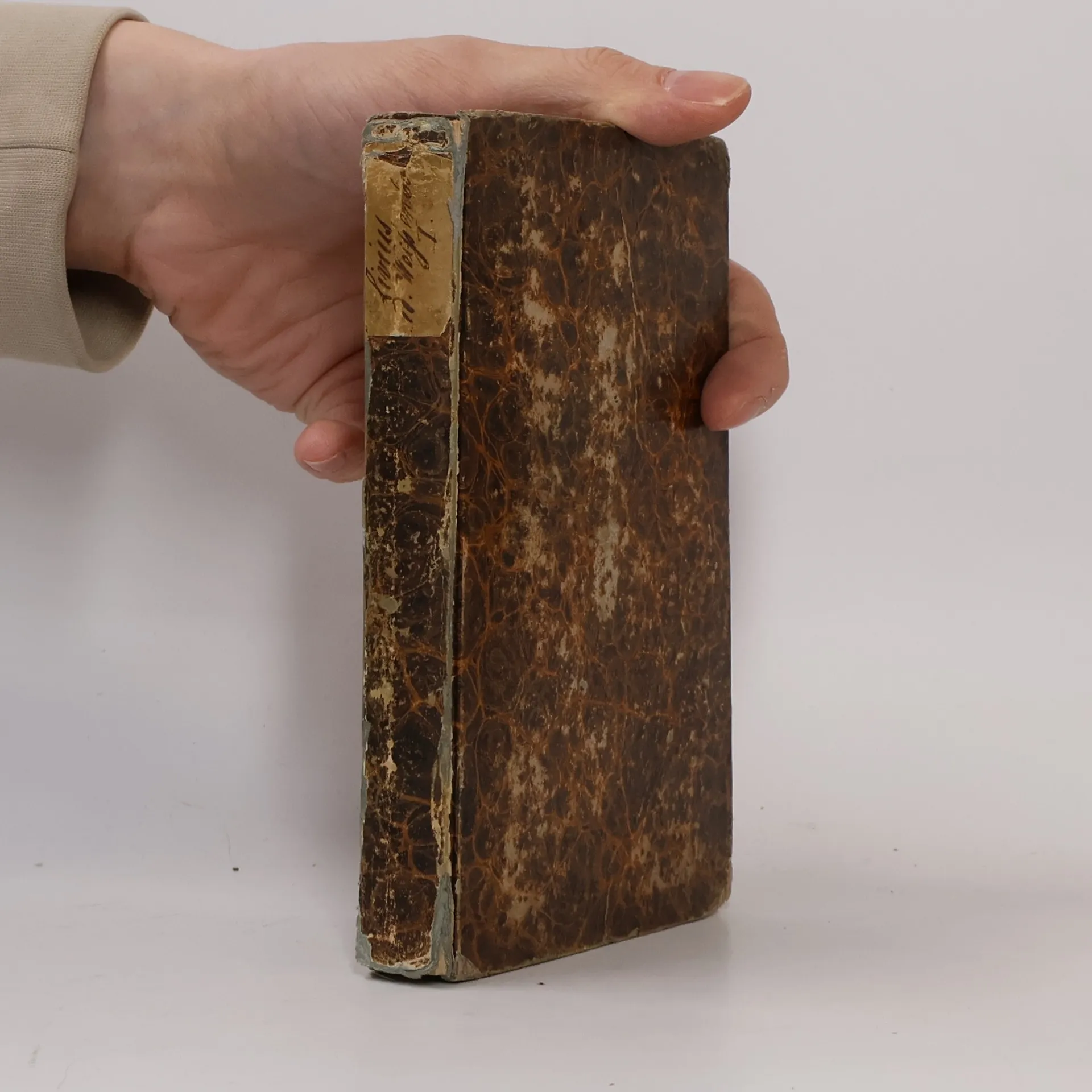
Knihy XVII – XX sa zaoberajú udalosťami v rozmedzí rokov 260 – 219 pred Kr. Opisujú udalosti prvej púnskej vojny, boje na Sardínii a Korzike, vojny s predalpskými Galmi a Ligúrmi a vojenské výpravy v Ilýrii a Histrii.
Titus Livius sa narodil v Pataviu a v mladosti študoval filozofiu a rétoriku, ktorú neskôr vyučoval. Po príchode do Ríma za vlády Augusta sa začal venovať histórii a spisovaniu rímskych dejín od najstarších čias. V Ríme si získal mnohých priateľov a podporovateľov, vrátane samotného Augusta. Livius venoval svoj život dejinám Rimanov od založenia mesta (Ad Urbe condita) a pracoval na nich až do smrti, pričom napísal 142 kníh, z ktorých posledná končila udalosťami z roku 9 pred Kr. Od začiatku sa presadil svojím pútavým štýlom, ktorý oslovil čitateľov a poslucháčov na mnohých schôdzkach. Snažil sa oživovať historické udalosti a osobnosti, čím im vdychoval život a robil ich nesmrteľnými. Liviove dejiny majú plynulý dej, obohatený príbehmi o výnimočných skutkoch osobností. Zhrnul do nich všetky významné udalosti rímskej histórie až do svojej doby a stal sa najvýznamnejším dejepiscom svojej éry, pričom dielo mnohých predchádzajúcich autorov upadlo do zabudnutia. Hoci sa nezachovalo celé, Liviovo dielo je dodnes cenným zdrojom poznania. Knihy XI – XVI sa zaoberajú udalosťami rokov 292 – 261 pred Kr., vrátane podrobenia národov v Taliansku a vzniku prvej púnskej vojny.
Titus Livius sa narodil v Pataviu a v mladosti študoval filozofiu a rétoriku, ktorú neskôr vyučoval. Po príchode do Ríma za vlády Augusta sa zameral na históriu a začal spisovať rímske dejiny od najstarších čias. V Ríme si našiel priateľov, ktorí ho podporovali, a spriatelil sa aj so samotným cisárom. Livius venoval svoju životnú energiu dejinám Rimanov od založenia mesta (Ad Urbe condita) a pracoval na nich až do smrti, pričom napísal 142 kníh, posledná končila udalosťami z roku 9 pred Kr. Jeho pútavý štýl a schopnosť oživiť historické udalosti a osobnosti mu zabezpečili popularitu medzi čitateľmi a poslucháčmi. Liviove dejiny majú plynulý dej, obohatený príbehmi o výnimočných skutkoch mnohých osobností, a zhrnuli všetky významné udalosti rímskej histórie až do jeho súčasnosti. Stal sa najvýznamnejším dejepiscom svojej doby, pričom mnohé staršie dielo upadlo do zabudnutia. Z Liviovho diela čerpali aj ďalší spisovatelia, a hoci sa nezachovalo celé, ostáva cenným zdrojom poznania. Ôsma kniha začína udalosťami roku 341 pred Kr. a zaoberá sa vzburami Latinov a iných národov proti Rimanom, vojnovým sporom so Samnitmi a vojnou Alexandra z Epiru v Itálii. Šiesta kniha opisuje vojnový úspech Samnitov a pokračovanie vojny Rimanov proti nim. Siedma kniha sa zameriava na vojenské výpravy Rimanov a nové zákony, pričom končí udalosťami z roku 292 pred Kr.
Livy (Titus Livius, 64 or 59 BC-AD 12 or 17), the great Roman historian,
presents a vivid narrative of Rome's rise from the traditional foundation of
the city in 753 or 751 BC to 9 BC and illustrates the collective and
individual virtues necessary to maintain such greatness. The third decad
(21-30) chronicles the Second Punic War of 220-205 BC.
Titus Livius, narodený v Pataviu, sa v mladosti venoval štúdiu filozofie a rétoriky, ktorú neskôr aj vyučoval. Po príchode do Ríma za vlády Augusta sa zameral na históriu a začal spisovať rímske dejiny od najstarších čias. V Ríme si získal mnohých priateľov a podporovateľov, vrátane samotného Augusta. Na svojich dejinách, známych ako Ad Urbe condita, pracoval až do smrti, pričom napísal 142 kníh, pričom posledná končila udalosťami z roku 9 pred Kr. Livius sa snažil o pútavý štýl, vžíval sa do historických udalostí a osobností, čím ich oživoval a robil nesmrteľnými. Jeho dielo malo plynulý dej a obsahovalo množstvo príbehov o výnimočných skutkoch. Zhrnul doň všetky významné udalosti rímskej histórie až do svojej súčasnosti, čím sa stal najvýznamnejším dejepiscom svojej doby. Mnohé staršie diela upadli do zabudnutia, zatiaľ čo Liviovo dielo zostalo cenným zdrojom poznania. Piatá kniha začína udalosťami z roku 403 pred Kr a popisuje obliehanie a dobytie Veií, vojny v Etrúrii a bitky s Galmi. Šiesta kniha sa zaoberá obnovou Ríma a vojenskými výpravami, zatiaľ čo siedma kniha sa sústreďuje na vznik nových úradov, vojny s Galmi a Grékmi a počiatky vojny so Samnitmi, pričom končí udalosťami z roku 342 pred Kr.
Livius zhrnul do svojich Dejín všetky najvýznamnejšie udalosti najstaršej rímskej histórie až do jeho súčasnosti. Stal sa najvýznamnejším dejepiscom svojej doby a väčšina diel starších dejepiscov pre obľubu jeho Dejín upadla do zabudnutia. Z Liviovho diela neskôr čerpali mnohí ďalší spisovatelia. A hoci sa nezachovalo celé, dodnes je cenným zdrojom poznania najstaršej rímskej histórie.
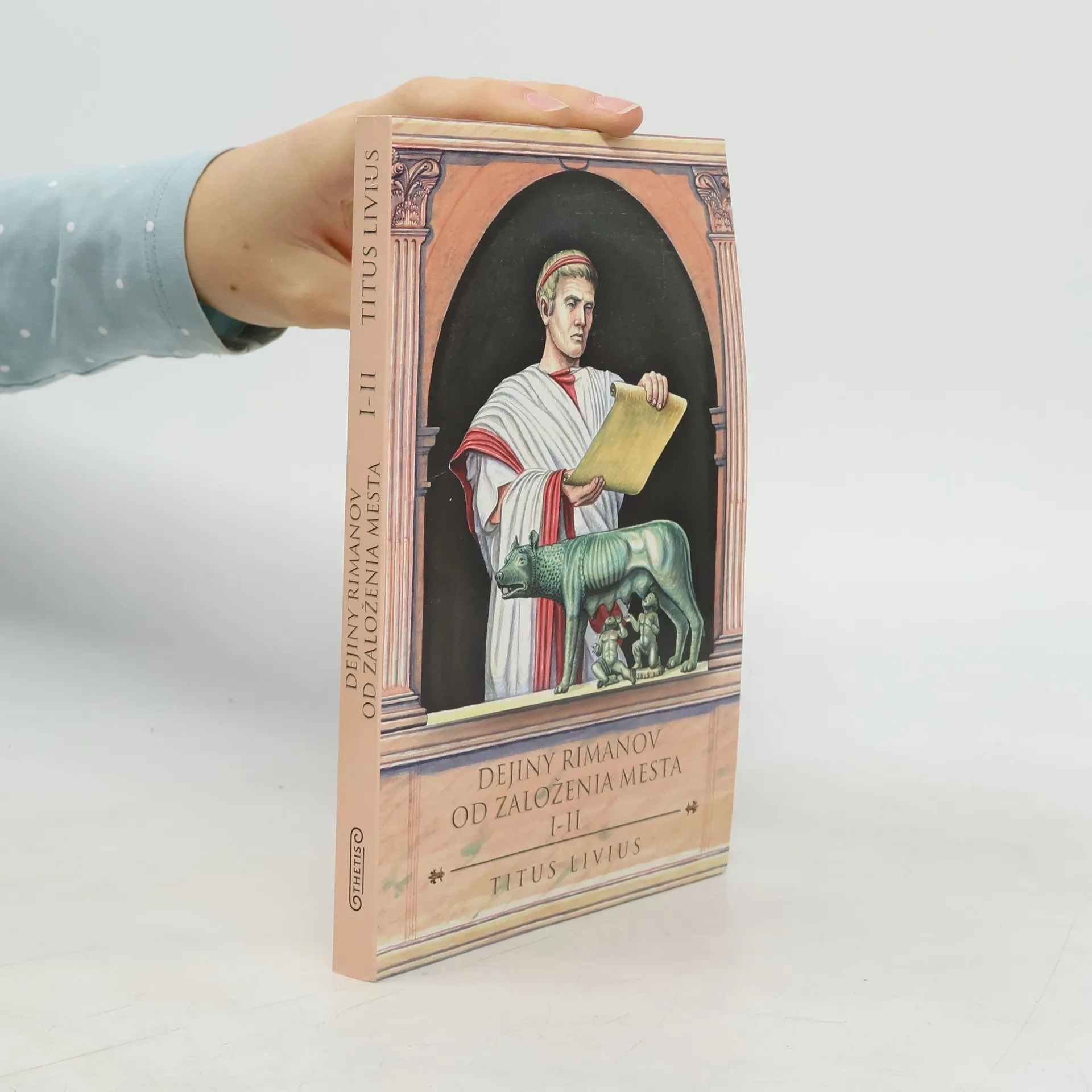
V prvej knihe sa Livius zaoberá najstaršou rímskou históriou od príchodu Aenea do Itálie až do skončenia vlády kráľov. Po stručnom uvedení udalostí pred založením Ríma autor prechádza na samotné založenie Ríma a ďalej sa venuje všetkým rímskym kráľom a skutkom spojených s ich vládou. Prvá kniha končí nástupom prvých konzulov k moci.
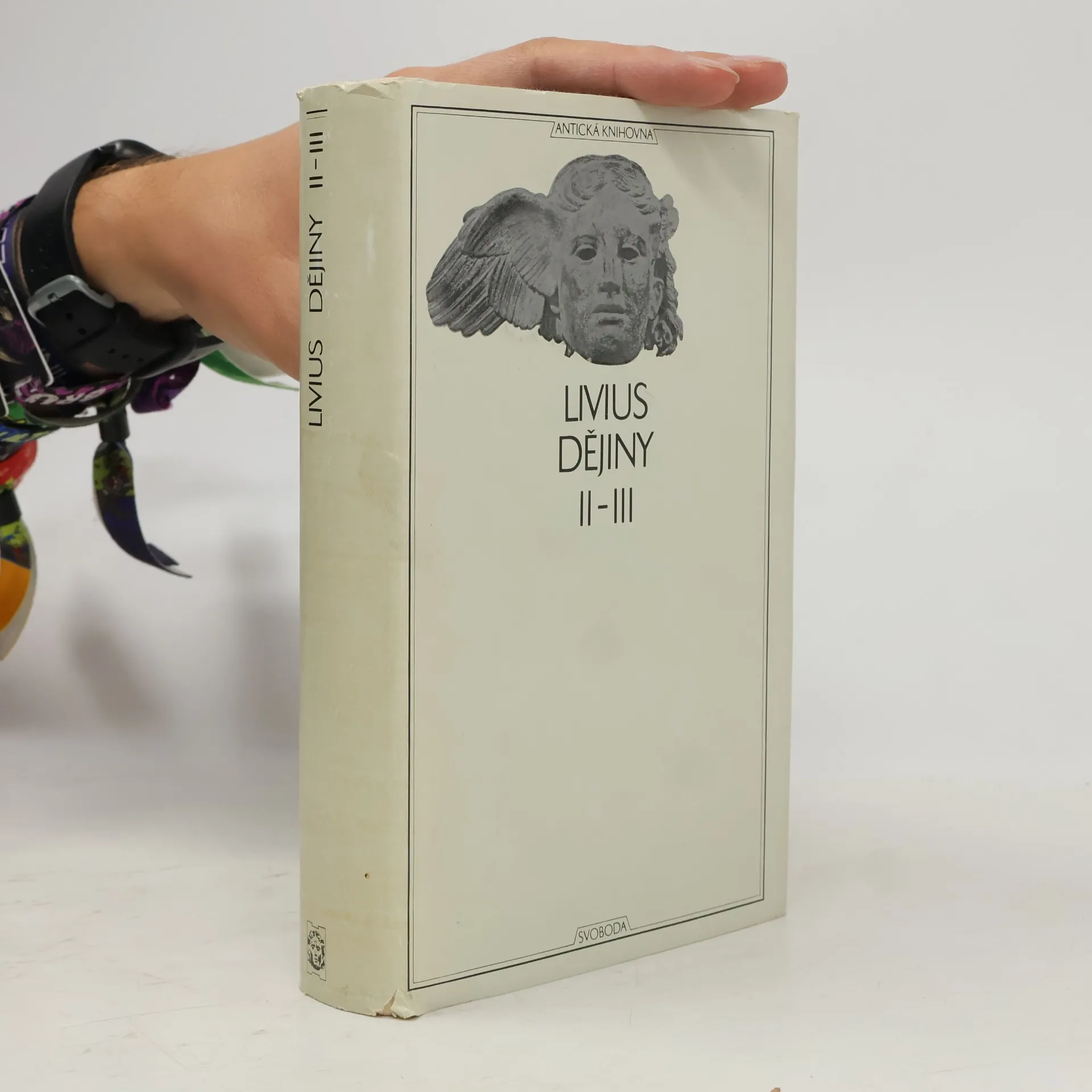
Druhá kniha sa zaoberá počiatkami rímskej republiky od roku 509 pred Kr. a bojom Rimanov o zvrchovanú moc so susednými národmi, Veienmi, Sabinmi, Volscami či Aequami, pokusmi o obnovenie kráľovskej vlády, tvorbou nových zákonov, vznikom nových chrámov, nástupom prvých diktátorov či vytvorením úradu tribúnov. Druhá kniha končí udalosťami roku 468 pred Kr.
Publikáciu dopĺňa štúdia Ivana Janeka Dejepisectvo Tita Livia.
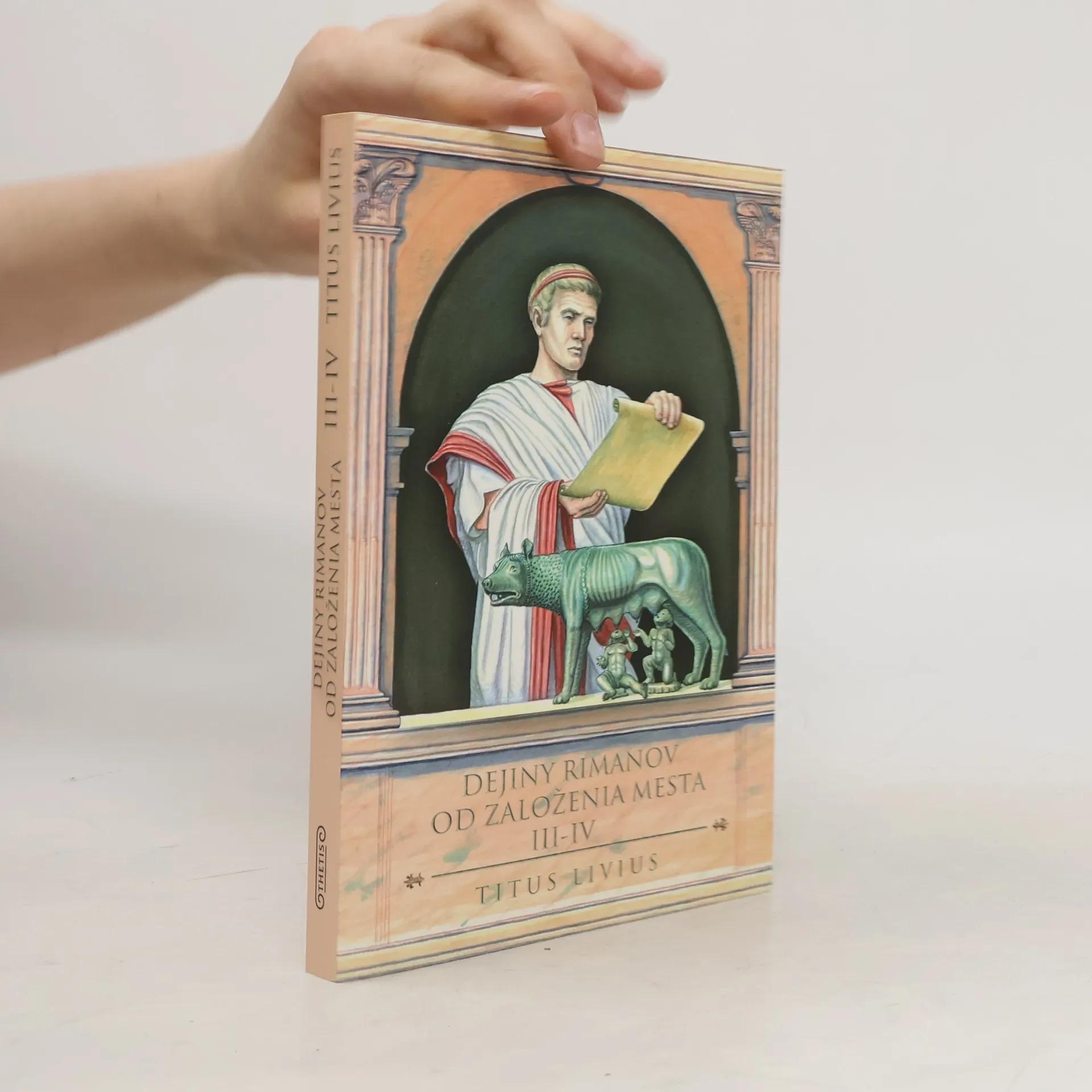
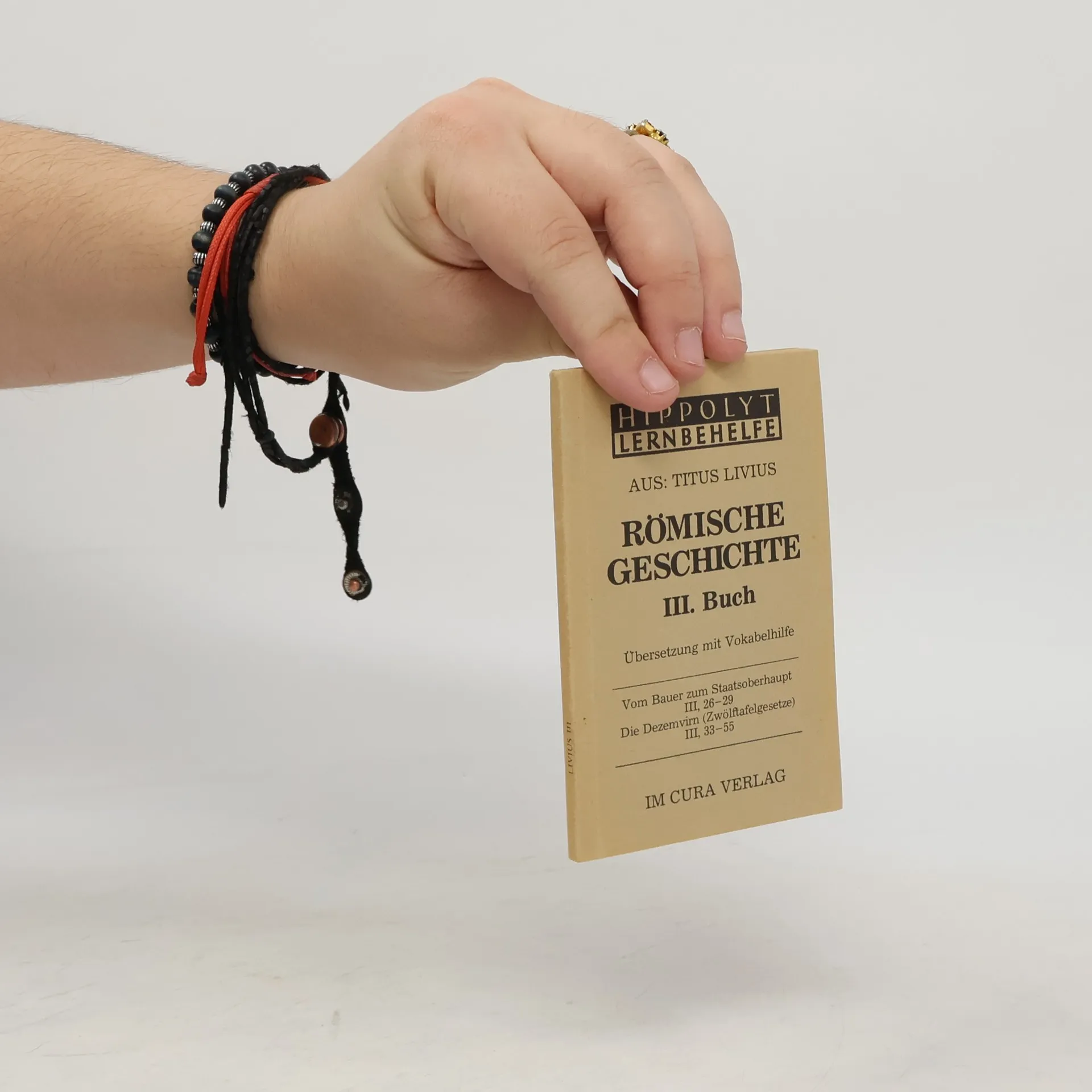
Tretia kniha začína udalosťami roku 467 pred Kr. Autor v nej popisuje zväčšovanie moci tribúnov ľudu, epochu vlády decemvirov, pokračujúce vojny s Aequami, Volscami, Sabinmi a ďalšími národmi.
V štvrte knihe sa Livius zaoberá vznikom a vládou vojenských tribúnov, vznikom cenzorského úradu a súperením senátorov s ľudom pri voľbách do najvyšších úradov štátu. Popisuje neustály odpor a vzbury susedných národov proti Rimanom a početné vojny s mnohými mestami a národmi. Štvrtá kniha končí udalosťami roku 404 pred Kr.
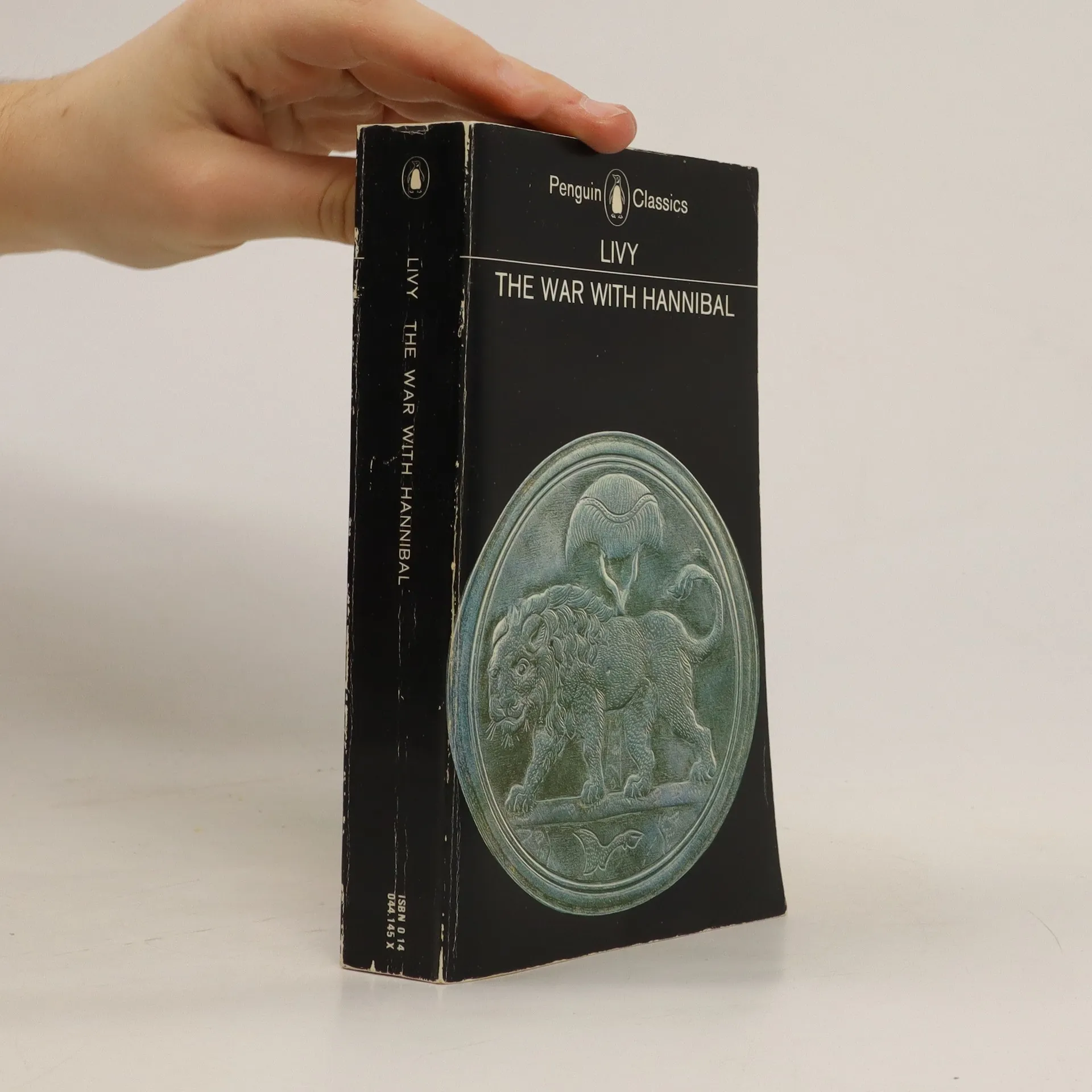
'We have nothing left in the world but what we can win with our swords.' The
remarkable account of Hannibal crossing the Alps with his elephants and
winning the Battle of the Trebbia. One of 46 new books in the bestselling
Little Black Classics series, to celebrate the first ever Penguin Classic in
1946. Each book gives readers a taste of the Classics' huge range and
diversity, with works from around the world and across the centuries -
including fables, decadence, heartbreak, tall tales, satire, ghosts, battles
and elephants.
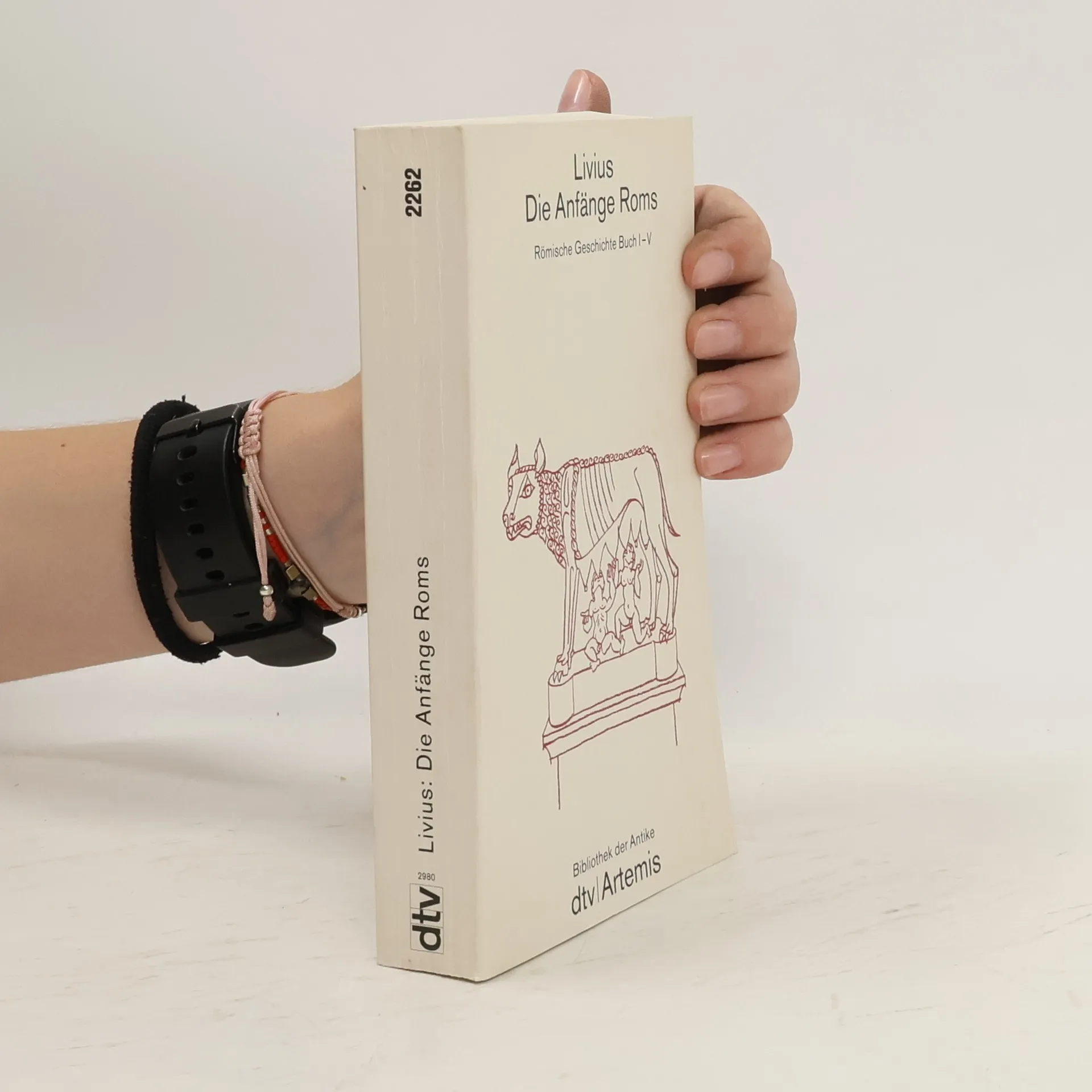
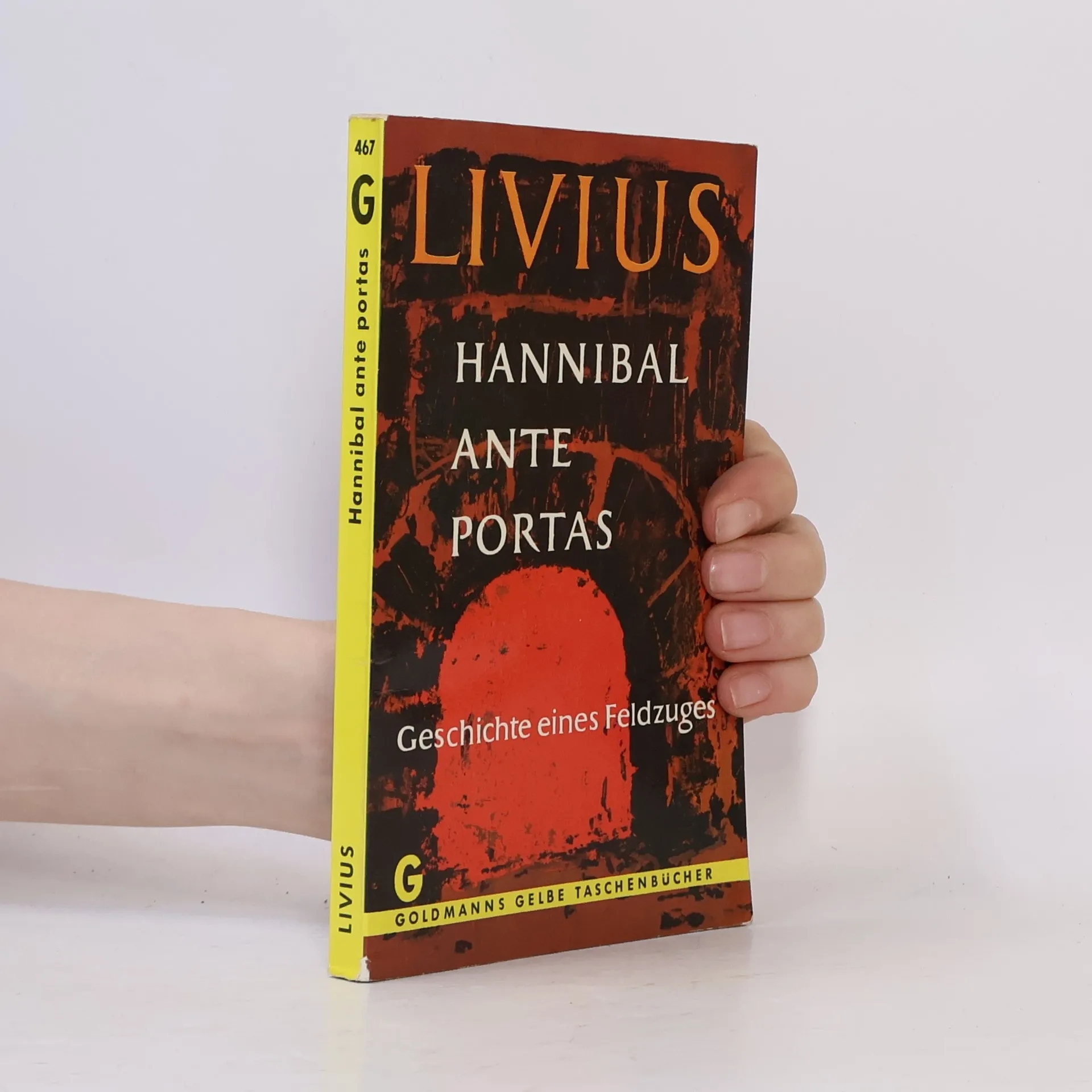
Titus Livius (59 v. Chr. - 17 n. Chr.) schildert in seiner "Römischen Geschichte" die Ereignisse von der Gründung Roms bis zum Tod des Drusus 9 v. Chr. Das Werk umfasst 142 Bücher, von denen 35 erhalten sind: die Bücher 1-10 (bis 293 v. Chr.) und 21-45 (219-167 v. Chr.). Über die verlorenen Teile sind Informationen durch antike Inhaltsangaben und spätere Historiker überliefert. Livius' Darstellung ist eng mit den Reformbestrebungen des Augustus verbunden. Seine hohe Sprachkunst und sein Einfühlungsvermögen führten zu einem Werk, das schnell Anerkennung fand und frühere Darstellungen in den Schatten stellte. Als Geschichtsquelle, Zeitdokument und Kunstwerk hat die "Römische Geschichte" von Livius höchstes Ansehen. Im ersten Buch berichtet Livius von der Landung des Aeneas in Italien, der Gründung Roms und der Herrschaft der sieben Könige bis zur Einführung der Republik (509 v. Chr.). Die folgenden Bücher zeigen die Entwicklung bis 446 v. Chr., in der die Freiheit gegen innere und äußere Bedrohungen verteidigt werden musste. Der Ständekampf zwischen Plebejern und Patriziern prägte das Geschehen und führte zur Einrichtung des Volkstribunats und zur Aufzeichnung der Gesetze. Die ersten Bücher begründeten Livius' Ruhm und die Figuren der römischen Frühzeit wurden Teil des kulturellen Erbes.
It is Livy (59 BC-AD 17) who re-creates for us in vivid detail the terrible events of the Second Punic War, down to the Battle of Zama (202 BC). It is Livy who shows us the immense armies of Hannibal, elephants and all, crossing the Alps (still regarded as a near-miraculous feat by historians), the panic as Hannibal approached the gates of Rome, the decimation of the Roman army in thick fog at the Battle of Lake Trasimene. But, above all, it is the clash of personalities that fascinate him: the great debates in the Senate, the series of Roman generals who prove no match for Hannibal, the historic meeting between Scipio and Hannibal before the decisive battle. Livy never hesitated to introduce drama and moral lessons into his History of Rome; in the ten books dealing with the war with Hannibal, he had an immense theme worthy of his immense talents.
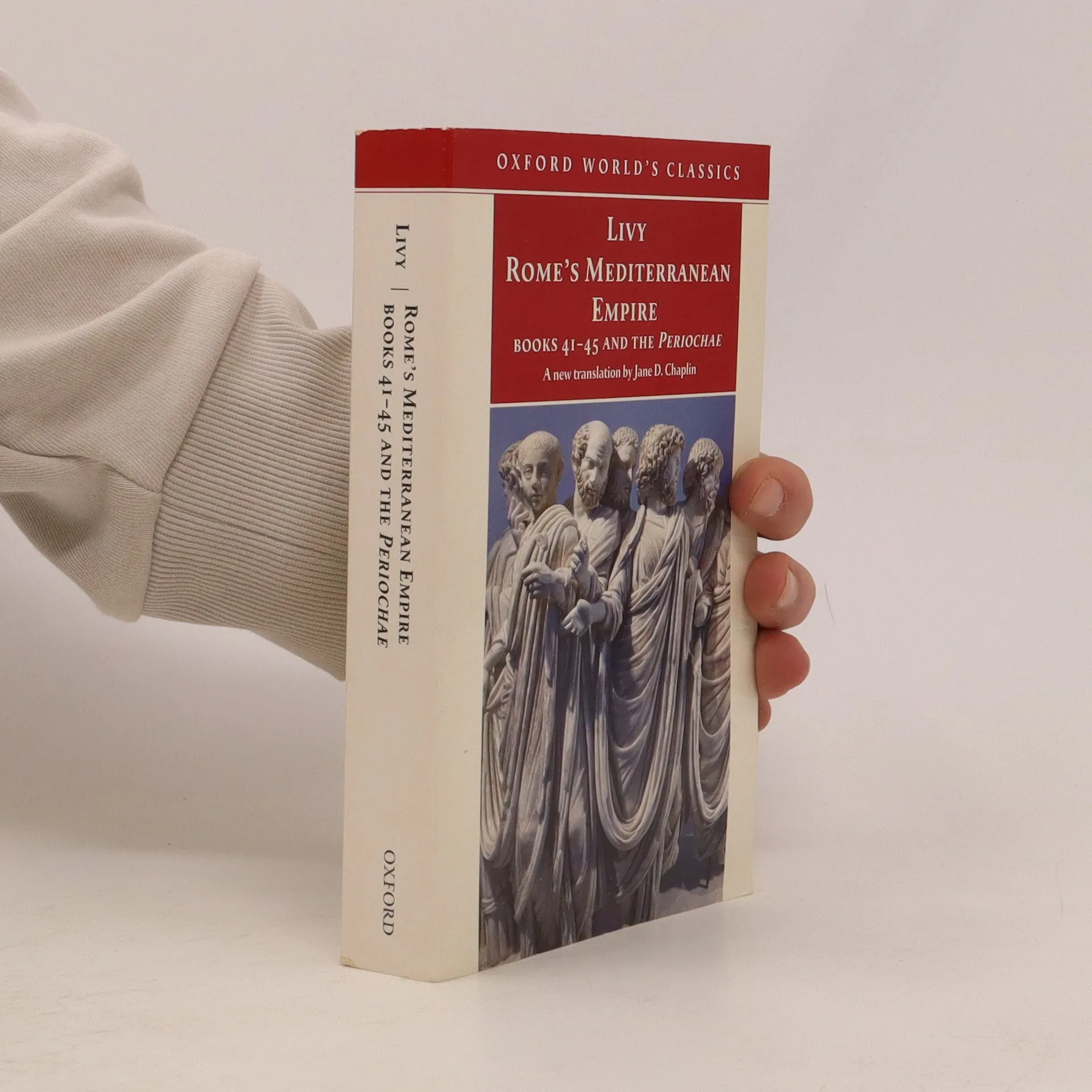
The Third Macedonian War ended the kingdom created by Philip II and Alexander the Great and was a crucial step in Rome's eventual dominance of the Mediterranean World. For Livy, the story is also a fascinating moral study. He presents the war not so much as a battle against Perseus,Alexander's last and least worthy successor, than as a struggle to shape the Roman national character. Only traditional moral strength, embodied in Lucius Aemilius Paullus, the general who ultimately defeats Perseus, ensures the Roman victory.This is the first complete English translation in fifty years of Brooks 41-45 of Livy's history of Rome. The excellent introduction by Jane D. Chaplin sheds light on the place of Livy's work in ancient historical writing, discusses his sources and the historical background, and highlights thestructure of the five books and their content. The book includes explanatory notes, a glossary of technical terms, a summary of events, an index, and four maps. It is the only paperback edition to include the Periochae , the summaries of Livy's entire 142 books, previously available in English onlyin Loeb's hardcover series.
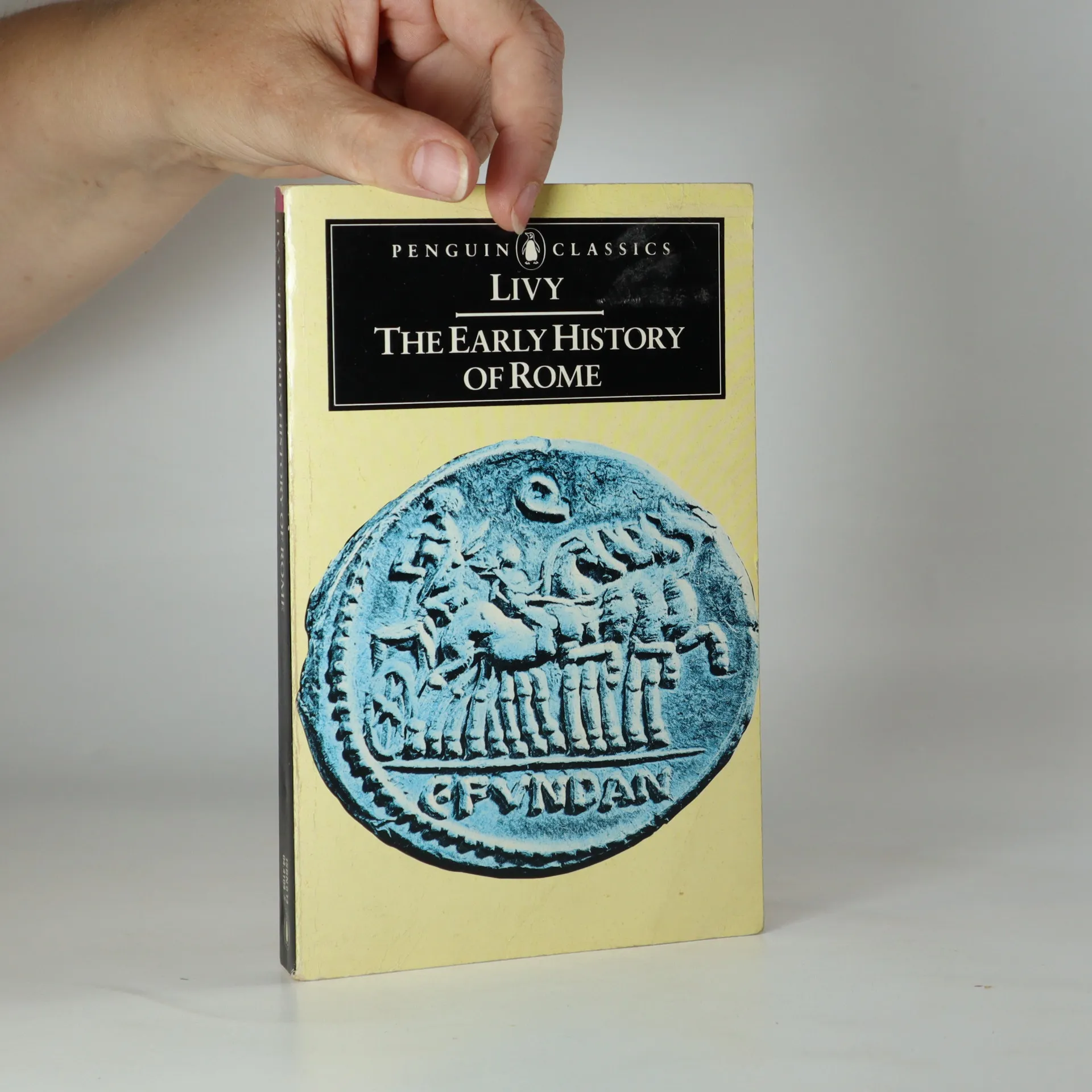
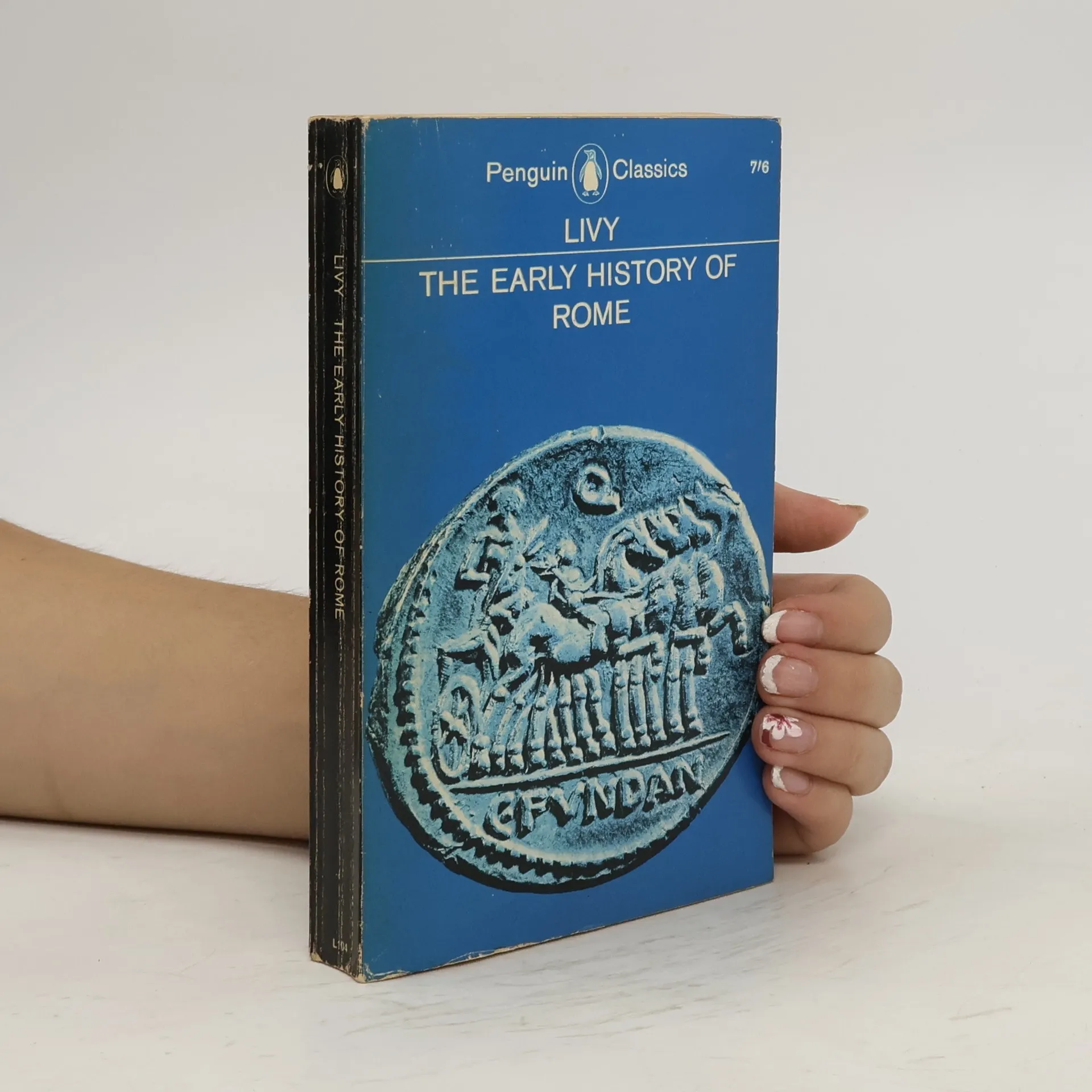
Romulus and Remus, the rape of Lucretia, Horatius at the bridge, the saga of Coriolanus, Cincinnatus called from his farm to save the state - these and many more are stories which, immortalised by Livy in his history of early Rome, have become part of our cultural heritage. The historian's huge work, written between 20 BC and AD 17, ran to 12 books, beginning with Rome's founding in 753 BC and coming down to Livy's own lifetime (9 BC). Books 1-5 cover the period from Rome's beginnings to her first great foreign conquest, the capture of the Etruscan city of Veii and,a few years later, to her first major defeat, the sack of the city by the Gauls in 390 BC
Monumentálne dielo „zlatého veku“ rímskej literatúry o dejinách rímskeho ľudu a štátu, ktoré rozsahom látky a umeleckým spracovaním zatlačilo do úzadia predchádzajúce práce rímskych historikov. Originálna ručná umelecká knihárska práca.
Books 31 to 40 of Livy's history chart Rome's emergence as an imperial nation and the Romans tempestuous involvement with Greece, Macedonia and the near East in the opening decades of the second century BC; they are our most important source for Graeco-Roman relations in that century. Livy's dramatic narrative includes the Roman campaigns in Spain and against the Gallic tribes of Northern Italy; the flight of Hannibal from Carthage and his death in the East; the debate on the Oppian law; and the Bacchanalian Episode.
In Books 6 to 10 of his monumental history of Rome, Livy deals with the period
in which Rome recovered from its Gallic disaster to impose mastery over almost
the entire Italian peninsula in a series of ever greater wars. Vivid
portrayals of personalities, politics, warfare, and religion bring 4th-century
Italy vividly alive in this new translation.
Livius nagy műve a nagyszerű római gesztusok gyűjteménye. Emberei mind olyan rómaiak, mint ahogy a rómaiakat elképzeljük, és hogy így képzeljük el, az nem kis mértékben Liviusnak köszönhető. Livius hagyományozta az utókorra a rómaiság sokatmondó helyzeteit: Brutust, a konzult, amint halálra ítéli fiait, és végignézi kivégzésüket; Horatius Coclest a hídfőnél; Menenius Agrippát, amint lecsillapítja meséjével a lázongó köznépet; Mucius Scaevolát, amint jobbját tűzbe tartja, Coriolanust és az eke mellől diktátornak hívott Cincinnatust; a római követet, aki háborút és békét hoz tógájában – akárhol ütjük fel, mindenütt olyan jelenetre találunk, amely fiatal nemzedékek százainak vérét indította gyorsabb ütemre a római jellem igézetével… Inkább művész volt, mint tudós, a drámai hatás kedvéért feláldozta az igazságot; a római előidők nyers egyszerűsége iránt nem volt érzéke…. De sokkal fontosabb, hogy érzéke volt Róma méltósága iránt. Megírta azt a történelmet, amelyet kora várt tőle, az augustusi imperium méltó előtörténetét. Az utókor tőle tanulta meg, hogyan kell a nemzeti történelmet, amely sokszor csak barbár harcok, kegyetlen rablókalandok emléke, áthumanizálni, a magasztos pátosz síkjára felemelni.
Sedmým svazkem Dějin se uzavírá překlad spisu jednoho z nejvýznamnějších římských historiků, který svým podáním vtiskl dílu formu, již se po něm snažili napodobit i historikové pozdějších dob. Závěrečný svazek zahrnuje knihy 41-45 a líčí podmanění Sardinie, třetí makedonskou válku, konec Makedonie a její přeměnu na římskou provincii, boje Říma s obyvatelstvem provincií i dosud neobsazených území, jako s Illyry, Hispány, Thráky aj. Nebývalý vzrůst osobní pýchy, svévole a krutosti je důsledkem rozmachu impéria.
Za prvého rímskeho cisára Octaviana Augusta, v období tzv. "zlatého veku" rímskej literatúry, zrodilo sa monumentálne dielo Tita Livia o dejinách rímskeho ľudu a štátu, "Knihy od založenia mesta", ktoré rozsahom látky a umeleckým spracovaním zatlačilo do úzadia všetky predchádzajúce práce rímskych historikov a stalo sa hlavným prameňom pre poznanie tak najstarších čias, ako aj dejín republikánskeho obdobia Ríma od jeho bájnych začiatkov až po r. 9 nášho letopočtu. Dejiny Ríma, to sú u Livia predovšetkým osudy veľkých jednotlivcov, osobností a hrdinov, ktorých si vyberá veľmi premyslene a s presným zámerom. Vystupujú hlavne ako nositelia starých republikánskych cností, majú pomôcť oživiť staré dobré mravy a tradície, ktoré v dlhotrvajúcich vojnách zanikli alebo veľmi upadli. Zosobňujú cnosti a vlastnosti, ktoré urobili Rím veľkým, mocným a slávnym, ako Romulus a Remus a ďalší králi, udatní bojovníci Horatius Cocles, Mucius Scaevola, Camillus, Coriolanus, Menenius Agrippa, Manliovci, Scipiónovci, hrdinské ženy, ako Cloelia, cnostná Lucretia a Virginia, ale z druhej strany aj púnsky vojvodca Hannibal, galskí bojovníci a celý rad iných postáv, ktorými sa Liviovo dielo stalo aj nevyčerpateľným prameňom a podnetom najmä k európskej dráme, ale aj k iným slovesným druhom, ktoré sa vždy znova a znova vracajú k témam z rímskej histórie.
Knihy šestého svazku jsou součástí čtvrté dekády, z níž už čtenář poznal tři knihy. Nyní se seznámí s událostmi po vítězném konci druhé války s Kartágem a s Makedonií, tedy s časovým úsekem ohraničeným roky 195 a 179 př. n. l.
5. svazek Liviových Dějin líčí průběh 2. války punské, boje Římanů s vojevůdci Hamilkarem, Hasdrubalem a Hanibalem, slavné bitvy nad Metaurem, u Zamy a také srážky s makedonským králem Filippem.
Ve čtvrtém svazku Livius líčí především průběh druhé punské války a dále zápas Římanů s Makedonií až do triumfu v r. 167 př. n. l. Velkolepý historický obraz, který tu Livius před očima čtenáře odvíjí, zpřítomňuje vleklou, leč dramatičností nabitou dobu sporů starého Říma sKartágem, kdy se dom čela boje proti Římanům dostává vejevůdcovsky nesmírně nadaný syn Hamilkarův Hanibal a kdy budoucí světová metropole musí podstoupit skutečně tvrdý boj o bytí a nebytí, než po drtivých porážkách dosáhne přece jen konečného vítězství a vyvrátí Kartágo do základů.
Liviovu literární slávu založilo monumentální historické dílo, k němuž autor přistoupil na začátku 30. lech př. n. l. a na kterém pracoval čtyřicet pět let až do své smrti. Výsledkem této práce bylo 142 knih Od založení města, umělecký výklad celé římské historie od jejich mytických začátků do r. 9 př. n. l. Z úplného díla se zachovala pouze čtvrtina, ostatní obsah je znám z výtahů, dochovaných v různých podobách.
Wir leben in einer Zeit, "in der wir weder unsere Fehler, noch die Heilmittel dagegen ertragen können", schreibt T. Livius Patavinus (um 59 v. Chr. - um 17 n. Chr.) im Proömium seines monumentalen Werkes über römische Geschichte ab urbe condita (von der Gründung der Stadt an). In 142 Büchern antiker Zählung stellte er chronologisch in bemerkenswerter Anschaulichkeit und nicht ohne Anekdoten von hohem Unterhaltungswert, aber auch mit klaren und versteckten Stellungnahmen dar, was sich nach der Sage oder tatsächlich in Rom seit 753 v. Chr. bis zu seiner eigenen Lebenszeit unter Kaiser Augustus ereignete. Erhalten sind aus dem Gesamtwerk die Bücher 1-10 (753 bis 293 v. Chr.) und 21-45 (218 bis 167 v. Chr.), alles Übrige nur in Inhaltsangaben, Fragmenten und Zusammenfassungen. Der Marix Verlag legt hiermit eine deutsche Ausgabe aller erhaltenen Bücher dieser wirkmächtigen Darstellung römischer Geschichte vor.
The only extant work by Livy (64 or 59 BCE 12 or 17 CE) is part of his history
of Rome from the foundation of the city to 9 BCE. Of its 142 books, 1 10, 21
45 (except parts of 41 and 43 45), fragments, and short summaries remain. Livy
s history is a source for the De Prodigiis of Julius Obsequens (fourth century
CE).