

William M. Hutchins Ordine dei libri (cronologico)
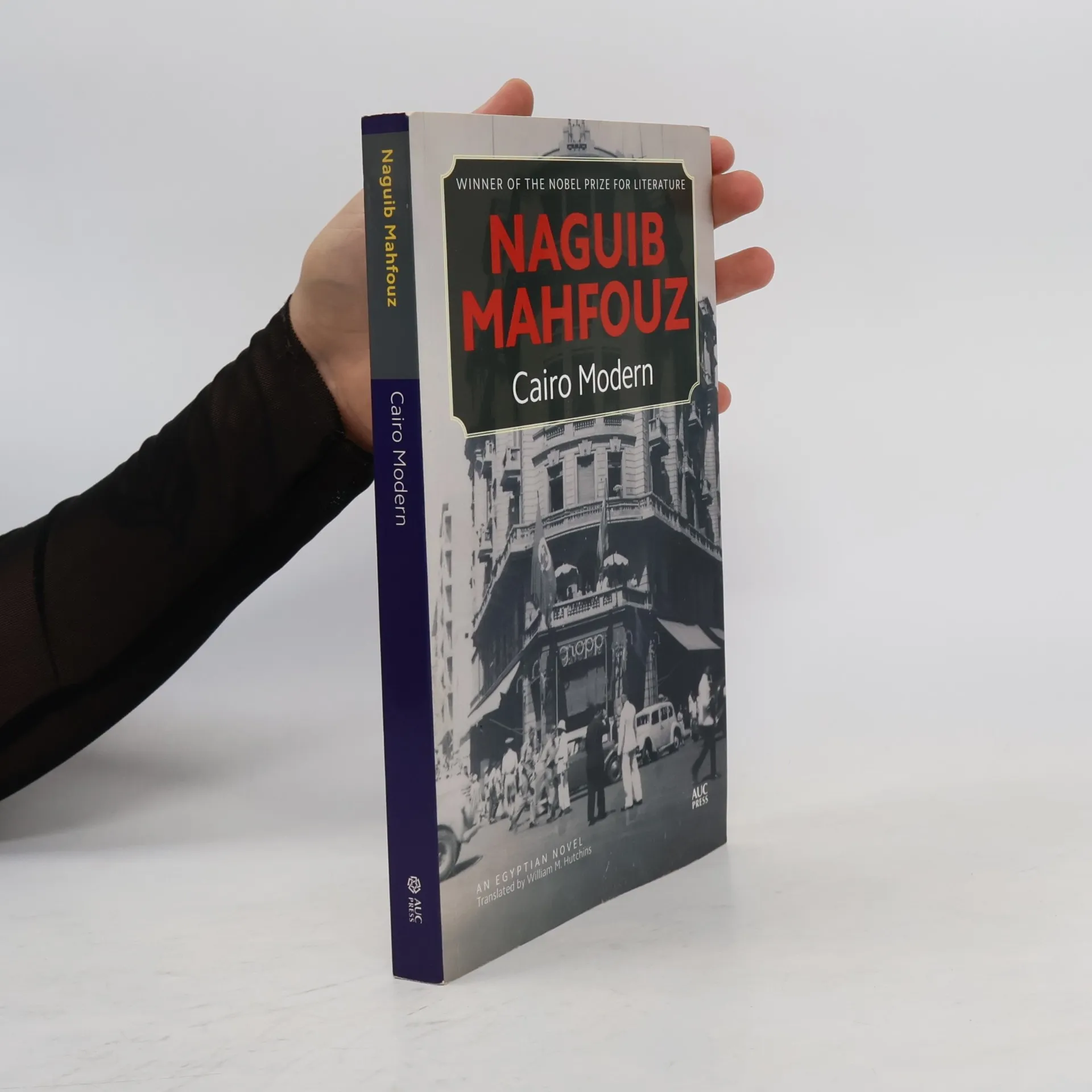
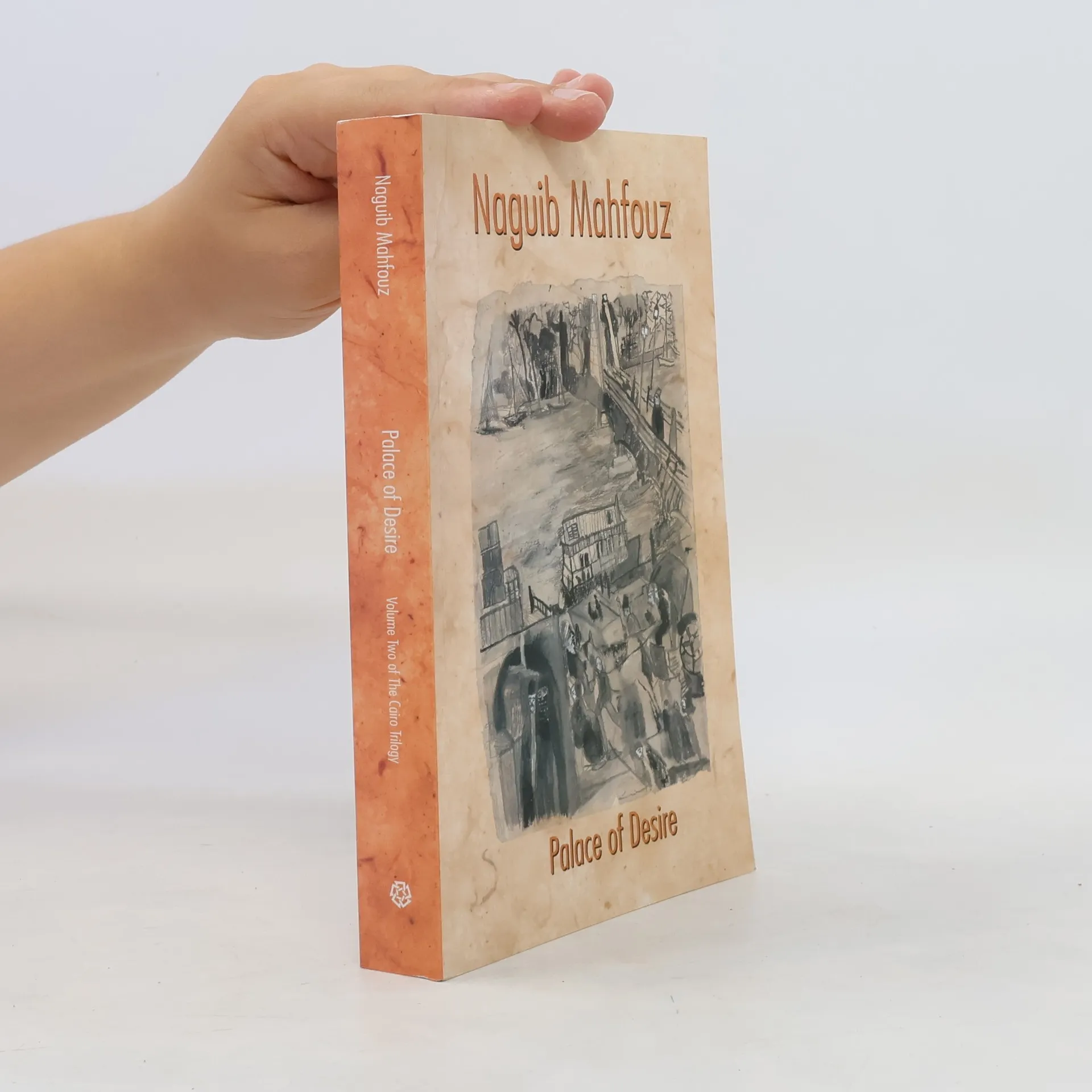
Palace of Desire
- 422pagine
- 15 ore di lettura
The second volume of the highly acclaimed Cairo Trilogy from the winner of the Nobel Prize for Literature. Filled with compelling drama, earthy humor, and remarkable insight, Palace Of Desire is the unforgettable story of the violent clash between ideals and realities, dreams and desires.
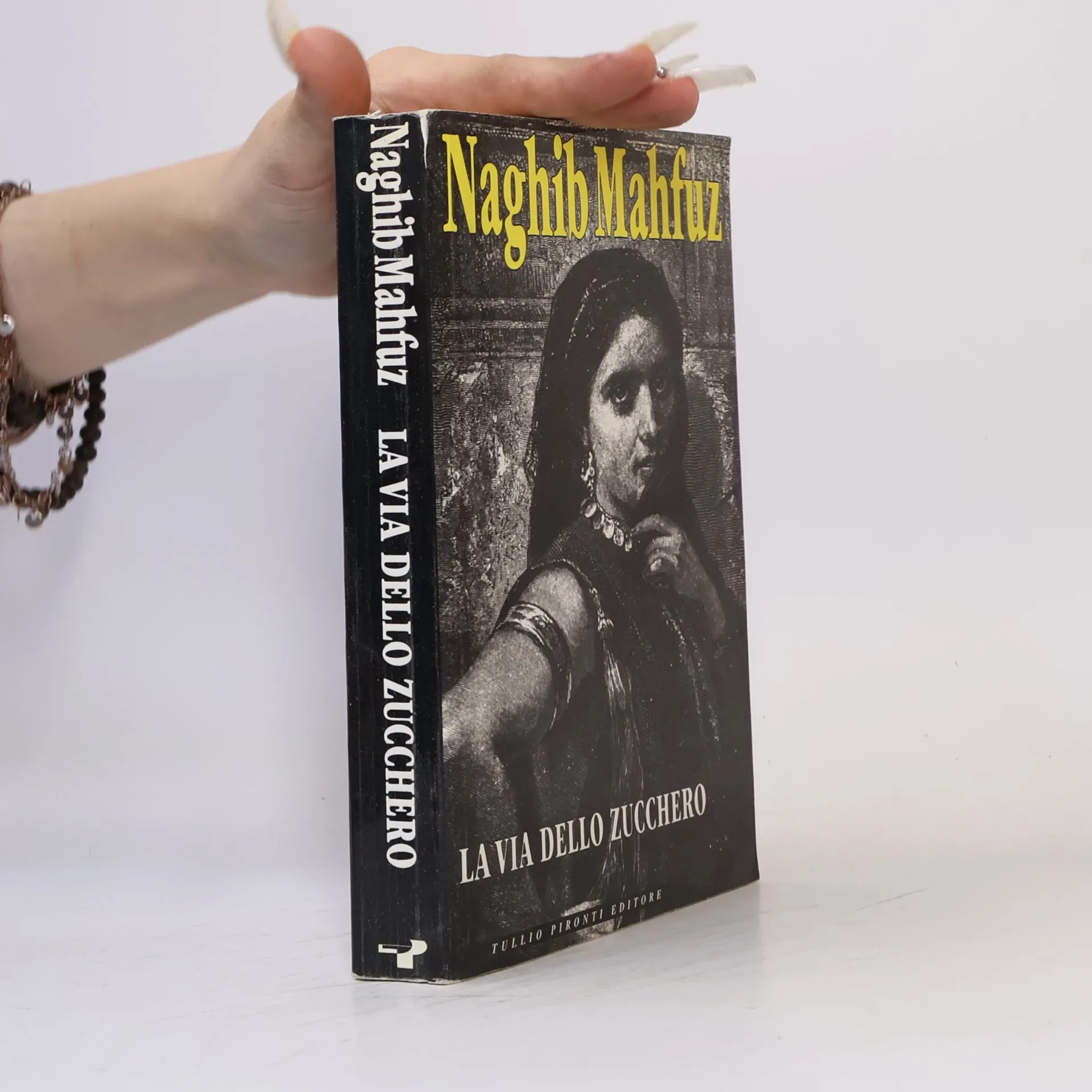
La trilogia del Cairo - 3: La via dello zucchero
- 454pagine
- 16 ore di lettura
رواية الجزء الثالث من ثلاثية القاهرة, سلسلة مكونة من ثلاث روايات حائزة على جائزة نوبل للأدب. الثلاثية تعتبر أفضل رواية عربية في تاريخ الأدب العربي حسب اتحاد كتاب العرب
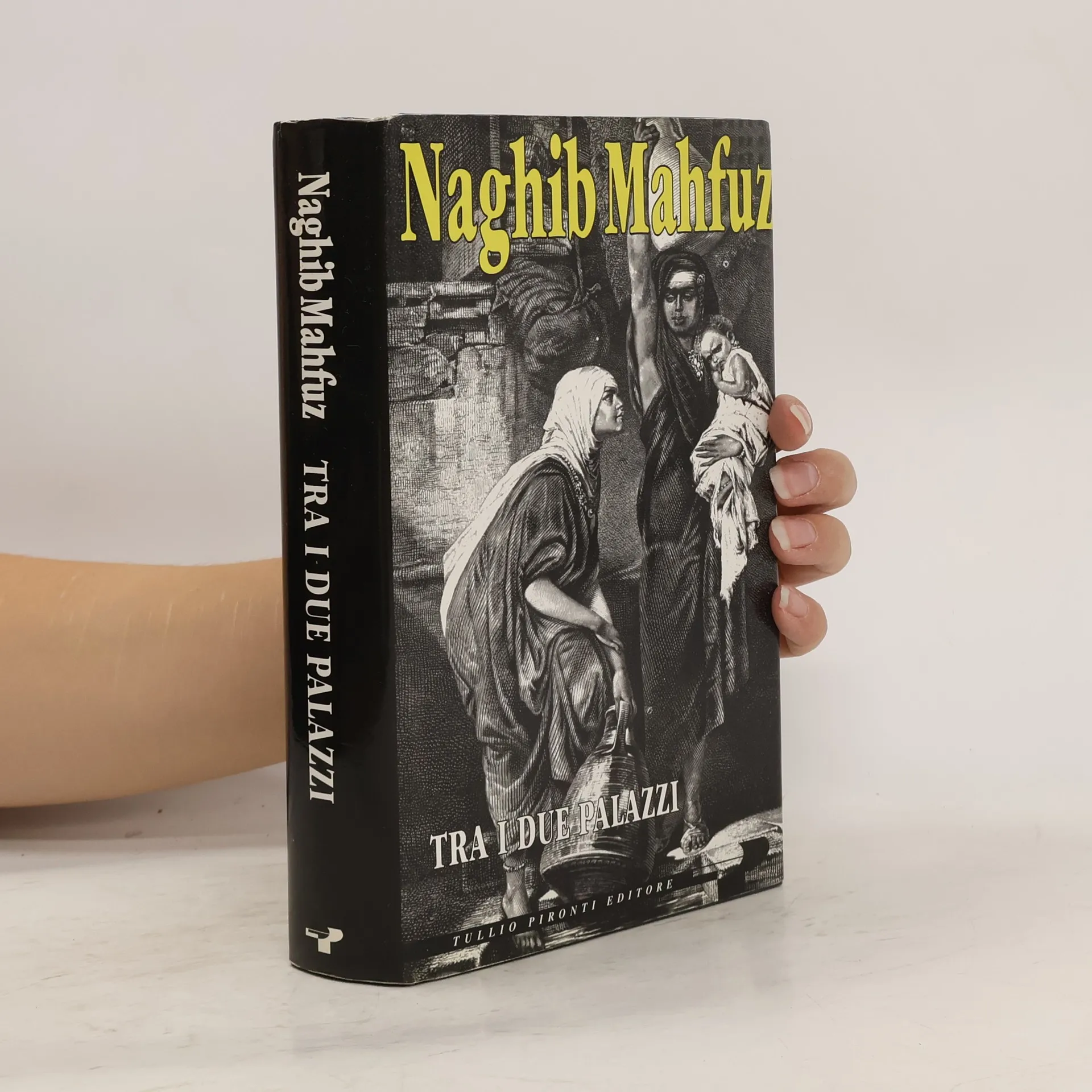
La trilogia del Cairo - 1: Tra i due palazzi
- 653pagine
- 23 ore di lettura
Originariamente pubblicata in arabo tra il 1956 e il 1957, la Trilogia narra la storia dell'Egitto attraverso gli occhi di una famiglia, dai primi anni del '900 al golpe militare che nel 1952 rovesciò il governo di Re Faruk e portò al potere Gamal Abd el Nasser.In questo primo romanzo, Mahfuz intreccia magistralmente la società cairota della fine del secolo con personaggi che sono allo stesso tempo obbedienti e meravigliosamente sensuali, le loro vite austere e affascinanti. Qui i rigorosi principi delle donne "rispettabili" e dei loro uomini sono osservati scrupolosamente, in contraddizione alla cultura notturna delle danzatrici del ventre e delle bevande alcoliche, tra la presenza delle forze inglesi e australiane al Cairo.
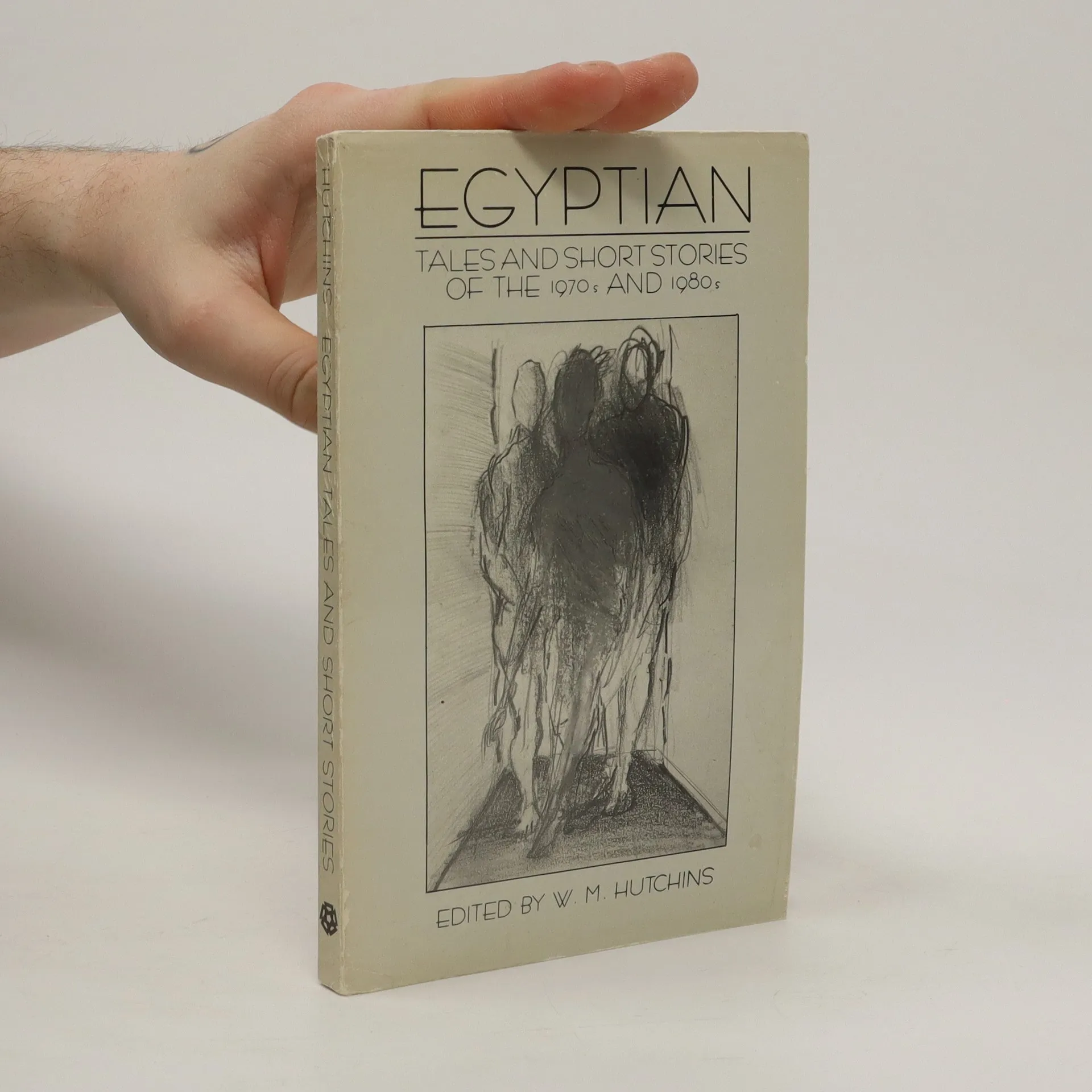
Egyptian tales and short stories of the 1970s and 1980s
- 188pagine
- 7 ore di lettura
From extraordinary folk tales to intriguing character sketches, "The Eleven O'Clock Train" introduces the works of Egyptian writers to the international stage. The thirty-two short stories in this anthology showcase a variety of themes and settings - urban, rural, contemporary, timeless, political, realistic, and bizarre - all stirring our hearts with profound questions of humanity. The stories are arranged to reflect the cycle of life, beginning with engagement, marriage, birth, childhood, various adult activities, relationships with parents, and ultimately, death. This anthology can be seen as an effort to introduce contemporary Egyptian society alongside modern Egyptian literature.