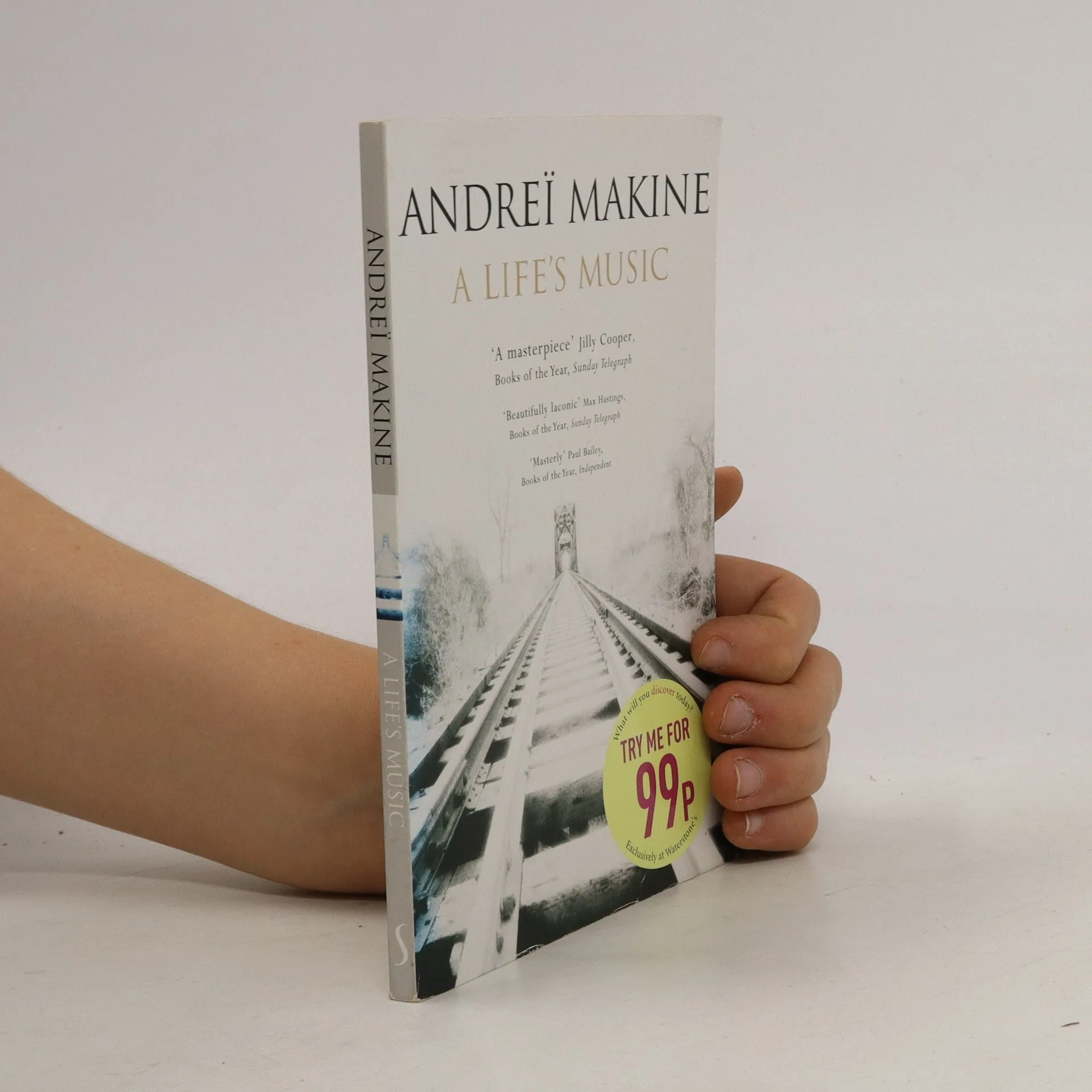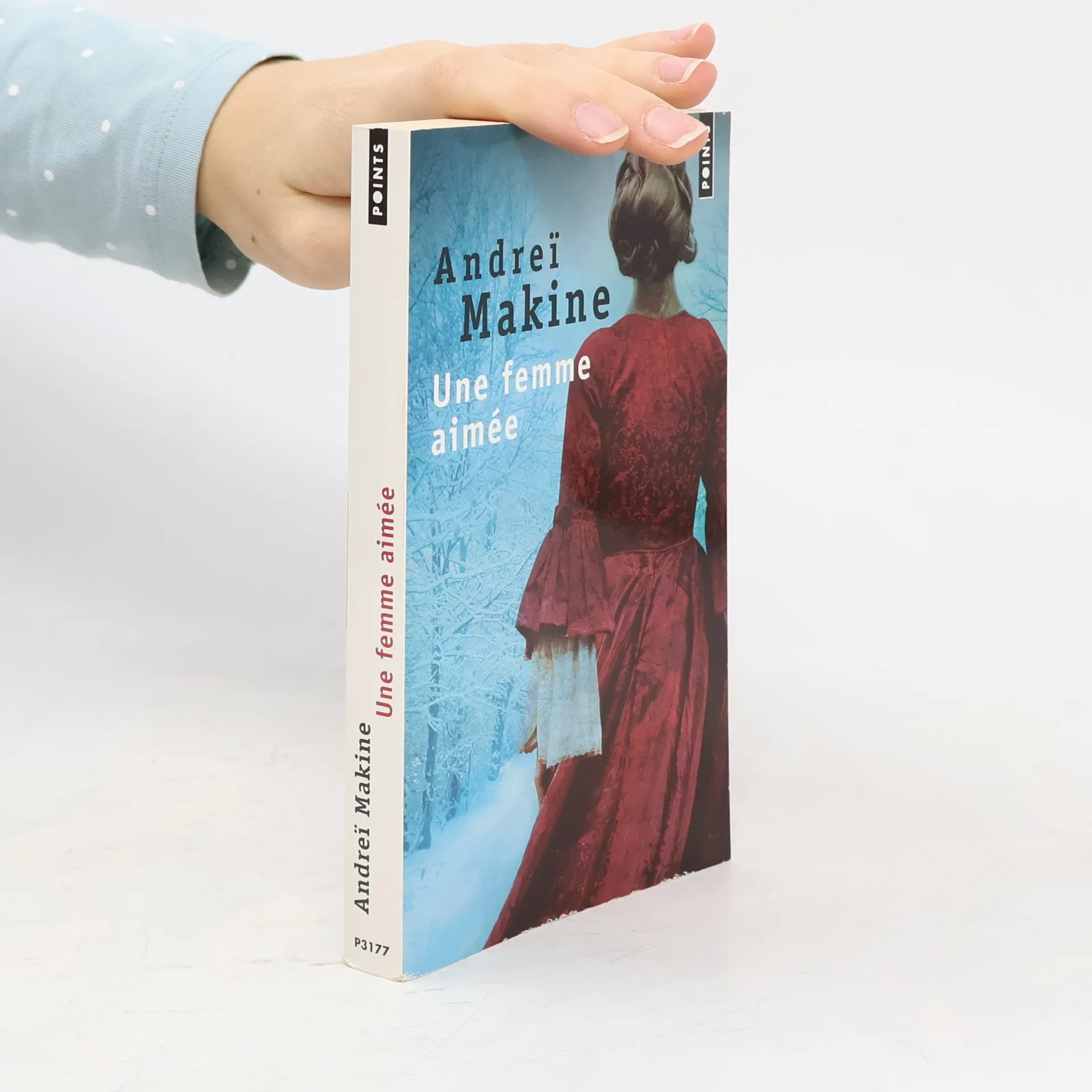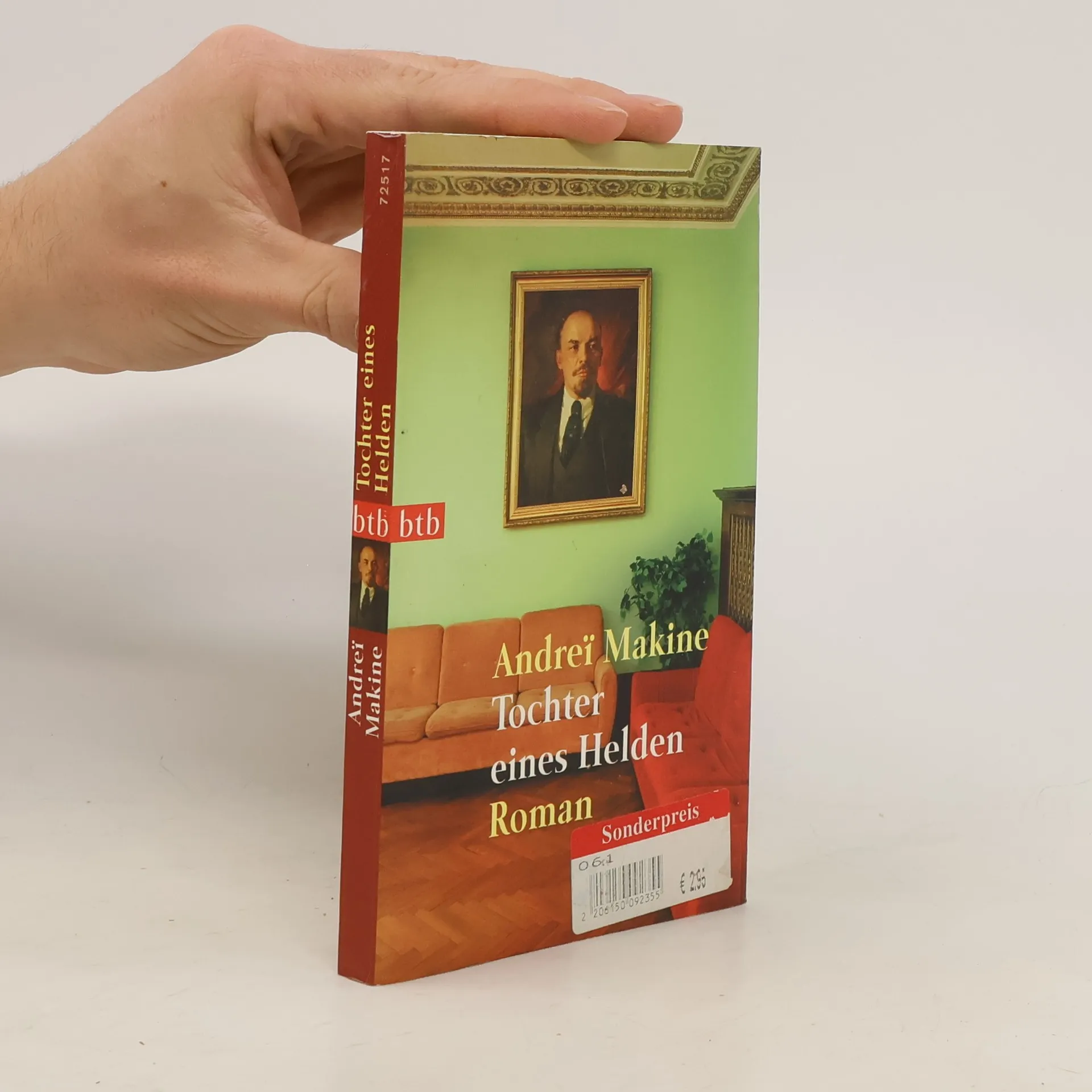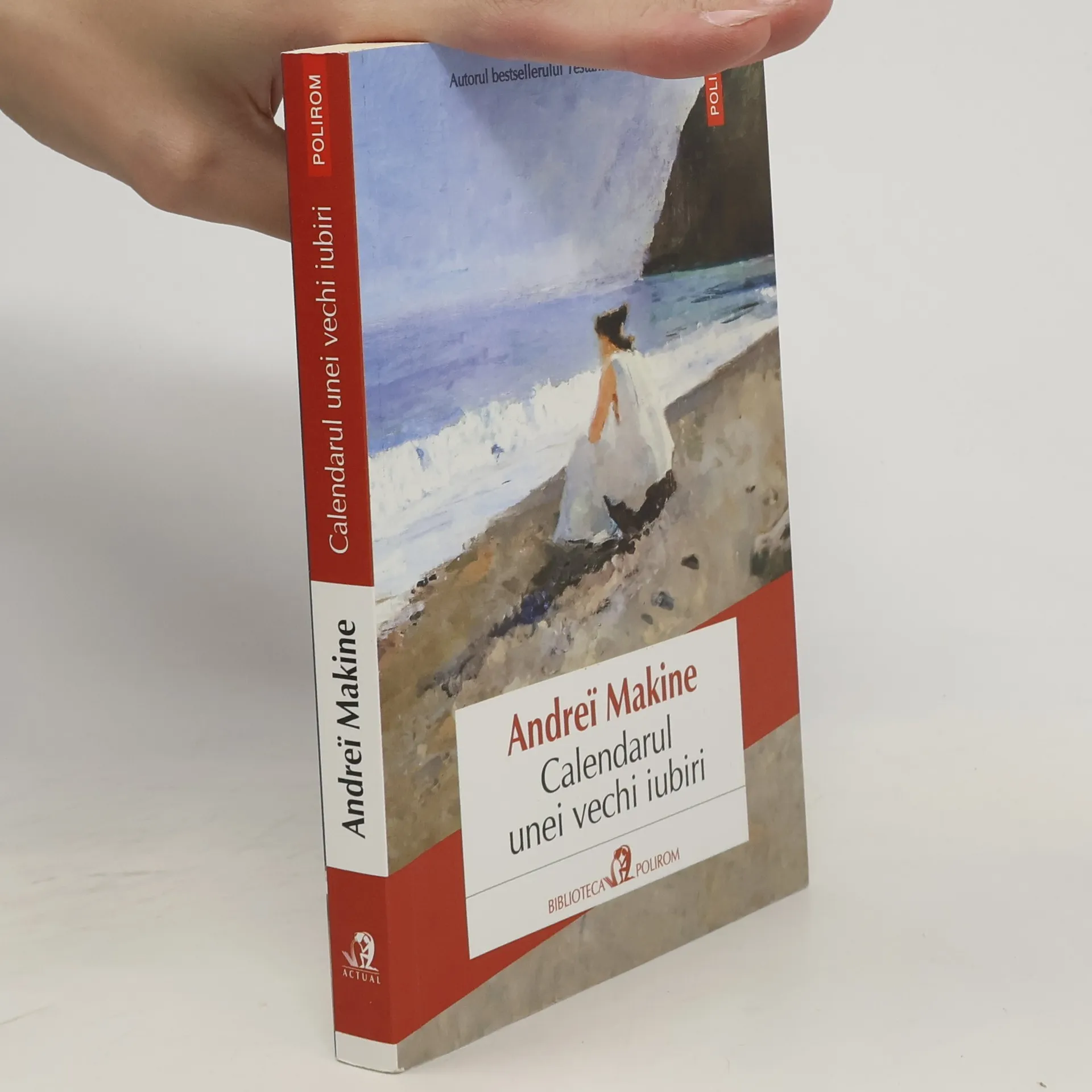


10 libri per 10 euro qui
Bookbot

Andreï Makine

    10 settembre 1957

    Andreï Makine crea narrazioni che uniscono mondi, esplorando le profonde intersezioni di memoria, cultura e identità con eccezionale grazia linguistica. Avendo lui stesso affrontato le complessità dell'esilio e della dualità culturale, la sua opera si addentra nei profondi paesaggi emotivi della connessione umana e della ricerca di appartenenza. La prosa di Makine possiede una rara capacità di evocare storie lontane ed esperienze intime, rendendolo una voce distintiva nella letteratura contemporanea. La sua scrittura è una potente testimonianza dello spirito duraturo e dell'intricato arazzo del cuore umano.

    Andreï Makine
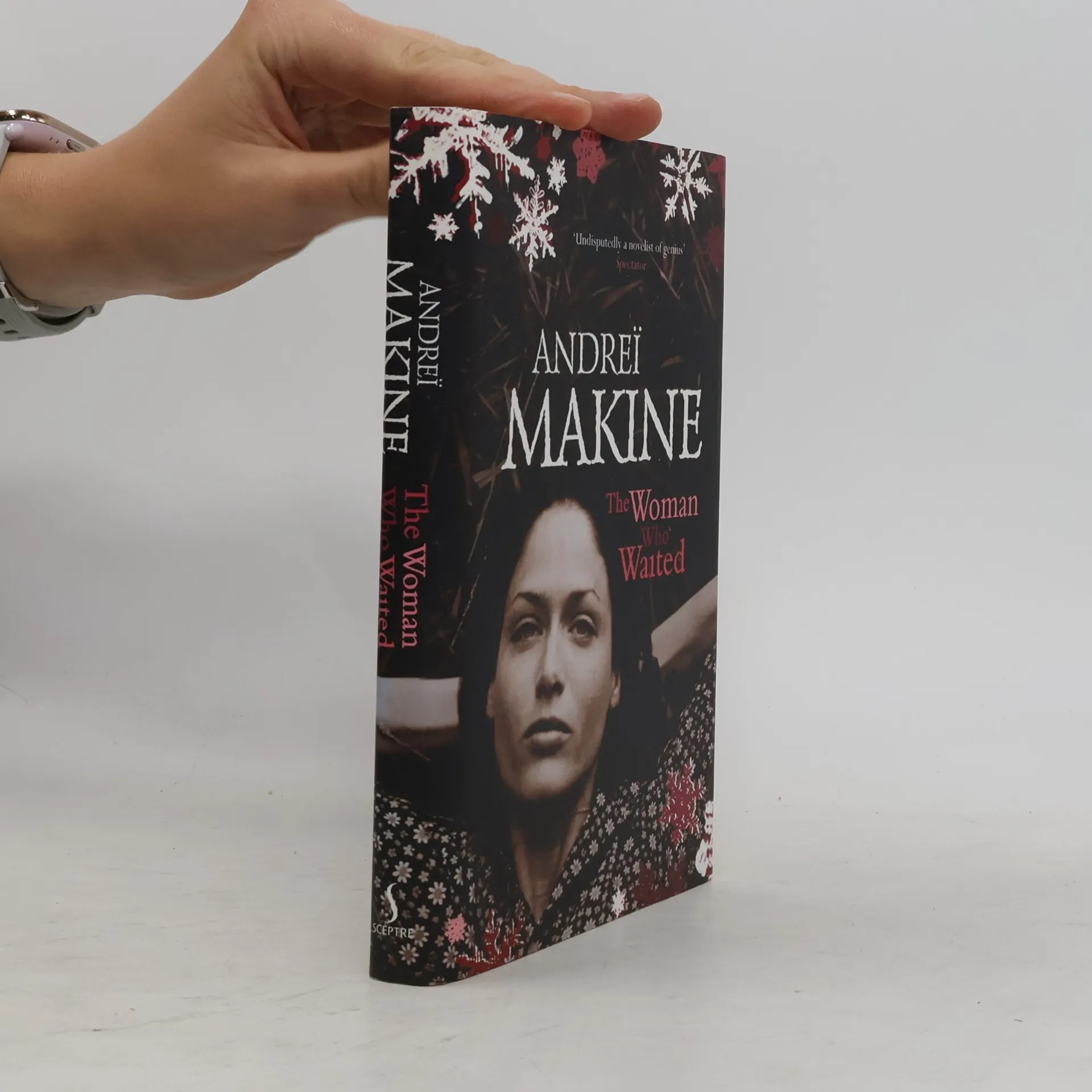
    The Woman who Waited
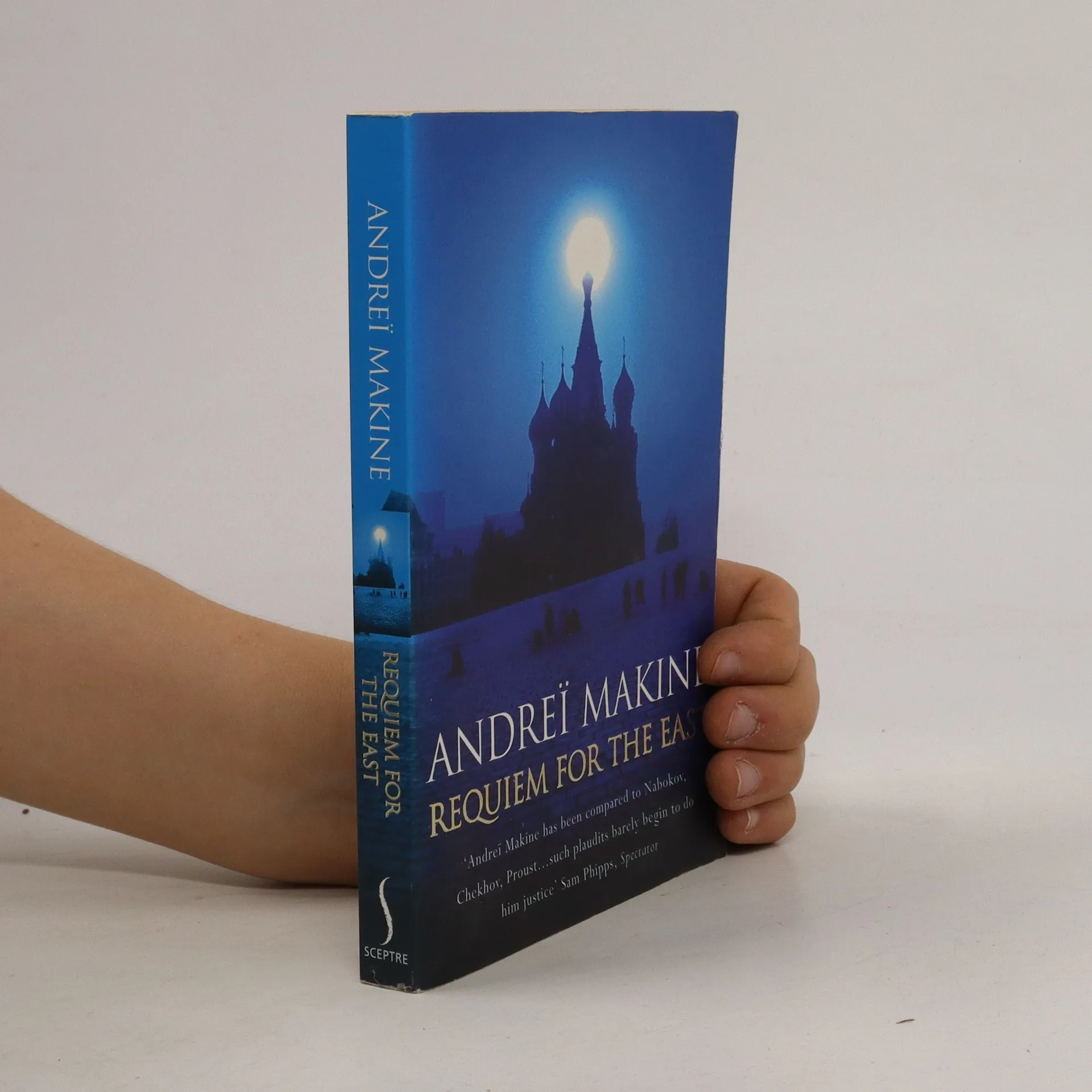
    Requiem for the East
    Human Love
    Dreams Of My Russian Summers
    My Armenian Friend
    The Archipelago of Another Life
    • Set in Siberia in the 1970s during the decline of the Soviet Empire, the adult narrator looks back on a childhood friendship formed with an Armenian boy called Vardan. A story about how one friendship can shift our perspective and irrevocably change our lives.

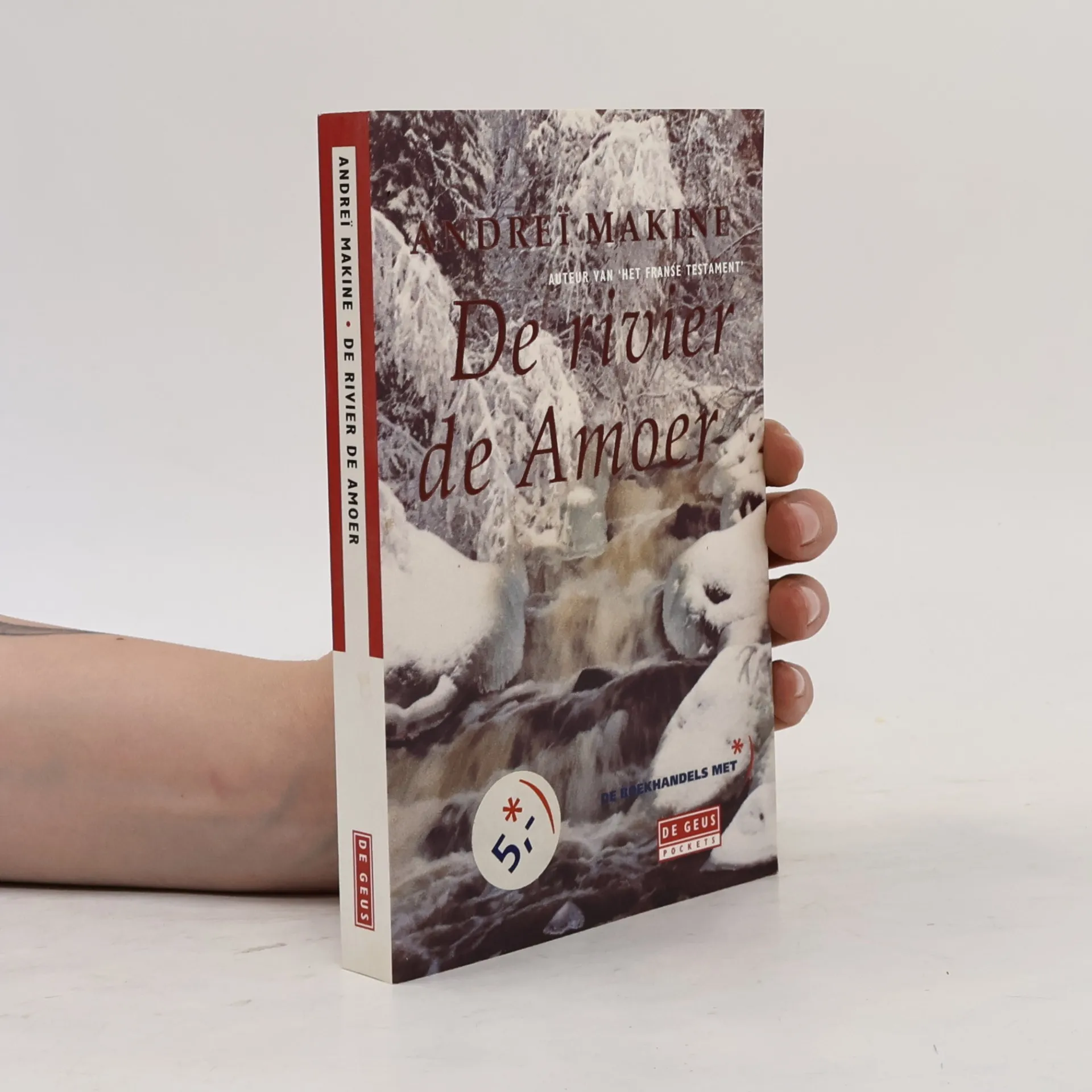
      My Armenian Friend
    • This international bestseller has been translated into 26 languages and is the first work to win both of France's top literary honors. "A masterpiece. . . . Makine belongs on the shelf of world literature--between Lermontov and Nabokov, a few volumes down from Proust".--"The Atlanta Journal".

      Dreams Of My Russian Summers
    • As shocking as it is moving, a novel about love, ideology and man's inhumanity to man by the internationally renowned Makine.

      Human Love
    • Requiem for the East

      • 272pagine
      • 10 ore di lettura

      Amid the ashes of the Soviet Union a Russian army doctor turned spy addresses the woman he loves - a fellow spy who has shared his shadowy life in Africa, Europe and the Middle East, but who has disappeared. The tale he unfolds spans three generations of his family, ordinary people caught up in the convulsions of the Russian empire in the twentieth century, from the civil war through the Second World War to beyond the fall of communism. It is a tale of brutality and soured dreams yet also one of altruism, tenacity and immense courage, written by a master.

      Requiem for the East
    • The Woman who Waited

      • 182pagine
      • 7 ore di lettura

      When a young writer arrives in a remote Russian village to study local customs, one woman stands out: Vera, who has been waiting thirty years for her lover to return from the Second World War. He sets out to win her affections, but the better he thinks he understands her the more she surprises him.

      The Woman who Waited
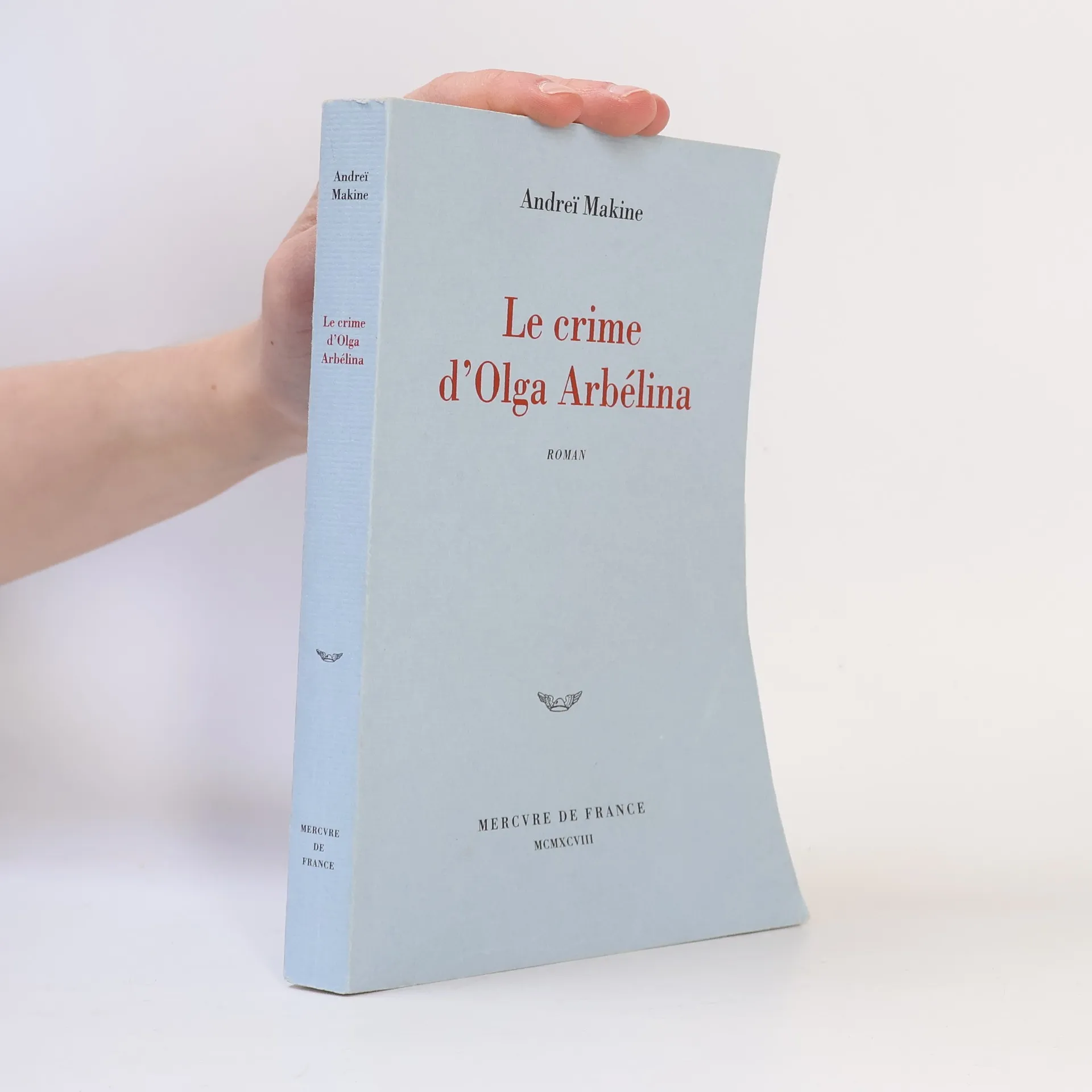
    • An einem warmen Frühsommertag 1947 machen die Bewohner einer kleinen Provinzstadt vor Paris eine verstörende Entdeckung: Am Flussufer liegt ein älterer Mann mit zertrümmertem Schädel, neben ihm sitzt reglos eine schöne Frau mit entblößter Brust. Die Szene spricht eindeutig von einem Verbrechen, doch niemand kann glauben, was sich ihnen darbietet. Der Mann ist Goletz, ein bekannter Arzt, und die Frau, Olga Arbelina, ist eine russische Emigrantin, die mit ihrem Sohn in der Gemeinde lebt und die örtliche Bibliothek betreut. Welches Geheimnis verbindet die beiden? Während der Untersuchungsrichter versucht, die Geschehnisse aufzuklären, wird Olgas ungewöhnliches Vorleben offenbar. In Sankt Petersburg geboren, wurde sie 1917 durch die Revolution aus ihrem wohlhabenden Leben vertrieben und heiratete schließlich den Fürsten Arbelin, bevor sie nach Frankreich zog. Nach dem Scheitern der Ehe tauscht sie das aufregende Leben in Paris gegen das eintönige Exil in der Provinz. Trotz aller Höhen und Tiefen hat sie das Glück nicht gefunden, das sie suchte. Doch während des kalten Nachkriegswinters 1946/47 erkennt sie, dass sie noch nicht am Ziel ist und es Grenzen gibt, die sie noch nicht überschritten hat.

      Das Verbrechen der Olga Arbelina
    • Une femme aimée

      • 362pagine
      • 13 ore di lettura

      À Leningrad, Oleg Erdmann, apprenti cinéaste, survit en travaillant à l'abattoir. Il rêve de réaliser un film sur l'impératrice Catherine II et soumet son scénario au Comité d'État pour l'art cinématographique. Prix Casanova 2013.

      Une femme aimée