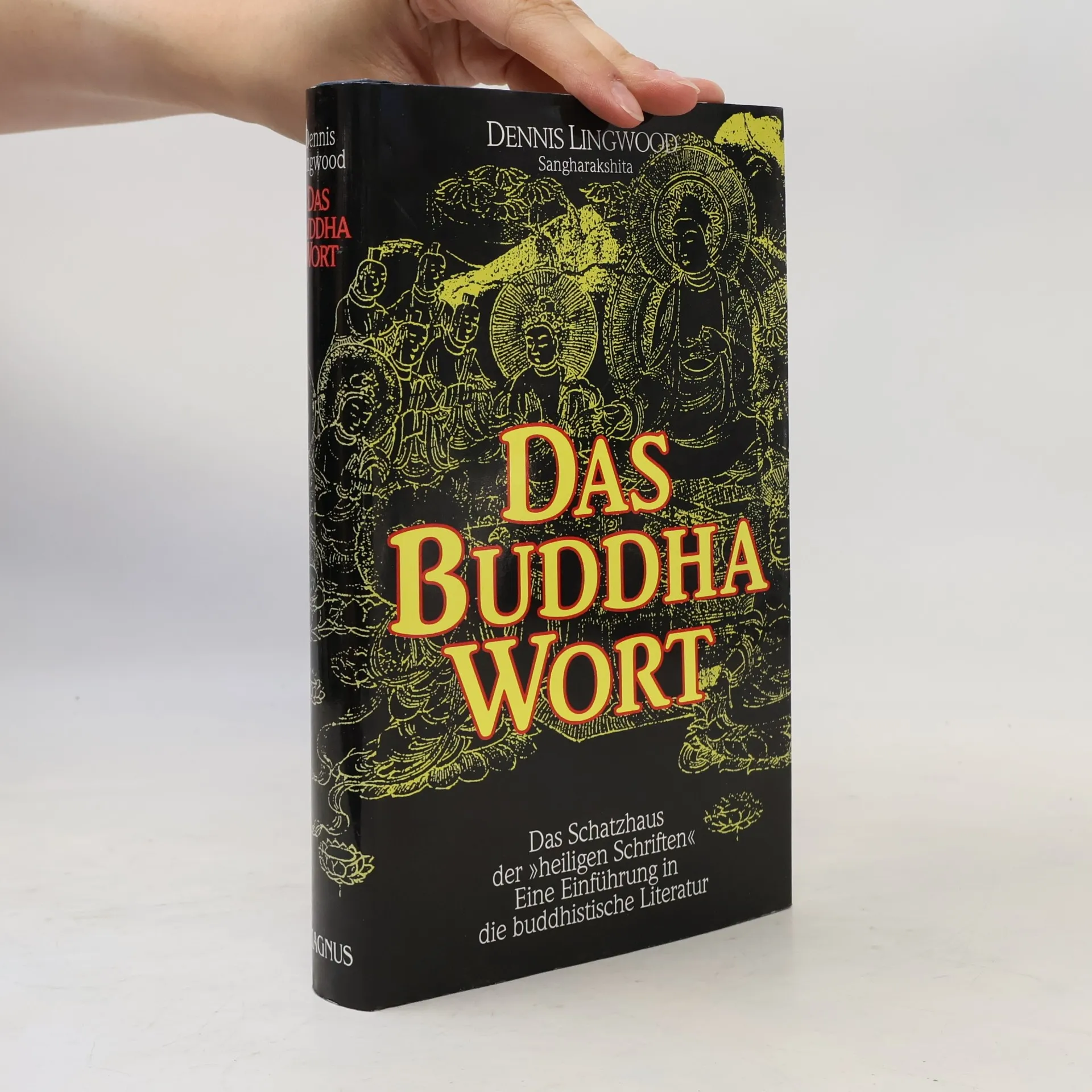
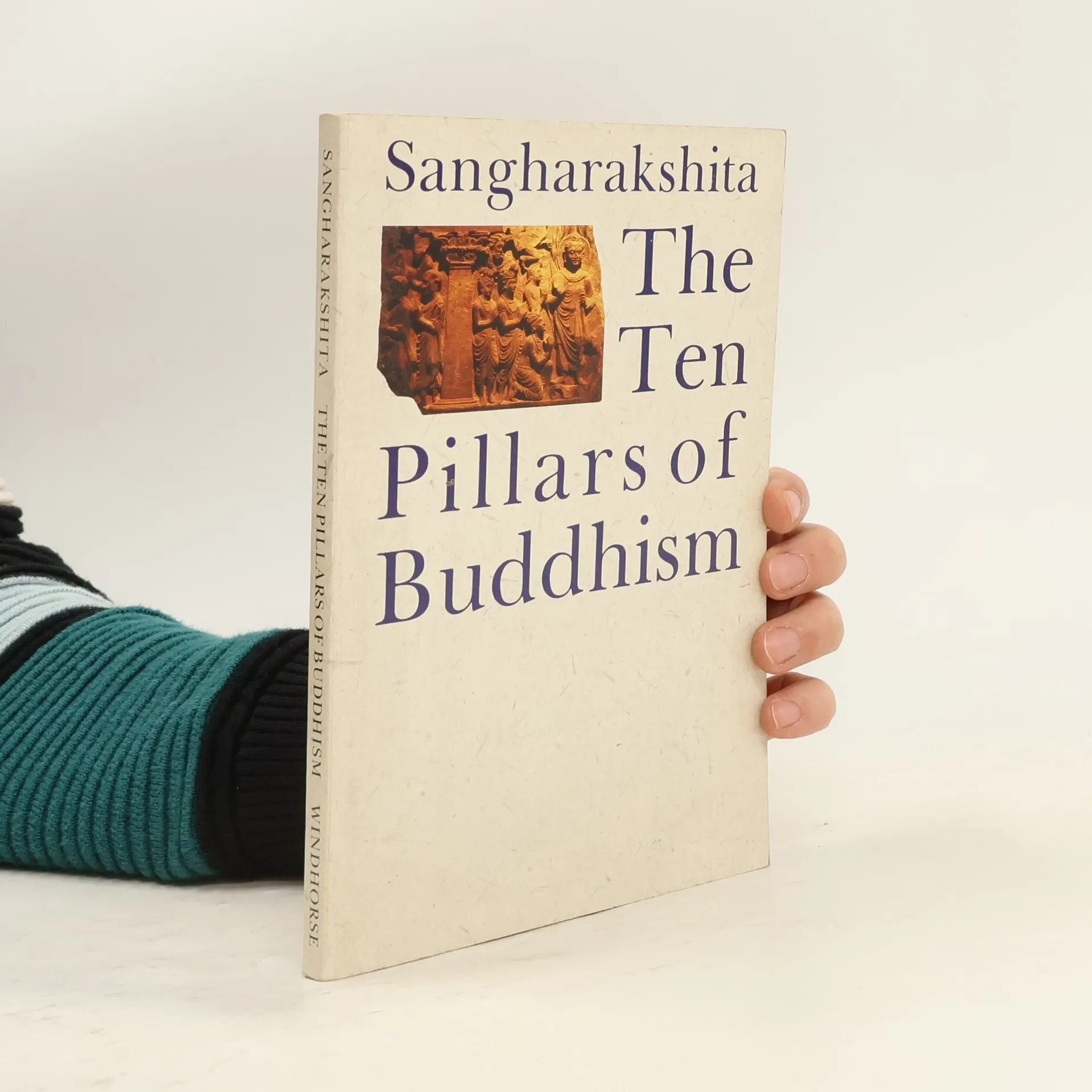
Bhikshu SangharakshitaOrdine dei libri (cronologico)
Sangharakshita ha creato una profonda opera che esplora la vita spirituale e le filosofie orientali. La sua scrittura sottolinea costantemente il significato decisivo dell'impegno nel cammino spirituale e il valore fondamentale dell'amicizia spirituale e della comunità. Ha esplorato la connessione tra religione e arte e ha sostenuto una 'nuova società' che nutra le aspirazioni spirituali. I suoi ampi scritti offrono ai lettori profonde intuizioni sul cammino verso l'illuminazione, combinando tradizioni orientali con il pensiero occidentale.
The Noble Eightfold Path, the Buddha's first teaching is a timeless truth. One
starts with a vision, a moment of insight and then transformation of thoughts
and acts follows in the light of that truth. This book explores it in relation
to various aspects of life.
What is the meaning of life? How can we be truly happy? Buddhism answers these
questions through the Dharma, which is a traditional term meaning both the
truth and the path, and is the subject of this book, which offers a starter-
kit of Buddhist teachings and practices.
The image of Buddha, cross-legged and meditating, is a familiar one in the West. But who was the Buddha? In this book, Buddha is presented as a historical figures and as an archetype. The author places him in the context of time and eternity.
"A handy and easily-readable introduction to Buddhist ethics"--Damien Keown, "Buddhist Studies Review" In a world marked by rapid changes, shifting lifestyles and values, how can we be sure that we are making the best choices for ourselves, others and the world? This small book explores ten basic Buddhist ethical principles and the liberating view of ourselves contained within them. Buddhist ethics are not a list of laws imposed from outside, but guiding principles we can apply to everyday situations. Emphasising personal responsibility and choice, not blind obedience, the Buddhist path of ethics leads us into a deeper understanding of ourselves and the world around us. To apply them is to put to the test the promise of the Buddha: that by our own efforts we can transform our actions, emotions and thoughts to allow our compassion and wisdom to shine through all that we do.