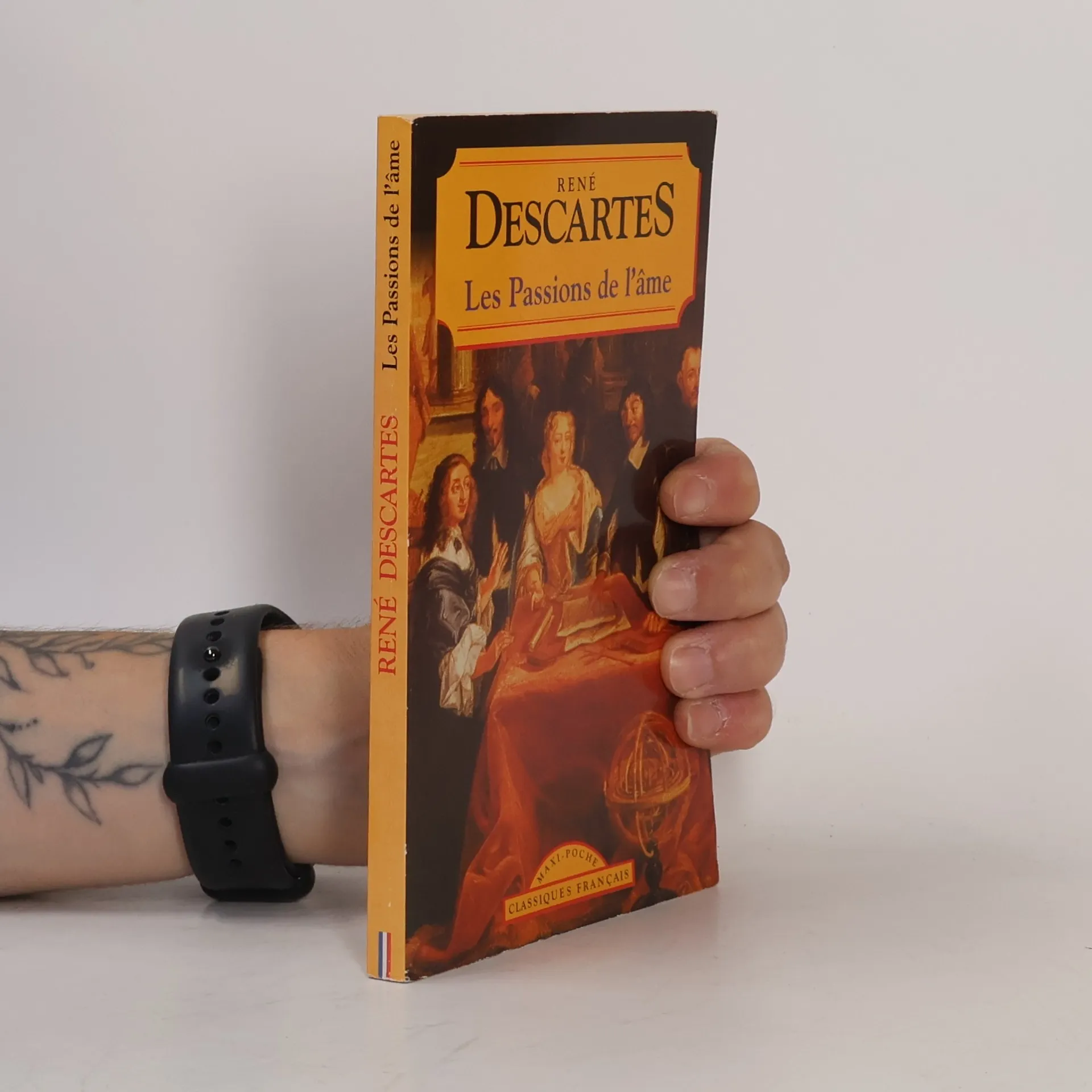
Passion en morale se dit des différentes agitations de l'âme selon les divers objets qui se présentent à ses sens. Les philosophes ne s'accordent pas sur le nombre des passions (...). Voyez surtout M. Descartes qui a fait un beau traité des Passions d'une manière physique. (Dictionnaire de Furetière).
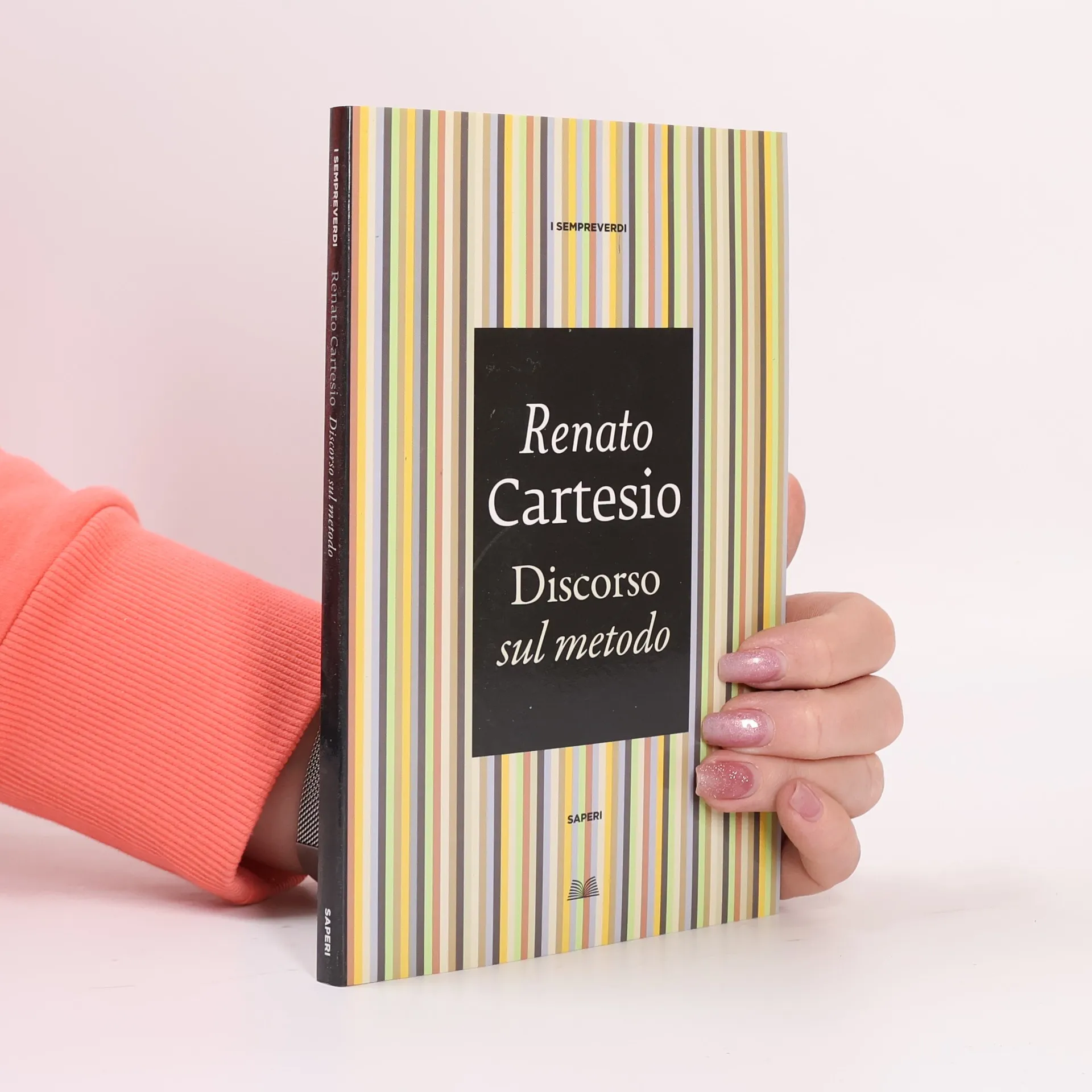
Testo francese a fronte La grandezza di Descartes, oggi, coincide con la notorietà del suo metodo: la determinazione a non accettare nulla sulla fiducia influenzerà in modo definitivo l'idea moderna secondo cui la ricerca della verità è esclusivamente individuale. Il filosofo francese propone il suo Discorso, composto originariamente come prefazione ai saggi, "solo come una storia o, se preferire, una favola", nella speranza che "tutti mi siano grati della franchezza". Eppure non si deve ignorare che con questa "favola" Descartes sta fondando il pensiero scientifico moderno, che le sue pagine contengono l'essenziale di quella'logica della scoperta" che lo aveva condotto a risultati paragonabili a quelli di Galileo e Newton.
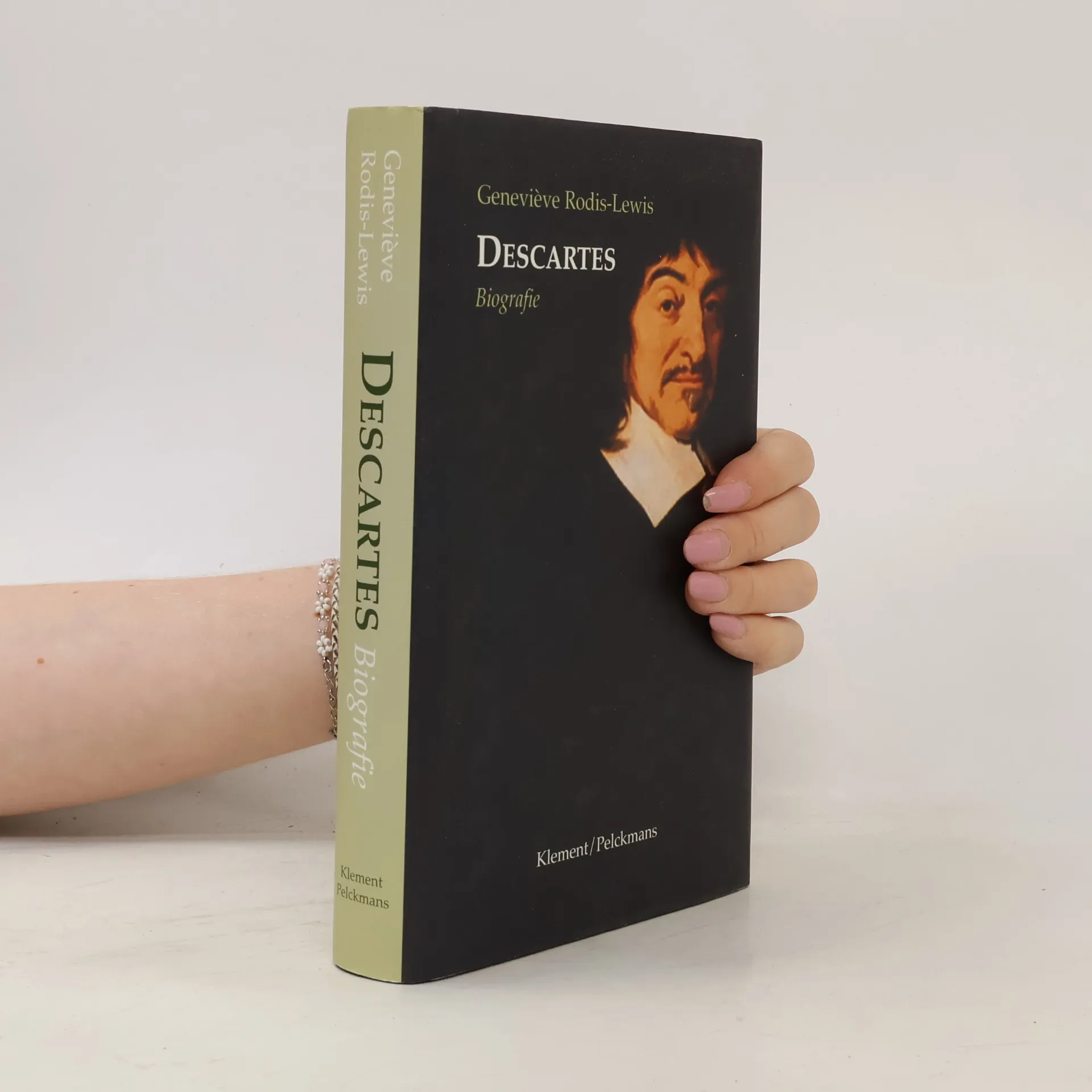
This major intellectual biography illuminates the personal and historical events of Descartes's life, from his birth and early years in France to his death in Sweden, his burial, and the fate of his remains. Concerned not only with historical events but also with the development of Descartes's personality, Rodis-Lewis speculates on the effect childhood impressions may have had on his philosophy and scientific theories. She considers in detail his friendships, particularly with Isaac Beeckman and Marin Mersenne. Primarily on the basis of his private correspondence, Rodis-Lewis gives a thorough and balanced discussion of his personality. The Descartes she depicts is by turns generous and unforgiving, arrogant and open-minded, loyal in his friendships but eager for the isolation his work required. Drawing on Descartes's writings and his public and private correspondence, she corrects the errors of earlier biographies and clarifies many obscure episodes in the philosopher's life.