10 libri per 10 euro qui
Bookbot

Eric Kandel

    7 novembre 1929

    Eric Kandel è un premio Nobel il cui lavoro si addentra profondamente nella psicologia e nelle neuroscienze. Esplora come la memoria viene immagazzinata all'interno dei neuroni, scoprendo i processi biologici fondamentali che governano i nostri pensieri e ricordi. La sua ricerca offre uno sguardo affascinante sul funzionamento della mente e su come le nostre esperienze vengono modellate a livello cellulare.

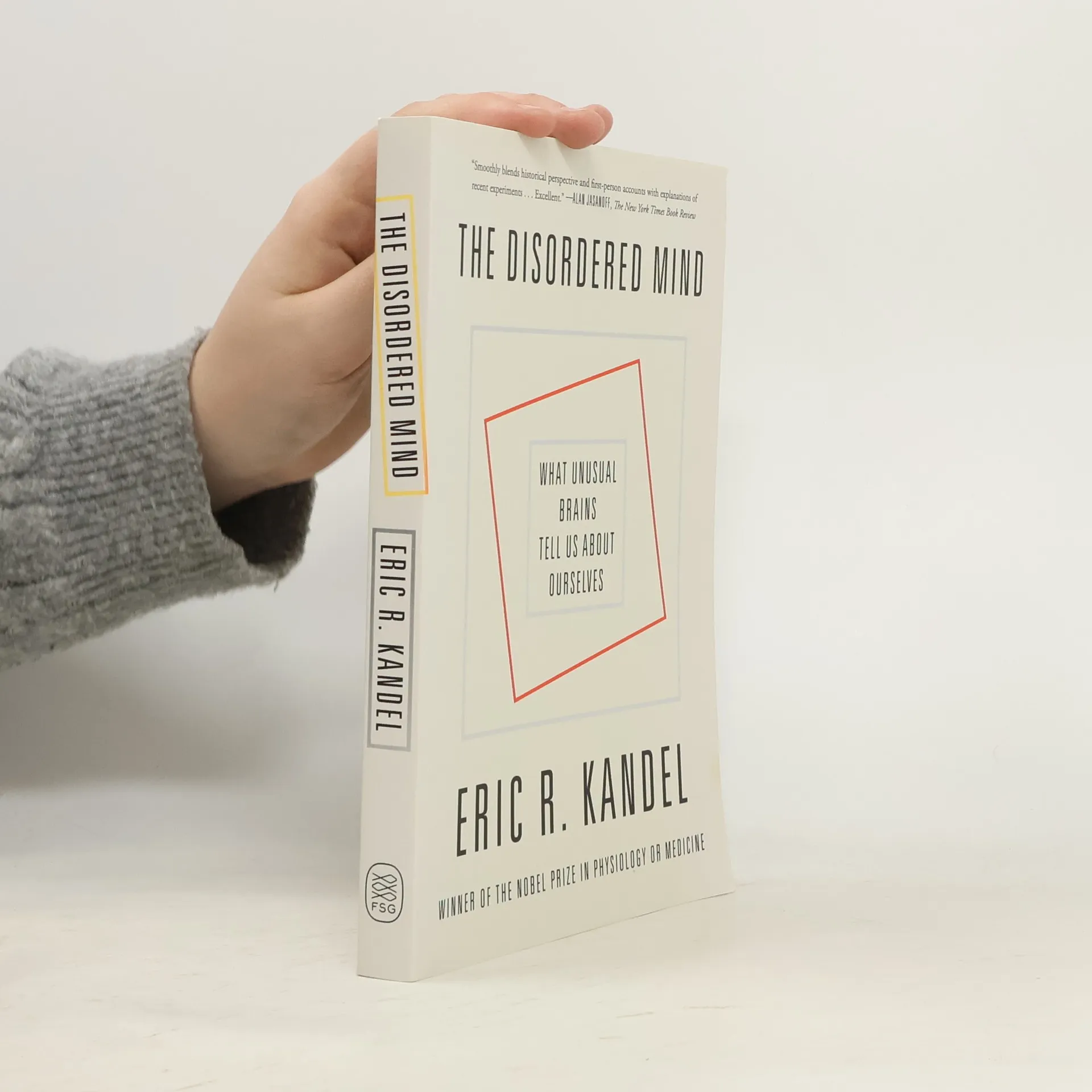
    The Disordered Mind
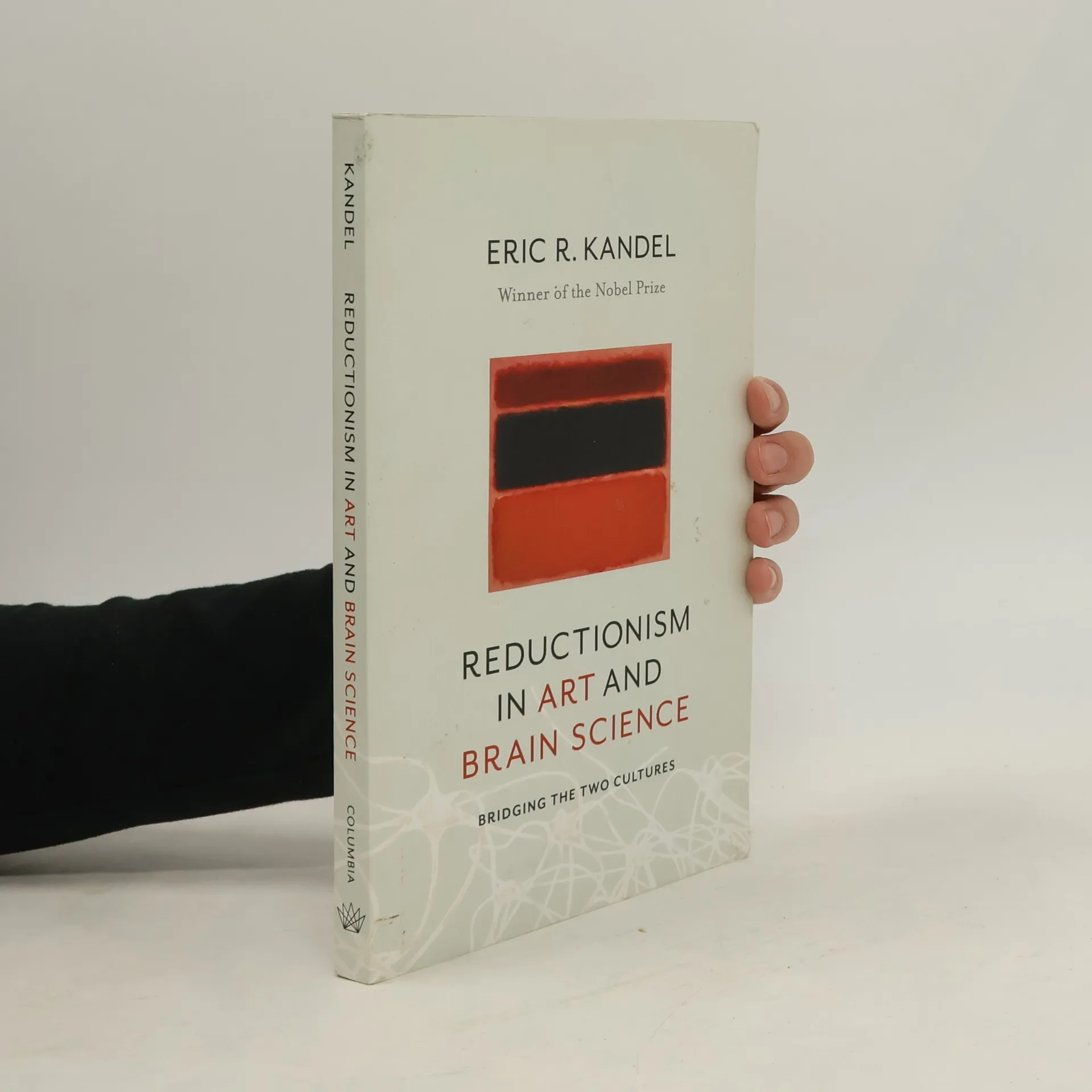
    Reductionism in Art and Brain Science
    In Search of Memory.The Emergence of a New Science of Mind
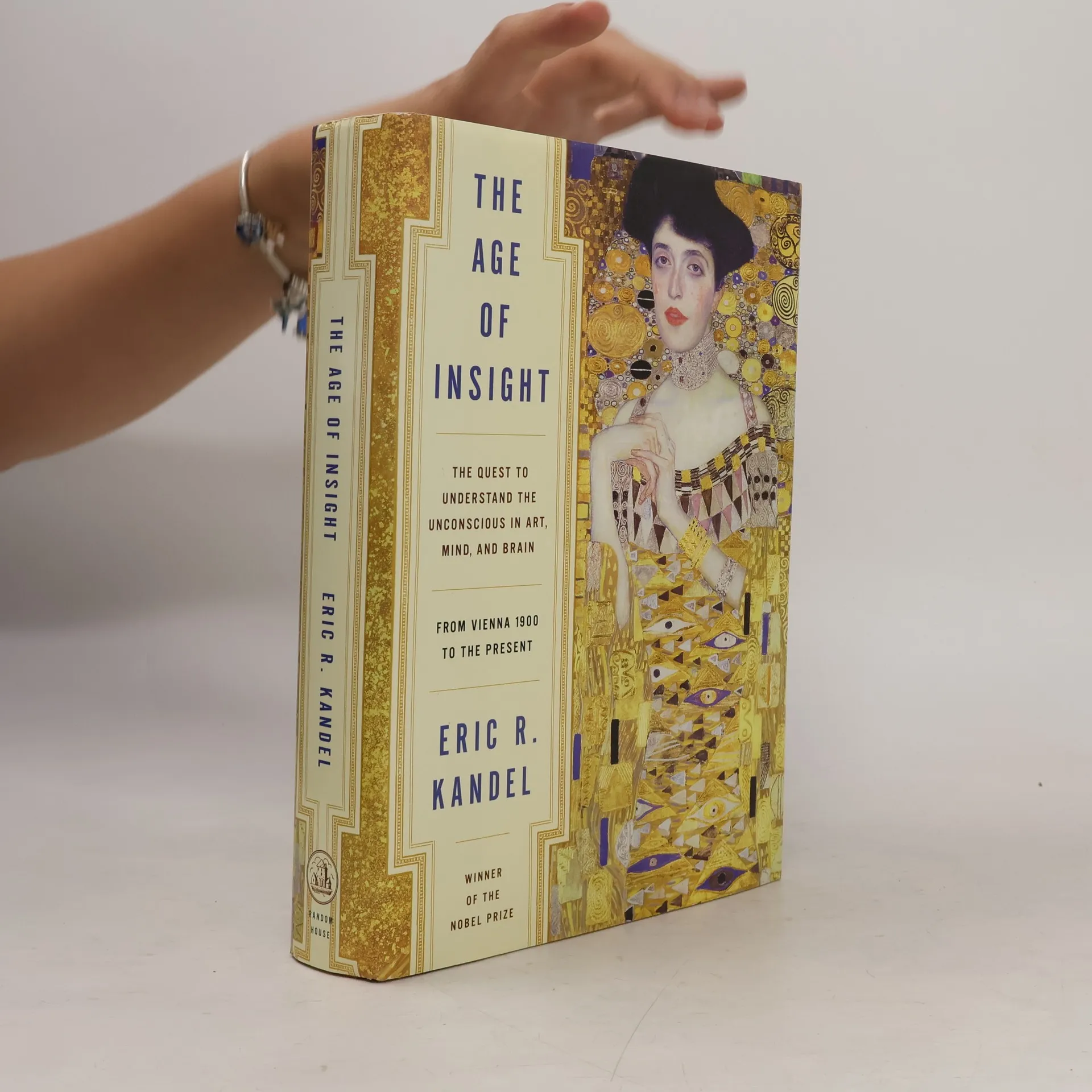
    The Age of Insight. Das Zeitalter der Erkenntnis, englische Ausgabe
    In Search of Memory
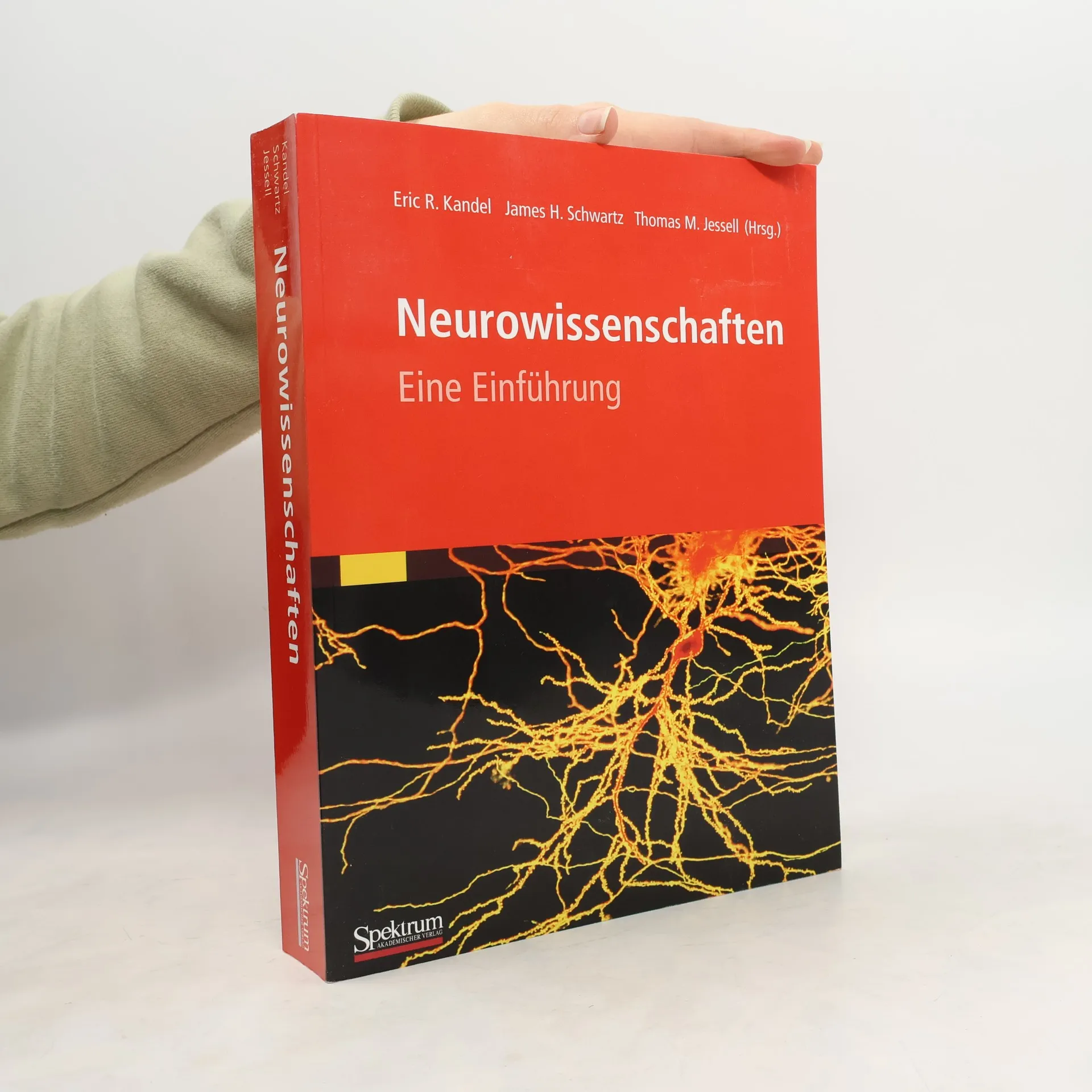
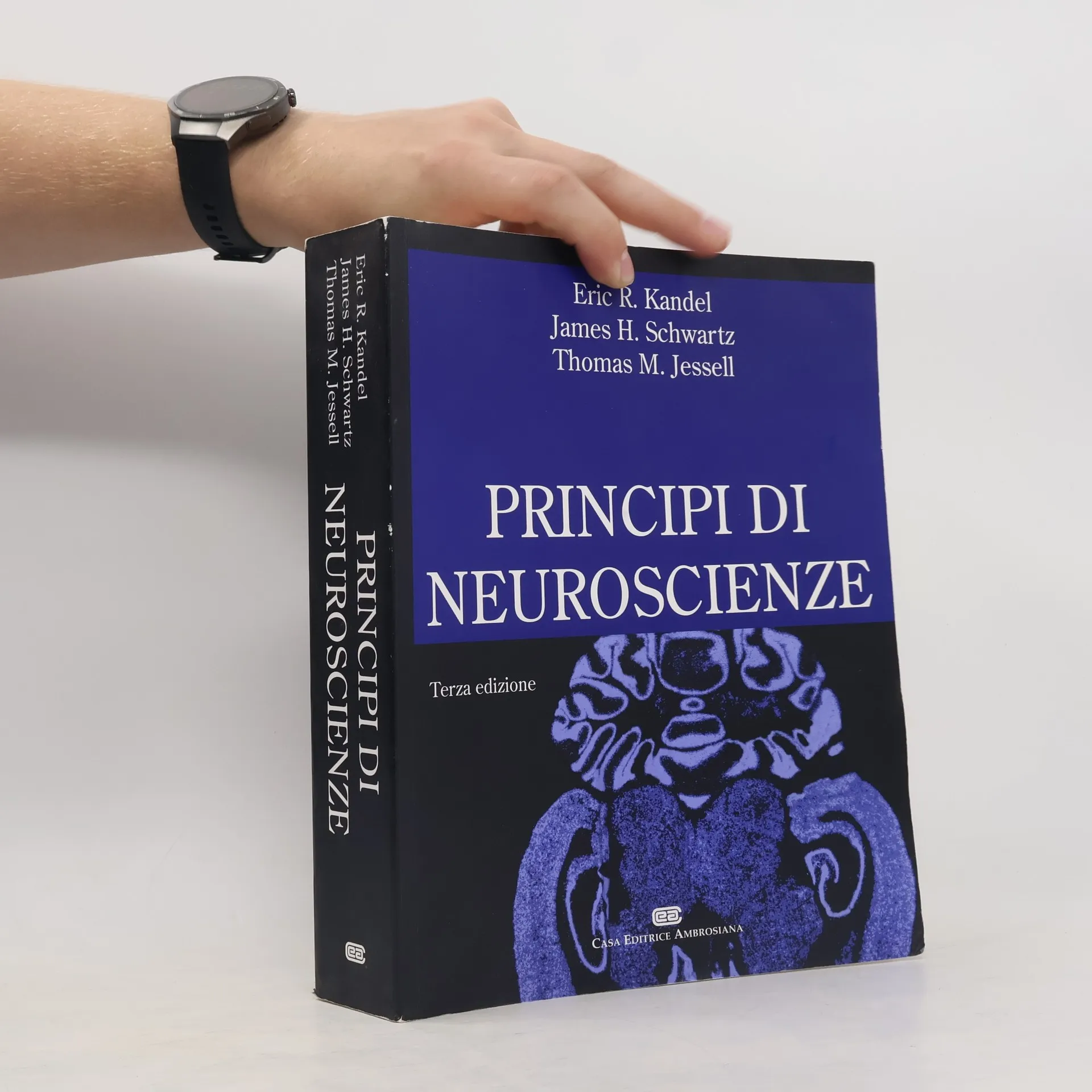
    Principles of Neural Science
    • Principles of Neural Science

      4th Edition

      • 1414pagine
      • 50 ore di lettura

      Now in resplendent color, the new edition continues to define the latest in the scientific understanding of the brain, the nervous system, and human behavior. Each chapter is thoroughly revised and includes the impact of molecular biology in the mechanisms underlying developmental processes and in the pathogenesis of disease. Important features to this edition include a new chapter - Genes and Behavior; a complete updating of development of the nervous system; the genetic basis of neurological and psychiatric disease; cognitive neuroscience of perception, planning, action, motivation and memory; ion channel mechanisms; and much more.
      Principles of Neural Science
    • "A stunning book." Oliver Sacks Charting the intellectual history of the emerging biology of mind, Eric R. Kandel illuminates how behavioral psychology, cognitive psychology, neuroscience, and molecular biology have converged into a powerful new science of mind. This science now provides nuanced insights into normal mental functioning and disease, and simultaneously opens pathways to more effective healing. Driven by vibrant curiosity, Kandel's personal quest to understand memory is threaded throughout this absorbing history. Beginning with his childhood in Nazi-occupied Vienna, In Search of Memory chronicles Kandel's outstanding career from his initial fascination with history and psychoanalysis to his groundbreaking work on the biological process of memory, which earned him the Nobel Prize. A deft mixture of memoir and history, modern biology and behavior, In Search of Memory traces how a brilliant scientist's intellectual journey intersected with one of the great scientific endeavors of the twentieth century: the search for the biological basis of memory. 50 illustrations.

      In Search of Memory
    • A brilliant book by a Nobel Prize winner, "The Age of Insight" takes readers to Vienna in 1900, where leaders in science, medicine, and art began a revolution that changed forever how we think about the human mind--our conscious and unconscious thoughts and emotions--and how mind and brain relate to art

      The Age of Insight. Das Zeitalter der Erkenntnis, englische Ausgabe
    • Kandel's book, with one foot in the humanities and one foot in the sciences, stands comfortably in both. Writing in deceptively simple prose, not unlike the art he writes about, Kandel lucidly states the biological case for how abstract art challenges us to look so that we can see. Jim Coddington, chief conservator, Museum of Modern Art

      Reductionism in Art and Brain Science
    • The Disordered Mind

      • 400pagine
      • 14 ore di lettura

      The Disordered Mind is the definitive statement on all we know about the brain and its associated disorders by the eminent Nobel Prize-winning scientist and professor Eric R. Kandel.

      The Disordered Mind
    • Neuroscientist Eric R. Kandel recounts his remarkable career since receiving the Nobel in 2000. He takes readers through his lab's scientific advances as well as his efforts to promote public understanding of science and to put brain science and art into conversation.

      There Is Life After the Nobel Prize
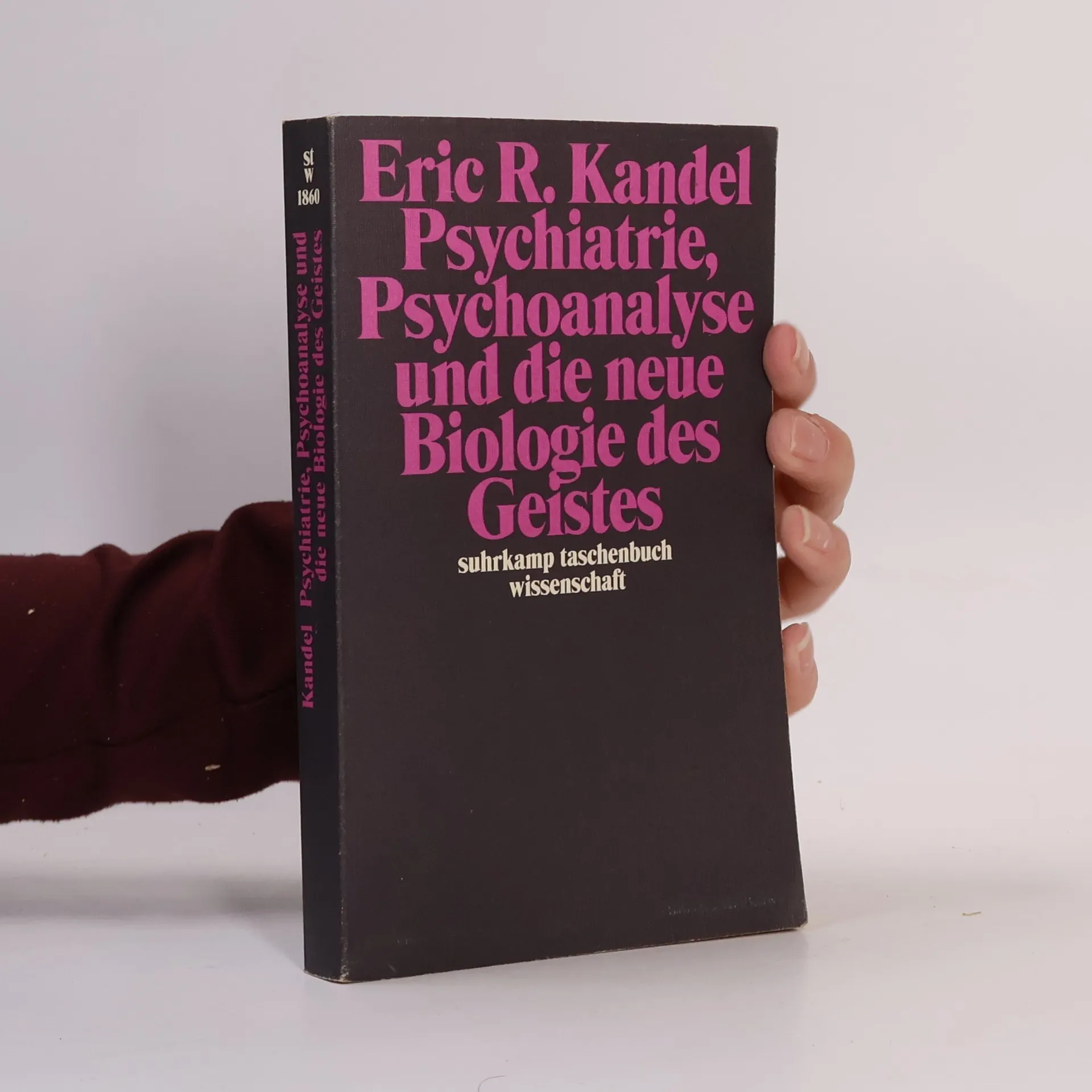
    • Dem Nobelpreisträger Eric Kandel gebührt das Verdienst, das bis dahin gänzlich unerkundete Gebiet der Beziehungen zwischen Neurobiologie und Psychoanalyse erschlossen zu haben. Heute ist es eines der spannendsten und zugleich innovativsten Felder der Wissenschaften überhaupt. Die vorliegende Sammlung von Aufsätzen Eric Kandels lädt den Leser zu „einer der wichtigsten, bedeutsamsten und aufregendsten Forschungsreisen unserer Zeit ein“ (Stuart C. Yudofsky) – zu einer Erkundung der Funktionsweise des menschlichen Gehirns und der Möglichkeiten, durch die Psychoanalyse und die Psychiatrie auf diese Einfluß zu nehmen. Der Band, den der Protagonist der deutschen Hirnforschungsdebatte, Gerhard Roth, einleitet und der mit einer sehr persönlichen Einführung Eric Kandels beginnt, bietet einen konzisen Überblick dieser Revolution der psychiatrischen Forschung.

      Psychiatrie, Psychoanalyse und die neue Biologie des Geistes
    • Was heißt es, Mensch zu sein? Nobelpreisträger Eric Kandel über die Grundlagen unserer Identität Was genau geschieht, wenn unser Gehirn nicht mehr „normal“ funktioniert? Wenn es in Unordnung geraten ist, durch Störungen oder Krankheiten wie Alzheimer, Depression oder posttraumatischen Stress? Eric Kandel, einer der weltweit führenden Experten der Gehirn- und Gedächtnisforschung, hat sich in seiner Arbeit immer wieder mit der Frage beschäftigt, inwiefern komplexe menschliche Verhaltensweisen biologische Ursachen haben. In seinem neuen Buch zeigt er an vielen Beispielen, von Angstzuständen bis zur Schizophrenie, von Sucht bis Bipolarität, wie sehr biologische Prozesse unsere Identität prägen. Denn gerade die Störungen, die Abweichungen und Anomalien machen auf beeindruckende Weise sichtbar, was es heißt, Mensch zu sein. Der Titel ist durchgehend vierfarbig und reichhaltig bebildert. Ausstattung: mit vierfarbigen Abb.

      Was ist der Mensch?