

Arguing that widespread changes in human attitude and behavior patterns are central to ensuring a more secure and sustainable future on earth, this book focuses on communication processes in development. The authors, pioneers in the use of communication techniques and media in development work, show how communication can be used to mobilize societies, to facilitate democratic and participatory decision-making, and to help people acquire new knowledge and skills. Among the issues explored social mobilization worldwide for child immunization; communication as a means of facilitating rapid advances in family planning; and the use of video to enable peasant farmers to participate in their own development.
Colin Fraser Ordine dei libri (cronologico)

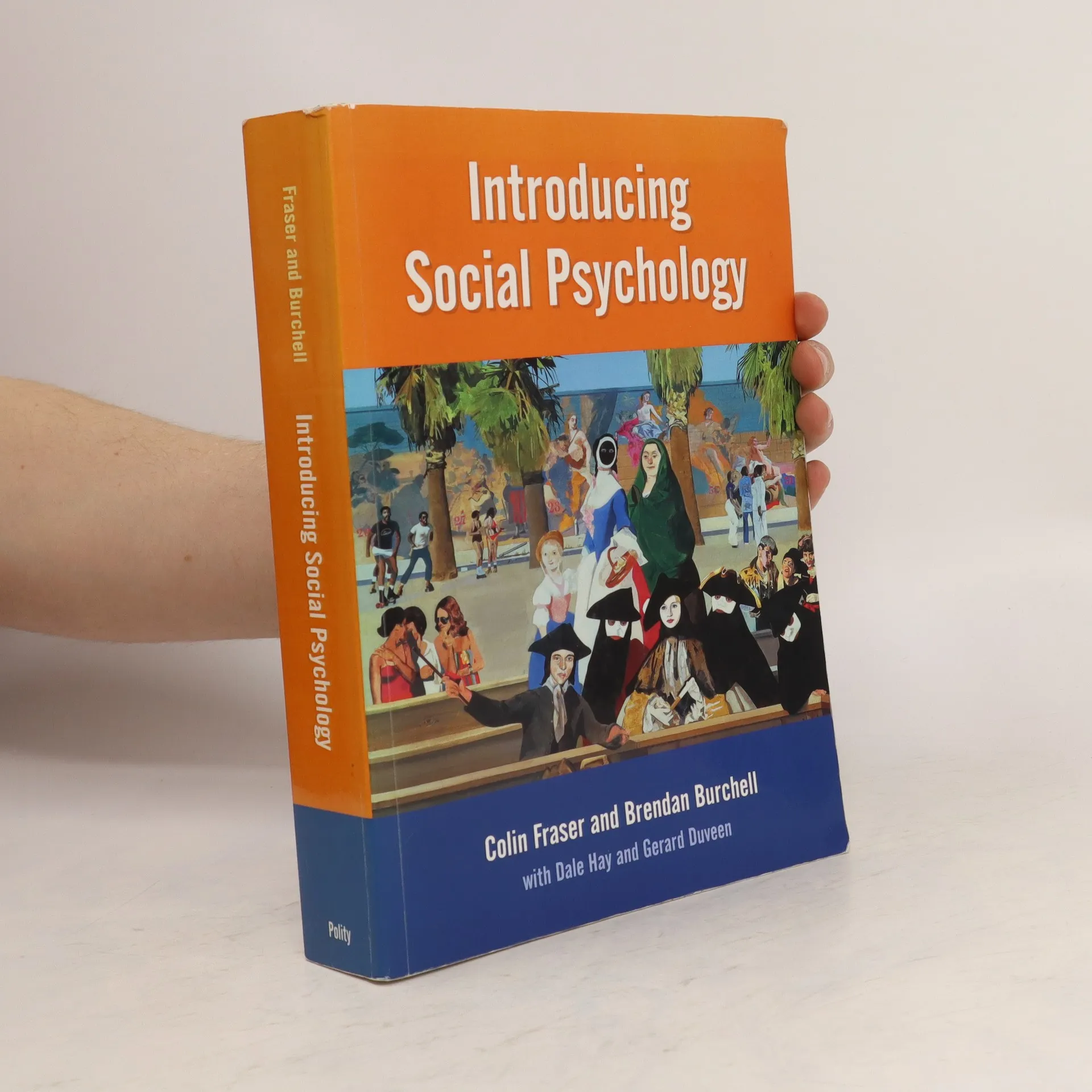
Introducing Social Psychology
- 544pagine
- 20 ore di lettura
This book provides an engaging introduction to social psychology, written in a clear style that requires no prior knowledge. It serves as an ideal textbook for students, addressing key topics such as self and personality, interpersonal relations, language and communication, altruism, aggression, group processes, attitudes, and intergroup relations. Notably, it also explores less conventional subjects often overlooked in similar texts, including emotions, social and moral development, social representations, health and illness, and employment issues, highlighting their relevance to social policy. The presentation is rich and diverse, integrating a variety of methodologies and theories. While the dominant cognitive and psychological approaches are examined, the book consistently connects individual behaviors and interactions to broader social contexts. This is accomplished through cross-cultural and historical comparisons, along with insights from related social sciences. The authors aim to demonstrate that social psychology sheds light on various aspects of social life, addressing everyday challenges we all encounter.