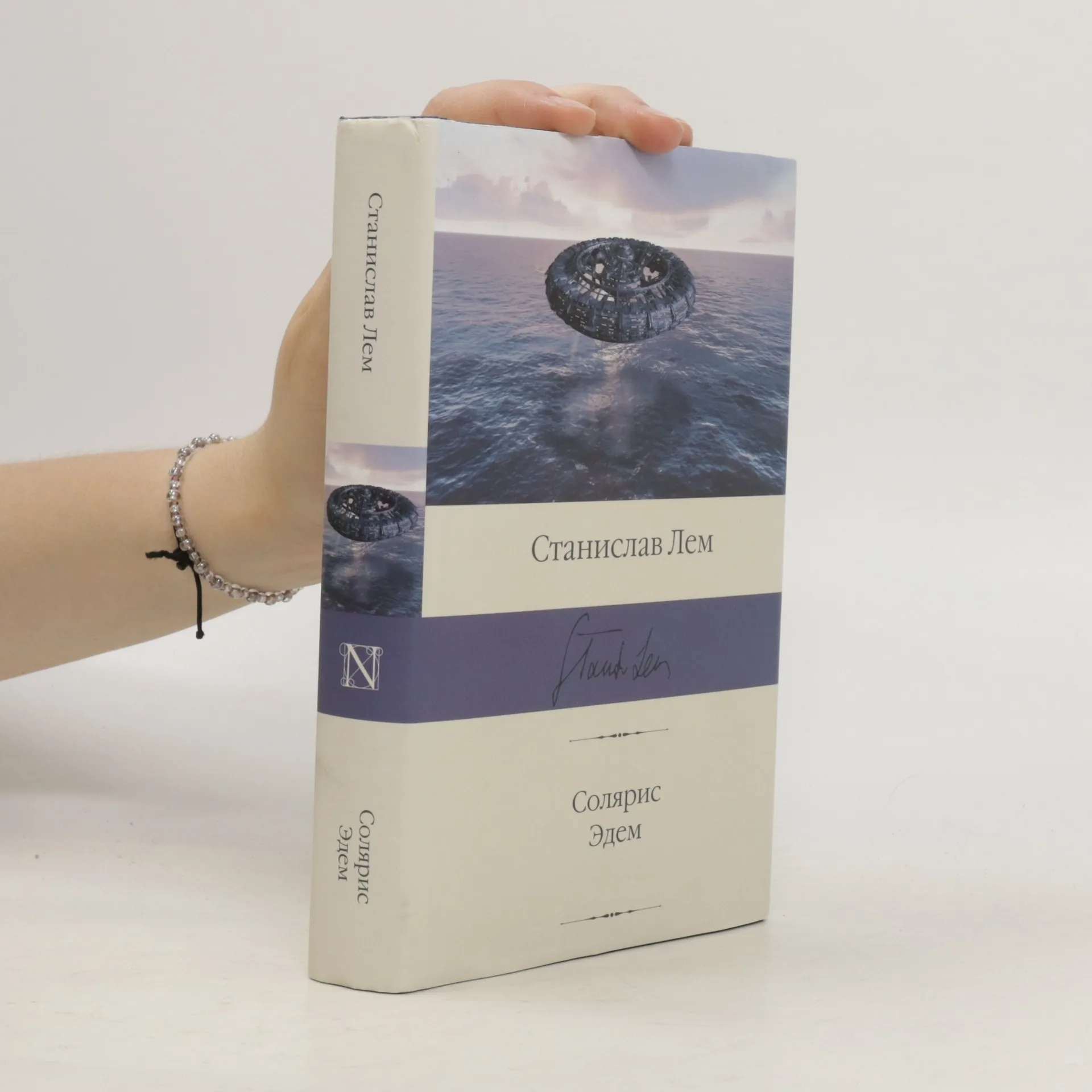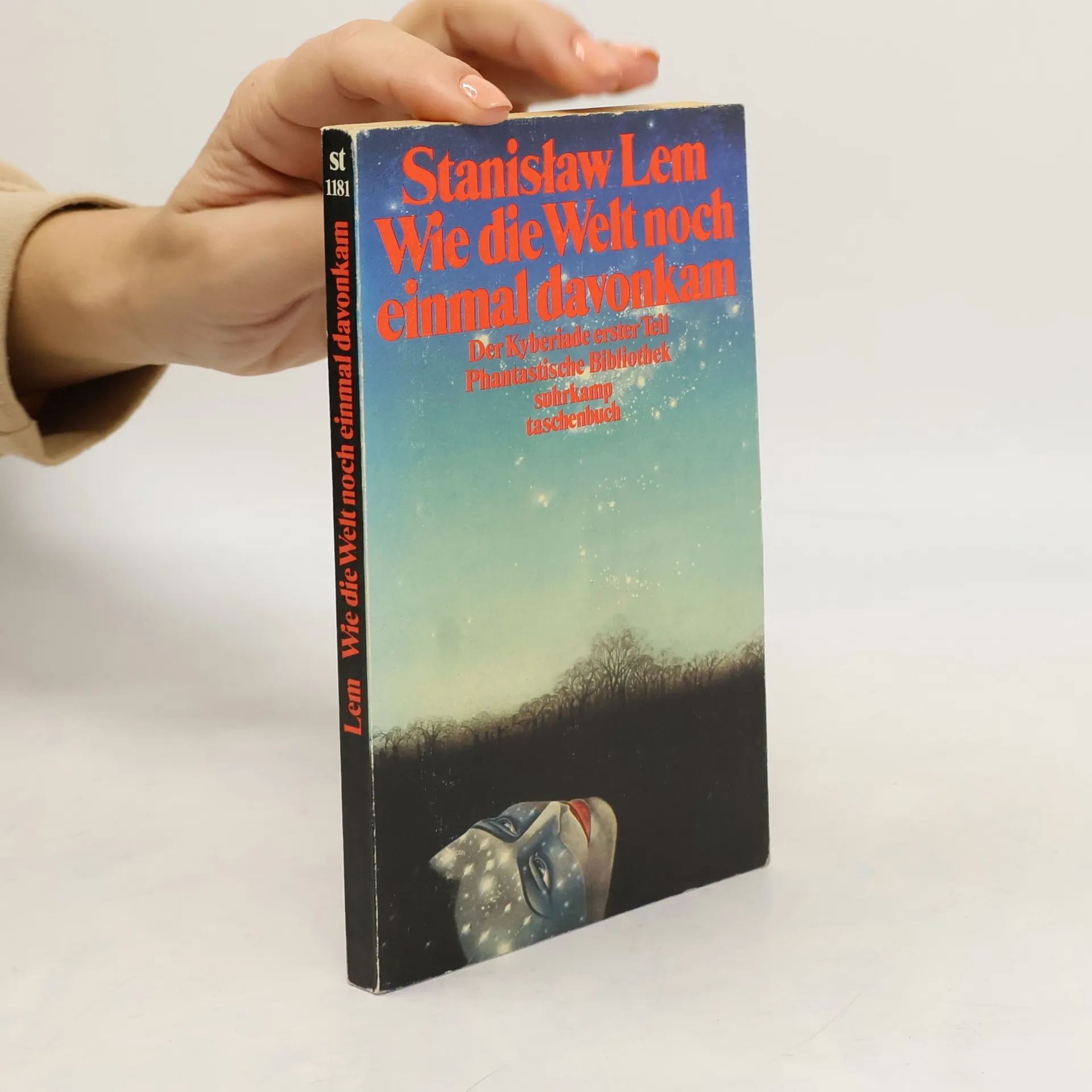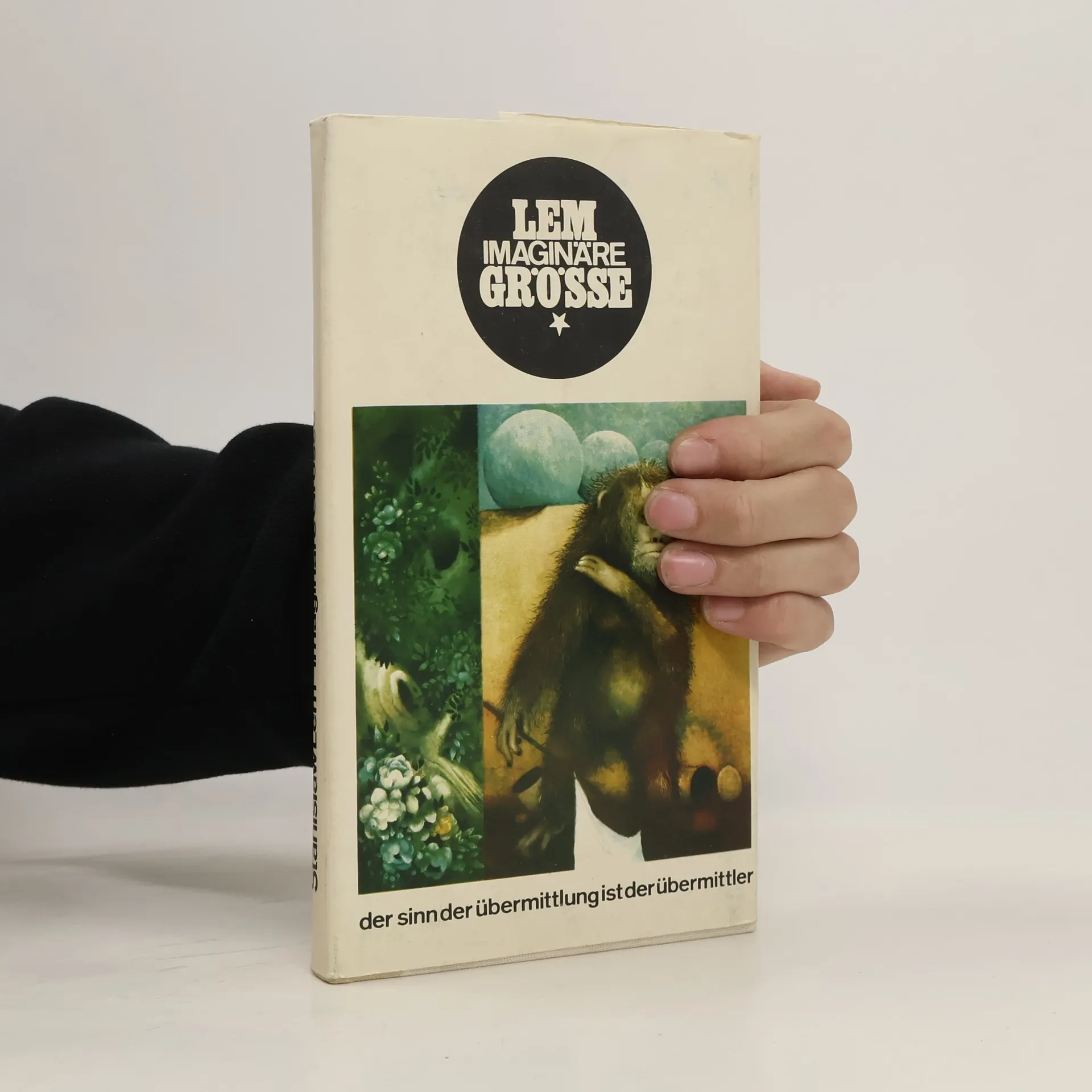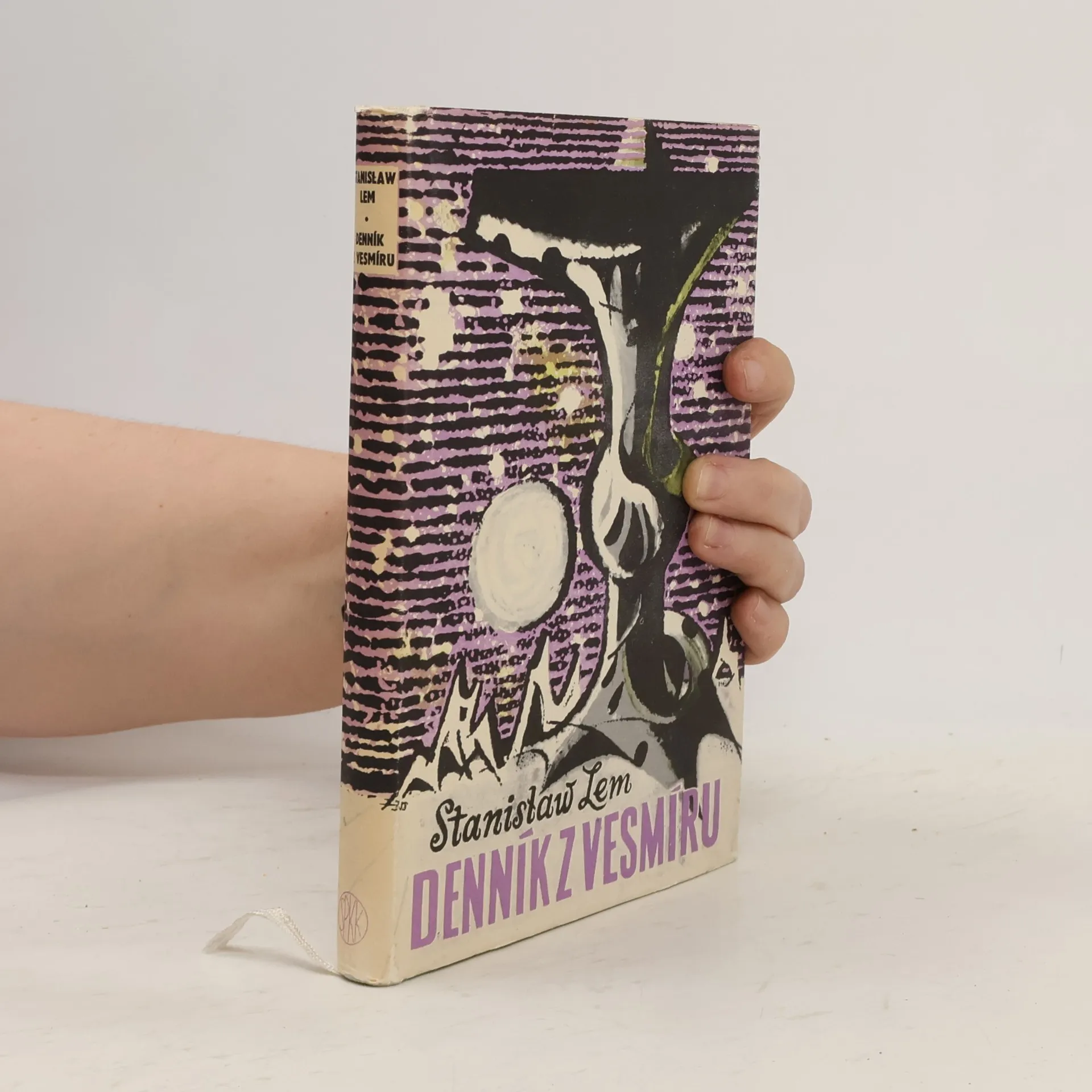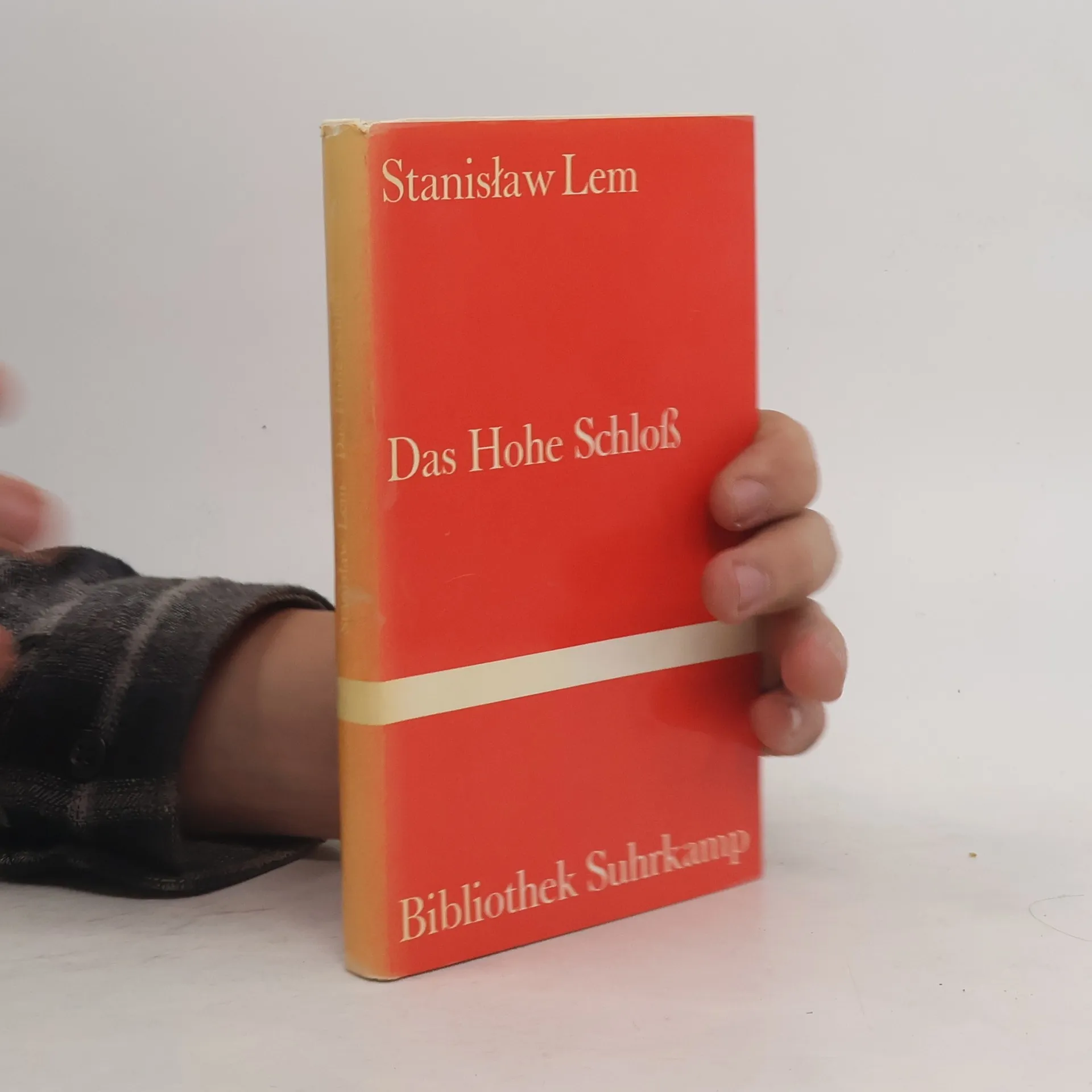
A classic work of science fiction by renowned Polish novelist and satirist Stanislaw Lem. When Kris Kelvin arrives at the planet Solaris to study the ocean that covers its surface, he finds a painful, hitherto unconscious memory embodied in the living physical likeness of a long-dead lover. Others examining the planet, Kelvin learns, are plagued with their own repressed and newly corporeal memories. The Solaris ocean may be a massive brain that creates these incarnate memories, though its purpose in doing so is unknown, forcing the scientists to shift the focus of their quest and wonder if they can truly understand the universe without first understanding what lies within their hearts.
Stanisław Lem Libri
Stanisław Lem fu un autore polacco le cui opere navigarono spesso i reami della fantascienza, della filosofia e della satira. La sua scrittura esplorò in modo incisivo la natura dell'intelligenza, il progresso tecnologico e i profondi limiti della comprensione umana di fronte all'ignoto. Lem intrecciò magistralmente concetti speculativi con acute critiche alla condizione umana, sottolineando frequentemente la difficoltà della vera comunicazione e l'isolamento cosmico dell'umanità. Il suo stile unico e le sue profonde indagini risuonano nei lettori attraverso generi e culture.


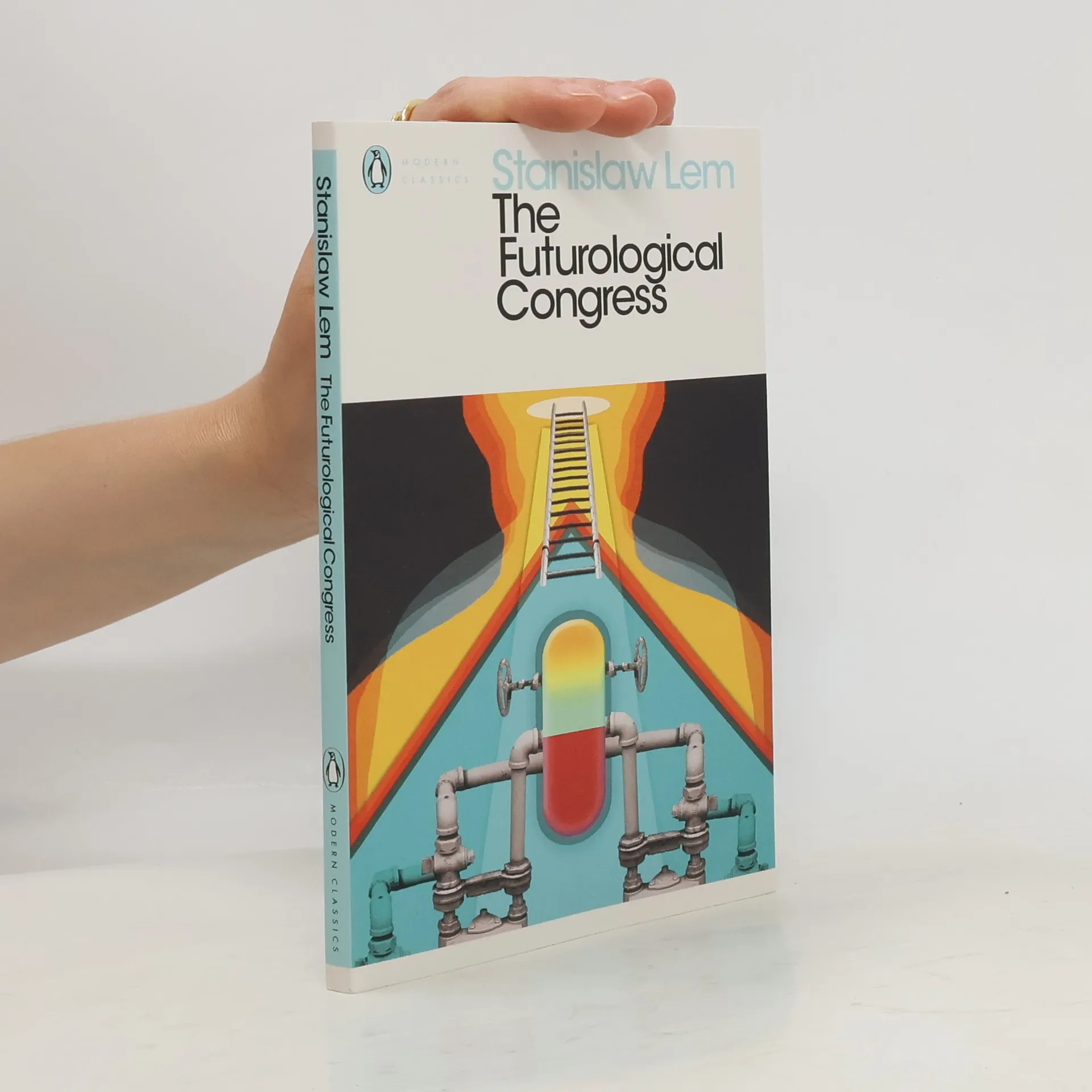
The Futurological Congress
- 144pagine
- 6 ore di lettura
'A giant of twentieth-century science fiction' Guardian 'This Room Guaranteed BOMB-FREE. From the Management' Hapless cosmonaut Ijon Tichy has been sent back to earth to attend the Eighth Futurological Congress in smog-bound, overpopulated Costa Rica, holed up with an assortment of scientists in a luxury hotel (fully equipped with tear gas sprinklers in case things get out of hand). But when an unfortunate incident occurs involving a revolution and hallucinogenic drugs in the water supply, Tichy finds himself shot, frozen and thawed out in a future beyond anything he could ever have imagined.
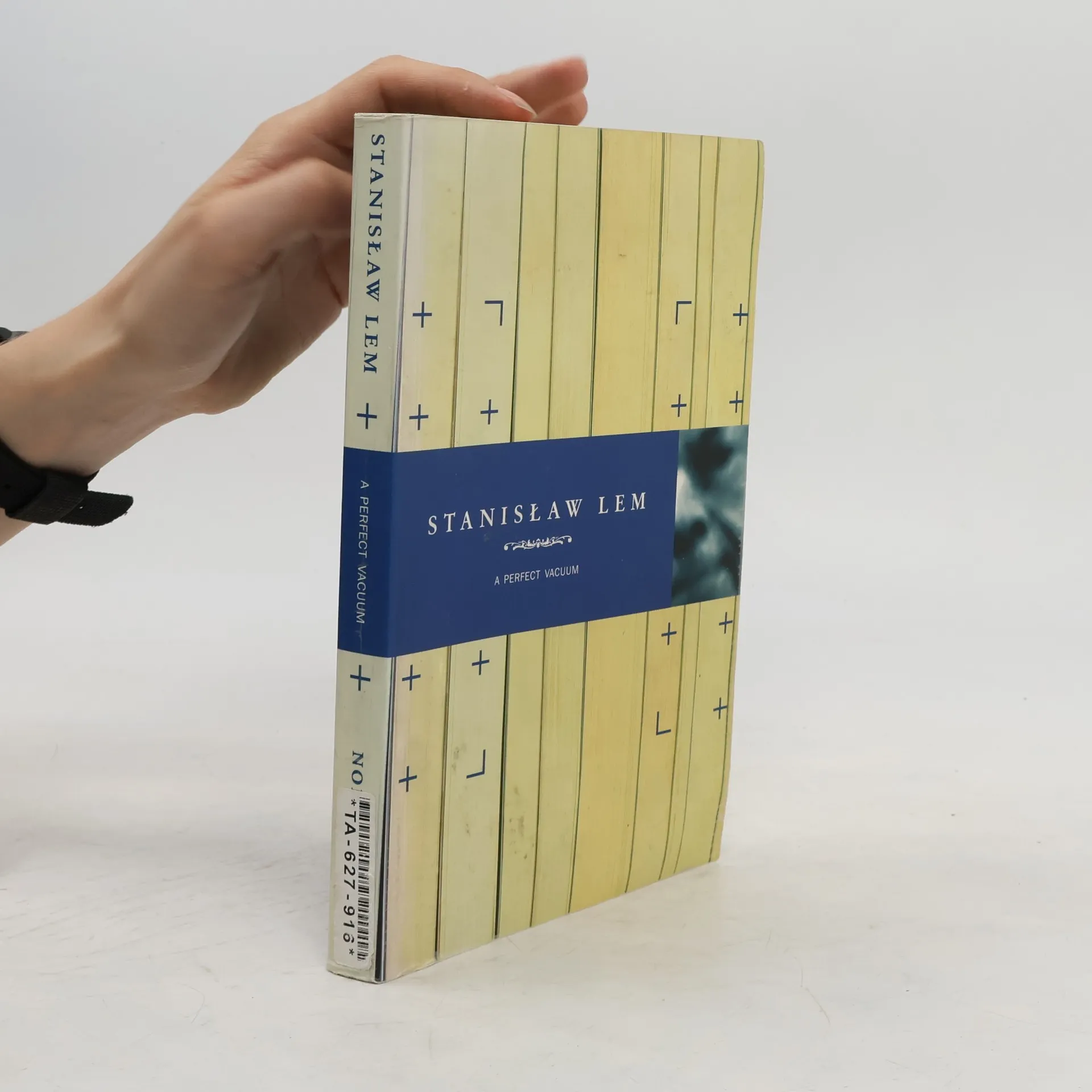
A Perfect Vacuum
- 248pagine
- 9 ore di lettura
"In a perfect vacuum, Stanislaw Lem presents a collection of book reviews of nonexistent works of literature - works that, in many cases, could not possibly be written. Embracing postmodernism's "games for games' sake" ethos, Lem joins the contest with hilarious and grotesque results." "Most of the "reviews" target the postmodern infatuation with antinarratives by lampooning their self-indulgence and exploiting their mannerisms. Lem exposes the limits of postmodern fiction, showing how its studious self-consciousness frequently conceals intellectual paucity. Beginning with a review of his own book, Lem moves on to tackle (or create pastiches of) the French new novel, James Joyce, pornography, authorless writing, and Dostoevsky, while at the same time ranging across scientific topics, from cosmology to the pervasiveness of computers." --Book Jacket.
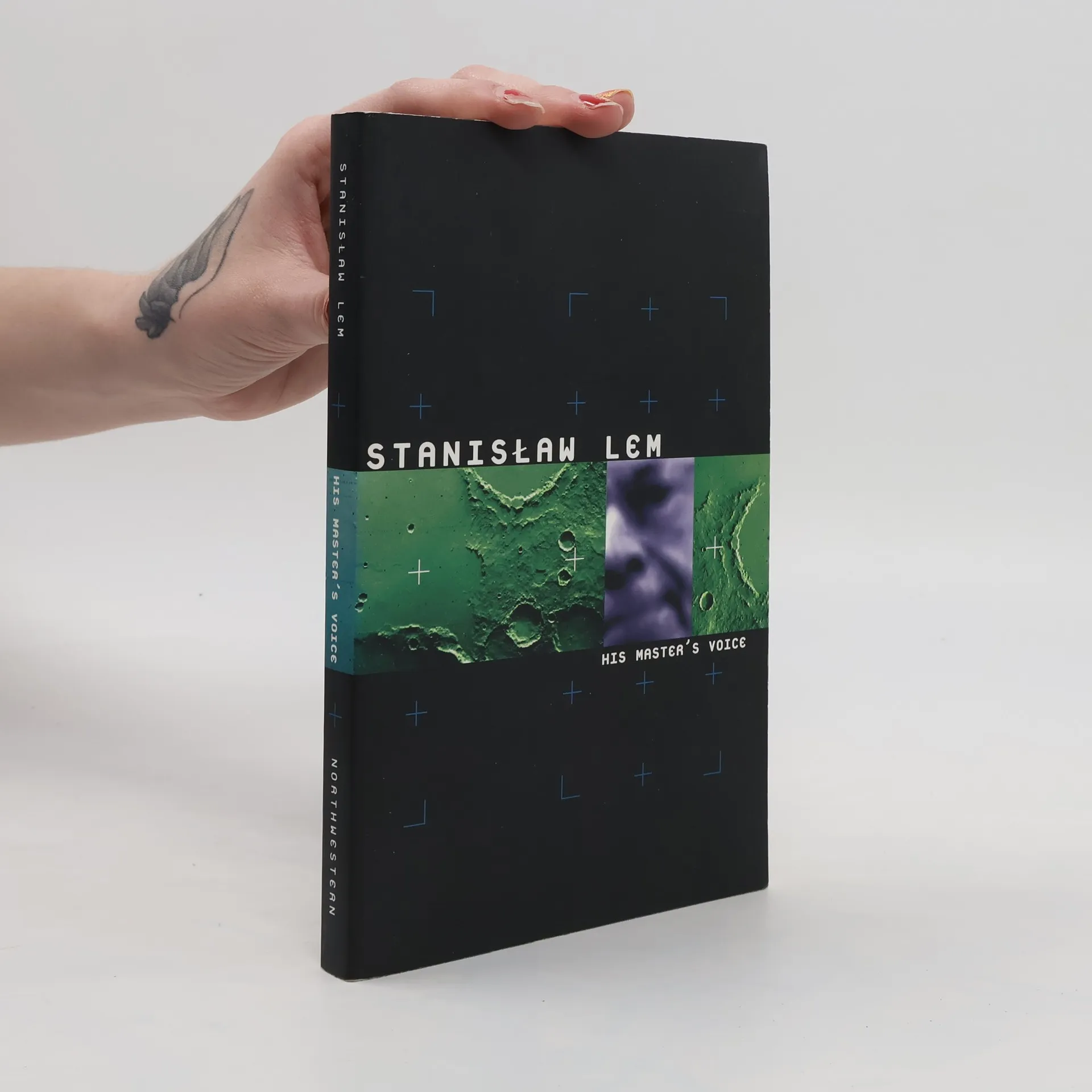
Twenty-five hundred scientists have been herded into an isolated site in the Nevada desert. A neutrino message of extraterrestrial origin has been received and the scientists, under the surveillance of the Pentagon, labor on His Master's Voice, the secret program set up to decipher the transmission. Among them is Peter Hogarth, an eminent mathematician. When the project reaches a stalemate, Hogarth pursues clandestine research into the classified TX Effect--another secret breakthrough. But when he discovers, to his horror, that the TX Effect could lead to the construction of a fission bomb, Hogarth decides such knowledge must not be allowed to fall into the hands of the military.
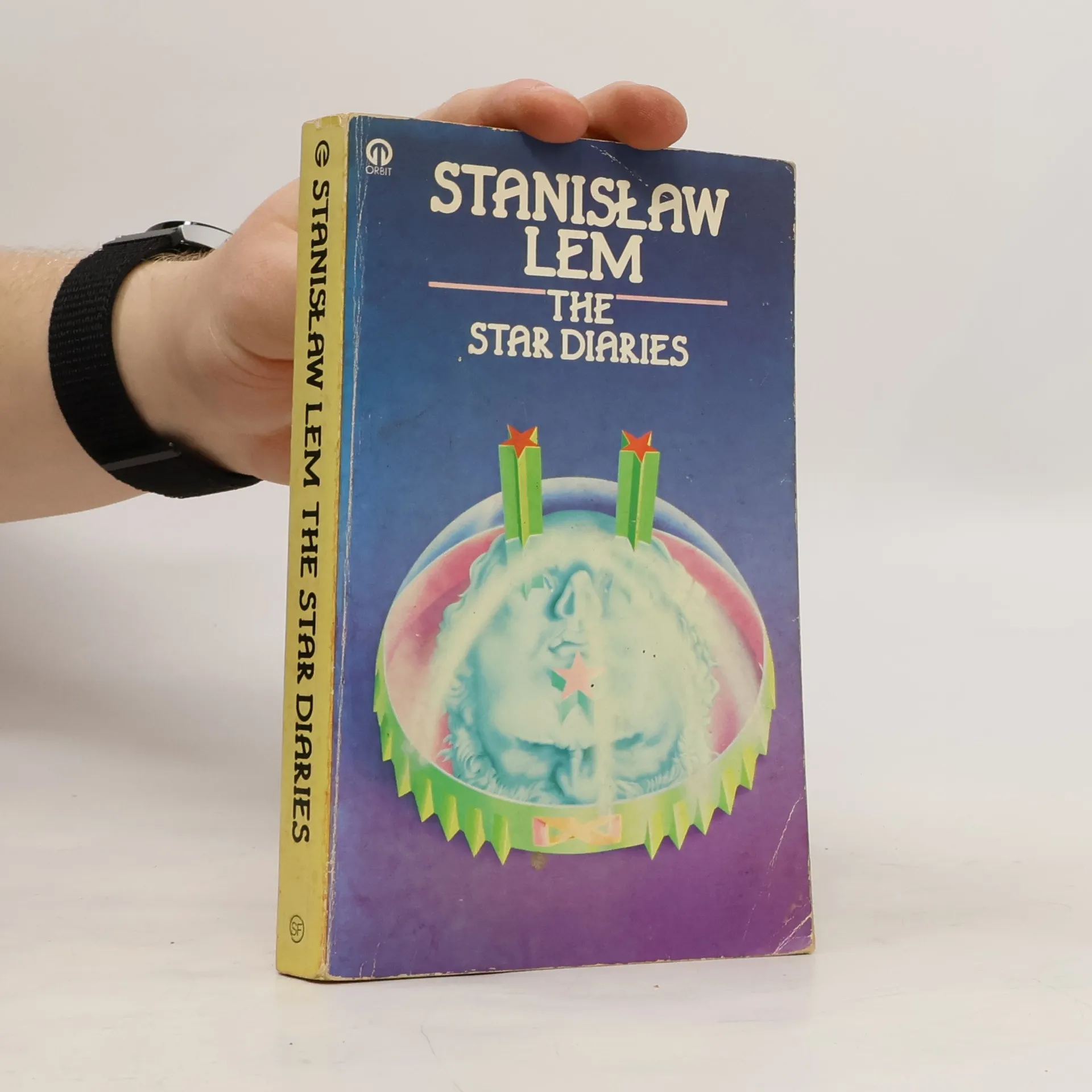
The Star Diaries
- 275pagine
- 10 ore di lettura
@lt;DIV@gt;Ijon Tichy, Lem's Candide of the Cosmos, encounters bizarre civilizations and creatures in space that serve to satirize science, the rational mind, theology, and other icons of human pride. Line drawings by the Author. Translated by Michael Kandel. A Helen and Kurt Wolff Book@lt;br@gt;@lt;/div@gt;
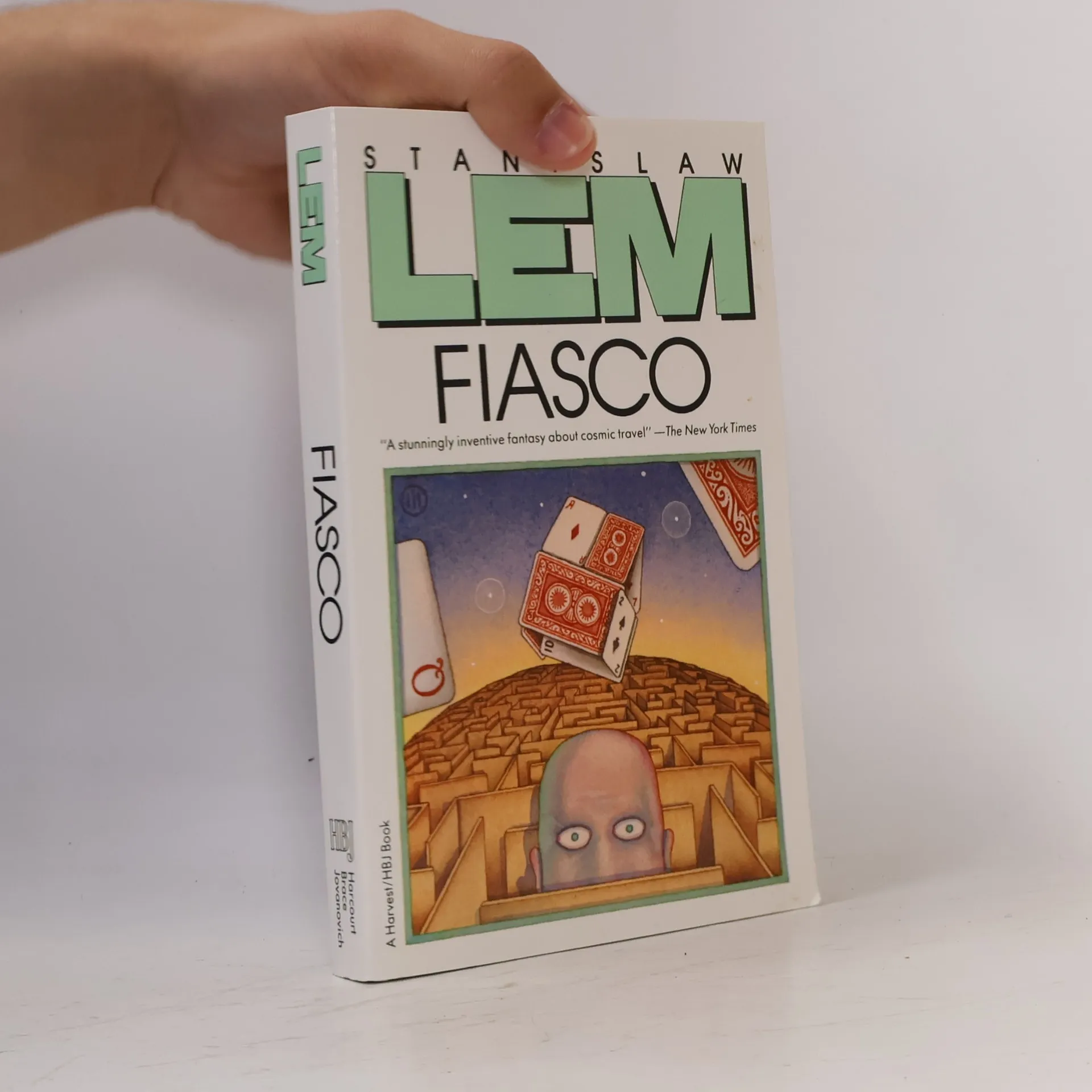
Fiasco
- 336pagine
- 12 ore di lettura
The planet Quinta is pocked by ugly mounds and covered by a spiderweb-like network. It is a kingdom of phantoms and of a beauty afflicted by madness. In stark contrast, the crew of the spaceship Hermes represents a knowledge-seeking Earth. As they approach Quinta, a dark poetry takes over and leads them into a nightmare of misunderstanding. Translated by Michael Kandel. A Helen and Kurt Wolff Book
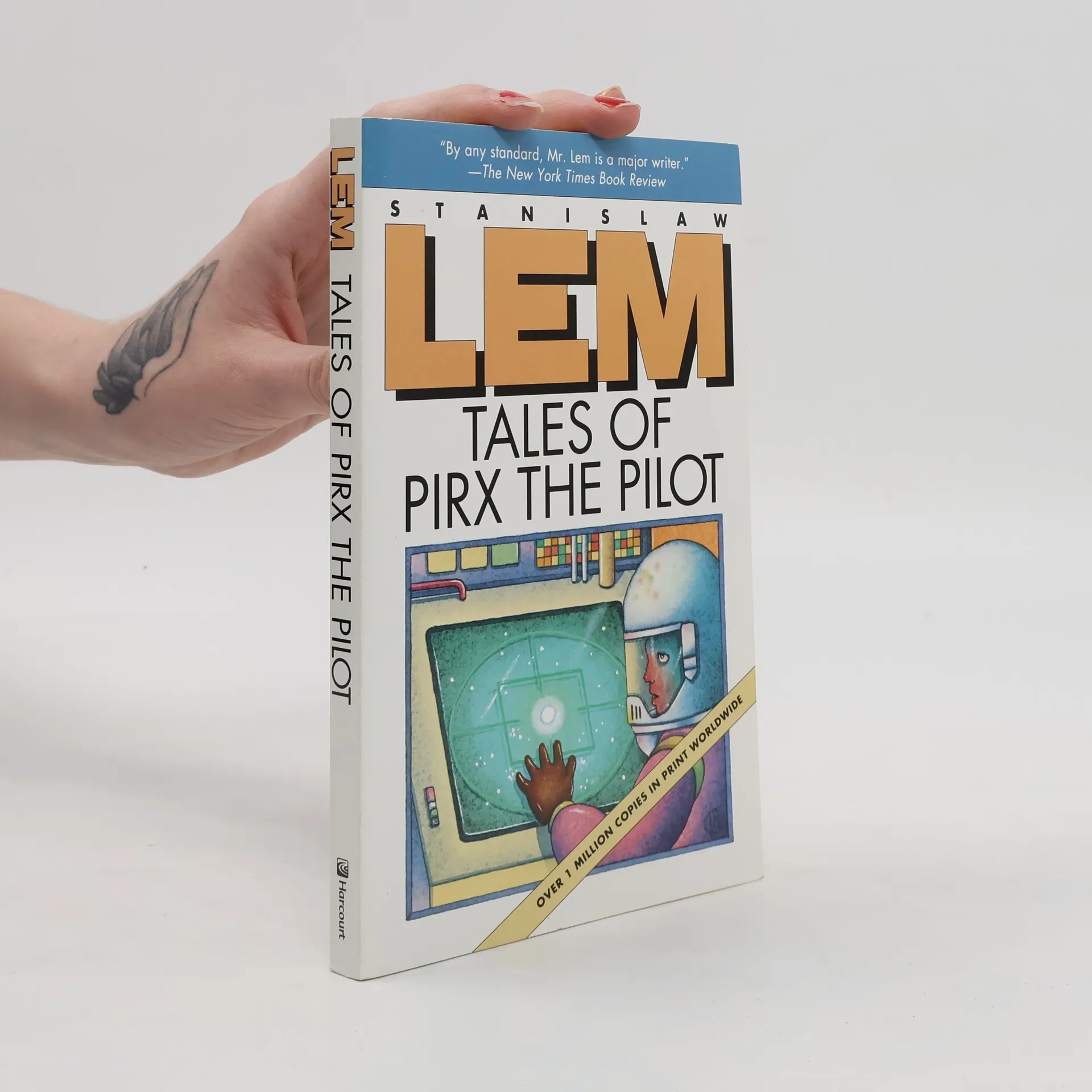
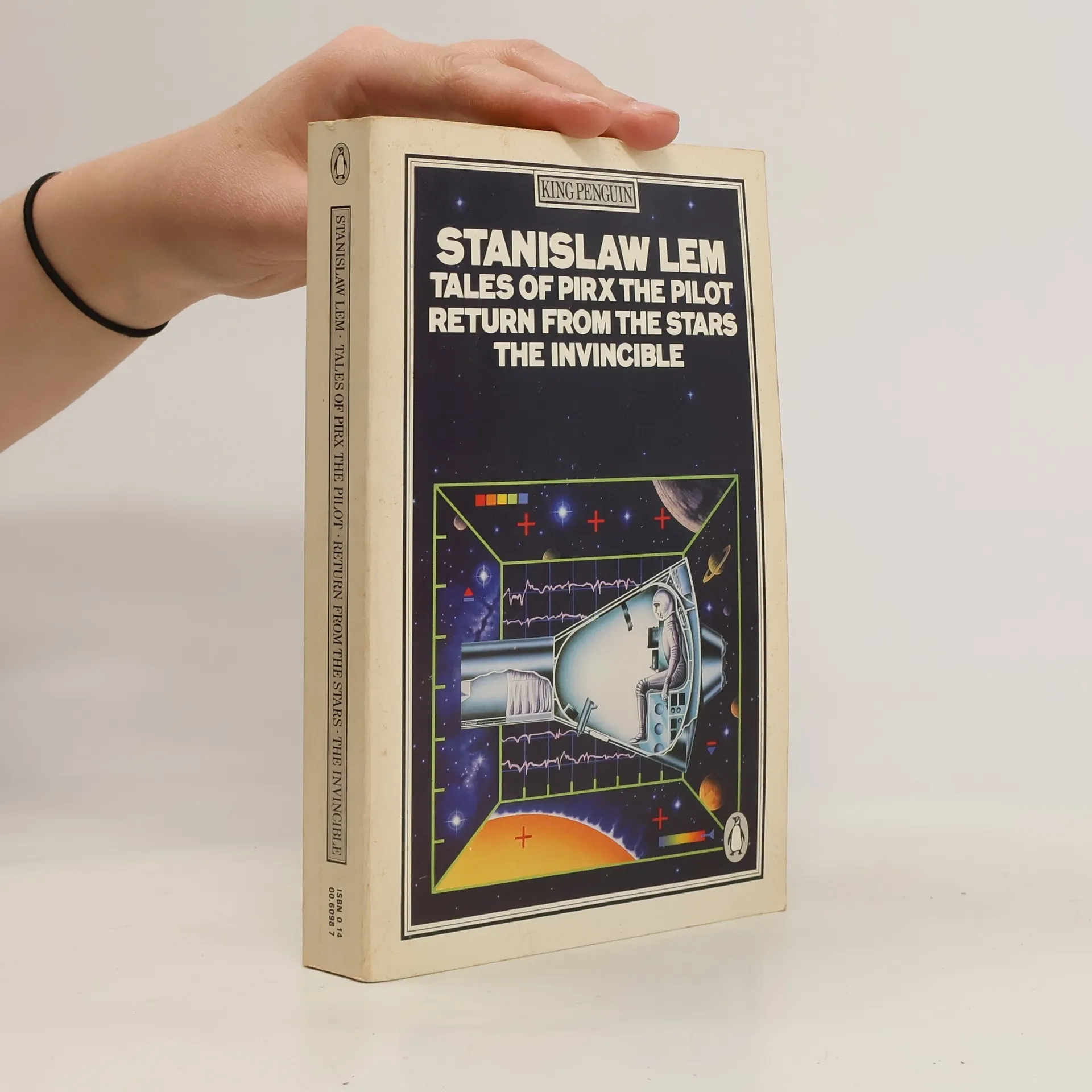
Tales of Pirx the Pilot
- 220pagine
- 8 ore di lettura
In Pilot Pirx, Lem has created an irresistibly likable character: an astronaut who gives the impression of still navigating by the seat of his pants-a bumbler but an inspired one. By investing Pirx with a range of human foibles, Lem offers a wonderful vision of the audacity, childlike curiosity, and intuition that can give humans the courage to confront outer space. Translated by Louis Iribarne. A Helen and Kurt Wolff Book
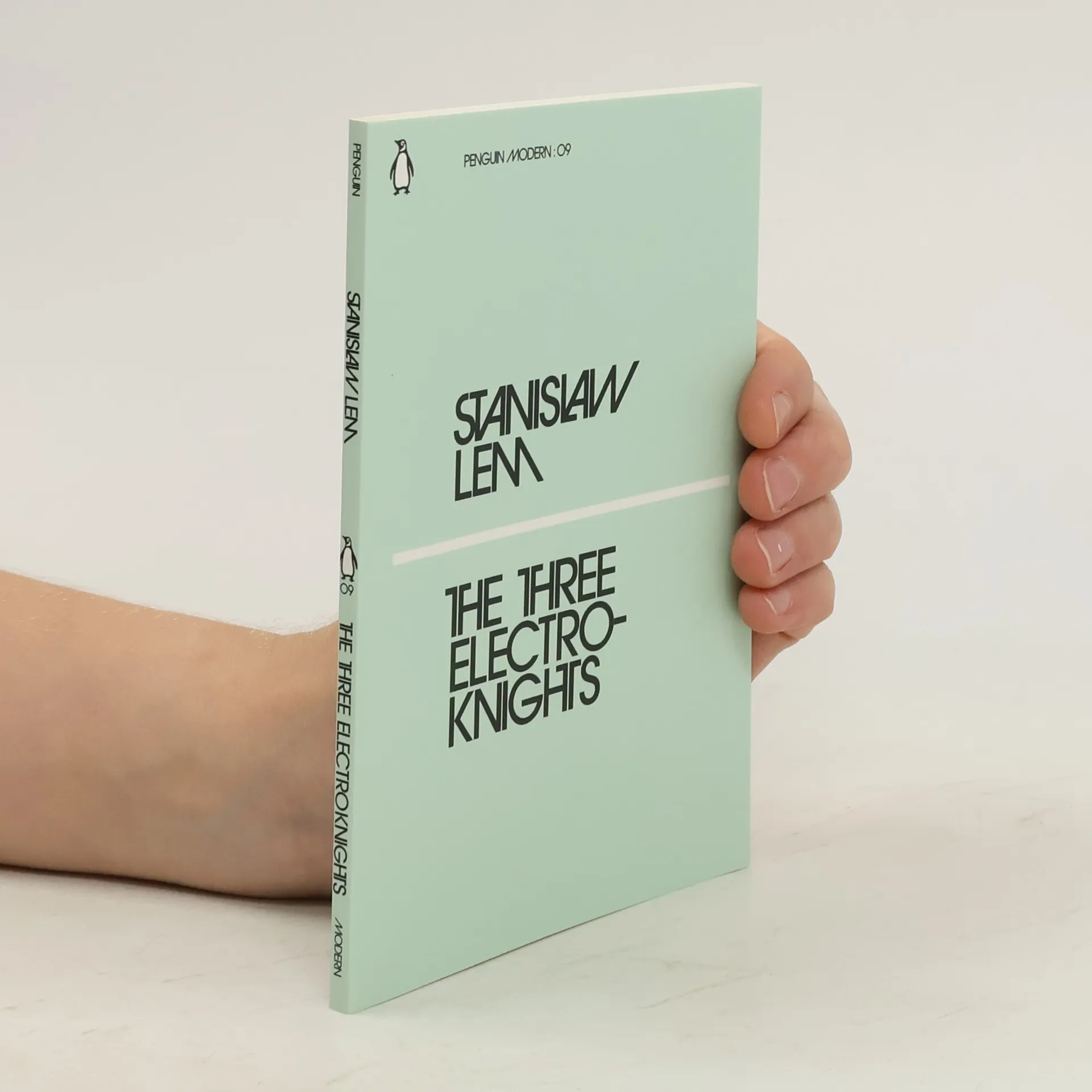
The Three Electroknights
- 64pagine
- 3 ore di lettura
'What use to a being that lives beneath a sun are jewels of gas and silver stars of ice?' From a giant of twentieth-century science fiction, these four miniature space epics feature crazy inventors, surreal worlds, robot kings and madcap machines. Penguin Modern: fifty new books celebrating the pioneering spirit of the iconic Penguin Modern Classics series, with each one offering a concentrated hit of its contemporary, international flavour. Here are authors ranging from Kathy Acker to James Baldwin, Truman Capote to Stanislaw Lem and George Orwell to Shirley Jackson; essays radical and inspiring; poems moving and disturbing; stories surreal and fabulous; taking us from the deep South to modern Japan, New York's underground scene to the farthest reaches of outer space.
Dialogues
- 368pagine
- 13 ore di lettura
"A collection of philosophical essays by science fiction master Stanislaw Lem, exploring cybernetics and the ethics of technology"-- Provided by publisher
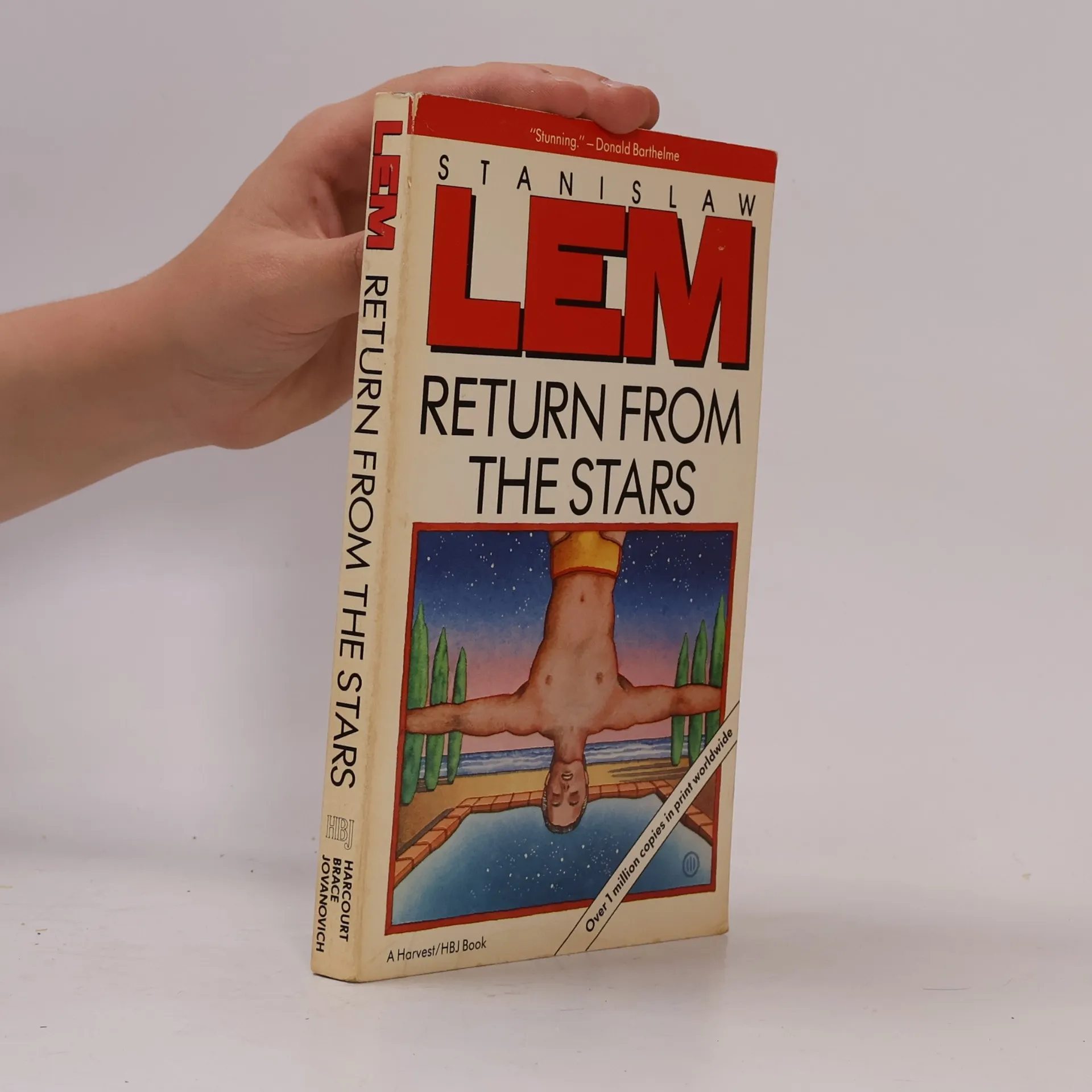
Return from the Stars
- 256pagine
- 9 ore di lettura
An astronaut returns to Earth after a ten-year mission and finds a society that he barely recognizes.Stanislaw Lem's Return from the Stars recounts the experiences of Hal Bregg, an astronaut who returns from an exploratory mission that lasted ten years--although because of time dilation, 127 years have passed on Earth. Bregg finds a society that he hardly recognizes, in which danger has been eradicated. Children are "betrizated" to remove all aggression and violence--a process that also removes all impulse to take risks and explore. The people of Earth view Bregg and his crew as "resuscitated Neanderthals," and pressure them to undergo betrization. Bregg has serious difficulty in navigating the new social mores.While Lem's depiction of a risk-free society is bleak, he does not portray Bregg and his fellow astronauts as heroes. Indeed, faced with no opposition to his aggression, Bregg behaves abominably. He is faced with a choice: leave Earth again and hope to return to a different society in several hundred years, or stay on Earth and learn to be content. With Return from the Stars, Lem shows the shifting boundaries between utopia and dystopia.
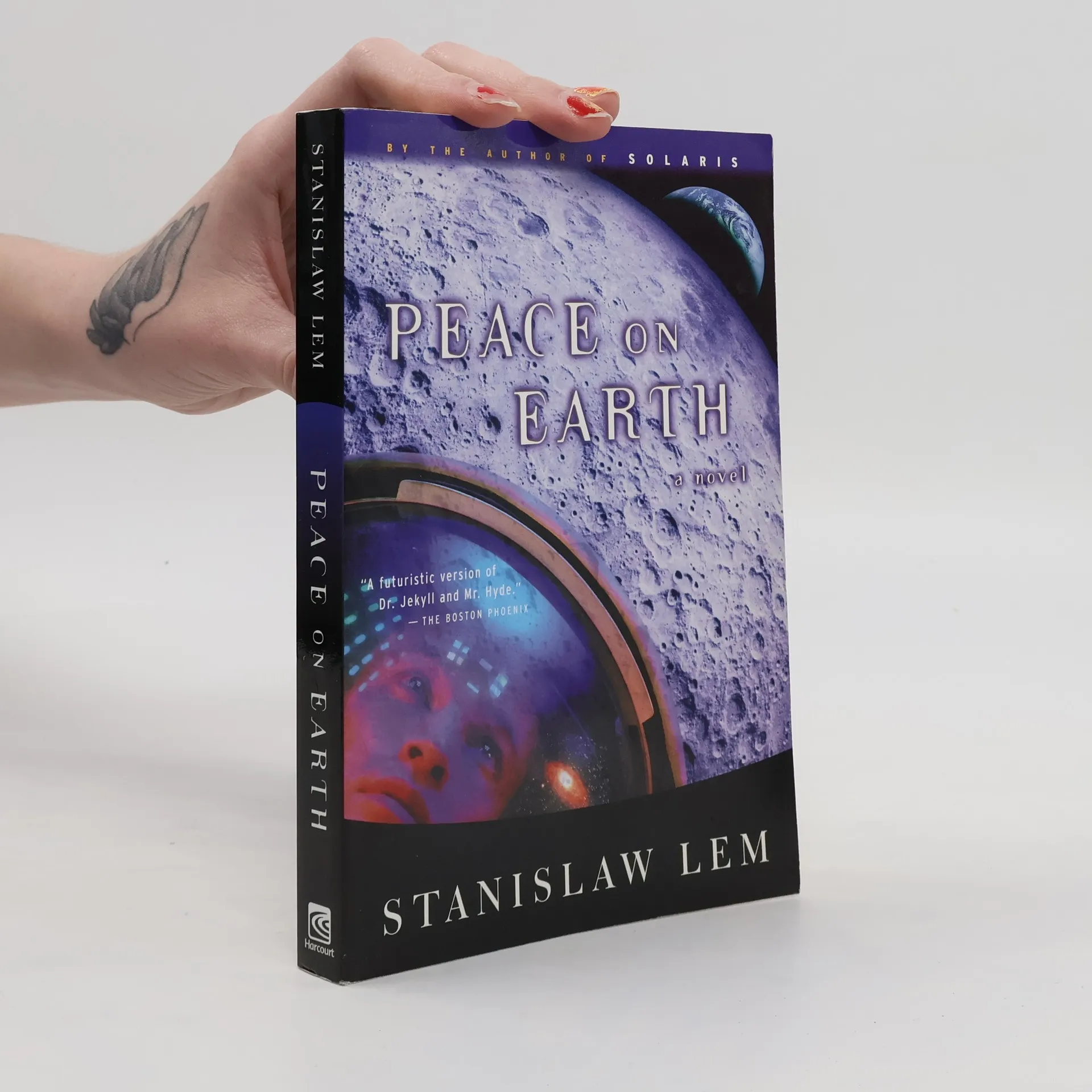
Peace on Earth
- 240pagine
- 9 ore di lettura
Ijon Tichy is the only human who knows for sure whether the self-programming robots on the moon are plotting a terrestrial invasion. But a highly focused ray severs his corpus collosum. Now his left brain can’t remember the secret and his uncooperative right brain won’t tell. Tichy struggles for control of the lost memory and of his own two warring sides. Translated by Elinor Ford with Michael Kandel. A Helen and Kurt Wolff Book
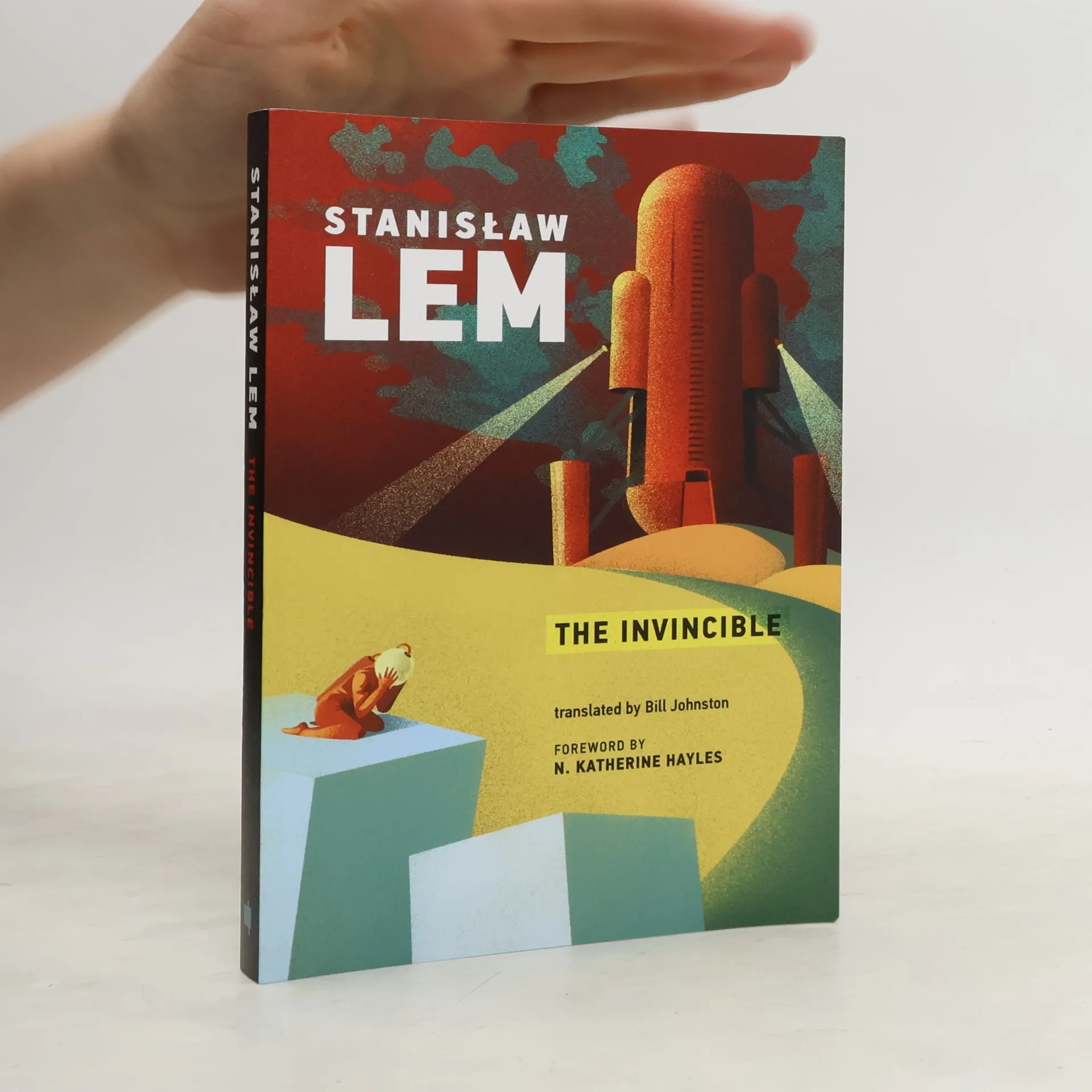
The Invincible
- 240pagine
- 9 ore di lettura
A space cruiser, in search of its sister ship, encounters beings descended from self-replicating machines.
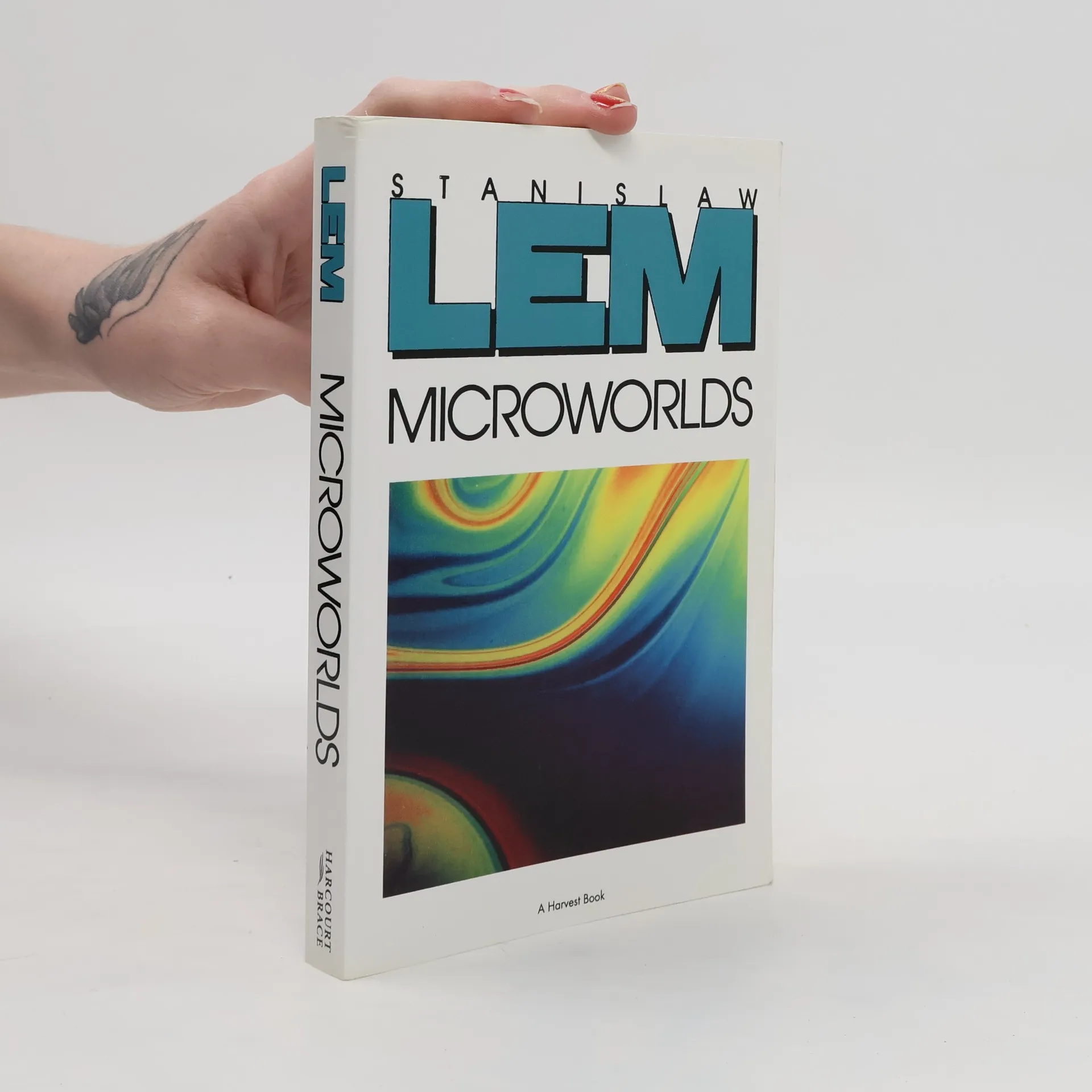
Microworlds
- 312pagine
- 11 ore di lettura
In this bold and controversial examination of the past, present, and future of science fiction, Lem informs the raging debate over the literary merit of the genre with ten arch, incisive, provocative essays. Edited and with an Introduction by Franz Rottensteiner. Translated by Rottensteiner and others. A Helen and Kurt Wolff Book
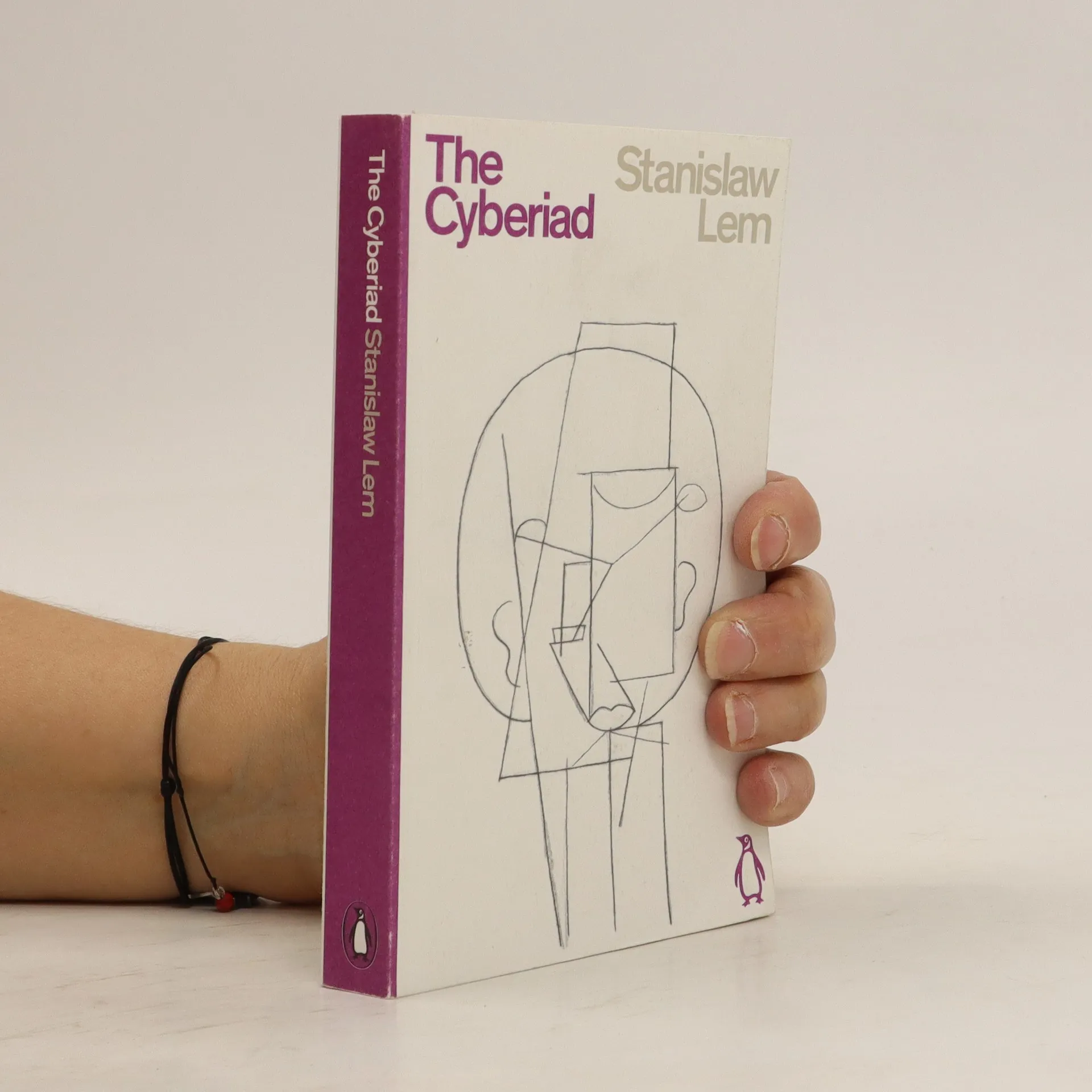
The Cyberiad
- 352pagine
- 13 ore di lettura
Stanislaw Lem is perhaps the most original and influential European science-fiction writer of the twentieth century. His ornate, phantasmagorical writing probes the furthest reaches of the universe while remaining deeply and particularly human. The Cyberiad, one of Lem's most beloved works, follows the exploits of the Trurl and Klapaucius- two ingenious 'constructors'. In their adventures through a strange medieval universe they encounter a machine capable of creating anything that starts with the letter 'N'; kings who oppress their people with parlour games; and PhD pirates who demand ransom in knowledge rather than gold. It is a world where UFOs land silently on lawns at dawn, and where even the stars can be re-arranged for advertising purposes.
Highcastle
- 152pagine
- 6 ore di lettura
A playful, witty, reflective memoir of childhood by the science fiction master Stanislaw Lem.
Memoirs of a Space Traveler
- 200pagine
- 7 ore di lettura
The travels of Ijon Tichy, a Gulliver of the space age, who encounters faulty time machines, intelligent washing machines, suicidal potatoes, and other puzzling phenomena.
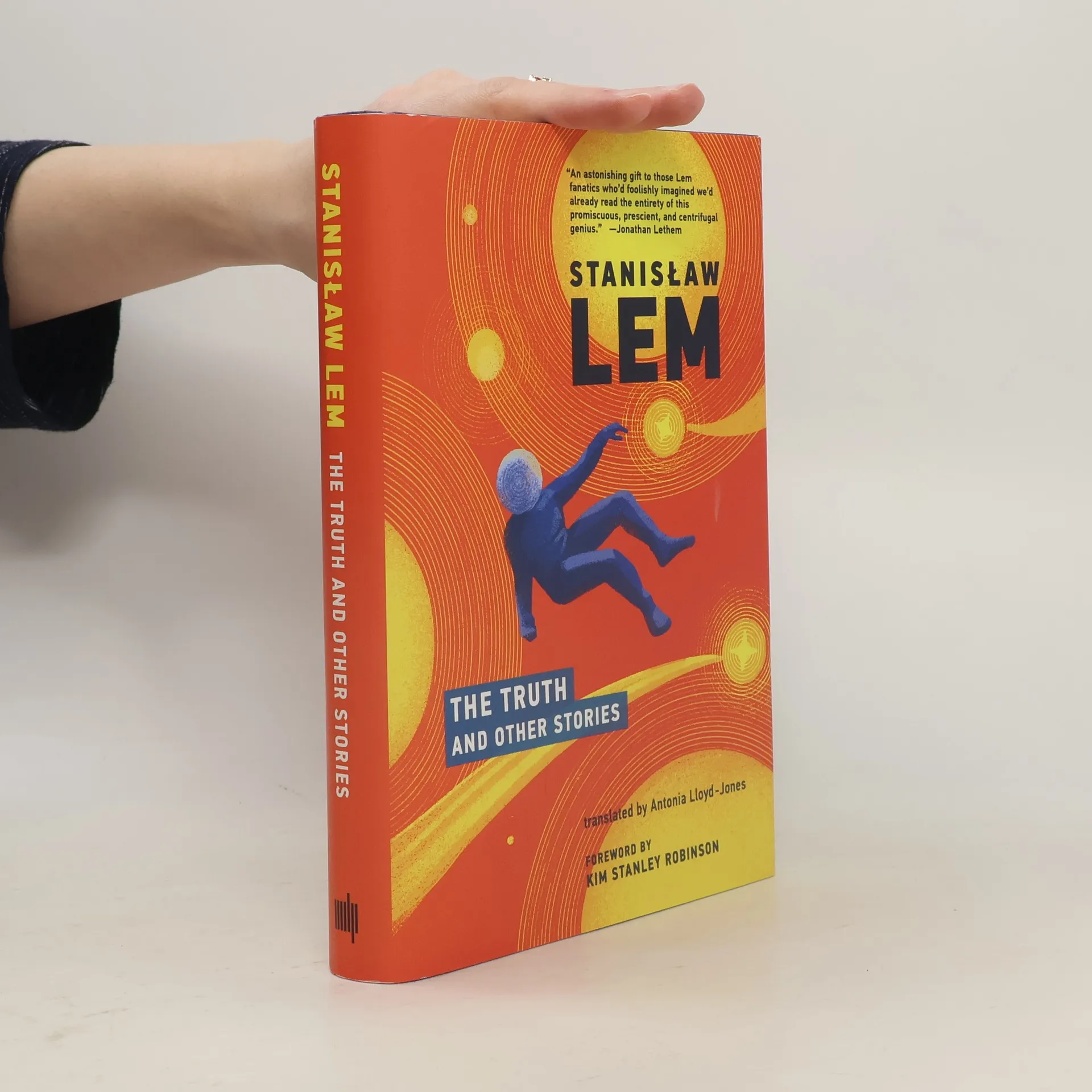
The Truth and Other Stories
- 344pagine
- 13 ore di lettura
"Of these twelve short stories by science fiction master Stanisław Lem, only three have previously appeared in English, making this the first "new" book of fiction by Lem since the late 1980s. The stories display the full range of Lem's intense curiosity about scientific ideas as well as his sardonic approach to human nature, presenting as multifarious a collection of mad scientists as any reader could wish for. Many of these stories feature artificial intelligences or artificial life forms, long a Lem preoccupation; some feature quite insane theories of cosmology or evolution. All are thought provoking and scathingly funny. Written from 1956 to 1993, the stories are arranged in chronological order. In the title story, "The Truth," a scientist in an insane asylum theorizes that the sun is alive; "The Journal" appears to be an account by an omnipotent being describing the creation of infinite universes--until, in a classic Lem twist, it turns out to be no such thing; in "An Enigma," beings debate whether offspring can be created without advanced degrees and design templates. Other stories feature a computer that can predict the future by 137 seconds, matter-destroying spores, a hunt in which the prey is a robot, and an electronic brain eager to go on the lam. These stories are peak Lem, exploring ideas and themes that resonate throughout his writing."-- Provided by publisher
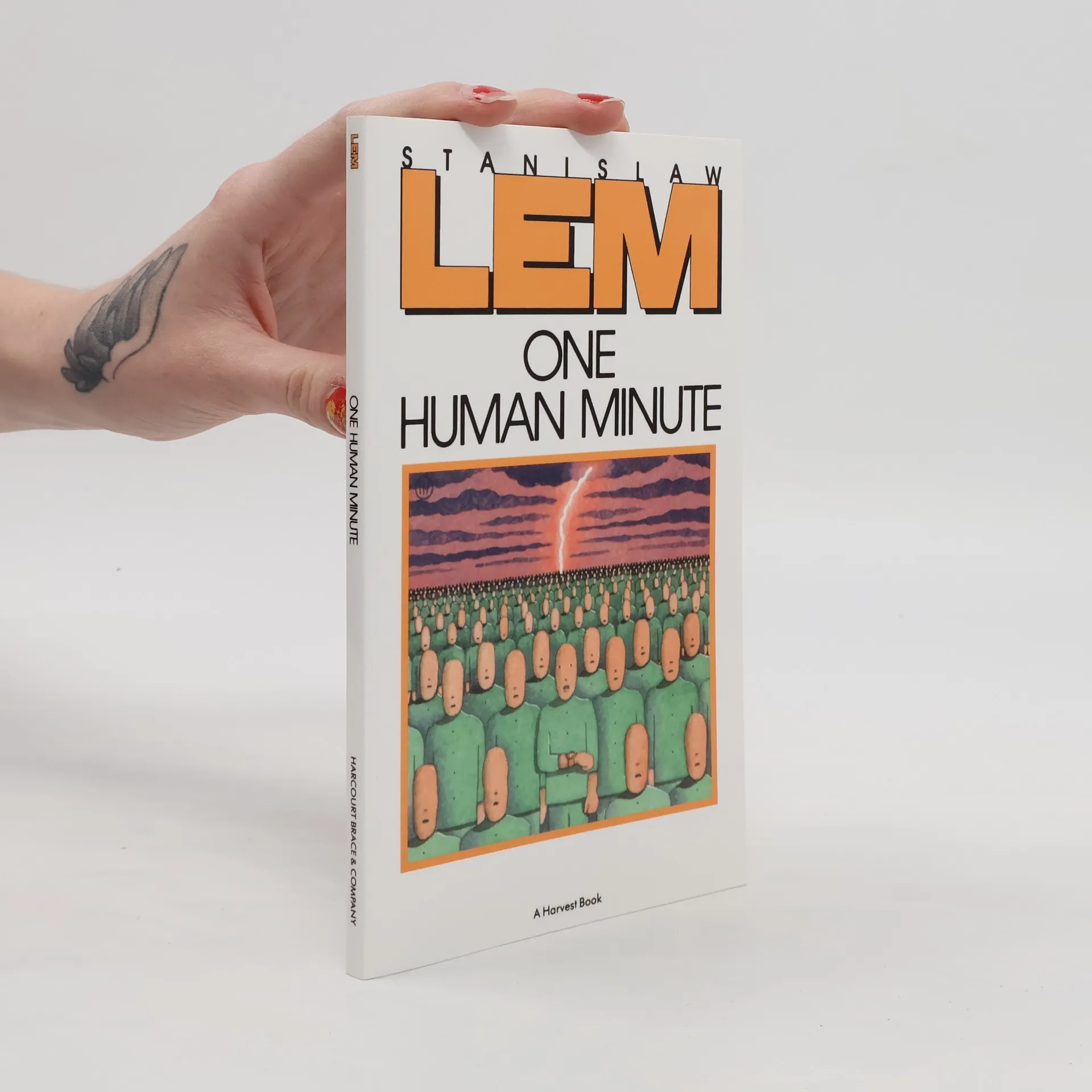
One Human Minute
- 102pagine
- 4 ore di lettura
Contains three essays--"One Human Minute," "The Upside-Down Revolution ," and "The World as Cataclysm"--from science fiction master Stanislaw Lem.
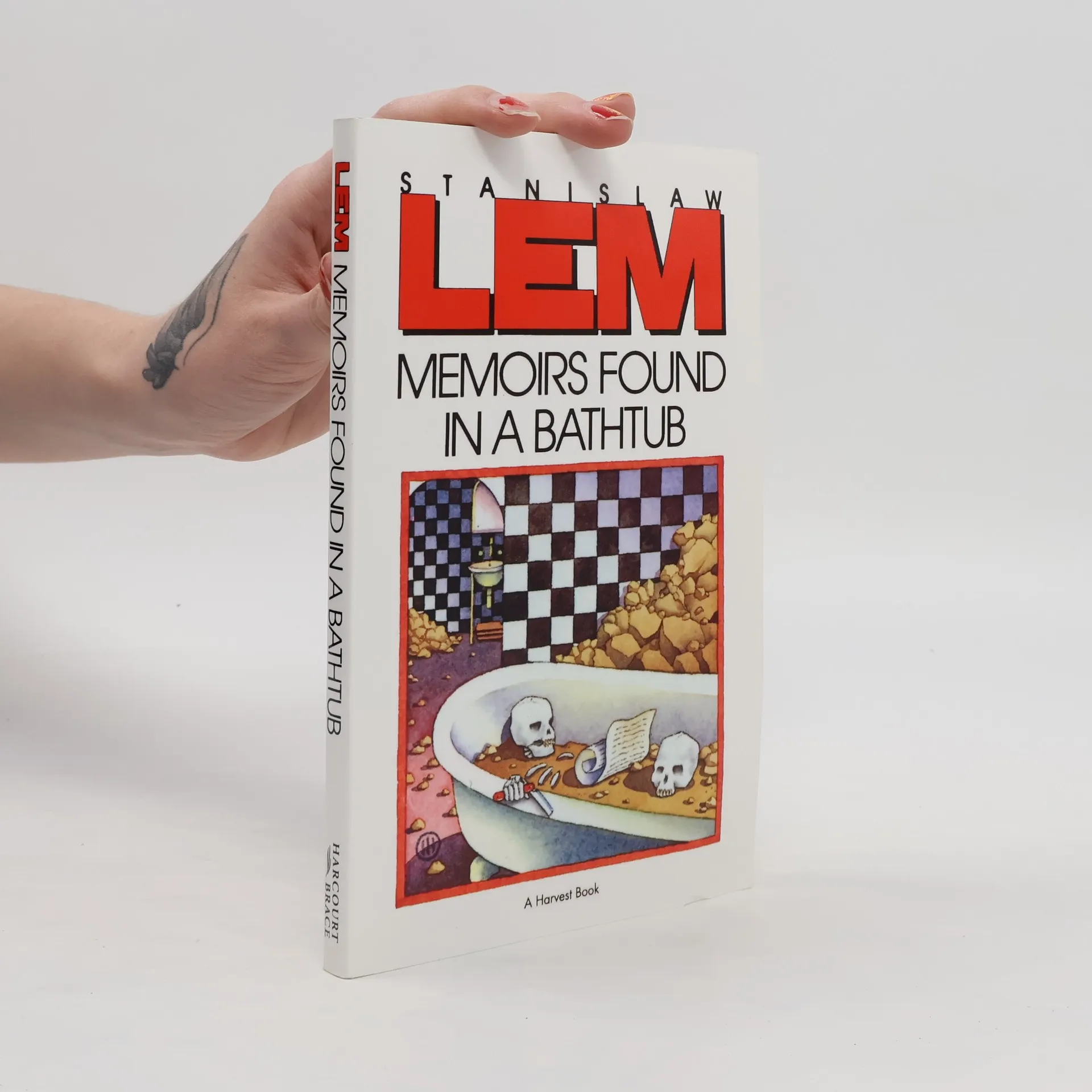
Memoirs Found in a Bathtub
- 204pagine
- 8 ore di lettura
The year is 3149, and a vast paper destroying blight-papyralysis-has obliterated much of the planet's written history. However, these rare memoirs, preserved for centuries in a volcanic rock, record the strange life of a man trapped in a hermetically sealed underground community
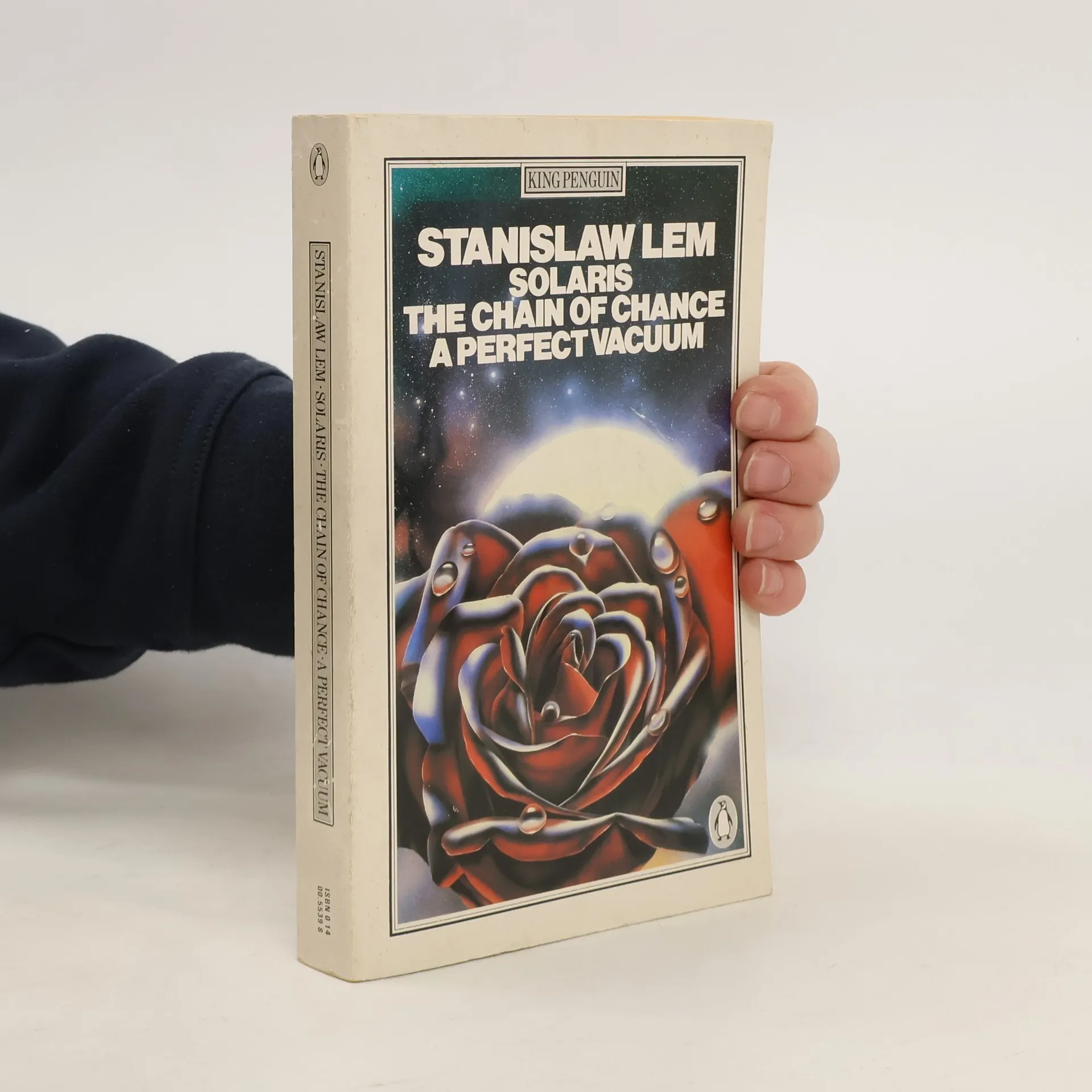
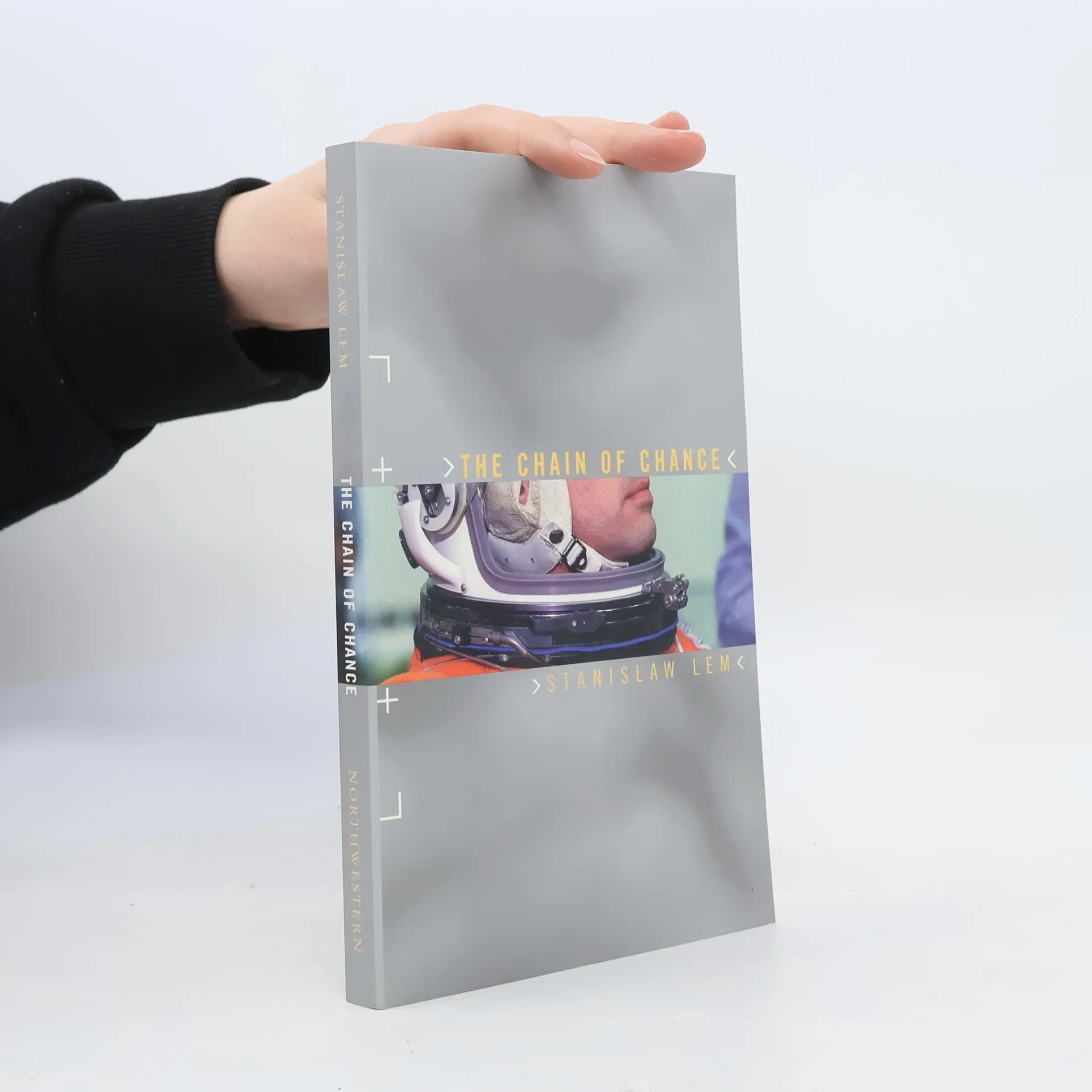
The Chain of Chance
- 179pagine
- 7 ore di lettura
This "novel of suspense" from Europe's favorite deep-think science-fictioner is rather light on the suspense, rather heavy on the philosophical implications— Kirkus ReviewA former astronaut turned private detective goes on the trail in a futuristic Italy to discover why a number of people have died mysteriously. The investigation takes him to a hallucinatory world where life is cheap and accidents a matter of course.
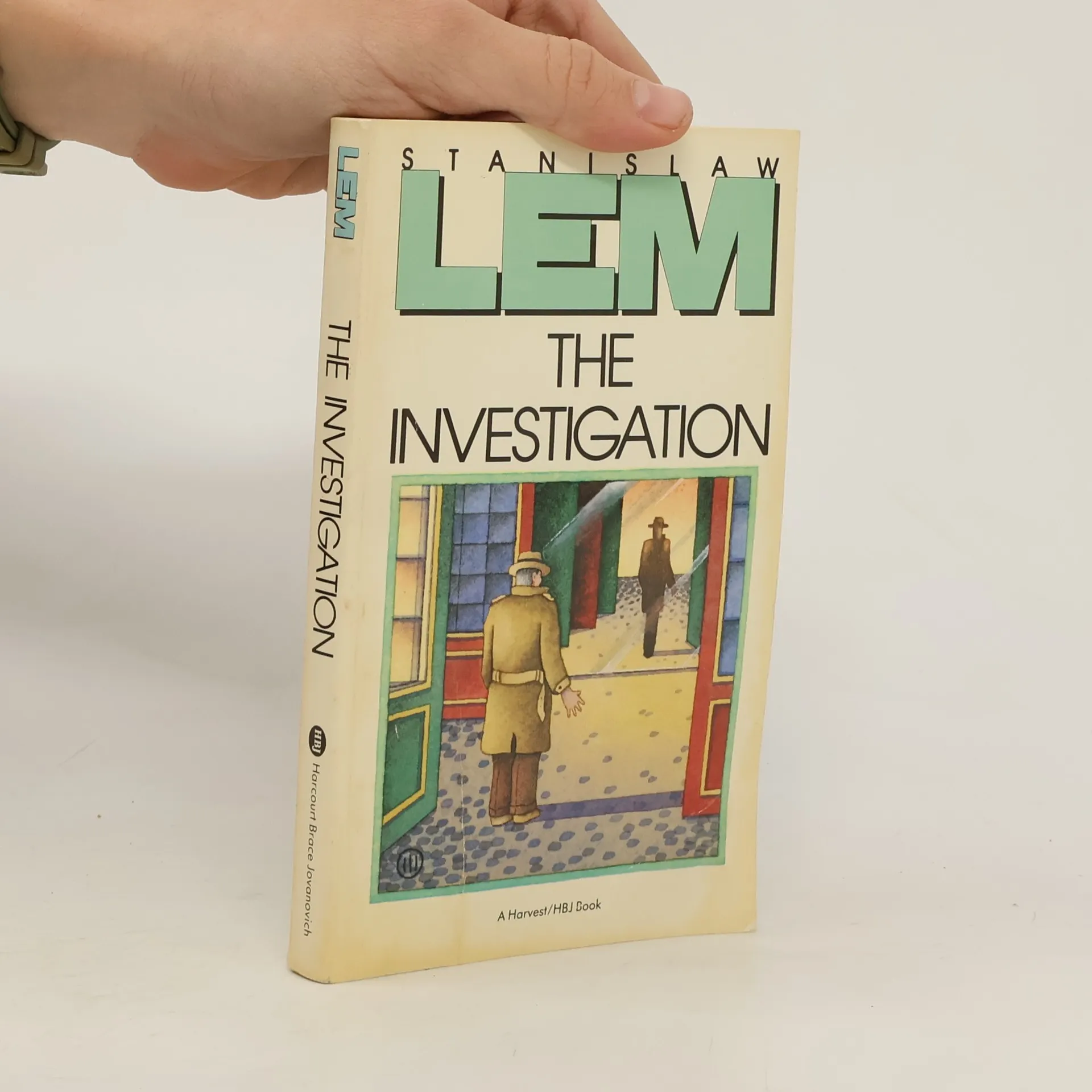
The Investigation
- 216pagine
- 8 ore di lettura
A young officer at Scotland Yard is assigned to investigate a puzzling and eerie case of missing-and apparently resurrected-bodies. To unravel the mystery, Lt. Gregory consults scientific, philosophical, and theological experts, who supply him with a host of theories and clues.
Hospital of the transfiguration
- 207pagine
- 8 ore di lettura
An early realist novel by Stanislaw Lem, taking place in a Polish psychiatric hospital during World War II.
Mortal Engines
- 240pagine
- 9 ore di lettura
'On one side of the ducats was stamped the radiant profile of Archithorius, on the other - an image of his six hundred arms' Mortal Engines is a selection of the best of Stanislaw Lem's extraordinary miniature space epics, chosen by his heroic translator Michael Kandel, who has somehow battled through Lem's jokes, parodies, fabricated technological terms and unreliable robots and brilliantly converted them from Polish into English. Encompassing his Fables for Robots and stories from his protagonists Ijon Tichy (from The Star Diaries) and Pirx the Pilot, this is a highly entertaining but also deeply alarming view of the glories and absurdities of Outer Space.
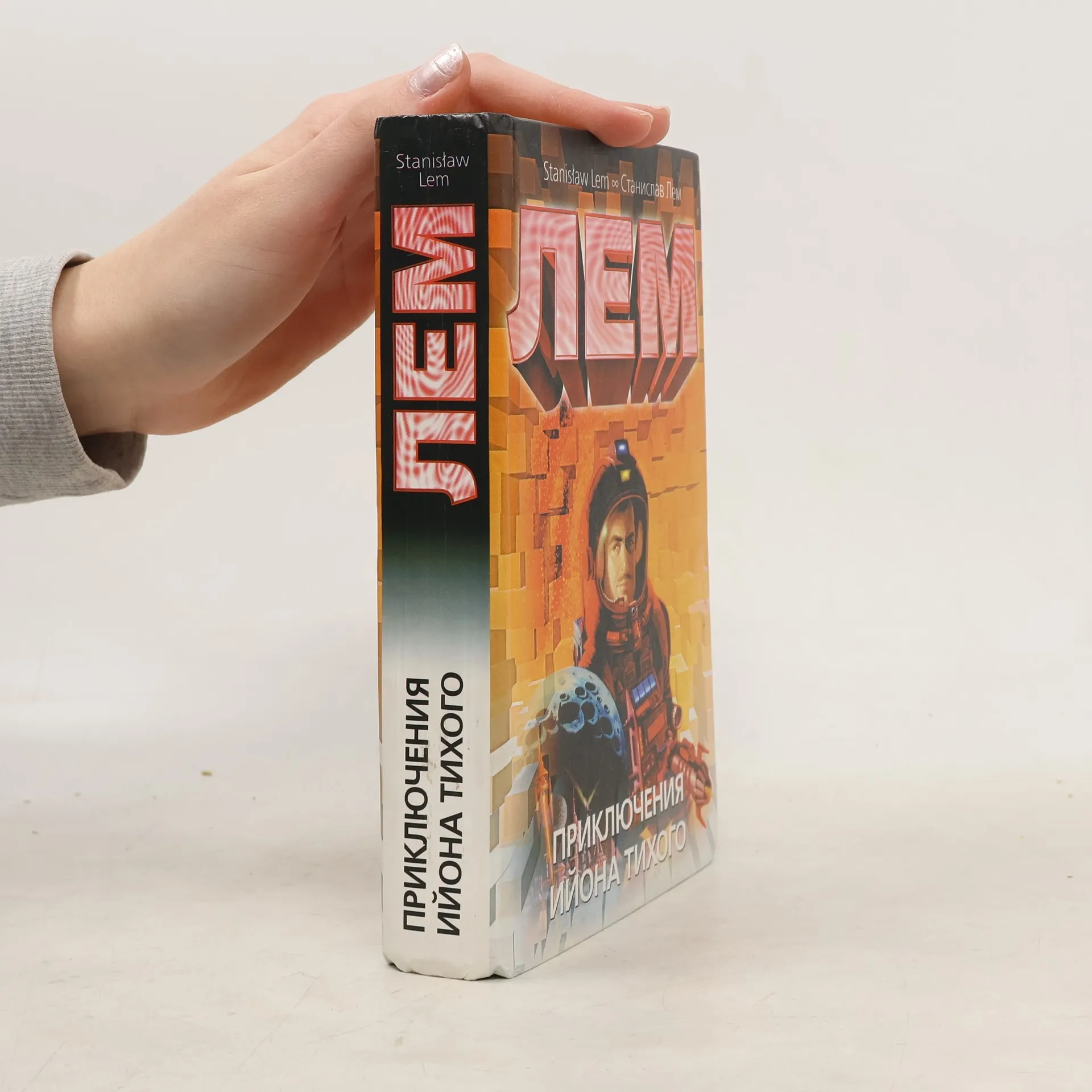
В книгу вошли знаменитые романы Станислава Лема. Для широкого круга читателей
Содерж.: Звездные дневники Ийона Тихого ; Из воспоминаний Ийона Тихого: Клиника доктора Влипердиуса ; Доктор Диагор ; Спасем Космос! : Открытое письмо Ийона Тихого ; Профессор А. Донда ; Пьесы о профессоре Тарантоге: Путешествие профессора Тарантоги ; Черная комната профессора Тарантоги ; Странный гость профессора Тарантоги ; Приемные часы профессора Тарантоги
1381 myśli z najważniejszych tekstów Stanisława Lema w jednym tomie. Uzupełnione o rysunki autora! Cięte i błyskotliwe. Mniej lub bardziej znane. Przepełnione gorzką ironią, ale też głęboką troską o człowieczeństwo. Wybrane z powieści, esejów i tekstów publicystycznych, opublikowanych w ciągu całego życia pisarza. Oto kosmos twórczości Stanisława Lema skupiony w 1381 cytatach i myślach, uporządkowanych tematycznie. Są jak echa jego najważniejszych dzieł, które dziś donośnie wybrzmiewają satyrą, przepowiednią oraz ostrzeżeniem przed… nami samymi. W strachu przed antymaterią to znakomita lektura dla miłośników i znawców twórczości autora Solaris. To także książka dla wszystkich, którzy chcą rozpocząć swoją przygodę z Lemem – cytaty będą świetnym wprowadzeniem w dzieła najważniejszego polskiego twórcy science fiction. Poza nimi to także zbiór rysunków pisarza, również tych mniej znanych! Wyboru, a także uporządkowania i skomentowania cytatów dokonał Wiktor Jaźniewicz, wieloletni tłumacz Stanisława Lema na język rosyjski. Autor jego rosyjskojęzycznej biografii, artykułów oraz podobnych zbiorów w innych językach.
Солярис. Soljaris
- 480pagine
- 17 ore di lettura
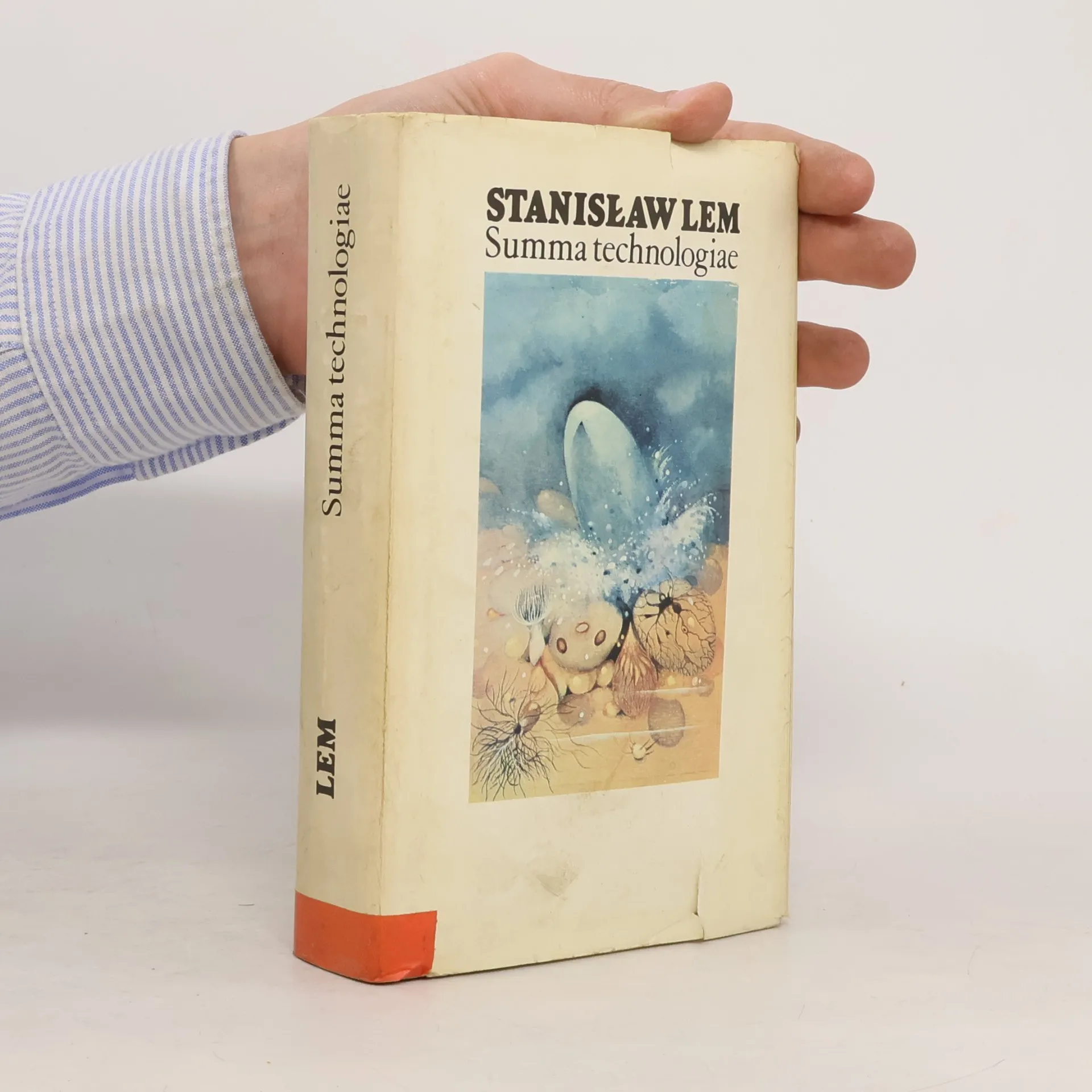
Legendarne dzieło Lema. Synteza myśli człowieka ery techniki i nauki. Prorocza wizja rozwoju świata, która spełnia się na naszych oczach. Co się stanie, gdy cywilizacja wyzwoli się z ograniczeń materialnych i technologicznych? Jakie będą etyczne i filozoficzne konsekwencje rozwoju technologii? Czy sztuczna inteligencja zastąpi człowieka? Summa technologiae po raz pierwszy ukazała się w 1964 roku. Lem, zafascynowany różnymi dziedzinami nauki i techniki, chciał w niej zawrzeć – oczywiście w swoim niepowtarzalnym stylu – najważniejszą wiedzę i wyzwania człowieka współczesnego. Kilkaset lat wcześniej podobny cel przyświecał św. Tomaszowi z Akwinu, który w dziele Summa theologiae dokonał syntezy człowieka średniowiecza. Lem widział przyszłość, która teraz staje się naszą rzeczywistością. Wirtualna rzeczywistość w książce nazwana została „fantomatyką”. Sztuczna inteligencja – „intelektroniką”, z kolei przechowywanie i wyszukiwanie informacji – „ariadnologią”.
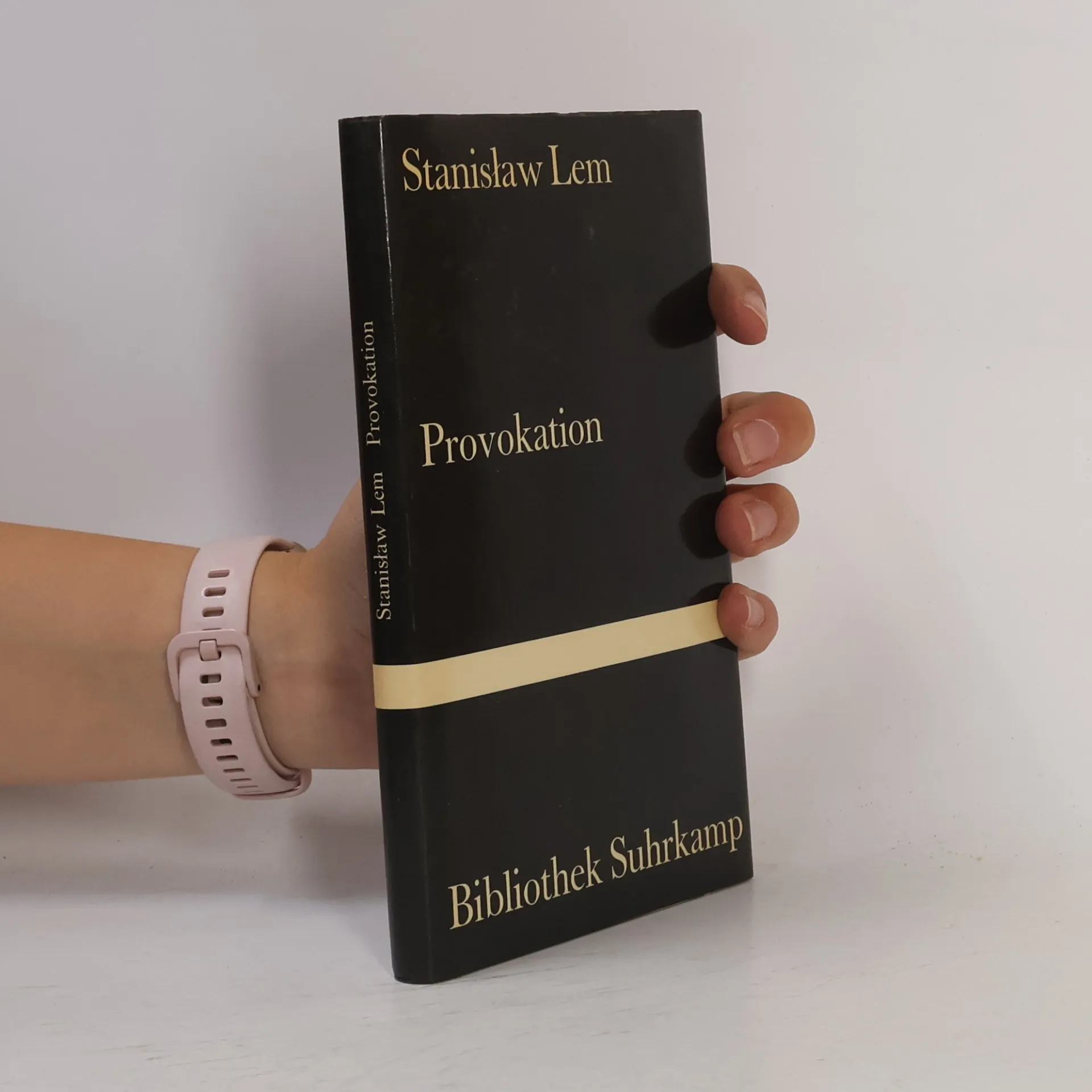
Provokationen
Aus dem Polnischen von Friedrich Griese, Jens Reuter und Edda Werfel
- 236pagine
- 9 ore di lettura
Provokationen umfaßt den 1981 in der »Bibliothek Suhrkamp« veröffentlichten Band Provokation. Besprechung eines ungelesenen Buches und »Lems Bibliothek des 21. Jahrhunderts«, die in den Einzelbänden Eine Minute der Menschheit, Waffensysteme des 21. Jahrhunderts und Das Katastrophenprinzip publiziert wurde. In Eine Minute der Menschheit liefert Lem eine Momentaufnahme der Menschheit an der Schwelle zum 21. Jahrhundert, alles, was in einer Minute auf der Welt passiert, d.h. vor allem, was die Menschen einander in einer Minute antun; der zweite Text behandelt die neuen fürchterlichen Waffensysteme, die sich bereits drohend abzeichnen; und der dritte liefert den allgemeinen philosophisch-kosmologischen Hintergrund für die Entstehung von Leben im Weltall, die ein außerordentlicher Zufall ist. Und einmal entstanden, ist das Leben ständig von Katastrophen bedroht, befindet sich immer in einem prekären Gleichgewicht, in einem Balanceakt zwischen Katastrophen. In Provokation schließlich geht Lem anhand des fiktiven Buches Der Völkermord des Göttinger Anthropologen Horst Aspernicus den Wurzeln des Holocausts nach: Lem ist dabei ein Analytiker, der uns zwingt, über unbequeme Probleme nachzudenken.
Rasa drapieżców. Teksty ostatnie wyd. 2023
- 288pagine
- 11 ore di lettura
Książka jest wyjątkowym zbiorem ironicznych i bezlitosnych felietonów autorstwa Stanisława Lema, publikowanych w ,,Tygodniku Powszechnym” w latach 2005–2006. Słynny pisarz, dzieląc się z czytelnikami swoimi opiniami, poglądami i obserwacjami, nie oszczędzał w felietonach nikogo: ani polityków, ani tak zwanych opiniotwórczych środowisk. Rasa drapieżców to nie tylko ostatnie teksty światowej sławy pisarza i filozofa, ale dowód niebywałej inteligencji, ironii i poczucia humoru w sposobie opisywania współczesnych zdarzeń, które nieuchronnie zmierzają do chaosu. „Świat znajduje się w sytuacji, którą już tu opisywałem za pomocą pewnego modelu: okrągły bochen chleba, na nim kulka. Nie wiemy, w którą stronę potoczy się ona z tej wypukłości, wiemy jednak, że kiedy już zacznie się toczyć, będzie przyspieszała”.
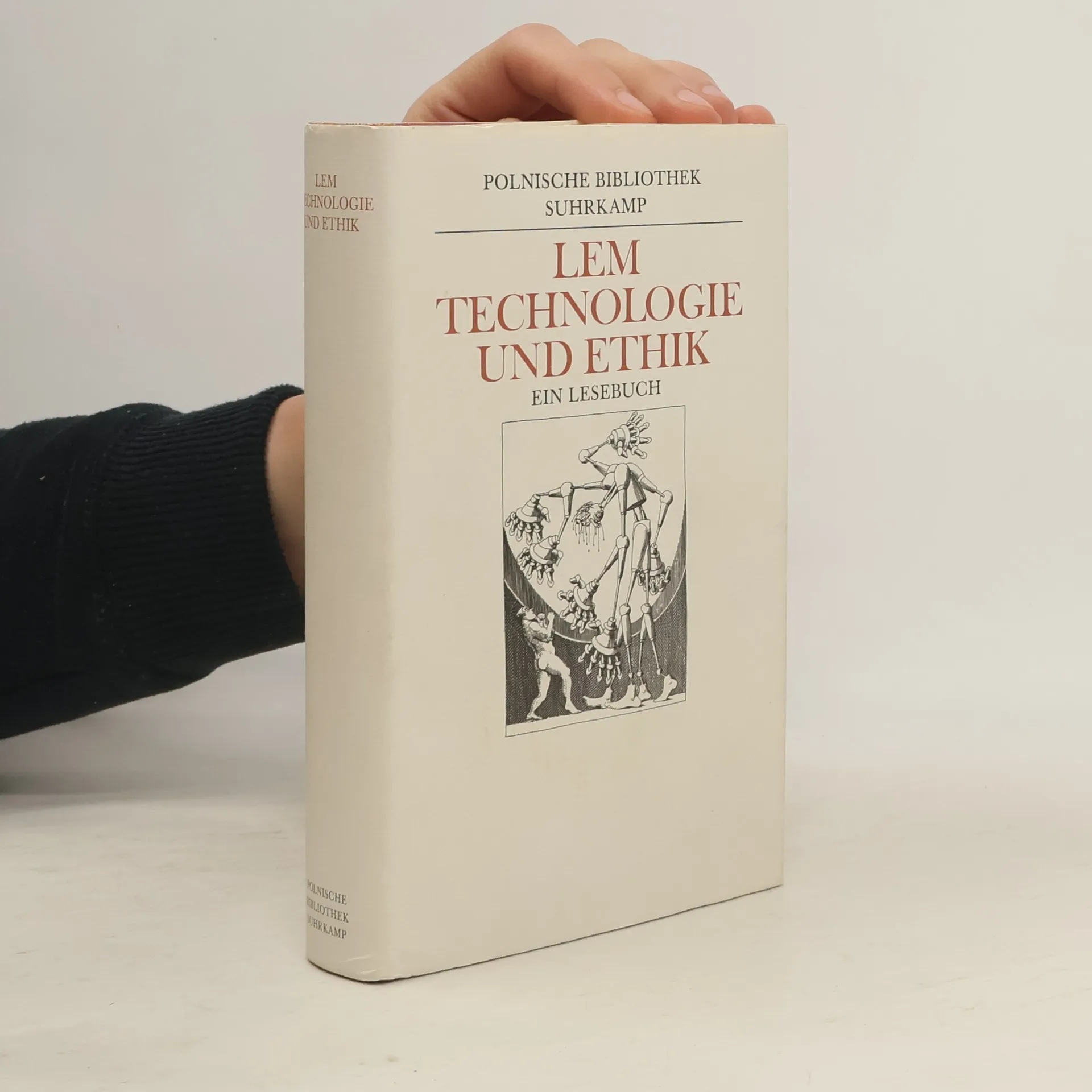
Stanisław Lem wurde am 12. September 1921 in Lwów (Lemberg) geboren, lebte zuletzt in Krakau, wo er am 27. März 2006 starb. Er studierte von 1939 bis 1941 Medizin. Während des Zweiten Weltkrieges musste er sein Studium unterbrechen und arbeitete als Automechaniker. Von 1945 bis 1948 setze er sein Medizinstudium fort, nach dem Absolutorium erwarb Lem jedoch nicht den Doktorgrad und übte den Arztberuf nicht aus. Er übersetzte Fachliteratur aus dem Russischen und ab den fünfziger Jahren arbeitete Lem als freier Schriftsteller in Krákow. Er wandte sich früh dem Genre Science-fiction zu, schrieb aber auch gewichtige theoretische Abhandlungen und Essays zu Kybernetik, Literaturtheorie und Futurologie. Stanisław Lem zählt heute zu den erfolgreichsten Autoren Polens. Sein Werk wurde vielfach ausgezeichnet, verfilmt und in 57 Sprachen übersetzt. Friedrich Griese studierte Philosophie und Soziologie. Später übersetzte er Sachbücher aus dem Englischen, Französischen, Polnischen und Italienischen ins Deutsche. Friedrich Griese verstarb am 20. Juni 2012.
So gern Lem auch fabuliert – seine Leidenschaft ist die Therorie. Am literarischen Werk als seinem Erkenntnisgegenstand probiert er der Reihe nach die verschiedenen Erkenntnismethoden aus: die semantische und die semiologische, die pragmatische und die logische Sprachtheorie, die Kybernetik und die Literatursoziologie. Die biologische Evolution liefert Lem ein fruchtbares Modell für das Verständnis von Literatur: das literarische Werk unterliegt, ebenso wie Tierarten in der Natur, einem Selektionsprozeß. Erst in der gesellschaftlichen Rezeption, die einer mehrstufigen Selektion vergleichbar ist, wird entschieden, ob ihm »literarischer Wert« zuerkannt wird. Dabei spielen, wie in der Natur, Zufallserscheinungen eine wichtige Rolle. Lem läßt ein Feuerwerk von Ideen vor dem Leser aufsprühen und macht keinen Hehl daraus, welche Freude es ihm selbst bereitet, sich dem Zufallsprinzip zu überlassen und sich in vielerlei überraschenden Abschweifungen zu ergehen.
Polský spisovatel Stanisław Lem (1921–2006) je známý především jako autor žánru science fiction. Neméně důležité, u nás přitom téměř neznámé jsou Lemovy publicistické texty, v nichž se zabývá především kybernetikou, informatikou, genetikou, robotikou, internetem a dalšími tématy, která úzce souvisejí s civilizačním pokrokem. Právě díky těmto textům se Lem záhy proslavil jako prognostik, jenž byl leckdy sám překvapen, když se objevy, které kladl do vzdálené budoucnosti, začaly uskutečňovat už za jeho života. Do výboru jsou pro podání uceleného obrazu Lemovy tvorby zařazeny také ukázky z jeho životopisu, v nichž se vyjadřuje k nejdůležitějším událostem 20. století. Rozpadla se světová socialistická soustava, došlo ke změně politického systému, což provázely v naší části Evropy změny nejen ekonomické. Současně začala nabírat na obrátkách revoluce v oblasti biotechnologií a zpracování informací. To vedlo k podstatným změnám v lidské kultuře i způsobu života. K těmto novým jevům přistupuje Lem jako zastánce tradičních hodnot, pamětník předválečné éry, který s jistou nedůvěrou sleduje zázračná zařízení nových časů, jež mají usnadnit život. A jeho skepse je mnohdy oprávněná... Na základě předkládaného výboru budou konečně moci i naši čtenáři posoudit, do jaké míry byly a jsou jeho předpovědi nadčasové. Výbor sestavil, z polštiny přeložil a doslovem opatřil Pavel Weigel.
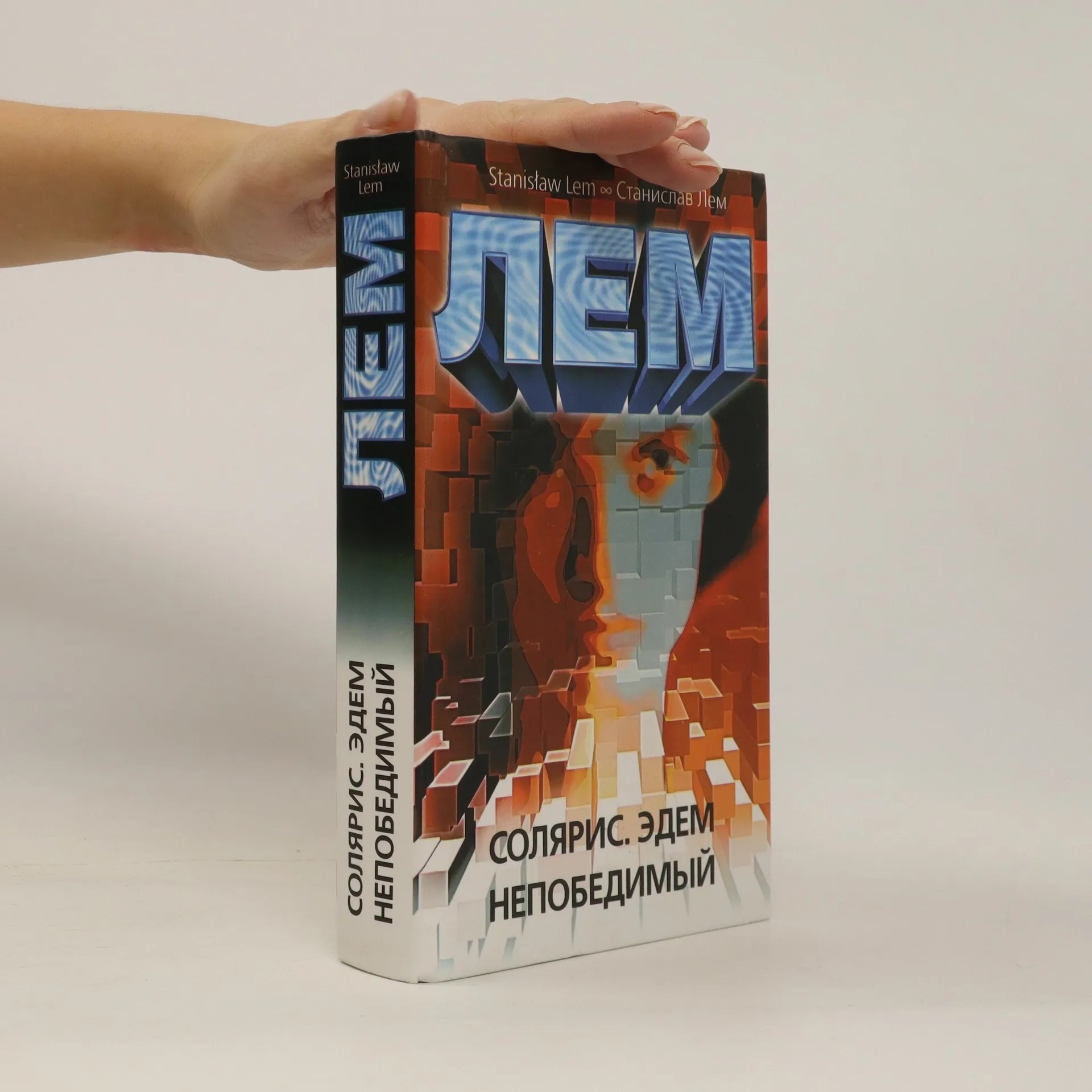
«Солярис» - бесспорная вершина творчества Станислава Лема, произведение, повлиявшее на развитие научной фантастики XX века, в том числе и на русскую фантастику. Роман дважды экранизирован, по нему были поставлены радиопьесы, спектакли – и даже балет! Итак, что же такое – Солярис? Бескрайний мыслящий океан, преследующий непонятные человеку цели, тончайший камертон, преобразующий людские чувства в материальную форму? Воплощенный кошмар психолога или духовный целитель? Со дня публикации книги прошло больше 50 лет, а ее читатели все так же продолжают задаваться вопросами, ответы на которые невозможно получить, не заглянув в свое собственное сердце.
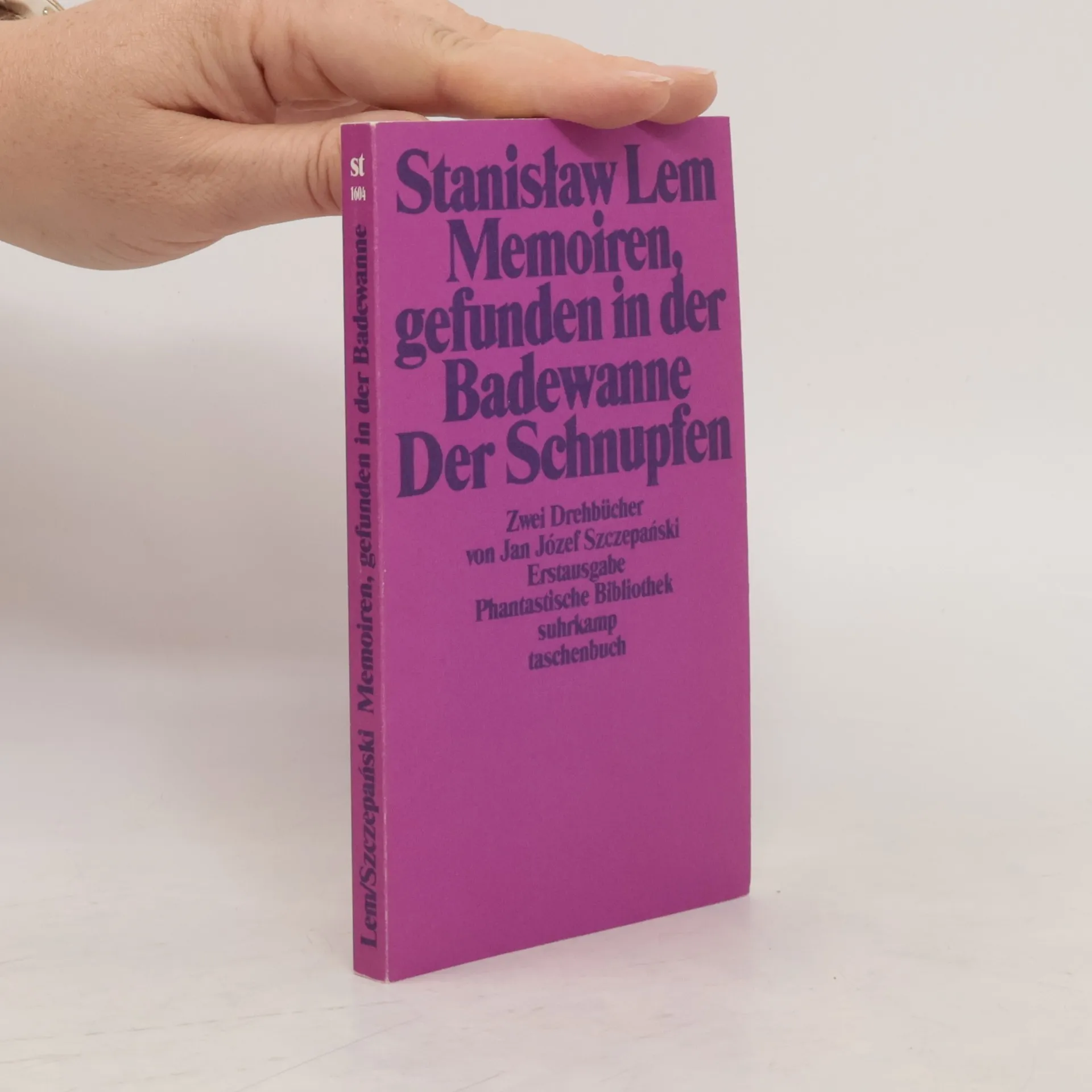
Zwei Drehbücher von Szczepanski, Jan Jozef. 125 S.
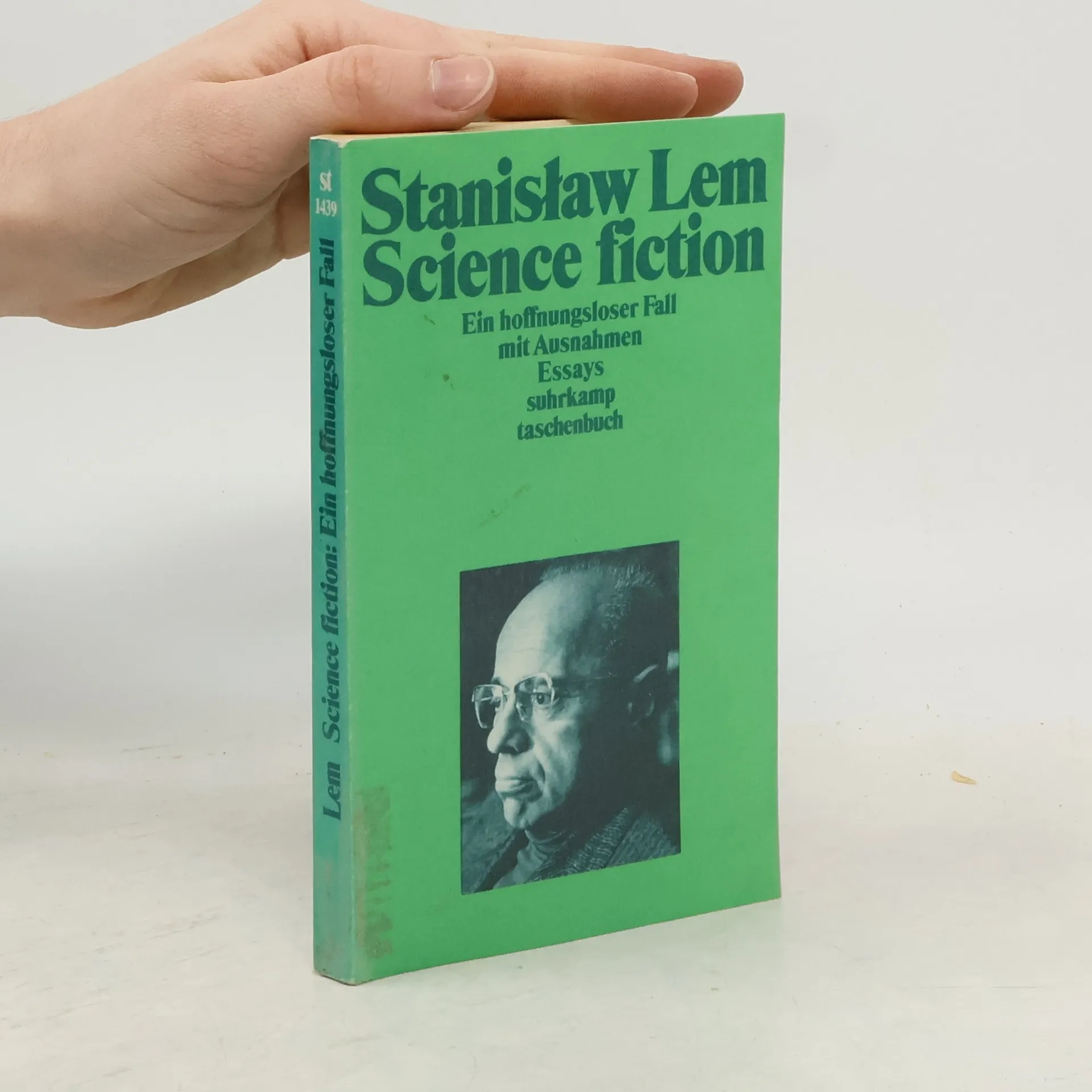
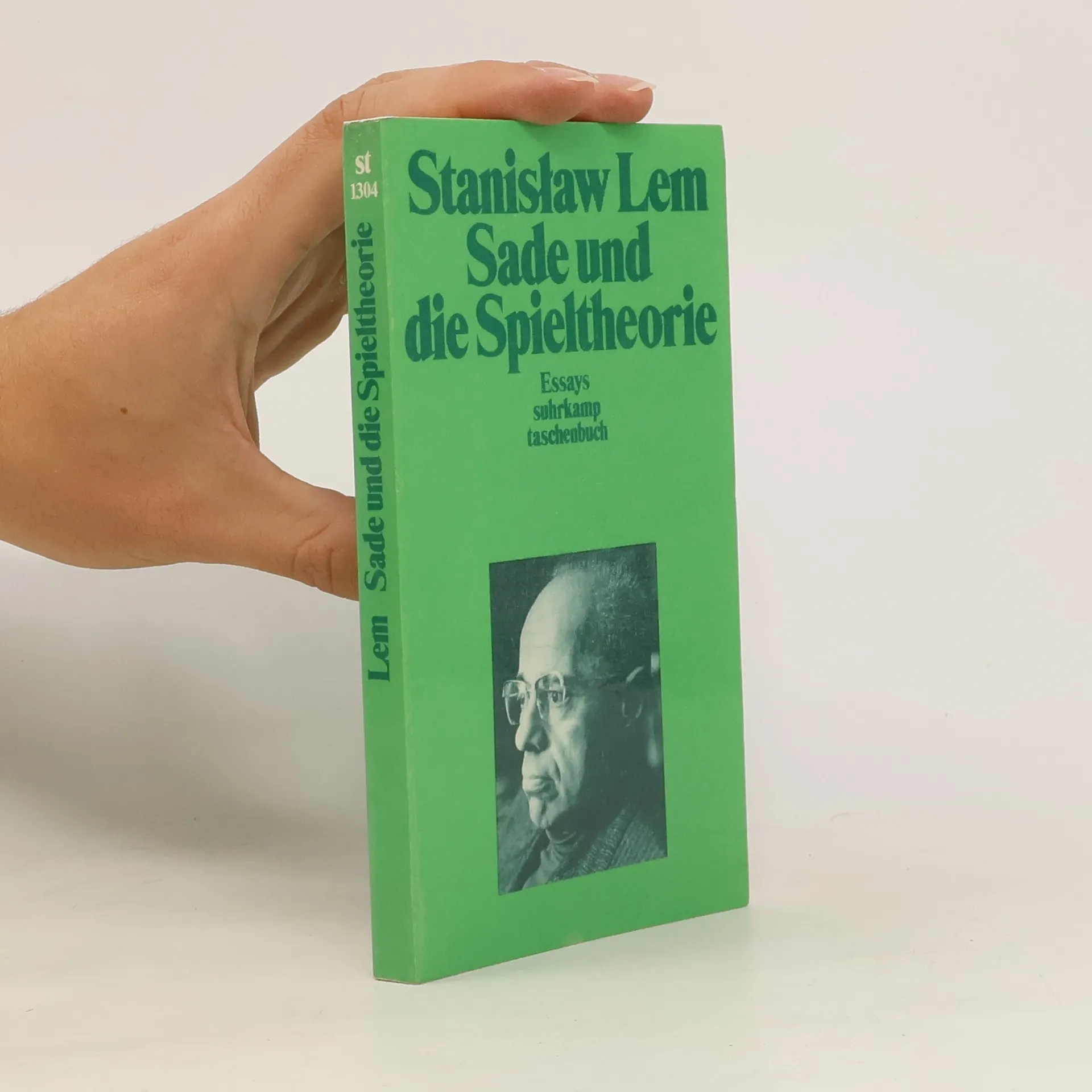
Science-fiction: ein hoffnungsloser Fall mit Ausnahmen
Essays. Band 3
Eden w.2
- 424pagine
- 15 ore di lettura
Napisany w 1958 roku Eden otwiera epokę dojrzałej twórczości science fiction Lema. Co zatem sprawia, że powieść nadal czyta się z niesłabnącym zainteresowaniem? Z pewnością niezwykła wyobraźnia autora, który tworzy zmysłowe, bogate wizje planetarnej natury i kultury, a zarazem umiejętnie dozuje napięcie, pozwalając tajemnicom Edenu odsłaniać się stopniowo, z dramatycznym napięciem. Polityczne porządki na planecie przypominają czytelnikom wizje Orwella, ale ważniejszy jest tam sceptycyzm co do szans wzajemnego poznania: już sama odmienność stosowanych technologii sprawia, że przybysze i miejscowi do końca nie potrafią się porozumieć.
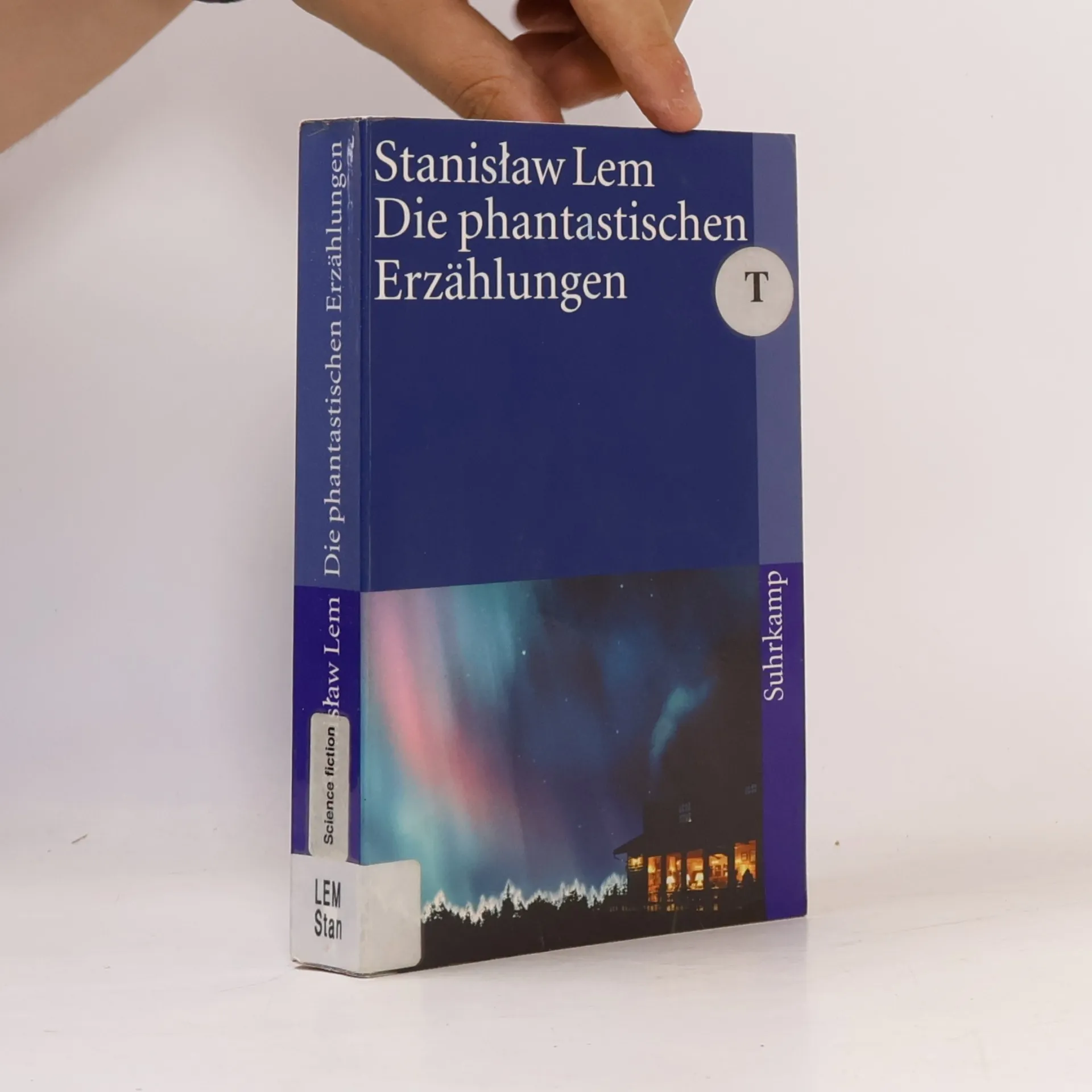
Die phantastischen Erzählungen
- 477pagine
- 17 ore di lettura
Inhalt: - Die Kunst, Vorworte zu schreiben - Pirx erzählt - Ananke - Der Freund - Professor A. Donda - Die Waschmaschinentragödie - Die Wahrheit - Das schwarze Kabinett Professor Tarantogas - Experimenta Felicitologica - Die Rettung der Welt - Chronde - Das Märchen vom König Murdas - Zifferoticon - Die siebente Reise oder wie Trurls Vollkommenheit zum Bösen führte - Die Auferstehungsmaschine - Emelen - Vestrands Exetelopädie in 44 Magnetbändern, nebst Probebögen - Alistar Waynewright Being Inc (American Libray) - Futurologischer Kongreß. 1. Tag Die einzelnen Teile sind verschiedenen polnischen und deutschen Erstausgaben entnommen.
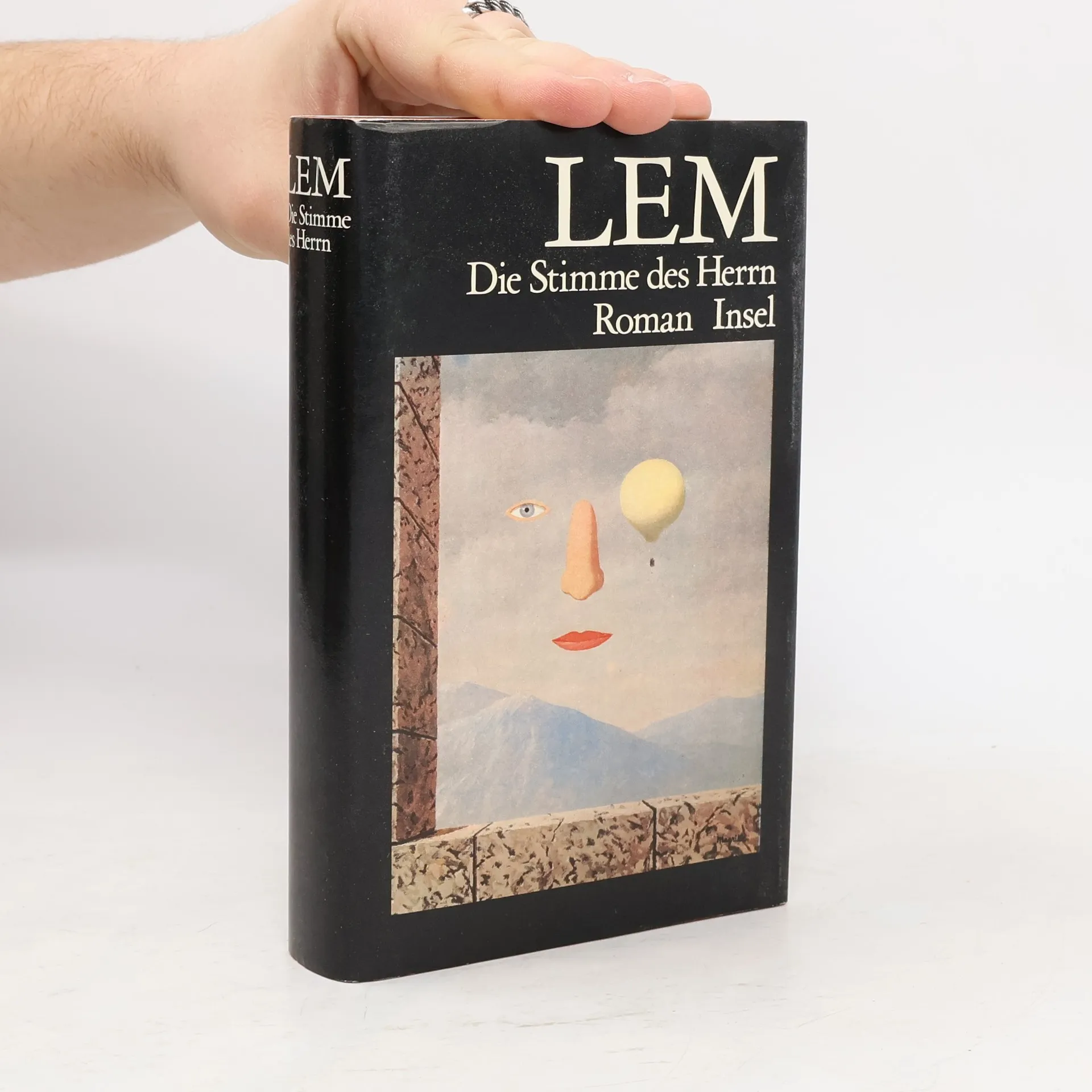
Pánův hlas je rozsáhlé pásmo filozofických úvah o smyslu vědy a zejména o možnostech komunikace s mimozemskou civilizací. V žádném ze svých beletristických děl nevyjádřil Lem jasněji přesvědčení, že pokud naše kultura není schopna náležitě asimilovat ani pojmy vzniklé v lidských hlavách, pokud se rodí za jejím ústředním proudem, ačkoli tvůrci těchto pojmů jsou přece dětmi téhož času jako jiní lidé, jakpak bychom mohli být schopni skutečně pochopit kulturu zcela odlišnou od naší, přicházející k nám přes kosmický prostor? -- zdroj: legie.info --
Werke in Einzelausgaben
- 280pagine
- 10 ore di lettura
Filozoficzny Lem
- 556pagine
- 20 ore di lettura
Stanisław Lem (1921–2006) należy do najlepiej znanych w świecie polskich intelektualistów XX wieku. Zyskał sławę twórczością beletrystyczną w dziedzinie fantastyki i science fiction (Solaris), lecz ta dziedzina była tylko epizodem w jego pracy intelektualnej. Interesował się przede wszystkim wpływem nauki i techniki na człowieka i jego kulturę. Podejmował wyzwania drugiej połowy minionego stulecia, które od lat 50. stało wobec zagrożeń i nadziei wiązanych z cybernetyką, robotyką, sztuczną inteligencją. Redaktorzy niniejszego tomu zadali sobie jednak pytanie nie tyle „co przewidział Lem?” jako guru futurologii, ile „co przemyślał Lem?” jako filozof. Mimo sceptycyzmu Lema wobec tradycyjnej filozofii trzeba uznać go za filozofa tout court i tom Filozoficzny Lem stara się to pokazać. Obejmuje wybór „prozy dyskursywnej” Lema m.in. z takich dzieł, jak Dialogi, Filozofia przypadku, Summa technologiae, Golem XIV, a tekstom tym towarzyszą wprowadzenia badaczy twórczości Lema oraz zebrane w osobnej części pt. „Opracowania” ich komentarze do jego dzieła. Niniejszy tom dokumentuje najświeższą recepcję myśli Lema. Po lękach lat 50., po rozczarowaniu cybernetyką okazało się, że ofensywa cyborgizacji umiarkowanie nam zagraża, sztuczna inteligencja ciągle jest jeszcze w powijakach, za to pojawiły się nowe zagrożenia i nadzieje związane np. z genetyką. Mimo to filozoficzny rdzeń myśli Lema pozostaje nadal aktualny.
Głos Pana w.2020
- 344pagine
- 13 ore di lettura
"Klasyczne dzieło Stanisława Lema. Jedna z najlepszych powieści o kontakcie z obcą cywilizacją w historii literatury fantastycznej. Uczeni przypadkiem odkrywają, że na Ziemię dociera z kosmosu sygnał, który może być komunikatem od rozumnych istot. Jednym z naukowców, którzy mają za zadanie rozkodowanie tajemniczego impulsu neutrinowego, jest sławny matematyk Piotr E. Hogarth. Ale jak odczytać przesłanie, skoro nie wiadomo nawet, czy nadawcy rzeczywiście istnieją? A jeśli istnieją, kim są i jakie mają wobec ludzkości zamiary? 'Głos Pana', który powstał tuż po powieści 'Solaris', to popis kunsztu pisarskiego Lema: brak w tej książce awanturniczej akcji, ale zmagania uczonych z tajemnicą poruszają i przykuwają uwagę bardziej niż w niejednej powieści przygodowej, a dotknięcie Nieznanego prowokuje do zadania najważniejszych pytań o istotę świata i naturę człowieka."--
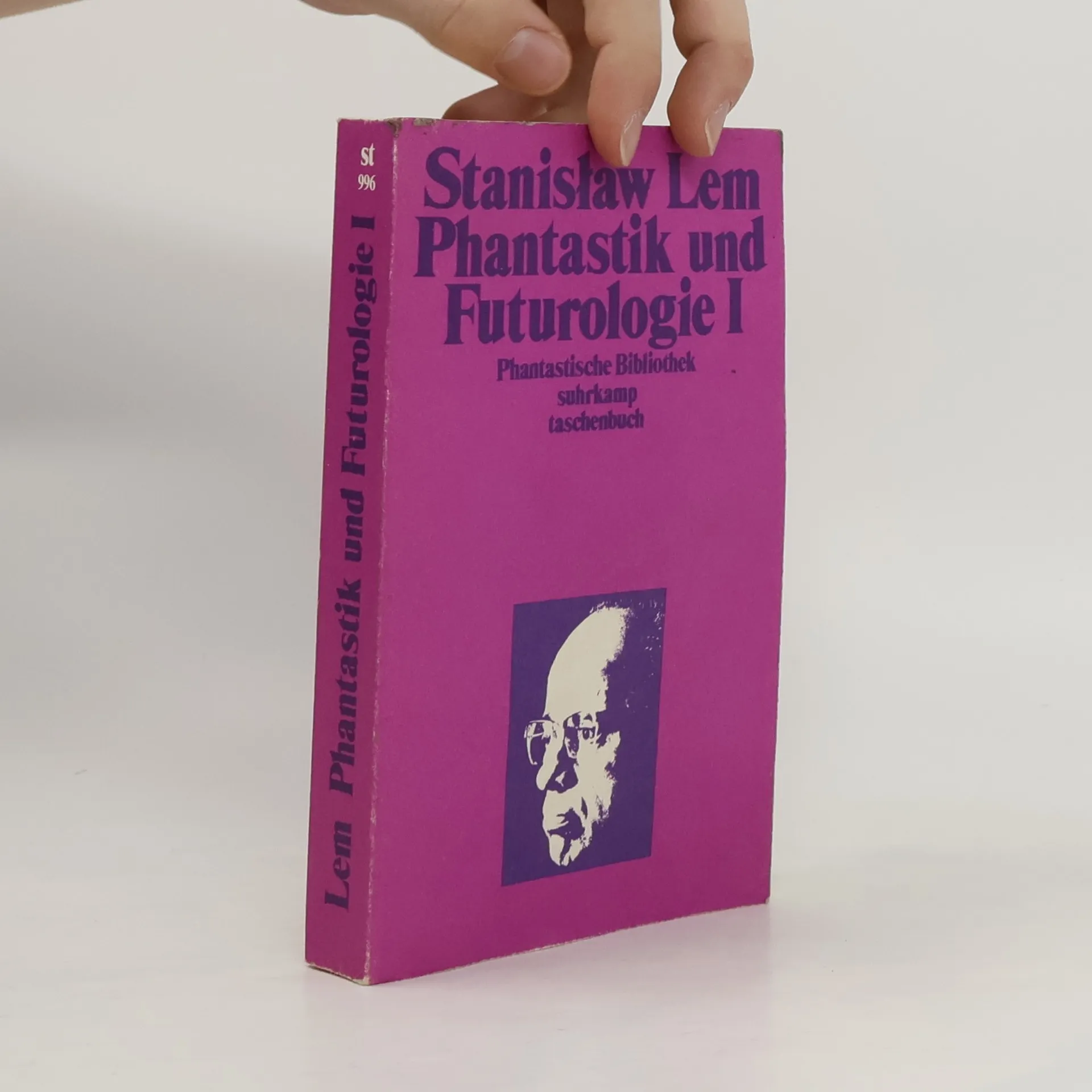
Fantastyka i futurologia. Tom 2
- 534pagine
- 19 ore di lettura
Ogromny esej o fantastyce i futurologii jest po pierwsze: oryginalną i nowatorską pr�bą stworzenia teorii gatunku, po drugie: błyskotliwą autointerpretacją dzieł Lema, po trzecie: przeglądem światowego dorobku science fiction w poszukiwaniu autor�w i tekst�w, kt�re byłyby zdolne stanąć w szranki z naukową futurologią i udowodnić przydatność literatury w modelowaniu przyszłości człowieka. To kolejna Lema 'og�lna teoria wszystkiego' - wszystkiego, co dotyczy fantastyki i jej roli w ludzkim poznaniu.
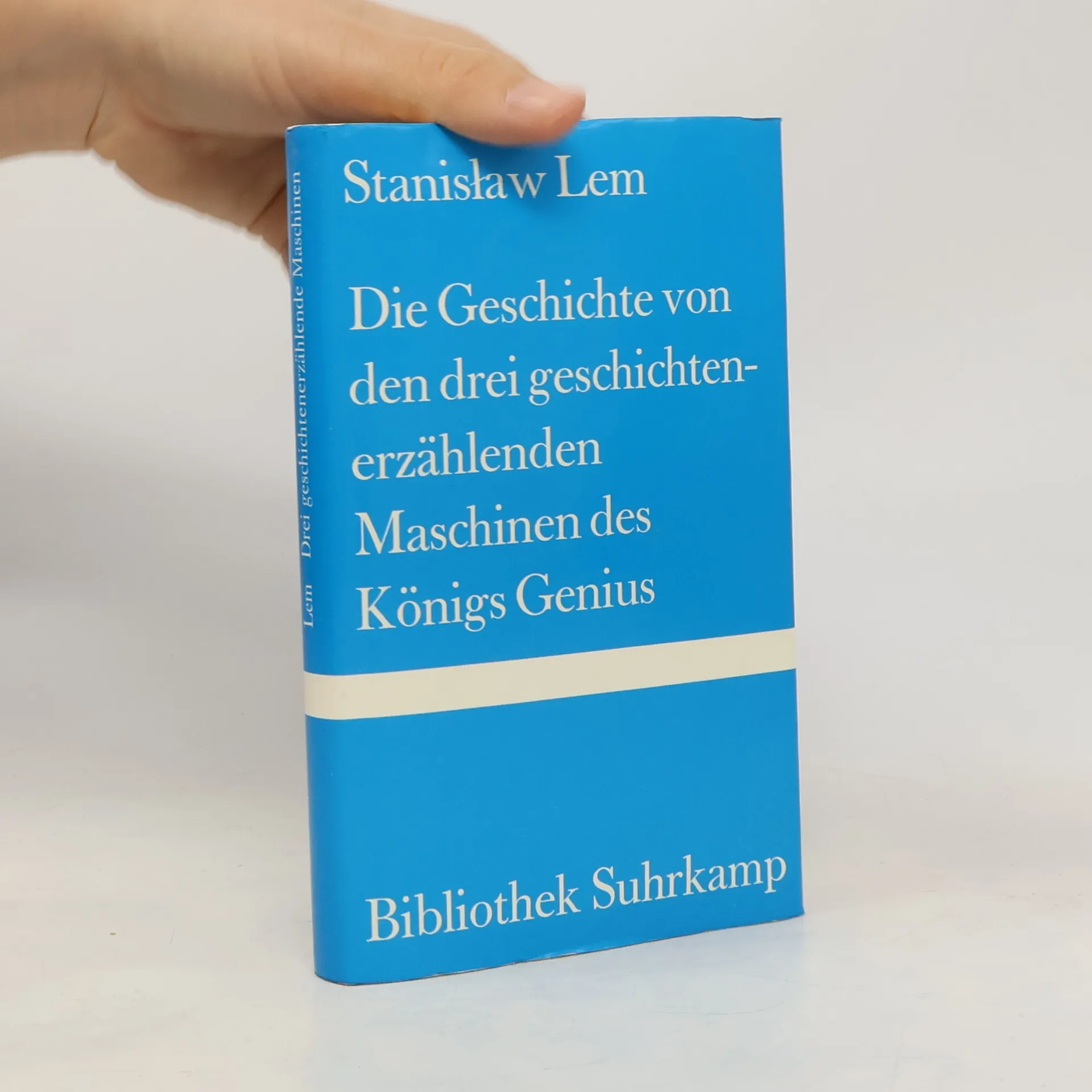
Die Geschichte von den drei geschichtenerzählenden Maschinen des Königs Genius
- 127pagine
- 5 ore di lettura
Die andere Zukunft. Phantastische Bibliothek. 7 Bände
Das Katastrophengebiet. Besuch von Drüben. Robotermärchen. Target. Der Elfenbeinturm. Picknick am Wegesrand. Der Fall Charles Dexter Ward
- 7volumi
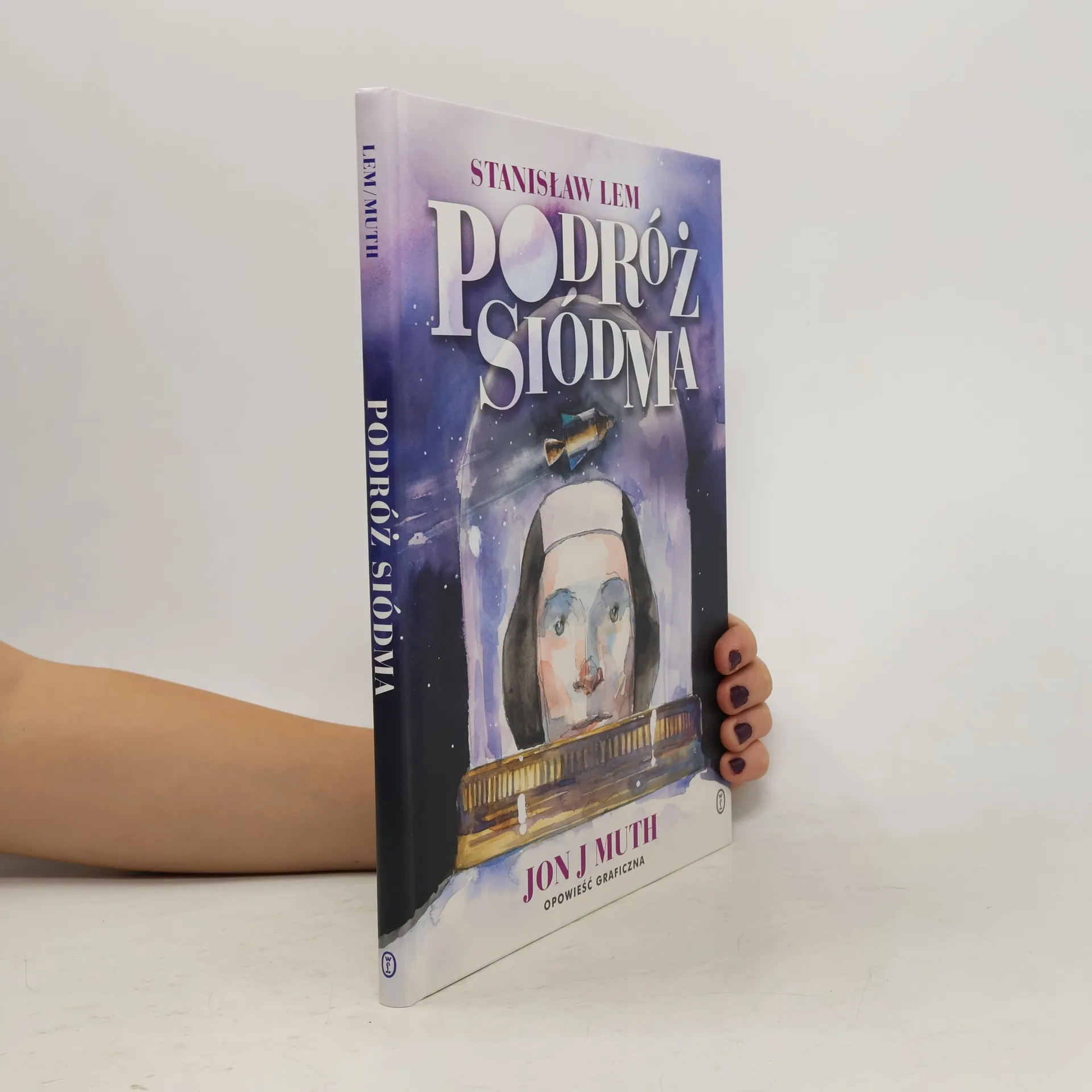
Prawdziwa uczta dla ducha i radość dla oczu! Wizjonerska fabuła i ponadczasowy, pełen humoru język Stanisława Lema, przefiltrowane przez wrażliwość uznanego amerykańskiego ilustratora, Jona J Mutha. Gdy w poniedziałek, drugiego kwietnia, przelatywałem w pobliżu Betelgeuzy, meteor, nie większy od ziarnka fasoli, przebił pancerz rakiety, co spowodowało utratę zdolności manewrowania. Pilot postanawia przebrać się w piżamę i położyć do łóżka, ale szybko okazuje się, że jego wtorkowa wersja nie pochwala lekkomyślności poniedziałku. Kto z nich umknie z tej przeklętej pętli czasu? To komiks, picture book i kawał dobrej literatury w jednym, będący kolekcjonerskim rarytasem dla miłośników twórczości autora Dzienników gwiazdowych oraz doskonałym wstępem dla młodych czytelników do pisarstwa Lema. Niezwykle zabawna, pięknie tocząca się historia, delikatnie, z humorem i maestrią odmalowana przez J Mutha. Autor wielu pięknie ilustrowanych bajek, jego prace zdobyły prestiżowe nagrody, w tym Złoty Medal Stowarzyszenia Ilustratorów. Dzieło to było nominowane w 2020 roku do Nagrody Przemysłu Komiksowego im. Willa Eisnera za najlepszą adaptację.
Die Entdeckung der Virtualität
- 238pagine
- 9 ore di lettura
»Der phantomatisierte Mensch ist, was Menge und Inhalt der zu ihm gelangenden Informationen betrifft, der Gefangene der Maschine: Von außen erreicht ihn keine sonstige Information.« Angesichts dieser nüchternen Prognose, die Stanislaw Lem bereits 1981 in seiner Summa technologiae abgab, zu einer Zeit also, in der die NASA gerade ihr neues Geminiraumschiff unbemannt im Orbit testete und IBM mit der 360er-Reihe den ersten standardisierten Computer der Welt auf den Markt brachte, läßt sich das enthusiastische Staunen, mit dem Fans, und Medien auf Cyberspace reagieren, kaum verstehen, schreibt Bernd Flessner in seinem Essay »Archäologie im Cyberspace«, mit dem er Stanislaw Lem als den Urvater des Cyberspace dingfest macht. Keiner hat wie Lem in seinen fundierten Abhandlungen, seinen Romanen und Erzählungen über die technologische Zukunft der menschlichen Zivilisation jene computergenerierten virtuellen Realitäten antizipiert, die »gegenwärtig Computerjunkies wie Feuilletonleser gleichermaßen becircen«. Die in diesem Band versammelten Texte von Stanislaw Lem führen den Beweis.
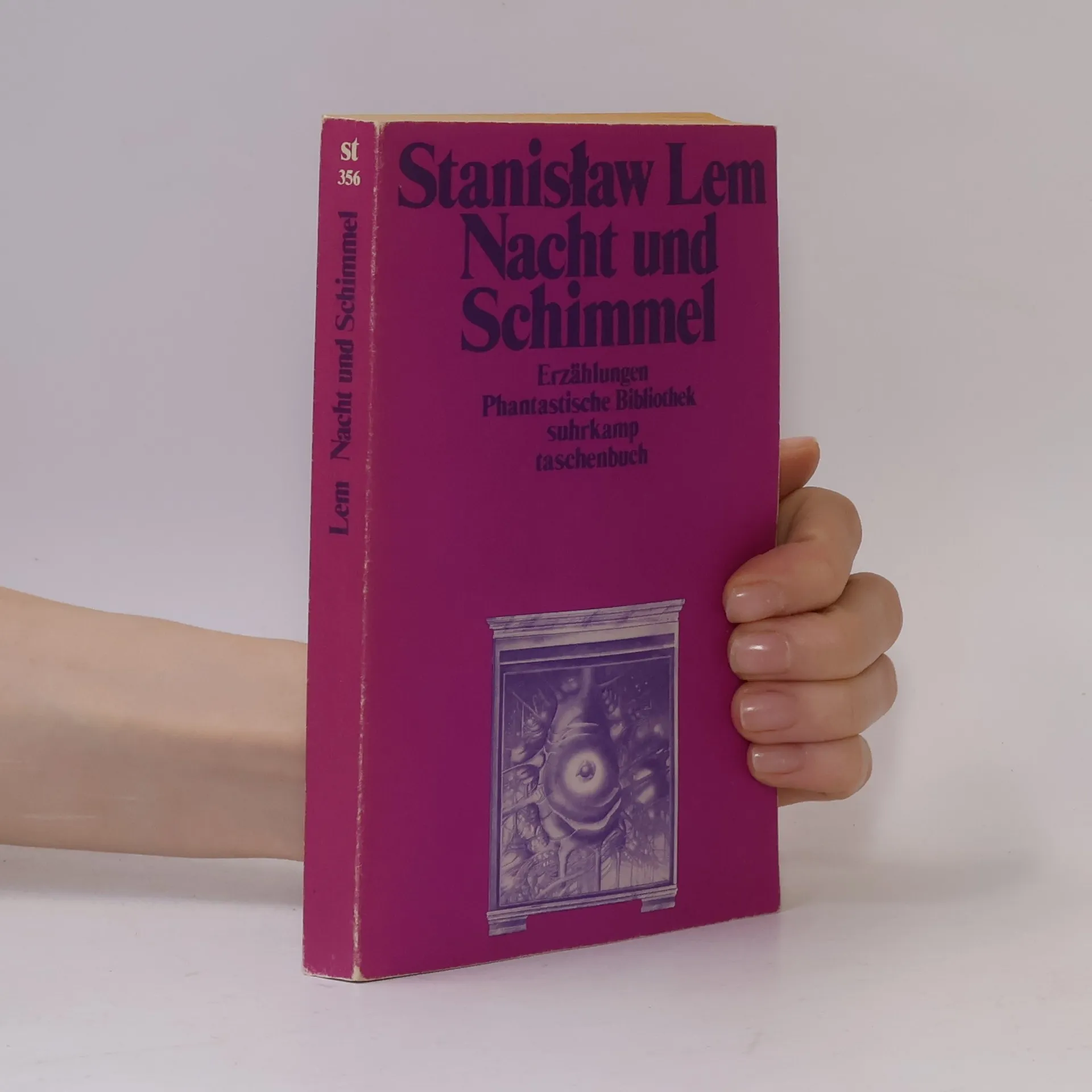
Nacht und Schimmel bietet einen Querschnitt durch die Vielfalt der Ideen und Stilmodalitäten Stanisław Lems. Das Spektrum reicht von frühen Grotesken wie »Gibt es Sie, Mister Johns?« bis zur »Neuen Kosmogonie«, einer originellen Anwendung der Spieltheorie auf kosmogonische Probleme. Die Titelgeschichte zeigt Lem als Warner vor mißbräuchlicher Verwendung neuer Erkenntnisse.Den Höhepunkt bildet die Geschichte »Tagebuch«. Sie ist ein kybernetisch-philosophischer Exkurs, der den Leser zutiefst verunsichert, da er eine das anthropozentıische Denken verwundende und völlig originelle Deutung von Mensch und Gott darstellt. In »Tagebuch« gewinnen theologische Probleme in kybernetischer Verkleidung aktuellste Bedeutung; die Paradoxa dieser zwingend komponierten Erzählung erinnern an die besten Leistungen eines J.L. Borges.Inhalt:- Nacht und Schimmel (Ciemność i pleśń, 1959)- Der Freund (Przyjaciel, 1959)- ›Tagebuch< (Pamiętnik, 1962)- Die Lymphatersche Formel (Formuła Lymphatera, 1961)- Die neue Kosmogonie (Nowa Kosmogonia aus Doskonała próżnia, 1971)- Die Invasion (Inwazja, 1959)- Der Hammer (Młot, 1959)- Die Wahrheit (Prawda, 1964)- Zwei junge Männer (Dwóch młodych ludzi, 1965)- Gibt es Sie, Mister Johns? (Czy pan istnieje, Mr. Jones?, 1955)
První část tvoří sbírka recenzí na neexistující knihy. Druhou částí je fiktivní sborník přednášek umělé inteligence z roku 2047.
Первый контакт
- 988pagine
- 35 ore di lettura
Содерж.: Крыса в лабиринте ; Эдем ; Солярис ; Непобедимый ; Глас Господа ; Фиаско
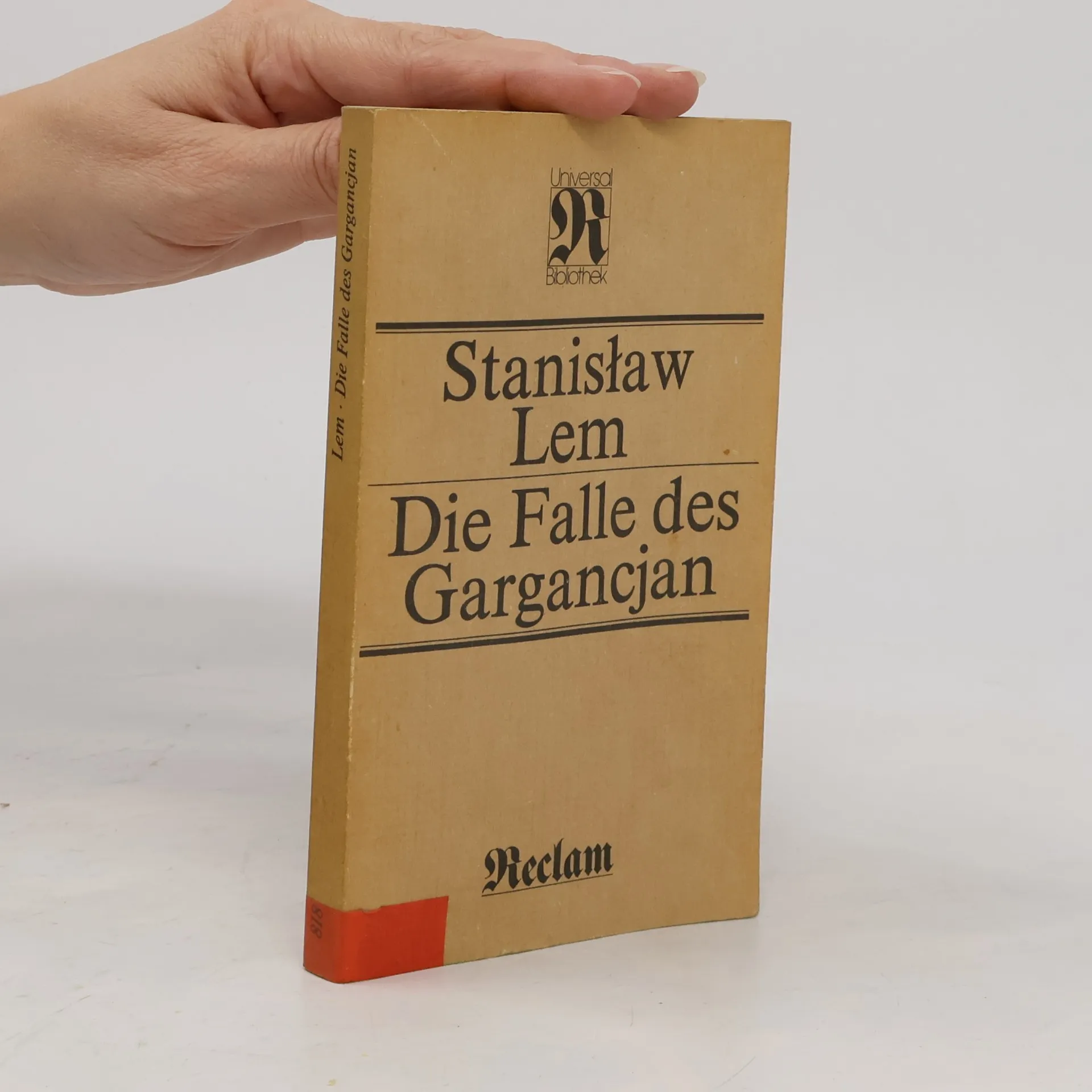
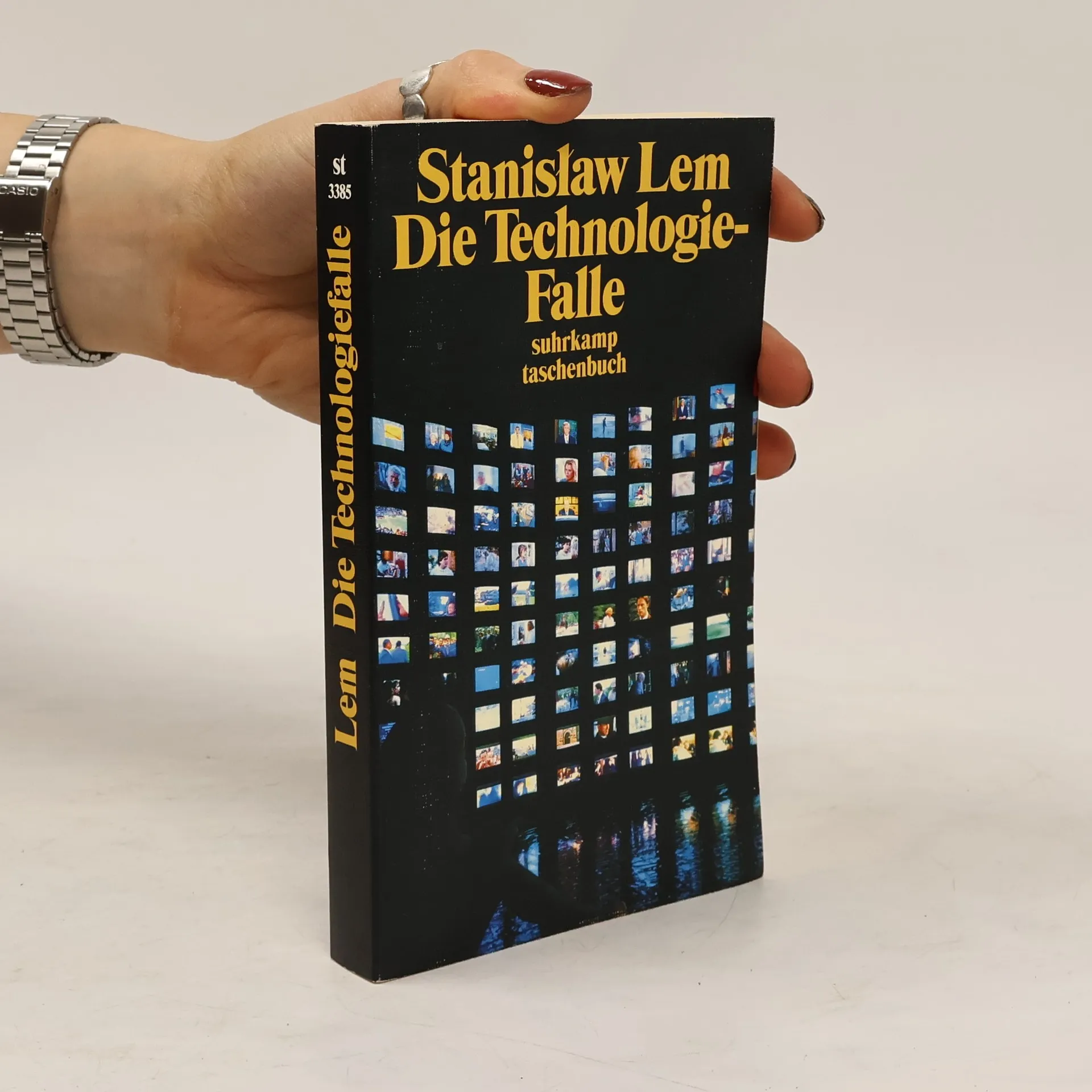
Die Technologiefalle
Essays | Vom großen Vordenker und Kritiker der Künstlichen Intelligenz
- 318pagine
- 12 ore di lettura
In Die Technologiefalle unterzieht der polnische Zukunftsforscher und Science-Fiction-Autor Stanisław Lem die technische Entwicklung, die Biotechnologie und Gentechnik, die Informationstechnologie und die sogenannte Künstliche Intelligenz einer strengen Prüfung. Das, was er in seinem umfangreichen Werk in phantastischer Formulierung vorweggenommen hat, erweist sich als verblüffend aktuell, vieles hat sich bewahrheitet. Sein Fortschrittsoptimismus von damals ist jedoch gedämpft: Lem betont die ethische Dimension unseres kollektiven Handelns. Als Paradigma, an das alles Menschengemachte nicht heranreicht, erscheint die natürliche Evolution. In manchen aktuellen Ausformungen der technischen Entwicklung sieht Lem einen Moralverlust. Auch seine eigenen Projektionen stellt er unter das Postulat der Menschlichkeit, und er läßt sich im Zeitalter postmoderner Beliebigkeit seinen moralischen Ernst nicht abkaufen.
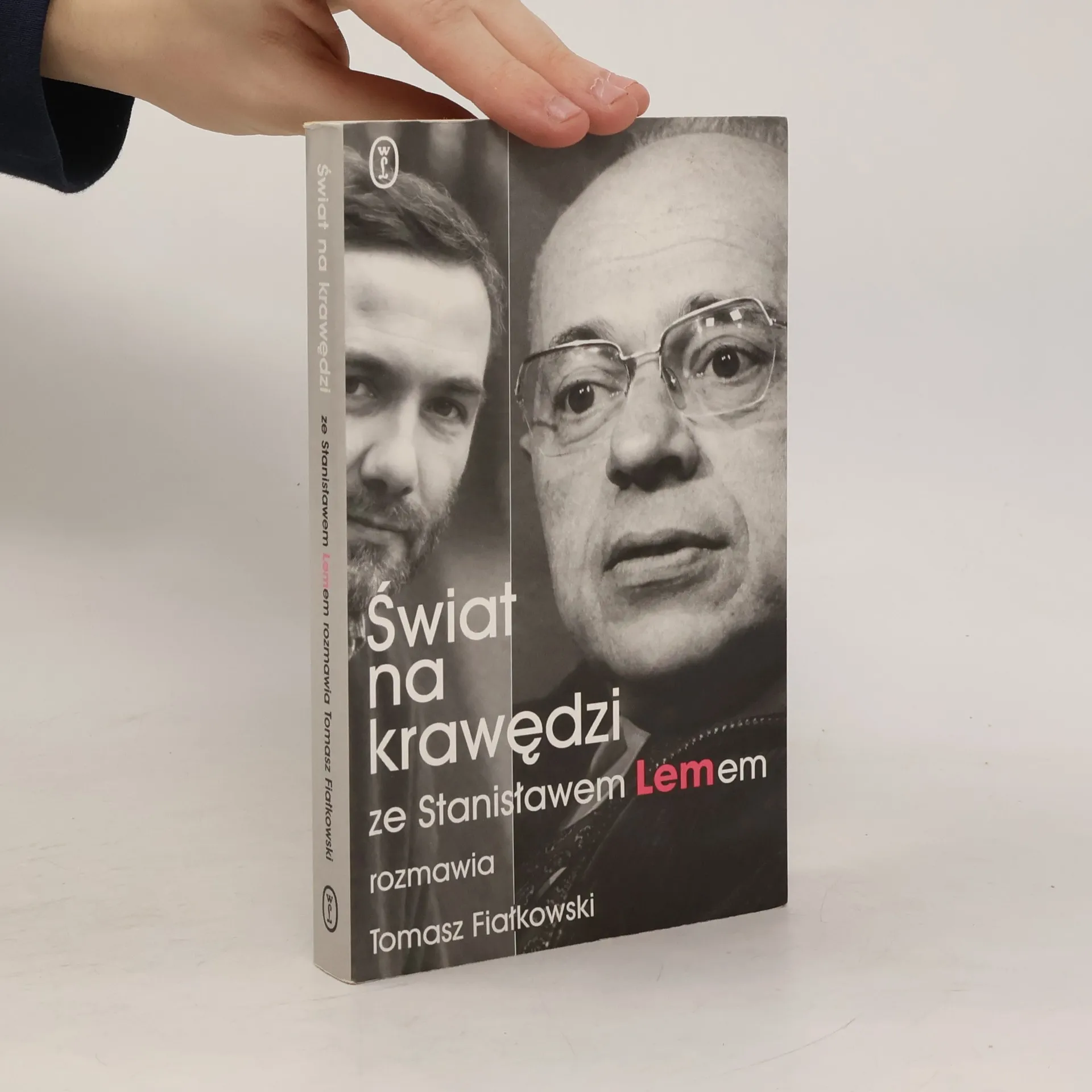
Stanisław Lem po oszałamiającym sukcesie Bomby megabitowej i Okamgnienia w bezkompromisowym wywiadzie-rzece po raz kolejny zaskakuje i porywa czytelnika. Przenikliwy, bezwzględny wobec głupoty i ignorancji, stanowczy wobec zła, pełen dystansu wobec swoich i naszych, ludzkich, słabości. Autor Solaris w fascynujący sposób z charakterystyczną dla siebie swadą i ironicznym dystansem opowiada o rzeczach, które go fascynują, które wywarły wpływ na jego twórczość i ukształtowały jego literacką wyobraźnię.
Ist Gott ein Taoist? und andere Rätsel
- 233pagine
- 9 ore di lettura
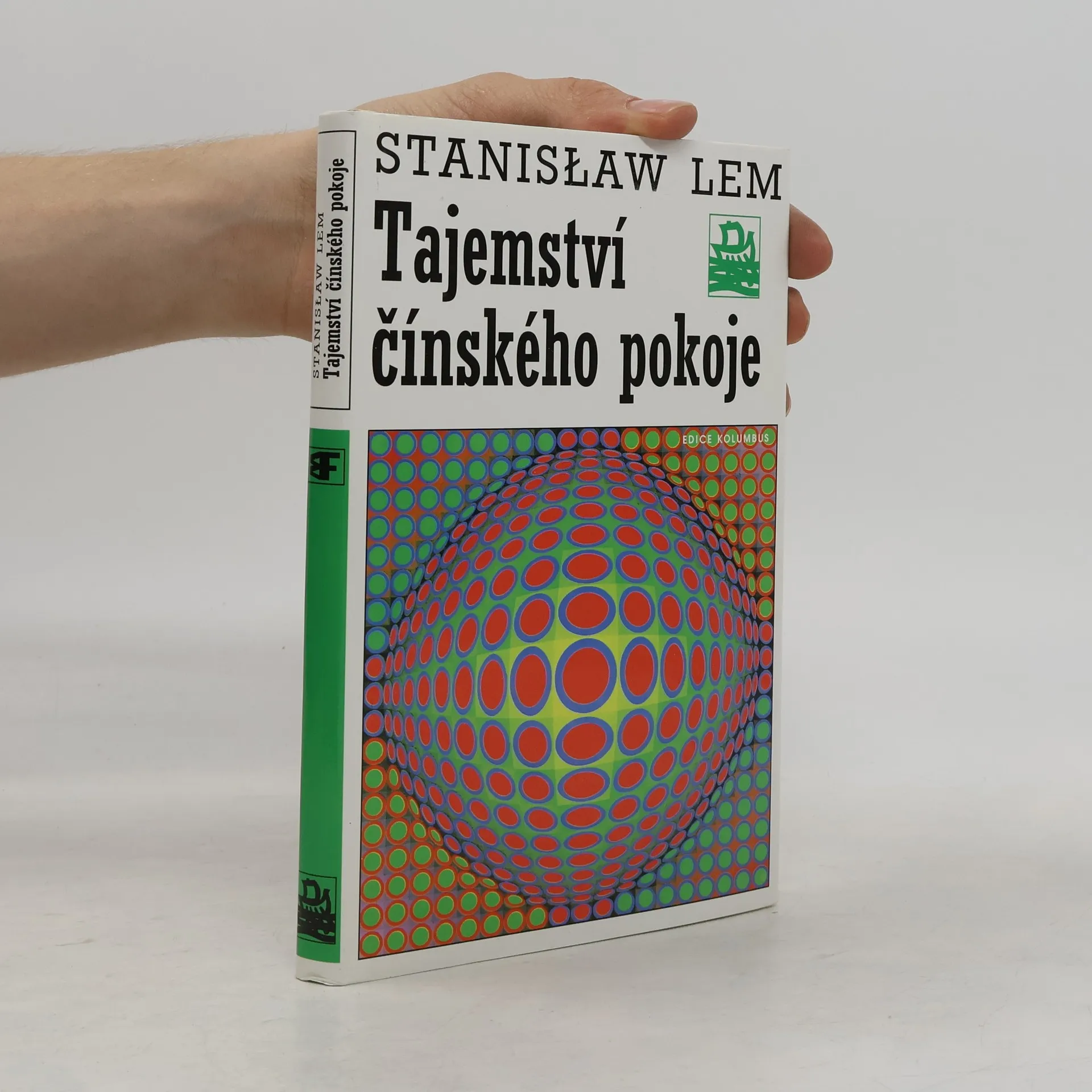
Tajemství čínského pokoje
- 199pagine
- 7 ore di lettura
Kniha proslulého polského autora je souborem esejů zamýšlejících se nad současností a budoucností vědy, jejími přednostmi a riziky. Zabývá se otázkami teorie informace, kybernetiky, genetiky a jejich možnostmi. Čtenář se dozví o rozdílu mezi člověkem a strojem, teoretických možnostech kybernetiky, možnosti kybernetického modelování biologických jevů, výhledem umělé inteligence, technickém napodobování živých bytostí, konkurenčních možnostech kybernetiky, negativních důsledcích významných objevů apod. Přeložil Pavel Weigel.
Biblioteka XXI wieku
- 231pagine
- 9 ore di lettura
Lem nie miał sobie równych, jeśli chodzi o swobodne poruszanie się pomiędzy fikcją literacką a eseistyką. Taki właśnie nastrój czytelnicy odnajdą w Bibliotece XXI wieku. To trzeci po Doskonałej próżni i Wielkości urojonej tom, który w twórczości Lema nazywa się "Apokryfami". Pisarz sprawdzał w... číst celé
Mehr phantastische Erzählungen
- 325pagine
- 12 ore di lettura
Die großen Sternfahrer Pilot Pirx, Ijon Tichy und die beiden Roboter Trurl und Klapauzius sind die bekanntesten Figuren des weltberühmten polnischen Science-fiction-Autors und Zukunftsforschers StanisBaw Lem. Die vorliegenden Sammelbände vereinen alle Geschichten dieser Protagonisten. Lem schickt den Leser weit in die Zukunft, treibt dort ein scharfsinnig-erfinderisches Spiel mit ihm und holt ihn dann wieder belehrt und bestens unterhalten auf die Erde zurück.
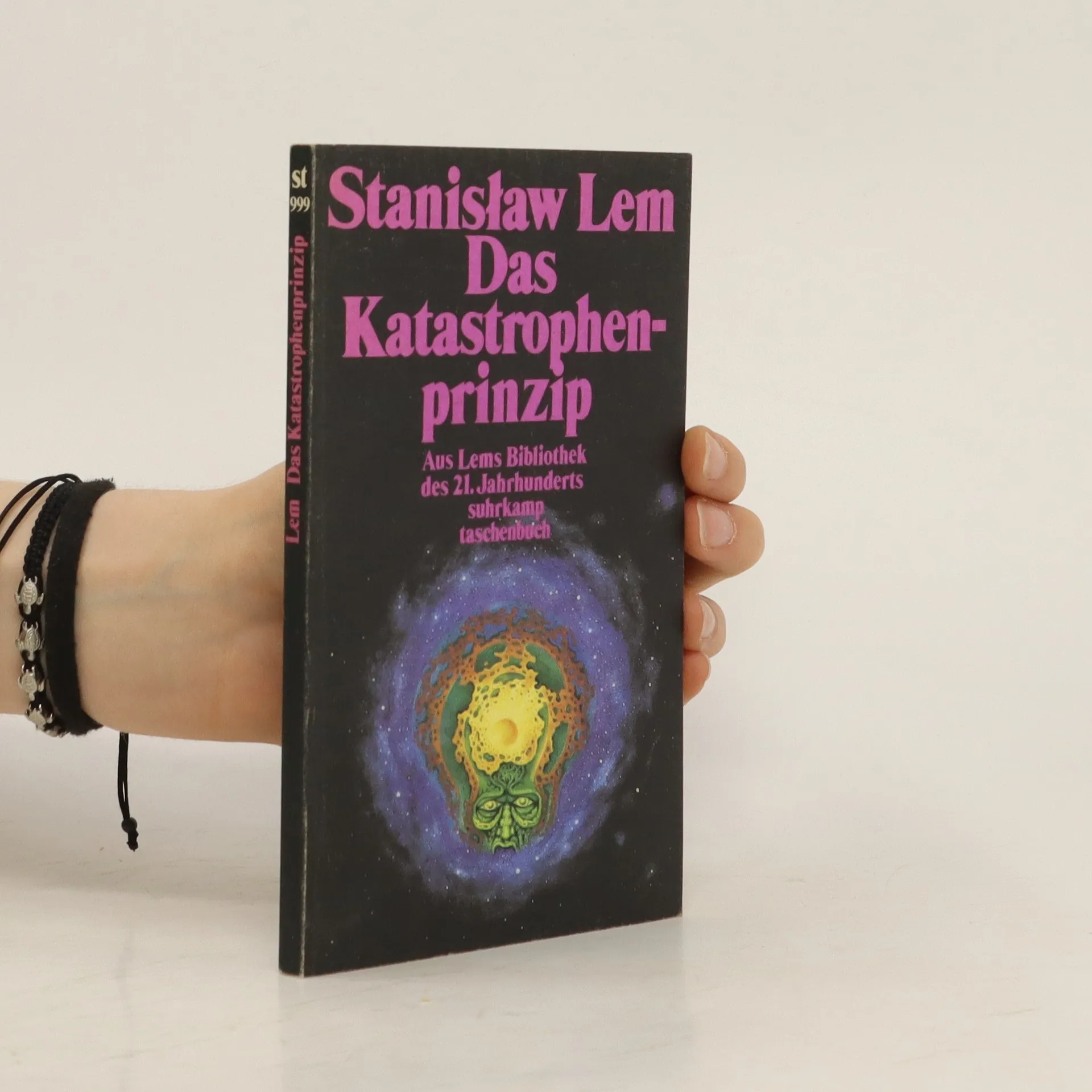
Das Katastrophenprinzip
Die kreative Zerstörung im Weltall. Aus Lems Bibliothek des 21. Jahrhunderts
- 88pagine
- 4 ore di lettura
Das Katastrophenprinzip - Aus Lems Bibliothek des 21. Jahrhunderts - bk1508; Suhrkamp Verlag; Stanislaw Lem; pocket_book; 1983
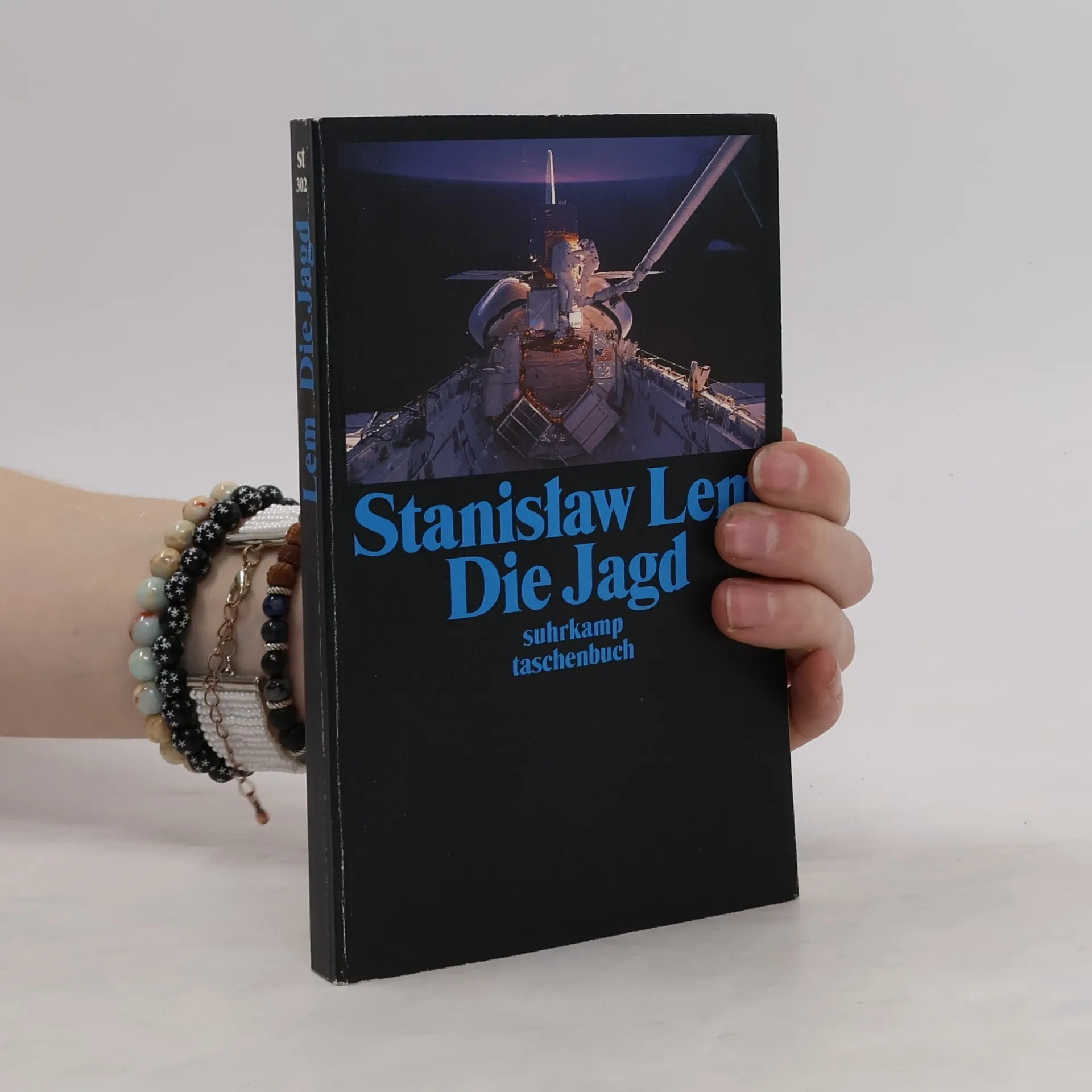
Die Jagd
- 262pagine
- 10 ore di lettura
Pirx, der skeptische und unheroische, aber doch couragierte Held dieser sechs Erzählungen, ist von Mißtrauen gegen "unsere eisernen Brüder", die roboter, erfüllt. Für ihn repräsentieren sie eine unbestimmte Gefahr, einen Faktor des Unheimlichen. Nicht zuletzt deshalb, weil sie ihn an die Schuld des Menschen der Maschine gegenüber erinnern. In der Titelerzählung wird der Roboter zur tragischen Gestalt, weil er die menschliche regung der Dankbarkeit entwickelt - und dadurch selbst zugrunde geht. In einer weiteren Erzählung wird ein anderer Roboter so menschanähnlich, daß er für sich die Schönheit des Bergsteigens entdeckt und dabei zerschellt. In "Die Verhandlung" sieht sich Pirx vor die Aufgabe gestellt, die nichtmenschlichen Mitglieder seiner Besatzung bei einem Weltraumflug herauszufinden und ihre Funktionstüchtigkeit zu beurteilen.
Eine comédie humaine entfaltet sich vor dem Leser, in der mit Phantasie und Forschereros ausgestattete Wesen gegen eine allmächtige, entfesselte Technologie kämpfen. Und, mit List und Phantasie durch ihre Maschen schlüpfend, sich etwas bewahren, was vor dem Jahre 2000 einmal Individualität hieß.
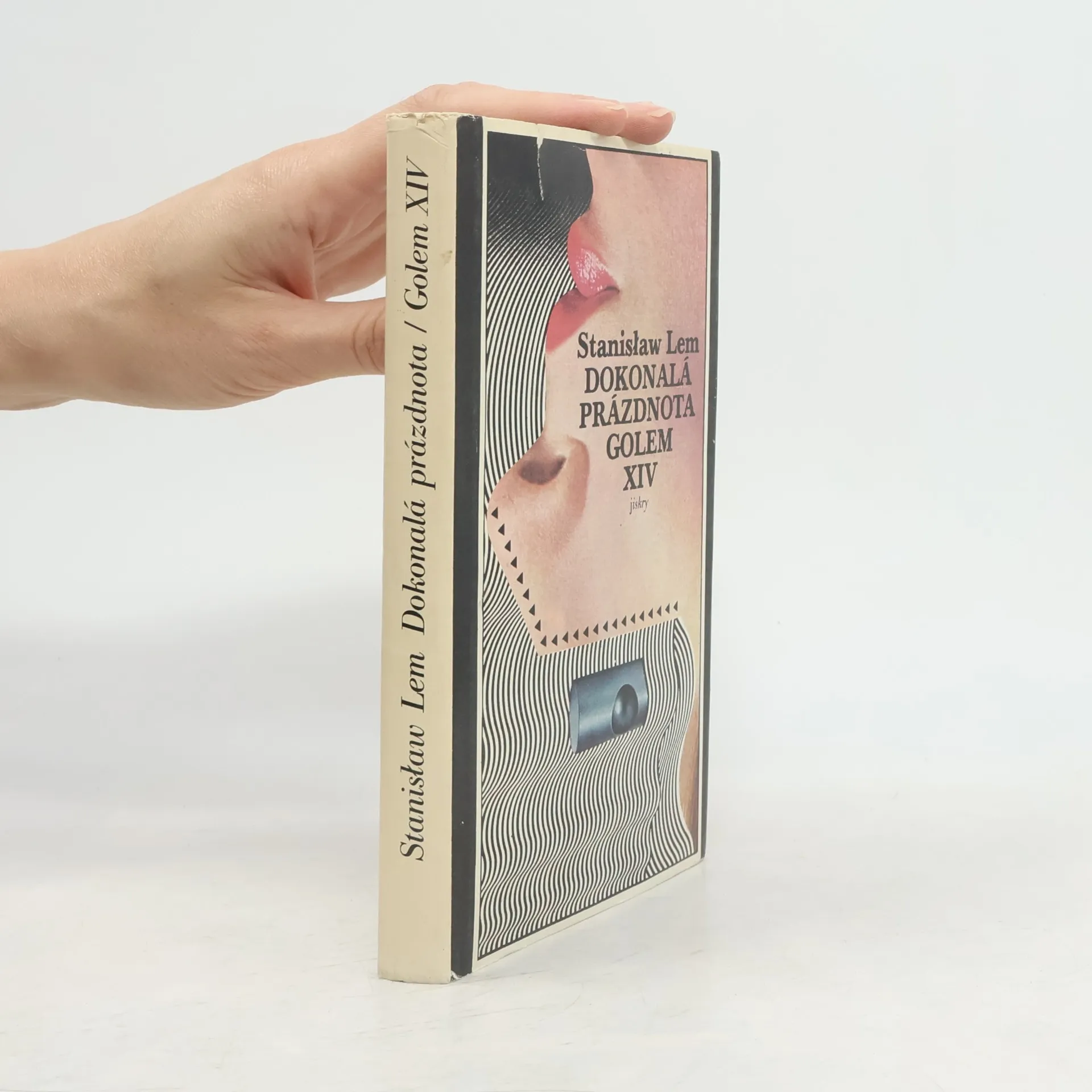
Inhalt:- Die Geschichte eines Einfalls (Dzieje pewnego pomysłu, 1978)- Die neue Kosmogenie (aus Die vollkommene Leere, 1971)- Golem XIV (aus Imaginäre Größe, 1973)
Powtórka
- 167pagine
- 6 ore di lettura
Waffensysteme des 21. Jahrhunderts
- 85pagine
- 3 ore di lettura
Waffensysteme des 21. Jahrhunderts oder „The Upside Down Evolution (Die verkehrte Evolution)“ ist ein Essay von Stanisław Lem, das 1983 auf Deutsch und Englisch erschien, eine polnische Ausgabe folgte 1986. Die „Waffensysteme“ können zu Lems Texten über fiktive Werke gezählt werden. Ähnlich wie in Die vollkommene Leere schreibt Lem zwar keine Rezension, stattdessen aber eine Zusammenfassung eines fiktiven Werks aus der Zukunft, welches ihm auf nicht näher erläuterte Weise zugänglich gemacht wurde. Darin wurden die militärische Entwicklung sowie die daraus resultierenden Konflikt- und Kriegsformen des 21. Jahrhunderts beschrieben. Ersten Gebrauch des so erworbenen Wissens habe er bereits in Die Stimme des Herrn gemacht, in welchem ein Zitat des erinnerten Werkes platziert sei. Die Veröffentlichung eines Gedächtnisprotokolls als Science Fiction erschien ihm als gangbarer Weg, einerseits den geheimen Inhalt des Werks preiszugeben, der aber andererseits zuverlässig verhindere, dass die Inhalte für bare Münze genommen werden.
"Die Vollkommenheit ist unser Fluch, der durch die Unberechenbarkeit seiner Folgen jedes unserer Werke belastet", lautet das Motto der drei Erzählungen dieses Bandes. In den Geschichten, die bisher nur in Fragmenten auf deutsch veröffentlicht wurden, entwickelt Stanislaw Lem Modelle für vollkommene Welten, "die möglich und unmöglich, scheinbar aberwitzig und unnatürlich sind".
Fantastyczny Lem
- 528pagine
- 19 ore di lettura
Piętnaście najlepszych opowiadań mistrza literatury science fiction! Top fifteen. Najlepsze z najlepszych. Piętnaście prezentowanych tu opowiadań Stanisława Lema wybranych zostało w drodze plebiscytu wśród czytelników, z udziałem samego autora oraz wybitnego lemologa i krytyka literackiego, Jerzego Jarzębskiego, którzy wskazali swoje ulubione teksty. Wszystkie opowiadania ułożono według miejsca zajmowanego w czytelniczym rankingu, który zadecydował o pozycji trzech pierwszych utworów. Są to: Simon Merril: „Sexplosion”, Trzej elektrycerze i Alistar Waynewright: „Being Inc.”. Im dalej w spisie treści, tym większa stosunkowo rola pisarza i krytyka w ich doborze. Jedno jest pewne - teksty pochodzące z różnych cykli i tomów zebrane obok siebie brzmią jeszcze mocniej i pełniej. To utwory nadal żywe, pełne fantastycznych pomysłów, groteskowego humoru, nieoczekiwanych rozwiązań fabularnych i głębokich podtekstów filozoficznych.
Stanisław Lem wurde am 12. September 1921 in Lwów (Lemberg) geboren, lebte zuletzt in Krakau, wo er am 27. März 2006 starb. Er studierte von 1939 bis 1941 Medizin. Während des Zweiten Weltkrieges musste er sein Studium unterbrechen und arbeitete als Automechaniker. Von 1945 bis 1948 setze er sein Medizinstudium fort, nach dem Absolutorium erwarb Lem jedoch nicht den Doktorgrad und übte den Arztberuf nicht aus. Er übersetzte Fachliteratur aus dem Russischen und ab den fünfziger Jahren arbeitete Lem als freier Schriftsteller in Krákow. Er wandte sich früh dem Genre Science-fiction zu, schrieb aber auch gewichtige theoretische Abhandlungen und Essays zu Kybernetik, Literaturtheorie und Futurologie. Stanisław Lem zählt heute zu den erfolgreichsten Autoren Polens. Sein Werk wurde vielfach ausgezeichnet, verfilmt und in 57 Sprachen übersetzt.
Aus welchen komisch-banalen Gründen eine der beliebten Invasionen aus dem Weltall scheitert; wie die Verkehrserziehung der Zukunft aussieht; wie die Welt zugrunde geht; was sich der Autor von der Zukunft wünscht - das sind einige der Dinge, die der Leser in diesem neuen Kurzgeschichtenband Lems erfährt. Auch eine neue Schrulle vom Professor Tarantoga fehlt nicht. Teilweise sind es ältere Erzählungen, teilweise ganz neue, immer aber solche, die aufs neue den Ideenreichtum und die erstaunliche Vielseitigkeit des Autors Lem unter Beweis stellen.Inhalt:- Die Ratte im Labyrinth (Szczur w labyrincie, 1957)- Invasion vom Aldebaran (Inwazja z Aldebarana, 1959)- Hundertsiebenunddreißig Sekunden (Sto trzydzieści siedem sekund, 1976)- Die Maske (Maska, 1976)- Herr F. (Pan F., 1977)- Die Tobine (1981)- Meine drei Wünsche (1980)- Weltuntergang um acht (Koniec świata o ósmej, 1957)- Das schwarze Kabinett Professor Tarantogas (Czarna komnata Profesora Tarantogi, 1963)- Professor A. Donda (Profesor A. Dońda, 1976)- Das Rätsel (Zagadka, 1981)
Soubor vědeckofantastických povídek polského spisovatele, jednoho z nejvýznamnějších představitelů tohoto žánru. Příběhy, které posunují problematiku literatury science fiction z nenáročných poloh dobrodružnosti do náročnějších poloh filosofických. Altrusin, aneb pravdivý příběh o tom, jak poustevník Dobrycy zatoužil obšťastňovat vesmír, a k čemu to vedlo Dva mladí lidé Lov Neštěstí Pirxovo vyprávění
Polský spisovatel Stanisław Lem je považován za jednoho z nejoriginálnějších autorů literatury science fiction a spekulativní prózy vůbec. Dodnes jsou vysoce ceněny jeho povídky z přelomu 50. a 60. let, mimo jiné Lymphaterův vzorec, Přítel, Krysa v labyrintu či Kladivo, které v zárodečné podobě obsahují všechna základní témata jeho tvorby, jež autor dále rozpracovával ve svých románech Solaris, Nepřemožitelný či Planeta Eden. Znalec polské sci-fi Pavel Weigel shromáždil tyto nejlepší povídky (nezařazené do žádných cyklů) do jediného sborníku, a čtenáři si tak mohou vychutnat esenci opravdové originality á la Lem. K výboru je připojena Lemova stať Můj život, která vychází v češtině poprvé a osvětluje některá nečekaná východiska autorovy tvorby.
Test. Phantastische Erzählungen.
- 203pagine
- 8 ore di lettura
Phantastische Geschichten eines Autors, dessen Bücher im Ostblock Millionen Leser faszinieren. Sie handeln von beklemmend-komischen Abenteuern im Weltraum - z.B. von der Gefährlichkeit gemeiner Stubenfliegen in Raumschiffen - von Küchenmaschinen, die bedenkliches Eigenleben entwickeln - von einer drachenbekämpfenden Rechenmaschine - von der Invasion der Aldebaraner und anderen höchst aufregenden Zukunftserfahrungen. Inhalt: - Test ("Test" aus "Inwazja z Aldebarana", Wydawnictwo Literackie, Kraków, 1959) - Der bedingte Reflex ("Odruch warunkowy" aus "Noc księżycowa", Wydawnictwo Literackie, Kraków, 1963) - Albatros ("Albatros" aus "Inwazja z Aldebarana", Wydawnictwo Literackie, Kraków, 1959) - Terminus ("Terminus" aus "Księga robotów", Iskry, Warszawa, 1961) - Die Waschmaschinentragödie ("Tragedia pralnicza" aus "Noc księżycowa", Wydawnictwo Literackie, Kraków, 1963) - Invasion vom Aldebaran ("Inwazja z Aldebarana" aus "Inwazja z Aldebarana", Wydawnictwo Literackie, Kraków, 1959) - Von der Rechenmaschine, die mit dem Drachen kämpfte ("Bajka o maszynie cyfrowej, co ze smokiem walczyła" aus "Bajki robotów", Wydawnictwo Literackie, Kraków, 1964)