This book argues that the human model, isolated and reductionist, is not the best basis for AI. It suggests that ecological intelligence is the superior framework. Systems theory is central to the concept of sustainability, and this book argues that AI myst be grounded within the ecology of our planet in order to offer any change.
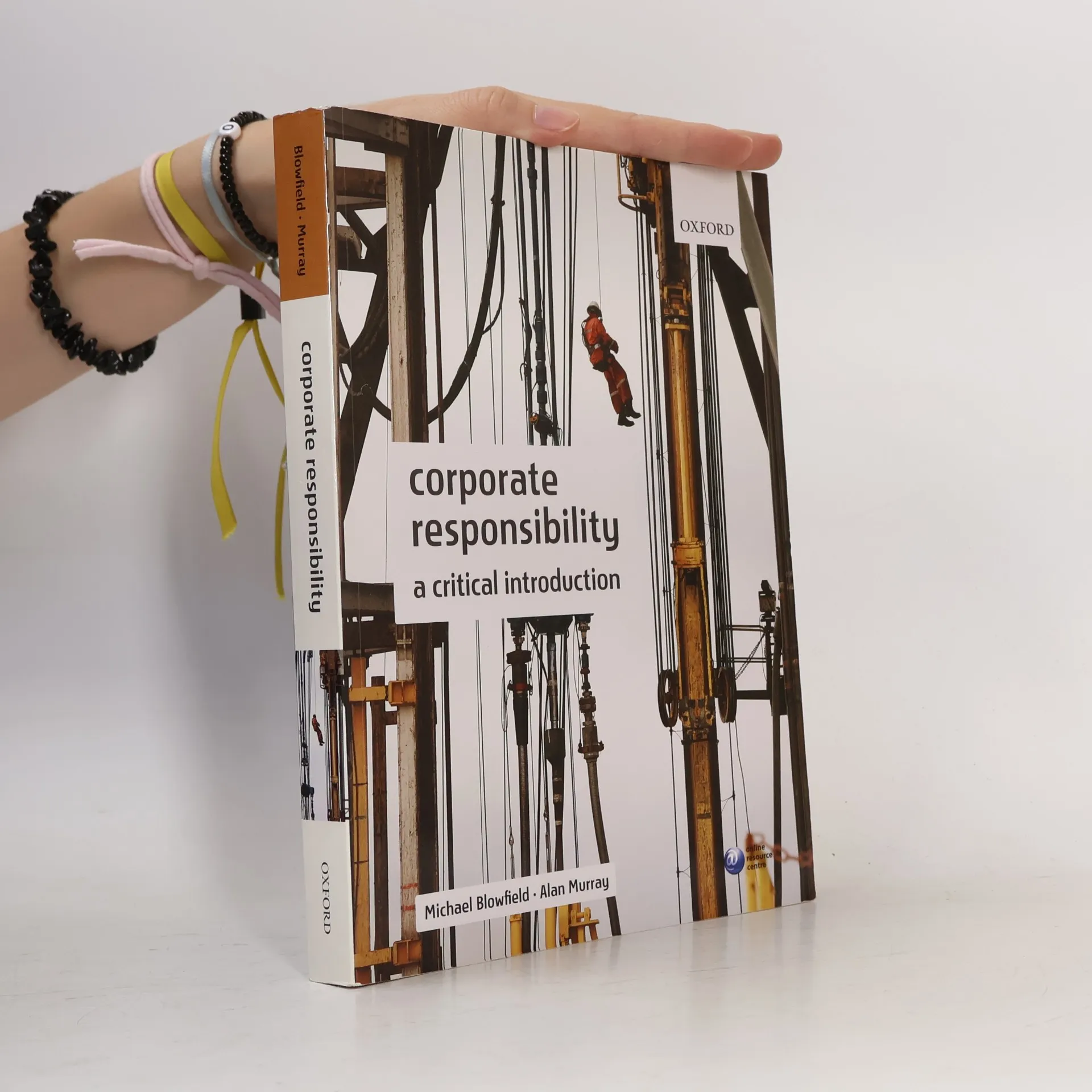
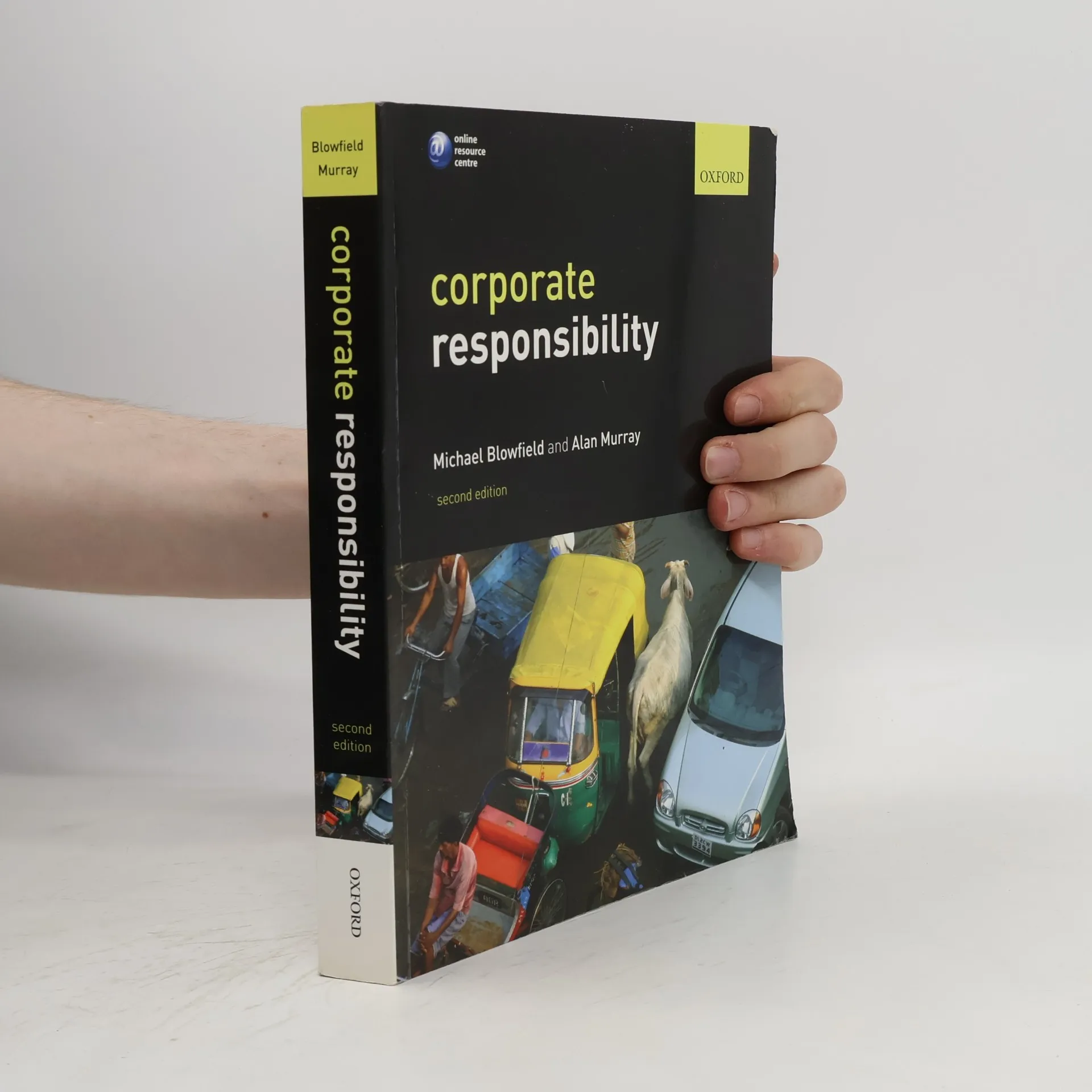
This textbook examines the multiple dimensions to corporate responsibility, creating a framework that presents a historical and interdisciplinary overview of the field, a summary of different management approaches and a review of the key actors and trends worldwide.
From The Wall Street Journal comes the definitive guide to management ideas and practices with lasting impact. For decades, understanding management—what works, and what doesn't—has been the pursuit of the world's best and brightest. Globally, there are more than 1,500 credible schools offering master's degrees in business administration, and hundreds of magazines and newspapers and thousands of books devoted to the subject. What's been missing is a simple and convenient way to disseminate the best ideas and practices to managers everywhere, at all levels and in all kinds of industries and organizations. The Wall Street Journal Essential Guide to Management draws the best from the existing body of knowledge and research, and summarizes it in a simple, clear, and useful way. Focusing on classic and contemporary works that have been recommended by members of The Wall Street Journal CEO Council—all chief executives of large and successful global companies—it is an invaluable reference and essential tool for every manager, new and experienced alike.
This much needed textbook examines the multiple dimensions to corporate responsibility, creating a framework that presents a historical and interdisciplinary overview of the field, a summary of different management approaches, and a review of the key actors and trends worldwide.The authors take a critical perspective and successfully provide a balance between theory and practice. They offer comprehensive coverage of the subject, combining an insightful, interdisciplinary, approach with the pedagogy and support sought after by students.An online resource centre will accompany the text, comprising weblinks, new legislation, further reading, email listservs and links to courses for students, and case studies and essay questions for lecturers.
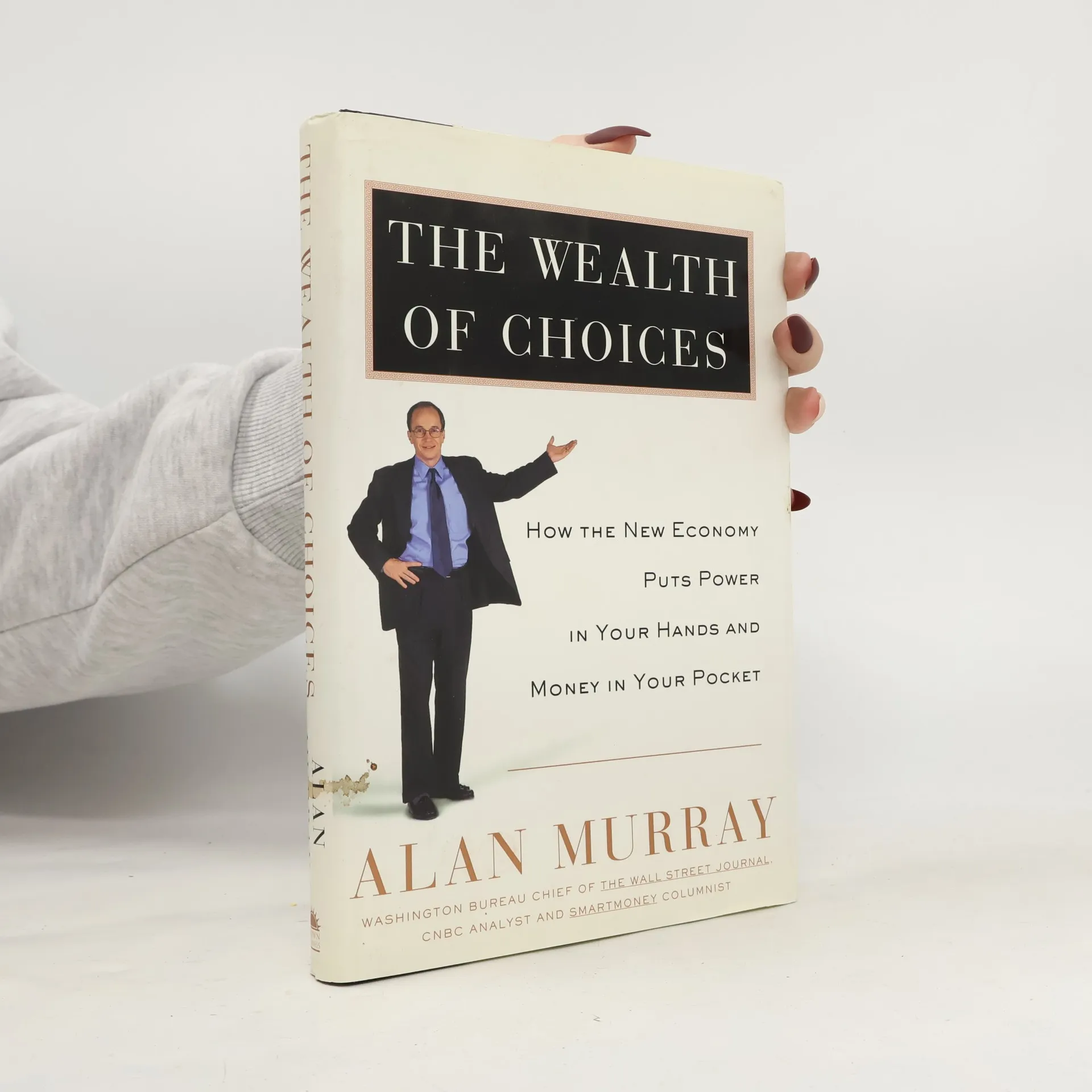
How the New Economy Puts Power in Your Hands and Money in Your Pocket
264pagine
10 ore di lettura
If Adam Smith were to visit the United States today, he would be pleased to see how the invisible hand he described in The Wealth of Nations has evolved. The competition in the New Economy is fierce, compelling everyone, including Fortune 500 companies, to adapt. This environment has led to an abundance of choices and a significant shift in societal dynamics and rewards. Alan Murray, the Washington bureau chief of The Wall Street Journal, illustrates how individuals can thrive in this New Economy, which is more than just a buzzword; it signifies a fundamental change in our economic landscape that impacts everyone.
Murray provides a comprehensive overview of the New Economy and offers practical advice on navigating changes in areas like health care, education, and the workplace. He emphasizes the importance of viewing oneself as a brand in a competitive job market and offers strategies for effective consumerism, particularly in the evolving relationship with healthcare providers. He also discusses how to manage education costs wisely and leverage credit card competition to one's advantage.
Murray challenges the notion of traditional financial wisdom, providing straightforward rules for achieving great returns independently. He addresses the inadequacies of the traditional retirement model and offers insights into preparing for a secure future. With a wealth of resources and practical advice, Murray equips readers to not only