The Subversive Simone Weil
- 200pagine
- 7 ore di lettura
The force of affliction -- Paying attention -- The varieties of resistance -- Finding roots -- The good, the bad, and the godly -- Epilogue.


Robert Zaretsky è un distinto biografo letterario e storico della Francia. Il suo lavoro approfondisce le vite e le menti di figure significative, esplorando le loro ricerche di senso e il loro posto nella storia. Lo stile di Zaretsky è incisivo, offrendo ai lettori un viaggio avvincente attraverso paesaggi intellettuali e culturali. Attraverso i suoi estesi saggi e libri, Zaretsky fornisce interpretazioni uniche che arricchiscono la nostra comprensione delle eredità storiche e letterarie.

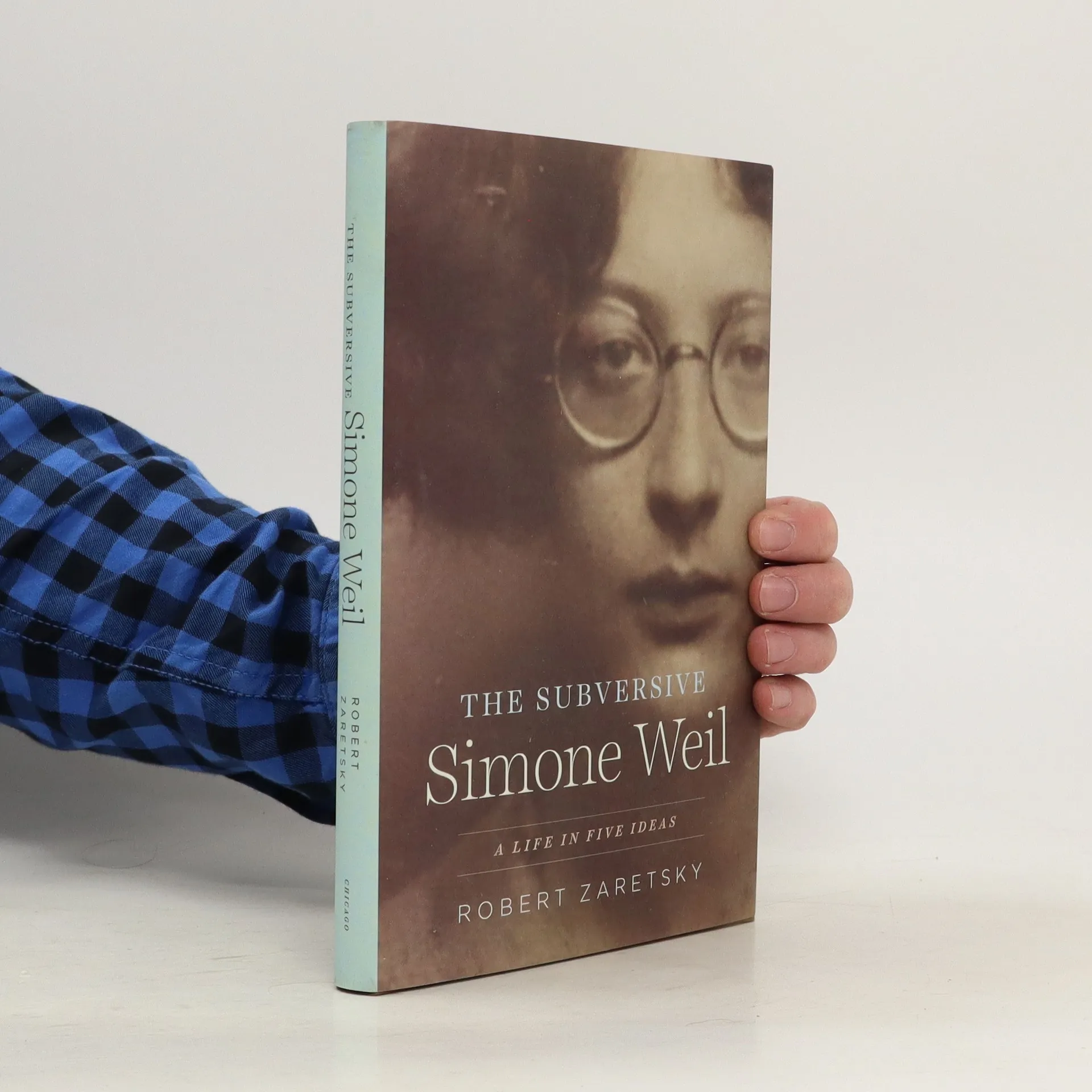
The force of affliction -- Paying attention -- The varieties of resistance -- Finding roots -- The good, the bad, and the godly -- Epilogue.
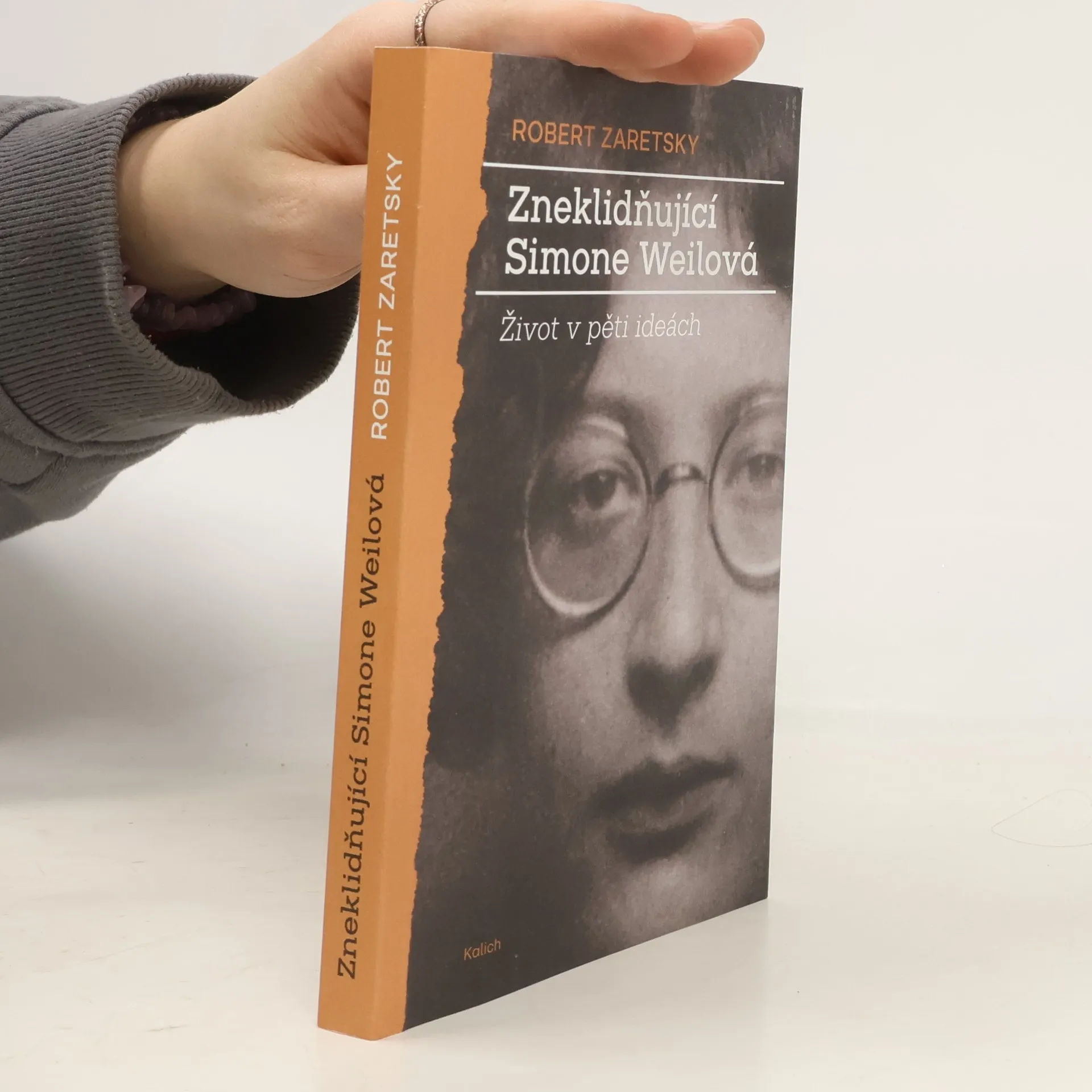
Simone Weilová (1909–1943), známá jako „patronka všech outsiderů“, byla jednou z nejpozoruhodnějších myslitelek dvacátého století, filozofkou, která skutečně žila podle svých politických a etických ideálů. Kniha Roberta Zaretského ukazuje nově stránky Weilové – přísnou racionalistku, která se oddávala zároveň vlastnímu typu mysticismu; revolucionářku se slabostí pro anarchismus, která však věřila v hierarchii práce; a humanistku, která lidské potřeby a povinnosti nadřazovala lidským právům. Kniha Zneklidňující Simone Weilová ctí složitost jejího myšlení a vypovídá o tom, proč nepřestává fascinovat čtenáře i dnes. Miroslav Petříček: Kniha Roberta Zaretského představuje myšlení Simone Weilové v úplnosti, ať už jde o její chápání vzdoru, nebo o její klíčový myšlenkový motiv, jímž je hledání kořenů na pozadí rozpadajícího se světa. Autor píše srozumitelně, což není snadné, protože Weilová je místy obtížně srozumitelná: v jejím myšlení se objevují na první pohled nesmiřitelné rozpory.