

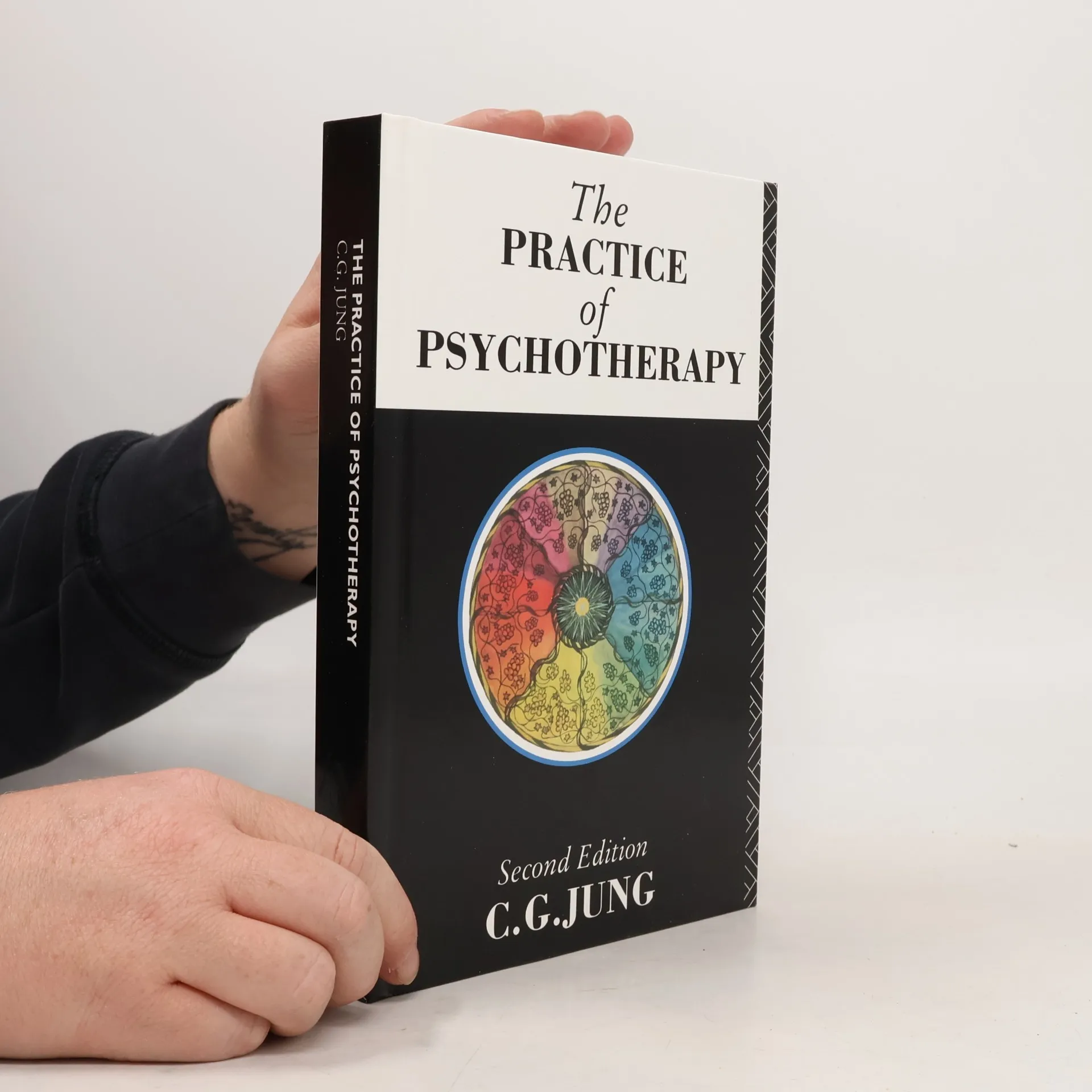
The Practice of Psychotherapy brings together Jung's essays on general questions of analytic therapy and dream analysis. It also contains his profoundly interesting parallel between the transference phenomena and alchemical processes. The transference is illustrated and interpreted by means of a set of symbolic pictures, and the bond between psychotherapist and patient is shown to be a function of the kinship libido. Far from being pathological in its effects, kinship libido has an essential role to play in the work of individuation and in establishing an organic society based on the psychic connection of its members with one another and with their own roots.
Michael Fordham Ordine dei libri (cronologico)

Freud e la psicoanalisi - Edizioni integrali, Grandi tascabili economici
- 336pagine
- 12 ore di lettura
La prima incontro di C. G. Jung con Sigmund Freud avvenne nel febbraio del 1907, dopo un anno di corrispondenza e dopo che Jung aveva già sperimentato il pensiero freudiano nella sua ricerca e pratica dal 1904. Fino al 1912, il legame tra i due scienziati e medici era stretto, e Jung era considerato uno dei principali psicoanalisti. Sebbene le relazioni personali iniziarono a deteriorarsi, in particolare a causa della pubblicazione di "Trasformazioni e simboli della libido" (1911/12), Jung rimase presidente della Società Psicoanalitica Internazionale fino al 1914. Le prime nove trattazioni di questo quarto volume delle Opere Complete coprono il periodo della collaborazione tra Jung e Freud: espongono la teoria e il metodo della psicoanalisi, applicandoli a temi specifici e affrontando obiezioni o malintesi dei critici. Seguono lavori che contengono elementi fondamentali della critica e della visione personale di Jung. Il giudizio evolve, i contrasti portano a una rottura aperta, e dalla distanza temporale emergono intuizioni sulla condizione personale di entrambi e sulla necessità di un percorso autonomo. L'incontro con Freud all'inizio della carriera ha profondamente influenzato Jung, lasciando tracce in numerose opere successive.
'This book contains an exposition of therapeutic methods used by analytical psychologists. It is based on Jung's own investigations and includes developments in his ideas and practices that others have initiated. 'Jung held that his work was scientific in that he had discovered an objective field of enquiry. When applying this assertion to analytical psychotherapy one must make it quite clear that, unlike what happens in other sciences, the personality of the therapist enters into the procedures adopted in a way uncharacteristic of experimental method. In the natural sciences study is different in kind and the investigator's personality is significant only in his capacity to be a scientist. By contrast, in analytical therapy the personal influence of the analyst pervades his work and furthermore extends to generations of psychotherapists; the way the author conducts psychotherapy is inevitably influenced having known Jung, having developed a personal loyalty to him and by being treated by three therapists who came under his influence.
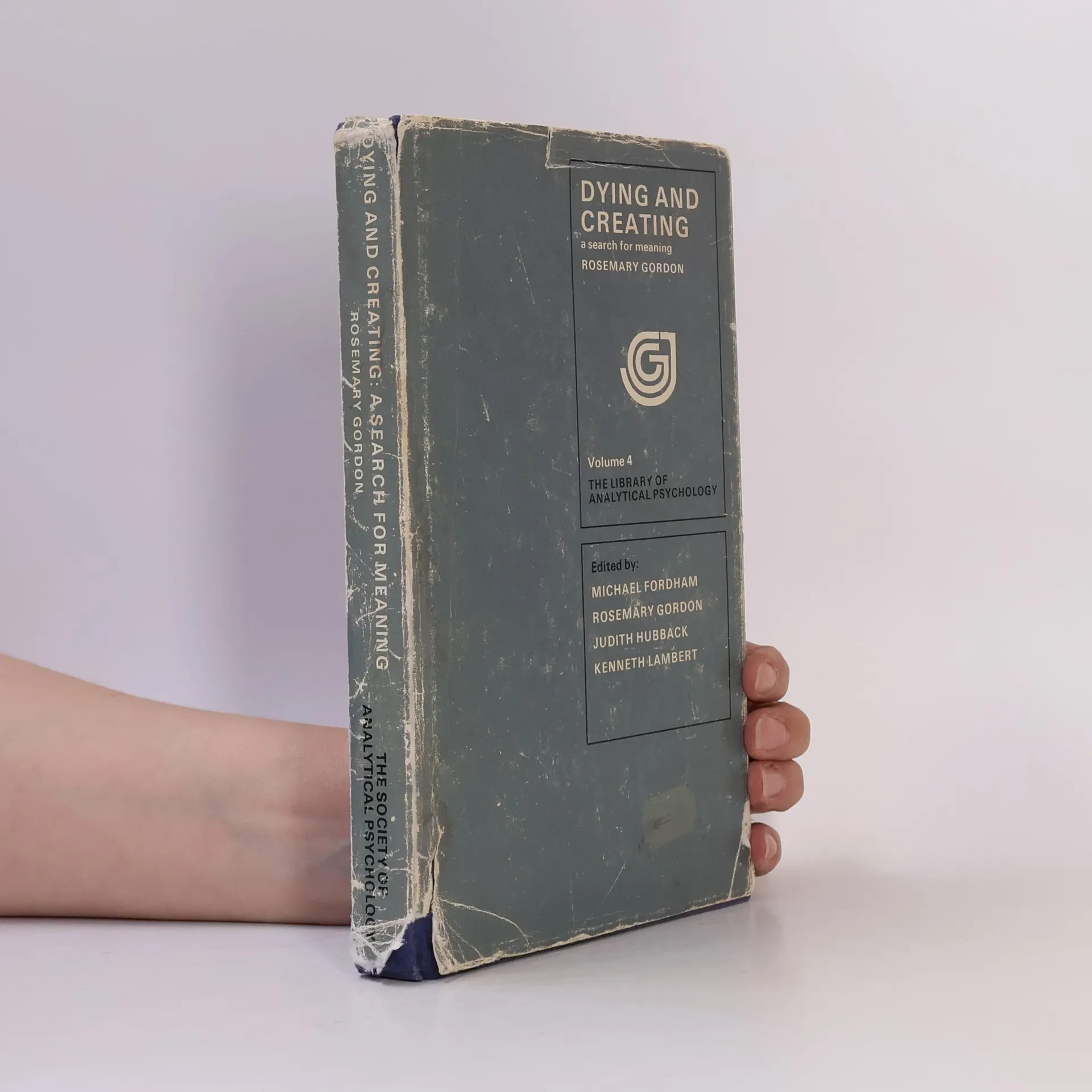
The Library of Analytical Psychology - 4: Dying and Creating
A Search for Meaning
- 186pagine
- 7 ore di lettura
Jung devoted much of his attention to the psychology of death, re-birth and transformation. The author acknowledges his creative spirit and the depth of his understanding in this discussion of the many customs, myths, stories and beliefs that surround death and dying. The author shows that a fear of death can deprive us of potential sources of creativity, as these are hindered by paralysing fears.
Das Kind als Individuum
- 171pagine
- 6 ore di lettura