

The book explores the complex interplay between idealism and terror during pivotal moments in history, specifically the French Revolution of 1789 and the Russian Revolution of 1917. Mayer critiques the contemporary dismissal of violence in favor of a belief in peaceful progress through human rights and capitalism. By revisiting these revolutions, he challenges the notion that violence is an outdated or ineffective means of enacting change, highlighting its significant role in shaping modern society.
Arno J. Mayer Ordine dei libri (cronologico)
Arno Mayer è uno storico focalizzato sull'Europa moderna, il cui lavoro esamina la tensione tra la rapida modernizzazione economica e un ordine politico arretrato. Ipotizza che "La Crisi dei Trent'Anni" tra il 1914 e il 1945 sia derivata dallo scontro tra una dinamica società industriale e una rigida struttura di potere aristocratica. Mayer analizza come gli sforzi dell'aristocrazia per mantenere il potere abbiano portato ai principali conflitti del XX secolo. Le sue analisi offrono una prospettiva distintiva sulle origini delle Guerre Mondiali e dell'Olocausto.
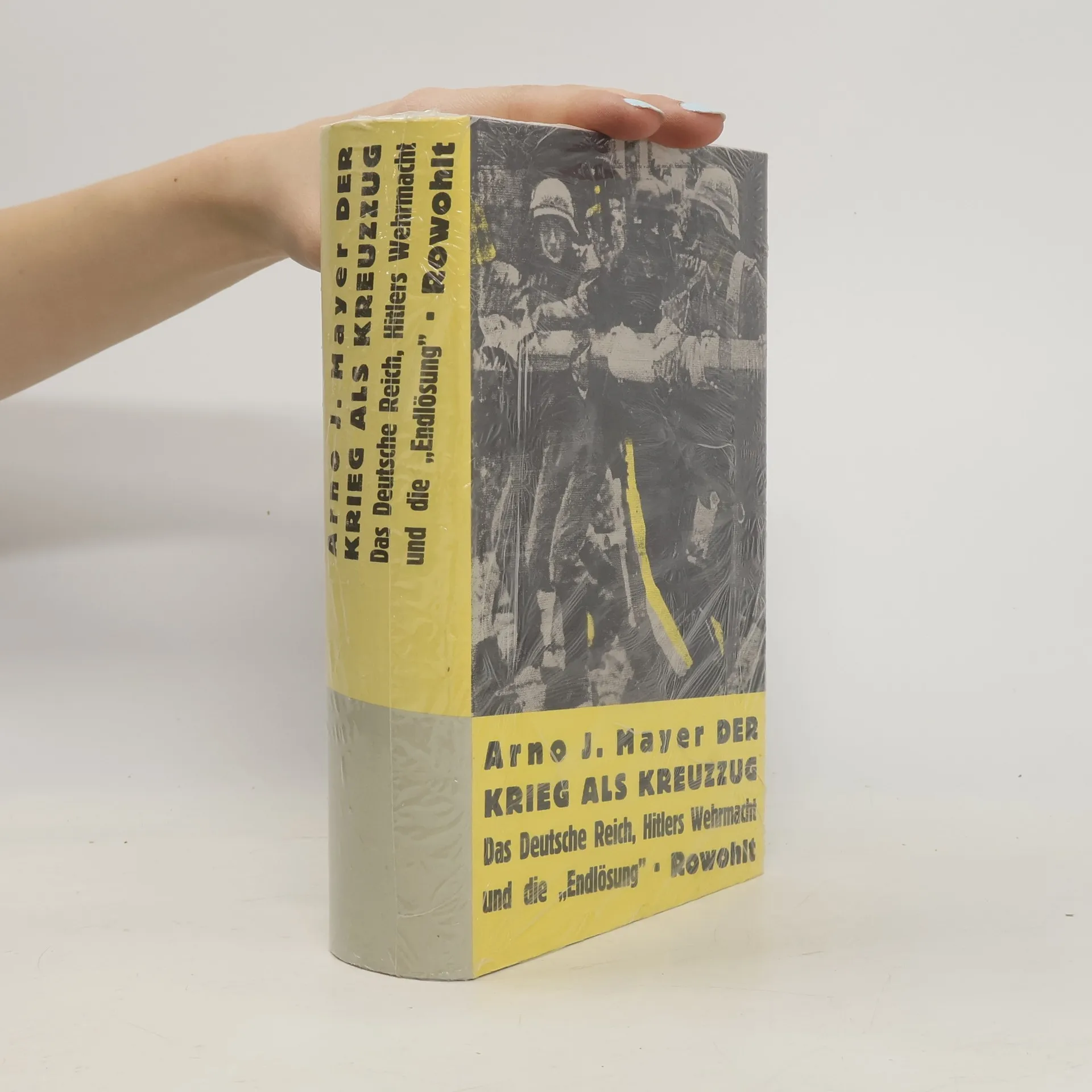

Der Krieg als Kreuzzug
- 701pagine
- 25 ore di lettura
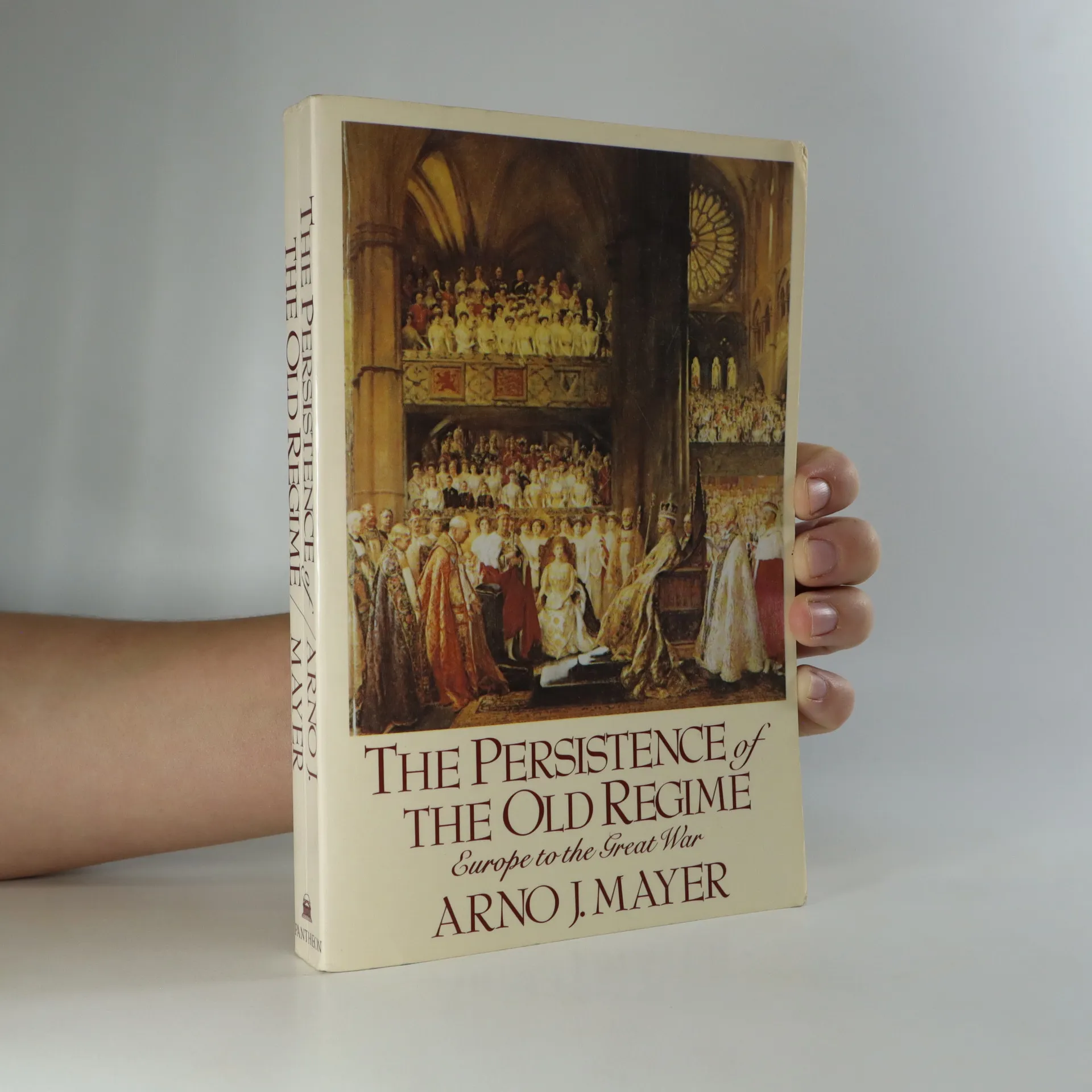
In this classic work which analyzes the context in which thirty years of war and revolution wracked the European continent, the great historian Arno Mayer emphasizes the backwardness of the European economies and their political subjugation by aristocratic elites and their allies. Mayer turns upside down the vision of societies marked by modernization and forward-thrusting bourgeois and popular social classes, thereby transforming our understanding of the traumatic crises of the early twentieth century.