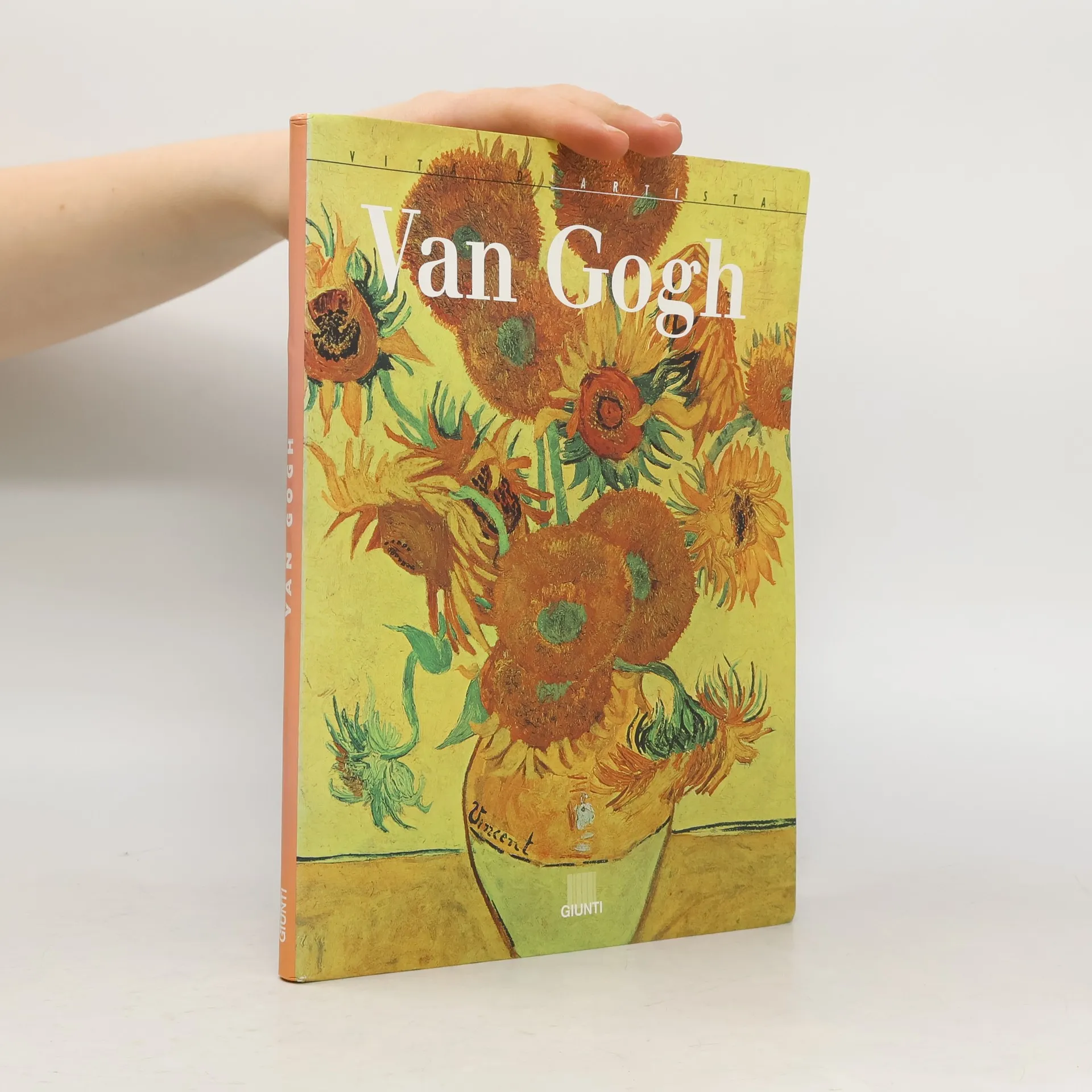
Van Gogh
- 118pagine
- 5 ore di lettura
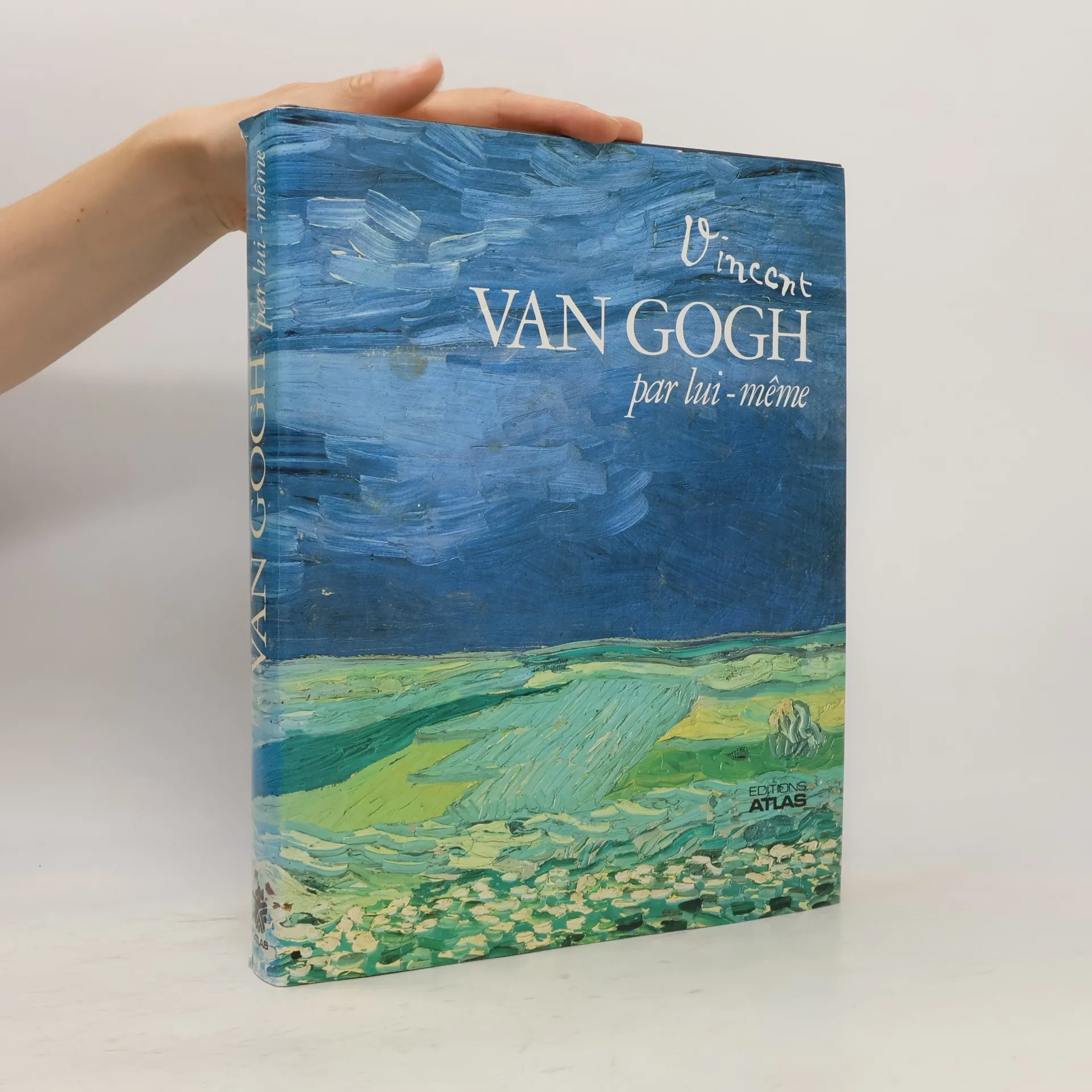
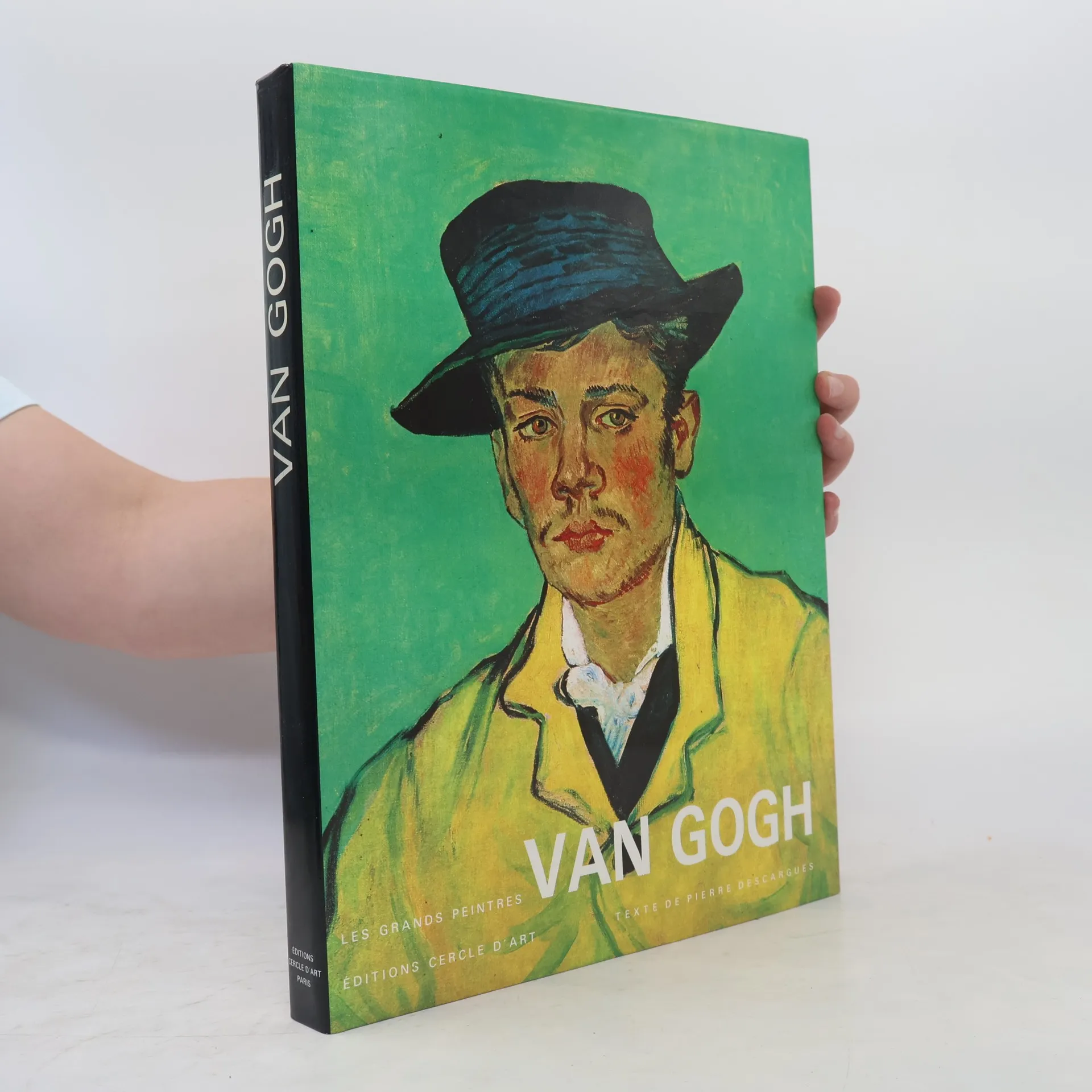
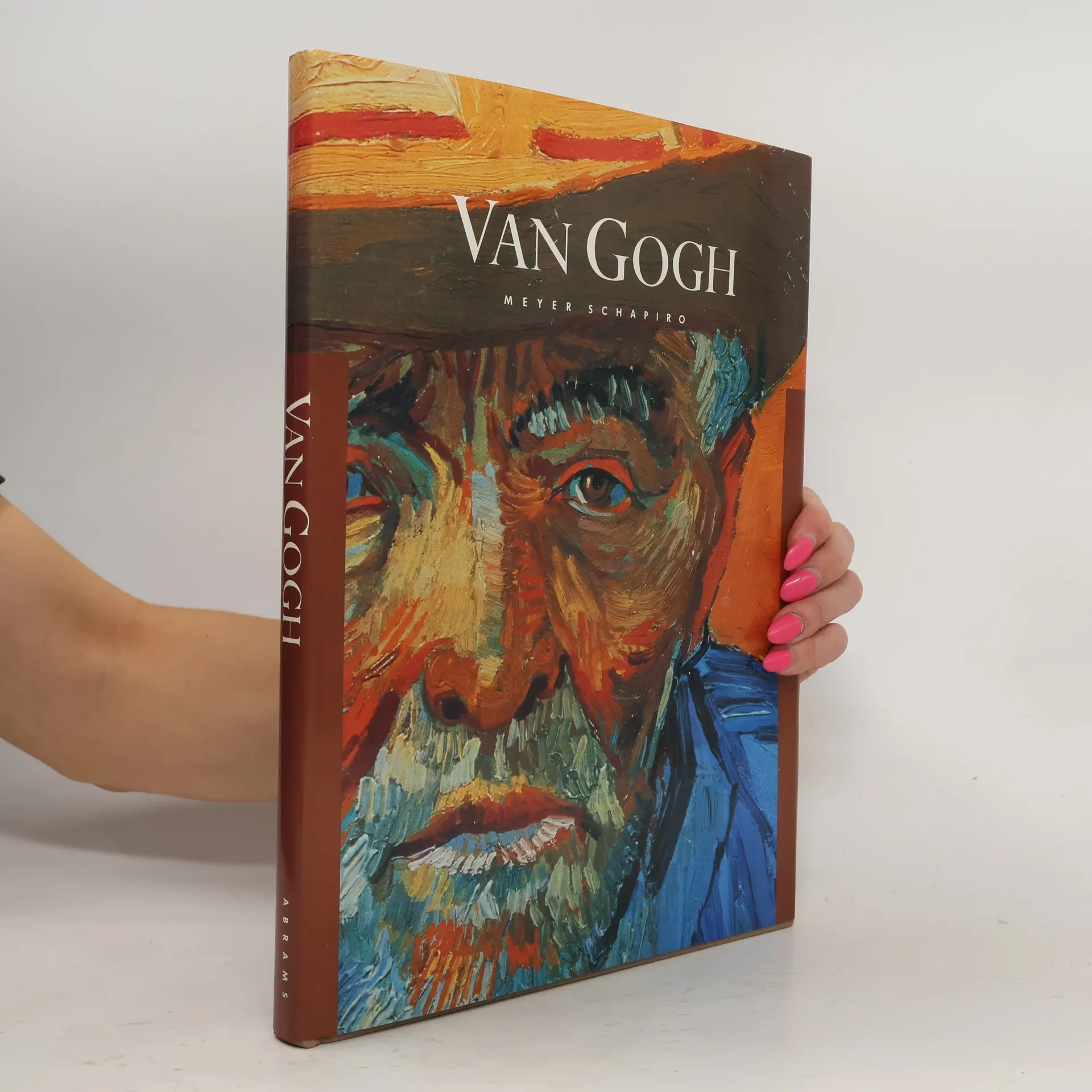
Milano, 1996; br., pp. 64, 200 ill. col., cm 35x26.
4,4


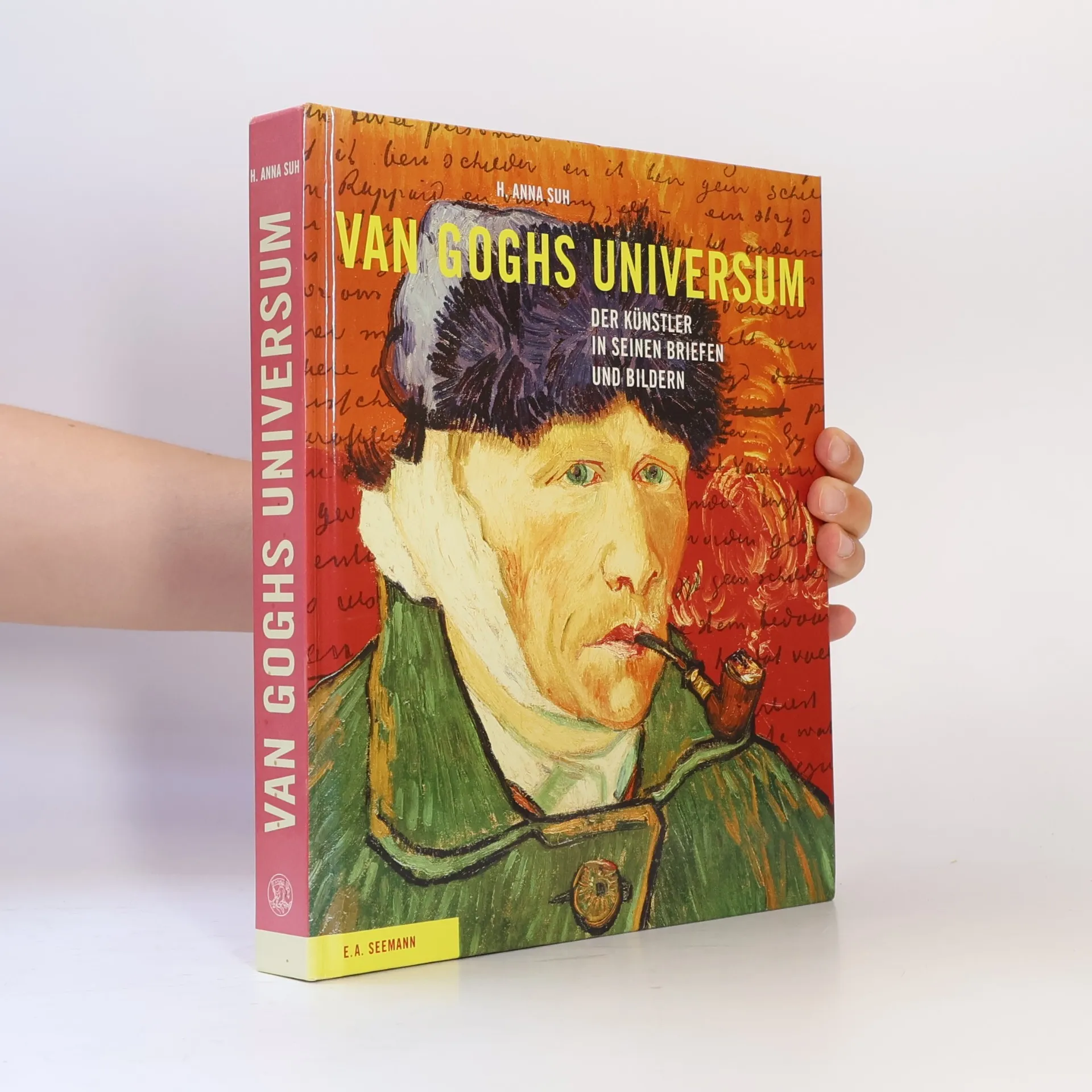
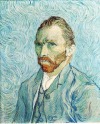
Vincent van Gogh vedeva il colore come il principale simbolo di espressione. Le sue prime opere olandesi presentano toni cupi con illuminazione netta, mentre a Parigi scoprì l'Impressionismo e iniziò a usare una tavolozza più chiara e pennellate più brevi. La sua arte è caratterizzata da pennellate appassionate, colore simbolico e intenso, e dal movimento di forma e linea. Van Gogh era completamente assorbito nello sforzo di spiegare la sua lotta contro la follia o la sua comprensione dell'essenza spirituale dell'uomo e della natura.

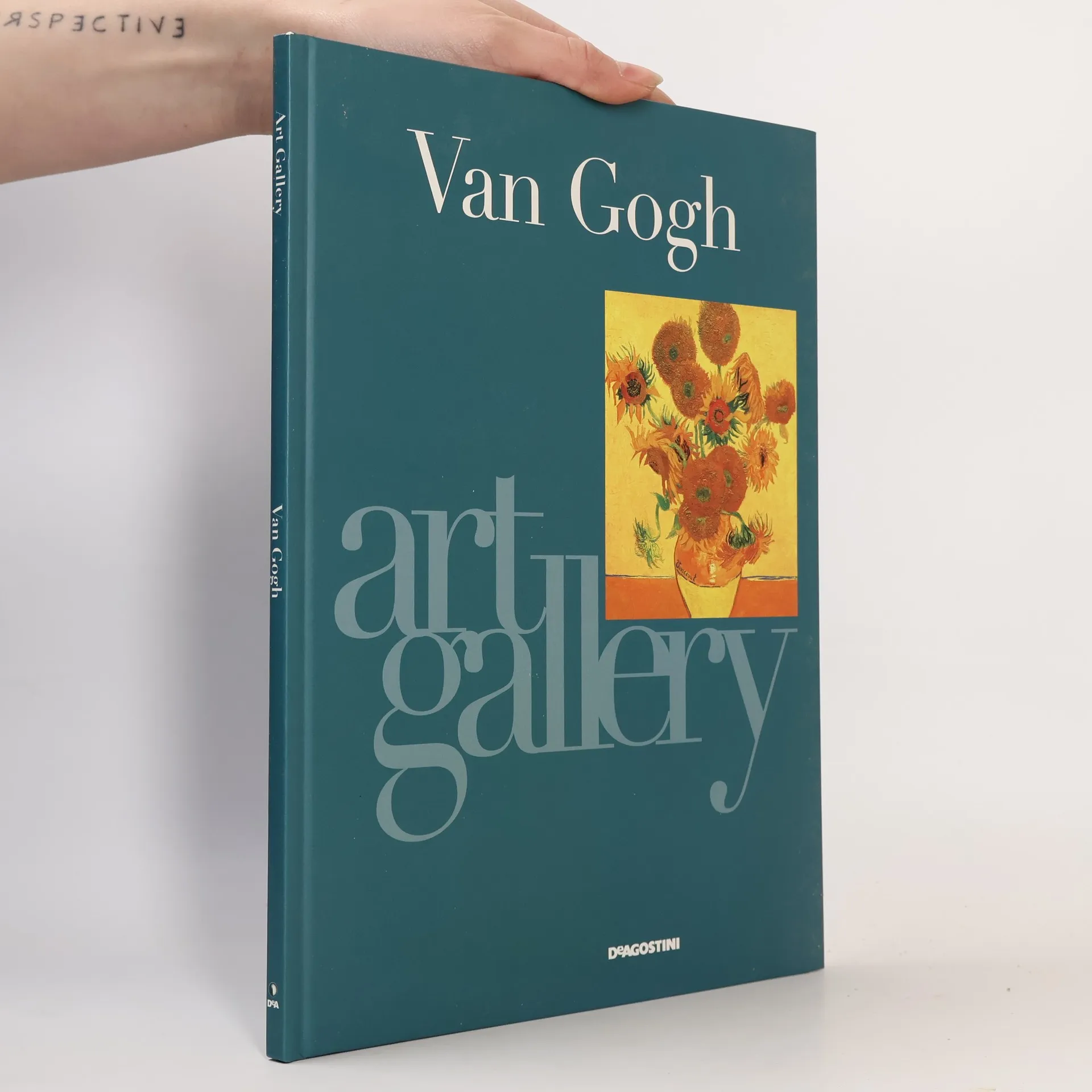
Milano, 1996; br., pp. 64, 200 ill. col., cm 35x26.
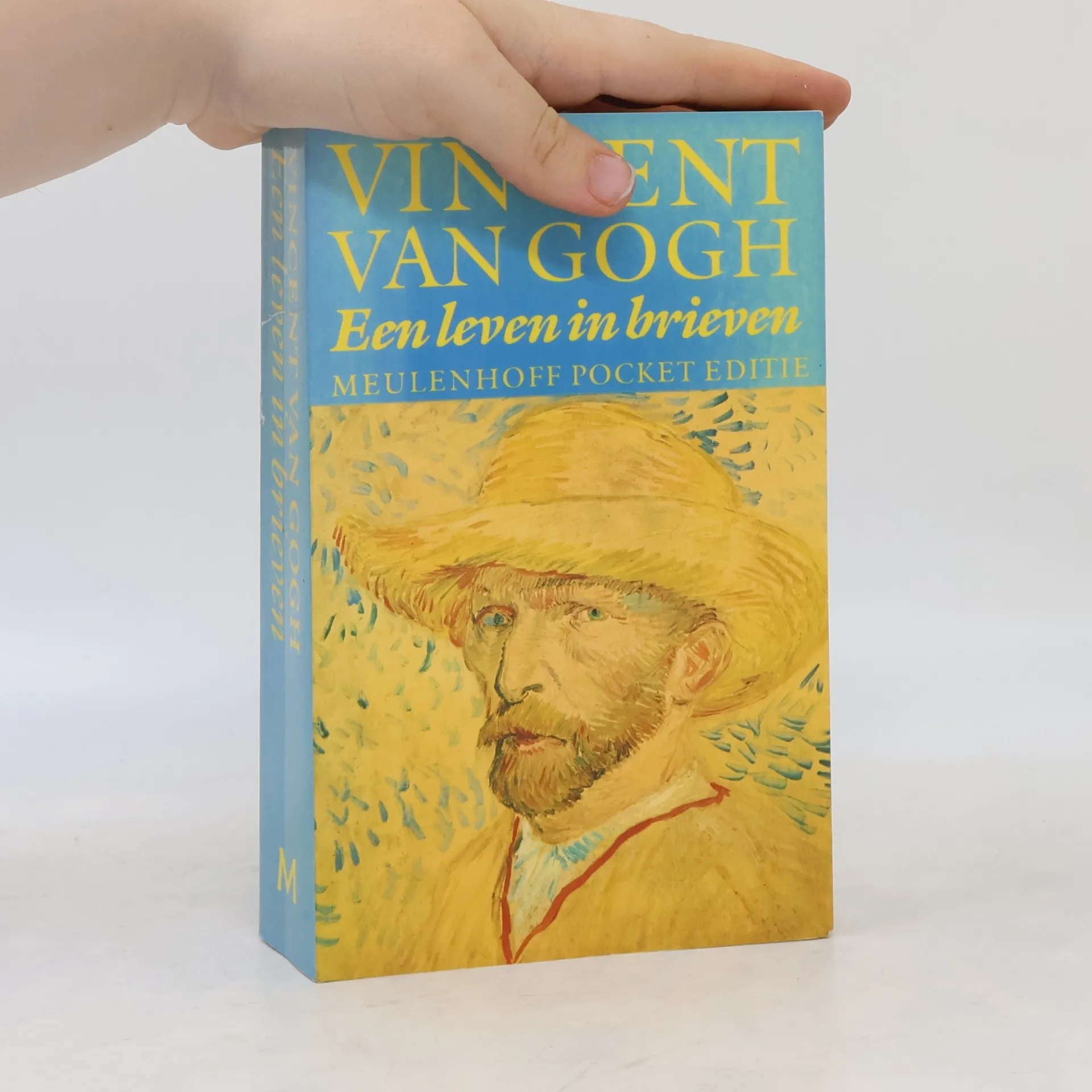
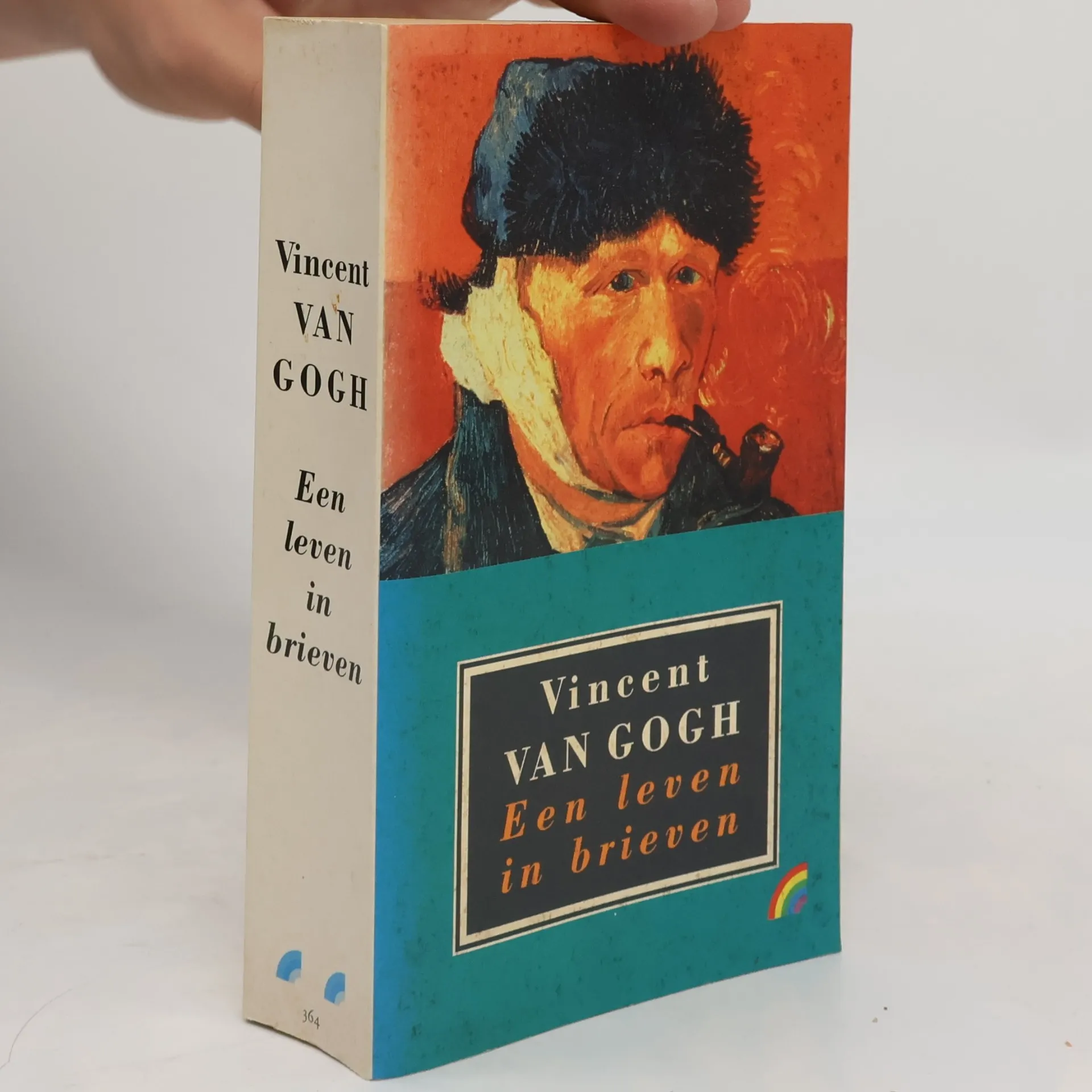
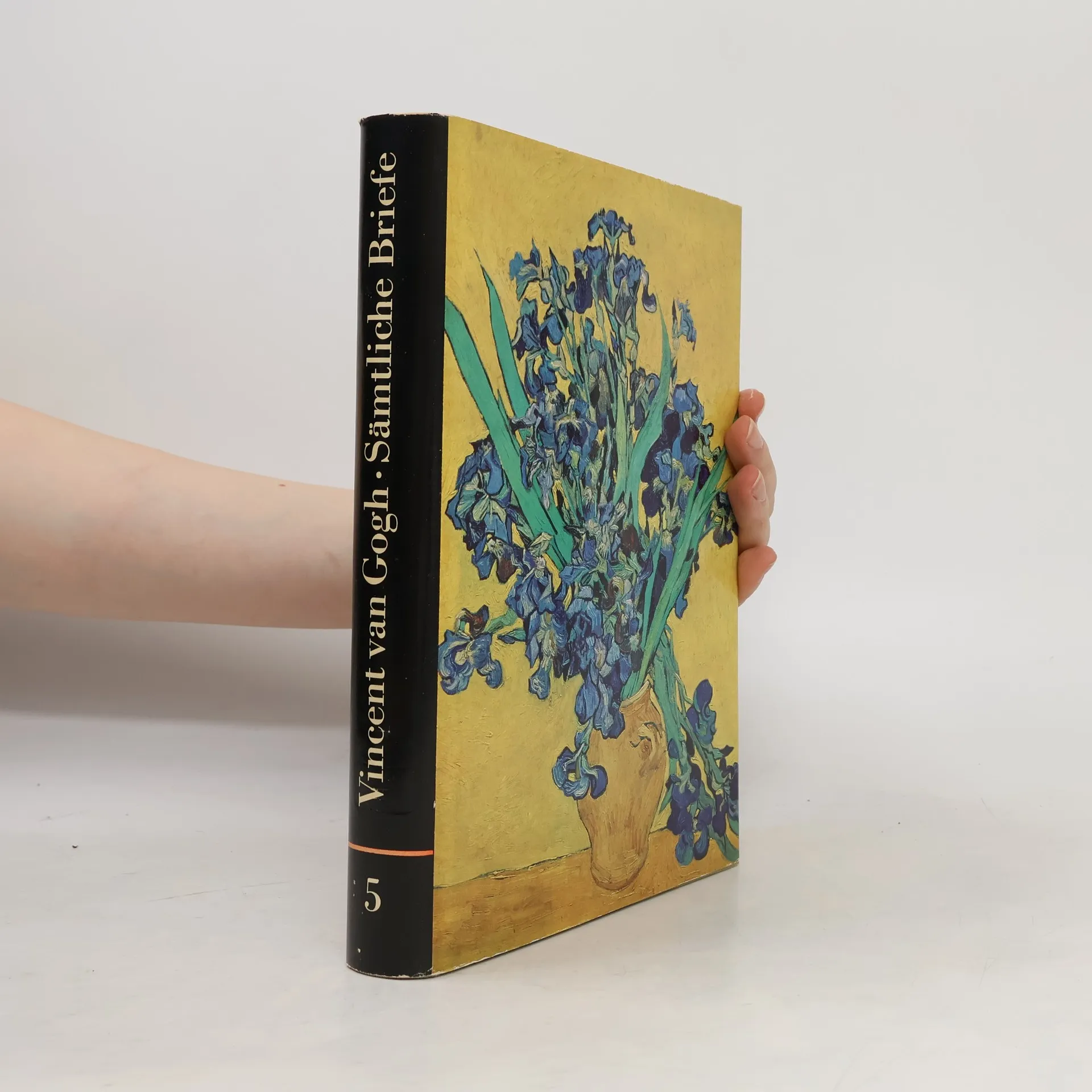
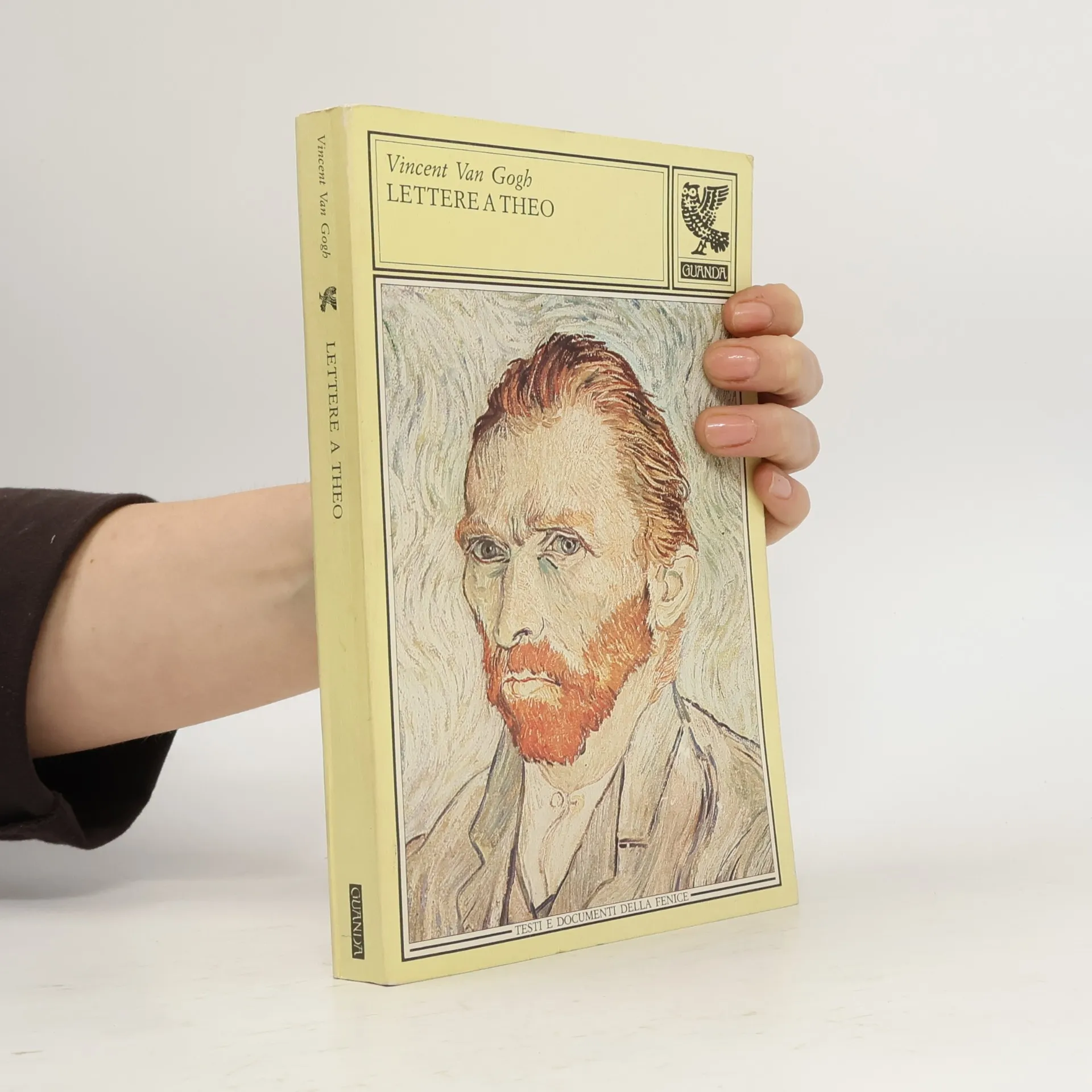
"Caro Theo": per molto tempo, dall'agosto 1872 fino al 27 luglio 1890, due giorni prima di morire dopo essersi sparato un colpo di rivoltella, Vincent Van Gogh scrisse al fratello Theo con una costanza che trova il solo termine di paragone nell'amore che egli nutriva per lui. Per molto tempo Theo fu il suo unico interlocutore; sempre fu quello privilegiato, il solo cui confidò le pene della mente e del cuore. Del resto, le lettere a Theo (qui presentate in una scelta che riprende, con qualche variante, la versione integrale apparsa in Italia nel 1959) costituiscono la gran parte dell'epistolario vangoghiano. Dalla giovinezza alla piena maturità, esse ci permettono di seguire, quasi quotidianamente, la vicenda artistica e umana del grande pittore.
Shows Van Gogh's sketches of peasants, workers, landscapes, street scenes, and gardens, and includes a brief outline of the artist's life
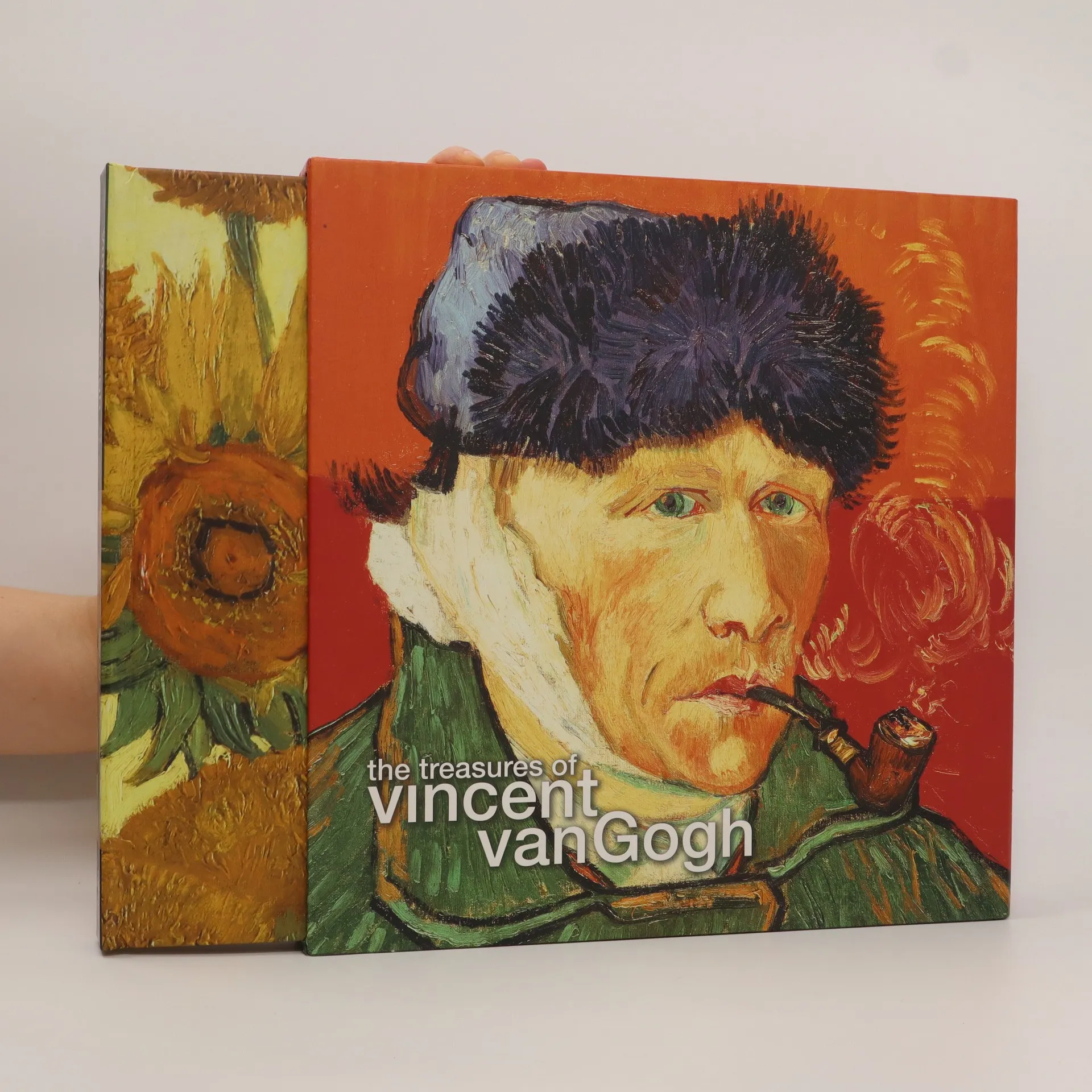
Classified as a Post-Impressionist, Van Gogh is perhaps one of the world's most famous and instantly recognisable artists. Famous almost as much for his embodiment of a tortured romantic artist as for his bold and usually distorted artworks, his works now fetch some of the highest prices in the world of fine art. This beautifully illustrated and meticulously researched project will be hugely popular as a collector's item for both Van Gogh's established fans and for those wishing to learn about him for the first time. With the inclusion of facsimiles of some 30 documents including Van Gogh's famous private letters, The Treasures of Van Gogh offers a unique insight into his life and works - from his childhood and youth in Zundert in southern Netherlands, the time he spent as a missionary and the gradual decline in his mental health that led him to cut off part of his ear and eventually to commit suicide.
Few artists' letters are as self-revelatory as Vincent van Gogh's. From the humanistic inspiration behind The Potato Eaters to his long-time obsession with painting the vision that eventually became The Starry Night, the letters in this selection paint an intense personal narrative of his artistic development and creative process across the years. They reveal a man of great spiritual and emotional depths who - in his own words - did everything 'for art and for life itself'.
La storia di Vincent van Gogh (1853-1890) è una delle più crudelmente ironiche della storia dell'arte. Al giorno d'oggi l'artista è ampiamente considerato uno dei pittori più importanti di tutti i tempi, e le sue opere vengono esposte in mostre che fanno registrare il tutto esaurito, fanno parte delle collezioni dei più importanti musei e vengono battute alle aste per cifre record di decine di milioni di euro. Tuttavia, mentre dipingeva quelle opere destinate a diventare capolavori assoluti della storia dell'arte, Van Gogh doveva combattere non solo contro il disinteresse del pubblico contemporaneo ma anche contro i devastanti assalti della malattia mentale, con episodi di depressione e ansia paralizzanti che lo condussero infine al suicidio nel 1890, poco dopo il suo 37° compleanno. Questo studio ampio e onnicomprensivo dedicato a Vincent van Gogh associa una monografia dettagliata, che ne prende in esame la vita e le opere, a un catalogo completo dei suoi 871 dipinti.

Livro ricamente ilustrado que acompanha a história de Vincent van Gogh desde os seus primeiros trabalhos de camponeses e trabalhadores rurais, no seu período parisiense brilhante, à sua explosão, febril de energia criativa no sul da França durante os últimos dois anos e meio de sua vida.

Book by Treble
This series acts as an introduction to key artists and movements in art history. Each title contains 48 full-page colour plates, accompanied by extensive notes, and numerous comparative illustrations in colour or black and white, a concise introduction, select bibliography and detailed source information for the images. Monographs on individual artists also feature a brief chronology.
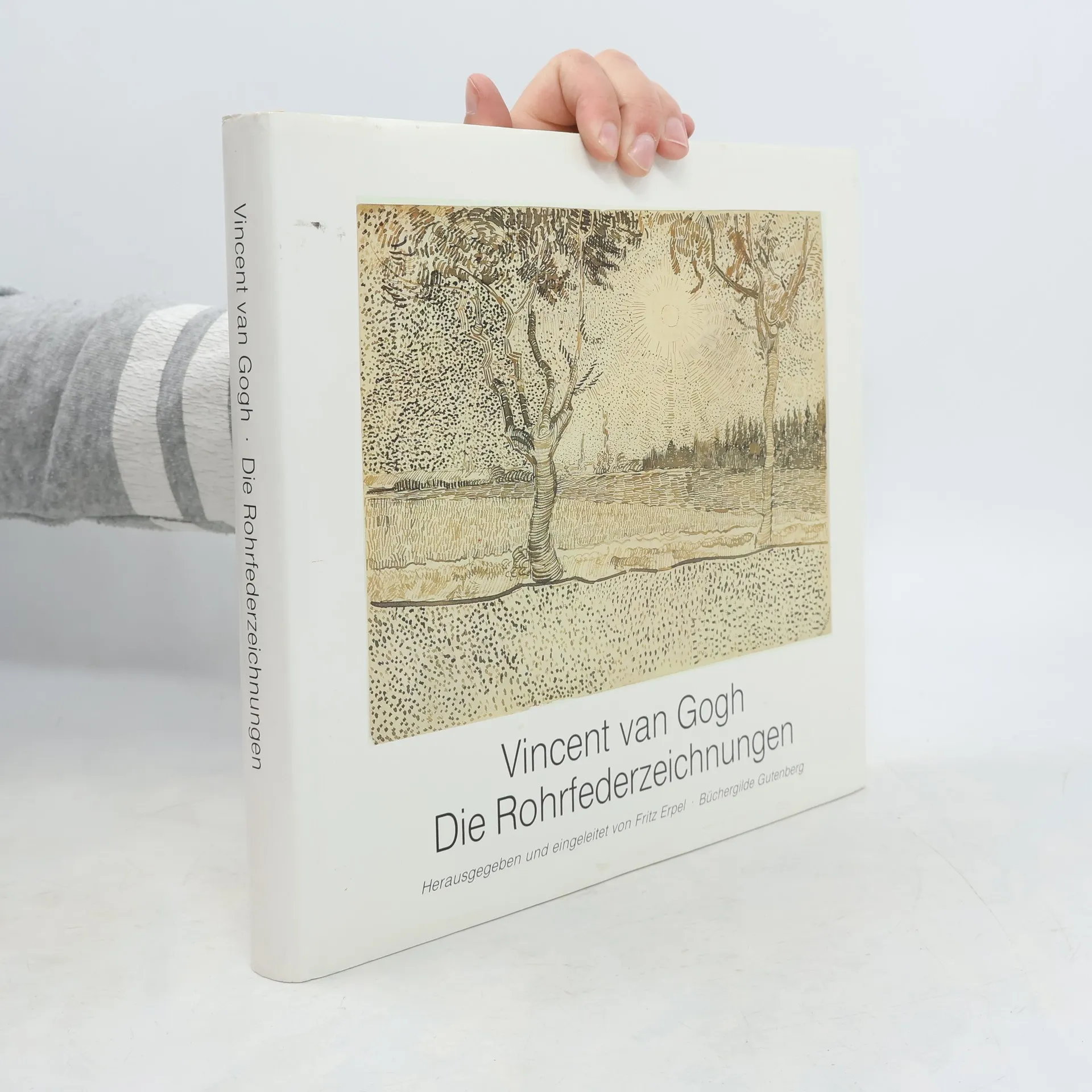
This book focuses for the first time on the relationship between drawing and painting in Van Gogh's Art. Includes 50 paintings and 120 major watercolours and drawings by Van Gogh.
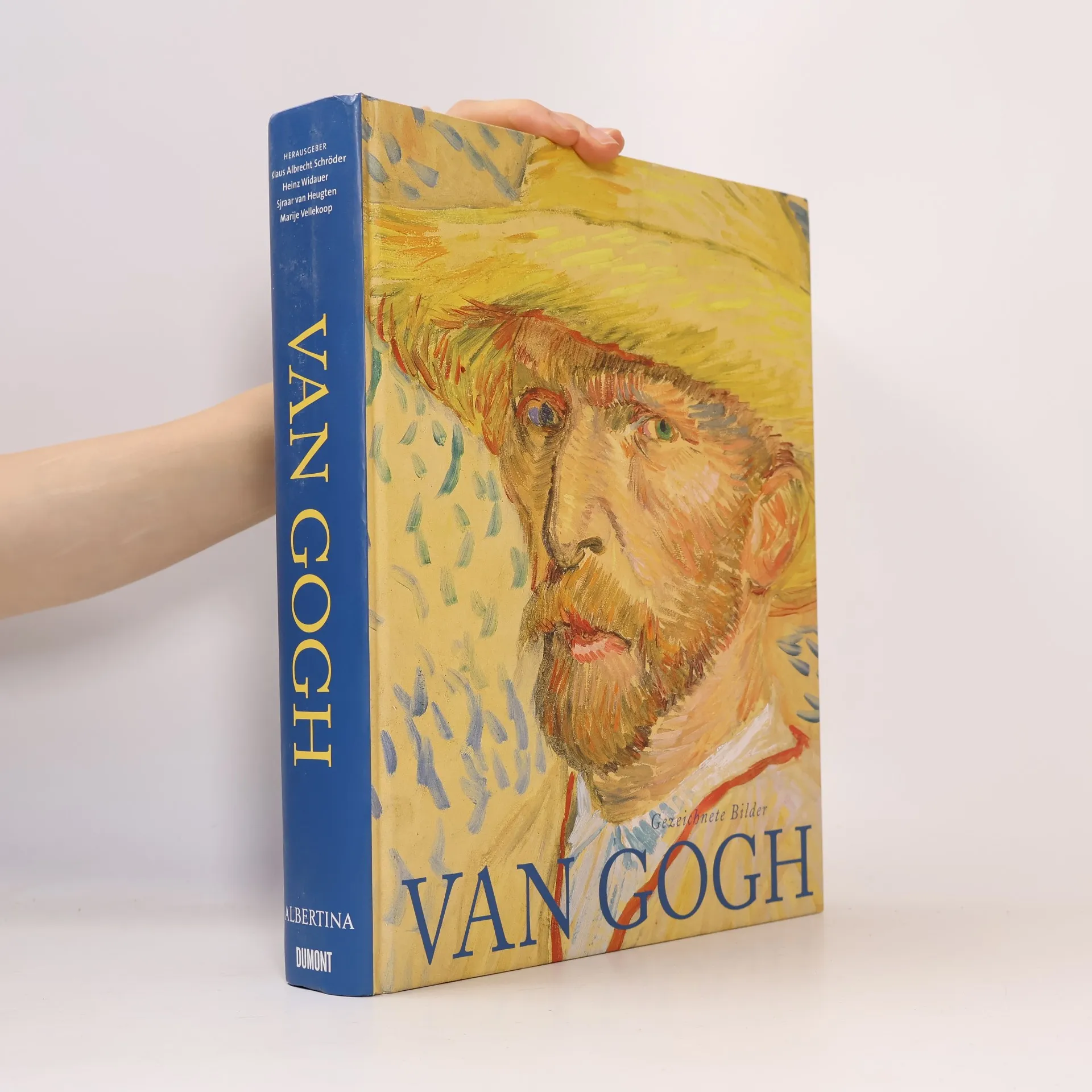
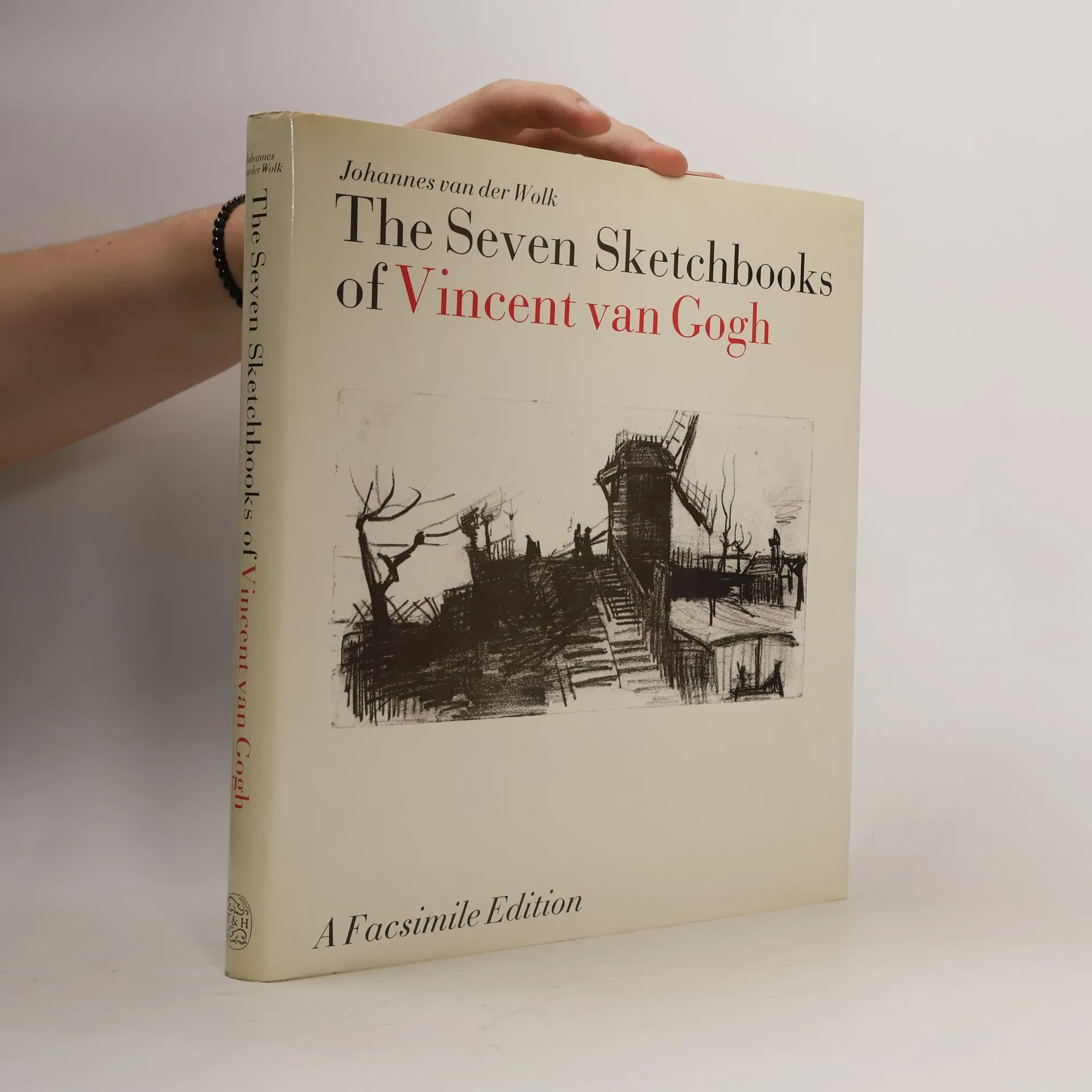
The first of the Dutch Expressionists, Van Gogh used color mainly for emotional appeal. This volume offers insight into the artist's turbulent life and gives detailed interpretations of Van Gogh's most famous works.
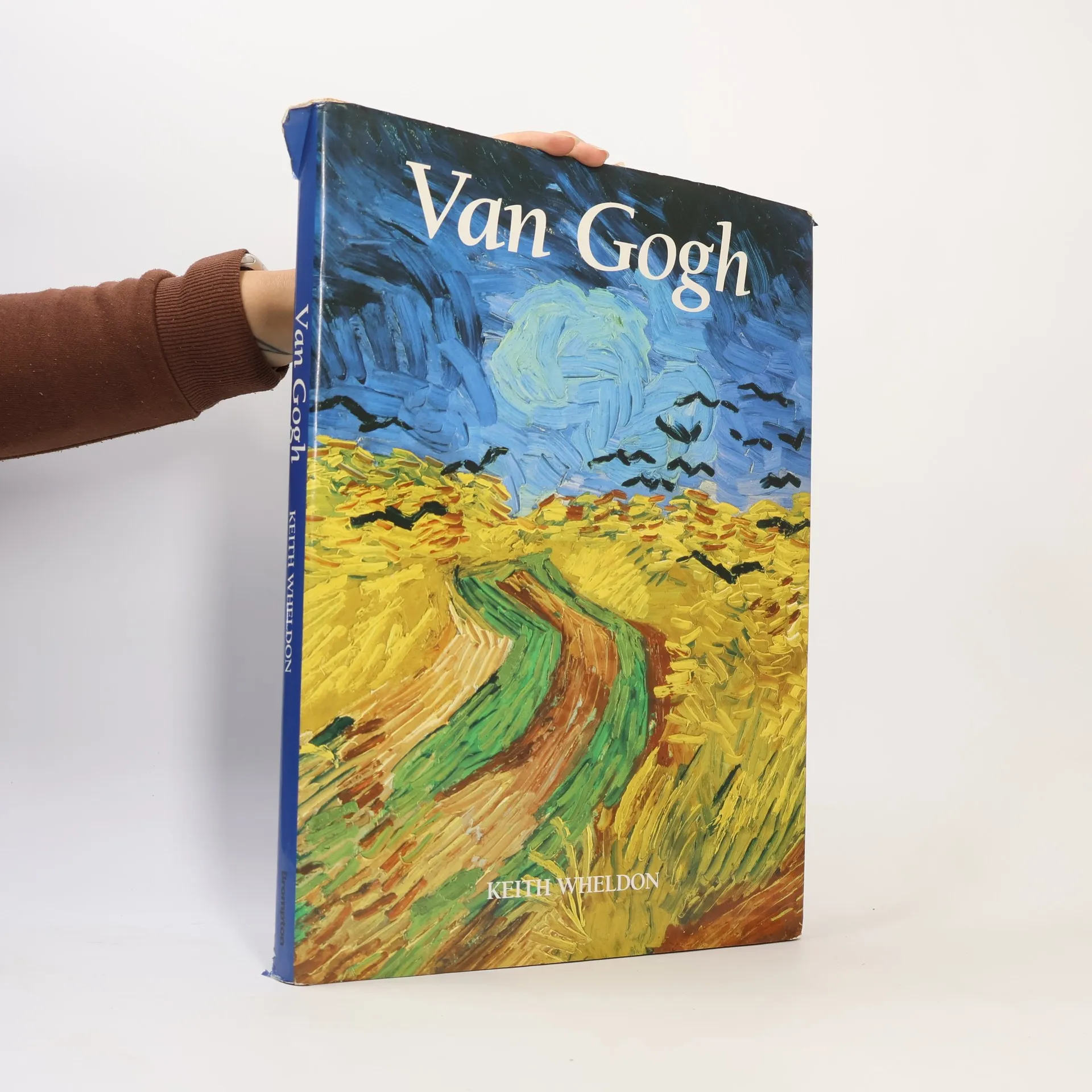
In stock and ready for immediate shipment!
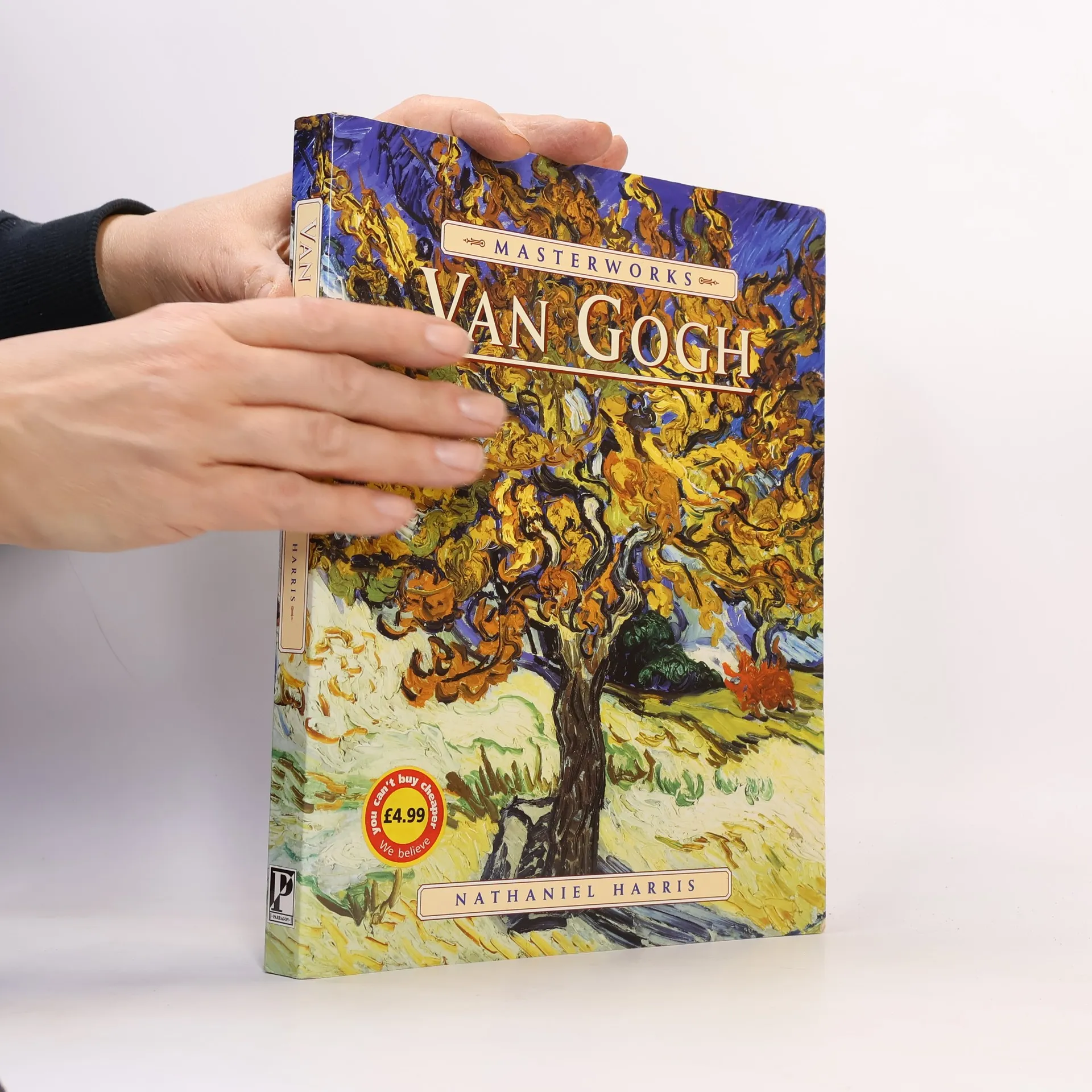
This compilation of the art and writings of van Gogh vividly conveys the intelligence and genius of Europe's greatest artists.
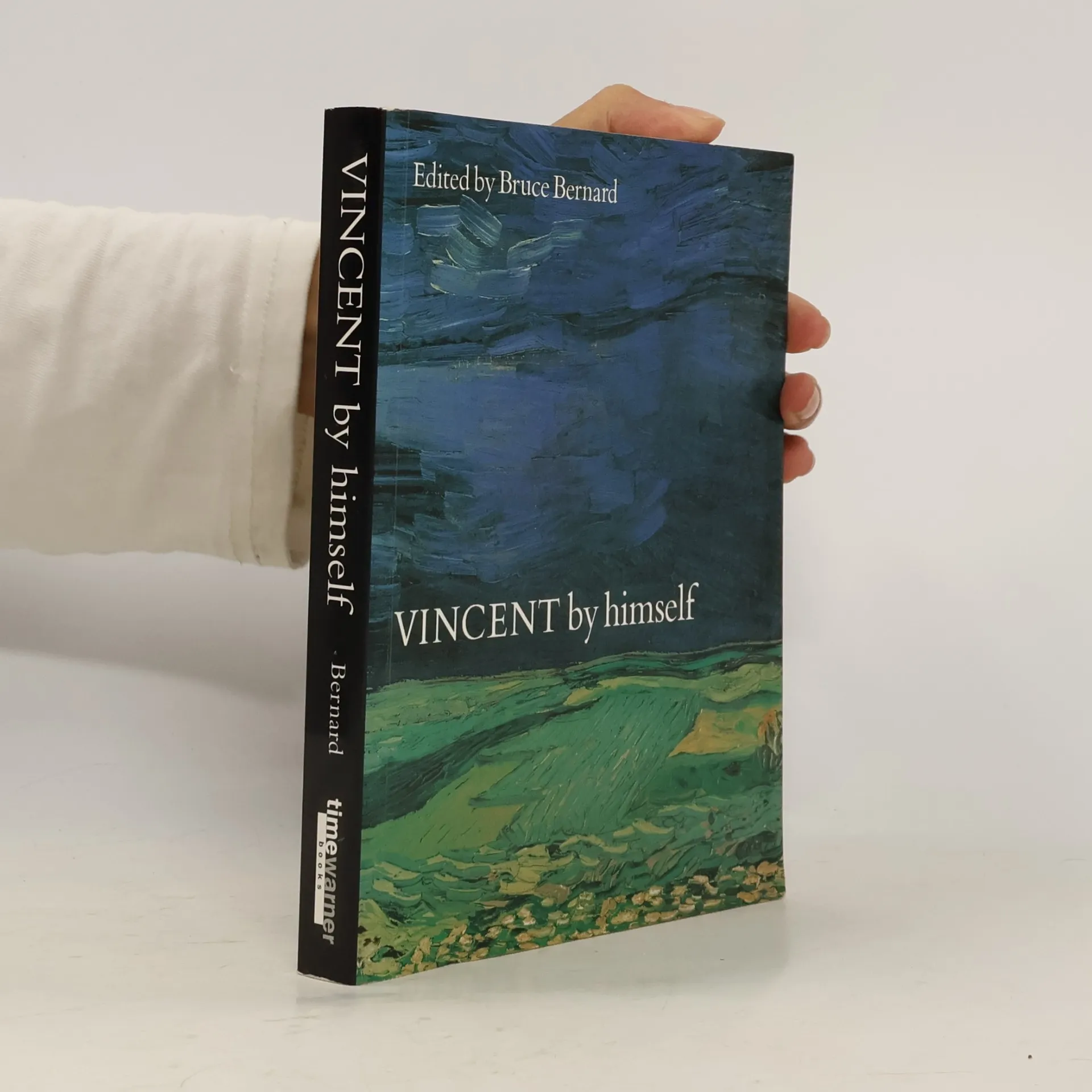
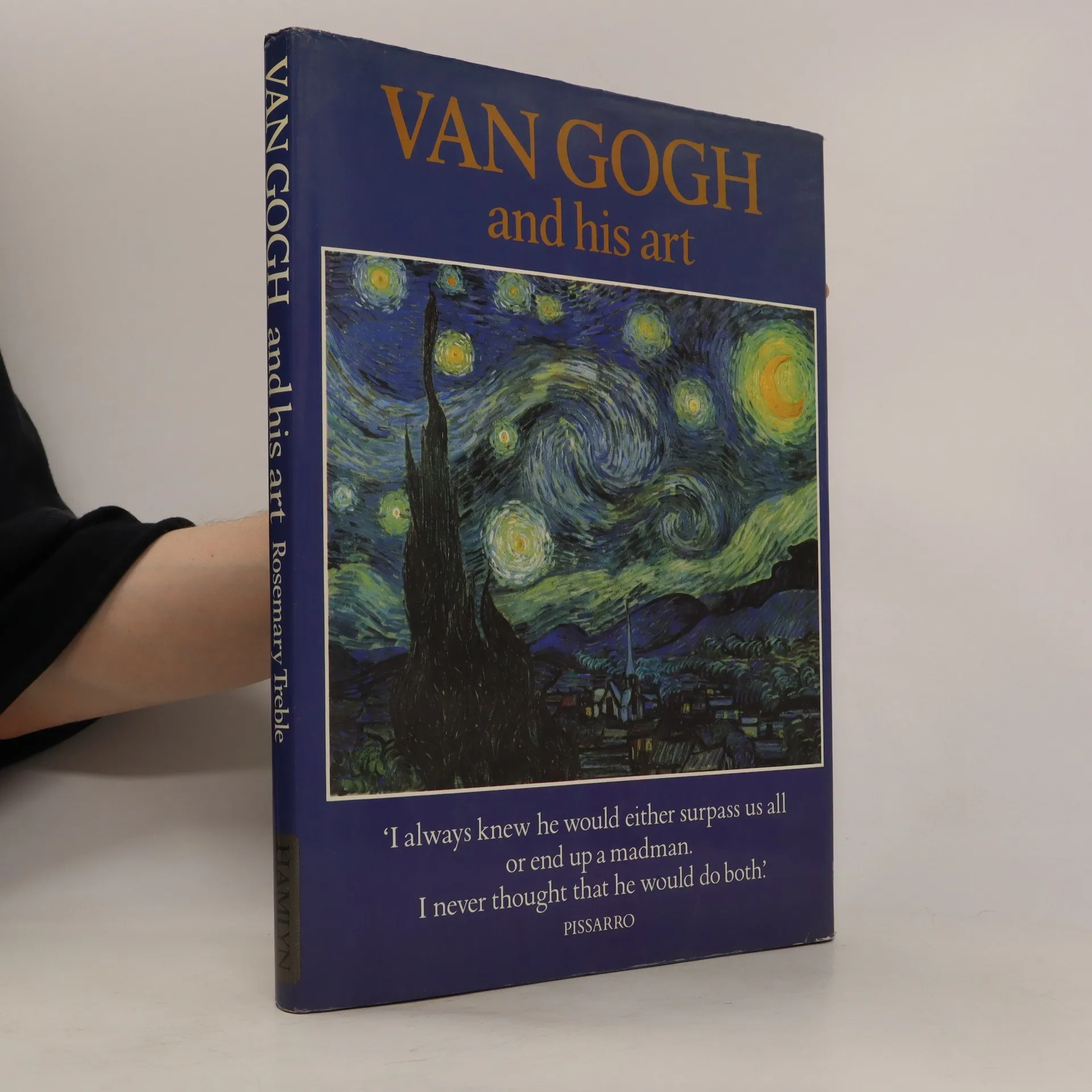
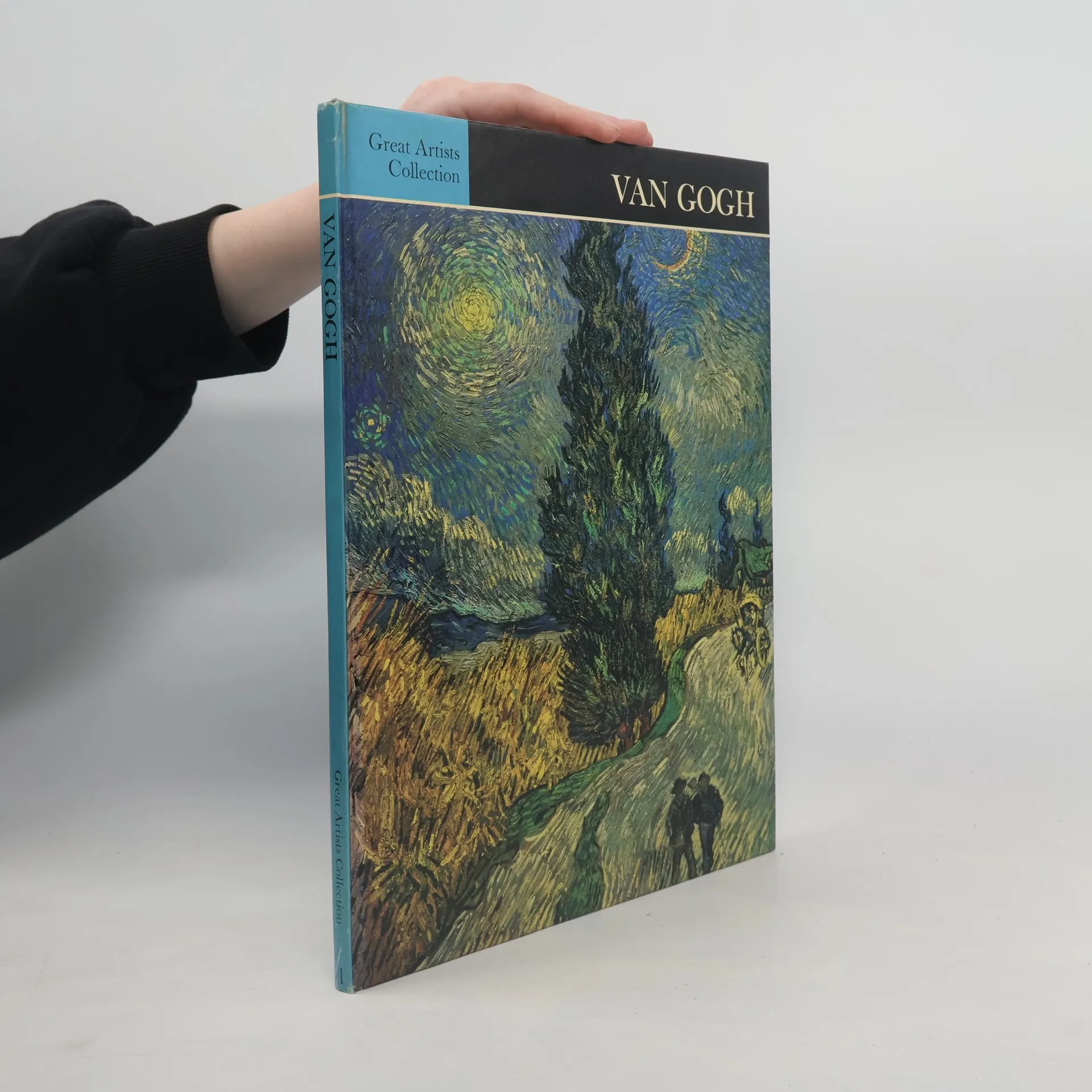
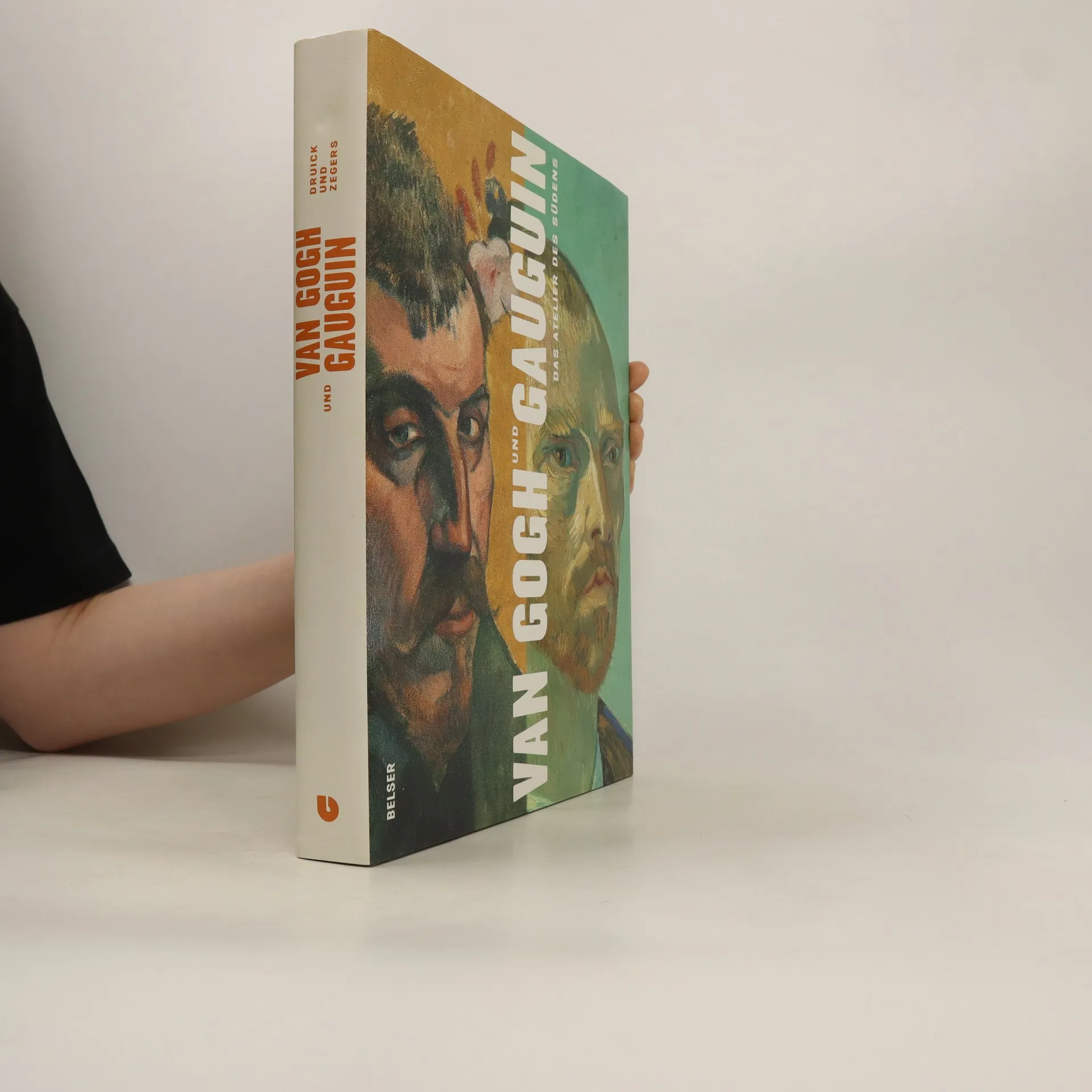
Van Gogh, who took up a variety of professions before becoming an artist, was a solitary, despairing and self-destructive man. This richly illustrated and expert study follows the artist from the early gloom-laden paintings in which he captured the misery of peasants and workers in his homeland, through his bright and colorful Parisian period, to the work of his final years, spent under a southern sun in Arles.
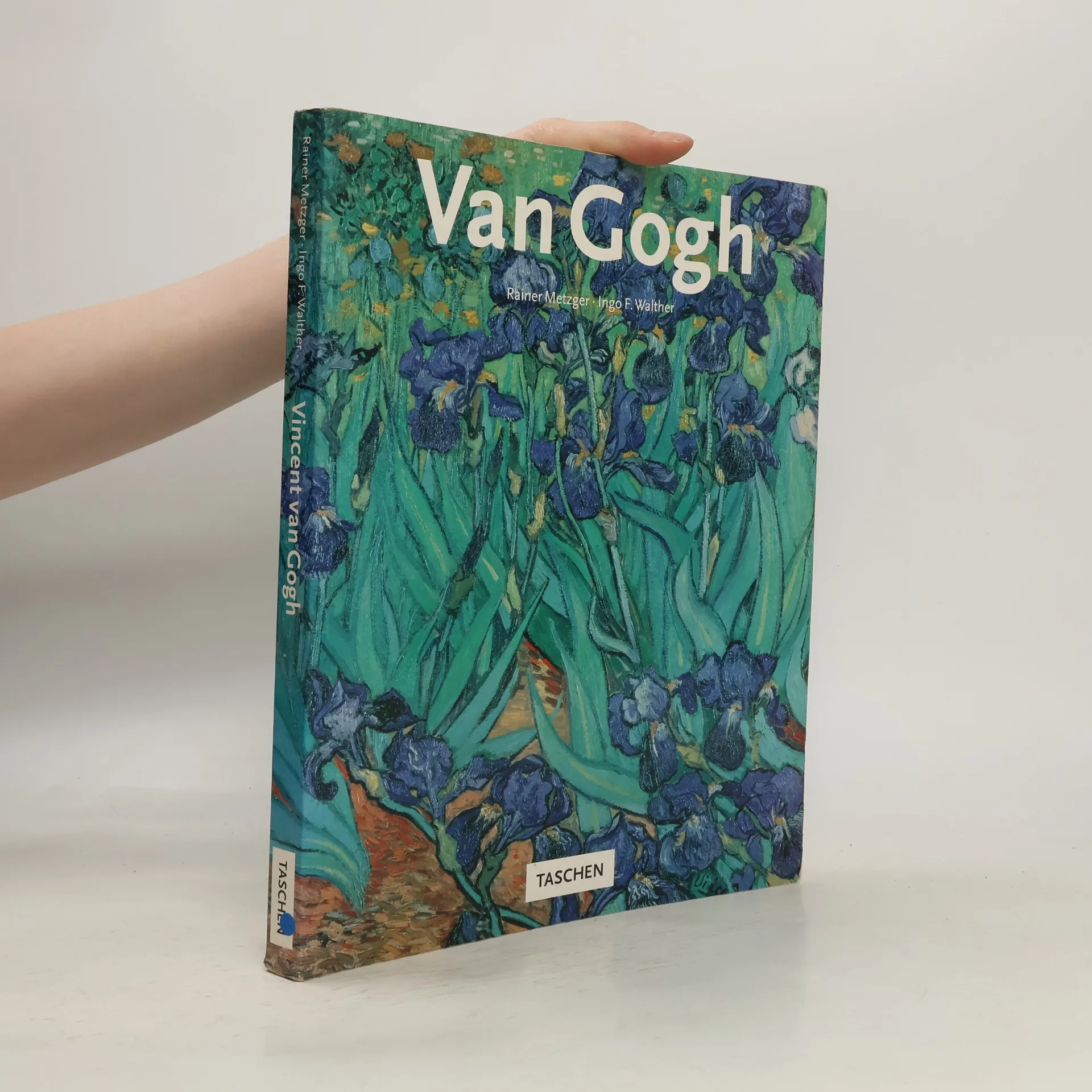
The story of Vincent Van Gogh, this narrative stands out as one of the most revealing and moving autobiographies of all time. Stone has collected Van Gogh's personal letters to his beloved brother Theo, and the result is a vivid self-portrait in words equal in intensity to his paintings.
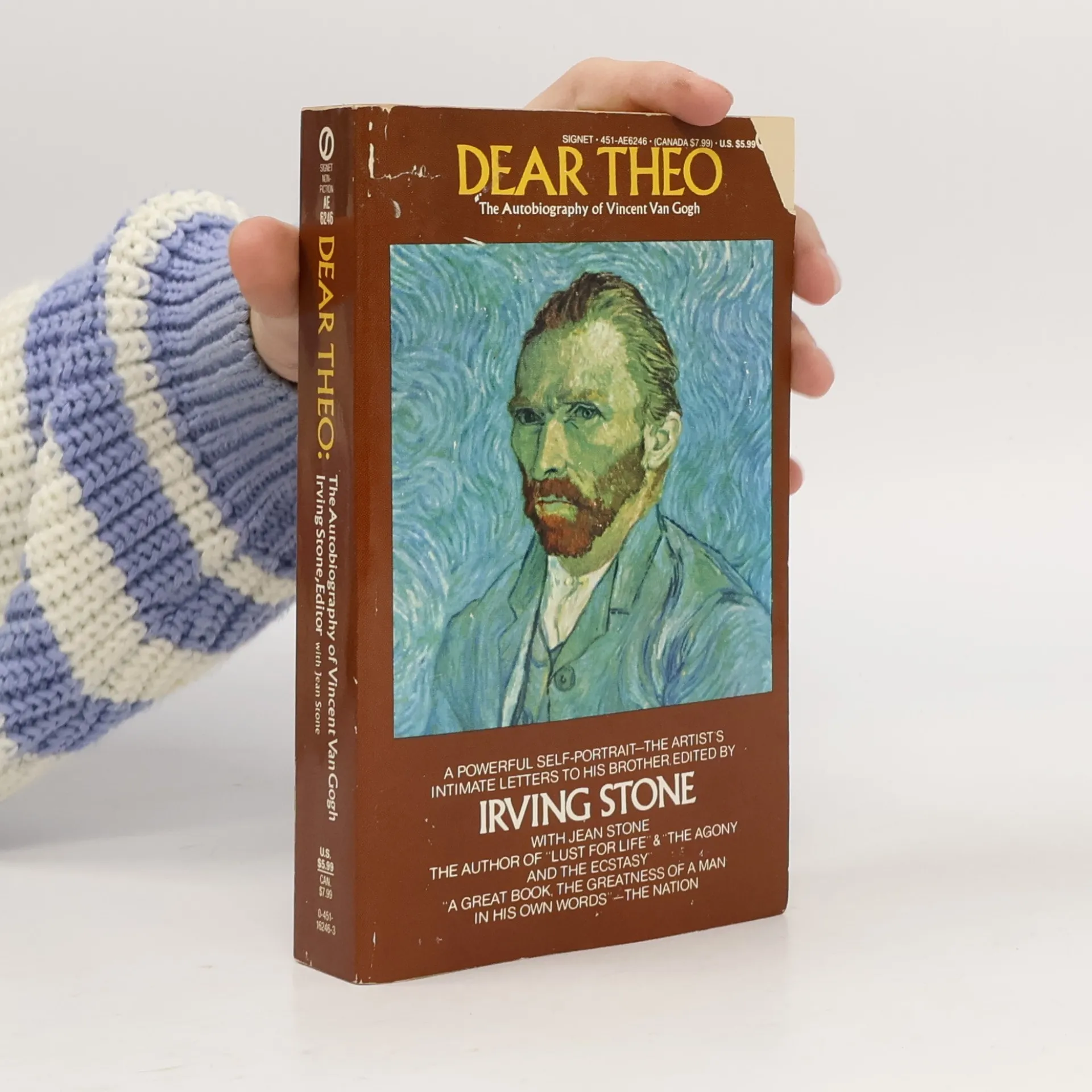
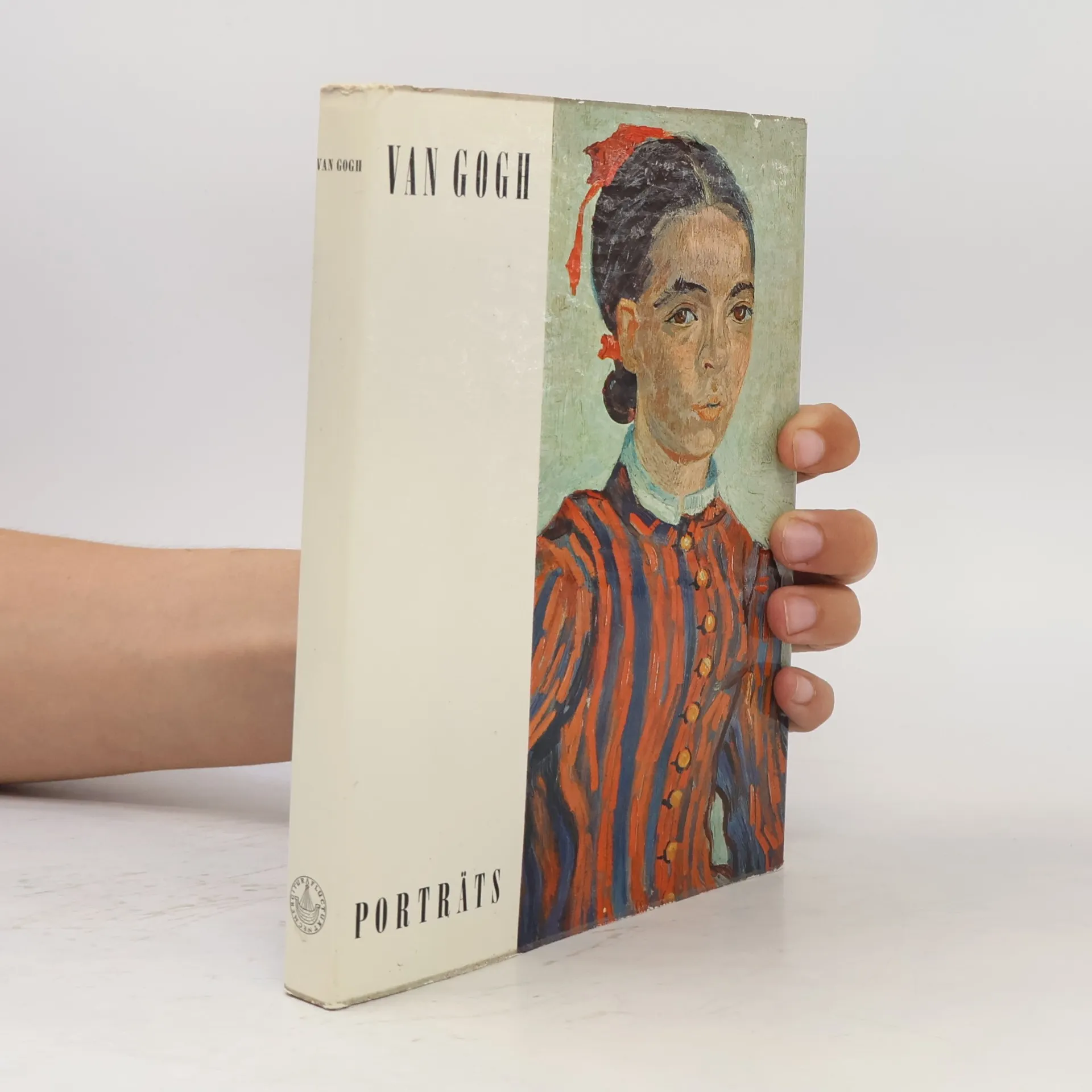
Just a month before his suicide in 1890, Vincent van Gogh expressed to his sister that portraiture was his greatest passion, even more than his other artistic endeavors. His brief yet intense career revolutionized portrait painting, significantly shaping its direction in the twentieth century. This publication accompanies a major touring exhibition, showcasing for the first time van Gogh's significant portraits from various stages of his life, alongside reproductions of many of his key works. The result is an insightful exploration of his artistic evolution, highlighting how he expanded the boundaries of portraiture, culminating in the masterpieces of his final years. Six original essays by prominent art historians delve into crucial aspects of van Gogh's portraits throughout his career. George Keyes contextualizes the paintings within Dutch art, noting the influence of masters like Rembrandt. Lauren Soth examines the early, stark drawings from The Hague. George Shackelford discusses the Parisian works reflecting Impressionist influences. In Arles, van Gogh's productivity peaked, producing powerful portraits of locals and himself, analyzed by Roland Dorn. Judy Sund focuses on portraits created during his mental struggles in the asylum, including the iconic Dr. Gachet and final self-portraits. Joseph Rishel concludes with the impact of van Gogh's work on his contemporaries and later artists. The essays are complemented by a d

Van Gogh
The selection of paintings shown here traces the development of Van Gogh's artistic vision from the somber browns and blacks of The Potato Eaters to the brilliant colors and flame-like forms of his south of France landscapes. In the text, the author outlines the major events of his brief and tormented life, and explains the formative influences on his work.
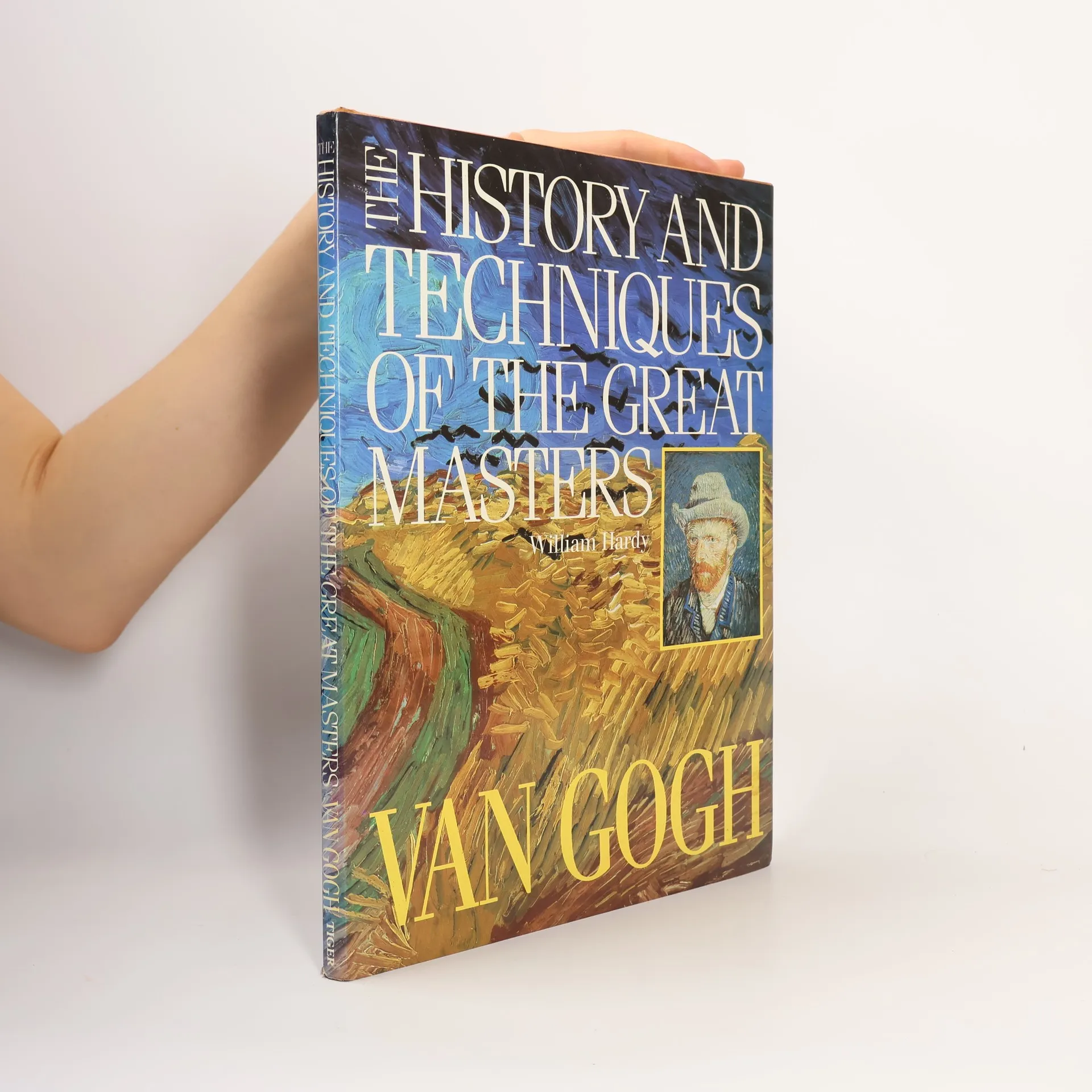
An illustrated guide to the work of Van Gogh. This is one of a series of books featuring the work of famous artists. Other books in the series cover Manet, Matisse, Toulouse-Lautrec and Cezanne.
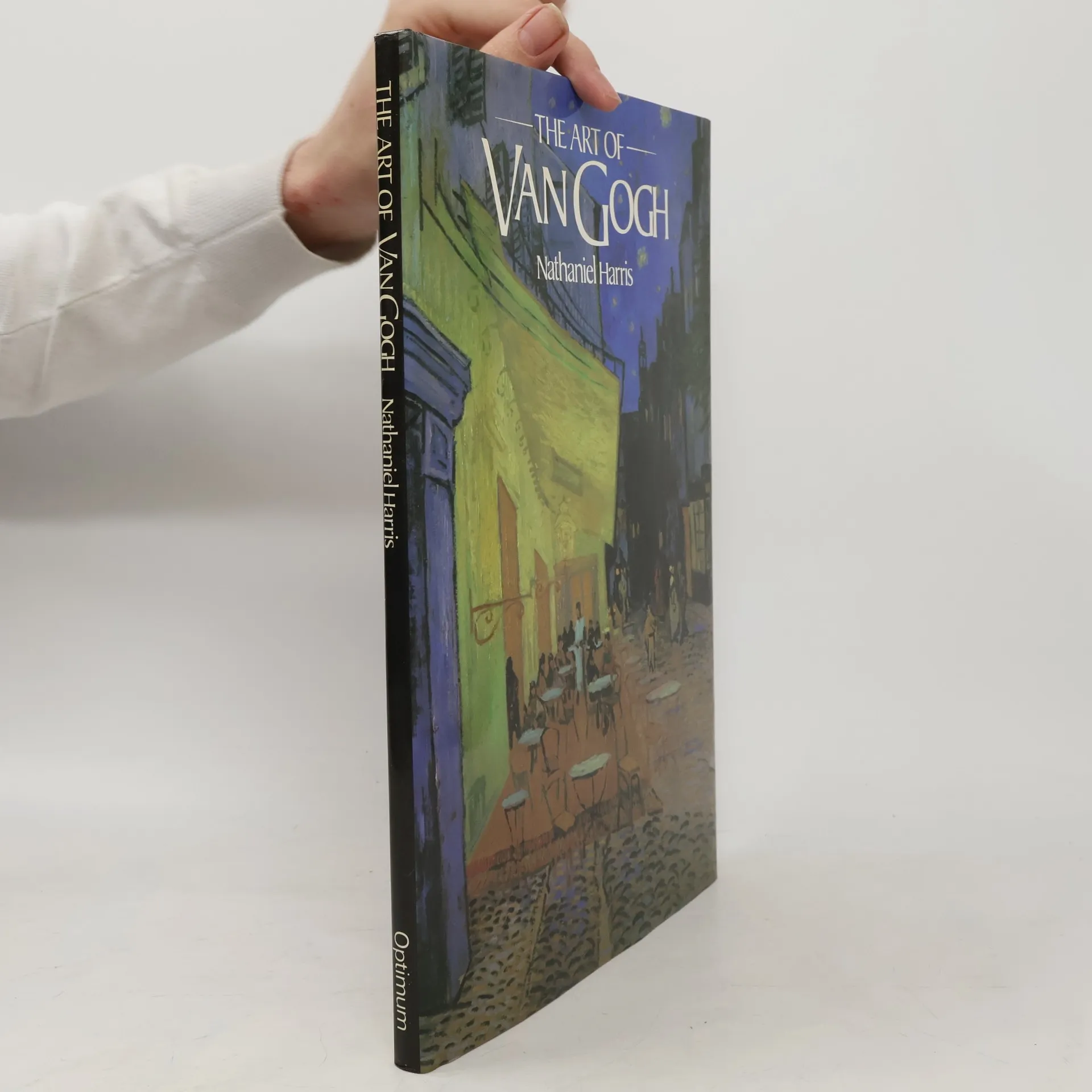
Designed to demolish some of the myths surrounding Van Gogh, this book provides not only a unique self-portrait of the man, but a vivid picture of the contemporary cultural scene.

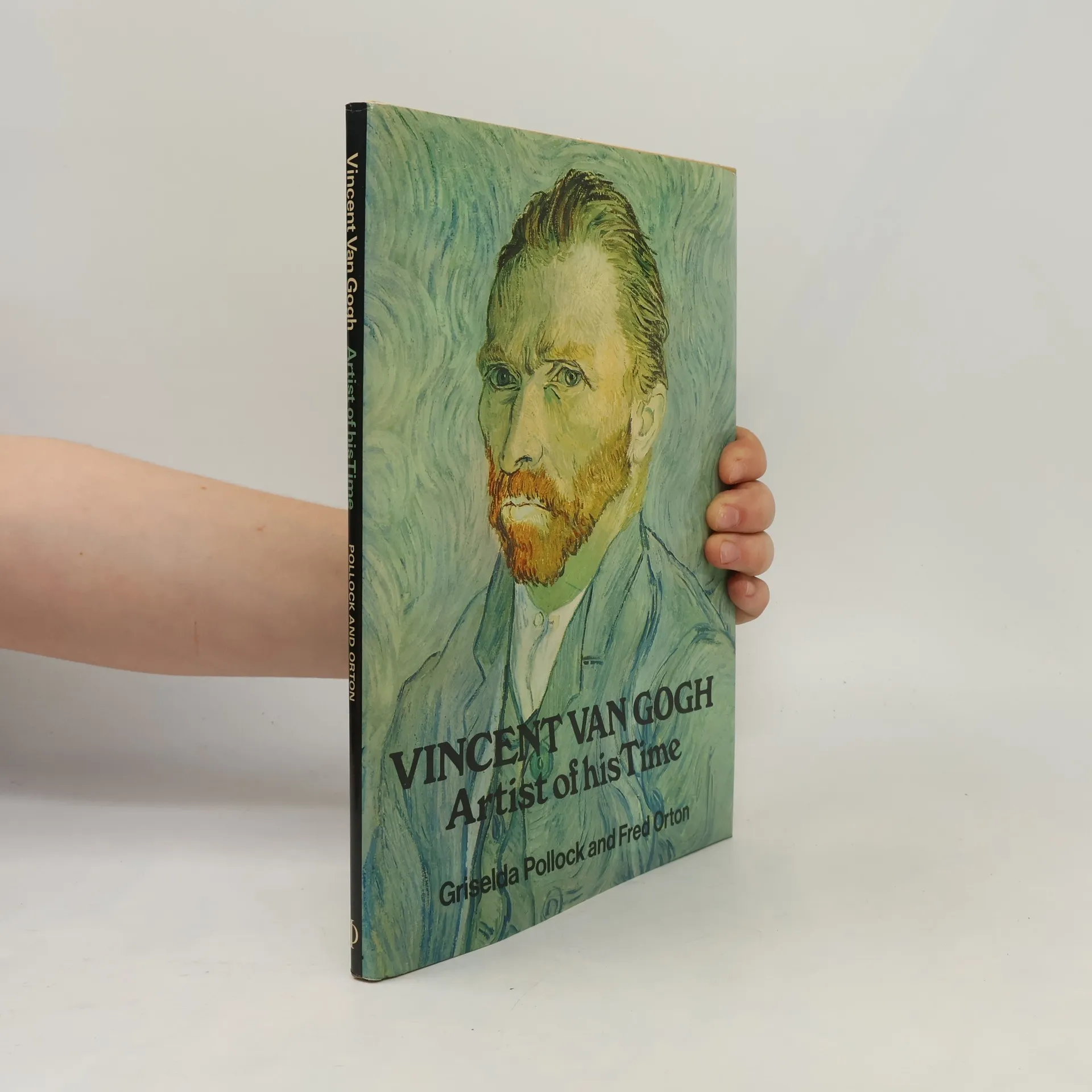
Van Gogh, the painter whose work was one of the major inspirations for twentieth-century art, is given a fresh and thorough appraisal in this comprehensive new study. Placing the artist in the context of his time, Melissa McQuillan looks at the influences on his life and work and discusses his paintings in depth. The author argues that Van Gogh's works were products of his deliberate engagement with contemporary artistic questions and of his experience as an art dealer. His subsequent reputation, the mythology that grew up after his death, the debates between naturalism and modernity and the social implications of Van Gogh's imagery are studied in full in this lucid account of an artist who sold only one painting during his lifetime but whose works now command the highest prices in the world. 168 illus., 25 in color.
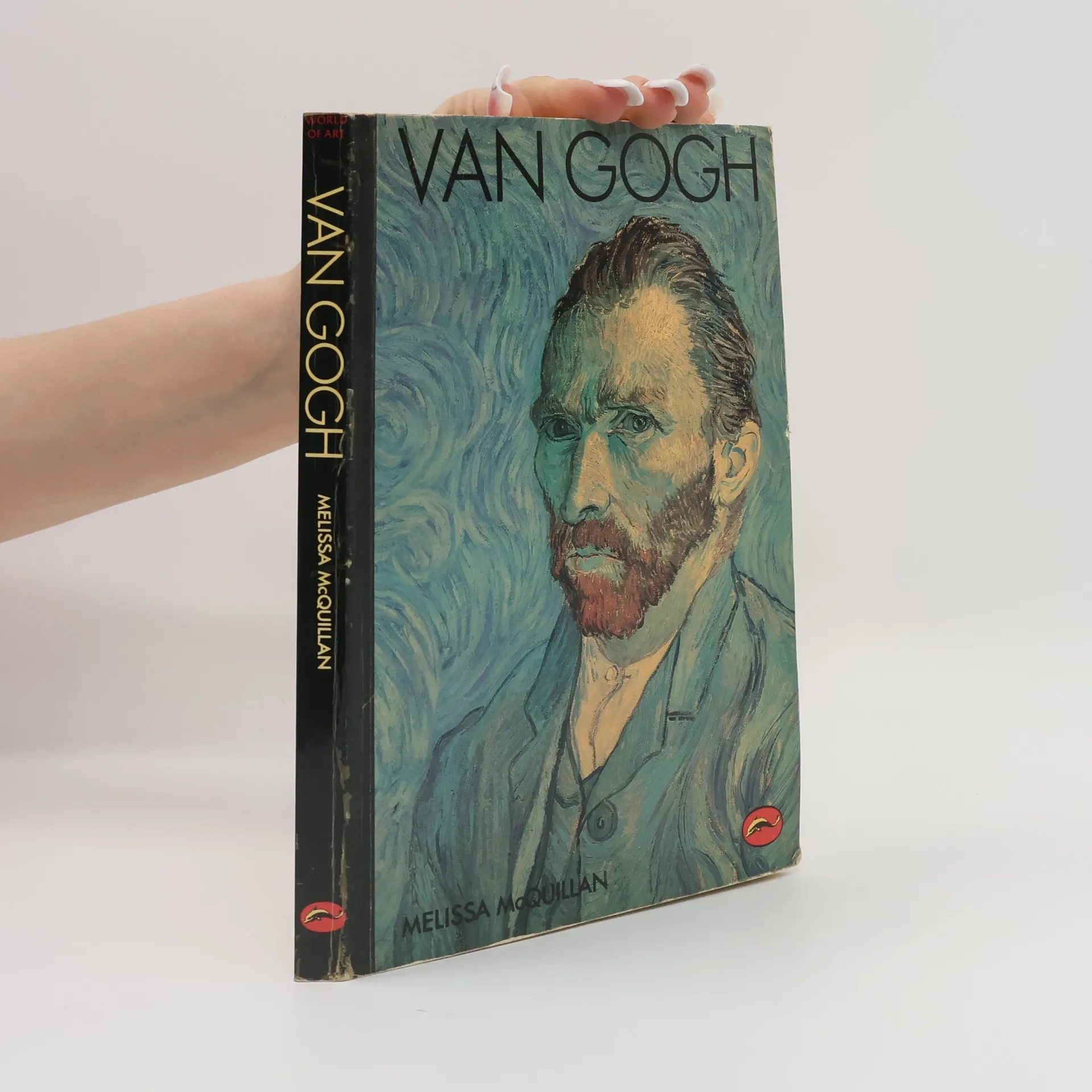
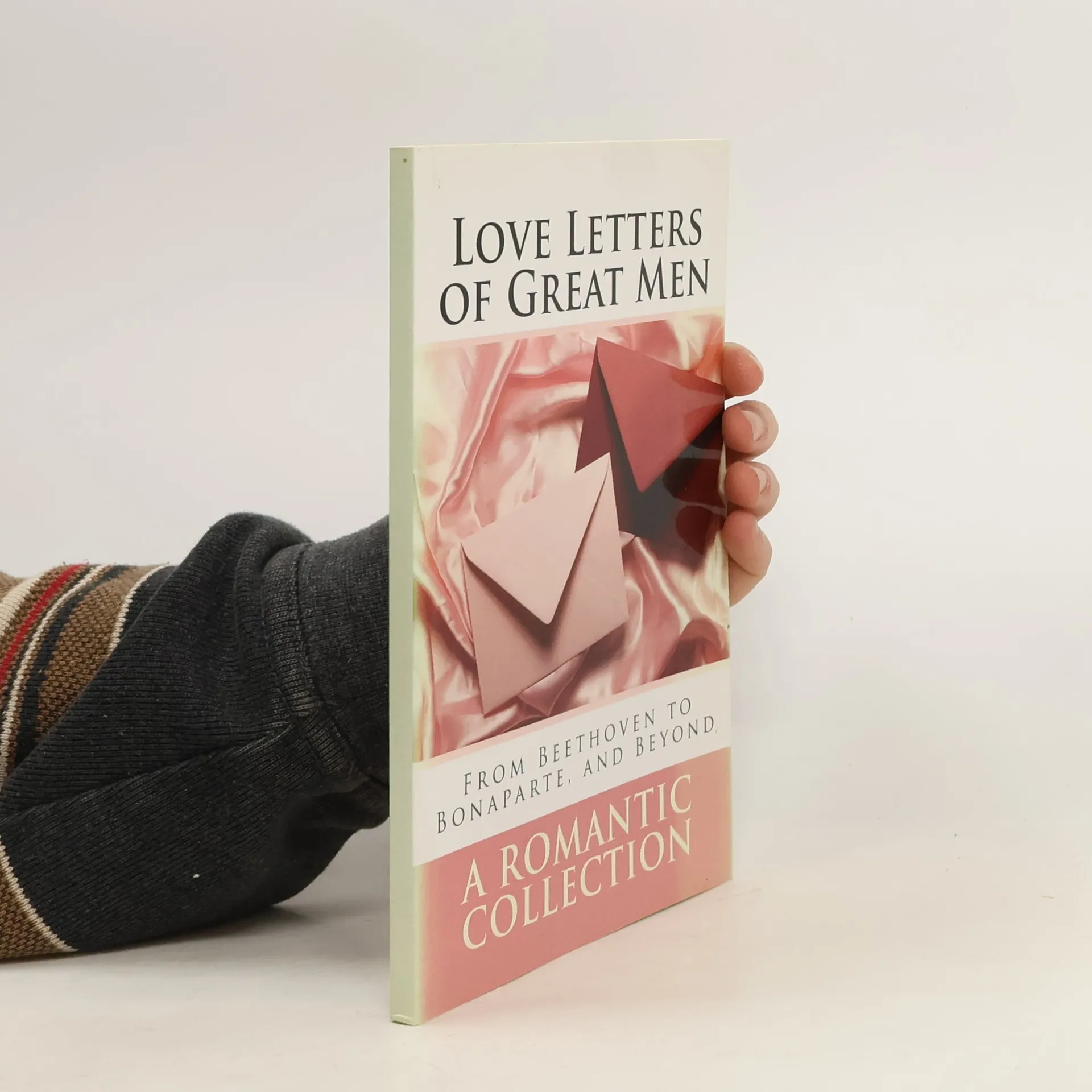
When Carrie Bradshaw in the "Sex and the City" movie began reading Love Letters of Great Men, millions of women wanted to get their hands on the book. Although the book Carrie was reading from was not real, the letters are-including the Beethoven one quoted by Mr. Big at their wedding ceremony. Here are the actual love letters for you to enjoy and treasure! "These letters express such heartfelt emotions and the bliss of new love... I finally realized how men experience love and it is especially beautiful!" - Rebecca of Amazon (Top 500 Reviewer) Featuring: A helpful background sketch for every writer and love letter Nearly 70 photographs of the letter authors and their lovers Most popular and best-selling Love Letters book-thousands of copies sold every year!!! Written by these Great Men: John Adams, Sullivan Ballou, Honor� de Balzac, Ludwig Van Beethoven Napoleon Bonaparte, Robert Browning, Robert Burns, Lord Byron, Winston Churchill John Constable, Alfred Duff Cooper, Pierre Curie, Scott F. Fitzgerald, Nathaniel Hawthorne Henry VI of France, Victor Hugo, James Joyce, Franz Liszt, Jack London, Mozart, Robert Peary Edgar Allen Poe, Sir Walter Raleigh, Sir Robert Schumann, Dylan Thomas, Mark Twain Vincent Van Gogh, Voltaire, Woodrow Wilson
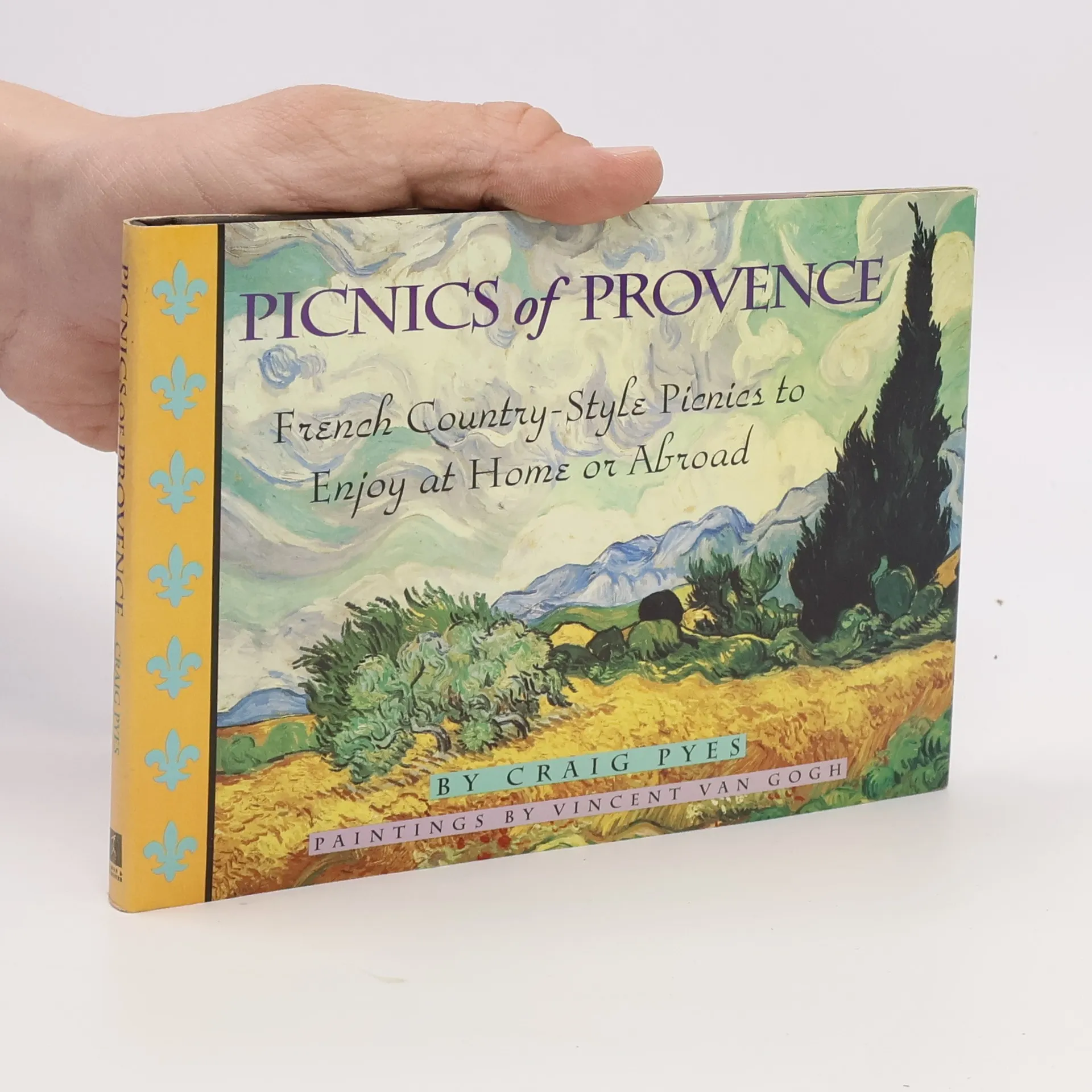
In the tradition of Monet's Table, delectable menus and mouth-watering recipes inspired and accompanied by the renowned paintings van Gogh completed during his stay at Provence. Eight inspired menus--with easy-to-find ingredients--include suggestions for selecting a location and activities.
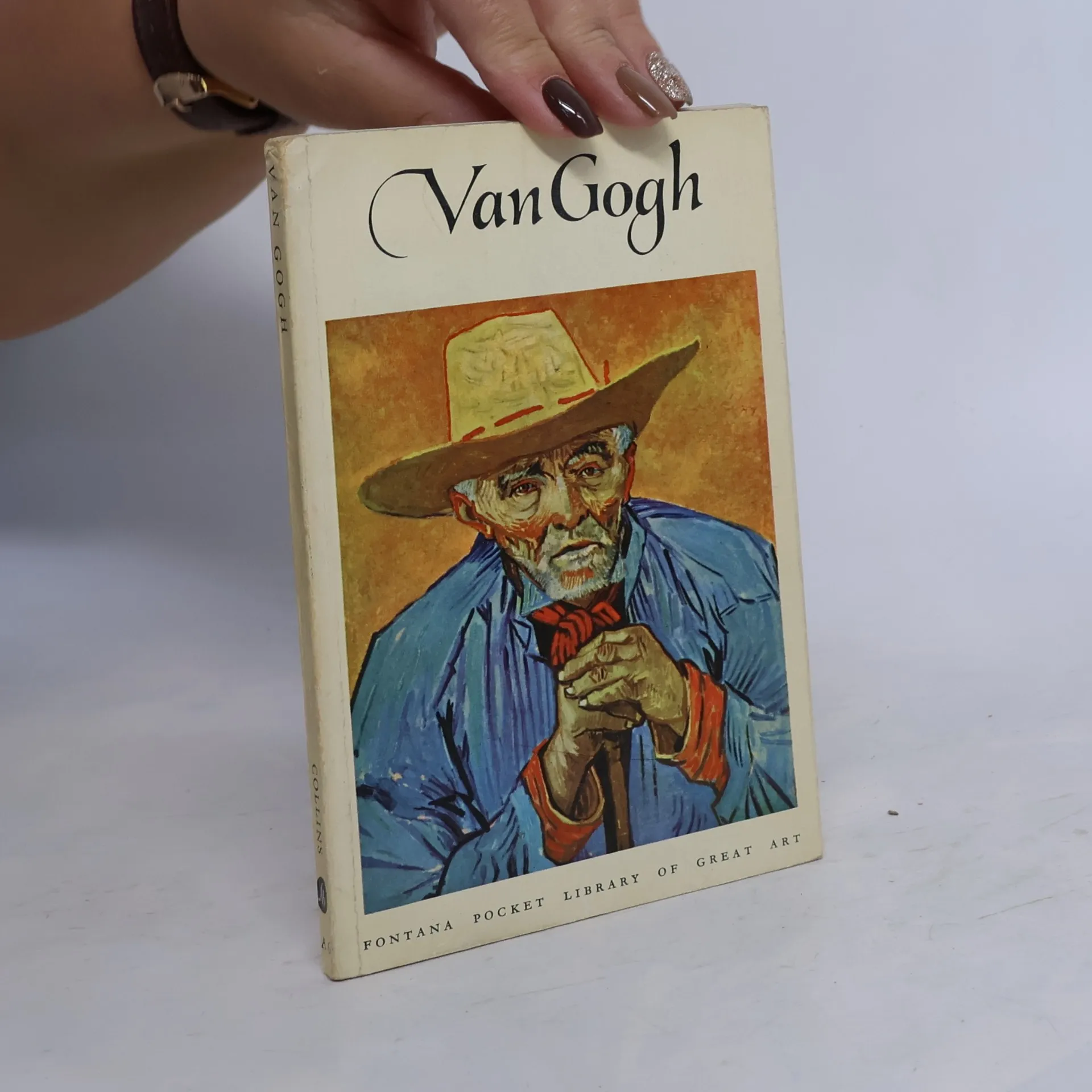
Fontana Pocket Library of Great Art
Vincent van Gogh's painting Branch of an Almond Tree in Blossom graces the cover of this attractive journal. Gold foil accents. Embossed. 192 lined pages. Bookbound. Hardcover books lie flat for ease of use. Acid-free, archival paper.
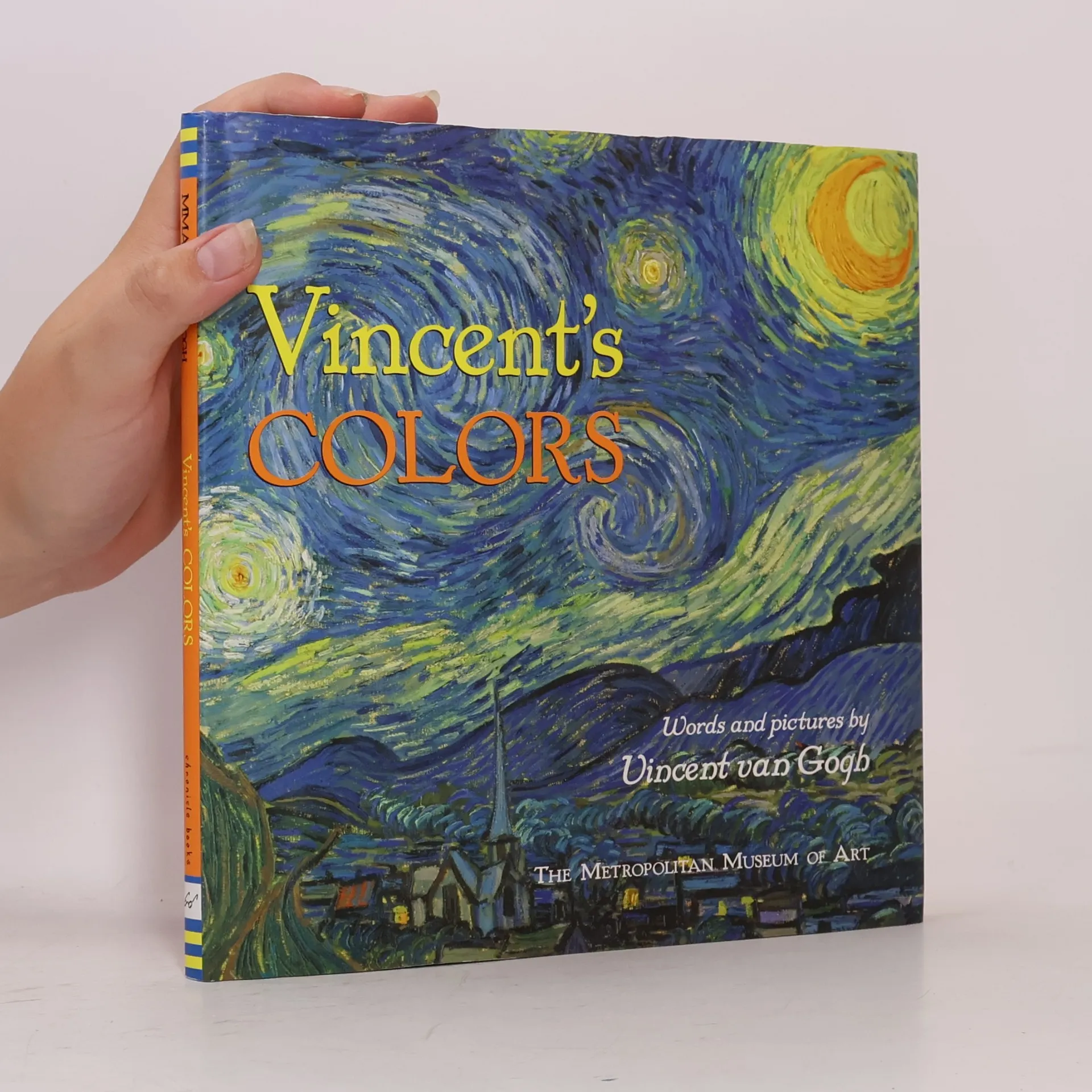
Vincent van Gogh is one of the world's most famous artists. Throughout his life, he wrote to his younger brother, Theo, about his colorful, dynamic paintings. This book pairs the artist's paintings with his own words. Van Gogh's descriptions, arranged as a simple rhyme, introduce young readers to all the colors of the rainbowand beyond. The descriptive words combine with spectacular reproductions of many of the artist's most beloved and important works to create a perfect art book for young and old alike.
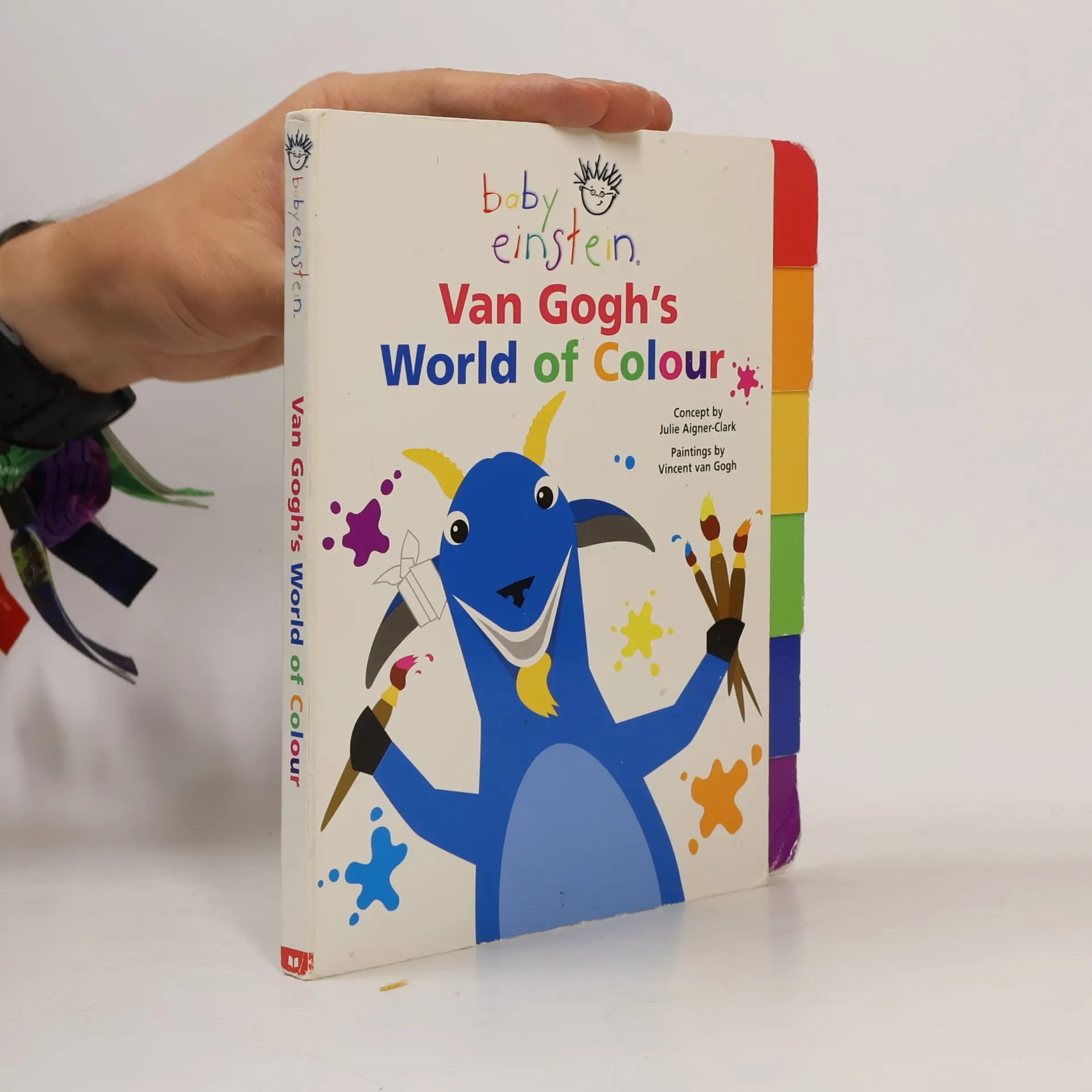
In a baby/toddler-friendly way, Julie Aigner-Clark introduces children to the primary and secondary colours: red, yellow, blue, orange, green and purple.
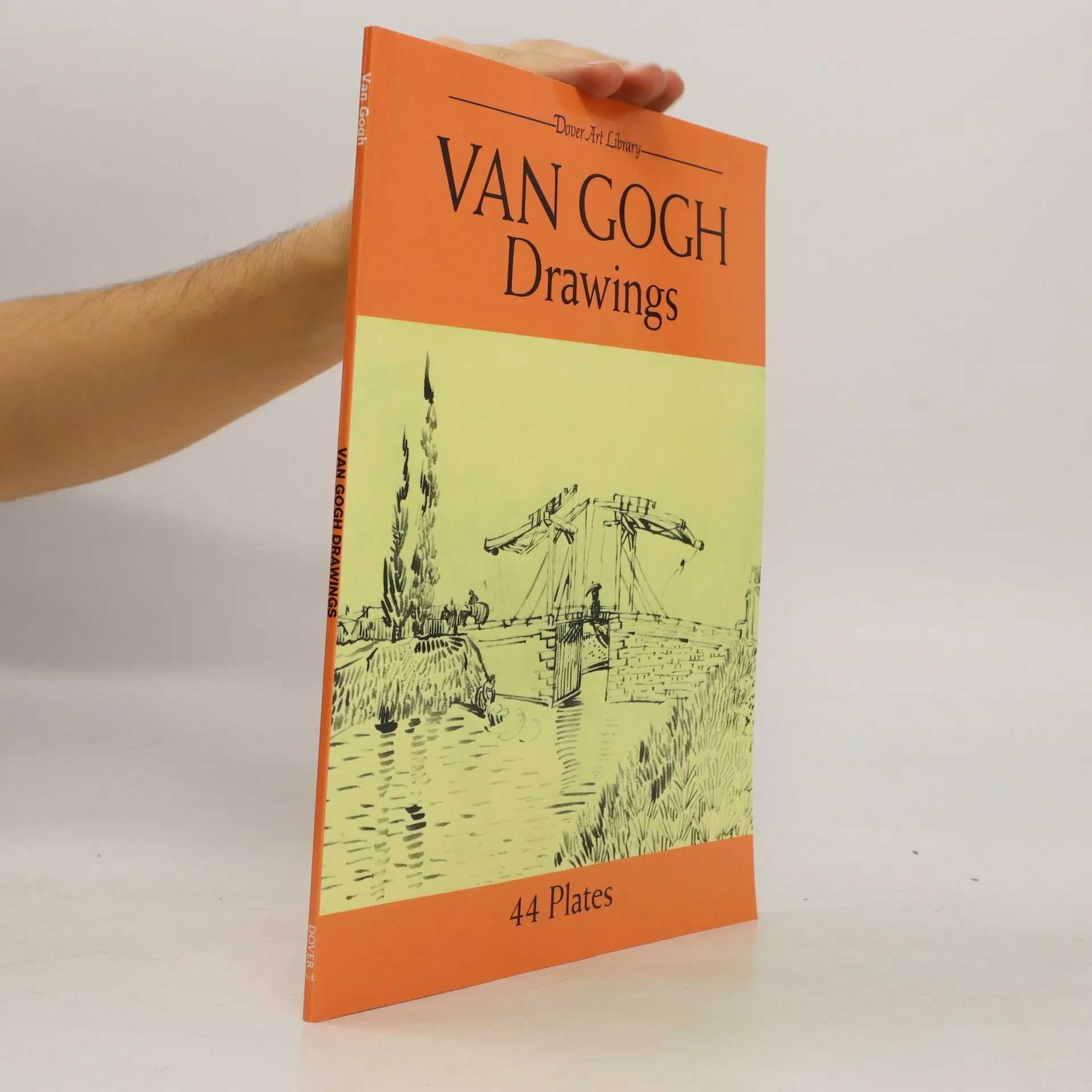
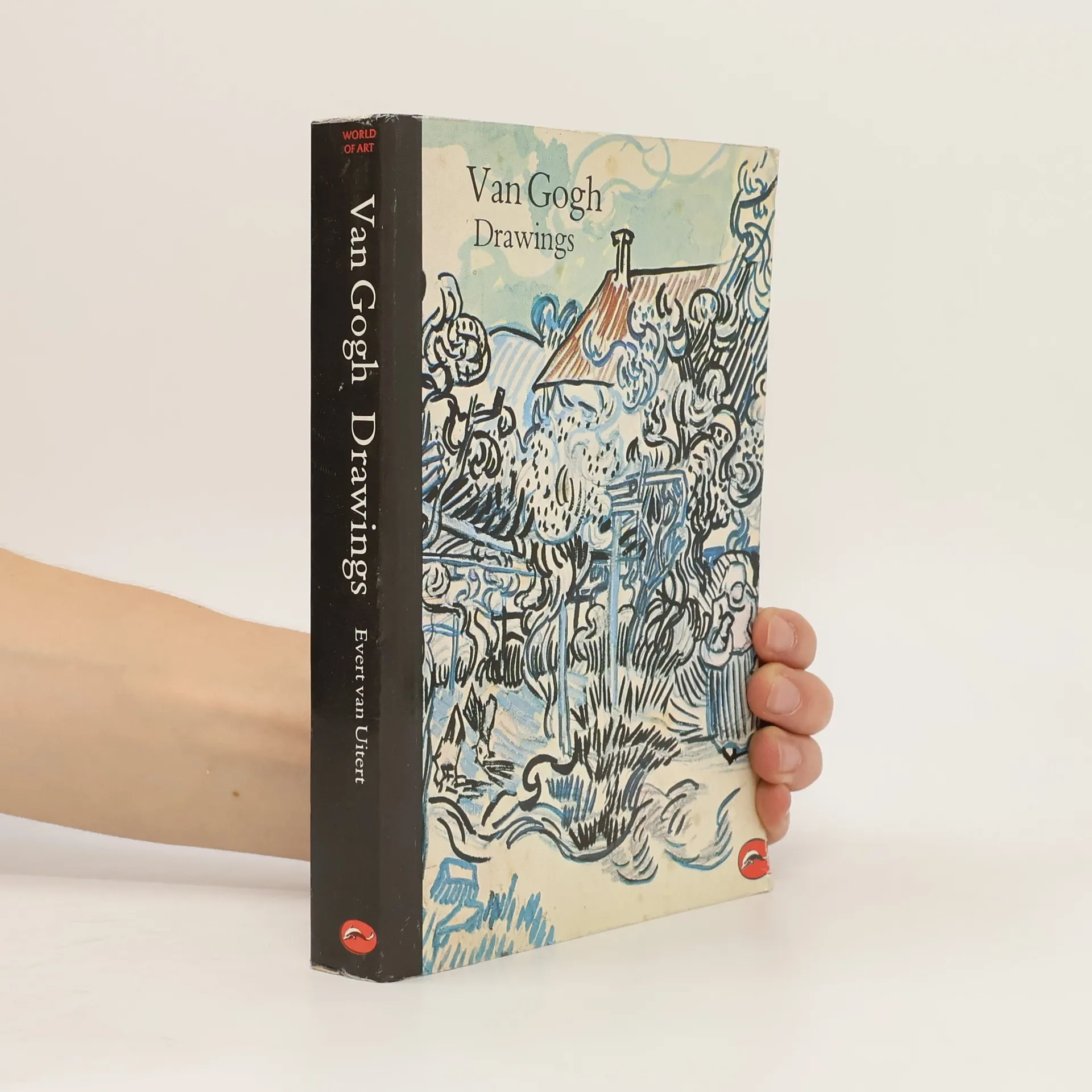
This choice selection of beautifully reproduced drawings spans the full length of van Gogh's brief but prolific career. The works range from his early impressions of peasant life to drawings that served as studies for the great canvases he painted at the close of his life, including Landscape with Cypresses and Starry Night. The captions, which draw heavily upon information provided by Jan Hulsker in The Complete Van Gogh, list subject, date, medium, dimensions (in centimeters, height before width). and the institutions n which they are located. 44 black-and-white illustrations.
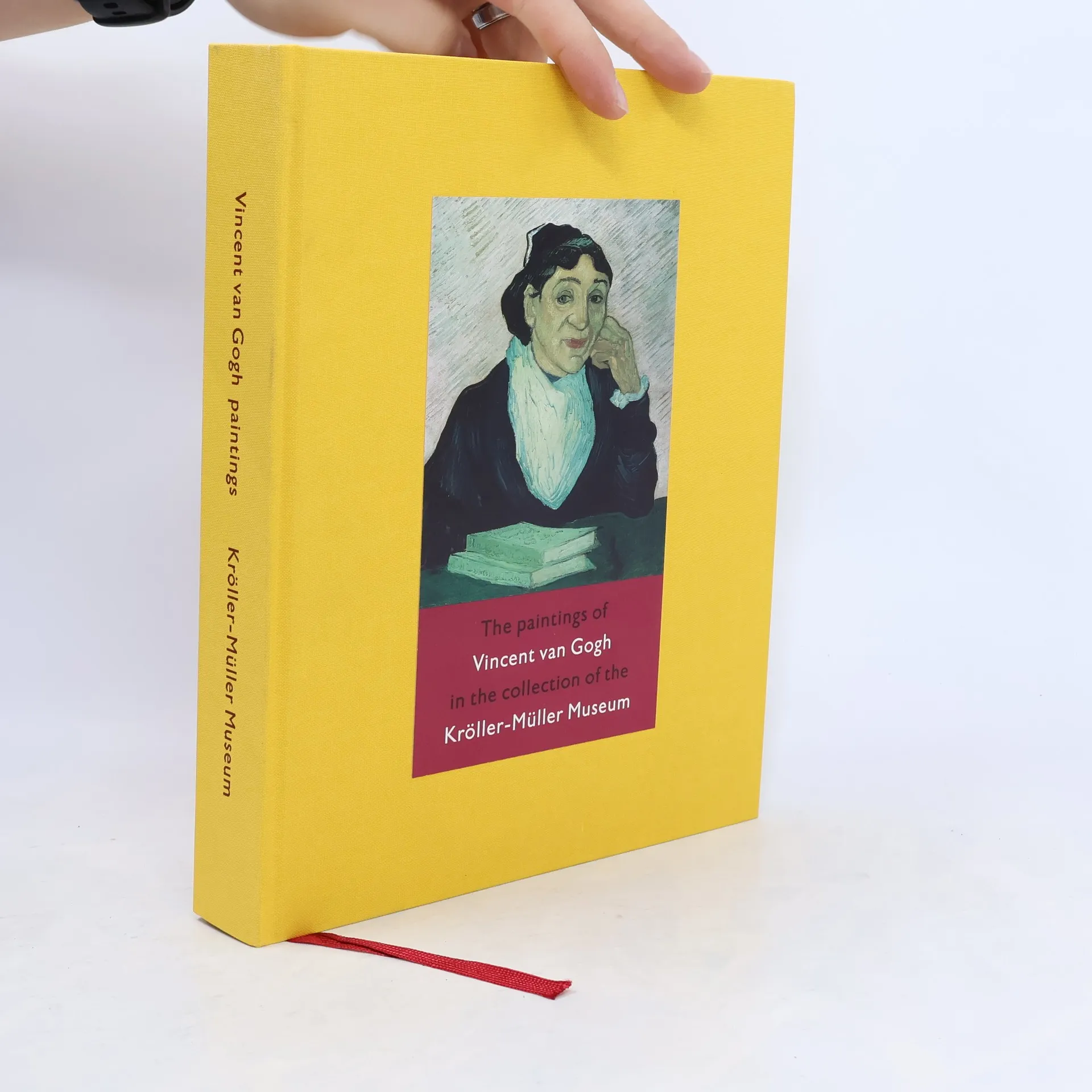
This unique anthology brings together material from 38 well-known writers, artists, and scientists who attempt to describe the process by which original ideas come to them. Contributors include Albert Einstein, Wolfgang Amadeus Mozart, Amy Lowell, Rudyard Kipling, Max Ernst, Katherine Anne Porter, Henry Miller, Carl Gustav Jung, Mary Wigman, Yasuo Kuniyoshi, Henri Poincaré and many others.

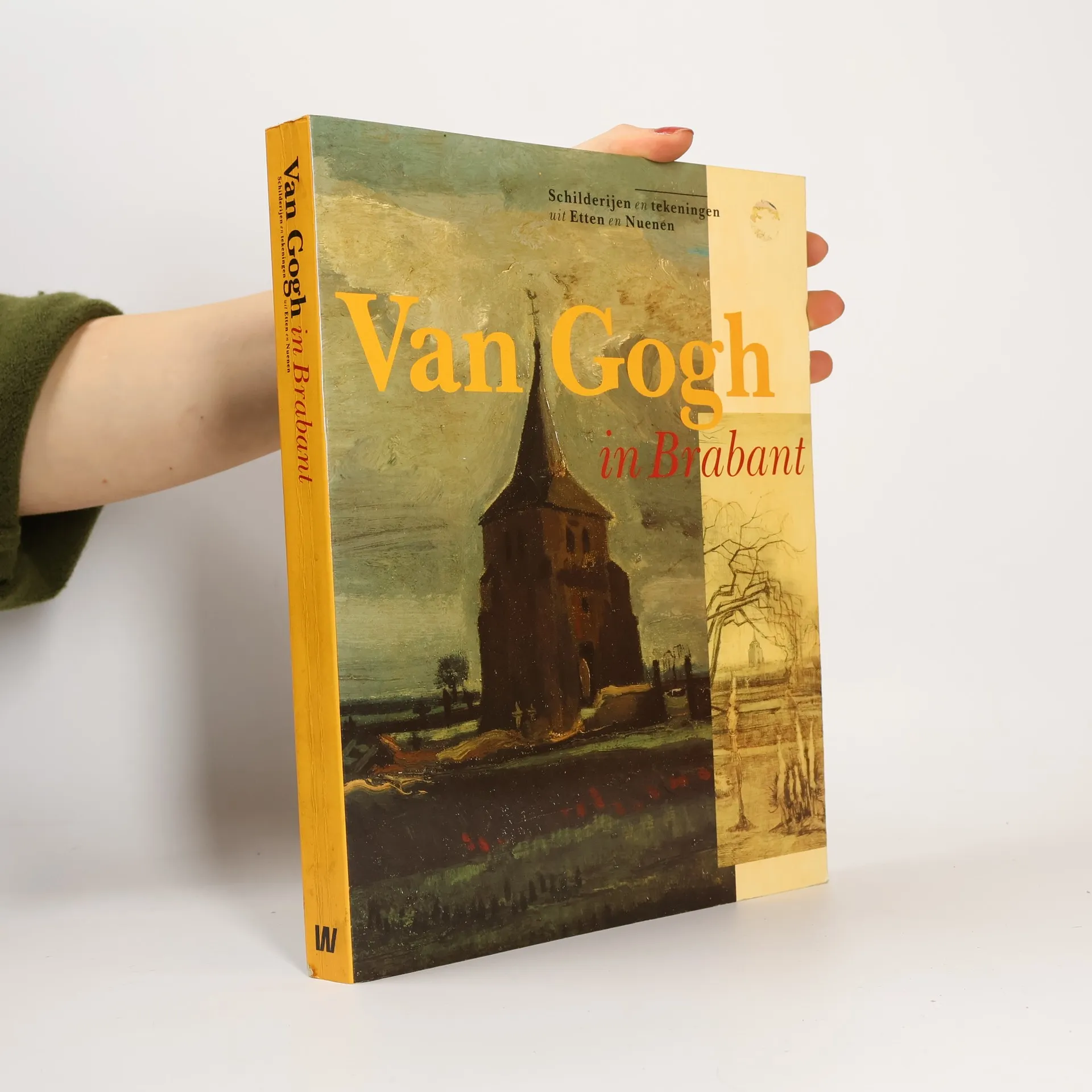
Published in connection with the exhibition of the same name at the Noordbrabants Museum, s'-Hertogenbosch, 2 November 1987-10 January 1988.
Minikalender
Kunst-Einsteckkalender
with reproductions of all the drawings in the correspondence
The letters of Vincent van Gogh lay bare the events of his dramatic life, providing remarkable insight into the creative process, and touching revelations of his personal anguish. They are reproduced in these three volumes with over 200 ink drawings that the artist sketched into them.
Van Gogh, der vor seiner Künstlerkarriere verschiedene Berufe ausübte, war ein einsamer, verzweifelter und selbstzerstörerischer Mensch. Diese reich illustrierte und fachkundige Studie verfolgt den Künstler von den frühen, düsteren Gemälden, in denen er das Elend der Bauern und Arbeiter in seiner Heimat festhielt, über seine helle und farbenfrohe Pariser Periode bis zu den Arbeiten seiner letzten Jahre, die er unter der südlichen Sonne in Arles verbrachte.
Среди воспоминаний, писем, дневников, оставленных нам большими художниками, одно из первых мест занимают письма Винсента Ван Гога (1853—1890). Это поразительный человеческий документ, свидетельствующий о том, какое духовное содержание стоит за каждой картиной этого не признанного при жизни гения. Письма Ван Гога, которыми зачитывались многие поколения, несут на себе отпечаток незаурядной литературной одаренности автора.В издание включены письма художника друзьям: Полю Гогену, Антону Ван Раппарду, Эмилю Бернару и др.
Tato kniha je jedinečným pokusem o rekonstrukci životního a uměleckého příběhu Vincenta van Gogha, jedné z vůdčích postav moderního malířství. Jejím editorem a autorem zasvěcených komentářů k dopisům je přední světový znalec umělcova díla Jan Hulsker (1907-2002), který zároveň pro tento svazek vybrala chronologicky uspořádal přes 200 reprodukcí kreseb, maleb a skic vztahujících se k jednotlivým obdobím van Goghova života.

30 mars 2013 – 160° anniversaire de Van Gogh : 16 mars/église d'Auvers sur Oise/Les Frères Poivre d'ArvorL'image la plus répandue du maître est celle de l'archétype de l'artiste maudit : désargenté, incompris, fou, alcoolique, dépressif et irréfléchi. On omet volontiers qu'il s'agissait surtout d'un esprit vif, cultivé jusqu'à l'érudition, et souvent brillant. Les manifestations les plus éclatantes de cette intelligence pleine de contradictions et d'idéaux se trouvent dans sa volumineuse correspondance, qui rassemble plus d'un million de mots en plus de 900 lettres.Le présent ouvrage contient une sélection des réflexions les plus marquantes de cet ensemble impressionnant.Profondes, visionnaires, souvent drôles, les citations tirées de la correspondance de Van Gogh peuvent prétendre au même statut que ses tableaux et dessins : des chefs-d'oeuvre.Le dessin reproduit en couverture, réalisé à Paris en 1887, est un détail d'une feuille d'exercices dont le coin supérieur gauche a été découpé à une date inconnue.
České vydání výboru z korespondence představitele poimpresionistické malby, adresované umělcovým přátelům a známým, bylo pořízeno podle francouzského vydání z r. 1960. Dopisy jsou cenným pramenem nejen pro poznání van Goghových životních osudů, ale umožňují proniknout i do umělcova myšlenkového světa, jeho estetických názorů a jsou i svědectvím jeho uměleckých zápasů. 64 s. obr. a barev. obr. příl.
Une comparaison visuelle entre les œuvres des peintres Vincent Van Gogh et Utagawa Hiroshige, et l'influence de ce dernier sur le premier.
Dieses edel gestaltete Lesebuch sammelt über 60 Gemälde des großen Künstlers. Harmonisch untermalen sie ausgewählte Verse, Impulse und Segenswünsche beliebter Autoren und Zeitgenossen van Goghs wie Rilke, Twain oder Chesterton u. v. a. Ein Buch, das die schönen Seiten des Lebens aufzeigt. (durchgehend farbig gestaltet, mit zahlreichen Illustrationen)

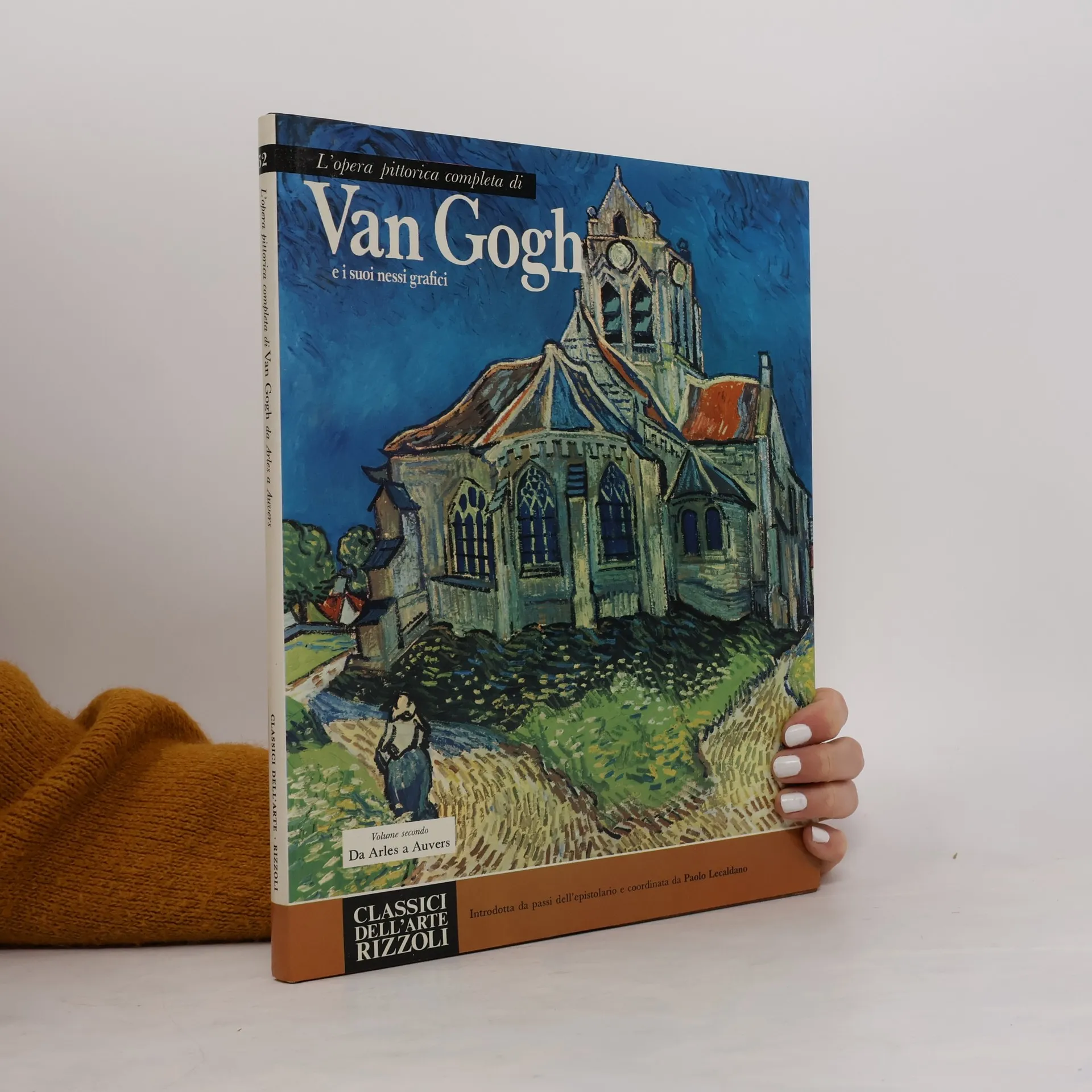
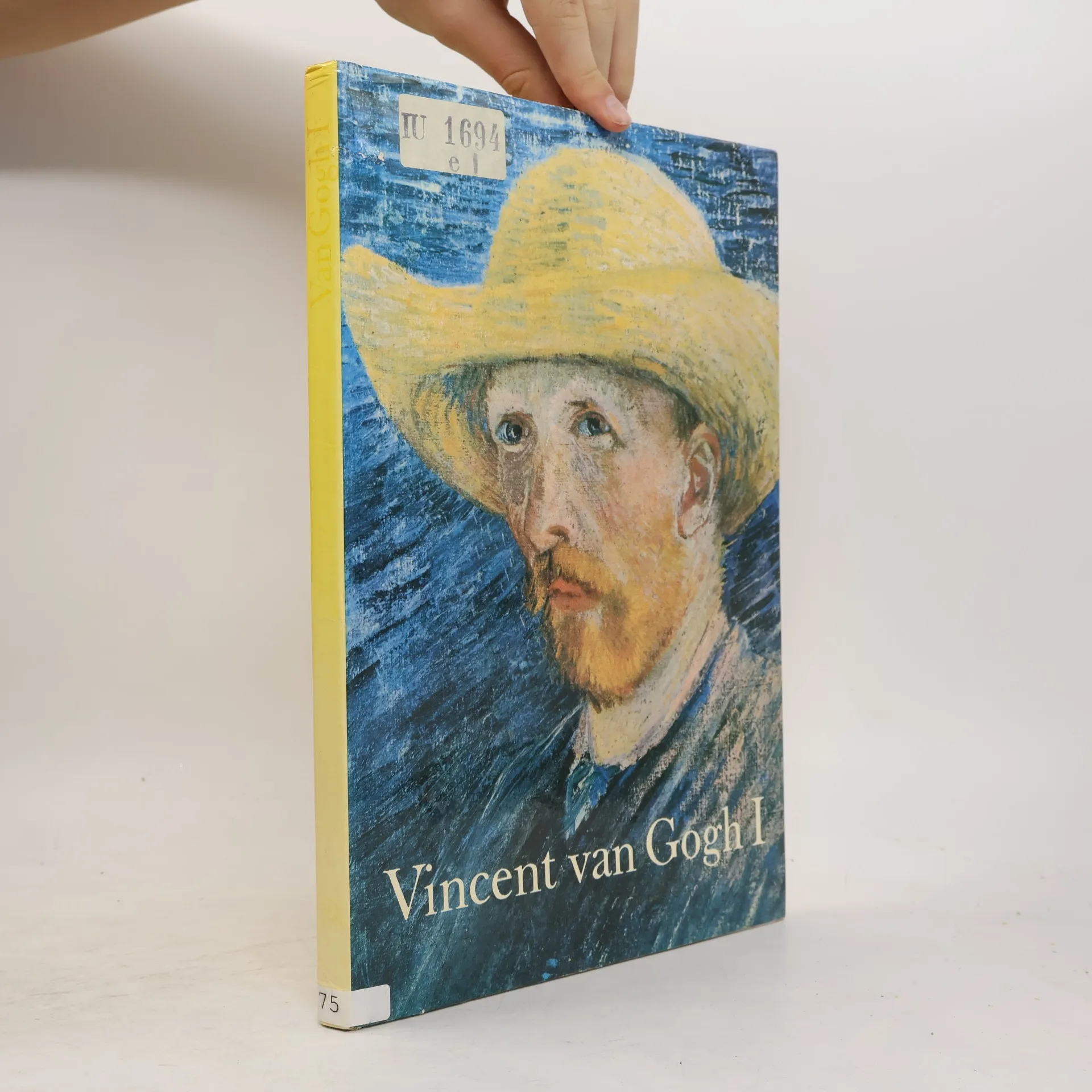
Souborné malířské dílo I (1881–1888). Ettenské, Haagské, Drenthské, Nuenenské, Antverpské, Pařížské údobí. Obsahuje výňatky z van Goghovy korespondence, seznam barevných příloh, základní bibliografii, katalog díla. Z francouzského vydání Tout l'œuvre peint de Vincent van Gogh [1881–1888] (Flammarion, Paris 1971) s přihlédnutím k původnímu italskému vydání L'opera completa di Vincent van Gogh [1881–1888] (Rizzoli Editore, Milano 1971) přeložili Dagmar a František X. Halasovi. Filmy k obrazové části poskytlo nakladatelství Rizzoli. Graficky upravil Václav Rein.
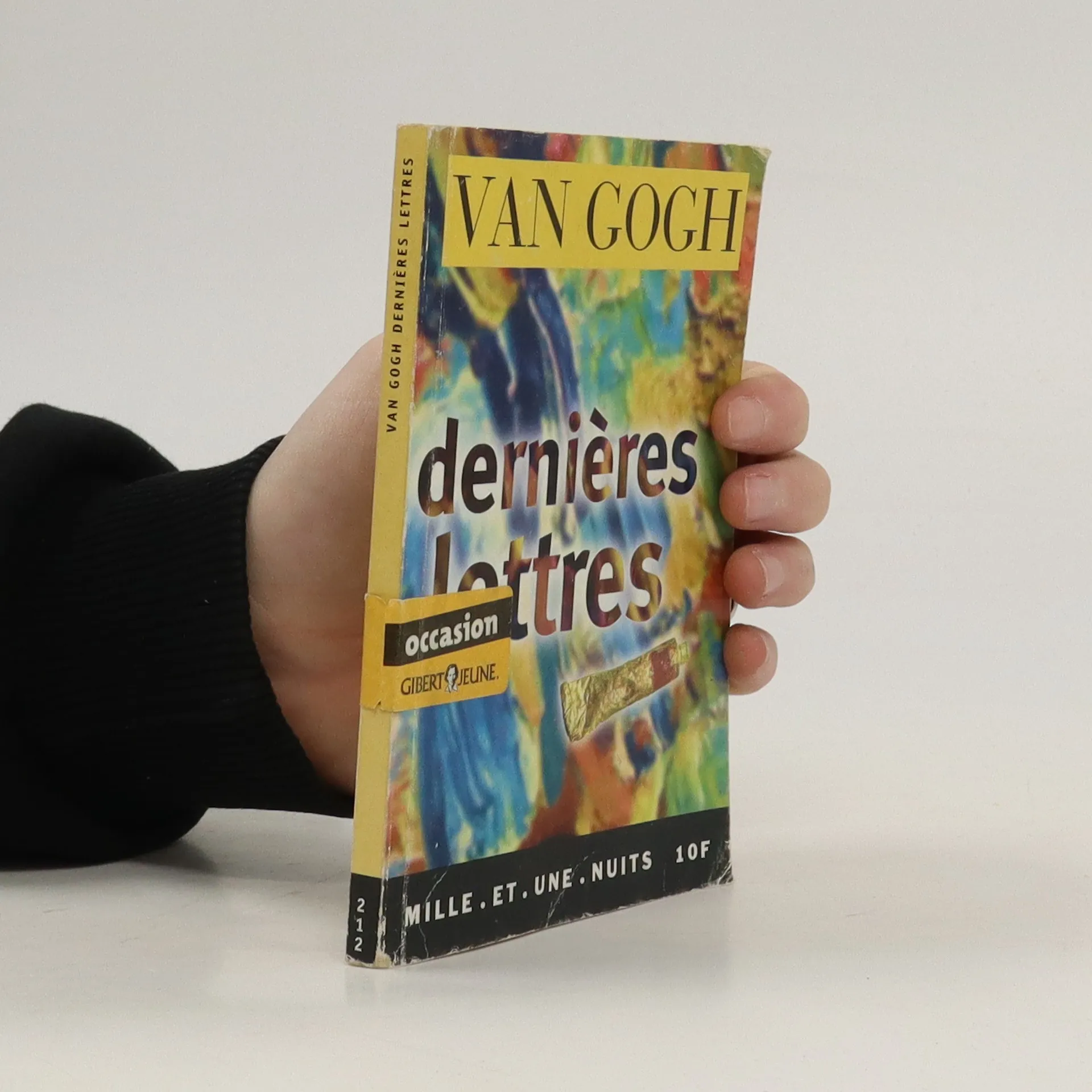
De 1872 à sa mort, Vincent Van Gogh (1853-1890) ne cessera jamais de correspondre avec Théo, son frère cadet. Misère matérielle, déceptions affectives, vocation contrariée de prédicateur évangéliste, passion naissante pour le dessin, admiration pour Millet et Rubens, lecture enthousiaste de Dickens et de Zola, enchantement des couleurs: rien de la vie douloureuse et exaltée du peintre n'est caché dans cette correspondance, en grande partie rédigée en français. Ses dernières lettres, écrites à Auvers-sur-Oise juste avant son suicide constituent une sorte de journal de ses derniers mois de création, un véritable testament artistique. Et le plus émouvant des autoportraits.
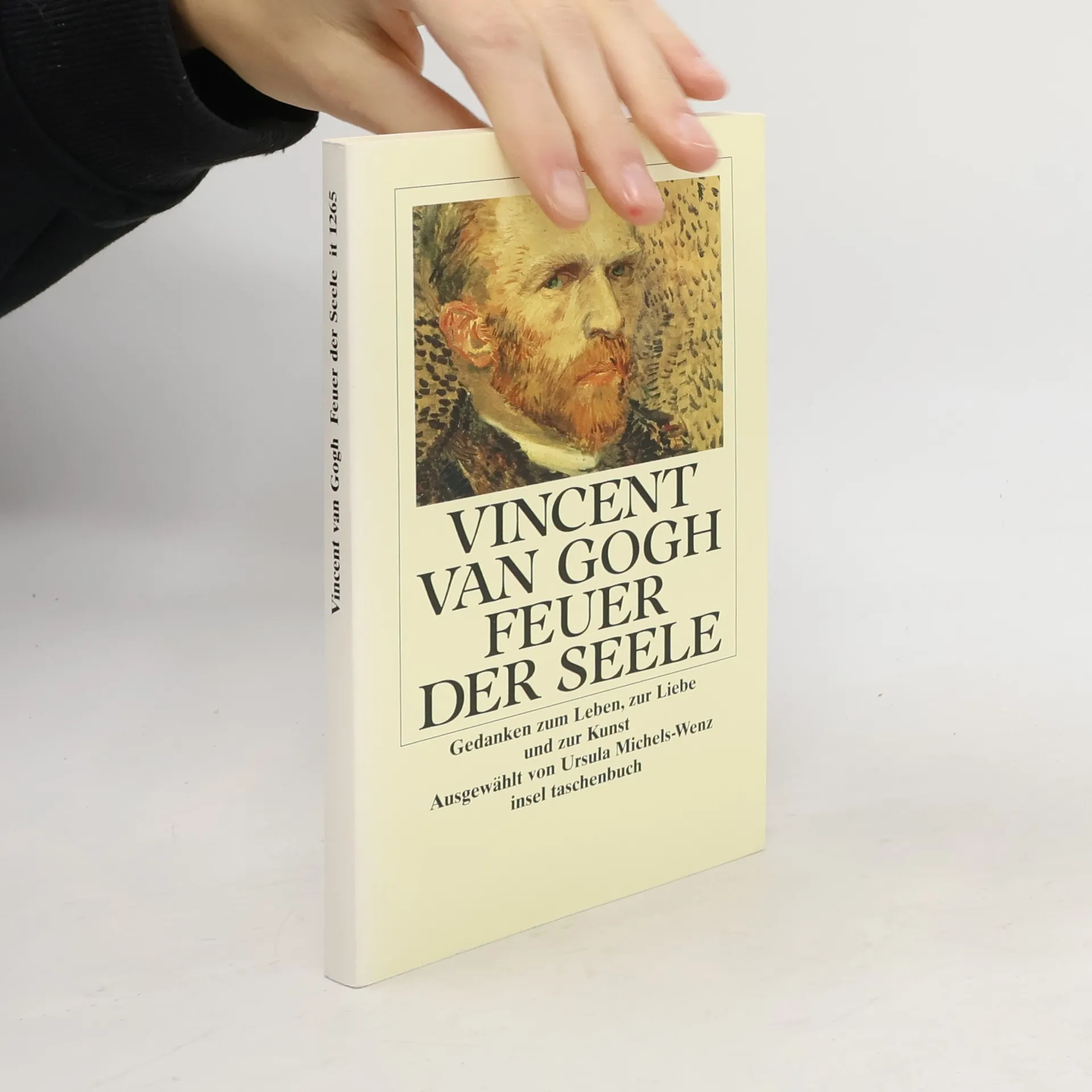
Gedanken zum Leben, zur Liebe und zur Kunst
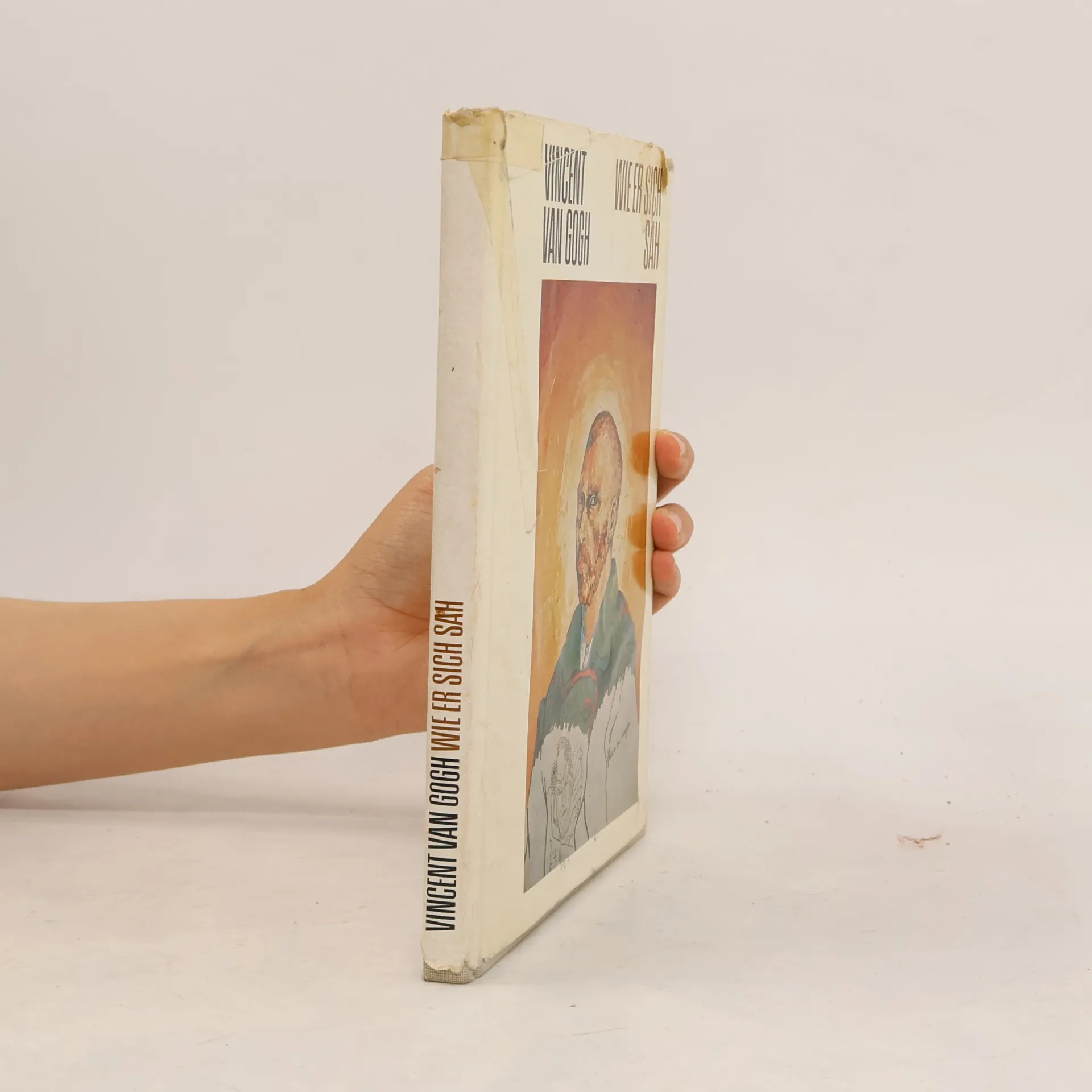
Zum 150. Geburtstag Vincent van Goghs (1853 bis 1890) erinnert dieser Band mit ausgewählten Zitaten an den »mächtigsten Idealisten und rührendsten Märtyrer in der neuen Kunst, ... der aus übergroßer Liebe zu den Menschen einsam wurde, der aus übergroßer Vernunft wahnsinnig wurde« (Hermann Hesse). Ergänzt werden die Briefzitate durch ein Nachwort mit einem biographischen Abriß, eine Zeittafel sowie eine Literaturliste. Außerdem liegen im insel taschenbuch vor: Vincent van Gogh. Briefe an seinen Bruder . 3 Bände (it 954), Van Gogh in seinen Briefen . Mit Abbildungen (it 177)
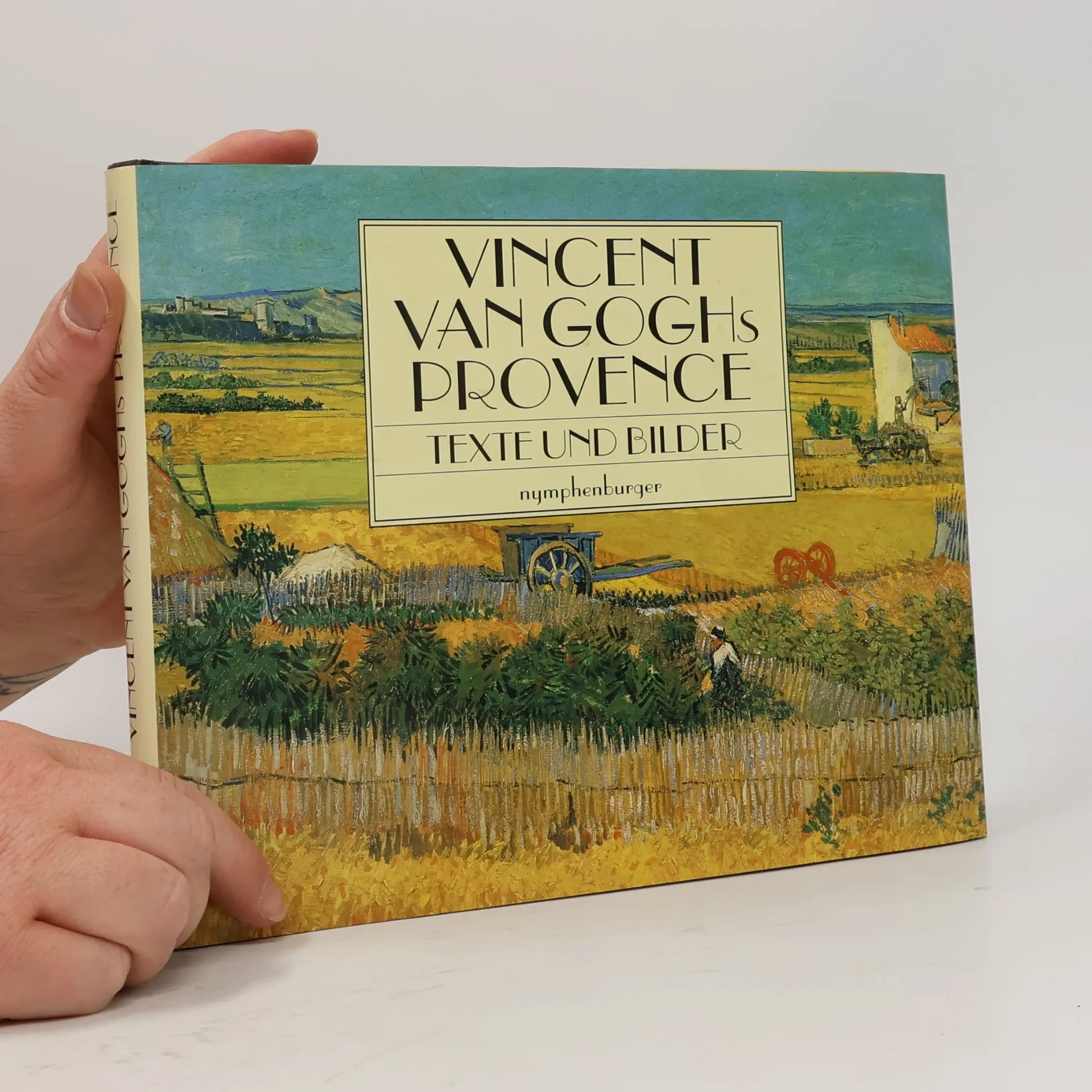
Texte und Bilder
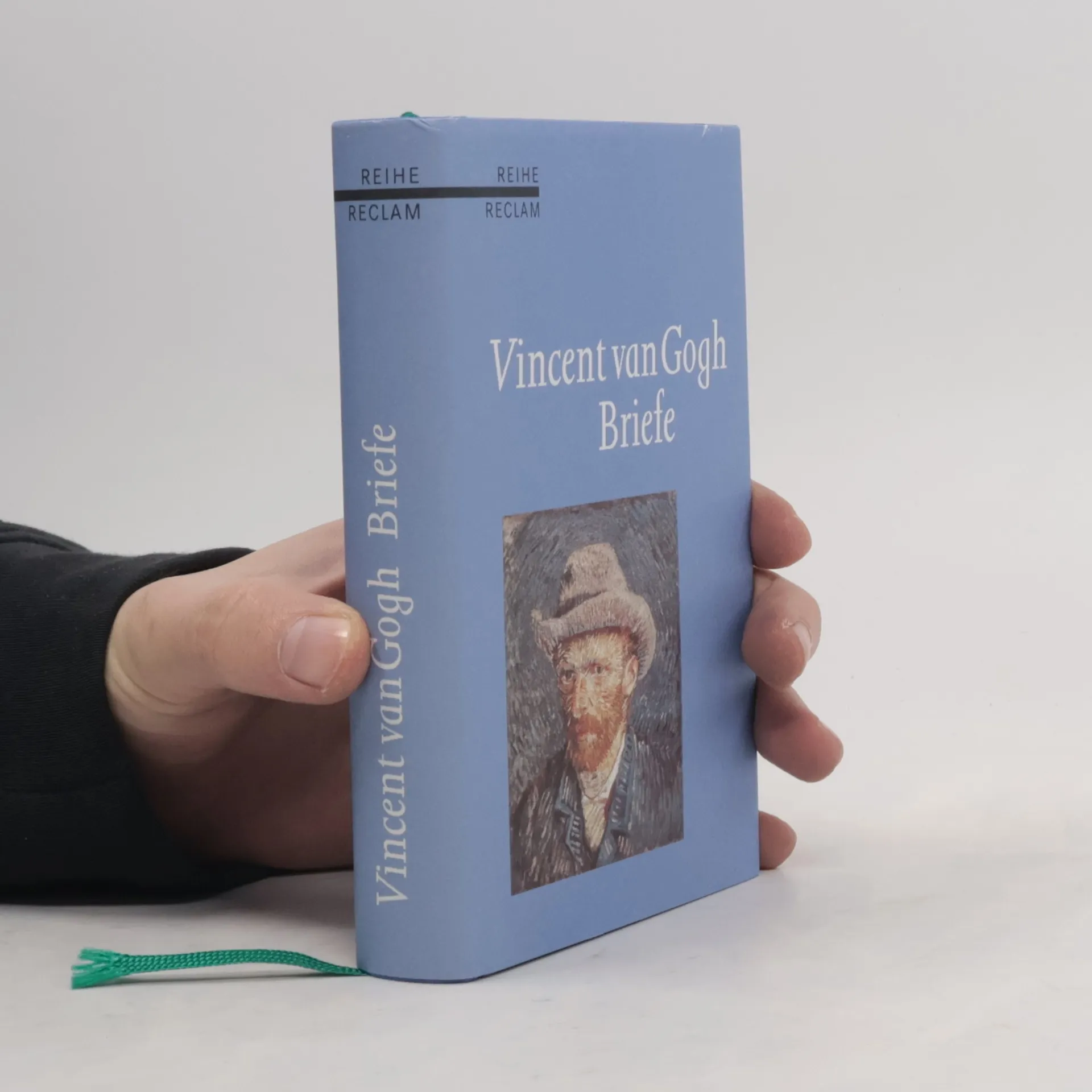
Der Briefwechsel Vincent van Goghs zählt zu den großen Korrespondenzen der europäischen Kultur und Geistesgeschichte. Er gibt nicht nur Zeugnis vom Schicksal eines Genies, dessen Leben von Erfolglosigkeit, Selbstzweifel und Geisteskrankheit geprägt war, sondern dokumentiert auch van Goghs eigenwillige künstlerische Entwicklung, die in seinen Überlegungen zum Umgang mit Zeichenstift und Farbe, zum Malen von Porträts und Landschaften sowie zur gesellschaftlichen Stellung des Künstlers grundlegend wurde für die Entwicklung der modernen Kunst. Der Band umfasst etwa 70 Briefe mit ausführlichen Anmerkungen sowie einem Personen-, Orts- und Werkregister. Die in den Briefen enthaltenen Zeichnungen van Goghs sind an entsprechender Stelle reproduziert, einige Briefe zudem vollständig abgebildet.
Wie Sterne leuchten die Worte des Weltberühmten Piloten, der den kleinen Prinzen erfand. Zeitlebens hat er nach dem wahren Menschsein gesucht, oft auch im Dunkeln: nur das, was der Mensch als Liebender und Freund vermag, kann angesichts der Dimensionen des Unendlichen standhalten. Antoine de Saint-Exupéry entdeckte Brunnen in der Wüste und Leitsterne in eine menschenwürdige Zukunft.
Contains 40 color plates, each with an informative commentary about both the painter and his art, plus 27 black and white reproductions
Diese Mischung von Farbe ist für mich etwas Neues und bringt mich ganz außer mir geben Aufschluss über sein maler isches Werk und gelten nicht umsonst unter Kunsthistorikern als eine der wichtigsten Quellen für ihre Forschung. Die in diesem Band zitierten Briefauszüge sind häufig dramatische Momentaufnahmen. Sie ermöglichen den Lesern einen leichten Zugang zu der Künstlerpersönlichkeit Van Gogh und seinem Werk 0und mögen sogar den einen oder anderen Kunstkenner überraschen. Zum Teil doppelseitige Farbabbildungen, Van Goghs vollständige Biografie sowie ein Essay, der die neuesten Erkenntnisse über den Künstler berücksichtigt, machen aus diesem Band ein ganz besonderes Geschenk für jeden Van Gogh-Verehrer. Die Reihe Junge Kunst, die von 1919 bis 1933 mit rund 60 Bänden erschien, versammelte große Namen. Heute sind diese Bände kunsthistorische Kleinode, die durch "Selbstbiografien", Briefwechsel und Aufsätze der jeweiligen Künstler einen authentischen Blick auf die Kunstszene des letzten Jahrhunderts ermöglichen.
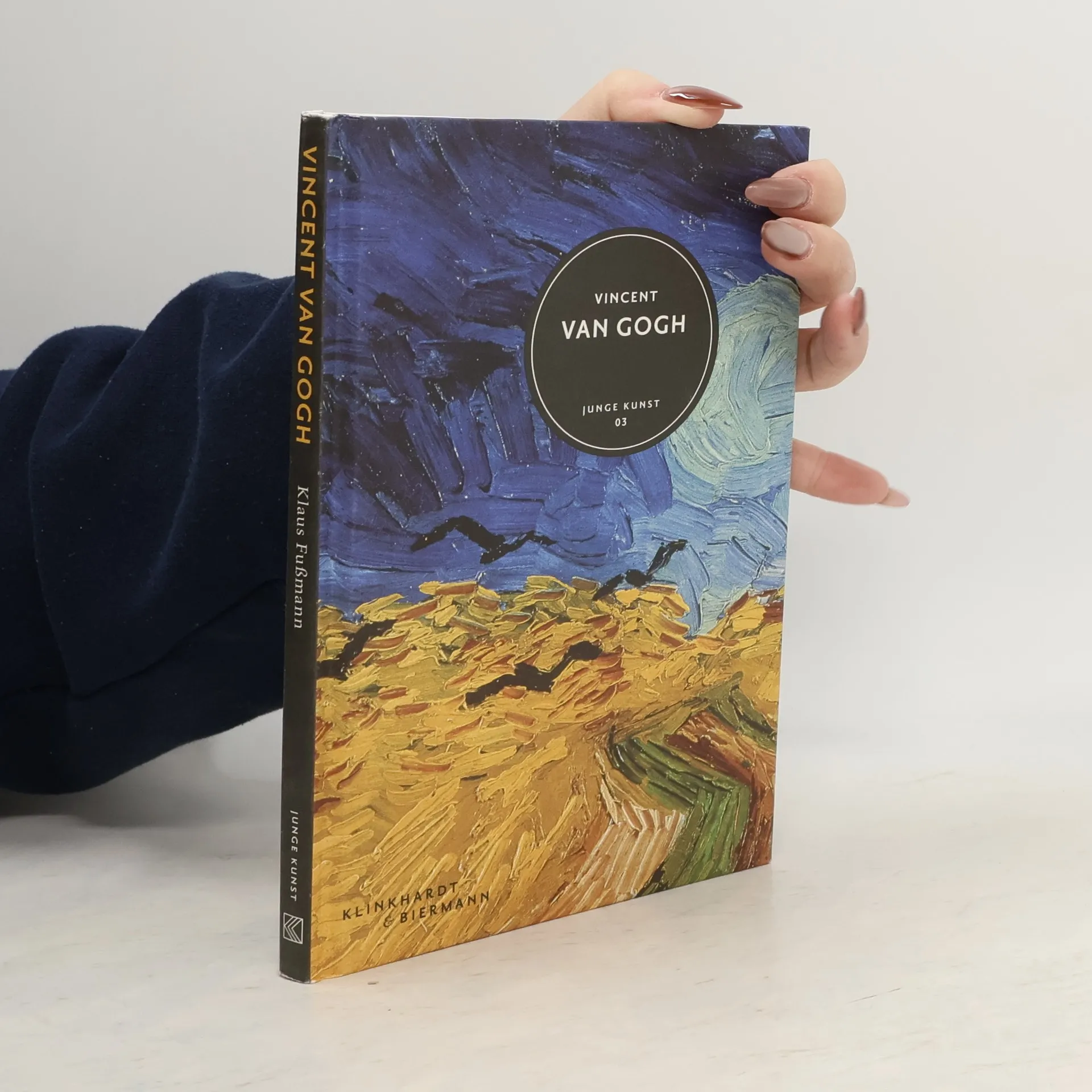
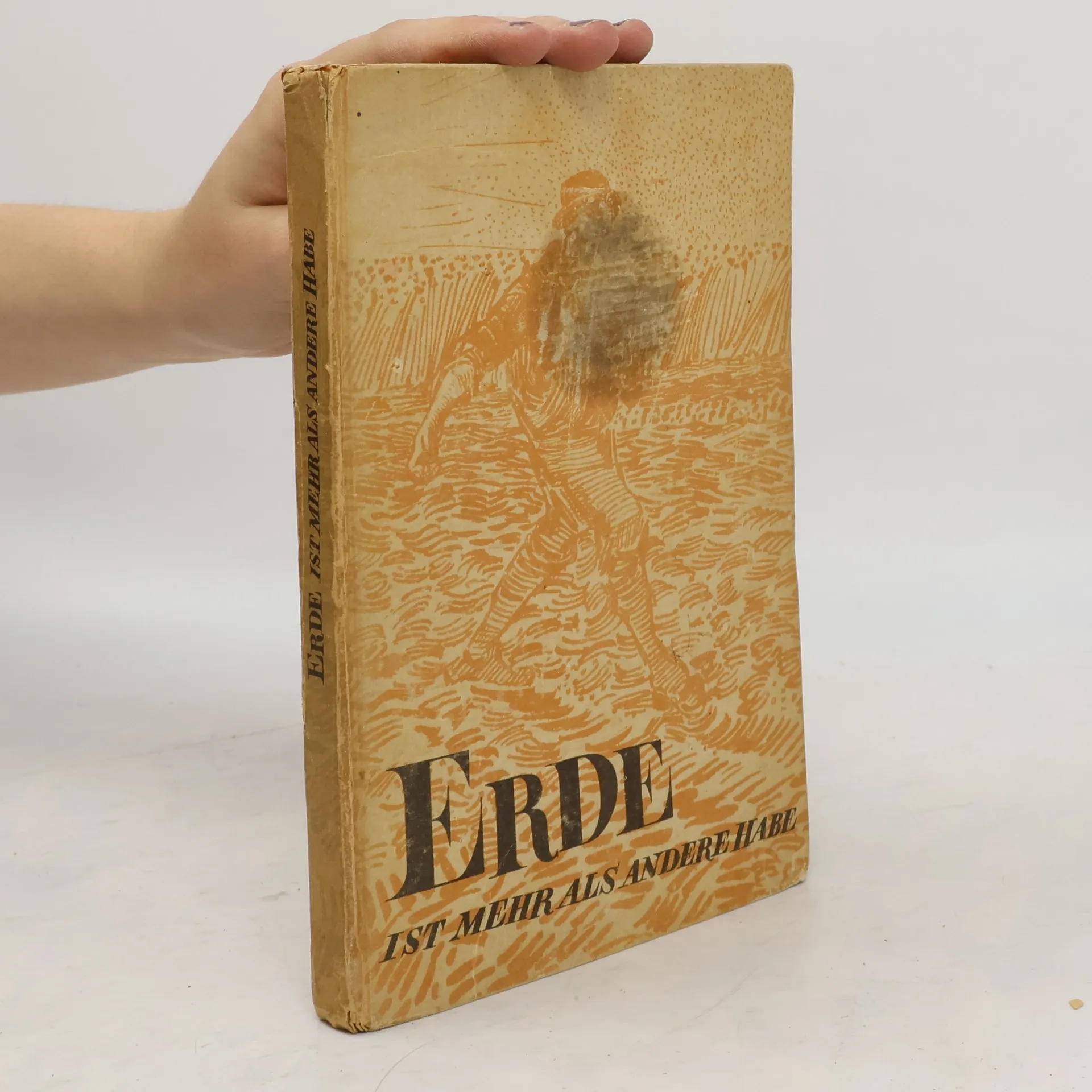
14 farbige Gemäldereproduktionen, 2 einfarbige Tafeln
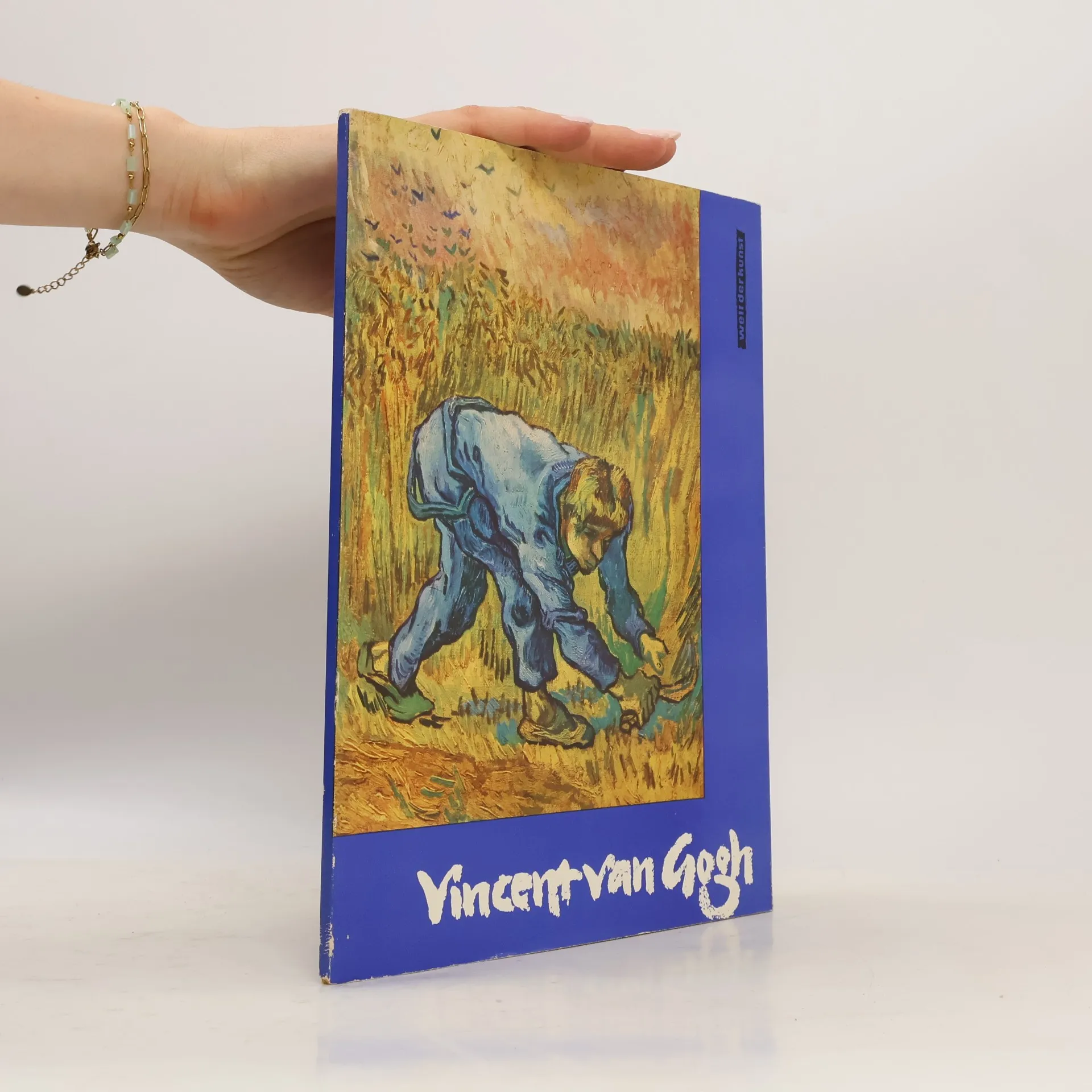
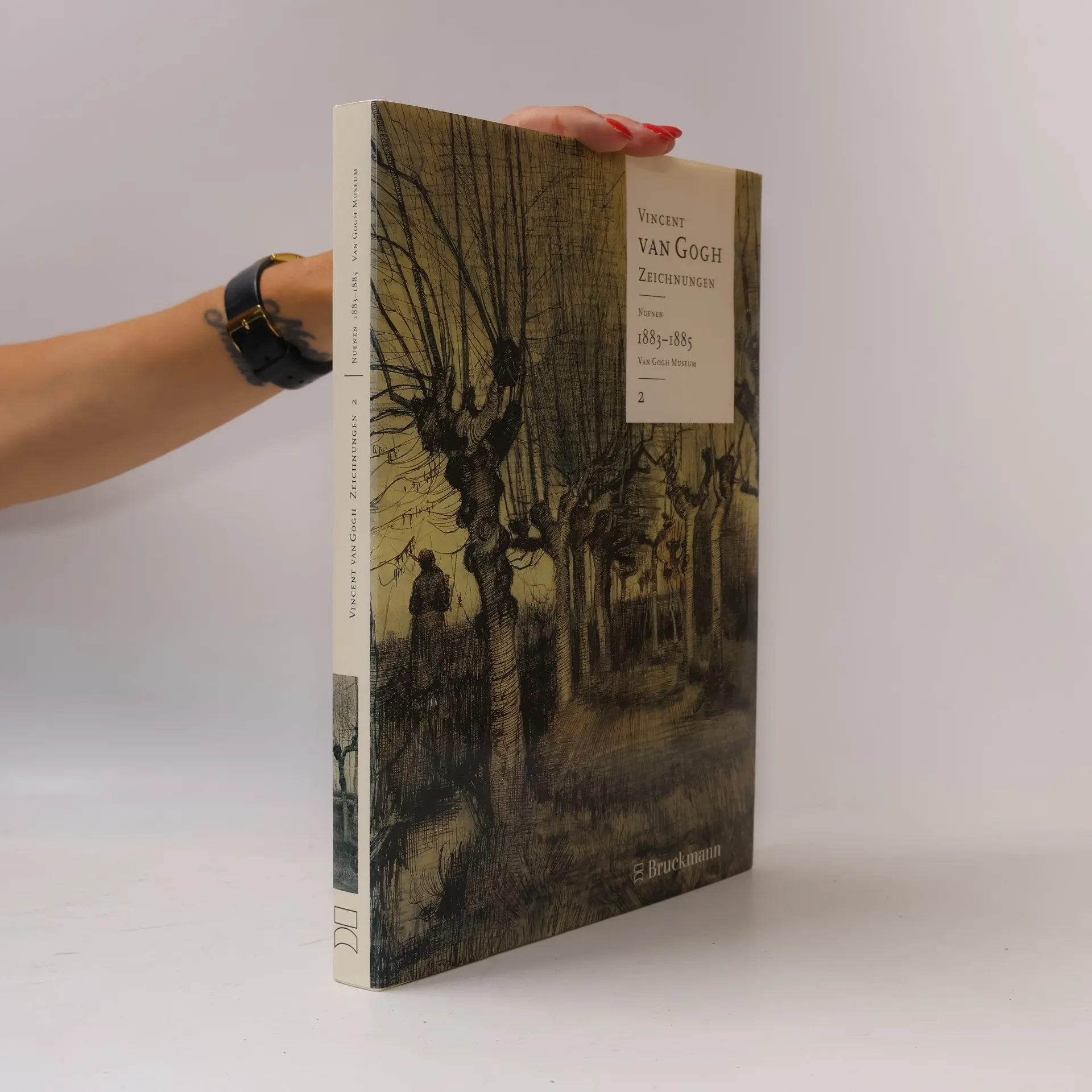
Das Buch zum aufsehenerregenden Fund – In einem einfachen Kassenbuch, einer Kladde aus einem Café in Arles, wurden 65 Zeichnungen entdeckt, die Vincent van Gogh zugeschrieben werden. Viele seiner berühmten Landschaftsgemälde und Porträts, darunter auch das Gauguins, sind in diesen Zeichnungen vorbereitet. Bogomila Welch-Ovcharov erzählt die fesselnde Geschichte dieser Kladde und beschreibt jede einzelne Zeichnung genau. Das Skizzenbuch ist in dieser Publikation komplett als Faksimile abgebildet, so dass sich der Betrachter ein genaues Bild machen kann.
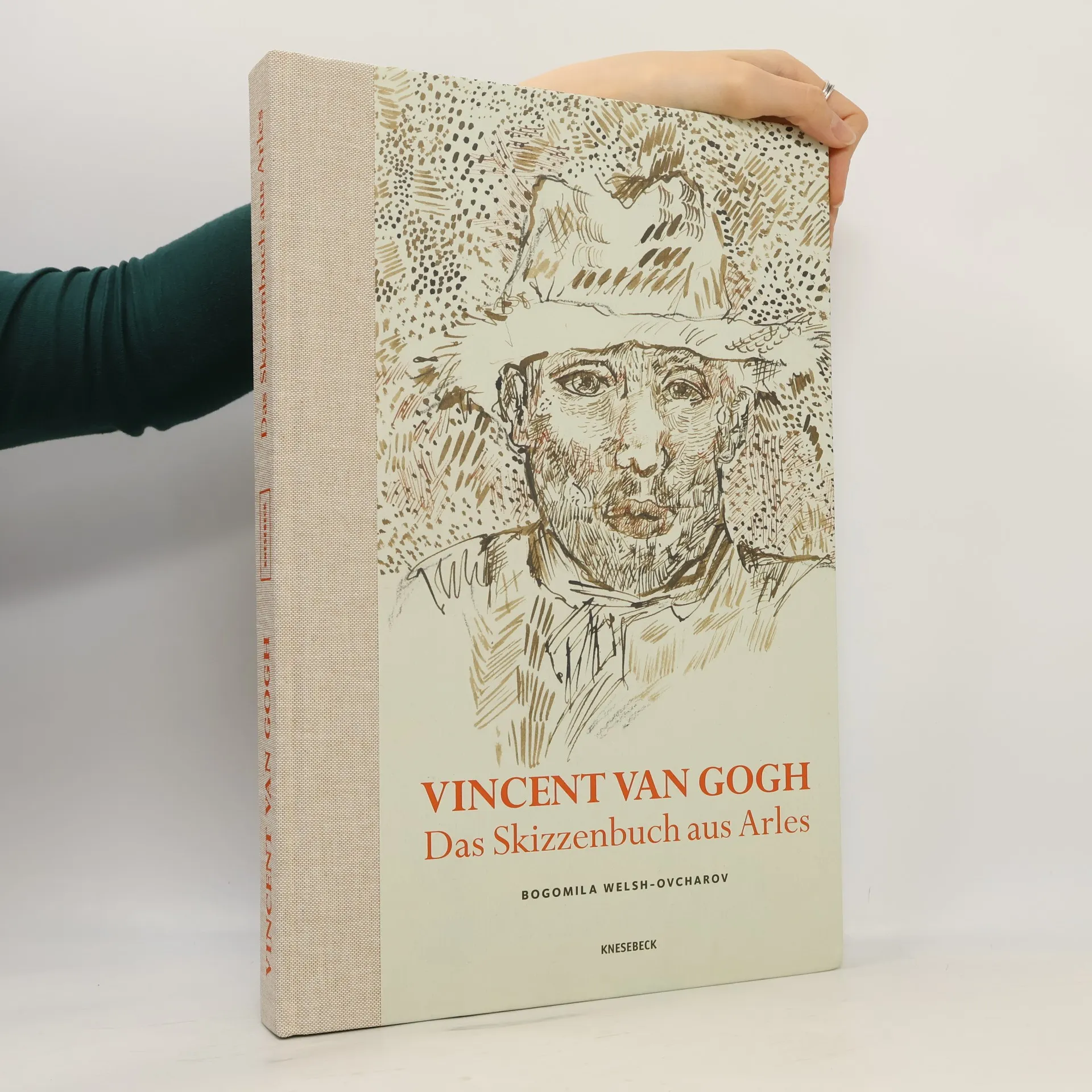
Vincent van Gogh was behalve een baanbrekend kunstenaar ook een begenadigd schrijver. De honderden brieven die hij aan zijn broer Theo en aan kunstenaarsvrienden als Paul Gauguin en Émile Bernard schreef, zijn een niets verhullend commentaar op zijn leven en kunstenaarschap. Tegelijkertijd hielp het schrijven hem zijn gedachten te ontwikkelen: schrijven als vorm van denken - over kunst, leven, literatuur, schildertechniek en artistieke ambities. Over voortdurende strijd en gering succes; over vertwijfeling en ziekte.Het observatievermogen van Van Gogh en zijn scherpe analyse van mensen en omstandigheden gaan gepaard met een sterk taalgevoel en trefzekere formuleringen. Hij schreef recht uit het hart, ongepolijst en eerlijk. Vrijblijvendheid was voor Van Gogh een doodzonde en net als in zijn kunst staat er bij het schrijven altijd iets op het spel. Door die gedrevenheid behoren zijn brieven tot de meest aangrijpende kunstenaarscorrespondenties uit de wereldliteratuur.
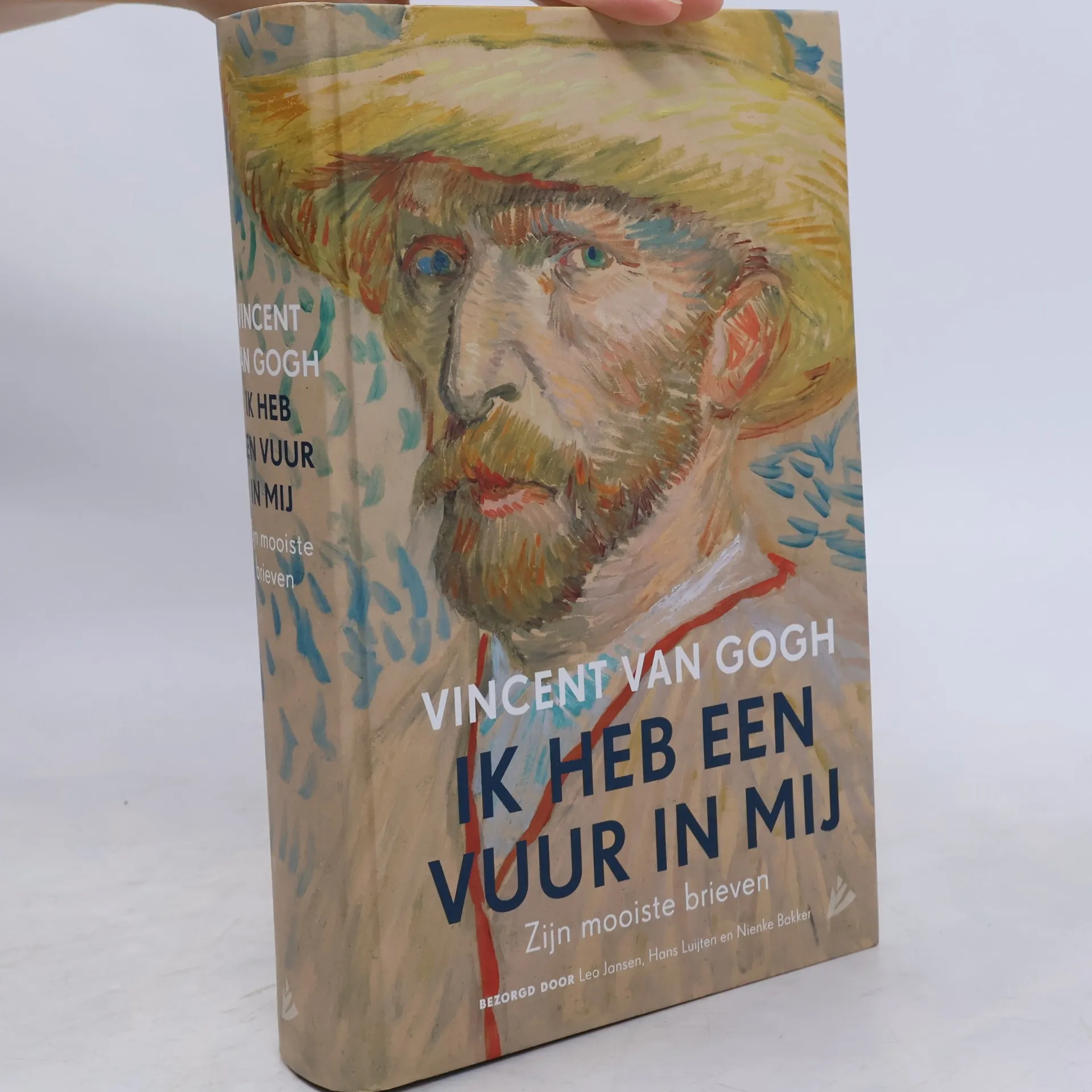
Der Mensch und sein Werk
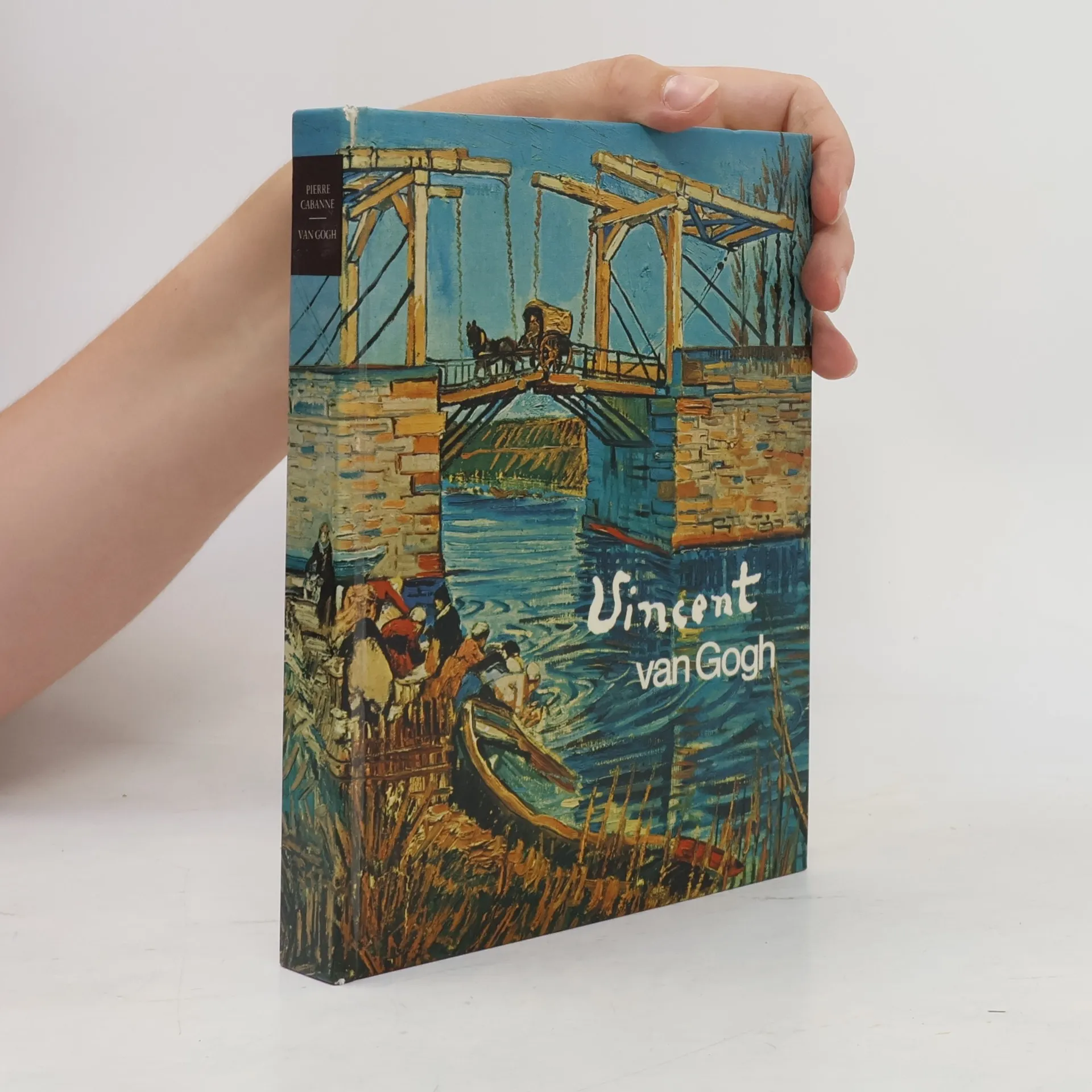
This work presents an imagined dialogue with Vincent van Gogh, featuring his authentic words. Best known for his sunflowers and the infamous incident of cutting off his ear, Van Gogh's life was rich with complexity. He was the son of a Dutch pastor who left his homeland for the sunny landscapes of Arles, France, where he produced over a thousand candid letters revealing his struggles and joys. Initially aspiring to be a Christian missionary in London, he came to painting late in life. Despite becoming one of the most renowned artists, he remained largely unrecognized during his lifetime, with only one art critic, Aurier, acknowledging his talent. Tragically, he may not have sold a single painting while alive. In Arles, he found both the sun and a newfound energy, associating the color yellow with hope. In his final two years, he painted nearly a canvas a day. However, hope faded on July 27, 1890, when he took his own life at 37, shortly after leaving a mental institution where he experienced a rare calm. Vincent viewed himself as a stunted plant, shaped by a troubled childhood. Engaging with him is described as a privilege, revealing a fascinating, contradictory, and tragic figure who, despite his turmoil, exuded kindness and life-affirming insights about art and human relationships.