

Luboš Šedivý Ordine dei libri (cronologico)


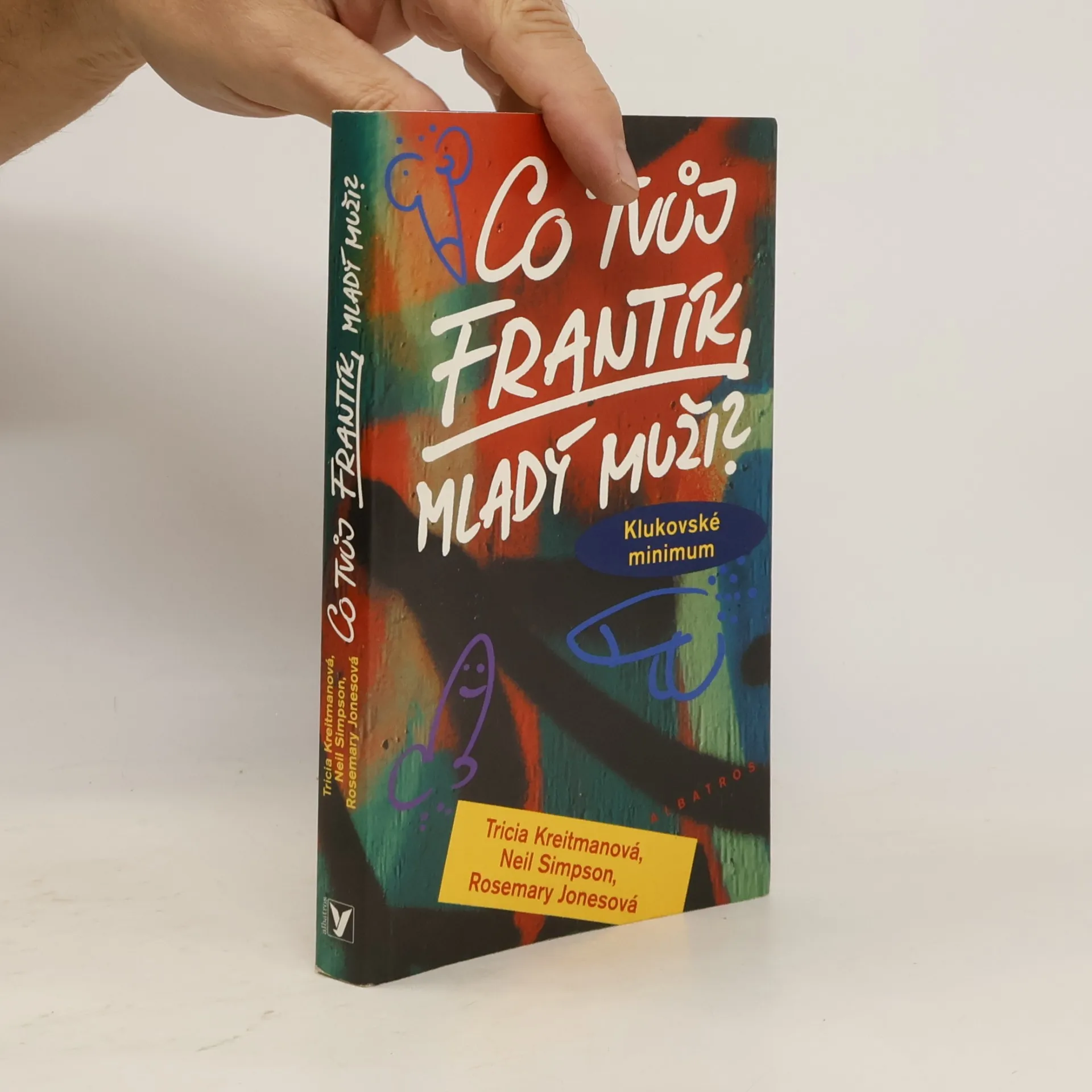
Co tvůj frantík, mladý muži? : klukovské minimum
- 205pagine
- 8 ore di lettura
Říkají o tobě, že s tebou mlátí puberta? Štve tě vlastní tělo, protože máš pocit, že si dělá, co se mu zachce? Máš pocit, že se ti kluci i holky pošklebují? Klídek! Nejsi v tom sám! Tyhle trable prožívá každý puberťák. Když si otevřeš tohle minimum, dozvíš se leccos o svém těle a o změnách, které tě znepokojují, a najdeš tu možná odpověď i na své vlastní palčivé otázky, o kterých se ti nechce s nikým moc mluvit. A také tu najdeš adresář užitečných kontaktů, kdyby ti minimum nestačilo....
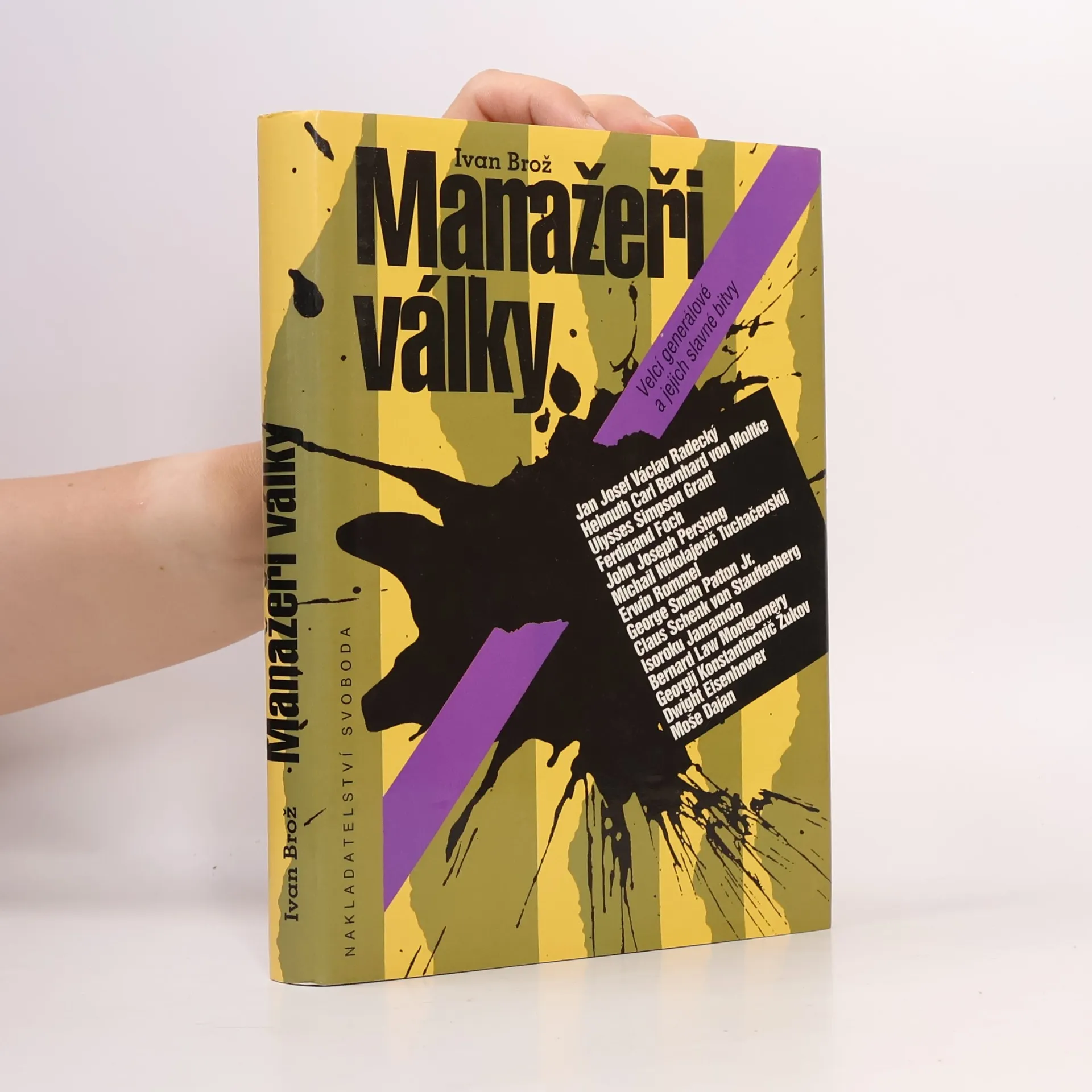
Manažeři války
- 291pagine
- 11 ore di lettura
Životopisné medailony slavných vojevůdců - velkých postav dějin vojenství (od 17. do 20. stol.). Ferdinand Foch, Helmuth Carl Bernhard von Moltke, Napoleon I. Bonaparte, Alexandr Vasiljevič Suvorov, Horatio Nelson, Evžen Savojský, Douglas MacArthur, Fridrich Veliký.
Hope Dies Last : The Autobiography of Alexander Dubcek
- 354pagine
- 13 ore di lettura
Like my parents, I sought the modest goal of a safe job and a small house for my family. This dream resonates with many. When Alexander Dubcek died on November 1, 1992, people worldwide mourned a hero. Global leaders paid tribute to the man from 1968, while ordinary citizens recognized the loss of a powerful advocate for democracy and autonomy for smaller nations. Dubcek's "socialism with a human face," known as the Prague Spring, shattered illusions about the Soviet system, and his vindication during the Velvet Revolution of 1989 established a living democratic tradition in Czechoslovakia. Born to Slovak-American idealists and raised in a socialist commune, Dubcek's journey encompasses guerrilla battles in World War II and the complex history of the Slovak people. The narrative intensifies with tense negotiations and maneuvers as Dubcek and his reformers strive to implement changes before Soviet intervention. The brutal invasion on August 21, 1968, led to Dubcek's kidnapping by the KGB. Following the Prague Spring's demise, he lived in exile as a forestry worker and later became a catalyst for Eastern European liberation during perestroika. Just before his tragic death in a car accident, Dubcek was favored to become president of the emerging Slovak Republic, embodying the hopes and struggles for social justice and self-determination. His memoirs serve as a testament to these enduring ideals.