

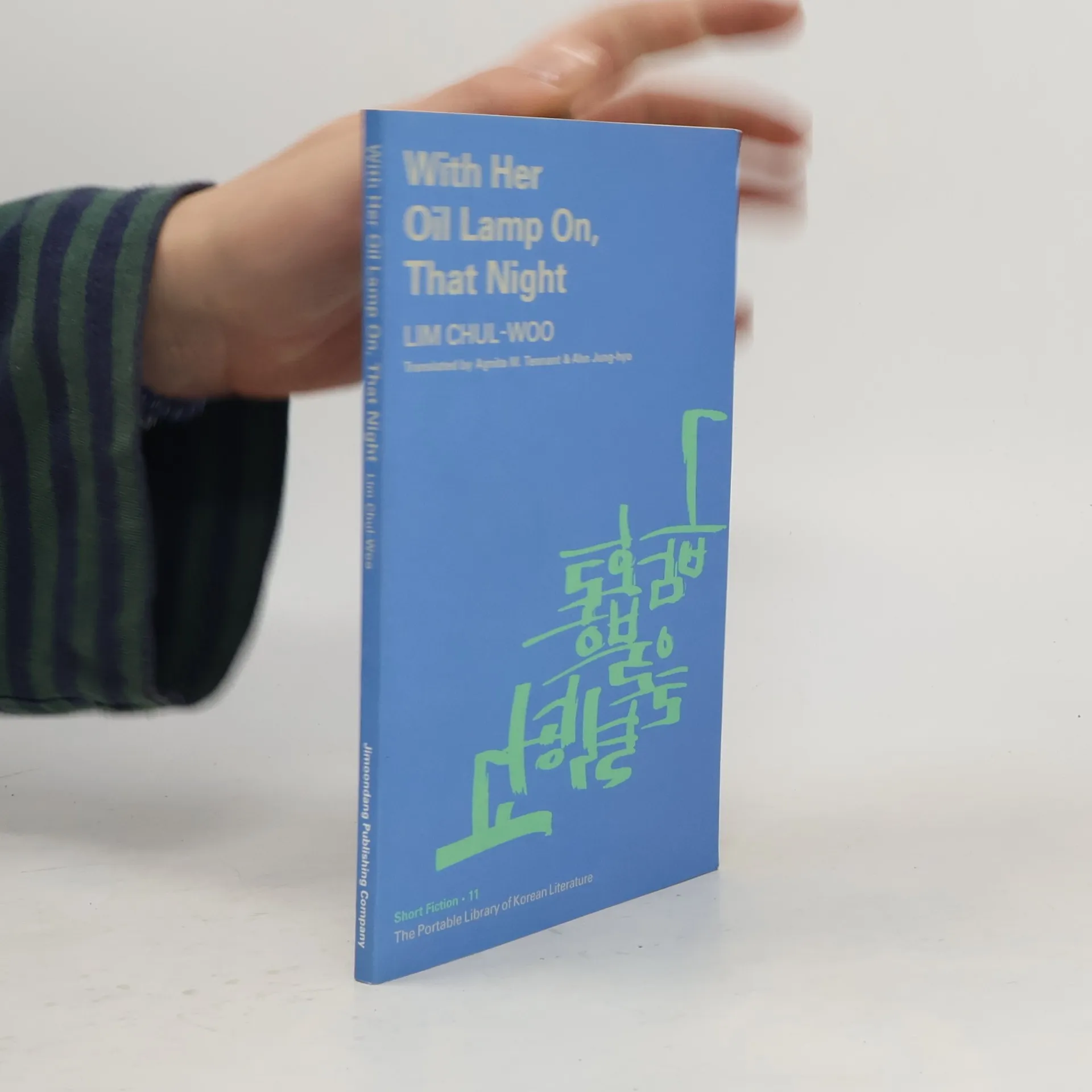
The Portable Library of Korean Literature - 11: With Her Oil Lamp On, That Night
Parametri
- 92pagine
- 4 ore di lettura
Maggiori informazioni sul libro
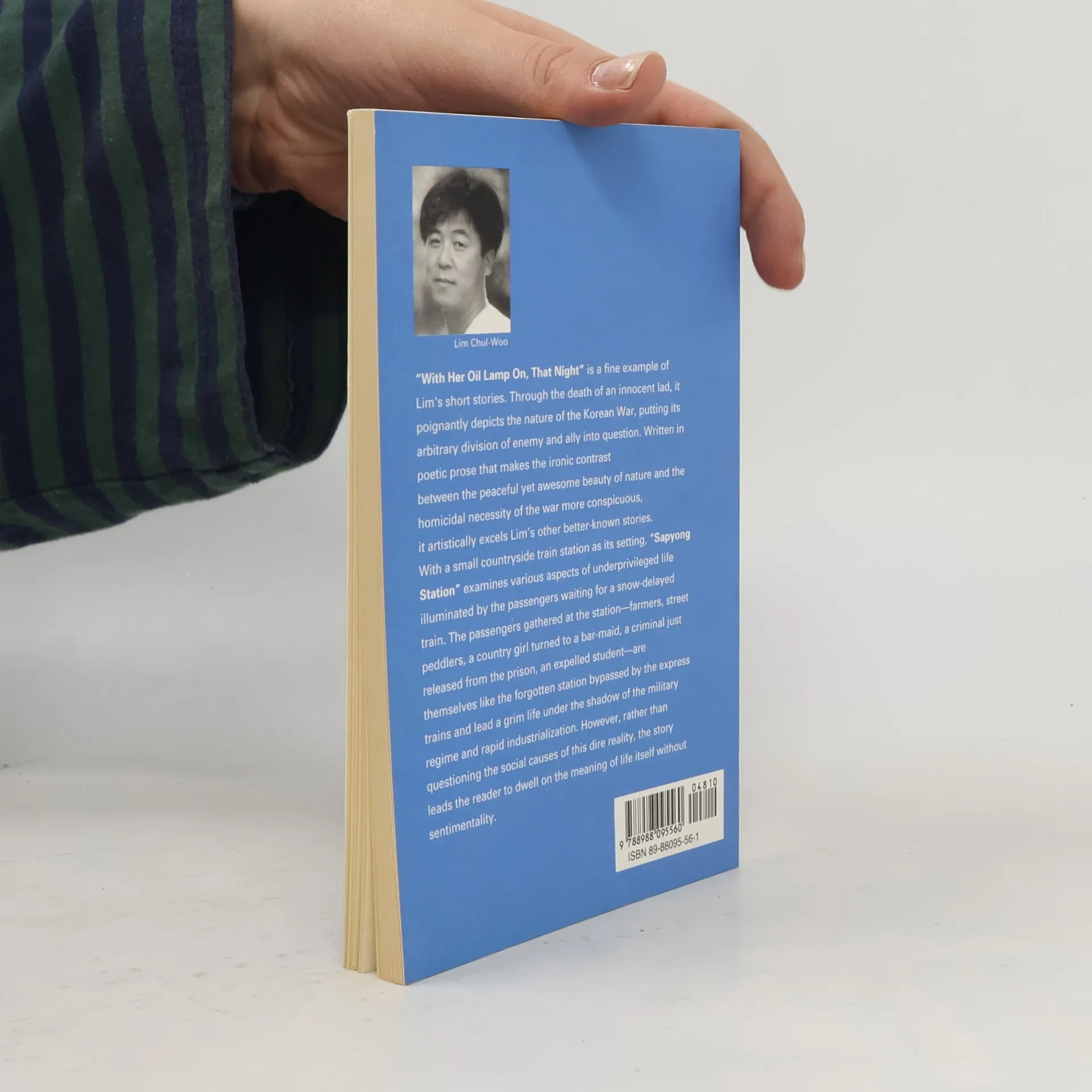
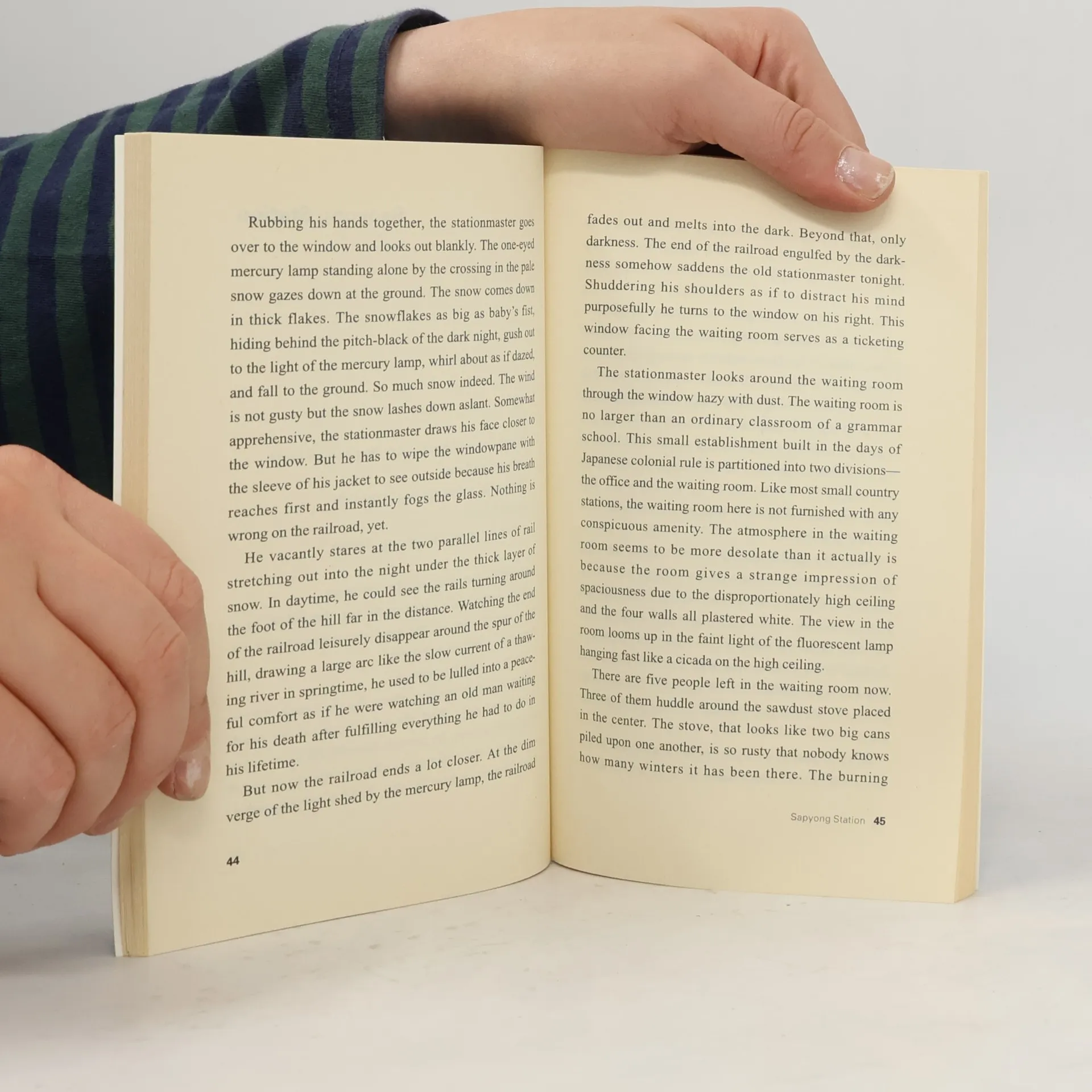
"With Her Oil Lamp On, That Night" is a fine example of Lim's short stories. Through the death of an innocent lad, it poignantly depicts the nature of the Korean War, putting its arbitrary division of enemy and ally into question. Written in poetic prose that makes the ironic contrast between the peaceful yet awesome beauty of nature and the homicidal necessity of the war more conspicuous, it artistically excels Lim's other better-known stories. With a small countryside train station as its setting, "Sapyong Station" examines various aspects of underprivileged life illuminated by the passengers waiting for a snow-delayed train. The passengers gathered at the station - farmers, street peddlers, a country girl turned to a bar-maid, a criminal just released from the prison, an expelled student - are themselves like the forgotten station bypassed by the express trains and lead a grim life under the shadow of the military regime and rapid industrialization. However, rather than questioning the social causes of this dire reality, the story leads the reader to dwell on the meaning of life itself without sentimentality.
Acquisto del libro
The Portable Library of Korean Literature - 11: With Her Oil Lamp On, That Night, Chul Woo Lim, Agnetta M. Tennant, Ahn Jung-hyo
- Lingua

- Pubblicato
- 2002
- Rilegatura
- (In brossura),
- Condizioni del libro
- In ottime condizioni
- Prezzo
- 12,89 €
Metodi di pagamento
Ancora nessuna valutazione.
- Titolo
- The Portable Library of Korean Literature - 11: With Her Oil Lamp On, That Night
- Lingua
- Inglese
- Editore
- Jimoondang
- Pubblicato
- 2002
- Formato
- In brossura
- Pagine
- 92
- ISBN10
- 8988095561
- ISBN13
- 9788988095560
- Serie
- Tag
- Descrizione
- "With Her Oil Lamp On, That Night" is a fine example of Lim's short stories. Through the death of an innocent lad, it poignantly depicts the nature of the Korean War, putting its arbitrary division of enemy and ally into question. Written in poetic prose that makes the ironic contrast between the peaceful yet awesome beauty of nature and the homicidal necessity of the war more conspicuous, it artistically excels Lim's other better-known stories. With a small countryside train station as its setting, "Sapyong Station" examines various aspects of underprivileged life illuminated by the passengers waiting for a snow-delayed train. The passengers gathered at the station - farmers, street peddlers, a country girl turned to a bar-maid, a criminal just released from the prison, an expelled student - are themselves like the forgotten station bypassed by the express trains and lead a grim life under the shadow of the military regime and rapid industrialization. However, rather than questioning the social causes of this dire reality, the story leads the reader to dwell on the meaning of life itself without sentimentality.